How Do You Keep Your Immune System Strong?

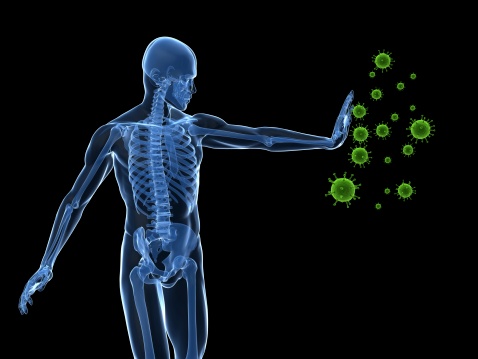
Our immune system protects our bodies from illness and infection. While having a strong immune system is important all year long, there are times of the year that its effectiveness is tested more than other.

body defense

With cold a flu season upon us, Flushing Hospital wants to offer some day-to-day lifestyle tips to avoid weakening your immune system and keep you healthy.

STRESS
Prolonged periods of intense stress can affect the immune system. Stress causes the brain to boost the production of hormones that weaken the function of the infection-fighting T cells. If you are experiencing high levels of stress, try to adopt stress-relieving activities to boost your immune system.

POOR SLEEP
Poor sleep is strongly associated with a weak immune system as it reduces the number of killer cells needed to fight germs. Recent research has suggested that the amount of flu-fighting antibodies produced was cut in half in those who were sleep deprived.

ALCOHOL
Excessive intake of alcohol may reduce the immune system’s response to invading pathogens because alcohol contains ingredients that impair lung functionality, making us more prone to viral or bacterial infections.

POOR DIET
Excessive consumption of refined sugars and highly processed food containing pesticides, chemical additives and preservatives can weaken the immune system. In addition, obesity can lead to a weakened immune system as it affects the ability of white blood cells to multiply, produce antibodies and prevent inflammation.

By adopting some healthy lifestyle practices and avoiding certain others, we can give our bodies the best chance of staving of illness this cold and flu season.

All content of this newsletter is intended for general information purposes only and is not intended or implied to be a substitute for professional medical advice, diagnosis or treatment. Please consult a medical professional before adopting any of the suggestions on this page. You must never disregard professional medical advice or delay seeking medical treatment based upon any content of this newsletter. PROMPTLY CONSULT YOUR PHYSICIAN OR CALL 911 IF YOU BELIEVE YOU HAVE A MEDICAL EMERGENCY.

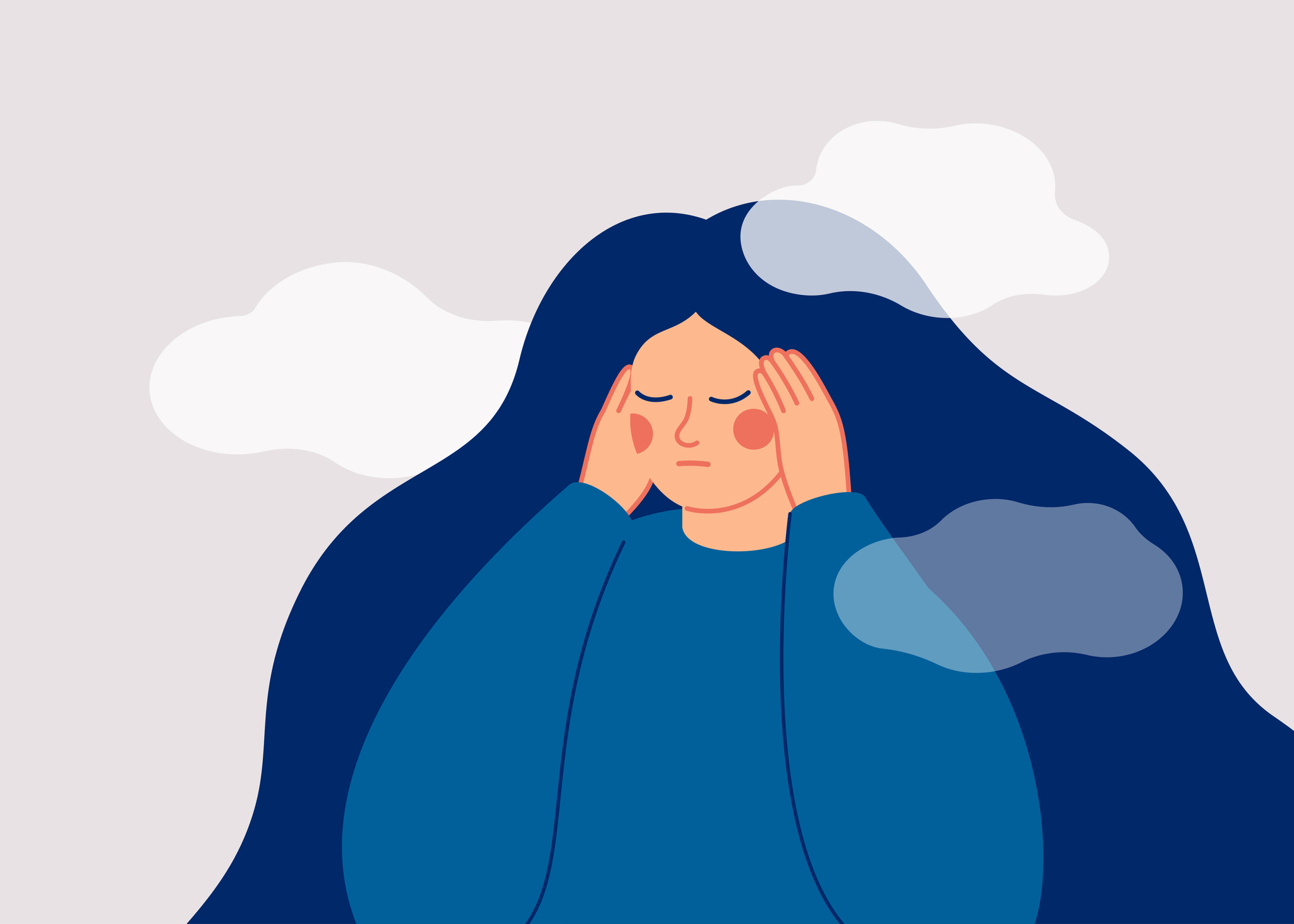
Can Stress be Sweet?


Stress can be disabling, but could it also affect your diabetes?

It is well known that stress can affect a person’s well-being and ability to function.  But, for people with diabetes, a stressful life can make managing their condition more difficult.

There isn’t a medically known relationship between diabetes and stress; but, researchers have found that people who live a stressful existence are 20 percent more likely to have diabetes than those who have learned to control their stress.

Additionally, studies indicate stress may have an effect on blood glucose levels causing them to spike.

Some ways to combat spiking blood glucose levels during stressful times are:

  • Devote 10 minutes of your day to a workout routine
  • Meditate for a few minutes a day
  • Get a hobby such as puzzles, sewing or reading
  • Take a 10-minute walk to get your mind off your stress

Having a comprehensive team of doctors or healthcare professionals is important to your health and managing your diabetes.  For an appointment, call Flushing Hospital Medical Center’s Ambulatory Care Center at 718-670-5486.

If you have been diagnosed with diabetes, FHMC has a diabetes support group.  For more information call 718-5000, ext 8232.

All content of this newsletter is intended for general information purposes only and is not intended or implied to be a substitute for professional medical advice, diagnosis or treatment. Please consult a medical professional before adopting any of the suggestions on this page. You must never disregard professional medical advice or delay seeking medical treatment based upon any content of this newsletter. PROMPTLY CONSULT YOUR PHYSICIAN OR CALL 911 IF YOU BELIEVE YOU HAVE A MEDICAL EMERGENCY.

Stress and Mental Health: Know Your Limits


 Stress—even the word alone can make you tense up a bit or set off a chain reaction of things that constantly keep your mind going. Some people may handle their stress more effectively or recover from stressful events quicker than others. We hear a lot of sayings about not worrying about the things we cannot control and not sweating the small stuff but, the fact remains, everyone feels stressed from time to time.

How often have you daydreamed of being an adult as a kid? When we’re younger we envy the freedom to do what we want as adults but, once we become adults we begin to miss the freedom of being a kid and not having to do too much. As an adult we have to cater to responsibilities, work to pay bills, meet deadlines, sometimes raise children and provide for our families. All of these things if not managed properly can lead to stress.

Prolonged exposure to stress can result in a decline in mental health.  There at least three different types of stress, all of which carry physical and mental health risks:

  1. Routine stress related to the pressures of work, family and other routine responsibilities
  2. Stress caused by a sudden negative change such as, losing a job, past due bills, or illness
  3. Traumatic stress from an event like a major accident, war, or assault

Stress that continues without relief can lead to a condition called distress — a negative stress reaction. Distress can lead to physical symptoms including headaches, upset stomach, elevated blood pressure, chest pain, and problems sleeping. Research suggests that stress also can bring on or worsen certain symptoms or diseases. The effects of stress usually build up over time. Taking practical measures to maintain your health and outlook can reduce or prevent these effects.

Managing your time is an important part of keeping your stress levels low. The following are some tips that may help you to cope with stress:

  • Talk about your problems to friends, family for emotional support or write them down in a journal. Sometimes releasing our problems helps us to deal with them.
  • Recognize signs of your body’s response to stress, such as trouble sleeping, increased alcohol intake or substance abuse, feeling depressed, having low energy, and being short-tempered.
  • Exercise regularly. A short walk can help boost your mood and reduce stress.
  • Set your priorities in order of importance and know when to say no when your tasks begin piling up.
  • Schedule regular times for healthy and relaxing activities.
  • Explore stress coping techniques like yoga, meditation or other gentle exercises.
  • Avoid dwelling on problems. Take note of all that you have accomplished without focusing on what you haven’t been able to complete yet.
  • Breathing exercises when you feel yourself becoming tense

All content of this newsletter is intended for general information purposes only and is not intended or implied to be a substitute for professional medical advice, diagnosis or treatment. Please consult a medical professional before adopting any of the suggestions on this page. You must never disregard professional medical advice or delay seeking medical treatment based upon any content of this newsletter. PROMPTLY CONSULT YOUR PHYSICIAN OR CALL 911 IF YOU BELIEVE YOU HAVE A MEDICAL EMERGENCY.

Take a Break

Studies have shown that taking regular breaks during the work day can improve productivity and mental acuity, reduce fatigue, relieve joint or muscle pain, and increase overall alertness.

Chronic stress from over working can put a strain on your body and put you at risk for poor health. Taking a break can give your body the chance to turn off the stress so that you can recuperate and repair.

Research has shown that people on a break feel healthier, have less physical complaints and could have a reduction in cholesterol levels on their return.

Some other benefits of taking a break or vacation are:

  • Vitamin D – The Sun is rich in Vitamin D which is essential for maintaining healthy bones and keeping the immune systems and nervous system functioning normally.
  • Relaxing – Taking time to relax on a break from working has powerful benefits for adults. It can be as important as sleep.

Break time shrinks stress – Time away from work helps shrink stress and anxiety while boosting mental and physical health.

Keep in mind that regularly scheduled breaks should be approved by your supervisor.


All content of this newsletter is intended for general information purposes only and is not intended or implied to be a substitute for professional medical advice, diagnosis or treatment. Please consult a medical professional before adopting any of the suggestions on this page. You must never disregard professional medical advice or delay seeking medical treatment based upon any content of this newsletter. PROMPTLY CONSULT YOUR PHYSICIAN OR CALL 911 IF YOU BELIEVE YOU HAVE A MEDICAL EMERGENCY.
Myth: Does Stress Make Your Hair Fall Out?

Truth: Being stressed can make your hair fall out

Severe stress can take a toll on your hair. All hair follicles normally undergo periodic “rest” periods; sudden stress can cause them to enter this resting phase prematurely, making the hair fall out in the three months following the stressful event. Normally hair growth restores naturally, but it’s important to deal with stress and seek medical advice to rule out any underlying illness, hormonal imbalance, or drug side effects.

ThinkstockPhotos-465280921

All content of this newsletter is intended for general information purposes only and is not intended or implied to be a substitute for professional medical advice, diagnosis or treatment. Please consult a medical professional before adopting any of the suggestions on this page. You must never disregard professional medical advice or delay seeking medical treatment based upon any content of this newsletter. PROMPTLY CONSULT YOUR PHYSICIAN OR CALL 911 IF YOU BELIEVE YOU HAVE A MEDICAL EMERGENCY.

Stress and Heart Disease: What’s the Connection?

Everyone has some degree of stress in their lives. Health concerns, family and relationship issues, financial problems can all cause stress which can ultimately affect one’s health.

Stress has been shown to raise the levels of certain hormones such as adrenaline and cortisol. Stress can affect the way blood clots and that can increase the risk of a heart attack.

Stress can:

  • Cause ulcers
  • Exacerbate asthma
  • Lead to digestive problems
  • Cause problems sleeping
  • Elevate blood pressure
  • Lead to coronary artery disease

Stress can lead to unhealthy behaviors such as overeating, smoking and alcohol consumption. These activities are considered coping mechanisms that can lead to additional health problems. It is very important to identify the sources of stress and learn to manage them. Some tips to manage stress include:

  • Learning to cope
  • Having a positive approach to situations
  • Starting an exercise regime
  • Eating healthy
  • Getting proper rest

If these don’t work, you can speak with a medical professional who can prescribe medication. The important thing to remember is that by reducing stress you will also be lowering the likelihood of developing long term health issues.

All content of this newsletter is intended for general information purposes only and is not intended or implied to be a substitute for professional medical advice, diagnosis or treatment. Please consult a medical professional before adopting any of the suggestions on this page. You must never disregard professional medical advice or delay seeking medical treatment based upon any content of this newsletter. PROMPTLY CONSULT YOUR PHYSICIAN OR CALL 911 IF YOU BELIEVE YOU HAVE A MEDICAL EMERGENCY.