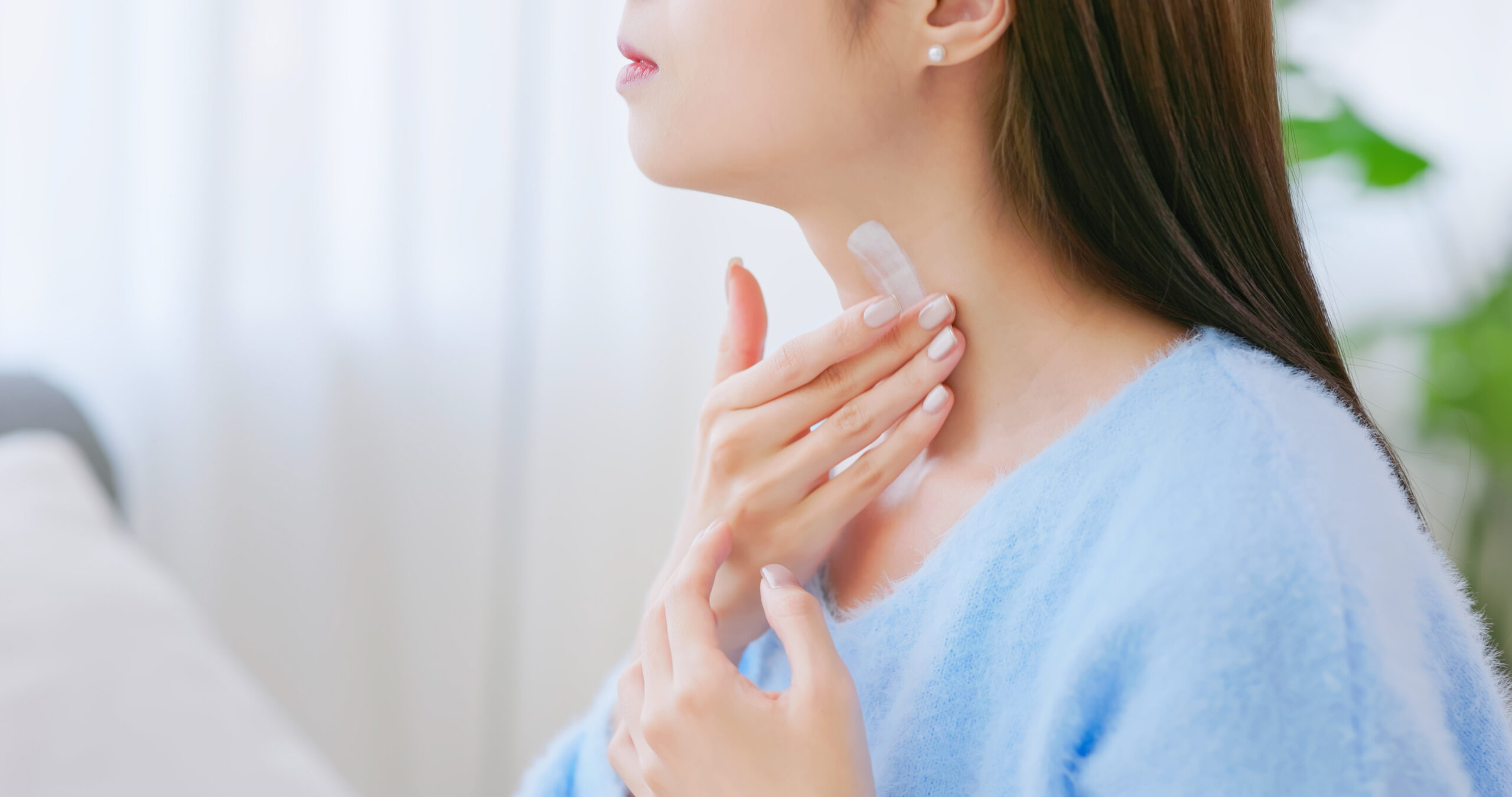
 Winter can be difficult to deal with when temperatures drop to bone-chilling levels and are accompanied by frigid winds. The temperatures and wind can also be difficult on our skin due to low humidity, causing it to become cracked and dry. Even the heat in our homes and cars makes skin dryness worse because it removes moisture from the air.
According to the Columbia University Irving Medical Center, the outermost layer of the skin, called the stratum corneum, acts as a protective barrier that helps retain water. As the stratum corneum loses moisture, the skin can become red, irritated, and cracked. This especially affects older adults as their aging skin is thinner and produces fewer natural oils, which makes it more prone to losing moisture.
Here are some dermatologist-recommended tips to help prevent any further loss of water and restore moisture to your skin barrier:
- Using a humidifier at night to help prevent your skin from drying out
- Wearing gloves while cleaning or washing dishes to prevent hot water and detergents from stripping away the skin’s natural oils
- Using a cream instead of a lotion to moisturize your skin
- Using moisturizers containing hydrating ingredients such as hyaluronic acid, ceramides, and cholesterol
- Applying moisturizer after showering to help lock in moisture while your skin is still damp
- Using a petroleum- or lanolin-based ointment and apply at night to the hands and feet, and covering them with cotton gloves or socks
- Drinking water helps you stay hydrated from the inside out
Here are some tips on what to avoid as you try to care for your skin this winter:
- Scented products and some anti-aging ingredients, as fragrances, can draw moisture from the skin and cause irritation
- Long showers using hot water can worsen dryness. Dermatologists recommend using lukewarm water and avoiding prolonged baths or showers
- Wool fabrics can cause itching and irritation when it rubs against the skin. The National Eczema Association recommends wearing layers that are cotton-based in the winter and removing any damp clothing immediately
If you are having issues with your skin, you can receive treatment at Flushing Hospital Medical Center’s Ambulatory Care Center. To schedule an appointment, please call (718) 670-5486.
All content of this newsletter is intended for general information purposes only and is not intended or implied to be a substitute for professional medical advice, diagnosis or treatment. Please consult a medical professional before adopting any of the suggestions on this page. You must never disregard professional medical advice or delay seeking medical treatment based upon any content of this newsletter. PROMPTLY CONSULT YOUR PHYSICIAN OR CALL 911 IF YOU BELIEVE YOU HAVE A MEDICAL EMERGENCY.