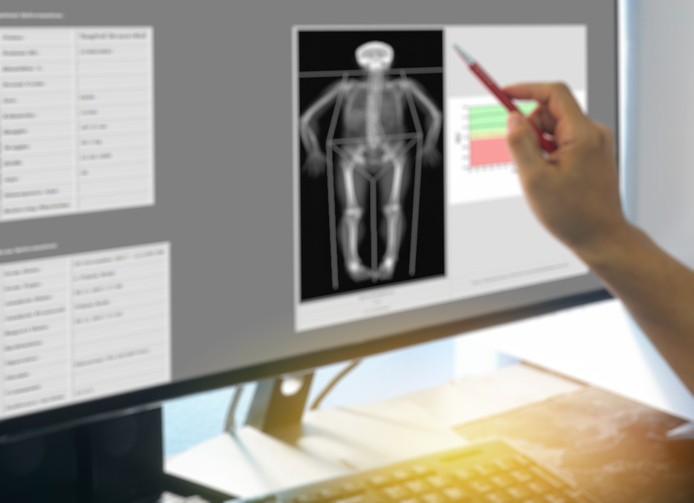
New Year’s Weight Loss Goals

One of the most common New Year’s resolutions is losing weight.  For some, this goal can be accomplished through diet and exercise; however, for others losing weight may require more intensive approaches.

Losing a significant amount of weight can be very challenging, especially for people who are overweight or obese. Weight loss (bariatric surgery) has been proven to be a safe and effective way to overcome this challenge.

Bariatric surgery is performed on the stomach or intestines to reduce food intake or absorption, and induce weight loss. Weight loss surgery can also help those who are at risk of diabetes and hypertension to reduce their chances of developing these or other obesity-related diseases.

If you are interested in surgery, one of the first steps you should take is finding out if you are a good candidate.  Surgery may be appropriate for people who:

  • Have a body mass index  (BMI) over 40
  • Are 100 lbs. over their ideal body weight
  • Are experiencing disabling pain in weight-bearing joints
  • Have a BMI of 35 along with obesity-related disorders such as high blood pressure, diabetes, sleep apnea or degenerative joint disease.
  • Have tried to lose weight through diet and exercise but  have been unsuccessful

Choosing a weight loss surgery provider that is accredited by programs such as the Metabolic and Bariatric Surgery Accreditation and Quality Improvement Program (MBSAQIP®) is highly recommended. This accreditation ensures that your provider follows a high standard of care.

Flushing Hospital’s Bariatric Surgical Center is the first Bariatric Center of Excellence accredited by the MBSAQIP. The center provides care from a multi-disciplinary group of health care practitioners who are compassionate and fully invested in helping you in every step of your weight loss journey.

To learn more about Flushing Hospital’s Bariatric Surgical Center, please call 718-408-6977or 718-670-8908.

All content of this newsletter is intended for general information purposes only and is not intended or implied to be a substitute for professional medical advice, diagnosis or treatment. Please consult a medical professional before adopting any of the suggestions on this page. You must never disregard professional medical advice or delay seeking medical treatment based upon any content of this newsletter. PROMPTLY CONSULT YOUR PHYSICIAN OR CALL 911 IF YOU BELIEVE YOU HAVE A MEDICAL EMERGENCY.


Make Your Smile a Priority in 2020

We have all made New Year’s resolutions at some point in our lives. Many of these

annual vows revolve around improving our health.  Typical resolutions may include losing weight, quitting smoking, or beginning an exercise routine, but what about our oral health? The New Year is also a good time to commit ourselves to better dental care.

Make 2018 the year you look to improve your smile. Some ways to help you meet this goal include:

  • Practice Good Oral Hygiene – Daily brushing and flossing is a simple way to improve your oral health. For successful bacterial plaque removal, it is important to brush at least twice a day and floss at least once per day to remove bacterial plaque and food that has accumulated throughout the day. Daily brushing and flossing help to prevent gingivitis (gum disease), tooth decay and halitosis (bad breath). The daily use of antimicrobial and fluoride mouth rinses also helps to improve your oral health.
  • Watch What You Eat and Drink – An important part of achieving your dental health resolutions is making healthier food and beverage choices, especially for snacks. Frequent consumption of food and beverages containing carbohydrates and acids contributes to tooth decay.
  • Quit Smoking – Quitting cigarette smoking and smokeless tobacco use is important for improving your oral and overall health. There is no better time than the present to make a resolution to stop tobacco use. Consider free online tools, smoking cessation groups, progress-tracking apps and support from friends and family to assist you with tobacco cessation.
  • Use Whitening Products – There are several over-the-counter smile-improving products that you
    can use to whiten your teeth when you brush and floss. In recent years, tooth whitening has acquired enormous popularity because they can enhance the appearance of teeth by removing deep (intrinsic) or surface (extrinsic) stains.
  • Receive Regular Check-Ups – A resolution to make routine visits to the dentist may help prevent oral disease or reveal an existing disease in its early stage. Dental visits should take place every six months to allow your dentist and dental hygienists to monitor the condition of your oral cavity and develop an appropriate treatment plan to meet your wants and needs.

Some however might need to make more than a few lifestyle changes to address their dental needs. For those, a dentist or orthodontist can help. Make this the year you stop putting off having dental work done. An orthodontist can correct an overbite or straighten crooked teeth and a dentist can address your need for crowns, implants or fillings to preserve your tooth structure.

To make an appointment at Flushing Hospital’s Dental Center, please call 718-670-5521.

All content of this newsletter is intended for general information purposes only and is not intended or implied to be a substitute for professional medical advice, diagnosis or treatment. Please consult a medical professional before adopting any of the suggestions on this page. You must never disregard professional medical advice or delay seeking medical treatment based upon any content of this newsletter. PROMPTLY CONSULT YOUR PHYSICIAN OR CALL 911 IF YOU BELIEVE YOU HAVE A MEDICAL EMERGENCY.

What is Pinkeye ?

Pinkeye, also known as conjunctivitis, is one of the most common and highly treatable eye conditions.  More than three million adults and children in the U.S. contract pinkeye every year.

Pinkeye occurs when the thin, clear tissue under the eyelid, known as the conjunctiva, becomes inflamed.  This inflammation makes the blood vessels in the eye more visible, giving them a pink appearance.  People who develop pinkeye typically experience pain, or feel a burning or itchy sensation. Their eyes may also tear and form a discharge that crusts while sleeping.  Other symptoms may include swelling, tenderness or sensitivity to light.

There are several causes for pinkeye, but it is most commonly either viral, which is the most contagious form, or due to a bacterial infection. Other factors that can lead to pinkeye include exposure to irritants such as shampoo, cosmetics, dirt, or pool chlorine, an allergic reaction to pollen, dust, or smoke, or a reaction to eye drops or contact lenses.  Usually a doctor can diagnose pinkeye through a routine examination.

Treating pinkeye depends on the cause of the condition.  In most cases it is treated by administering artificial tears, which can be purchased over-the-counter, to treat the dryness and cold compresses to treat inflammation. If pinkeye has developed due to a bacterial infection, antibiotics may be prescribed. Symptoms of pinkeye typically last anywhere from one to two weeks.

To avoid contracting pinkeye, take the following precautions:

  • Wash your hands frequently with soap and warm water. If soap and water are not available, use an alcohol-based hand sanitizer that contains at least 60 percent alcohol.
  • Avoid touching or rubbing your eyes.
  • Avoid sharing towels, blankets, and pillowcases.
  • Do not share eye makeup, face makeup, makeup brushes, contact lenses or containers, or eyeglasses.

In rare cases pinkeye can lead to complications. Please see a doctor if you experience moderate to severe pain your eyes, if you have problems with your vision, or if symptoms persist or worsen over time.

Pinkeye, also known as conjunctivitis, is one of the most common and highly treatable eye conditions.  More than three million adults and children in the U.S. contract pinkeye every year.

Pinkeye occurs when the thin, clear tissue under the eyelid, known as the conjunctiva, becomes inflamed.  This inflammation makes the blood vessels in the eye more visible, giving them a pink appearance.  People who develop pinkeye typically experience pain, or feel a burning or itchy sensation. Their eyes may also tear and form a discharge that crusts while sleeping.  Other symptoms may include swelling, tenderness or sensitivity to light.

There are several causes for pinkeye, but it is most commonly either viral, which is the most contagious form, or due to a bacterial infection. Other factors that can lead to pinkeye include exposure to irritants such as shampoo, cosmetics, dirt, or pool chlorine, an allergic reaction to pollen, dust, or smoke, or a reaction to eye drops or contact lenses.  Usually a doctor can diagnose pinkeye through a routine examination.

Treating pinkeye depends on the cause of the condition.  In most cases it is treated by administering artificial tears, which can be purchased over-the-counter, to treat the dryness and cold compresses to treat inflammation. If pinkeye has developed due to a bacterial infection, antibiotics may be prescribed. Symptoms of pinkeye typically last anywhere from one to two weeks.

To avoid contracting pinkeye, take the following precautions:

  • Wash your hands frequently with soap and warm water. If soap and water are not available, use an alcohol-based hand sanitizer that contains at least 60 percent alcohol.
  • Avoid touching or rubbing your eyes.
  • Avoid sharing towels, blankets, and pillowcases.
  • Do not share eye makeup, face makeup, makeup brushes, contact lenses or containers, or eyeglasses.

In rare cases pinkeye can lead to complications. Please see a doctor if you experience moderate to severe pain your eyes, if you have problems with your vision, or if symptoms persist or worsen over time.

To make an appointment at Flushing Hospital, please call 718-670-5486.

All content of this newsletter is intended for general information purposes only and is not intended or implied to be a substitute for professional medical advice, diagnosis or treatment. Please consult a medical professional before adopting any of the suggestions on this page. You must never disregard professional medical advice or delay seeking medical treatment based upon any content of this newsletter. PROMPTLY CONSULT YOUR PHYSICIAN OR CALL 911 IF YOU BELIEVE YOU HAVE A MEDICAL EMERGENCY.

Flushing Hospital’s Nurse of The Month

Our nurses are the pillars of our community. In addition to meeting the demands of being a caregiver, they wear several hats including that of an educator, nurturer,  and comforter.

Not only do nurses care for patients; they provide support to families and loved ones during difficult times.

Our nurses pour their hearts into all aspects of their job, and this is one of the many reasons why we celebrate their accomplishments.

Join us in congratulating Daniel Park, RN for receiving Flushing Hospital Medical Center’s Nurse of the Month.

Meet Daniel:

Q&A:

Q: How long have you been working for FHMC?
A:
I have been working at Flushing Hospital for 2 years and 6 months.

Q: On which unit do you currently work?
A: 
  4 North 2

Q: Why did you want to become a nurse?
A: 
My father had stomach cancer so, I wanted to have more knowledge about health care and to work in the health care field.

QWhat is the best part of your job?
A:
 The best part of my job is seeing how happy our patients and their families are when the patients get better and get to go home.

All content of this newsletter is intended for general information purposes only and is not intended or implied to be a substitute for professional medical advice, diagnosis or treatment. Please consult a medical professional before adopting any of the suggestions on this page. You must never disregard professional medical advice or delay seeking medical treatment based upon any content of this newsletter. PROMPTLY CONSULT YOUR PHYSICIAN OR CALL 911 IF YOU BELIEVE YOU HAVE A MEDICAL EMERGENCY.
Mourning The Loss Of A Loved One During The Holiday Season

 The holiday season is a time for making new and happy memories with the ones we love. It can also be a time when we remember and mourn those we lost. The sentiment of the season can magnify your sense of loss and make coping with the death of a loved one even more difficult.

While there is no remedy for heartache we can offer a few tips to help you cope with grief during the holidays: 

Allow others to help – The love and support from others around you can be instrumental in helping you during a time of grief. Do not be afraid or embarrassed to ask for help. Consider joining a support or bereavement group. 

Accept your feelings – If you are feeling sad do not feel guilty if others are unsuccessful in trying to cheer you up. Allow yourself time to work through this emotion and set realistic expectations for yourself. On the contrary, do not feel guilty for enjoying the holidays. Experiencing joy does not mean you are grieving your loved one any less. 

Cut back – If the activities of the holidays are too much to bear, it is okay to scale back. An example of cutting back is limiting the number of holiday parties you host or attend. 

Memorializing those who have passed- Memorializing the loss of a loved one can be therapeutic. Participating in ceremonies in their honor, making a new tradition or donating to a charity on their behalf are some of the ways you can memorialize the person you lost. 

Take care of yourself-This is the time to be most in touch with your emotional and physical health. If you realize that your sadness begins to develop into feelings of hopelessness, or you are displaying other signs of depression, seek the help of a mental health professional as soon as possible. Be mindful of your physical health by ensuring that you are eating properly, getting enough sleep, and exercising.

The process of grief varies from person to person. Using some of these tips may not make your emotions go away but they can help you cope. Learn what works best for you and remember to pay attention to negative changes in your physical and mental health. If you are beginning to feel overwhelmed by these changes, do not hesitate to seek the help of your doctor or mental health professional.

All content of this newsletter is intended for general information purposes only and is not intended or implied to be a substitute for professional medical advice, diagnosis or treatment. Please consult a medical professional before adopting any of the suggestions on this page. You must never disregard professional medical advice or delay seeking medical treatment based upon any content of this newsletter. PROMPTLY CONSULT YOUR PHYSICIAN OR CALL 911 IF YOU BELIEVE YOU HAVE A MEDICAL EMERGENCY.

Employee Spotlight – Ruth Tapias

December Employee Spotlight shines on Ruth Tapias, Secretary for the and Administrative Office. Ruth began her journey at Flushing Hospital 15 years ago as a Registrar. In her capacity as Secretary, Ruth provides data entry and billing support for the Chemical Dependence Unit, Psychiatry Inpatient Unit as well as assisting the Office Manager in maintaining an efficient administrative office. When not at work, Ruth enjoys activities such as, cooking, dining, traveling, reading, Bible study, playing the guitar, karaoke, shopping and visiting her family in Ecuador. Although Ruth loves her job, she admits that dealing with different personality traits can sometimes be challenging. When asked what the most rewarding part of her job is, Ruth stated, “The most rewarding and satisfying part of my job is the people that I work with. I work in an environment that encourages personal growth and provides the opportunity to continuously learn and flourish. Flushing Hospital would like to congratulate Ruth Tapias for being selected as December’s Employee Spotlight!  

All content of this newsletter is intended for general information purposes only and is not intended or implied to be a substitute for professional medical advice, diagnosis or treatment. Please consult a medical professional before adopting any of the suggestions on this page. You must never disregard professional medical advice or delay seeking medical treatment based upon any content of this newsletter. PROMPTLY CONSULT YOUR PHYSICIAN OR CALL 911 IF YOU BELIEVE YOU HAVE A MEDICAL EMERGENCY.
Cranberry Apple Hazelnut Crumble

Flushing Hospital Medical Center Registered Dietitian Jessica Hyman is sharing one of her favorite holiday recipes.

Serves 8  

Ingredients
12 oz fresh cranberries
3 apples, peeled, sliced
1 orange, zest and juice
1/2 cup coconut palm sugar (or brown sugar), divided
1 cup old-fashioned oats, gluten-free
1/4 cup whole grain, gluten-free flour (eg, quinoa, sorghum, or millet flour)
1/3 cup hazelnuts, chopped
1 tsp cinnamon
1 tsp cardamom
1/2 tsp ginger, ground
Pinch salt (optional)
1/4 cup coconut oil, melted, cooled

Directions
1. Preheat oven to 375° F.

2. Mix cranberries and apples together in a medium bowl. Add the zest and juice of one orange and the sugar and toss well.

3. Pour filling into a 9-inch pie dish.

4. In a small bowl, mix together oats, flour, hazelnuts, cinnamon, cardamom, ginger, and salt (optional). Stir in coconut oil with a fork to make a crumbly mixture.

5. Sprinkle crumb topping over cranberry apple filling and bake uncovered for 1 hour.

Nutrient Analysis per serving
Calories: 251; Total fat: 12 g; Sat fat: 6 g; Sodium: 6 mg; Total carbohydrate: 35 g; Dietary fiber: 5 g; Sugars: 21 g; Protein: 3 g

— Recipe and photograph courtesy of Sharon Palmer, MSFS, RDN

All content of this newsletter is intended for general information purposes only and is not intended or implied to be a substitute for professional medical advice, diagnosis or treatment. Please consult a medical professional before adopting any of the suggestions on this page. You must never disregard professional medical advice or delay seeking medical treatment based upon any content of this newsletter. PROMPTLY CONSULT YOUR PHYSICIAN OR CALL 911 IF YOU BELIEVE YOU HAVE A MEDICAL EMERGENCY.

Dealing With Holiday Depression

The holiday season may be a time of happiness for many but for others it can also be the time of year that they are likely to feel depressed.

Financial stress, increased alcohol or food consumption, Seasonal Affective Disorder and loneliness are common contributors to depression during the holidays.

While the source of depression may vary from person to person, there are chronic behaviors and health problems that are widely recognized as symptoms of the disorder.  Some of these include:

  • Fatigue
  • Insomnia
  • Sleeping excessively
  • Loss of interest in activities or hobbies that were once enjoyable
  • Loss of appetite
  • Difficulty concentrating
  • Feelings of hopelessness or worthlessness

People who experience bouts of depression during the holidays can reduce these symptoms by:

  • Asking for help when holiday stressors become overwhelming
  • Moderating alcohol consumption
  • Spending time with loved ones
  • Exercising
  • Eating a healthy and balanced diet
  • Getting enough sleep
  • Practicing relaxation techniques such as yoga or meditation

If symptoms of depression persist or progress into self-harming thoughts, please seek the help of a mental health professional immediately. It is important to remember there is no shame in receiving assistance from mental health professionals; they will help you to identify the source of your depression and offer several options for treatment.

To schedule an appointment with a at , call

All content of this newsletter is intended for general information purposes only and is not intended or implied to be a substitute for professional medical advice, diagnosis or treatment. Please consult a medical professional before adopting any of the suggestions on this page. You must never disregard professional medical advice or delay seeking medical treatment based upon any content of this newsletter. PROMPTLY CONSULT YOUR PHYSICIAN OR CALL 911 IF YOU BELIEVE YOU HAVE A MEDICAL EMERGENCY.
What to Expect After Robotic-Assisted Hysterectomy

Robotic-assisted hysterectomy in Flushing New York

A hysterectomy is the surgical removal of the uterus and in some instances the cervix.  

Hysterectomies are performed by surgeons to treat several gynecological conditions such as endometriosis, fibroids, uterine collapse or cervical cancer. The operation can be done vaginally or through the abdomen.

Depending on the reason for surgery, you may be a candidate for robotic-assisted laparoscopic hysterectomy.  During this minimally invasive procedure, surgeons operate by making small incisions into the abdomen; utilizing the aid and precision of a robot to control tiny surgical instruments.  Surgery may last between three to four hours.  Times can vary as each patient’s case is unique. After surgery, your doctor may recommend that you stay at least one night in the hospital for observation.

A complete recovery post-surgery can take anywhere between six to eight weeks. During this time you may experience:

  • Vaginal bleeding  or a dark-brown discharge for a few days  or weeks 
  • Little or no pain  
  • Tiredness
  • A poor appetite
  • A swollen or puffy belly
  • Discomfort at the incision site
  • Burning or itching around the incision
  • A sense of loss ( It is not unusual for some women  to temporarily feel a sense of loss or depression)

It is highly recommended that you seek medical attention if you are experiencing a fever over 100 degrees Fahrenheit, swelling or drainage of the incision,  bright red vaginal bleeding, severe pain, vomiting or nausea, frequent urination, difficulty urinating or a burning sensation during urination.

As your body heals it is important to follow self-care guidelines your doctor provides. This may include refraining from lifting objects greater than 20lbs for up to six weeks after surgery, keeping the incision site clean and dry, waiting at least four weeks before submerging in the tub, refraining from vaginal intercourse or inserting objects into the vagina for eight weeks.

Flushing Hospital Medical Center’s expert team of surgeons is highly trained in performing hysterectomies with the assistance of the da Vinci robotic surgery system. This highly advanced, minimally invasive technology can offer patients several benefits including minimal bleeding, shorter hospital stays and recovery periods.

To schedule an appointment with a surgeon at Flushing Hospital who specializes in minimally invasive robotic surgery, please call 718-670-3135.

All content of this newsletter is intended for general information purposes only and is not intended or implied to be a substitute for professional medical advice, diagnosis or treatment. Please consult a medical professional before adopting any of the suggestions on this page. You must never disregard professional medical advice or delay seeking medical treatment based upon any content of this newsletter. PROMPTLY CONSULT YOUR PHYSICIAN OR CALL 911 IF YOU BELIEVE YOU HAVE A MEDICAL EMERGENCY.

Plantar Fasciitis

Plantar Fasciitis treatment in queens

Have you ever experienced heel pain when you take those first few steps in the morning? The cause of this discomfort may be due to a tightening of the band of tissue known as the plantar fascia that runs along the bottom of the foot, from the heel to the toes.

When this ligament becomes strained, irritated, inflamed or swollen and causes pain when walking, the condition is known as plantar fasciitis.

Risk factors and causes of plantar fasciitis:

•High foot arches
•Flat feet
•Standing or walking on a hard surface for long periods of time
•Being overweight or obese
•Poor fitting shoes
•Tight Achilles tendons or calf muscles
•Tiny tears in the plantar fascia caused by repetitive straining
A proper diagnosis of plantar fasciitis is made by a physical examination of the foot and obtaining a comprehensive medical history of the patient. An x-ray or an MRI may be needed to see if there is a bone fracture that is causing the problem, also to determine if there is a bone spur present on the bottom of the heel.

Treatment of plantar fasciitis can involve taking an anti-inflammatory medication, physical therapy, stretching exercises, shoe inserts known as orthotics, steroid injections, and ultrasound. In severe cases, a surgical procedure may be necessary to provide relief.

All content of this newsletter is intended for general information purposes only and is not intended or implied to be a substitute for professional medical advice, diagnosis or treatment. Please consult a medical professional before adopting any of the suggestions on this page. You must never disregard professional medical advice or delay seeking medical treatment based upon any content of this newsletter. PROMPTLY CONSULT YOUR PHYSICIAN OR CALL 911 IF YOU BELIEVE YOU HAVE A MEDICAL EMERGENCY.