Avoid Food Poisoning This Summer

It is estimated  that around 48 million cases of foodborne illnesses occur each year in the U.S.  These illnesses  develop when an individual consumes food that is contaminated with bacteria, viruses or parasites.

One of the most common types of  foodborne illnesses is food poisoning.

The chances of getting food poisoning are higher during the summer months as the warmer weather promotes the growth of harmful organisms and increases the likelihood of contamination.

According to United States Department of Agriculture (USDA) Food Safety and Inspection Service, “Foodborne bacteria grow fastest at temperatures between 90 to 110 °F (32 to 43°C.)” In higher temperatures, food will produce the nutrients and moisture needed for pathogens (virus, bacteria and other microorganisms that cause disease) to flourish.  Some of the most common pathogens that cause food poisoning are Salmonella, Listeria, Toxoplasma, E. coli and norovirus.

In addition to warmer temperatures, summer provides us with more opportunities to cook outdoors. It is difficult to utilize food safety controls such as refrigeration, thermostat-controlled cooking and convenient facilities to wash our hands when cooking outside. These factors can further increase the risk of food contamination.

Food poisoning is preventable and there are several safety measures that can be exercised to reduce the risk of exposure. Flushing Hospital Medical Center shares the following tips to prevent contamination:

  • Clean hands and food preparation stations often– It is important to wash your hands. Unclean hands can spread germs and cause foodborne illness. It is equally as important to keep the areas where you prepare food clean; germs can thrive on hard surfaces as well.
  • Cook food at proper temperatures- The USDA recommends that you cook the following meats and poultry until they reach these internal temperatures:

Poultry (whole, pieces & ground): 165 °F /74 °C

Ground meats: 160 °F /71 °C

Beef, pork, lamb and veal (steaks, roasts & chops): 145 °F /63 °C

  • Keep raw and cooked foods separate- Avoid cross contamination of food by wrapping raw meats and poultry separately during storage. Keep them away from other foods in coolers or similar storage devices. Do not place cooked meats on plates or other utensils that previously contained raw meat; unless they have been properly cleaned with soap and hot water.
  • Refrigerate perishables and leftovers promptly- The Centers for Disease Control and Prevention (CDC) states that, “Germs can grow in many foods within 2 hours unless you refrigerate them. (During the summer heat, cut that time down to 1 hour.)”
  • Clean produce- Before cutting, preparing and serving produce, it is important to wash them.

Food poisoning is characterized by symptoms that include diarrhea, vomiting, fever, abdominal cramps and nausea. Symptoms may take a few hours or days to present.  These symptoms typically run their course and go away on their own.  Your doctor will recommend that you keep hydrated, and may suggest that along with water, drink clear broths and non-caffeinated sport drinks.  Getting plenty of rest and avoiding foods that contain dairy, alcohol, caffeine, high concentration of fats and seasoning may also be recommended.  Before taking over the counter medications such as anti-diarrhea medicine, consult your doctor first.

If severe symptoms such as the following persist, see your physician right away”:

  • Blood in vomit or stool
  • Diarrhea for more than three days
  • Frequent vomiting and the inability to keep liquids down
  • Signs of dehydration, such as lightheadedness, dizziness, excessive thirst, severe abdominal cramps,  weak or no urination and dry mouth
  • Neurological symptoms such as tingling in the arms, blurry vision and weakness in muscles
  • Confusion
  • Rapid heartbeat
  • Fever over 101.5 F

Food poisoning can be very dangerous for the elderly, pregnant women and people with weakened immune systems. Flushing Hospital warns to not take symptoms lightly  and seek treatment immediately

All content of this newsletter is intended for general information purposes only and is not intended or implied to be a substitute for professional medical advice, diagnosis or treatment. Please consult a medical professional before adopting any of the suggestions on this page. You must never disregard professional medical advice or delay seeking medical treatment based upon any content of this newsletter. PROMPTLY CONSULT YOUR PHYSICIAN OR CALL 911 IF YOU BELIEVE YOU HAVE A MEDICAL EMERGENCY.


Breakthrough COVID Cases

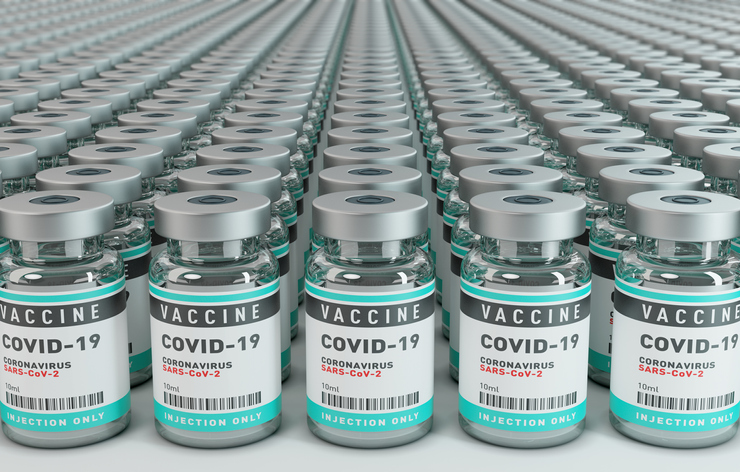
COVID-19 vaccines have proven effective in helping our bodies fight COVID and prevent serious illness.  Based on evidence gathered from clinical trials, Johnson and Johnson’s Janssen vaccine was found to be 66.3% effective in protecting us from the virus, Moderna’s vaccine 94.1%, and Pfizer- BioNTech’s vaccine 95%.

Although each vaccine offers a high level of protection, none are 100% effective in preventing illness in vaccinated people.  Therefore, a small percentage of fully vaccinated people can potentially get sick if they are exposed to the virus.  These occurrences are being referred to as “Vaccine Breakthrough Cases”

According to the Centers for Disease Control and Prevention (CDC), breakthrough cases are expected. However, they are very rare. A recent study conducted by the agency found that among the 101 million people vaccinated from January 1st to April 30th, there were just 10,262 breakthrough cases across 46 states.  This amounts to .01% of the population.

Despite concerns about breakthrough cases, the CDC is encouraging people to get vaccinated because the number of COVID-19 cases, hospitalizations, and deaths that will be prevented among vaccinated persons will far exceed the number of breakthrough cases.  Furthermore, there is some evidence that suggests vaccination may make symptoms less severe in those who are vaccinated, and still get sick.

It is important to note that COVID vaccines are most effective two weeks after a person is fully vaccinated.  Individuals are considered fully vaccinated after they have completed the recommended number of doses for the vaccine received.  Someone who tests positive for COVID-19 between doses or within the two-week period after receiving their final dose, would not be considered a breakthrough case.   The CDC defines breakthrough cases as people who test positive for the coronavirus 14 or more days after receiving their final shot.

While COVID vaccines play a vital role in stopping the spread of the virus, we must continue to practice safety measures to protect ourselves and others.  Wearing a mask, washing our hands, and practicing social distancing can bolster our efforts to prevent exposure and the transmission of COVID.

All content of this newsletter is intended for general information purposes only and is not intended or implied to be a substitute for professional medical advice, diagnosis or treatment. Please consult a medical professional before adopting any of the suggestions on this page. You must never disregard professional medical advice or delay seeking medical treatment based upon any content of this newsletter. PROMPTLY CONSULT YOUR PHYSICIAN OR CALL 911 IF YOU BELIEVE YOU HAVE A MEDICAL EMERGENCY.
How Does Dehydration Affect the Body ?

Dehydration is a condition, seen at any time of the year but more often during the warmer months,  whereby the body doesn’t have enough water and therefore is unable to function properly. The severity of dehydration, mild, moderate or severe indicates how much water is missing from the body. Severe dehydration can lead to the body going into shock. The people who are most susceptible to dehydration are people who work outdoors in warm weather, and also athletes, the elderly, and people who live in high altitudes.

The body loses water in various ways. These include:

  • Sweating
  • Urinating
  • Breathing,
  • Crying
  • Pooping

We can lose an even greater amount of water when we have a fever, diarrhea, vomiting, sweating heavily while exercising strenuously, frequently urinating due to diabetes or when taking certain medications that cause us to deplete the water in our bodies.

What are the symptoms of dehydration? Depending on the severity, in adults they can include:

  • Headaches
  • Dizziness
  • Weakness
  • Muscle cramps
  • Low blood pressure
  • Dark urine
  • Dry skin
  • Rapid heartbeat
  • Rapid breathing
  • Sleepiness

In young children symptoms of dehydration can also include having a dry diaper for several hours, crying without tears, sunken eyes, irritability, and a dry mouth and tongue.

The recommended amount of water taken in every day for an adult woman is 92 fluid ounces and for an adult man it is 124 fluid ounces. More water may be necessary if exercising strenuously or spending time in a very warm environment for an extended period of time. It is recommended that people who are dehydrated avoid caffeinated beverages, sugary drinks, and drinks containing alcohol.

If a person is suspected of being dehydrated, medical exams can help to diagnose it. This will include a thorough history, blood pressure, heart rate, blood test, and urine exams. A simple way to rehydrate some people is to have them drink more water during the day, and in some cases a sports drink that contains electrolytes. A young child may be given called Pedialyte. In more severe cases it may be necessary to give fluids intravenously.

If you have symptoms of dehydration, consult with a physician immediately. A severe case of dehydration can lead to complications, and potentially death. For less severe cases., you can schedule an appointment with a physician at Flushing Hospital Medical Center by calling 718-670-5486.

All content of this newsletter is intended for general information purposes only and is not intended or implied to be a substitute for professional medical advice, diagnosis or treatment. Please consult a medical professional before adopting any of the suggestions on this page. You must never disregard professional medical advice or delay seeking medical treatment based upon any content of this newsletter. PROMPTLY CONSULT YOUR PHYSICIAN OR CALL 911 IF YOU BELIEVE YOU HAVE A MEDICAL EMERGENCY.

Alzheimer’s and Brain Awareness Month

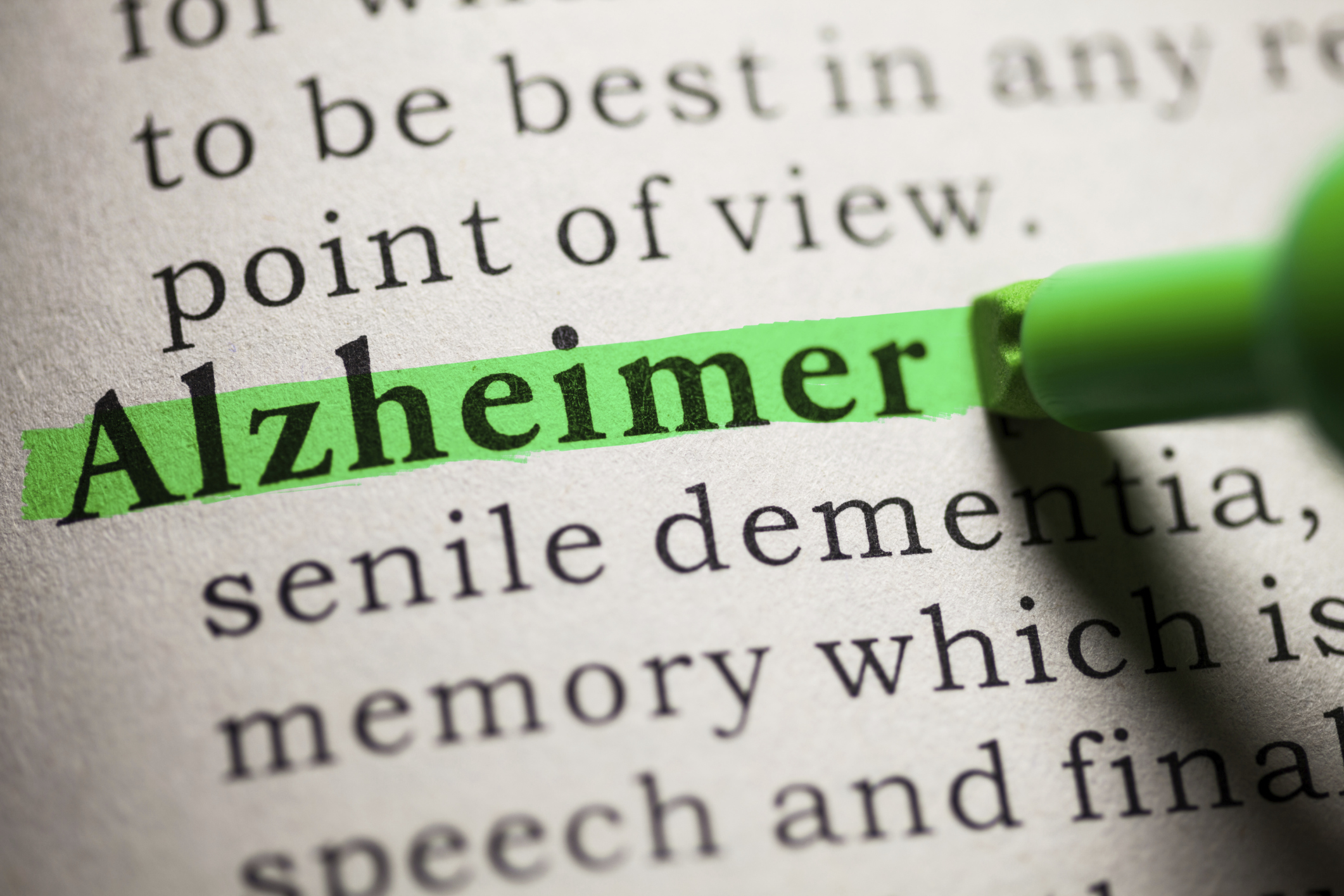
June is Alzheimer’s and Brain Awareness Month which gives us the chance to make the public aware of dementia and Alzheimer’s disease being very important health issues.

Dementia and Alzheimer’s have profound effects on many people. There are an estimated 5 million people with the disease and 15 million people who are caring for them. It is said to be the sixth leading cause of death in the United States.

It has been said that Alzheimer’s is the only disease that can lead to death that cannot be slowed down, cured, or prevented. It acts by slowly killing brain cells which affect all of our ability to function normally.

Brain exercises may help mental functionality in areas of memory, focus, concentration, and understanding.

Some suggested ways to keep our brains healthy are:

  • Getting enough sleep
  • Staying physically active
  • Eating properly
  • Not smoking
  • Challenging your mind with social interaction
  • Taking classes
  • Being aware of challenges that could lead to depression

If you would like to schedule an appointment at Flushing Hospital, please call 718-670-5486.

All content of this newsletter is intended for general information purposes only and is not intended or implied to be a substitute for professional medical advice, diagnosis or treatment. Please consult a medical professional before adopting any of the suggestions on this page. You must never disregard professional medical advice or delay seeking medical treatment based upon any content of this newsletter. PROMPTLY CONSULT YOUR PHYSICIAN OR CALL 911 IF YOU BELIEVE YOU HAVE A MEDICAL EMERGENCY.

Summer Drinking: How Much Is Too Much?

According to research published in the Journals of Studies on Alcohol, ” Annual seasonality in alcohol use excluding drinking behavior in December, is highest in the summer.”

Higher consumption of alcoholic beverages in the summer may be linked to increased socialization during this time of year.   Alcoholic beverages are often served during summer gatherings such as barbeques, weddings, block parties, or beach parties.

Moderate drinking or having a drink on occasion is not a cause for concern for most adults. However, if alcohol consumption becomes too frequent, you may want to ask  “How many drinks are too many?” and ” Am I a heavy drinker?”

The National Institute on Alcohol Abuse and Alcoholism (NIAAA)  defines heavy drinking as follows:

  • For men, consuming more than 4 drinks on any day or more than 14 drinks per week
  • For women, consuming more than 3 drinks on any day or more than 7 drinks per week

The NIAAA states, “Alcohol misuse, which includes binge drinking and heavy alcohol use, increases your risk of harmful consequences.”  The risk for developing health conditions such as Alcohol Use Disorder (When a patient’s drinking interferes with their daily life)  increases with frequent heavy drinking.

If you think you have a problem with alcohol addiction, please contact Flushing Hospital Medical Center’s Addiction Treatment Division at (718) 670-5693 or (718) 670-5540.


All content of this newsletter is intended for general information purposes only and is not intended or implied to be a substitute for professional medical advice, diagnosis or treatment. Please consult a medical professional before adopting any of the suggestions on this page. You must never disregard professional medical advice or delay seeking medical treatment based upon any content of this newsletter. PROMPTLY CONSULT YOUR PHYSICIAN OR CALL 911 IF YOU BELIEVE YOU HAVE A MEDICAL EMERGENCY.

Celebrating National Senior Health and Fitness Awareness Day

This year marks the 28th anniversary of National Senior Health and Fitness Day. The purpose of this event is to promote fitness in older adults and raise awareness of the benefits of regular exercise.

Exercising regularly is an excellent way to maintain good health as you grow older. The Centers for Disease Control and Prevention (CDC) recommends that older adults participate in at least 150 minutes of moderate-intensity aerobic activity every week and muscle strengthening activity at least twice a week.  These guidelines are recommended for those who are 65 years of age and older, are generally fit, and have no limiting health conditions.

Some of the benefits of keeping active, for everyone but especially seniors, include:

  • Improving balance and reducing the risk of falling
  • Maintaining a healthy blood pressure
  • Allowing for more socialization
  • Reducing the risk of diabetes and heart disease
  • Reducing the risk of joint stiffening

There are many ways to participate in National Senior Health and Fitness Day. Some of them include:

  • Visiting a park and walking along a path or a trail
  • Participating in a fitness class
  • Gardening
  • Swimming
  • Dancing
  • Getting a check-up to know the status of your physical health

Many senior centers, parks and recreation centers will be holding classes to recognize this event. You can also start a fitness routine at home that will help keep you active. It is advised that you speak with a doctor before starting an exercise routine.  If you would like to schedule an appointment with a physician at Flushing Hospital Medical Center to monitor your health, please call 718-670-5486.

All content of this newsletter is intended for general information purposes only and is not intended or implied to be a substitute for professional medical advice, diagnosis or treatment. Please consult a medical professional before adopting any of the suggestions on this page. You must never disregard professional medical advice or delay seeking medical treatment based upon any content of this newsletter. PROMPTLY CONSULT YOUR PHYSICIAN OR CALL 911 IF YOU BELIEVE YOU HAVE A MEDICAL EMERGENCY.

Employee Spotlight – Lois Pettis

This month’s Flushing Hospital Medical Center’s (FHMC) Employee Spotlight shines, once again, on Lois Pettis, LPN and Office Manager of the Wound Care Program.

Lois is best known as a member of the Wound Care Team.  Where a “normal” day is spent scheduling patients, meeting with patients, speaking with insurance providers, family member and working on staffing issues.

But, since January of 2020, days have been anything but normal.  When the COVID-19 virus pandemic hit the Borough of Queens, Flushing Hospital became an epicenter for the care of COVID-19 patients.  The Wound Care Department suspended treating patients and it was all hands-on deck to treat the patients being screened and diagnosed with COVID-19.

Lois never wavered.  She was willing to help in any capacity necessary.  She only went home after she contacted the COVID-19 virus herself.  Thankfully, she has made a full recovery.

Since then, Lois has been a part of the vaccination team and has been an extremely valuable resource in managing the “vaccination pod” at FHMC.

Lois is best known for her welcoming smile and gentle nature with our staff and patients.  She is an asset to any department she has been a part of during these trying times.

When asked what motivates her to do her job so well, Lois answers with a wide smile, “The patients! ”

Thank you Lois Pettis. You are a valued Flushing Hospital Medical Center team player. Congratulations on being our FIRST, TWO TIME EMPLOYEE SPOTLIGHT!

All content of this newsletter is intended for general information purposes only and is not intended or implied to be a substitute for professional medical advice, diagnosis or treatment. Please consult a medical professional before adopting any of the suggestions on this page. You must never disregard professional medical advice or delay seeking medical treatment based upon any content of this newsletter. PROMPTLY CONSULT YOUR PHYSICIAN OR CALL 911 IF YOU BELIEVE YOU HAVE A MEDICAL EMERGENCY.

Flushing Hospital Receives NYSPQC Award

The Neonatal Intensive Care Unit at Flushing Hospital Medical Center was a  recent recipient of “The New York State Perinatal Collaborative (NYSPQC) Enteral Nutrition Improvement Project Improvement Award”

This award recognizes Flushing Hospital’s participation in the NYSPQC quality improvement initiative which goals are to maximize early enteric nutrition, minimize post-natal growth failure in preterm babies  (less than 31 weeks gestational age) and improve the outcomes in this vulnerable population of newborns.

As part of this initiative, Flushing Hospital’s Neonatal Intensive Unit Care team has worked to develop and implement policies and procedures to optimize the nutrition of preterm newborns by utilizing human milk as the only mode of enteric nutrition-initiating early nutrition, improve family-center care, decrease inequities, and foster a culture of safety and improvement. “This exemplary work was a collaborative effort of the entire NICU team, and we continue to keep our commitment to this goal to ensure ongoing success,” stated  Dr. Lourdes Cohen, Pediatrics Director.

Marilyn A. Kacicia, MD, MPH, Executive Director, New York State Perinatal Quality Collaborative, Medical Director. Division of Family Health, New York State Department of Health stated, “We congratulate and recognize the work the Flushing Hospital Medical Center’s birthing team has done to reach the goal of optimizing early enteral nutrition and postnatal growth among very preterm newborns. We thank you for your dedication to improving the health outcomes for these vulnerable newborns.”

All content of this newsletter is intended for general information purposes only and is not intended or implied to be a substitute for professional medical advice, diagnosis or treatment. Please consult a medical professional before adopting any of the suggestions on this page. You must never disregard professional medical advice or delay seeking medical treatment based upon any content of this newsletter. PROMPTLY CONSULT YOUR PHYSICIAN OR CALL 911 IF YOU BELIEVE YOU HAVE A MEDICAL EMERGENCY.

Is it Advisable to Mix Covid Vaccines ?

At the present time, most Covid vaccines require two doses.  The exception is the Johnson and Johnson Covid vaccine.

The question asked by many is it okay to mix two different vaccines?  According to the Centers for Disease Control and Prevention it is not recommended to mix vaccines unless there are extenuating circumstances where there is no availability of the first type that was administered.  One reason for this is reports have shown that people who mix vaccines will often have more severe reactions. Another reason is that not all of the vaccines use the same mechanism of action to build the body’s immunity, and may not give a person the same amount of protection.

To schedule an appointment for a Pfizer vaccine you can click on this link and select a time that works best for you https://mychart.medisys.org/MyChart/covid19#/

All content of this newsletter is intended for general information purposes only and is not intended or implied to be a substitute for professional medical advice, diagnosis or treatment. Please consult a medical professional before adopting any of the suggestions on this page. You must never disregard professional medical advice or delay seeking medical treatment based upon any content of this newsletter. PROMPTLY CONSULT YOUR PHYSICIAN OR CALL 911 IF YOU BELIEVE YOU HAVE A MEDICAL EMERGENCY.

Tips to Avoid Stress and Anxiety While Awaiting a Diagnosis

Awaiting a clinical diagnosis or the results of a medical test can be a frightening experience for any patient. Even though most of us have experienced the anticipation of receiving good or bad news from a doctor or healthcare provider, depending on the person, this process can produce a wide range of feelings including: impatience, frustration, anger, sadness and anxiety.

It is totally natural to have some degree of concern while waiting for answers, but if you happen to be someone who has a higher degree of anxiety, please consider following these tips to help you remain calm:

  • Consider yourself proactive –Understand that getting tests performed is part of a process. Rationalize to yourself that if the results are positive, then testing is the first step to addressing the problem and if the results are negative, then you can finally feel relieved.
  • Get professional advice – Seek as much information as you can from your doctor before the tests and avoid searching the internet unless these are recommended sites.
  • Speak with friends and family – If you are anxious, bottling up your feelings can make you feel much worse. Speaking with trusted friends and family members can help you get things off your chest.
  • Maintain your normal routine – Sticking to your usual day-to-day schedule and staying busy can help. You are more likely to dwell on pending test results if you are sitting at home alone.
  • Practice mindfulness – Incorporating breathing exercises when your anxiety levels rise can also help to calm you and improve your mental well-being. You can also try complementary therapies such as yoga and meditation to alleviate stress.

Understand that fixating on the pending results will not change the outcome, so there is no benefit in doing so.  Hopefully, by following the suggestions above, you can better manage this otherwise tense time in your life.

All content of this newsletter is intended for general information purposes only and is not intended or implied to be a substitute for professional medical advice, diagnosis or treatment. Please consult a medical professional before adopting any of the suggestions on this page. You must never disregard professional medical advice or delay seeking medical treatment based upon any content of this newsletter. PROMPTLY CONSULT YOUR PHYSICIAN OR CALL 911 IF YOU BELIEVE YOU HAVE A MEDICAL EMERGENCY.