
Alcohol Addiction During The Holiday Season

During the season of merriment of the season, you may want to ask yourself, “How many drinks are too many?”

Answer: According to the National Institute of Alcohol Abuse and Alcoholism: men should not exceed four drinks per day or a total of 14 per week and women should not to exceed three drinks a day or a total of seven per week.

When following these guidelines here are some factors to consider:

.Portion size: Standard portions in the United States include 12-ounces of beer, 8-ounces of malt liquor, 5-ounces of wine and 1.5-ounces or a “shot” of 80-proof distilled spirits or liquor.

  • Alcohol content: There are differences in alcohol percentages between red and white wines, as well as between light beers and lagers.
  • Gender: Women have less body water than men and hence retain a higher blood-alcohol concentration than men from a single drink.
  • Food:  An empty stomach speeds up alcohol absorption. Food slows absorption rates in men and women.

Remember, everyone metabolizes alcohol differently and moderation is key. Make smart choices when enjoying dinner or a night out with friends and NEVER drink and drive.

If you think you have a problem with alcohol, please contact Flushing Hospital Medical Center’s Addiction Treatment Division at 718- 670-5486.

All content of this newsletter is intended for general information purposes only and is not intended or implied to be a substitute for professional medical advice, diagnosis or treatment. Please consult a medical professional before adopting any of the suggestions on this page. You must never disregard professional medical advice or delay seeking medical treatment based upon any content of this newsletter. PROMPTLY CONSULT YOUR PHYSICIAN OR CALL 911 IF YOU BELIEVE YOU HAVE A MEDICAL EMERGENCY.


Dealing With Holiday Stress

During the holiday season, many of us struggle to complete an extensive list of tasks in what often feels like very little time.   We run rampant decorating our homes, attending social gatherings, shopping for loved ones, volunteering, traveling or cooking.  These activities are often added to our already busy schedules, which can make us feel overwhelmed.

Contrary to what we may think, these activities which should make us feel happy can actually increase our stress levels.

Although there are various factors such as unrealistic expectations or financial strain that contribute to holiday stress, finding ways to avoid stressors or minimize their effects is very important. If stress is not managed well, it can have a significantly negative impact on our health.

Mental health professionals at Flushing Hospital Medical Center offers  five tips to help you cope with holiday stress and maintain good mental health:

  1. Set realistic goals– Unrealistic goals often equal added pressure and expectations that cannot be met. If these goals are not met, they can lead to negative feelings such as inadequacy or hopelessness.
  2. Know when to take a moment for yourself (Take a break) – We are often pulled in multiple directions during this time of the year. Know when to take a breather to decompress and clear your mind.
  3. Communicate- The added pressures of the holidays are clearly overwhelming and one of the ways that people sometimes deal with this is to isolate themselves. This is not recommended; instead, reach out to loved ones or a trained mental health professional to communicate how you feel.
  4. Do not neglect healthy habits– Taking good care of your health can help combat holiday stress. Moderating your food intake, fitting in a few minutes of exercise and getting adequate amounts of sleep can be profoundly beneficial for your health.   Additionally, maintaining a healthy daily routine can help take your mind off holiday demands.
  5. Ask for help- We live in a time where multitasking has become the norm but if you begin to feel overwhelmed, ask for help. Soliciting the help of friends or family can alleviate some of the holiday pressure. The holidays can also trigger depression; if you are experiencing symptoms of depression ask for help from loved ones or seek the assistance of a mental health professional.

The holiday season can be overwhelming; however, by applying these helpful tips you can take the steps needed to minimize stress and make this time of year more enjoyable.  If you find that you continue to experience elevated levels of stress or symptoms of depression, it is recommended that you seek the help of mental health professional immediately.

To schedule an appointment with the Mental Health Clinic at Flushing Hospital Medical Center, please call 718-670-5562.

All content of this newsletter is intended for general information purposes only and is not intended or implied to be a substitute for professional medical advice, diagnosis or treatment. Please consult a medical professional before adopting any of the suggestions on this page. You must never disregard professional medical advice or delay seeking medical treatment based upon any content of this newsletter. PROMPTLY CONSULT YOUR PHYSICIAN OR CALL 911 IF YOU BELIEVE YOU HAVE A MEDICAL EMERGENCY.
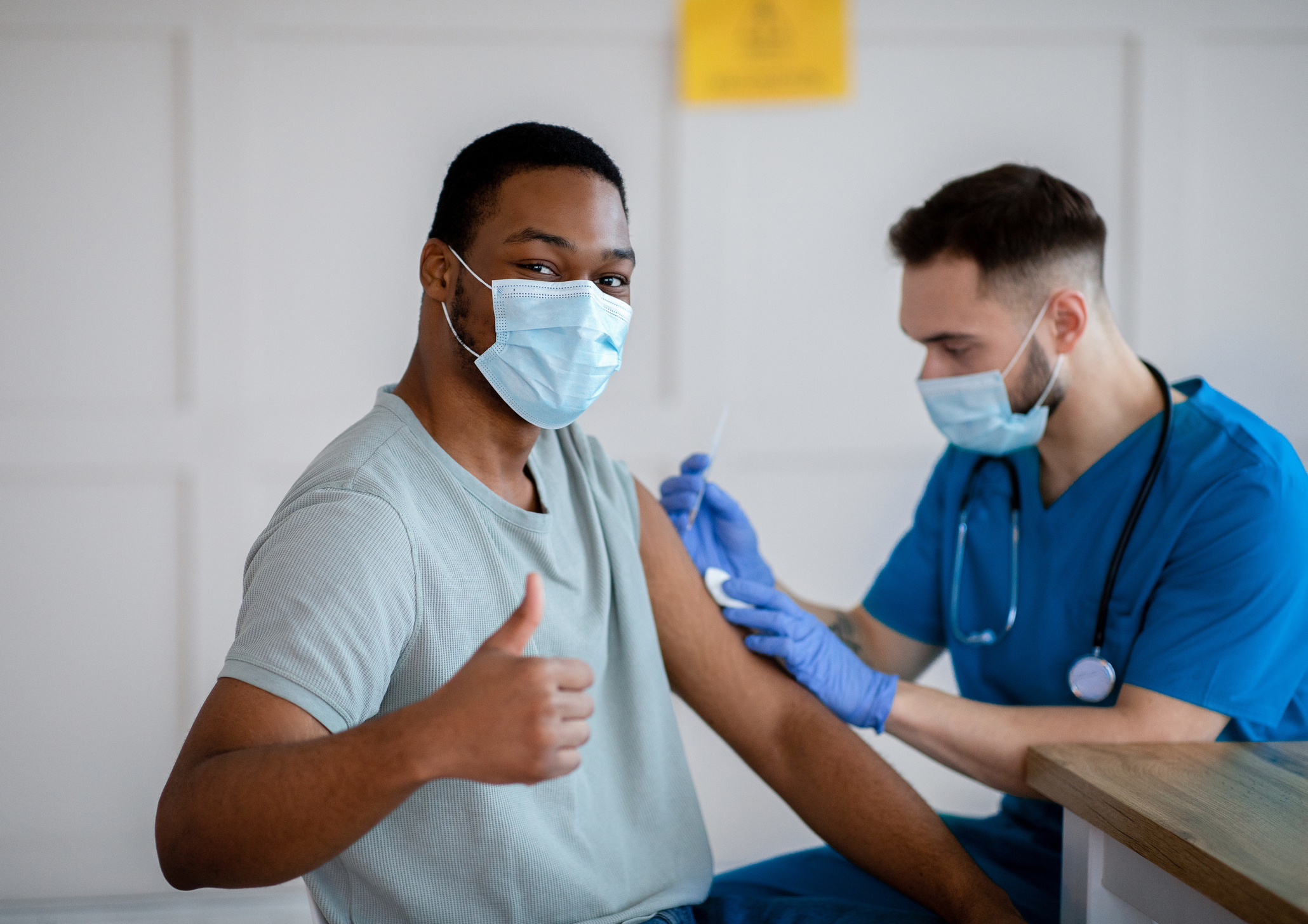
Frequently Asked Questions About the COVID-19 Vaccine

The Centers for Disease Control and Prevention (CDC) determines if a vaccine is appropriate based on the recommendations from the Advisory Committee on Immunizations and Practices (ACIP). The ACIP is a group of medical and public health experts that develop recommendations on how to use vaccines to control diseases in the United States.

Factors that the ACIP consider in their recommendations of vaccines include:

  • Safety and effectiveness
  • Severity of the disease
  • The number of people who get the disease if there is no vaccine
  • How effective is the vaccine for different age groups

The recent news about the availability of a COVID-19  vaccine has led to questions from many members of our community. Flushing Hospital Medical Center is sharing the following information from the Centers for Disease Control  and Prevention (CDC) in an attempt to answer them.

Some commonly asked questions that people are asking:

Who will receive the vaccine first?

At the present time, the first people to receive the vaccine will be frontline healthcare workers and elderly patients who are in extended care facilities such as nursing homes.

Is the vaccine safe?

The vaccines that are being distributed have undergone rigorous testing and have met the safety standards set forth by the CDC and the Food and Drug Administration (FDA).

Are there any side effects of this vaccine?

The known side effects of the vaccines currently being distributed include soreness in the arm in which the vaccine was administered and some people have developed low grade fevers. Both of these only lasted less than 48 hours. There may be other side effects that we aren’t aware of yet.

Will the vaccine prevent me from getting COVID-19 ?

This vaccine, like all other vaccines, will lessen the chances of getting the virus but is not 100 percent guaranteed to be effective for everyone.

How long will the vaccine be effective for?

Until more time has passed and more people have been vaccinated, the CDC is not sure how long the vaccine will be effective for.

Do I need to wear a mask when I receive the vaccine?

Yes. Receiving the vaccine does not guarantee that you will not get the virus. Anytime you are outside of your immediate household and in contact with others, you should wear a mask that covers your nose and mouth.

Will I still have to follow safety protocols even though I have received the vaccine?

Yes. The vaccine is only one component of the safety measures that will still have to be followed.

How many times will I have to be vaccinated?

At the present time, it will be necessary to receive two doses of the vaccine and you will be given a date when you receive the first dose and when to come back for the second one.

If I already had the virus, should I still get the vaccine?

At the present time the CDC feels there isn’t enough information available to answer this question.

What should I do if I have a reaction to the vaccine?

You should contact your health care provider immediately as well as to the Vaccine Adverse Event Reporting System (VAERS).

The first doses were delivered around the United States on Monday December 14th. Once mass distribution begins the answers to the frequently asked questions will be answered more accurately. Here is the link to the CDC to provide you with more
information about the vaccine https://www.cdc.gov/coronavirus/2019-ncov/vaccines/faq.html

All content of this newsletter is intended for general information purposes only and is not intended or implied to be a substitute for professional medical advice, diagnosis or treatment. Please consult a medical professional before adopting any of the suggestions on this page. You must never disregard professional medical advice or delay seeking medical treatment based upon any content of this newsletter. PROMPTLY CONSULT YOUR PHYSICIAN OR CALL 911 IF YOU BELIEVE YOU HAVE A MEDICAL EMERGENCY.

GERD

GERD Gastroesophageal Reflux Disease (GERD) or chronic acid reflux is a digestive disorder that occurs when the sphincter, a valve at the end of the esophagus does not close properly.  This allows contents from the stomach to reflux or flow up into the esophagus causing tissue damage or symptoms such as:

  • Heartburn
  • Nausea and vomiting
  • Difficulty or pain when swallowing
  • Chest pain
  • Regurgitation of food or sour liquids
  • Bad breath
  • The feeling of a lump in the throat

Certain lifestyle choices can aggravate symptoms, these include:

  • Eating large meals
  • Eating too soon before bed
  • Consuming certain foods and drinks such as chocolate, fatty or fried dishes, coffee or alcohol
  • Taking certain medications including some antihistamines or calcium channel blockers
  • Smoking

Some people are more likely to develop GERD than others. It occurs more commonly in those who are:

  • Overweight or obese
  • Pregnant
  • Smokers

It is important to talk to your doctor if you are experiencing persisting symptoms of GERD. If left untreated, GERD may lead to complications such as esophagitis (inflammation of the esophagus) or esophageal ulcers, interfering with your ability to swallow. Your doctor may be able to diagnose GERD by conducting a physical examination and assessing symptoms.  He or she might also recommend getting a series of tests.

A treatment plan for GERD may involve a change in diet and lifestyle, medication or surgery.

All content of this newsletter is intended for general information purposes only and is not intended or implied to be a substitute for professional medical advice, diagnosis or treatment. Please consult a medical professional before adopting any of the suggestions on this page. You must never disregard professional medical advice or delay seeking medical treatment based upon any content of this newsletter. PROMPTLY CONSULT YOUR PHYSICIAN OR CALL 911 IF YOU BELIEVE YOU HAVE A MEDICAL EMERGENCY.

Classic Holiday Flatbread

Even though this year has brought many changes, it wouldn’t feel like the holidays without making my classic Holiday Flatbread.  This roasted cranberry and goat cheese flat bread is not difficult to make, yet adds sophistication to your menu.  It looks festive and is delicious.  I hope you enjoy it as much as my family and I do!  Happy Holidays!

Ingredients:

  • 1 ½ cup of fresh cranberries
  • 3 tablespoon light sugar maple syrup
  • 1 tablespoon finely chopped shallot
  • ½ teaspoon chopped dry thyme
  • 2 flatbreads (14.1 oz package)
  • 14 oz package fresh goat cheese crumbled

Instructions:

  • Preheat oven to 375 degrees F

Mix cranberries, maple syrup, shallot, and thyme in an 8 by 8-inch baking dish. Roast, stirring once or twice, until the cranberries burst and the mixture is bubbling and caramelizing along the edge, about 15 minutes. Remove from oven and stir until the cranberries are broken down and the mixture is thick. Set aside.

  • Lay flatbreads out on work surface. Spread the hot cranberry mixture over the flatbreads, dividing evenly. Top with the goat cheese. Bake directly on the oven rack until the cheese is softened and flatbread is crispy, 8 to 10 minutes. Cut into 8 small wedges or strips each.

Jessica Hyman -Clinical Nutrition Manager Food and Nutrition at Flushing Hospital Medical Center

Nutrition:  Service Size– 2 slices  Calories: 93

All content of this newsletter is intended for general information purposes only and is not intended or implied to be a substitute for professional medical advice, diagnosis or treatment. Please consult a medical professional before adopting any of the suggestions on this page. You must never disregard professional medical advice or delay seeking medical treatment based upon any content of this newsletter. PROMPTLY CONSULT YOUR PHYSICIAN OR CALL 911 IF YOU BELIEVE YOU HAVE A MEDICAL EMERGENCY.

Prostate Cancer – Screening and Treatment

The prostate gland is a part of the male reproductive system that produces a fluid that mixes with sperm and other fluids during ejaculation.  It sits just below the bladder and is normally about the size of a walnut.

Prostate cancer is an abnormal growth of cells within the prostate gland.  Prostate cancer is one of the most common types of cancer in men and the second leading cause of cancer deaths among American men.  The majority of men who reach the age of 80 are found to have prostate cancer however most types of prostate cancer grow slowly and may not contribute to any serious harm.  Some types of prostate cancers are more aggressive and can spread to other parts of the body.

Prostate cancer, especially in its early stages, may not have any symptoms.  When symptoms are present they may include difficulty starting urination, less force to the stream of urine, dribbling at the end of urination, needing to urinate frequently, urinating frequently at night, pain while urinating, blood in the urine or semen, difficulty starting or maintaining an erection, pain with ejaculation, pain or stiffness in the lower back, hips, pelvis and upper thighs, or unintended weight loss.

Although it is not known exactly what causes prostate cancer some risk factors for developing prostate cancer are older age (more than 65% of prostate cancers are diagnosed in men older than 65), race (African-American men are 60% more likely to develop prostate cancer than Caucasian men), family history (having a father or brother with prostate cancer) and obesity.

Having a discussion with your doctor about prostate cancer screening can help you decide if you should consider undergoing prostate cancer screening based on your risk, unique health history, and preferences.

When screening is done there are two tests that are available.  The available tests are a digital rectal exam (DRE) and prostate-specific antigen (PSA) test.  To perform a digital rectal exam your doctor uses a gloved finger, inserted a few inches into your rectum, to check your prostate gland.  A prostate-specific antigen test is a blood test that measures the level of PSA in your blood.  Many men who have prostate cancer have elevated levels of PSA however PSA can also be elevated for less serious causes such as prostate enlargement or infection.  Further testing is needed to diagnose cancer.  Additional tests that your doctor may recommend to diagnose cancer include an ultrasound of the prostate and a biopsy of the prostate.  A biopsy is when a small piece of the prostate is removed to look for abnormal cells.

Treatment of prostate cancer depends on many factors including your age, your overall health and the growth and spread of cancer when it is diagnosed.  Some men who have slow growing tumors may not need treatment right away and some may never need treatment.  Other types of prostate cancer are aggressive and can quickly spread to other parts of the body making treatment difficult.  Common treatment options include watchful waiting or expectant management (regular testing and checkups to assess for new signs or symptoms), radiation therapy (high-energy x-rays used to kill cancer cells), chemotherapy, surgery (having the prostate gland removed) and hormone therapy. Flushing Hospital also offers robotic surgery and physicians specially trained in its use, as an option for the treatment of prostate cancer.

All content of this newsletter is intended for general information purposes only and is not intended or implied to be a substitute for professional medical advice, diagnosis or treatment. Please consult a medical professional before adopting any of the suggestions on this page. You must never disregard professional medical advice or delay seeking medical treatment based upon any content of this newsletter. PROMPTLY CONSULT YOUR PHYSICIAN OR CALL 911 IF YOU BELIEVE YOU HAVE A MEDICAL EMERGENCY.

What is Post-traumatic Stress Disorder ?

When people live through a traumatic event such as a war, an act of violence, a rape, a serious accident, an act of terrorism, or have been seriously threatened, they may experience  Post-traumatic Stress Disorder, also known as PTSD. This is a mental health disorder that affects approximately 3.5% of the U.S. population. PTSD is known to occur more commonly in women than men and certain ethnic groups including Latinos, African Americans, and American Indians.

When people go through traumatic events they may not necessarily experience the effects immediately. It is not uncommon for the symptoms to start anywhere from a month to several years after the event.  Sometimes traumatic events that occur during childhood may not manifest until later in life.

Symptoms of PTSD can vary from person to person and are divided into four groups: Intrusive memories, avoidance, changes in emotional and physical reactions, and negative changes in thinking.

Symptoms of intrusive memories include:

  • Flashbacks
  • Nightmares
  • Severe emotional distress or physical reactions

Symptoms of avoidance include:

  • Avoiding certain places that remind you of the event
  • Avoiding talking about the event

Symptoms of changes in emotional and physical reactions include:

  • Easily frightened
  • Difficulty sleeping
  • Difficulty concentrating
  • Aggressive behavior

Symptoms of negative changes in thinking include:

  • Feeling hopeless
  • Negative thoughts about the world or yourself
  • Difficulty maintain relationships
  • Sense of detachment

Long-term PTSD may lead to alcohol or substance abuse, eating disorders, thoughts of suicide or depression. Complications can also lead to poor coping skills, loss of work, loss of relationships and health complications.

Anyone who has experienced a traumatic event and has any PTSD symptoms that last more than a few weeks should seek professional care. If any of the symptoms are so severe that they may lead to physical danger, for themselves or to someone else, 911 should be called immediately. If you would like to schedule an appointment with a mental health professional at Flushing Hospital Medical Center please call, 718-670-5486.

All content of this newsletter is intended for general information purposes only and is not intended or implied to be a substitute for professional medical advice, diagnosis or treatment. Please consult a medical professional before adopting any of the suggestions on this page. You must never disregard professional medical advice or delay seeking medical treatment based upon any content of this newsletter. PROMPTLY CONSULT YOUR PHYSICIAN OR CALL 911 IF YOU BELIEVE YOU HAVE A MEDICAL EMERGENCY.
National Influenza Vaccination Week

The first week in December is designated as National Influenza Vaccination Week. It is designated in an effort to highlight the importance of getting your annual flu shot. The typical “Flu Season” usually begins in October but peaks between December and February. However, there have been cases of flu diagnosis that occur as late as May.

Influenza is the unwelcome guest that comes calling on us every year – often with many very unpleasant consequences. Historically, widespread flu epidemics have had devastating effects on large portions of the earth’s population. It wasn’t until the 1930’s that two scientists, Dr. Jonas Salk and Dr. Thomas Francis developed the first vaccine to prevent the flu virus. The vaccine was given to American soldiers during World War II and was found to be useful in preventing the widespread outbreaks that had been common before the vaccines were used. In the years after the war, the vaccine was made available to the general public and has greatly reduced the widespread epidemics that were so common before.

Research has helped to develop better vaccines with fewer side effects and also better suited to combat strains of the influenza virus that keep changing every year. Over the past 60 years, millions of people have been given the flu vaccine each year. Many people are hesitant about getting the vaccine at all however, there are much fewer catastrophic epidemics throughout the world, thanks in large part to the work done by Dr. Salk and Dr. Francis in the early part of the last century.

Influenza is a serious disease that can lead to hospitalization and sometimes even death. Every flu season is different, and influenza infection can affect people differently. It is important that you consult with your doctor before getting the flu vaccine.

All content of this newsletter is intended for general information purposes only and is not intended or implied to be a substitute for professional medical advice, diagnosis or treatment. Please consult a medical professional before adopting any of the suggestions on this page. You must never disregard professional medical advice or delay seeking medical treatment based upon any content of this newsletter. PROMPTLY CONSULT YOUR PHYSICIAN OR CALL 911 IF YOU BELIEVE YOU HAVE A MEDICAL EMERGENCY.

Choosing Safe Toys For Children This Holiday Season

The holiday season is the best time of the year to buy toys for children. However, parents are often overwhelmed by a larger selection and choosing the best toy can become challenging.  The most important thing to remember when choosing toys for toddlers is picking toys that are safe and appropriate for their age.

Each year hospital E.R.’s are visited by over 200,000 young children, typically under the age of three, who have incurred toy-related injuries.   These injuries can be avoided if parents keep these guidelines in mind when buying toys:

  • Carefully read warning labels
  • Do not buy toys with small and removable parts
  • Check to see if toys are on a recall list by visiting sites such as recalls.gov or cpsc.gov.
  • Avoid buying toys with parts that launches or projects
  • Do not purchase toys with sharp edges or points
  • Make certain that cords or strings are shorter that seven inches
  • Avoid buying toys that make extremely loud noises
  • Check to see if toys have been tested for lead based paint by visiting websites such as www.ecocenter.org

Most toys come with warning labels that advise parents of potential choking hazards and compatibility by age group. Parents should pay close attention to these labels and also do due diligence by researching toys and inspecting them for further dangers.

All content of this newsletter is intended for general information purposes only and is not intended or implied to be a substitute for professional medical advice, diagnosis or treatment. Please consult a medical professional before adopting any of the suggestions on this page. You must never disregard professional medical advice or delay seeking medical treatment based upon any content of this newsletter. PROMPTLY CONSULT YOUR PHYSICIAN OR CALL 911 IF YOU BELIEVE YOU HAVE A MEDICAL EMERGENCY.

Winter Skin Care Tips

Winter can be a particularly harsh season for our skin. Not only is the cold temperature to blame but also the dry air which affects the skin.  A major reason skin becomes dry is because of the low humidity in the environment. Another reason is because we spend more time indoors where heating systems tend to warm the air and deplete the water content in the environment.

Dry skin most commonly appears as being rough and flaky patches on the arms and legs which are typically the areas exposed to the air. In more severe cases, the skin will develop creases and cracks when it is extremely dry. The feet and hands frequently show deep fissures and cracks during the winter months because the skin tends to be thinner and there is less protection from micro trauma.

The outer layer of the skin is called the stratum corneum. It is composed of dead skin cells and natural oils that act as a protective layer, preventing water from evaporating from the surface. When the outer layer becomes compromised, water begins to evaporate, outer skin cells become flaky and will cause cracks and fissures.

Steps we can take to prevent dry skin:

  • Bathe in warm water, never hot
  • Use mild soaps that contain moisturizing creams
  • Pat the skin dry with soft towels
  • Use a moisturizer several times a day on exposed areas of the body.
  • Drink a lot of water
  • Apply sunscreen to prevent drying out from the sun’s rays
  • Wear gloves
  • Avoid wearing wet articles of clothes outdoors.
  • Have a humidifier in the home

If you would like to schedule an appointment with a dermatologist at Flushing Hospital Medical Center to discuss dry skin and how best to treat it, please call 718-670-5486.

All content of this newsletter is intended for general information purposes only and is not intended or implied to be a substitute for professional medical advice, diagnosis or treatment. Please consult a medical professional before adopting any of the suggestions on this page. You must never disregard professional medical advice or delay seeking medical treatment based upon any content of this newsletter. PROMPTLY CONSULT YOUR PHYSICIAN OR CALL 911 IF YOU BELIEVE YOU HAVE A MEDICAL EMERGENCY.