National Condom Week

The United States currently has one of the highest rates of sexually transmitted infections (STIs) among all countries in the developed world.

This is why it is important to recognize National Condom Week which is observed from  February 14th to the 21st.

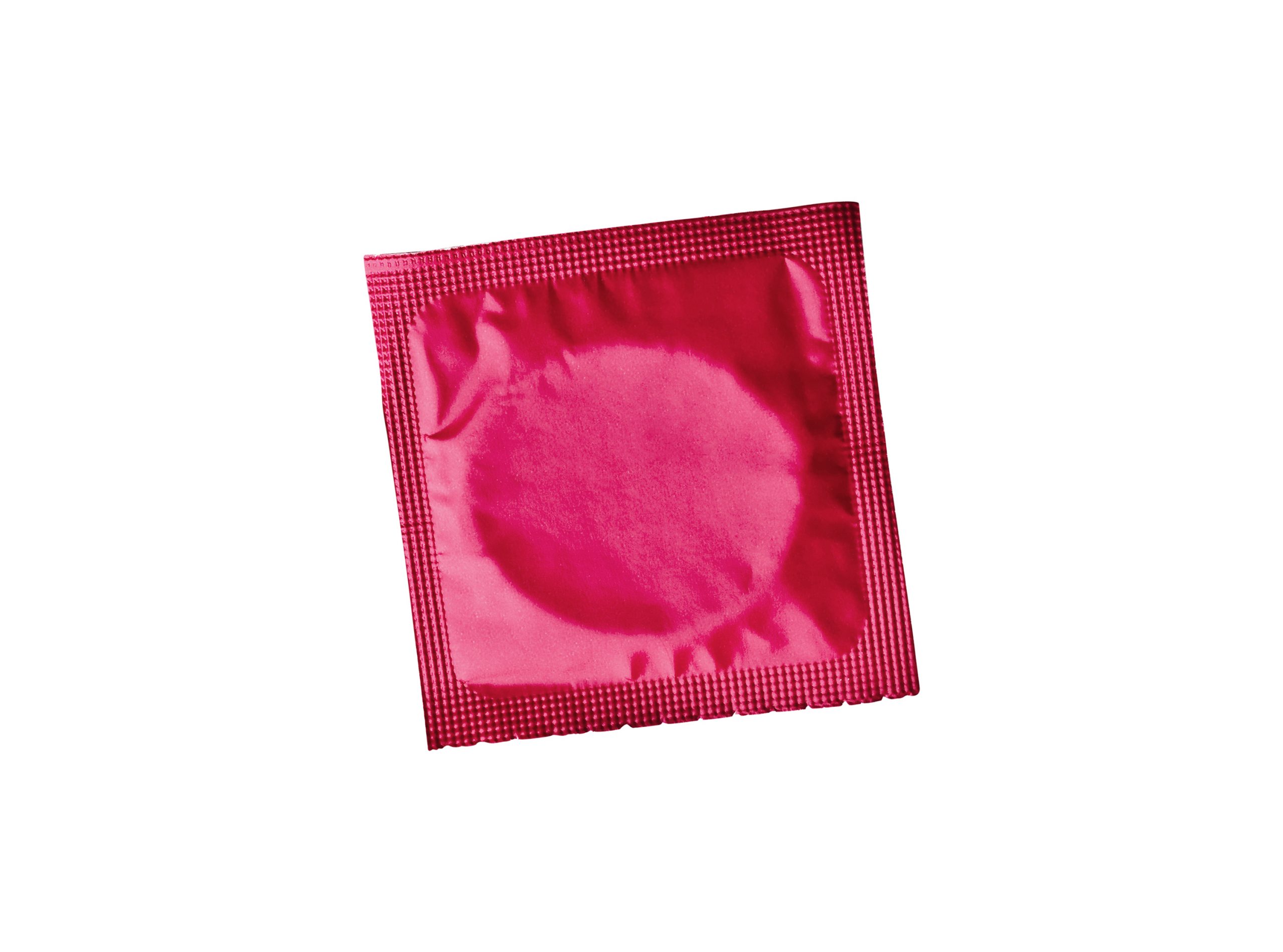
The best way to prevent STIs is to not have sexual intercourse but that isn’t realistic for most. Therefore, knowledge of prevention is the second-best option. To prevent the transmission of STIs, people should know how to effectively use condoms.  The Centers for Disease Control and Prevention (CDC), outlines the steps on their website https://www.cdc.gov/condomeffectiveness/male-condom-use.html

All content of this newsletter is intended for general information purposes only and is not intended or implied to be a substitute for professional medical advice, diagnosis or treatment. Please consult a medical professional before adopting any of the suggestions on this page. You must never disregard professional medical advice or delay seeking medical treatment based upon any content of this newsletter. PROMPTLY CONSULT YOUR PHYSICIAN OR CALL 911 IF YOU BELIEVE YOU HAVE A MEDICAL EMERGENCY.

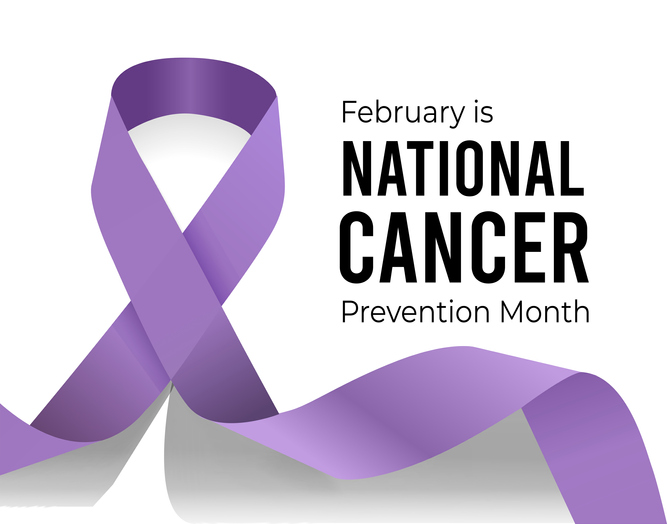
February is National Cancer Prevention Month

February is National Cancer Prevention Month. During this time, Flushing Hospital Medical Center encourages everyone to adopt healthy lifestyle practices to reduce the likelihood of developing cancer.

Here are a few steps you can take to reduce your risk of developing cancer:

  • Don’t use tobacco – Toxins found in tobacco products have been known to cause lung, colorectal, breast, throat cervical, bladder, mouth, and esophageal cancer. If you are a smoker or use tobacco products the best thing to do for your health is to quit.
  • Eat a healthy diet – Preparing meals focused based on vegetables, fruits, whole grains, and beans will help fortify your body against cancer. Limiting red meat and avoiding processed food are also great defenses.
  • Protect your skin from the sun – Skin cancer is very common and one of the most preventable types of cancer. Wear adequate sun protection when exposed to the sun’s ultraviolet rays.
  • Obesity is linked to breast and colorectal cancer. You can avoid excessive weight gain by maintaining a healthy diet and exercising regularly. Thirty minutes a day of regular exercise have been shown to help your general health. There is a link to obesity and breast and colorectal cancer.
  • Know your family history – Many cancers are known to run in families. Let your physician know if anyone in your family has or had cancer.
  • Get regular cancer screenings – Early detection can be helpful in some cases because it can lead to early diagnosis and treatment.

Discuss with your physician your medical history and your risk for cancer. If you would like to schedule an appointment with a physician at Flushing Hospital Medical Center, please call 718-670-5486.

All content of this newsletter is intended for general information purposes only and is not intended or implied to be a substitute for professional medical advice, diagnosis or treatment. Please consult a medical professional before adopting any of the suggestions on this page. You must never disregard professional medical advice or delay seeking medical treatment based upon any content of this newsletter. PROMPTLY CONSULT YOUR PHYSICIAN OR CALL 911 IF YOU BELIEVE YOU HAVE A MEDICAL EMERGENCY.

February is National Children’s Dental Health Month

February is recognized as National Children’s Dental Health Month. The purpose of this recognition is to promote proper dental education to children and their caregivers.

It is important to develop healthy dental habits early in a child’s life as this can help to prevent cavities and tooth decay.

Caring for children’s dental health should begin when they are infants. A baby’s teeth and gums can be cleaned by using a clean, soft cloth. For children aged two to six, it is recommended that an adult puts the toothpaste on the brush. Use only a pea-sized amount of fluoride toothpaste. Try brushing your child’s teeth first, then let him/her finish.  Until they are seven or eight years old, you will need to help your child brush. Teeth should be brushed twice a day for two minutes each time.

It is recommended that children see their dentist every six months for regular check-ups and cavity prevention. To make an appointment at the dental department at Flushing  Hospital Medical Center, please call  (718) 670-5521.

All content of this newsletter is intended for general information purposes only and is not intended or implied to be a substitute for professional medical advice, diagnosis or treatment. Please consult a medical professional before adopting any of the suggestions on this page. You must never disregard professional medical advice or delay seeking medical treatment based upon any content of this newsletter. PROMPTLY CONSULT YOUR PHYSICIAN OR CALL 911 IF YOU BELIEVE YOU HAVE A MEDICAL EMERGENCY.

Thyroid Eye Disease

Thyroid eye disease (or TED) is a condition that causes the immune system to attack the muscles and other tissues around the eyes. The condition is most commonly associated with Graves’ disease, which is an autoimmune disorder that attacks the thyroid gland, causing it to produce more thyroid hormone than the body needs.

In most cases people who develop TED are already diagnosed with Graves’ disease, but for some, it is the first indicator of thyroid problem.  Approximately one half of all people diagnosed with Graves disease develop eye symptoms. In most cases the symptoms are mild, but for some, it can have more serious consequences.

The most common symptoms of TED include:

  • Pain and pressure
  • Dry, itchy, or watery eyes
  • Difficulty wearing contact lenses
  • Inflammation and swelling of the eye and its surrounding tissues
  • Bulging or wide-eyed stare caused by swelling in the orbital tissues
  • Red or bloodshot eyes
  • Double vision
  • Light sensitivity
  • Impaired vision
  • Difficulty moving the eyes

Thyroid eye disease can affect people differently. Symptoms can last from 6 months to 2 years. For some, symptoms may go away on their own, but others may experience lasting effects. To best treat the condition, it is best to work with a team of doctors, including a primary care physician, an ophthalmologist, and an endocrinologist.

For milder cases, applying lubricating eye drops and artificial tears a few times during the day can help be helpful.  It is also recommended to avoid conditions that can worsen the condition, such as wind and bright light (or try to wear sunglasses in these elements to protect your eyes). Other tips include applying cool compresses to provide relief and elevating your head while you sleep to relieve pressure on the eyes.

If you have severe symptoms, a doctor may prescribe corticosteroids, such as prednisone to reduce the swelling in and around your eyes.  In a very small percentage of patients, orbital decompression surgery may be recommended if your vision becomes impaired.

To schedule an appointment at Flushing Hospital’s Ambulatory Care Center, please call 718-670-5486.

All content of this newsletter is intended for general information purposes only and is not intended or implied to be a substitute for professional medical advice, diagnosis or treatment. Please consult a medical professional before adopting any of the suggestions on this page. You must never disregard professional medical advice or delay seeking medical treatment based upon any content of this newsletter. PROMPTLY CONSULT YOUR PHYSICIAN OR CALL 911 IF YOU BELIEVE YOU HAVE A MEDICAL EMERGENCY.

How Long Does It Take For Symptoms Of Covid To Appear ?

How long does it take for symptoms of COVID to appear ?

According to the Centers for Disease Control and Prevention, the amount of time that passes between exposure to the virus and when the symptoms appear can range from two to fourteen days.

One of the important facts to remember is that a person can spread the virus before they develop symptoms, very commonly, two days prior to showing any signs of being infected.

Symptoms of COVID include:

  • Sore throat
  • Cough
  • Body aches
  • Shortness of breath
  • Chills
  • Fever
  • Headache
  • Runny nose
  • Vomiting
  • Nausea
  • Loss of smell or taste

If you are experiencing any of these symptoms, speak with your physician. The only way to confirm having Covid is by testing for it. If your symptoms worsen, you should go to the closest Emergency Room.

All content of this newsletter is intended for general information purposes only and is not intended or implied to be a substitute for professional medical advice, diagnosis or treatment. Please consult a medical professional before adopting any of the suggestions on this page. You must never disregard professional medical advice or delay seeking medical treatment based upon any content of this newsletter. PROMPTLY CONSULT YOUR PHYSICIAN OR CALL 911 IF YOU BELIEVE YOU HAVE A MEDICAL EMERGENCY.
Facts About Macular Degeneration

Age-related Macular Degeneration (AMD) is the leading cause of severe vision loss in older adults. It affects approximately 10 million Americans – more than cataracts and glaucoma combined. With an aging U.S. population, that number is only expected to increase.

AMD occurs when the central portion of the retina, known as the macula, which is responsible for focusing central vision, deteriorates.

senior elderly man holding book, glasses having eyesight problems unable to read

In its early stages, Macular Degeneration does not affect vision, but as the disease progresses, people may experience wavy or blurred vision or blurred spots in the center of their vision. If the condition continues to worsen, central vision may be completely lost.

Advanced stages of AMD can affect one’s ability to read, drive a car, watch television, or perform many visual tasks. In fact, those living with AMD are considered legally blind.

There are two types of macular degeneration; dry and wet.

  • Dry AMD is an early stage of the disease. Approximately 85% to 90% of AMD cases are the dry type. Dry Macular Degeneration is diagnosed when yellowish spots known as drusen begin to accumulate in and around the macula. It is believed that these spots are deposits or debris from deteriorating tissue. A few small drusen may not cause changes in vision; however, as they grow in size and increase in number, they may lead to a dimming or distortion of vision that people find most noticeable when they read.
  • Approximately 10 percent of the cases of dry AMD progresses to the more advanced and damaging form of the disease known as wet AMD. During this phase, new blood vessels grow beneath the retina and leak blood and fluid. This leakage causes permanent damage to light-sensitive retinal cells, resulting in distorted vision including the appearance of wavy lines, as well as blind spots and loss of central vision. These abnormal blood vessels and their bleeding eventually form a scar, leading to permanent loss of central vision.

As the name implies, the biggest risk factor for AMD is age as the disease is most prevalent in those 55 and older. Another known link to AMD is smoking as it is believed to double the risk of developing the disease. AMD is most common in Caucasians and in females. People with a family history of AMD are also believed to be at a higher risk. Hypertension and obesity are also considered risk factors for Macular Degeneration by some, although there is no conclusive research linking these factors.

There is no cure for AMD, but if detected early, there are medical treatment and lifestyle changes that can delay the progression of the disease. Macular degeneration may not present any symptoms in the early stages and it may be unrecognized until it progresses. For this reason, it is important for older adults to monitor their eyesight and visit their eye doctor regularly. Eye care doctors can often detect early signs of Macular Degeneration before symptoms occur. Usually, this is accomplished through a retinal exam.

All content of this newsletter is intended for general information purposes only and is not intended or implied to be a substitute for professional medical advice, diagnosis or treatment. Please consult a medical professional before adopting any of the suggestions on this page. You must never disregard professional medical advice or delay seeking medical treatment based upon any content of this newsletter. PROMPTLY CONSULT YOUR PHYSICIAN OR CALL 911 IF YOU BELIEVE YOU HAVE A MEDICAL EMERGENCY.

What are the stages of the common cold ?

The Centers for Disease Control and Prevention (CDC) states that most people typically  recover from the common cold within seven to ten days. The life cycle of a cold can be categorized into three general stages along with several symptoms.

The three stages of a common cold and their symptoms are:

  • Stage 1
    • Sore throat
    • Runny nose or stuffy nose with some clear mucous
    • Fatigue
  • Stage 2 – starts two to three days after stage 1 and in addition to the symptoms of Stage 1, the following are experienced:
    • Congestion
    • Mild aches
    • Sneezing
    • Cough
  • Stage 3 – typically the symptoms found in stage 1 and stage 2 start to subside. A cough, stuffy nose and runny nose may be the last symptoms to subside.

Babies and young children may also experience fever, vomiting, watery eyes, chills, headaches and extreme fatigue.


Many people who have the symptoms of a cold can benefit from:

  • Getting plenty of rest
  • Drinking fluids
  • Using a humidifier
  • Using a saline nasal spray
  • Taking cough medicine
  • Drinking hot water with honey and lemon

Speak to you doctor if the symptoms of a cold do not start to improve after the first week. Do not take any medications without discussing them with your doctor first. If you would like to schedule an appointment with a physician at Flushing Hospital Medical Center, please call 718-670-5486.

All content of this newsletter is intended for general information purposes only and is not intended or implied to be a substitute for professional medical advice, diagnosis or treatment. Please consult a medical professional before adopting any of the suggestions on this page. You must never disregard professional medical advice or delay seeking medical treatment based upon any content of this newsletter. PROMPTLY CONSULT YOUR PHYSICIAN OR CALL 911 IF YOU BELIEVE YOU HAVE A MEDICAL EMERGENCY.

COVID-19 In Children

Recent reports have shown a dramatic increase in the number of children testing positive for COVID-19 in the United States, especially as the highly transmissible Omicron variant spreads across the country.

According to the American Academy of Pediatrics, nearly 1 million COVID-19 cases were reported the week of January 13th, which is four times the amount we experienced during last winter’s surge.

Due to the rise in pediatric cases in the U.S., Flushing Hospital Medical Center would like to provide parents with a list of signs and symptoms to look for in their children.

In most cases, COVID-19 symptoms in kids are milder than the symptoms experienced by adults and in some cases, children display no signs at all.

Some of the possible symptoms of a COVID-19 infection in children include:

  • Cough
  • Sore throat
  • Runny nose or congestion
  • Shortness of breath
  • Fever
  • Chills
  • Headache
  • Body aches
  • Fatigue

Some children may also experience diarrhea, nausea and vomiting, or loss of taste or smell.

Even though most children who become infected do not experience severe symptoms, some may develop a condition called multisystem inflammatory syndrome (or MIS-C). This condition is characterized by inflammation in various parts of the body, including the heart, kidneys, lungs, eyes, skin, brain, or gastrointestinal organs. Recent research has shown that children between the ages of 2 and 15 infected with COVID-19 may develop MIS-C. The onset of symptoms typically occurs between two to six weeks after the child is exposed to coronavirus. Possible symptoms of MIS-C include:

  • Skin rash
  • Abdominal pain
  • Cracked lips
  • Swelling of the hands or feet
  • Bloodshot eyes

The best protection against serious illness for COVID-19 is to get vaccinated. It is recommended that all children, ages five and older to get a vaccine. For details, please visit the Centers for Disease Control and Prevention’s website at https://www.cdc.gov/vaccines/

All content of this newsletter is intended for general information purposes only and is not intended or implied to be a substitute for professional medical advice, diagnosis or treatment. Please consult a medical professional before adopting any of the suggestions on this page. You must never disregard professional medical advice or delay seeking medical treatment based upon any content of this newsletter. PROMPTLY CONSULT YOUR PHYSICIAN OR CALL 911 IF YOU BELIEVE YOU HAVE A MEDICAL EMERGENCY.

What To Do When Your Baby Suddenly Stops Breastfeeding

When most people hear the words “nursing strike” the most common assumption is that it has something to do with a work stoppage by hospital caregivers, but the term can also refer to when a baby suddenly refuses to breastfeed. This response can sometimes be mistaken for weaning, but unlike a nursing strike, weaning normally takes places gradually over a period of weeks or months.

Nursing strikes can be frightening and upsetting to both you and your baby, but they are almost always temporary. Most nursing strikes end with your baby back to breastfeeding, within a few days. In some cases the cause is a mystery, but most of the time it is due to some external factor. Some of the most common triggers for a nursing strike include:

  • An illness affecting your baby such as an ear infection or stuffy nose
  • A change in deodorant, soap, lotion or anything that would result in you smelling different to your baby
  • Your baby is teething or experiencing sore gums
  • A temporary reduction in milk supply
  • A change in nursing patterns
  • Your baby was frightened during a previous nursing experience

Whatever the cause, getting the baby back to the breast can sometimes be challenging. Here are some tips that can help get your baby back to breastfeeding:

  • Be patient. Don’t try to force your baby to breastfeed as it can make the situation worse.
  • Rule out any physical problems such as an ear infection, stuffy nose, teething issues or a bladder infection.
  • Spend more skin-to-skin time together.
  • Avoid giving your baby a pacifier.
  • Attempt to nurse when your baby is either falling asleep, sound asleep, or just waking up.
  • Movement helps so try putting your baby in a sling while you walk around or try relaxing in a rocking chair.
  • Take a bath together or cuddle in a quiet, dark room.

You should continue to pump or hand express milk while your baby is refusing to nurse to prevent plugged ducts and infections.  It is also important to remain calm and understand that your baby isn’t rejecting you and while the situation can be upsetting that it is only temporary and everything will go back to normal.

If your baby is experiencing a nursing strike and you have additional questions, you should speak with your doctor or a lactation consultant.

If you would like to speak to a lactation consultant at Flushing Hospital Medical Center, please call 718-670-5201.

All content of this newsletter is intended for general information purposes only and is not intended or implied to be a substitute for professional medical advice, diagnosis or treatment. Please consult a medical professional before adopting any of the suggestions on this page. You must never disregard professional medical advice or delay seeking medical treatment based upon any content of this newsletter. PROMPTLY CONSULT YOUR PHYSICIAN OR CALL 911 IF YOU BELIEVE YOU HAVE A MEDICAL EMERGENCY.

How To Make Your New Year Resolutions Stick

New Year Resolutions are great to make and even better to keep. Here are some tips on how to make your New Year Resolutions stick.

  1. Be realistic
  2. Plan ahead
  3. Outline your plan
  4. Make a “pros” and “cons” list
  5. Talk about it
  6. Reward yourself
  7. Track your progress
  8. Don’t beat yourself up
  9. Stick to it
  10. Keep trying

Keep in mind that each day is a new day to either continue your journey to your goal or to start again

All content of this newsletter is intended for general information purposes only and is not intended or implied to be a substitute for professional medical advice, diagnosis or treatment. Please consult a medical professional before adopting any of the suggestions on this page. You must never disregard professional medical advice or delay seeking medical treatment based upon any content of this newsletter. PROMPTLY CONSULT YOUR PHYSICIAN OR CALL 911 IF YOU BELIEVE YOU HAVE A MEDICAL EMERGENCY.