
 An inguinal hernia happens when part of the membrane lining the abdominal cavity or intestine protrudes through a weak spot in the abdomen, often along the inguinal canal.
Some signs and symptoms of an inguinal hernia include:
- A bulge in the area on the pubic bone, which becomes more obvious when upright, especially during a cough or strain
- A burning or aching sensation at the site of the bulge
- Pain or discomfort in the groin, especially when bending over, coughing, or lifting
- A heavy or dragging sensation in the groin
- Weakness or pressure in the groin
- Occasional pain and swelling around the testicles occur when the protruding intestine descends into the scrotum
Some inguinal hernias have no apparent cause. Other causes of hernias can include:
- Increased pressure within the abdomen
- A preexisting weak spot in the abdominal wall
- Straining during bowel movements or urination
- Strenuous activity
- Pregnancy
- Chronic coughing or sneezing
Some risk factors that can contribute to developing an inguinal hernia include:
- Being male
- Being older
- Family history
- Premature birth or low birth weight
- Previous inguinal hernia or hernia repair
Typically, a physical examination is sufficient to diagnose an inguinal hernia. A healthcare provider will check for a bulge in the groin area. They can also ask you to stand and cough or strain because standing and coughing can make a hernia more prominent.
Healthcare providers recommend surgery for most inguinal hernias. The types of surgeries used to repair inguinal hernias include:
- Open surgery
- Laparoscopic surgery
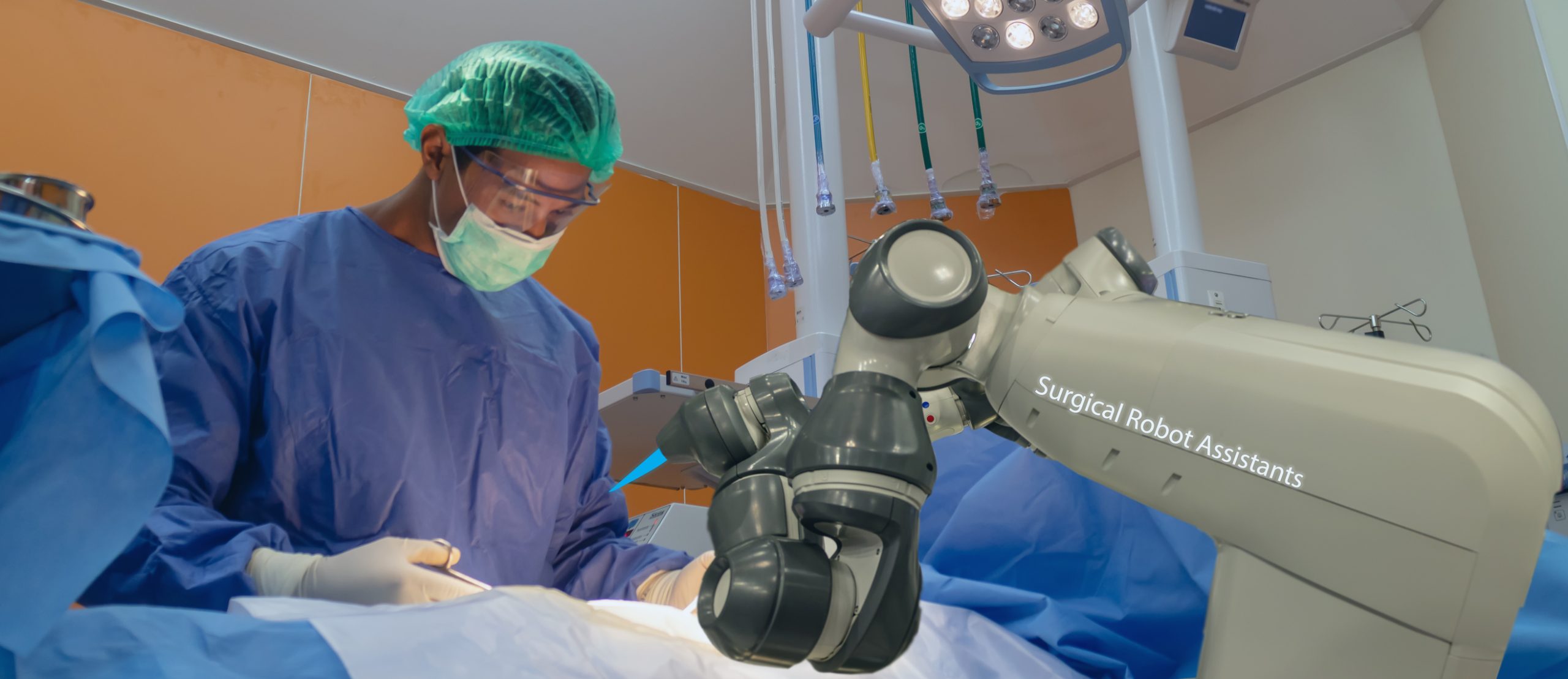
- Robot-assisted surgery
Robot-assisted surgery can repair smaller hernias or rebuild the entire abdominal wall. There are many potential advantages of robot-assisted surgery over other types of surgery, including:
- Robot-assisted surgery provides the surgeon with 3D images of the inside of the abdomen that create a clearer picture for them to reference as they operate, compared to the 2D images used during laparoscopic surgery
- Under the surgeon’s direction, the robot can move more freely and with more versatility than a human hand
- You will have a few tiny scars rather than one large incision (as with open surgery)
- You are more likely to experience less pain and less bleeding after surgery, compared to open surgery
- You are more likely to have a quicker recovery time than with open surgery
For more information about robotic surgery or procedures performed by our surgeons, please call Flushing Hospital Medical Center’s Department of Surgery at 718-670-3135 to schedule an appointment.
All content of this newsletter is intended for general information purposes only and is not intended or implied to be a substitute for professional medical advice, diagnosis or treatment. Please consult a medical professional before adopting any of the suggestions on this page. You must never disregard professional medical advice or delay seeking medical treatment based upon any content of this newsletter. PROMPTLY CONSULT YOUR PHYSICIAN OR CALL 911 IF YOU BELIEVE YOU HAVE A MEDICAL EMERGENCY.