Is Soy Bad For Men?

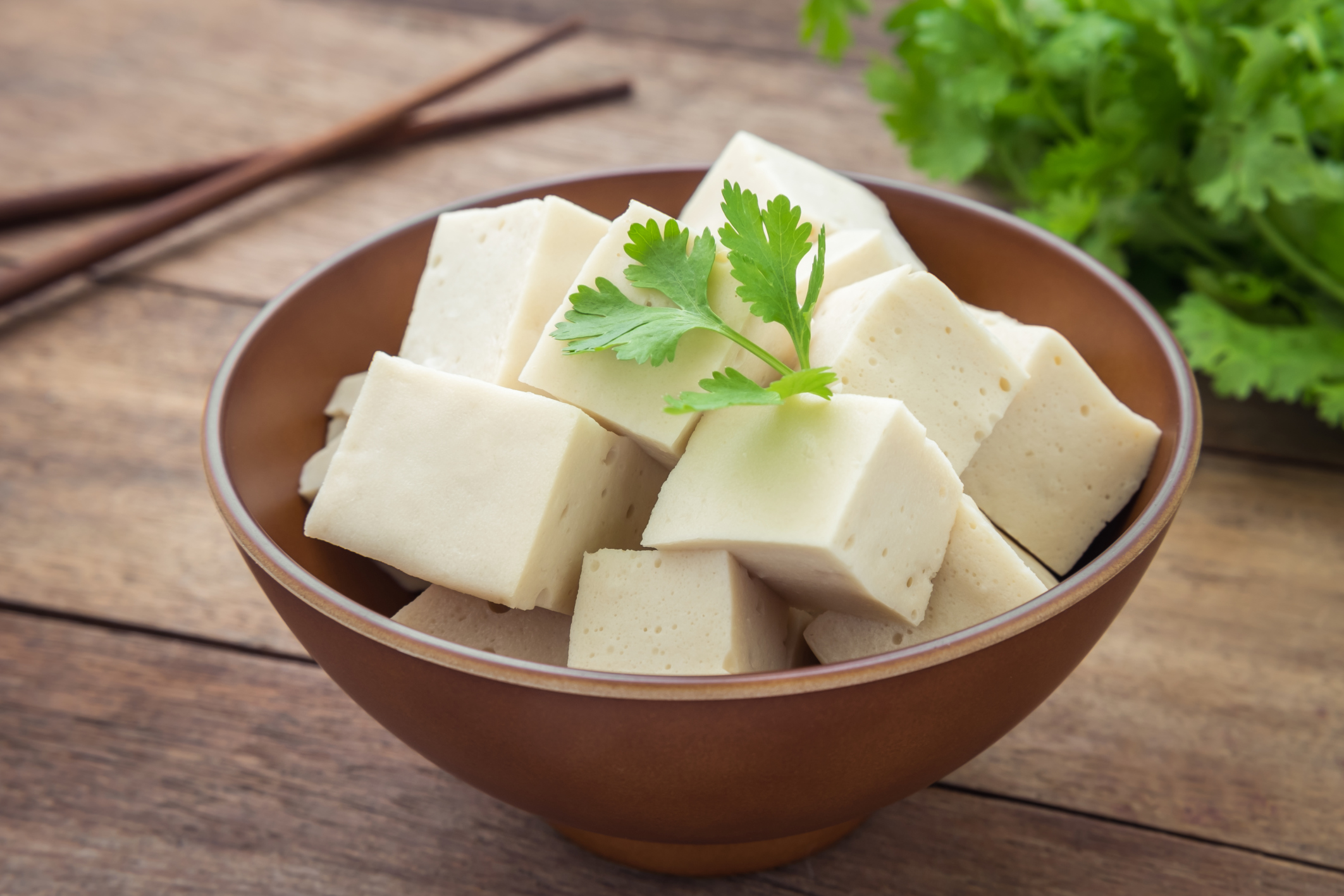
Recent studies regarding the effects of soy and soy based products like soy milk and tofu have caused some confusion about whether or not soy is good for men.
ThinkstockPhotos-478286446

Soy has been a dietary staple in Asia for many centuries, and studies suggest that it may offer some cardiovascular benefits.  However, the concentration of phytoestrogens found in soy, a group of natural compounds that resemble estrogen chemically, have led some to question if soy might lower testosterone levels in men and cause problems for women who have estrogen-sensitive breast cancers. Experts say that the phytoestrogens in soy mimic estrogen very weakly.  Clinical studies in men have cast doubt on the notion that eating soy influences testosterone levels in any significant way.

A 2012 Journal of Oncology analysis of soy intake and breast cancer rates in women found that soy does not cause any harm. Some studies have even found that women who consume the equivalent of about one to two servings of soy daily have a reduced risk of receiving a diagnosis of breast cancer and of its recurrence. Nutrition guidelines for cancer survivors published by the American Cancer Society note that eating traditional soy foods — like tofu, edamame, miso, tempeh and soy milk — may help lower the risk of breast, prostate and other cancers.  However, highly processed soy, like tofurky, and pill supplements, are not recommended.  Check with your doctor before adding large amounts of soy to your diet.

All content of this newsletter is intended for general information purposes only and is not intended or implied to be a substitute for professional medical advice, diagnosis or treatment. Please consult a medical professional before adopting any of the suggestions on this page. You must never disregard professional medical advice or delay seeking medical treatment based upon any content of this newsletter. PROMPTLY CONSULT YOUR PHYSICIAN OR CALL 911 IF YOU BELIEVE YOU HAVE A MEDICAL EMERGENCY.
Living With a Hernia

Unless you’ve suffered from one, most people only know about hernias from the Weird Al Yankovic song (“Living With A Hernia”).  Hernias are caused by pressure on an opening or weakness in the wall of muscle or connective tissue of the groin, belly button or upper stomach that allows a hernia sac (like a balloon) to protrude.  An increase in abdominal pressure pushes the hernia sac and its contents (organ or tissue) through the opening or weak spot.  The muscle weakness may be present at birth or develop at any age.  The most common types of hernia are:

ThinkstockPhotos-473611872. Inguinal (inner groin) –   fat, intestines, colon or bladder may protrude through the abdominal wall. About 96% of all groin hernias are inguinal, and most occur in men because of a natural weakness in this area.

. Incisional (resulting from an incision) —  intra-abdominal organs push  through the abdominal wall at the site of previous abdominal surgery. This type is most common in elderly or overweight people who are inactive after abdominal surgery.

. Femoral (outer groin) — occurs when the intestine enters the canal carrying the femoral vessels into the upper thigh. Femoral hernias are most common in women, especially those who are pregnant or obese.

. Umbilical (belly button) — part of the small intestine passes through the abdominal wall at or near the navel. Common in newborns, it also commonly afflicts obese women or those who have had many children.

. Hiatal (upper stomach) — when the upper stomach squeezes through the hiatus, an opening in the diaphragm through which the esophagus passes. These hernias cannot be seen or felt from the outside and majority do not require surgery

Anything that causes an increase in pressure in the abdomen can cause a hernia, including lifting heavy objects without proper support and coughing or sneezing.  Obesity, poor nutrition, smoking and prior abdominal surgery, can all weaken muscles and make hernias more likely.

Surgery to repair a hernia is one of the most commonly performed surgeries. Flushing Hospital Medical Center offers minimally invasive robotic procedures using the da Vinci robotic system. Hernia surgery performed using the robot allows for faster healing time, less scarring and shorter hospital stays.

If you are experiencing hernia discomfort and would like to make an appointment with a urologist, please contact the Ambulatory Care Center at 718-670-5486.

All content of this newsletter is intended for general information purposes only and is not intended or implied to be a substitute for professional medical advice, diagnosis or treatment. Please consult a medical professional before adopting any of the suggestions on this page. You must never disregard professional medical advice or delay seeking medical treatment based upon any content of this newsletter. PROMPTLY CONSULT YOUR PHYSICIAN OR CALL 911 IF YOU BELIEVE YOU HAVE A MEDICAL EMERGENCY.

Healthy Father’s Day Recipe: Turkey Burger w/Roasted Eggplant

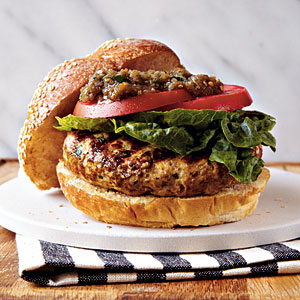
oh-turkey-burgers-roasted-eggplant-x

This Father’s Day, give dad a break on the grill and make him a turkey burger with roasted eggplant. The eggplant adds a great meaty flavor while still cutting down on fat and calories. Recipe courtesy of Cooking Light.

INGREDIENTS
1 (8-ounce) eggplant
Cooking spray
2 tablespoons finely chopped fresh parsley, divided
4 teaspoons olive oil, divided
1 teaspoon fresh lemon juice
1 garlic clove, minced
3/4 teaspoon kosher salt, divided
1/2 teaspoon freshly ground black pepper, divided
1 pound turkey tenderloins, cut into 1-inch pieces
1 teaspoon less-sodium soy sauce
1/4 teaspoon Marmite
4 (1 1/2-ounce) hamburger buns, toasted
4 Bibb lettuce leaves
8 (1/4-inch-thick) tomato slices

1. Preheat oven to 400°.

2. Lightly coat eggplant with cooking spray; wrap eggplant in foil. Place eggplant on a jelly-roll pan; bake at 400° for 45 minutes or until very tender, turning once. Remove from foil; cool slightly. Cut eggplant in half. Carefully scoop out pulp to measure 1 1/4 cups; discard skin. Place pulp in a food processor; process until smooth. Reserve 1/4 cup pureed pulp. Combine remaining pulp, 1 tablespoon parsley, 2 teaspoons oil, juice, and garlic. Stir in 1/2 teaspoon salt and 1/4 teaspoon pepper; set aside.

3. To prepare grinder, place feed shaft, blade, and 1/4-inch die plate in freezer 30 minutes or until well chilled. Assemble the grinder just before grinding.

4. Arrange turkey pieces in a single layer on jelly-roll pan, leaving space between each piece. Freeze 15 minutes or until meat is firm but not frozen. Combine meat and remaining 2 teaspoons oil in large bowl; toss to combine. Pass meat through meat grinder completely. Immediately pass meat through grinder a second time. Combine reserved 1/4 cup eggplant puree, turkey, remaining 1 tablespoon parsley, soy sauce, and Marmite in a large bowl. Divide mixture into 4 equal portions, gently shaping each into a 1/2-inch-thick patty. Press a nickel-sized indentation in the center of each patty. Cover and chill until ready to grill.

5. Preheat grill to medium-high heat.

6. Lightly coat patties with cooking spray; sprinkle with remaining 1/4 teaspoon salt and remaining 1/4 teaspoon pepper. Place patties on grill rack, and grill 4 minutes until well marked. Carefully turn patties over, and grill 3 minutes or until done. Place 1 patty on bottom half of each bun; top each serving with 1 tablespoon eggplant mixture, 1 lettuce leaf, 1 tomato slice, and top half of bun. (Reserve remaining eggplant mixture for another use.)


All content of this newsletter is intended for general information purposes only and is not intended or implied to be a substitute for professional medical advice, diagnosis or treatment. Please consult a medical professional before adopting any of the suggestions on this page. You must never disregard professional medical advice or delay seeking medical treatment based upon any content of this newsletter. PROMPTLY CONSULT YOUR PHYSICIAN OR CALL 911 IF YOU BELIEVE YOU HAVE A MEDICAL EMERGENCY.
Top 5 Conditions That Threaten Men’s Health

Mens Health-83405698A recent national survey has shown that women are three times more likely to see a physician for checkups than men and men are more likely to see a doctor only when they experience alarming symptoms of illness.

Despite the reluctance to go for checkups, it is important for men to see their doctors because as they age, the risks for developing life-threatening health conditions increase. Many of these conditions are preventative or can be controlled if they are detected early.  Some of the leading conditions that threaten men’s health include:

  1. Hypertension (High Blood Pressure)-The risk of hypertension increases in men who are 45 years old and older; however, it is not uncommon for younger men to be diagnosed with this condition. Your level of alcohol consumption can also affect your chances of developing high blood pressure. Men who drink alcohol heavily are at a higher risk for hypertension than non-drinkers.
  2. Cancer- According the Centers for Disease Control and Prevention (CDC) the leading causes of cancer deaths among men is prostate cancer, lung cancer and colorectal cancer.
  3. Stroke- Studies have indicated that African American men, seniors and smokers are at higher risk for developing strokes.
  4. Diabetes- The number of men affected by Type 2 diabetes has increased significantly. The risk of this disease tends to increase with age. It is recommended that men are screened regularly after the age of 45.
  5. Cardiovascular disease- The American Heart Association has estimated that one in three adult men have some form of cardiovascular disease.

June is Men’s Health Month, the perfect time to discuss these health concerns with your husband, father or brother, and encourage them to make an appointment for a physical.

Waiting for the onset of debilitating health symptoms is not the best way to gauge your health. There are serious health conditions that can often go undetected until they are at an advanced stage.  Going for regular checkups may give your physician a better chance of detecting symptoms that indicate serious health issues.  It is important to keep in mind that many health conditions are preventative or treatable with early detection.

All content of this newsletter is intended for general information purposes only and is not intended or implied to be a substitute for professional medical advice, diagnosis or treatment. Please consult a medical professional before adopting any of the suggestions on this page. You must never disregard professional medical advice or delay seeking medical treatment based upon any content of this newsletter. PROMPTLY CONSULT YOUR PHYSICIAN OR CALL 911 IF YOU BELIEVE YOU HAVE A MEDICAL EMERGENCY.

Are you at Risk for Stroke?

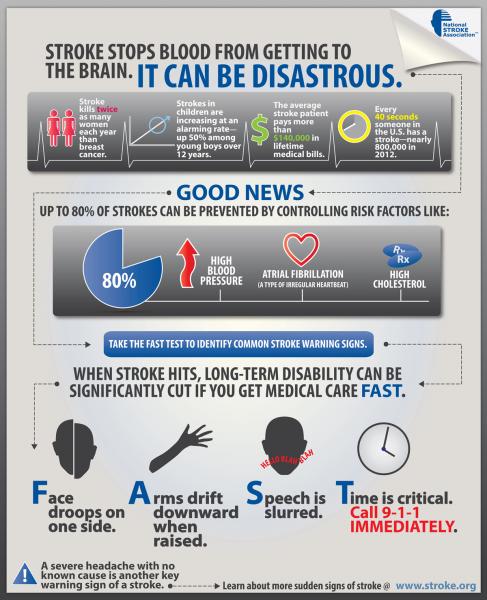
May is National Stroke Awareness Month. A stroke or a CVA (cerebrovascular accident) is an attack on the brain that can occur very quickly and with little warning.  Every year, more than 795,000 people in the United States suffer a stroke and one death from stroke happens every four minutes, making it the fifth leading cause of death in the U.S.

stroke_infographic_webThe risk of having a stroke varies with race and ethnicity. Though stroke risk increases with age, strokes can occur at any time. Prevent or reduce your risk of stroke by:

. Keeping your blood pressure, blood glucose and cholesterol levels in normal range

. Quitting smoking

. Staying active and maintaining a healthy diet and weight

. Treating heart disease

You may be having a stroke if you experience:

. Sudden, severe headache with no known cause

. Trouble seeing out of one or both eyes

. Confusion or trouble speaking

. Dizziness or trouble walking

. Numbness or weakness in the arm, face or legs, especially on one side of the body

If you suspect you or someone you know is having a stroke, act F.A.S.T:

F   Facial Weakness

A  Arm Weakness

S   Slurred speech

T   Time to call 911

Remember, the quicker you get medical help, the less damage to your brain and body and the better your chances are of surviving or avoiding long-term disability.

All content of this newsletter is intended for general information purposes only and is not intended or implied to be a substitute for professional medical advice, diagnosis or treatment. Please consult a medical professional before adopting any of the suggestions on this page. You must never disregard professional medical advice or delay seeking medical treatment based upon any content of this newsletter. PROMPTLY CONSULT YOUR PHYSICIAN OR CALL 911 IF YOU BELIEVE YOU HAVE A MEDICAL EMERGENCY.
What is White Coat Hypertension?

WhiteCoatDoes the thought of having a physician take your blood pressure make you nervous? Anxiety over going to the doctor’s office can lead to an elevation in your blood pressure; a condition known as “white coat hypertension.”

White coat hypertension is a real condition that occurs when blood pressure readings at your doctor’s office are higher than they are in other settings, such as your home. The term white coat refers to the traditional white lab coat health care professionals wear in clinical settings.

The underlying cause of white coat hypertension is believed to be tension and stress associated with being examined by a physician. Not much attention was given to this condition since the blood pressure of patients returned to normal levels when taken in the home environment, where they feel more relaxed. Recent studies however have proven that people with white coat hypertension are twice as likely to develop true hypertension within a decade, compared to people with normal blood pressure levels.

How do you know if you have white coat hypertension and what should you do if you have it? The first step is for your doctor to have you monitor your blood pressure at home to see if it returns to normal levels. If it does, together, you and your doctor can decide whether to treat it or not. On one hand, if your blood pressure is normal during the rest of the day, taking blood pressure medications can lead to hypotension (low blood pressure). On the other hand, people with white coat hypertension might have elevated blood pressure during other stressful parts of the day. Many factors, such as age, family history, and the existence of other conditions will help the doctor make the right decision for you.

There are things that you can do to reduce your anxiety and stress before having your blood pressure checked by a health care professional. First, avoid drinking excessive amounts of water before checking your blood pressure because water can increase your reading. Also, do not participate in any physical activity before having your blood pressure taken. Excessive physical exertion will raise blood pressure. Lastly, avoid stressful situations and remain calm leading up to and during your visit to the doctor’s office.

If you think you have hypertension, make an appointment with your doctor immediately. If you do not have a primary care physician, call Flushing Hospital Medical Center’s Ambulatory Care Center at 178-670-5486 to schedule an appointment.

Join us on Facebook.com/FlushingHospital or follow us on Twitter @FHMC_NYC for more tips on fitness and health.


All content of this newsletter is intended for general information purposes only and is not intended or implied to be a substitute for professional medical advice, diagnosis or treatment. Please consult a medical professional before adopting any of the suggestions on this page. You must never disregard professional medical advice or delay seeking medical treatment based upon any content of this newsletter. PROMPTLY CONSULT YOUR PHYSICIAN OR CALL 911 IF YOU BELIEVE YOU HAVE A MEDICAL EMERGENCY.
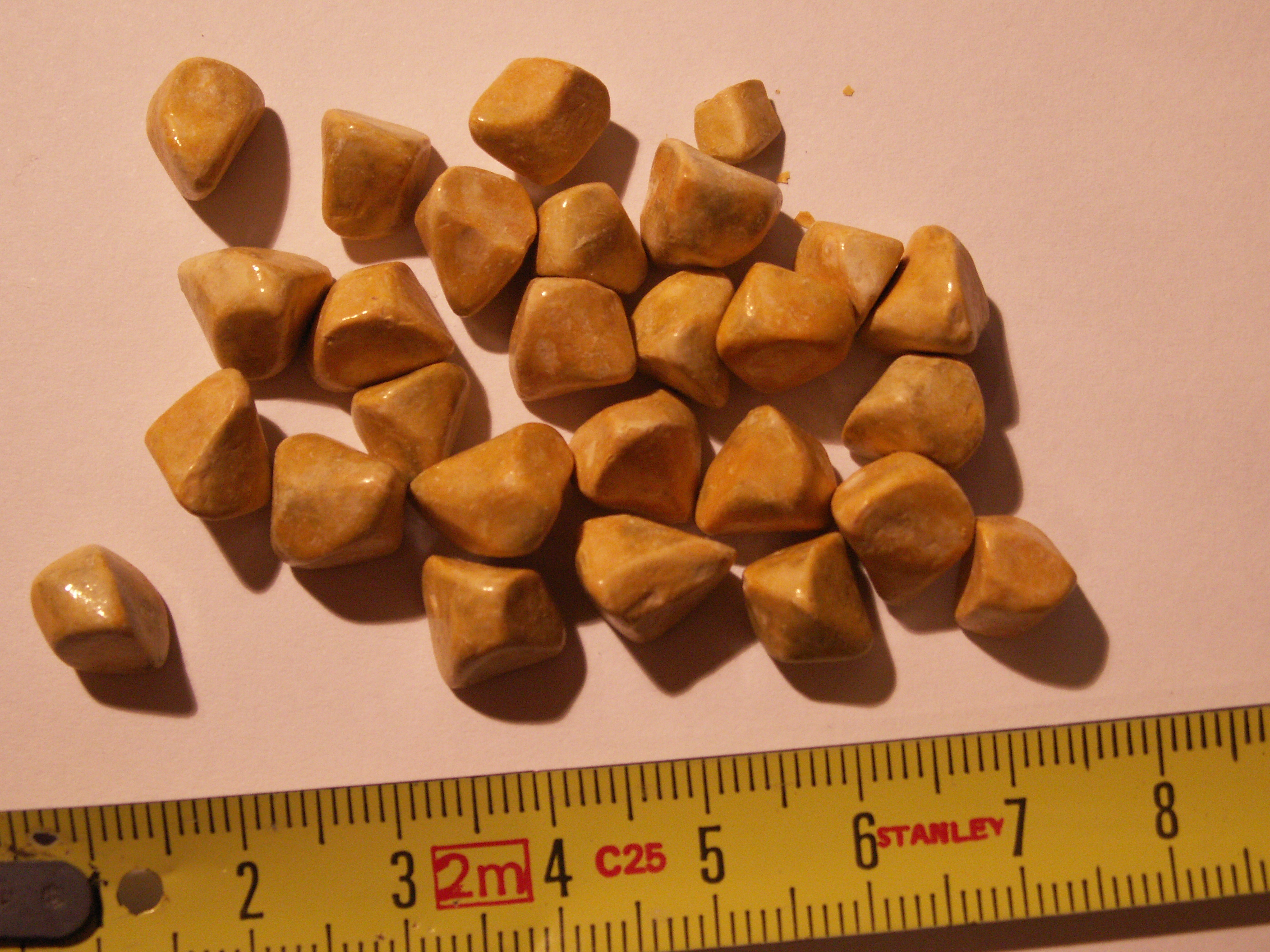
What are Gallstones?

Have you ever experienced sudden abdominal pain and wondered if it might be gallstones?

KONICA MINOLTA DIGITAL CAMERA

Gallstones form in the gall bladder, located just under the liver, and may cause no signs or symptoms. However, if a gallstone lodges in a bile duct, it could cause a blockage. Gallstone pain may last several minutes to a few hours and symptoms may include:

  • Sudden and rapidly intensifying pain in the upper right portion of your abdomen
  • Sudden and rapidly intensifying pain in the center of your abdomen, just below your breastbone
  • Back pain between your shoulder blades
  • Pain in your right shoulder

Make an appointment with your doctor if you experience any of these signs or symptoms. Seek immediate care if you are experiencing:

  • Abdominal pain so intense that you can’t sit still or find a comfortable position
  • Yellowing of your skin and the whites of your eyes
  • High fever with chills

Laparoscopic surgery to remove the gallbladder, called a cholecystectomy, is one of the most commonly performed surgical procedures in the United States, and is the treatment of choice for gallstones that cause moderate to severe pain. Symptoms usually do not return after the gallbladder has been removed. In a small number of cases, surgery may be done to prevent complications of gallstones.

The surgical team at Flushing Hospital Medical Center offers laparoscopic gallbladder removal using the da Vinci robotic system. Using the robot allows for faster healing time, less scarring and shorter hospital stays.

For an appointment with a gastroenterologist, please contact the Ambulatory Care Department at 718-670-5486.

All content of this newsletter is intended for general information purposes only and is not intended or implied to be a substitute for professional medical advice, diagnosis or treatment. Please consult a medical professional before adopting any of the suggestions on this page. You must never disregard professional medical advice or delay seeking medical treatment based upon any content of this newsletter. PROMPTLY CONSULT YOUR PHYSICIAN OR CALL 911 IF YOU BELIEVE YOU HAVE A MEDICAL EMERGENCY.

Diabetes and Skin Complications

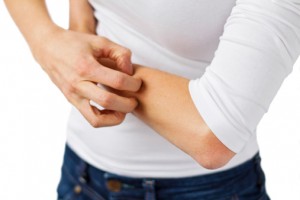
Believe it or not, skin complications are sometimes the first sign that you may have diabetes. According to the American Diabetes Association (ADA), people with diabetes develop skin diseases more easily than those without the condition, making them more susceptible to general skin conditions such as bacterial infections, fungal infections, and localized itching. More specifically, styes, boils, jock itch, athlete’s foot, and ringworm. Diabetesandskin-300x200

There are several skin conditions that mostly affect or only affect people with diabetes, such as diabetic dermopathy and diabetic blisters. Some of these conditions are painful, while others are found to be embarrassing.

Fortunately, most of these conditions can be prevented or easily treated, if caught early. To reduce the risk of developing skin-related complications of diabetes, it is recommended that individuals keep their glucose levels in a safe range by eating healthy, exercising and taking their medication. It is also important that proper skin care is practiced. Individuals with diabetes should consider the following tips for good skin care:

  • Keep skin clean and moisturized.
  • Avoid very hot baths and showers, and use moisturizing soap and mild shampoos.
  • Treat cuts right away. Wash minor cuts with soap and water.
  • During cold, dry months, keep your home more humid. Bathe less during this weather, if possible.

If not cared for properly, these conditions, in a person with diabetes, can turn into a serious problem with potentially severe consequences. If you have diabetes and have noticed changes to your skin, please call Flushing Hospital Medical Center’s Ambulatory Care Center at  718-670-5486 to schedule an appointment with an endocrinologist or dermatologist.

All content of this newsletter is intended for general information purposes only and is not intended or implied to be a substitute for professional medical advice, diagnosis or treatment. Please consult a medical professional before adopting any of the suggestions on this page. You must never disregard professional medical advice or delay seeking medical treatment based upon any content of this newsletter. PROMPTLY CONSULT YOUR PHYSICIAN OR CALL 911 IF YOU BELIEVE YOU HAVE A MEDICAL EMERGENCY.
The Benefits of Drinking Bay Leaf Tea

Bay-leaf-462032601-300x200

There are many benefits of drinking bay leaf tea. Some of the most widely known benefits are:

1.  Bay leaves are a rich source of vitamin A, vitamin C, iron, potassium, calcium, and magnesium. Also regular inclusion of bay leaves in meals promotes general health.

2.  They have been proven to be useful in the treatment of migraines.

3.  Bay Leaf contains enzymes that help to breakdown proteins and digest food faster, helping to calm indigestion.

Recipe for Bay Leaf Tea

  • 16 oz water
  • 3 bay leaves
  • Juice1 large or 2 smaller lemons
  1. Place ingredients, together, in a pot and bring to a boil.
  2. Drink, after it cools down

A hot cup of bay leaf tea can be very comforting. The aromatic fragrance that the leaves release is calming and the essence of the spiced tea makes bay leaf tea delicious.

All content of this newsletter is intended for general information purposes only and is not intended or implied to be a substitute for professional medical advice, diagnosis or treatment. Please consult a medical professional before adopting any of the suggestions on this page. You must never disregard professional medical advice or delay seeking medical treatment based upon any content of this newsletter. PROMPTLY CONSULT YOUR PHYSICIAN OR CALL 911 IF YOU BELIEVE YOU HAVE A MEDICAL EMERGENCY.

How Many Drinks Are Too Many?

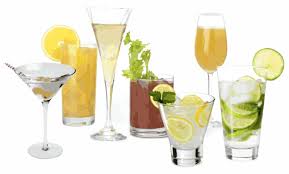
April is Alcohol Awareness Month. Poll question: How many drinks per week are too many?

images

Answer: According to the National Institute of Alcohol Abuse and Alcoholism: men should not exceed four drinks per day or a total of 14 per week and women should not to exceed three drinks a day or a total of seven per week.

When following these guidelines here are some factors to consider:

.Portion size: Standard portions in the United States include 12-ounces of beer, 8-ounces of malt liquor, 5-ounces of wine and 1.5-ounces or a “shot” of 80-proof distilled spirits or liquor.

.Alcohol content: There are differences in alcohol percentages between red and white wines, as well as between light beers and lagers.

.Gender: Women have less body water than men and hence retain a higher blood-alcohol concentration than men from a single drink.

.Food:  An empty stomach speeds up alcohol absorption. Food slows absorption rates in men and women.

Remember, everyone metabolizes alcohol differently and moderation is key. Make smart choices when enjoying dinner or a night out with friends and NEVER drink and drive.

If you think you have a problem with alcohol, please contact Flushing Hospital Medical Center’s Addiction Treatment Division at 718- 670-5486.


All content of this newsletter is intended for general information purposes only and is not intended or implied to be a substitute for professional medical advice, diagnosis or treatment. Please consult a medical professional before adopting any of the suggestions on this page. You must never disregard professional medical advice or delay seeking medical treatment based upon any content of this newsletter. PROMPTLY CONSULT YOUR PHYSICIAN OR CALL 911 IF YOU BELIEVE YOU HAVE A MEDICAL EMERGENCY.