
Insulin Pumps

Insulin pumps can help people with diabetes conveniently manage their blood sugar. These small, wearable devices supply a continuous flow of rapid-acting insulin underneath the skin, delivering doses at specific times, and are an alternative to multiple daily injections.  

An insulin pump mimics how the pancreas would naturally release insulin. It delivers insulin in one of two ways: 

  • Small and continuous doses are called basal insulin. A person with diabetes will likely have multiple basal rates in increments throughout the day due to the body requiring different amounts of small “background” doses throughout a 24-hour period  
  • Manual surges of insulin when eating and correcting high blood sugar are called bolus insulin. The pump uses the information the user enters about their carbohydrate intake and blood sugar level to calculate how much bolus insulin they need. Most pumps will recommend a dose to the user, which they can then confirm or adjust before the insulin is delivered 

There are several types of insulin pumps on the market with unique features. Each type and brand of pump has various settings, including: 

  • Integration with continuous glucose monitor (CGM) technology to automatically increase, decrease, or stop insulin release based on a person’s glucose level 
  • Options to manually increase or decrease the basal rate for a certain amount of time 
  • Alarms to alert the user of a low battery or a low reservoir 
  • Alarms to alert the user if their glucose level is out of range, the CGM communicates with their pump 
  • Connectivity to phone apps and other smart devices 

There are two main types of insulin pumps: those with tubing and those without tubing.  

Tubed insulin pumps have a long, thin tube that connects the pump to a cannula, a thin, flexible tube, inserted under the skin to deliver insulin. Parts of a tubed insulin pump include: 

  • The pump machine and technology 
  • The tubing and infusion set 

Most reservoirs and infusion sets should be changed every two to three days. And the reservoir must be changed if it runs out of insulin. New infusion sets, reservoirs, and tubing should be used every time; however, the pump itself can typically last for many years. 

Tubeless insulin pumps, or patch pumps, also use a cannula under the skin. However, the insulin reservoir and the cannula are part of one pod that sits on the skin with an adhesive patch. There is no external tubing, and it can be operated wirelessly with a handheld controller.  

Each pump or pod can be used at a time. Like a tubed pump, it needs to be changed every two to three days and must be changed if the reservoir runs out of insulin. 

Before attaching the pod, the reservoir is filled with insulin and attached with adhesive to the skin. A button is then pressed that releases a needle that is threaded through the cannula in the pod. The needle retracts back into the pod, and the cannula remains under the skin. The pump can be worn on the upper arm, stomach, hip, buttock, or thigh. 

Tubeless insulin pumps are waterproof, so they can be worn when bathing or swimming. 

Anyone with diabetes who requires synthetic insulin can use an insulin pump. This includes children and adults with Type 1 diabetes, some people with Type 2 diabetes, and people with Type 3c or monogenic diabetes. 

Each insulin pump has different Food and Drug Administration (FDA) approvals regarding how old a person can be to use it. Some insulin pumps have approval for children as young as two years old. Most other pumps have approval for those seven years and older.  

Using an insulin pump has several advantages, including: 

  • Not having to inject insulin 
  • It is more discreet than injecting insulin with a syringe 
  • It is more accurate at delivering insulin 
  • It may help with tighter blood glucose control 
  • There are fewer fluctuations in blood glucose levels 
  • It may result in improved A1C 
  • There are fewer episodes of low blood sugar 
  • There is more flexibility with diet and exercise 
  • It helps manage the early morning rise in blood glucose levels called the dawn phenomenon 

Using an insulin pump can also have its disadvantages, including: 

  • Increased weight gain 
  • Increased risk of diabetic ketoacidosis if the pump doesn’t work correctly 
  • Risk of skin infection or irritation at the application site 
  • Needing to be attached to the pump most of the time 
  • Having to operate the pump, replace its batteries, set doses, etc. 
  • Having to wear the pump makes it obvious you have diabetes 
  • Learning how to use the pump and keeping it working properly 
  • Having to check blood sugar levels several times a day and count carbohydrates 
  • It can be more expensive than taking traditional insulin injections 

There are many factors to consider when choosing an insulin pump. Fortunately, pump manufacturers have a lot of information on their products, and trainers who can answer questions.  

It is very important to discuss your options with a diabetes healthcare provider.  

If you have any questions about which insulin pumps are best for you, or if you would like help to manage your diabetes, you can speak with an endocrinologist at Flushing Hospital Medical Center’s Ambulatory Care Center. To schedule an appointment, please call (718) 670-5486. 


All content of this newsletter is intended for general information purposes only and is not intended or implied to be a substitute for professional medical advice, diagnosis or treatment. Please consult a medical professional before adopting any of the suggestions on this page. You must never disregard professional medical advice or delay seeking medical treatment based upon any content of this newsletter. PROMPTLY CONSULT YOUR PHYSICIAN OR CALL 911 IF YOU BELIEVE YOU HAVE A MEDICAL EMERGENCY.

Common Misconceptions About Bariatric Surgery

Bariatric, or gastric bypass surgery for weight loss, is a surgical treatment for severe obesity that involves making changes to the digestive system. It is performed when diet and exercise haven’t worked, or when a person is at risk for serious health problems due to their weight.

There are several myths and misconceptions about bariatric surgery and its outcomes, including:

  • Bariatric surgery is unnecessary, and people just need to eat less and exercise more
  • Bariatric surgery is dangerous
  • Bariatric surgery will make a person thin
  • Bariatric surgery and weight loss will make a person happy and improve their relationships
  • Bariatric surgery will prevent a person from overeating
  • Bariatric surgery is an easy way out
  • Most people will gain the weight back after surgery

Bariatric surgery can be a lifesaving solution for many people who are overweight. Bariatric surgery, along with a commitment to lifestyle changes, not only provides long-term weight loss but it significantly improves the health and quality of life for many.

For more information about the Bariatric Surgery Services at Flushing Hospital or procedures performed by our doctors, please call 718-408-6977 or 718-670-8908.


All content of this newsletter is intended for general information purposes only and is not intended or implied to be a substitute for professional medical advice, diagnosis or treatment. Please consult a medical professional before adopting any of the suggestions on this page. You must never disregard professional medical advice or delay seeking medical treatment based upon any content of this newsletter. PROMPTLY CONSULT YOUR PHYSICIAN OR CALL 911 IF YOU BELIEVE YOU HAVE A MEDICAL EMERGENCY.
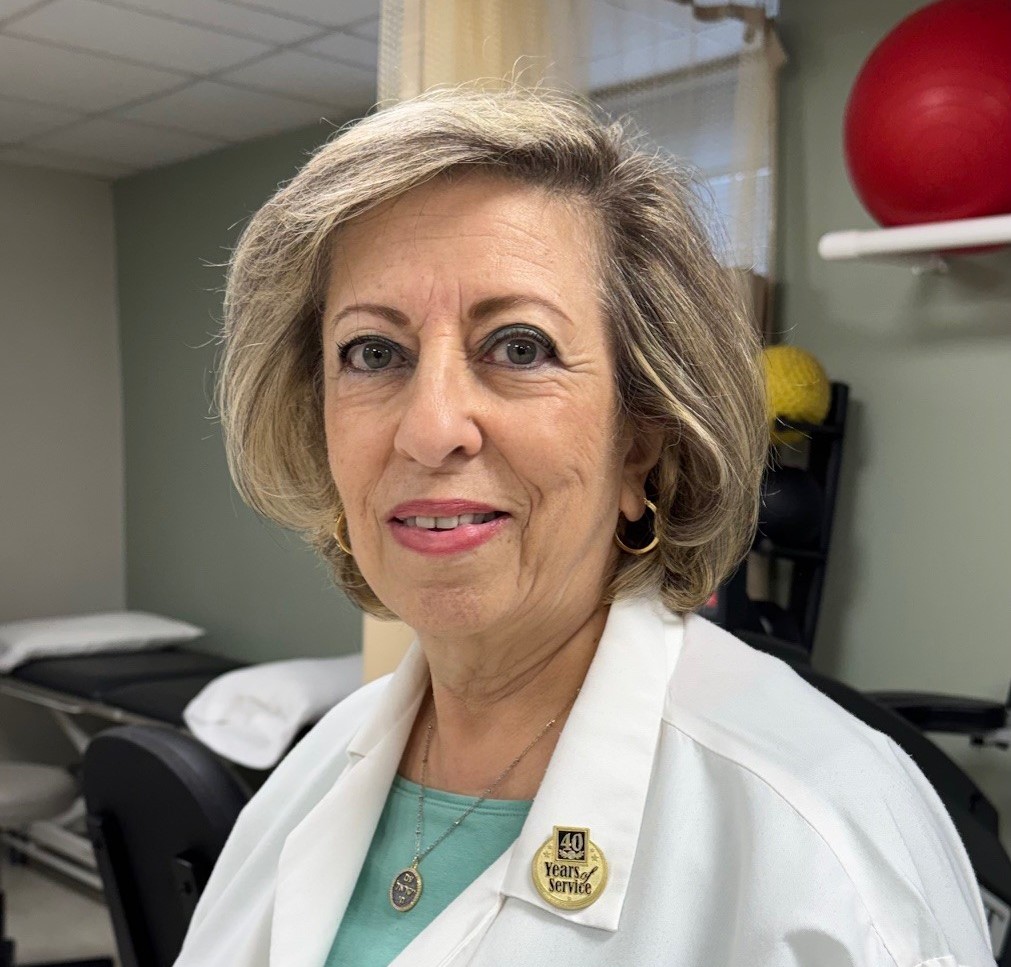
Employee Spotlight Shines on Sadia Tahir Khan

This month, we are proud to shine our Employee Spotlight on Sadia Tahir Khan, a Dietary Assistant in the Food and Nutrition Department at Flushing Hospital Medical Center for the past 20 years.

Sadia was born in Pakistan and moved with her parents to the Flushing area of New York City in 1986. She attended PS 193, IS 237, and John Bowne High School. In 2002, she received her B.A in biology from Queens College and in 2004, she obtained her second B.A. from Queens College in Family and Consumer Sciences with a Dietetics Concentration.  In 2009, Sadia received her M.S. in Nutrition and Exercise Sciences with a specialization in nutrition.

Sadia lives with her husband Muzzamil, who is also employed at Flushing Hospital and their two sons, one is 14 years old and the other is 18 years old. In her free time she enjoys cooking food from all over the world, but predominately Indian, Pakistani and American dishes. She likes to read books and articles on nutrition, food safety and food allergens. Sadia also enjoys listening to music and watching movies.  She hasn’t had the opportunity to travel extensively but one day she hopes to visit many areas within the United States.

She very much enjoys working in the Dietary Department at Flushing Hospital because of the wonderful people she works with. Her colleagues are hard working, dedicated, and very committed to their profession. They all work in unison to provide patients with extraordinary dietary services each and every day. We are very fortunate to have Sadia as a member of our team and we look forward to her continuing to work with us for many more years.

All content of this newsletter is intended for general information purposes only and is not intended or implied to be a substitute for professional medical advice, diagnosis or treatment. Please consult a medical professional before adopting any of the suggestions on this page. You must never disregard professional medical advice or delay seeking medical treatment based upon any content of this newsletter. PROMPTLY CONSULT YOUR PHYSICIAN OR CALL 911 IF YOU BELIEVE YOU HAVE A MEDICAL EMERGENCY.

Flushing Hospital Achieves Surgical Review Corporation’s Center of Excellence Accreditation

Flushing Hospital Medical Center recently earned accreditation from SRC (Surgical Review Corporation) as a Center of Excellence in four areas of specialization: minimally invasive surgery, hernia surgery, minimally invasive gynecology, and robotic surgery. This accreditation recognizes Flushing Hospital’s commitment to and high standard of delivering quality patient care and safety.

SRC is an internationally recognized, nonprofit, patient safety organization dedicated to recognizing and refining surgical care. SRC accredits the top hospitals, surgeons and health professionals worldwide that meet its proven standards. Receiving status as an accredited Center of Excellence means that Flushing Hospital has met nationally and internationally recognized standards. Not all organizations or healthcare providers pursue accreditation, and among those who do, not all meet the standards to earn it.

Healthcare facilities and surgeons seeking an SRC accreditation undergo an extensive assessment and inspection process to ensure the applicant meets SRC’s proven standards and requirements. These requirements include surgical volumes, facility equipment, clinical pathways and standardized operating procedures, an emphasis on patient education and continuous quality assessment. Inspectors educate staff in the accredited departments on best practices to help an organization improve its care and services.

Earning the distinction as an SRC Center of Excellence is a testament to Flushing Hospital’s utilization of advanced surgical technologies, application of proven methodologies, and patient-centered approach to healthcare.

“We’re proud to recognize Flushing Hospital for its commitment to advancing and providing quality care for all patients,” said Gary M. Pratt, CEO of SRC. “This accreditation signals that this facility is among the best in this specialty and is dedicated to delivering the highest level of care possible.”

“Flushing Hospital has been designated a center of excellence in robotic, minimally invasive gynecologic surgery, minimally invasive general surgery, bariatric, and hernia surgery. We recently underwent the rigorous Center of Excellence review and certification, providing our data and outcomes, and have demonstrated that we are among the best in the world. We are proud of our surgical team and look forward to continuing to provide the best care possible for our community,” said Dr. Noman Khan, Chairman of Robotic Surgery.

Flushing Hospital, a trusted healthcare institution in Queens, New York, excels in providing high-quality surgical care. In addition to receiving accreditation as an SRC Center of Excellence, Flushing Hospital has received a Gastrointestinal Surgery Excellence award from Healthgrades. The hospital is also accredited as a Comprehensive Center under the Metabolic and Bariatric Surgery Accreditation and Quality Improvement Program (MBSAQIP®), which recognizes that Flushing Hospital meets the highest quality standards for patient safety and quality of care. The hospital also boasts a high-performing robotic surgery division. Robotic surgeons at Flushing Hospital are board-certified or board-approved and have performed countless procedures with outstanding success rates.

All content of this newsletter is intended for general information purposes only and is not intended or implied to be a substitute for professional medical advice, diagnosis or treatment. Please consult a medical professional before adopting any of the suggestions on this page. You must never disregard professional medical advice or delay seeking medical treatment based upon any content of this newsletter. PROMPTLY CONSULT YOUR PHYSICIAN OR CALL 911 IF YOU BELIEVE YOU HAVE A MEDICAL EMERGENCY.
Should You Use Mouthwash Before or After Brushing?

Brushing and flossing are the most important measures for supporting your oral health. However, rinsing with mouthwash as an addition to these oral health care practices is a simple way to get more out of your dental hygiene routine.

There are two main types of mouthwash: therapeutic and cosmetic.

Therapeutic mouthwash usually contains active ingredients that fight off harmful bacteria, help reduce plaque, gingivitis, cavities, and bad breath. If they have fluoride, they can also help prevent tooth decay.

Cosmetic mouthwash may temporarily control or reduce bad breath and leave a pleasant taste in your mouth, but they do not help prevent cavities or gum disease.

According to the American Dental Association (ADA), mouthwash can reach areas that your toothbrush can’t, which can help reduce the risk of developing cavities and gum disease.

Additionally, the American Academy of Periodontology notes that untreated gum disease can lead to complications such as gum recession and tooth loss, but using mouthwash can help boost your prevention efforts.

Using mouthwash has many benefits, including:

  • It freshens your breath
  • It reduces plaque
  • It prevents gingivitis
  • It prevents cavities
  • It promotes overall dental health

Mouthwash can enhance your oral care routine. However, it is important to remember that it is not a substitute for regular brushing and flossing.

The ADA states that you may choose to use mouthwash before or after brushing based on personal preference. However, mouthwash manufacturers may recommend an order based on their product’s ingredients, so it is important to check the label on your product to ensure that you maximize its effects.

It is important to visit a dentist to ensure you’re receiving the most effective treatment possible. If you would like to receive a checkup, you can schedule an appointment at Flushing Hospital Medical Center’s Department of Dental Medicine by calling (718) 670-5521.


All content of this newsletter is intended for general information purposes only and is not intended or implied to be a substitute for professional medical advice, diagnosis or treatment. Please consult a medical professional before adopting any of the suggestions on this page. You must never disregard professional medical advice or delay seeking medical treatment based upon any content of this newsletter. PROMPTLY CONSULT YOUR PHYSICIAN OR CALL 911 IF YOU BELIEVE YOU HAVE A MEDICAL EMERGENCY.
Check Your Meds Day

Pills Spilling From BottleNational Check Your Meds Day is a day dedicated to reviewing your medications for safety and accuracy.

If you peek inside your medicine cabinet, there is a good chance it contains a few expired or unnecessary prescription medications. It is probably a good idea to discard them, but what is the right way to do so?

Disposing of these medications, whether they are expired antibiotics or pain meds that are no longer needed, is very important because they can be harmful if taken by someone other than the person they were prescribed for.

While most medicines can be thrown in the household trash, many others have specific disposal instructions, such as immediately flushing them down the sink or toilet when they are no longer needed. Only flush prescription drugs that specifically note to do so, as there is evidence that certain medications can be harmful to the water supply.

If you are uncomfortable flushing or disposing of your meds, another option is participating in local drug “take-back” programs, where they can be turned in and properly disposed of.

If no disposal instructions are given on the prescription drug labeling and no take-back program is available in your area, throw the drugs in the household trash using these tips:

• Scratch out all identifying information on the prescription label to protect your identity and privacy.

• Do not give your medicine to friends. Doctors prescribe drugs based on your specific symptoms and medical history. Something that works for you could be dangerous for someone else.

When in doubt about proper disposal, ask your pharmacist. You can also check with your local government officials about drug take-back events in your community.

All content of this newsletter is intended for general information purposes only and is not intended or implied to be a substitute for professional medical advice, diagnosis or treatment. Please consult a medical professional before adopting any of the suggestions on this page. You must never disregard professional medical advice or delay seeking medical treatment based upon any content of this newsletter. PROMPTLY CONSULT YOUR PHYSICIAN OR CALL 911 IF YOU BELIEVE YOU HAVE A MEDICAL EMERGENCY.
Chair Exercises for Older Adults

Physical activity can reduce not only the risk of heart disease but also cognitive decline. It can also help you to sustain your ability to perform everyday activities. Maintaining physical fitness as we age becomes increasingly important for our overall well-being. However, for many older adults, high-impact workouts may not be suitable or comfortable, especially if they have challenges with balance or mobility.

Fortunately, engaging in seated or standing chair-based exercises has many health benefits that can help older adults stay active safely.

Doing chair-based exercises offers many health benefits to older adults, including:

  • Improved flexibility
  • Improved balance
  • Improved stamina and endurance
  • Helps build strength
  • Helps burn calories
  • Helps maintain muscle mass
  • Contributes to weight management

Some seated chair-based exercises include:

  • Seated leg extensions
  • Pelvic tilts
  • Seated calf raises
  • Toe raises
  • Shoulder blade squeezes
  • Thigh squeezes
  • Arm raises
  • Bicep curls
  • Seated marches
  • Side bend stretches
  • Seated shoulder stretches
  • Seated hamstring stretches
  • Seated neck rotations
  • Sit-to-stands
  • Knee extensions
  • Seated torso twists

Some standing chair-based exercises include:

  • Standing leg curls
  • Chair planks
  • Standing side leg raises
  • Calf raises
  • Standing marches
  • Standing torso twists

Older adults should aim to do chair-based exercises regularly. It is recommended to engage in these exercises at least two to three times a week to maintain and improve strength, flexibility, and balance. Consistency is key to experiencing the full benefits.

Whether you are looking to maintain your current level of fitness or start a new journey towards better health, these chair-based exercises offer a safe and effective way to achieve your goals.

It is recommended that you consult your doctor before starting a new exercise routine. You can schedule an appointment with a doctor at Flushing Hospital’s Ambulatory Care Center by calling (718) 670-5486.


All content of this newsletter is intended for general information purposes only and is not intended or implied to be a substitute for professional medical advice, diagnosis or treatment. Please consult a medical professional before adopting any of the suggestions on this page. You must never disregard professional medical advice or delay seeking medical treatment based upon any content of this newsletter. PROMPTLY CONSULT YOUR PHYSICIAN OR CALL 911 IF YOU BELIEVE YOU HAVE A MEDICAL EMERGENCY.

Harnessing AI in Stroke Care

At Flushing Hospital Medical Center, we are committed to bringing the latest innovations in stroke care to our patients.

Artificial intelligence (AI) is now playing an important role, helping us improve both the speed of treatment and the quality of recovery.

One of the technologies we use to speed up stroke diagnosis is Aidoc, an advanced AI system that reviews CT scans in real time to detect strokes caused by clots or bleeding in the brain.

By alerting our stroke team immediately, Aidoc reduces delays and supports rapid decisions for clot-busting medication or thrombectomy. This ensures that more patients can receive life-saving treatment within the critical “golden hour.”  The “golden hour” in stroke refers to the first 60 minutes after symptoms arise. This is a critical time because prompt medical intervention can greatly minimize brain damage and enhance recovery outcomes.

Flushing Hospital is a certified Primary Stroke Center, a recognition that highlights our commitment to delivering the highest quality of care for stroke patients. By integrating advanced AI technology with compassionate care, our hospital continues to excel in enhancing outcomes for stroke patients in our community.


All content of this newsletter is intended for general information purposes only and is not intended or implied to be a substitute for professional medical advice, diagnosis or treatment. Please consult a medical professional before adopting any of the suggestions on this page. You must never disregard professional medical advice or delay seeking medical treatment based upon any content of this newsletter. PROMPTLY CONSULT YOUR PHYSICIAN OR CALL 911 IF YOU BELIEVE YOU HAVE A MEDICAL EMERGENCY.
National Primary Care Week

National Primary Care Week is celebrated from October 6th through October 11th. It is a time to raise awareness about family medicine and to thank the doctors, physician assistants, nurses, and healthcare teams who help keep us healthy every day.

Primary care is the first stop you make when you’re sick, require a checkup, or have any questions about your health. These are the family doctors, pediatricians, or nurse practitioners who know you best and help you to stay healthy, catch problems early, and guide you when you need more care. They don’t just treat you when you are ill; they help keep you well.

Primary care providers do more than administer shots or check blood pressure. They listen to a patient’s concerns, help manage long-term conditions such as diabetes or asthma, and refer you to specialists when needed. They also help with mental health, food and housing needs, and other factors that may affect your well-being.

Here are some ways you can participate in National Primary Care Week:

  • Schedule a checkup if you haven’t had one in a while
  • Update your health records to make sure your healthcare provider has your latest information
  • Thank your doctor or nurse for the care they give
  • Learn more about what your primary care provider can do for you
  • Talk to family and friends about the importance of having a primary care provider

If you would like to receive a checkup, you can receive treatment from a doctor at Flushing Hospital Medical Center’s Ambulatory Care Center. To schedule an appointment, please call (718) 670-5486.


All content of this newsletter is intended for general information purposes only and is not intended or implied to be a substitute for professional medical advice, diagnosis or treatment. Please consult a medical professional before adopting any of the suggestions on this page. You must never disregard professional medical advice or delay seeking medical treatment based upon any content of this newsletter. PROMPTLY CONSULT YOUR PHYSICIAN OR CALL 911 IF YOU BELIEVE YOU HAVE A MEDICAL EMERGENCY.

How Having a Sedentary Job Contributes to a Higher Risk of Insomnia

According to a study published on January 7th, 2025, by the Journal of Occupational Health Psychology, people with sedentary jobs, an estimated 80% of the workforce, have a much higher risk of experiencing insomnia compared with people who are active at work. Insomnia is a common sleep disorder that can make it difficult to fall asleep or stay asleep. A sedentary job is any job that requires an employee to sit for about six hours of an eight-hour workday.

Researchers surveyed nearly 1,300 people twice over a span of ten years, inquiring about their job schedules and physical activity levels while at work. They also asked about the participants’ sleep habits, identifying three sleep health categories: good sleepers, insomnia-like sleepers, and catch-up sleepers.

Good sleepers are people who exhibit optimal sleep patterns, such as regular sleep cycles with low levels of daytime tiredness.

Insomnia-like sleepers are people who experience short sleep cycles and higher levels of daytime fatigue.

Catch-up sleepers fall between both groups and often rely on naps or extra weekend sleep to compensate for irregular sleeping patterns.

Compared to active work, sedentary work was 37% likely to lead to a variety of insomnia symptoms, such as difficulty falling asleep, interrupted sleep, and frequent daytime tiredness. The findings of the study also indicated that workers who fall into a pattern of poor sleep due to their job design (defined as elements such as the amount of technology used at work, levels of physical activity, and work schedules, and specifically the time of day when the employee works) can end up stuck in such unhealthy patterns for many years. Insomnia-like sleepers, for example, reported their symptoms persisted ten years later, at the end of the study.

Those experiencing insomnia may have the following symptoms:

  • Having a hard time falling asleep at night
  • Waking up during the night
  • Waking up too early
  • Feeling tired or sleepy during the day
  • Feeling cranky, depressed, or anxious
  • Having a hard time paying attention, focusing on tasks, or remembering
  • Making more errors or having more accidents
  • Having ongoing worries about sleep

If you are experiencing insomnia, there are several ways you can improve your sleep, including:

  • Taking short breaks throughout the day to move
  • Unplugging smartphones and computers two hours before bedtime
  • Using light exposure to readjust your circadian rhythms if you work a night shift

If you are experiencing symptoms of insomnia, you can learn more about our outpatient mental health services at Flushing Hospital Medical Center. To schedule a virtual appointment, please call (718) 670-5316 to speak with our intake coordinator or (718) 670-5562 to reach the clinic.

All content of this newsletter is intended for general information purposes only and is not intended or implied to be a substitute for professional medical advice, diagnosis or treatment. Please consult a medical professional before adopting any of the suggestions on this page. You must never disregard professional medical advice or delay seeking medical treatment based upon any content of this newsletter. PROMPTLY CONSULT YOUR PHYSICIAN OR CALL 911 IF YOU BELIEVE YOU HAVE A MEDICAL EMERGENCY.