
Winter Cold or Allergy?

The winter months can be challenging to your health. The drop in temperatures often results in symptoms that could be either a winter cold or allergies.

While many of the symptoms of colds and allergies are similar, the causes of each are very different.

Colds are contagious and they are contracted when a person is exposed to an individual infected with a cold virus.  Our body’s immune system will launch a counter attack against the virus. This response usually brings on the classic symptoms, such as a runny nose or cough.

An allergic reaction is caused by an overactive immune system that mistakes harmless things, such as mold or dust mites and attacks them. To combat what it thinks are germs, your body releases chemicals called histamines as a defense. The release of these histamines can cause a swelling of the nasal passages and result in coughing and sneezing. While many of the symptoms are similar, the easiest way to determine if you have a cold or are suffering from allergies is the duration of your condition. While most colds last from three to 14 days, allergies can last for months as long as the person is in contact with the allergen. Other differences are:

  • An allergic reaction will begin immediately after exposure to an allergen while cold symptoms usually take approximately three days to appear after exposure
  • A cold virus can sometimes cause fever and body aches while allergies never do
  • An allergic reaction can often result in itchy, watery eyes, which a cold rarely produces this type of reaction
  • Allergies are not contagious.

Once a determination between cold or allergy is made, the appropriate treatment can be applied.

There is no cure for a cold, but there are medications that can help alleviate the symptoms. Cough syrups, pain relievers, decongestant sprays, or multi-symptom cold relief medicines can all be used to help, but should only be taken after consulting your doctor, especially if you are taking other medications or if you have other underlying health conditions. Drinking plenty of liquids also speeds up the recovery process.

To treat allergies, your doctor may recommend an over-the-counter antihistamine to block the reaction to the allergens. There are many forms of antihistamines and some may cause drowsiness so be sure to look for the non-drowsy formula or only take them at night. Decongestants may also be suggested to relieve nasal congestion and avoid an infection.

All content of this newsletter is intended for general information purposes only and is not intended or implied to be a substitute for professional medical advice, diagnosis or treatment. Please consult a medical professional before adopting any of the suggestions on this page. You must never disregard professional medical advice or delay seeking medical treatment based upon any content of this newsletter. PROMPTLY CONSULT YOUR PHYSICIAN OR CALL 911 IF YOU BELIEVE YOU HAVE A MEDICAL EMERGENCY.
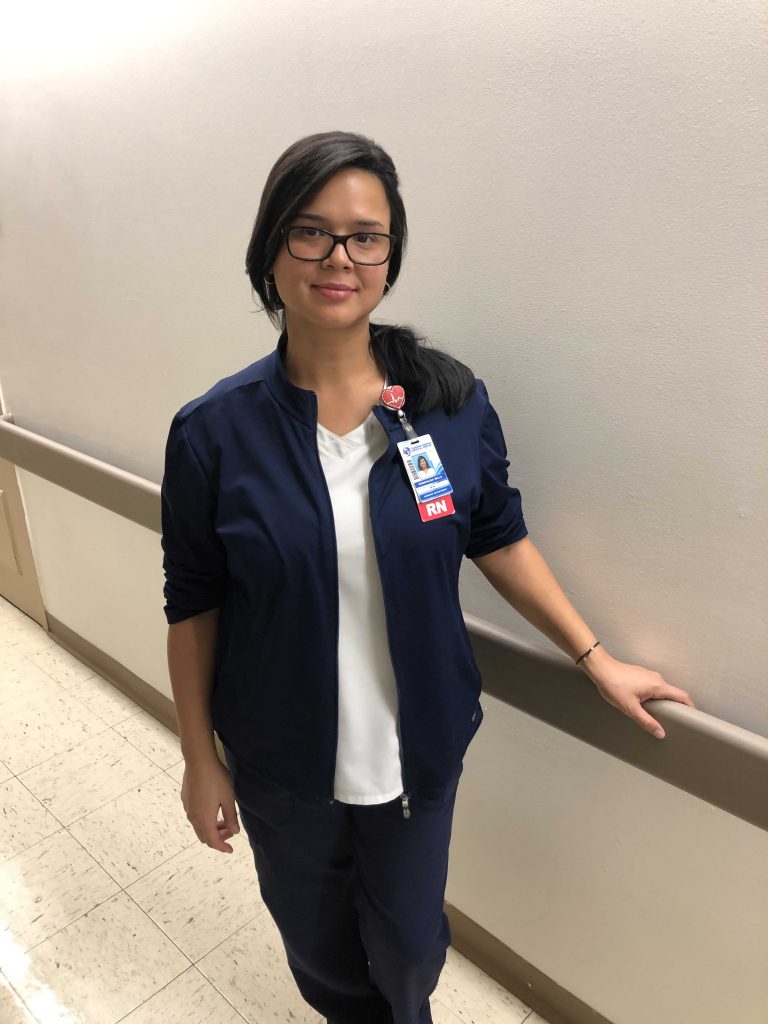
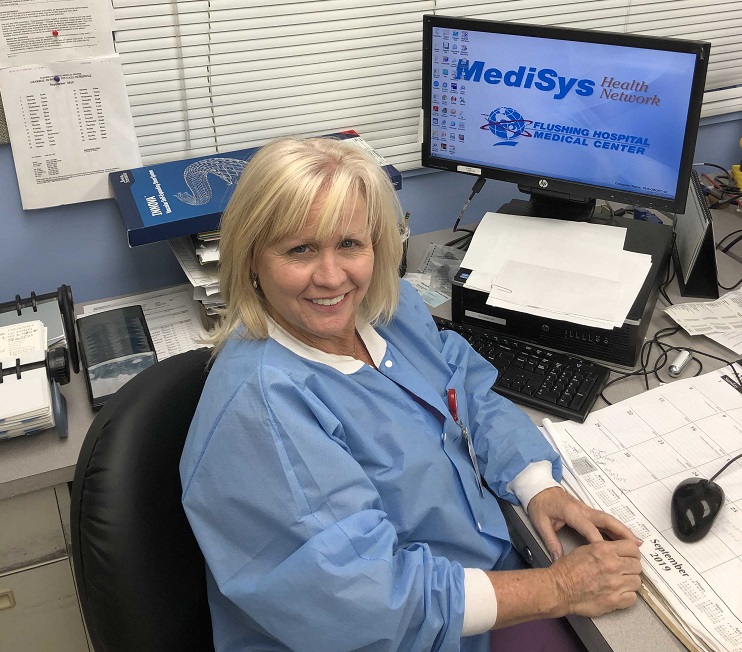
Employee Spotlight – Esmeralda Wills, RN

January’s Flushing Hospital Employee spotlight shines on Esmeralda Wills, RN. Ms. Wills is a nurse on the hospitals 4 North 1 unit. She is known for always smiling, being a team player, compassionate and always willing to go the extra mile for her patients and her co-workers.

Claude Thomas, Clinical Nurse Manager of 4 North 1 and 2 stated, “Ms. Wills is a person who is always willing to learn new things and take on new challenges. She is highly regarded by her peers and her patients.”

For these and so many other reasons, Esmeralda Wills, RN is our January Employee Spotlight. Congratulations!

All content of this newsletter is intended for general information purposes only and is not intended or implied to be a substitute for professional medical advice, diagnosis or treatment. Please consult a medical professional before adopting any of the suggestions on this page. You must never disregard professional medical advice or delay seeking medical treatment based upon any content of this newsletter. PROMPTLY CONSULT YOUR PHYSICIAN OR CALL 911 IF YOU BELIEVE YOU HAVE A MEDICAL EMERGENCY.
Flushing Hospital Wants You To Know About Cold Sores

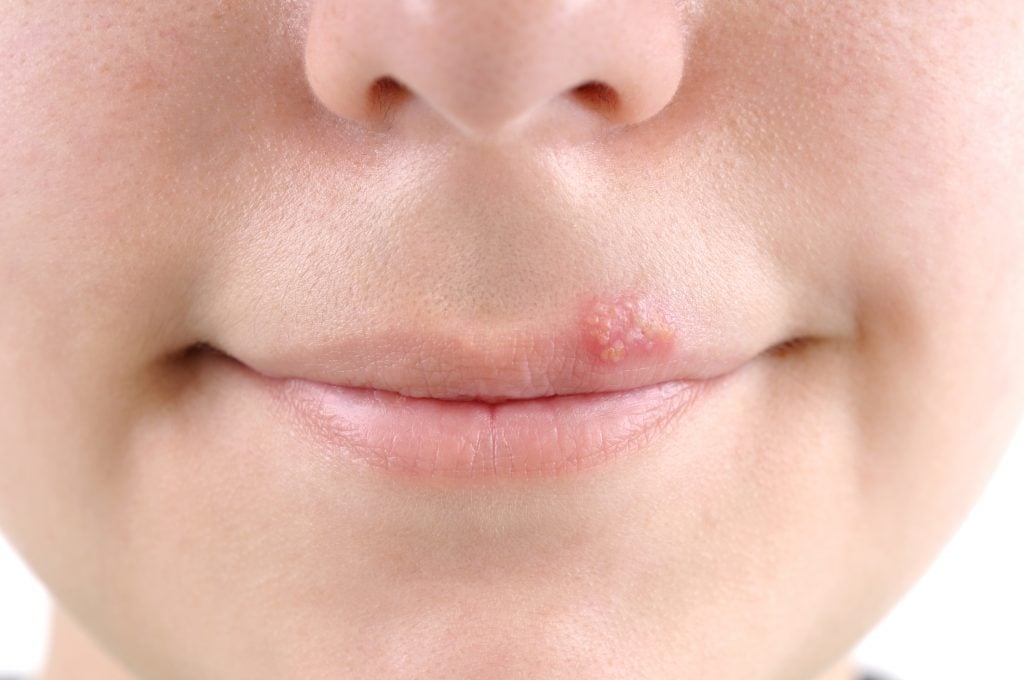
Cold sores are small fluid filled blisters, also known as fever blisters, that are develop on or near the mouth and the lips. They are caused by the herpes simplex virus (HSV-1). Cold sores are highly contagious and are spread by coming in close contact with secretions from the blisters or sharing utensils or other personal hygiene items with an infected person. It is important to keep in mind that the virus can spread even when an infected person does not have a cold sore.

A cold sore usually develops in several stages during an outbreak. The stages of a cold sore are:

1 Tingling and itching near the mouth
2 Formation of a fluid filled blister
3 The blister breaks
4 Scab forms
5 Scab falls off and sore heals

Additional symptoms a person may experience during an outbreak include:

  • Headache
  • Sore throat
  • Muscle aches
  • Swollen lymph nodes

There are several factors that can cause a cold sore to develop or reoccur if a person has already had an outbreak in the past: These include:

  • Stress
  • Fatigue
  • Eating certain foods
  • Having a cold
  • Allergic reaction

The diagnosis of a cold sore can usually be made by visual inspection. It is also possible to do a blood test to see if the virus is present.

There are no cures for a cold sore but there are ways to treat the symptoms.  Antiviral medications are often prescribed and there re over the counter medications treatment available to purchase.

Speak to your physician if you think you have a cold sore and it doesn’t start to heal in two weeks. You can also schedule an appointment with a physician at Flushing Hospital Medical Center’s Ambulatory Care Center by calling 718-670-5486.

All content of this newsletter is intended for general information purposes only and is not intended or implied to be a substitute for professional medical advice, diagnosis or treatment. Please consult a medical professional before adopting any of the suggestions on this page. You must never disregard professional medical advice or delay seeking medical treatment based upon any content of this newsletter. PROMPTLY CONSULT YOUR PHYSICIAN OR CALL 911 IF YOU BELIEVE YOU HAVE A MEDICAL EMERGENCY.

What is Aortic Valve Disease

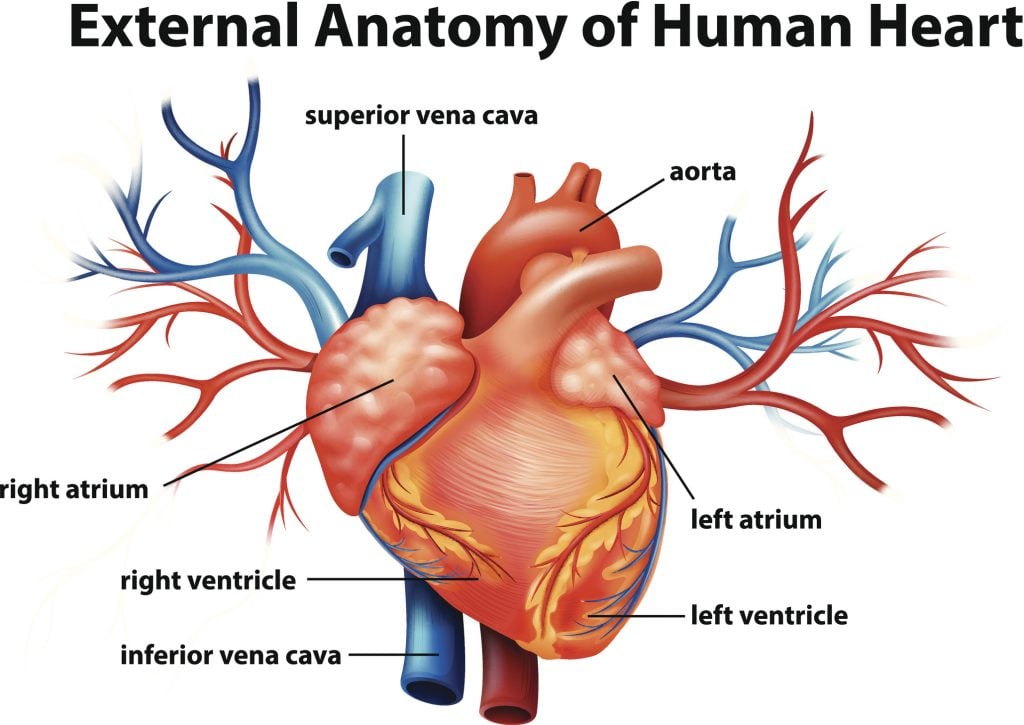
One of the most important organs of the body is the heart. It’s main function is to pump oxygenated blood to the rest of the body which is what keeps us alive.

The heart has four chambers, two on the right and two on the left. Blood enters the heart through the right atrium, it then passes to the right ventricle. From the right ventricle the heart pumps blood to the lungs where it receives oxygen and then returns blood into the left atrium.  From the left atrium blood then passes to the left ventricle. The heart then pumps blood to the rest of the body from the left ventricle through the aortic valve and into the aorta.   When this valve doesn’t function properly, it causes a condition called aortic valve disease.

Aortic valve disease can be due to a birth defect, an infection, the aging process, or an injury to the heart.

There are two main types of aortic valve disease:

Aortic valve stenosis is a condition where the aortic valve opening is narrowed due the valve flaps being either thickened, fused or too stiff. This leads to reduced blood flow from the heart to the aorta. This can be caused by a calcium buildup on the valve leaflets. A history of rheumatic fever can also lead to aortic valve stenosis.

Aortic valve regurgitation is a condition where blood flows back into the heart from the aorta due to the valve flaps being weakened and unable to keep the blood flowing in only one direction. This may be due to a birth defect that worsens over time.

Aortic valve disease can cause the following symptoms:

  • Heart murmur
  • Shortness of breath
  • Swollen ankles
  • Fatigue
  • Chest pain
  • Irregular heartbeat
  • Dizziness

Aortic valve disease can lead to heart related complications such as stroke, blood clots, heart failure, and death.

Diagnosing aortic valve disease is done by a physician who will take a full medical history and listen to the heart with a stethoscope to determine if there are signs of a murmur. Diagnostic tests will foloow and these include an electrocardiogram, an echocardiogram and a chest x-ray to determine if the heart appears enlarged. Other tests that may be performed are a CT scan, a MRI, and a stress test.

Treatment options depend on the severity of the disease. They can range from lifestyle changes,  such as stress reduction, smoking cessation,  and diet modification, and possibly prescribing medications to control heart function. In more severe cases surgery to repair or replace the valve may be necessary.

If you would like to schedule an appointment with a cardiologist at Flushing Hospital Medical Center please call 718-670-5486.

All content of this newsletter is intended for general information purposes only and is not intended or implied to be a substitute for professional medical advice, diagnosis or treatment. Please consult a medical professional before adopting any of the suggestions on this page. You must never disregard professional medical advice or delay seeking medical treatment based upon any content of this newsletter. PROMPTLY CONSULT YOUR PHYSICIAN OR CALL 911 IF YOU BELIEVE YOU HAVE A MEDICAL EMERGENCY.
Chilean Lentil Stew with Salsa Verde

Flushing Hospital Medical Center’s Outpatient Dietitian Laura Wang is sharing one of her favorite stew recipes.

Chilean Lentil Stew with Salsa Verde!

This delicious hearty meal is only 322 calories per serving.

Here is the step-by-step recipe that can be found by clicking the link below –

http://www.eatingwell.com/recipe/274835/chilean-lentil-stew-with-salsa-verde/

All content of this newsletter is intended for general information purposes only and is not intended or implied to be a substitute for professional medical advice, diagnosis or treatment. Please consult a medical professional before adopting any of the suggestions on this page. You must never disregard professional medical advice or delay seeking medical treatment based upon any content of this newsletter. PROMPTLY CONSULT YOUR PHYSICIAN OR CALL 911 IF YOU BELIEVE YOU HAVE A MEDICAL EMERGENCY.

Flushing Hospital Medical Center Earns Age-Friendly Health System Status

Flushing Hospital Medical Center is proud to announce that we have earned an “Age-Friendly Health System” status; a designation that less than 20 percent of the health care facilities across the country have yet to receive.

Receiving an Age-Friendly status demonstrates that Flushing Hospital is committed to this rapidly growing movement to improve the health care for older adults.

This initiative was a collaborative effort founded in 2017 by the John A. Hartford Foundation, the Institute for Healthcare Improvement (IHI), the American Hospital Association (AHA), and the Catholic Health Association of the United States (CHA) with the intention of helping hospitals and other care settings implement a set of evidence-based interventions specifically designed to improve care for older adults.

The initiative is guided by a framework of essential elements known as the “4Ms”, which include:

  • What Matters – Communicating with our patients to better understand their personal and healthcare goals. This is achieved by asking a series of questions to the patient as well as family members or caregivers. Factors in what matters most to our patients could include end-of-life care, placement issues, or financial concerns.
  • Medication – Prescribing age-friendly medications that do not interfere with the goals of our older patients. This includes not prescribing certain medications that can affect a patient’s mobility and using our electronic medical record system to identify potentially inappropriate medications.
  • Mentation – Preventing, identifying, treating and managing mental health issues such as depression and dementia in our older patients. This involves conducting a mental health status examination.
  • Mobility – Ensuring that our older adult patients move safely and maintain function. This is done by getting our patients to ambulate more while in our care and by conducting a Fall Risk Assessment and providing mobility devices if necessary.

Receiving this designation was a collaborative effort led by Dr. Angelo Canedo and Dr. Alan Roth and included a leadership committee comprised of physicians, nurses, and hospital administrators. After a rigorous nine-month process that included educating all of our providers and submitting data that demonstrated the 4Ms have been incorporated into our practices.

The 4M initiative for treating older adults is currently being practiced throughout our network, by providers in our Emergency Departments, Ambulatory Care Centers, Inpatient Units, and in our long-term care facility

“Older adults deserve safe, high-quality healthcare. The Age-Friendly Health System initiative is an important part of our vision to provide it to them,” stated Dr. Alan Roth. “We worked very hard to achieve this goal and are extremely appreciative of those who contributed to helping us attain it.”

All content of this newsletter is intended for general information purposes only and is not intended or implied to be a substitute for professional medical advice, diagnosis or treatment. Please consult a medical professional before adopting any of the suggestions on this page. You must never disregard professional medical advice or delay seeking medical treatment based upon any content of this newsletter. PROMPTLY CONSULT YOUR PHYSICIAN OR CALL 911 IF YOU BELIEVE YOU HAVE A MEDICAL EMERGENCY.
The Importance of Keeping Hydrated in Cold Weather

The level of humidity in the air during the winter months tends to be much lower, resulting in much drier air as compared to other times of the year.  In addition, the air in our homes is also drier due to home heating. These differences in air quality both inside and outside can increase our chances of becoming dehydrated.

Other factors that can lead to dehydration in the winter include:

  • Cold-induced diuresis (frequent urination)
  • Drinking less water because we tend to feel less thirsty
  • Wearing heavier clothing which can cause us to perspire more
  • Increased respiratory  rates which leads to greater water loss

It is important that we stay hydrated in winter because doing so helps keep our body temperature at a constant and normal level. When there isn’t enough fluid in the body, this can cause the core temperature to drop to dangerous levels. Hypothermia can set in quicker if the body is dehydrated. Staying hydrated is also helps our immune system fight off colds and the flu, which are more common in the winter.

Things to avoid in cold weather to prevent dehydration include caffeinated beverages and alcoholic beverages.  It is also recommended that you don’t drink cold beverages, but rather warm or room temperature beverages because this will lead to more frequent urination.

Signs and symptoms of dehydration to look out for include:

  • Severe thirst
  • Reduced urine output
  • Dark urine for long periods of time
  • Dizziness
  • A rapid heart rate
  • Muscle cramps

If you have any signs of dehydration during the winter months, it is important to seek medical attention immediately.

All content of this newsletter is intended for general information purposes only and is not intended or implied to be a substitute for professional medical advice, diagnosis or treatment. Please consult a medical professional before adopting any of the suggestions on this page. You must never disregard professional medical advice or delay seeking medical treatment based upon any content of this newsletter. PROMPTLY CONSULT YOUR PHYSICIAN OR CALL 911 IF YOU BELIEVE YOU HAVE A MEDICAL EMERGENCY.
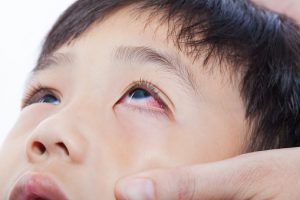
What is Pinkeye ?

Pinkeye, also known as conjunctivitis, is one of the most common and highly treatable eye conditions.  More than three million adults and children in the U.S. contract pinkeye every year.

Pinkeye occurs when the thin, clear tissue under the eyelid, known as the conjunctiva, becomes inflamed.  This inflammation makes the blood vessels in the eye more visible, giving them a pink appearance.  People who develop pinkeye typically experience pain, or feel a burning or itchy sensation. Their eyes may also tear and form a discharge that crusts while sleeping.  Other symptoms may include swelling, tenderness or sensitivity to light.

There are several causes for pinkeye, but it is most commonly either viral, which is the most contagious form, or due to a bacterial infection. Other factors that can lead to pinkeye include exposure to irritants such as shampoo, cosmetics, dirt, or pool chlorine, an allergic reaction to pollen, dust, or smoke, or a reaction to eye drops or contact lenses.  Usually a doctor can diagnose pinkeye through a routine examination.

Treating pinkeye depends on the cause of the condition.  In most cases it is treated by administering artificial tears, which can be purchased over-the-counter, to treat the dryness and cold compresses to treat inflammation. If pinkeye has developed due to a bacterial infection, antibiotics may be prescribed. Symptoms of pinkeye typically last anywhere from one to two weeks.

To avoid contracting pinkeye, take the following precautions:

  • Wash your hands frequently with soap and warm water. If soap and water are not available, use an alcohol-based hand sanitizer that contains at least 60 percent alcohol.
  • Avoid touching or rubbing your eyes.
  • Avoid sharing towels, blankets, and pillowcases.
  • Do not share eye makeup, face makeup, makeup brushes, contact lenses or containers, or eyeglasses.

In rare cases pinkeye can lead to complications. Please see a doctor if you experience moderate to severe pain your eyes, if you have problems with your vision, or if symptoms persist or worsen over time.

Pinkeye, also known as conjunctivitis, is one of the most common and highly treatable eye conditions.  More than three million adults and children in the U.S. contract pinkeye every year.

Pinkeye occurs when the thin, clear tissue under the eyelid, known as the conjunctiva, becomes inflamed.  This inflammation makes the blood vessels in the eye more visible, giving them a pink appearance.  People who develop pinkeye typically experience pain, or feel a burning or itchy sensation. Their eyes may also tear and form a discharge that crusts while sleeping.  Other symptoms may include swelling, tenderness or sensitivity to light.

There are several causes for pinkeye, but it is most commonly either viral, which is the most contagious form, or due to a bacterial infection. Other factors that can lead to pinkeye include exposure to irritants such as shampoo, cosmetics, dirt, or pool chlorine, an allergic reaction to pollen, dust, or smoke, or a reaction to eye drops or contact lenses.  Usually a doctor can diagnose pinkeye through a routine examination.

Treating pinkeye depends on the cause of the condition.  In most cases it is treated by administering artificial tears, which can be purchased over-the-counter, to treat the dryness and cold compresses to treat inflammation. If pinkeye has developed due to a bacterial infection, antibiotics may be prescribed. Symptoms of pinkeye typically last anywhere from one to two weeks.

To avoid contracting pinkeye, take the following precautions:

  • Wash your hands frequently with soap and warm water. If soap and water are not available, use an alcohol-based hand sanitizer that contains at least 60 percent alcohol.
  • Avoid touching or rubbing your eyes.
  • Avoid sharing towels, blankets, and pillowcases.
  • Do not share eye makeup, face makeup, makeup brushes, contact lenses or containers, or eyeglasses.

In rare cases pinkeye can lead to complications. Please see a doctor if you experience moderate to severe pain your eyes, if you have problems with your vision, or if symptoms persist or worsen over time.

To make an appointment at Flushing Hospital, please call 718-670-5486.

All content of this newsletter is intended for general information purposes only and is not intended or implied to be a substitute for professional medical advice, diagnosis or treatment. Please consult a medical professional before adopting any of the suggestions on this page. You must never disregard professional medical advice or delay seeking medical treatment based upon any content of this newsletter. PROMPTLY CONSULT YOUR PHYSICIAN OR CALL 911 IF YOU BELIEVE YOU HAVE A MEDICAL EMERGENCY.

Flushing Hospital’s Nurse of The Month

Our nurses are the pillars of our community. In addition to meeting the demands of being a caregiver, they wear several hats including that of an educator, nurturer,  and comforter.

Not only do nurses care for patients; they provide support to families and loved ones during difficult times.

Our nurses pour their hearts into all aspects of their job, and this is one of the many reasons why we celebrate their accomplishments.

Join us in congratulating Daniel Park, RN for receiving Flushing Hospital Medical Center’s Nurse of the Month.

Meet Daniel:

Q&A:

Q: How long have you been working for FHMC?
A:
I have been working at Flushing Hospital for 2 years and 6 months.

Q: On which unit do you currently work?
A: 
  4 North 2

Q: Why did you want to become a nurse?
A: 
My father had stomach cancer so, I wanted to have more knowledge about health care and to work in the health care field.

QWhat is the best part of your job?
A:
 The best part of my job is seeing how happy our patients and their families are when the patients get better and get to go home.

All content of this newsletter is intended for general information purposes only and is not intended or implied to be a substitute for professional medical advice, diagnosis or treatment. Please consult a medical professional before adopting any of the suggestions on this page. You must never disregard professional medical advice or delay seeking medical treatment based upon any content of this newsletter. PROMPTLY CONSULT YOUR PHYSICIAN OR CALL 911 IF YOU BELIEVE YOU HAVE A MEDICAL EMERGENCY.

Mourning The Loss Of A Loved One During The Holiday Season

 The holiday season is a time for making new and happy memories with the ones we love. It can also be a time when we remember and mourn those we lost. The sentiment of the season can magnify your sense of loss and make coping with the death of a loved one even more difficult.

While there is no remedy for heartache we can offer a few tips to help you cope with grief during the holidays: 

Allow others to help – The love and support from others around you can be instrumental in helping you during a time of grief. Do not be afraid or embarrassed to ask for help. Consider joining a support or bereavement group. 

Accept your feelings – If you are feeling sad do not feel guilty if others are unsuccessful in trying to cheer you up. Allow yourself time to work through this emotion and set realistic expectations for yourself. On the contrary, do not feel guilty for enjoying the holidays. Experiencing joy does not mean you are grieving your loved one any less. 

Cut back – If the activities of the holidays are too much to bear, it is okay to scale back. An example of cutting back is limiting the number of holiday parties you host or attend. 

Memorializing those who have passed- Memorializing the loss of a loved one can be therapeutic. Participating in ceremonies in their honor, making a new tradition or donating to a charity on their behalf are some of the ways you can memorialize the person you lost. 

Take care of yourself-This is the time to be most in touch with your emotional and physical health. If you realize that your sadness begins to develop into feelings of hopelessness, or you are displaying other signs of depression, seek the help of a mental health professional as soon as possible. Be mindful of your physical health by ensuring that you are eating properly, getting enough sleep, and exercising.

The process of grief varies from person to person. Using some of these tips may not make your emotions go away but they can help you cope. Learn what works best for you and remember to pay attention to negative changes in your physical and mental health. If you are beginning to feel overwhelmed by these changes, do not hesitate to seek the help of your doctor or mental health professional.

All content of this newsletter is intended for general information purposes only and is not intended or implied to be a substitute for professional medical advice, diagnosis or treatment. Please consult a medical professional before adopting any of the suggestions on this page. You must never disregard professional medical advice or delay seeking medical treatment based upon any content of this newsletter. PROMPTLY CONSULT YOUR PHYSICIAN OR CALL 911 IF YOU BELIEVE YOU HAVE A MEDICAL EMERGENCY.