What is the most common blood type of people living in the U.S.?

blood type -459403221What is the most common blood type of people living in the United States?

1. Type O positive

2. Type A negative

3. Type B positive

The answer is 3- Type O positive.

There are eight different common kinds of blood types: O +, O -, A +, A -, B +, B -, AB + and AB. Blood types are inherited and determined by the presence or absence of A and B antigens, which are markers used by the body to identify red blood cells as belonging to your system. These antigens communicate with your body to either accept or reject any foreign substances. During blood transfusions, medical professionals have to take the utmost care in matching blood types. Incompatible blood will be signaled as a foreign entity and can be rejected by the body, causing an adverse reaction.

The chart below indicates compatible blood types:

blood type chart

All content of this newsletter is intended for general information purposes only and is not intended or implied to be a substitute for professional medical advice, diagnosis or treatment. Please consult a medical professional before adopting any of the suggestions on this page. You must never disregard professional medical advice or delay seeking medical treatment based upon any content of this newsletter. PROMPTLY CONSULT YOUR PHYSICIAN OR CALL 911 IF YOU BELIEVE YOU HAVE A MEDICAL EMERGENCY.


Take a Break

Studies have shown that taking regular breaks during the work day can improve productivity and mental acuity, reduce fatigue, relieve joint or muscle pain, and increase overall alertness.

Chronic stress from over working can put a strain on your body and put you at risk for poor health. Taking a break can give your body the chance to turn off the stress so that you can recuperate and repair.

Research has shown that people on a break feel healthier, have less physical complaints and could have a reduction in cholesterol levels on their return.

Some other benefits of taking a break or vacation are:

  • Vitamin D – The Sun is rich in Vitamin D which is essential for maintaining healthy bones and keeping the immune systems and nervous system functioning normally.
  • Relaxing – Taking time to relax on a break from working has powerful benefits for adults. It can be as important as sleep.

Break time shrinks stress – Time away from work helps shrink stress and anxiety while boosting mental and physical health.

Keep in mind that regularly scheduled breaks should be approved by your supervisor.


All content of this newsletter is intended for general information purposes only and is not intended or implied to be a substitute for professional medical advice, diagnosis or treatment. Please consult a medical professional before adopting any of the suggestions on this page. You must never disregard professional medical advice or delay seeking medical treatment based upon any content of this newsletter. PROMPTLY CONSULT YOUR PHYSICIAN OR CALL 911 IF YOU BELIEVE YOU HAVE A MEDICAL EMERGENCY.
Benefit of the Annual Physical

The greatest benefit of an annual physical is knowledge for both you and your physician.  An annual visit establishes a baseline for your personal health.  Armed with this information, your doctor can detect unhealthy trends before they become risk factors.

Nearly one third of the population with a chronic disease is unaware that they have the disease.  According to the Partnership to Fight Chronic Disease, as many as 100,000 lives could be saved each year by increasing preventive care services.

Health screenings, such as blood glucose and blood pressure tests can easily detect the two most chronic conditions, diabetes and hypertension before they cause serious health issues.  The Centers for Disease Control cites that seven out of every 10 deaths are caused by chronic disease.  Proper management of these conditions can prevent unnecessary hospitalization.

In order to get the most out of your annual physical, take a moment to prepare:

  • Make a list of your health concerns
  • Make a list of all the medications you are taking
  • Get a copy of your medical records and your family medical history

Dozens of Patient Care Specialists, on staff at Flushing Hospital Medical Center, are ready to provide you with your annual check-up.

Flushing Hospital is a certified Patient Centered Medical Home (PCMH) in its Ambulatory Care Center. The Center offers more than 50 outpatient general and specialty services for children adolescents and adults.

Flushing Hospital’s ambulatory care services accepts most major insurances, is centrally located and has convenient patient hours.  Call 718-670-5486 to schedule an appointment.

All content of this newsletter is intended for general information purposes only and is not intended or implied to be a substitute for professional medical advice, diagnosis or treatment. Please consult a medical professional before adopting any of the suggestions on this page. You must never disregard professional medical advice or delay seeking medical treatment based upon any content of this newsletter. PROMPTLY CONSULT YOUR PHYSICIAN OR CALL 911 IF YOU BELIEVE YOU HAVE A MEDICAL EMERGENCY.

Treating a Cough Naturally

Coughing is a common health problem. When there is a blockage or irritant in your throat, your brain thinks a foreign element is present and tells your body to cough to remove that element.
Some reasons you may cough are itchy throat and congestion. Instead of using over-the-counter cough suppressants, you may want to try a natural cough treatment using readily available ingredients in your kitchen.
Ginger tea is one of the most popular cures for a cough and is a proven home remedy.
Follow the recipe below for a simple and effective way to quiet a cough.
GINGER TEA
• Cut fresh ginger into small slices and crush them slightly. Place them in a cup of water and bring to a boil. You can also use some lemon juice and honey to taste.
It is suggested to drink this herbal solution three to four times a day for relief from a sore throat, coughing and even chest congestion.

All content of this newsletter is intended for general information purposes only and is not intended or implied to be a substitute for professional medical advice, diagnosis or treatment. Please consult a medical professional before adopting any of the suggestions on this page. You must never disregard professional medical advice or delay seeking medical treatment based upon any content of this newsletter. PROMPTLY CONSULT YOUR PHYSICIAN OR CALL 911 IF YOU BELIEVE YOU HAVE A MEDICAL EMERGENCY.

How Does Obesity Effect Your Circulation?

New York now has the 12th lowest adult obesity rate in the nation, according to The State of Obesity: Better Policies for a Healthier America. New York’s adult obesity rate is currently 27.0 percent. Although the percentages are slightly decreasing, obesity can be the cause of life-threatening health issues for many. The most common health-related issues caused by obesity are hypertension, diabetes and heart disease but, obesity can also lead to poor circulation which can cause blood clots.

The most common symptoms of poor circulation include: tingling, numbness, throbbing or stinging pain in limbs and muscle cramps. Your body’s circulation system is responsible for sending blood, oxygen, and nutrients throughout your body. When blood flow to a specific part of your body is reduced, you may experience the symptoms of poor circulation. As a result of poor circulation blood clots will form in your body. Poor circulation is most common in your extremities, such as your legs and arms.

Blood clots can develop for a variety of reasons, and they can be dangerous. If a blood clot in your leg breaks away, it can pass through other parts of your body, including your heart or lungs. When this happens, the results may be serious, even deadly. If discovered early, a blood clot can often be treated successfully.

Discuss symptoms of poor circulation with your doctor. If you’re experiencing uncomfortable symptoms, they may be the sign of an underlying health condition. Other untreated conditions can lead to serious complications. Your doctor will work to determine the cause of your poor circulation and treat the underlying issue.

The journey to improved health begins with an improved diet. Here at Jamaica Hospital, the Nutrition Department offers outpatient services at our Ambulatory Care Center as well as many of our MediSys Family Care Centers, located throughout the communities we serve. To make an appointment, please call 718-206-7001.


All content of this newsletter is intended for general information purposes only and is not intended or implied to be a substitute for professional medical advice, diagnosis or treatment. Please consult a medical professional before adopting any of the suggestions on this page. You must never disregard professional medical advice or delay seeking medical treatment based upon any content of this newsletter. PROMPTLY CONSULT YOUR PHYSICIAN OR CALL 911 IF YOU BELIEVE YOU HAVE A MEDICAL EMERGENCY.

Flushing Hospital Recognizes Thyroid Awareness Month

The thyroid gland serves many functions. It regulates our rate of metabolism, growth and development, and our body temperature. So when it isn’t working properly it can have a major impact on our health.

Thyroid level conceptual meter indicate maximum, isolated on white backgroundAccording to the American Association of Clinical Endocrinologists (AACE), thyroid disease is a more common disorder than diabetes or heart disease. It affects as many as 30 million Americans, more than half of whom remain undiagnosed. To raise awareness about the thyroid gland and symptoms of thyroid disease, January has been designated Thyroid Awareness Month.

The thyroid is a small, butterfly-shaped gland located in the base of the neck.. Although small in size, the gland plays a large role by producing thyroid hormone which influences the function of many of the body’s most important organs, including the heart, brain, liver, kidneys and skin. When the thyroid gland is not producing the right amount of hormone (either too much or too little), problems can start to arise.

Hypothyroidism occurs when the thyroid does not produce enough hormones. This can result in a range of symptoms that include unexplained fatigue, weight gain, depression, forgetfulness, feeling cold, hair loss, or low sex drive. Hyperthyroidism, on the other hand, is a condition when the body produces an abundance of thyroid hormones. Symptoms of hyperthyroidism include rapid heart rate, heat intolerance and unexplained weight loss and anxiety. For both hypothyroidism and hyperthyroidism, medication can be prescribed to regulate hormone levels.

A more serious concern involving the thyroid gland is thyroid cancer, which can develop independent of the above thyroid disease. According to the AACE, about 60,000 cases of thyroid cancer are diagnosed annually in the U.S. In most cases, thyroid cancer has a good prognosis and high survival rates—especially when diagnosed in its early stages.
Through attention raised by Thyroid Awareness Month, more and more primary care physicians are screening for thyroid disease, which has greatly helped those who would have otherwise had their condition go undiagnosed.

Jamaica Hospital is proud to help raise awareness for thyroid disease and encourages everyone experiencing symptoms to ask their doctor to do an evaluation. If you do not have a doctor, call Flushing Hospital’s Ambulatory Care Center to make an appointment at 718-670-5486.

All content of this newsletter is intended for general information purposes only and is not intended or implied to be a substitute for professional medical advice, diagnosis or treatment. Please consult a medical professional before adopting any of the suggestions on this page. You must never disregard professional medical advice or delay seeking medical treatment based upon any content of this newsletter. PROMPTLY CONSULT YOUR PHYSICIAN OR CALL 911 IF YOU BELIEVE YOU HAVE A MEDICAL EMERGENCY.

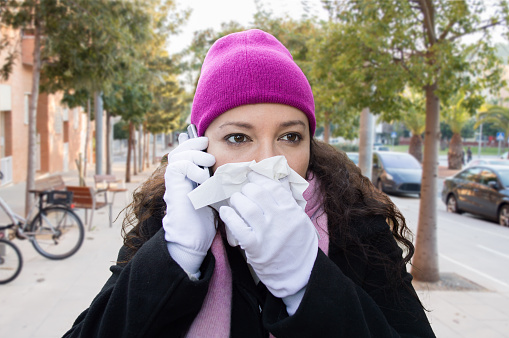
Cold Weather and Asthma

People who suffer from asthma definitely know the effects that cold air can have on their ability to breathe. When very cold and dry air enters the body, and subsequently the lungs it can cause a tightening of the airways. Cold air can cause wheezing, tightness of the chest muscles, shortness of breath, coughing, a sense of dizziness and sometimes difficulty speaking.

Taking some precautions before going outside in very cold weather can help ease the symptoms. It is important to keep asthma under control at all times. It can be helpful to take a dose of an asthma inhalant ten minutes before going outdoors. This will aid in keeping the airways open. People with asthma should carry their medication with them if they know they are going to be outdoors for any period of time. Another good idea is to keep your mouth and nose covered with a scarf when you are outside in cold weather. This will help to warm the air you are breathing. Anyone who has asthma should avoid strenuous outdoor activities. Sometimes the act of just walking on a windy day can bring on symptoms of an asthma attack. Try breathing through your nose more and through your mouth less. This will help to warm the air that enters your lungs.

People with asthma know the effects it can have during the cold days of winter. Taking a few precautions can help minimize the effects of the cold air on the body.

All content of this newsletter is intended for general information purposes only and is not intended or implied to be a substitute for professional medical advice, diagnosis or treatment. Please consult a medical professional before adopting any of the suggestions on this page. You must never disregard professional medical advice or delay seeking medical treatment based upon any content of this newsletter. PROMPTLY CONSULT YOUR PHYSICIAN OR CALL 911 IF YOU BELIEVE YOU HAVE A MEDICAL EMERGENCY.

All content of this newsletter is intended for general information purposes only and is not intended or implied to be a substitute for professional medical advice, diagnosis or treatment. Please consult a medical professional before adopting any of the suggestions on this page. You must never disregard professional medical advice or delay seeking medical treatment based upon any content of this newsletter. PROMPTLY CONSULT YOUR PHYSICIAN OR CALL 911 IF YOU BELIEVE YOU HAVE A MEDICAL EMERGENCY.

Sweet! Sugar-Free Pancakes

Not all low-carb, low-sugar meals have to be tasteless. These diabetic-friendly pancakes are low in fat and easy to make.

Trading butter for applesauce is a healthy way to cut out excess fat and still enjoy the sweetness of pancakes.  Serve with fresh fruit to make it more filling, or add fruit right into the batter. For a heart-healthy whole wheat option, use whole wheat flour.


1 cup all-purpose flour

1 teaspoon baking soda

1/8 teaspoon salt

2 tablespoons toasted wheat germ

1 cup nonfat buttermilk

1/4 cup unsweetened applesauce

2 teaspoons vegetable oil

1 large egg, lightly beaten

Cooking spray

Sugar-free maple syrup (optional)

Fresh fruit slices (optional)

Share. Eat. Enjoy!

All content of this newsletter is intended for general information purposes only and is not intended or implied to be a substitute for professional medical advice, diagnosis or treatment. Please consult a medical professional before adopting any of the suggestions on this page. You must never disregard professional medical advice or delay seeking medical treatment based upon any content of this newsletter. PROMPTLY CONSULT YOUR PHYSICIAN OR CALL 911 IF YOU BELIEVE YOU HAVE A MEDICAL EMERGENCY.

Wound Care and Nutrition

The nutritional status of a patient plays a large role in their body’s ability undergo wound healing. It requires a higher than normal level of energy and nutrients if it is going to be successful. The body requires an additional 35 calories per kilogram of body weight to help a chronic wound to heal. This will include eating a well-balanced diet that includes protein, grains, fruits, vegetables, and dairy.
For proper wound healing, a well-balanced diet should include 1.5 grams of protein for every kilogram of body weight. A kilogram is equal to 2.2 pounds. Keeping hydrated is also very important, eight glasses of water per day should be the minimum and more if the person sweats profusely, has a wound that is draining, or if vomiting and or diarrhea are present. Meals should include meats, eggs, milk, cheese, nuts, seeds, yogurt and dried beans. In some people who have difficulty obtaining proper caloric intake from their daily meals, high protein and high calorie shakes can be used as supplements. Two amino acids, found in foods having protein and that have been identified as having potential to help wound healing are arginine and glutamine.
People with diabetes often have difficulty with wound healing, and this is due to poor circulation, nerve damage which leads to the constant breakdown of healthy tissue components needed to heal, and a higher than normal level of sugar in the blood which can lead to higher rates of infection and causes fluids to be drained from the body. It is therefore very important for a person with diabetes to keep tight control of their disease.
Wound healing also requires additional levels of vitamins and minerals, however care must be taken too not take in more that the daily recommended amounts because this can have a negative effect on the body..
It is important to consult with a physician about how to eat successfully when trying to heal a wound and also a nutritionist who specializes in wound care.
If you have a chronic or non-healing wound, you may be a candidate for Flushing Hospital Medical Center’s outpatient Wound Care Center. To schedule an appointment or speak with a clinician, please call 718-670-4542

All content of this newsletter is intended for general information purposes only and is not intended or implied to be a substitute for professional medical advice, diagnosis or treatment. Please consult a medical professional before adopting any of the suggestions on this page. You must never disregard professional medical advice or delay seeking medical treatment based upon any content of this newsletter. PROMPTLY CONSULT YOUR PHYSICIAN OR CALL 911 IF YOU BELIEVE YOU HAVE A MEDICAL EMERGENCY.

Waist Training – Is It Safe?

The latest trend to achieve a slimmer waist is inspired by a practice that is over 500 years old.

ThinkstockPhotos-503762193Waist training is a practice that requires women to wear a corset, similar to the ones worn in the Victorian era, for extended periods of time in an attempt to achieve an hour glass figure. Endorsed by celebrities, waist training is popping up all over social media, with many women trying to reduce or contour their midsection, but does it work?

Proponents of waist training believe that wearing a corset for hours at a time will permanently mold their waist into a desired, slimmer shape. Medical experts disagree, however, stating that after the constricting garment is removed, your body will eventually return to its natural form. Believers of waist training also say that garment increases sweating, which results in weight loss, but doctors claim it is not possible to perspire so much that it will shed inches off of your waist line.

Regardless of whether or not waist training is effective, there is no debate that it can cause serious damage to a woman’s health. Wearing these cinching devices can move or squeeze internal organs, causing serious damage, including compressed lungs, crushed or displaced organs, or fractured ribs. These problems can result in difficulty breathing, digestive issues, and general pain.

While waist training is certainly appealing because it seems like a quick fix to shrink your waist,  doctors encourage maintaining a healthy diet and incorporating a fitness regime focused on strengthening your core as a much safer and healthier alternative.

All content of this newsletter is intended for general information purposes only and is not intended or implied to be a substitute for professional medical advice, diagnosis or treatment. Please consult a medical professional before adopting any of the suggestions on this page. You must never disregard professional medical advice or delay seeking medical treatment based upon any content of this newsletter. PROMPTLY CONSULT YOUR PHYSICIAN OR CALL 911 IF YOU BELIEVE YOU HAVE A MEDICAL EMERGENCY.