Learn About What Causes Motion Sickness and Tips to Avoid it

Motion sickness is a common condition that many of us experience at some point in our lives. It is the feeling of nausea, dizziness or uneasiness that can develop during a bumpy or rocky ride. For some, this sensation may occur while traveling in a car, boat, train, plane or other modes of transportation.

Motion sickness also referred to as seasickness, carsickness or airsickness is caused when the brain receives mixed signals from our balance-sensing system which consists of our eyes, inner ear (semicircular canals) and sensory nerves.    Mixed signals are received by the brain because your eyes cannot see the motion your body is feeling, or conversely, your body cannot feel the motion your eyes are seeing. Motion sickness can start suddenly, typically with a feeling of uneasiness then progressing to other symptoms such as dizziness, a cold sweat, headaches or vomiting.

Children and pregnant women are most susceptible to motion sickness. However, anyone who is traveling can be at risk. Factors that can increase the chances for symptoms to appear include poor ventilation in a vehicle, the type of vehicle, fears or anxieties about traveling or the orientation in which a person is sitting or standing.

Treatment for motion sickness may include medication, home remedies or applying simple changes to your environment. The Centers for Disease Control and Prevention (CDC), recommends the following interventions for treatment or prevention:

  • Being aware of and avoiding situations that tend to trigger symptoms.
  • Optimizing position to reduce motion or motion perception—for example, driving a vehicle instead of riding in it, sitting in the front seat of a car or bus, sitting over the wing of an aircraft, holding the head firmly against the back of the seat, and choosing a window seat on flights and trains.
  • Reducing sensory input—lying prone, shutting eyes, sleeping, or looking at the horizon.
  • Maintaining hydration by drinking water, eating small meals frequently, and limiting alcoholic and caffeinated beverages.
  • Avoiding smoking—even short-term cessation reduces susceptibility to motion sickness.
  • Adding distractions—controlling breathing, listening to music, or using aromatherapy scents such as mint or lavender. Flavored lozenges may also help.
  • Using acupressure or magnets is advocated by some to prevent or treat nausea, although scientific data on efficacy of these interventions for preventing motion sickness are lacking.
  • Gradually exposing oneself to continuous or repeated motion sickness triggers. Most people, in time, notice a reduction in motion sickness symptoms.

Most cases of motion sickness are mild. Symptoms are typically self-treatable or go away when a person is no longer in motion.  However, medical professionals recommend that you see a doctor if you experience motion sickness repeatedly or if symptoms persist after your journey.

To schedule an appointment with a doctor at Flushing Hospital Medical Center, please call 718-670-5486.

All content of this newsletter is intended for general information purposes only and is not intended or implied to be a substitute for professional medical advice, diagnosis or treatment. Please consult a medical professional before adopting any of the suggestions on this page. You must never disregard professional medical advice or delay seeking medical treatment based upon any content of this newsletter. PROMPTLY CONSULT YOUR PHYSICIAN OR CALL 911 IF YOU BELIEVE YOU HAVE A MEDICAL EMERGENCY.


Can Someone Become Addicted to Food?

An addict is someone who repeatedly uses a substance or partakes in an activity despite the potential harm that can come from it because they derive so much pleasure from it. The substances or activities that are most commonly associated with addiction include drugs, alcohol, tobacco or even gambling, but there is growing awareness that a person can have a food addiction.

Recent studies of the brain have concluded that compulsive overeating has the same effect on the pleasure centers of the brain as addictive drugs, such as cocaine or heroin.  This is especially true of foods that are rich in sugar, fat, or salt.

These highly palatable foods trigger chemicals in the brain such as dopamine. Once a person experiences the pleasure associated with an increase in these chemicals in the brain, it will spark a reward signal to eat again. In some, these signals can override the feelings of fullness or satisfaction. As a result, a person with a food addiction will compulsively eat even when they are not hungry because of the intense pleasure they get from it.

People who show signs of a food addiction may develop a kind of tolerance to food. They will eat more and more, only to find that food satisfies them less and less. They will also continue to eat despite the negative consequences, and, similar to those who are addicted to drugs or gambling, people who are addicted to food will have trouble stopping their behavior.

Experts have created a survey tool to help professionals identify people who may have an addiction to food. This questionnaire includes questions, that ask the person if they:

  • End up eating more than planned when eating certain foods.
  • Keep eating certain foods even if  no longer hungry.
  • Eat to the point of feeling ill.
  • Go out of the way to obtain certain foods when they are not available.
  • Avoid professional or social situations where certain foods are available because of fear of overeating.
  • Have problems functioning effectively at their job or school because of food and eating.
  • Feel emotions such as guilt, anxiety, self-loathing or depression after eating.

Many believe that compulsive overeating and food addiction is more difficult to treat than other forms of addiction due to the fact that food is all around us. Alcoholics, for example, can remove themselves from situations where alcohol is present to help them abstain, but we all need to eat to survive and therefore we will always be exposed to situations where food is around.

There are a growing number of programs that can help people who are addicted to food. Many programs use a similar 12 step program that other addiction programs follow. Some food addiction programs also adopt a strict diet regimen that includes abstaining from problem ingredients, like sugar, refined flour, and wheat.

All content of this newsletter is intended for general information purposes only and is not intended or implied to be a substitute for professional medical advice, diagnosis or treatment. Please consult a medical professional before adopting any of the suggestions on this page. You must never disregard professional medical advice or delay seeking medical treatment based upon any content of this newsletter. PROMPTLY CONSULT YOUR PHYSICIAN OR CALL 911 IF YOU BELIEVE YOU HAVE A MEDICAL EMERGENCY.

Can How You Heat Your Home This Winter Affect Your Asthma?

New York winters are typically associated with very cold temperatures. When the thermometer dips during this time of year we are forced to heat our homes. For those with asthma, choosing how to heat their homes can have a serious impact on their condition.

Asthma is a chronic lung disease that affects millions of Americans. It narrows the airways that deliver oxygen to the lungs, making breathing difficult. Symptoms are triggered by exposure to environmental contaminants and airborne particles. If not cleaned properly, home heating systems can blow dust and other particles that trigger asthma symptoms.

Every year, asthma symptoms prompt more than 15 million physician and hospital outpatient visits and two million emergency department visits. In addition, a recent study by the American Thoracic Society noted an increase in asthma-related emergency room visits, coinciding with the first seasonal uses of indoor heating in New York City and other urban areas. The reason for this is the contaminants found inside heating ductwork typically include dust and pollution particles along with mold, bacteria, pollen, dust mites and pet dander.  All of these can easily become airborne when the heating system is fired up, and all of them are asthma triggers.

To avoid your home heating system from contributing to your asthma, it is recommended that you clean or replace all air filters in your heating system and clean the air ducts prior to being turned on for the season to help reduce triggering asthma symptoms.

Home heating systems are not the only method of heating your home that can negatively impact your asthma.  Smoke and fumes can also trigger an asthma attack. These include fumes from gas, wood, or kerosene stoves as well as fireplaces and space heaters.  All fuel-burning appliances such as these can produce nitrogen dioxide. While you can’t smell or see this gas, it can irritate your nose and throat, and trigger an asthma attack.

To keep your household air free of fumes:

  • Make sure that all stoves are properly vented to the outside. For gas stoves, be sure to use an exhaust fan that vents outside while cooking.
  • If you use a wood stove, use it according to the manufacturer’s directions and be sure that the doors fit tightly.
  • When using an unvented kerosene or gas space heater, crack open a window or use an exhaust fan.
  • Before using your fireplace, be sure that the flue is open so that smoke can escape out the chimney.

Another common practice during the winter months is burning scented candles. While burning candles can create a warm and cozy atmosphere, they can also trigger an asthma attack because they can release certain chemicals into the air that are harmful to asthmatics.

By following certain cleaning and safety practices and avoid other triggers, those with asthma can avoid flare-ups in their homes this winter season.

If you have asthma, be sure to manage your condition by seeing your doctor regularly. If you do not have a doctor, you can make an appointment at Flushing Hospital by calling 718-670-5486.

All content of this newsletter is intended for general information purposes only and is not intended or implied to be a substitute for professional medical advice, diagnosis or treatment. Please consult a medical professional before adopting any of the suggestions on this page. You must never disregard professional medical advice or delay seeking medical treatment based upon any content of this newsletter. PROMPTLY CONSULT YOUR PHYSICIAN OR CALL 911 IF YOU BELIEVE YOU HAVE A MEDICAL EMERGENCY.
Learning the Facts About Antisocial Personality Disorder

Antisocial personality disorder (ASPD) is a mental condition where an individual consistently displays no regard for right from wrong and is indifferent to the feelings of others.

In some cases, those with ASPD can appear witty, charming, and generally fun to be around, but they may also lie, antagonize, manipulate, or exploit others and not feel guilty about the consequences of their actions. They may also act destructively without regard for the law, or for their safety of the safety of others.

Modern diagnostic systems consider ASPD to include two related but not identical conditions:

A “psychopath” is someone whose hurtful actions toward others tend to reflect calculation, manipulation and cunning; they also tend not to feel emotion and mimic (rather than experience) empathy for others. They can be deceptively charismatic and charming.

By contrast, a “sociopath” has more of an ability to form attachments to others but still disregards social rules; they tend to be more impulsive, haphazard, and easily agitated than people with psychopathy.

People with ASPD may often do the following:

  • Lie, con, and exploit others
  • Act rashly
  • Be angry, vain, and aggressive
  • Fight or assault other people
  • Break the law
  • Not care about the safety of others or themselves
  • Not show signs of remorse after hurting someone else
  • Fail to meet money, work, or social duties
  • Abuse drugs or alcohol

ASPD is uncommon, affecting less than 1% of the population. It affects men more than women. While there is no direct cause of ASPD, genetics is considered a possible factor, as is exposure to a traumatic or abusive atmosphere as a child. Brain defects and injuries during developmental years may also be linked to ASPD.

 A diagnosis of ASPD cannot be made until age 18, though to be identified as having the disorder a person would have to have shown symptoms before age 15.  Symptoms of ASPD are usually at their worst during a person’s late teenage years and in their 20s, but may improve on their own over time.

Unfortunately, many people with ASPD don’t seek help for the condition because they don’t believe they need assistance, but for those seeking treatment for ASPD, participation in either individual or group therapy has proven to be beneficial. A mental health professional may also prescribe certain psychiatric medications like mood stabilizers or some atypical antipsychotics to treat symptoms like impulsive aggression.

If someone close to you has ASPD, consider seeking help for the disorder from a mental health professional. To make an appointment at the mental health clinic at xx Hospital, please call 718-670-5562.

All content of this newsletter is intended for general information purposes only and is not intended or implied to be a substitute for professional medical advice, diagnosis or treatment. Please consult a medical professional before adopting any of the suggestions on this page. You must never disregard professional medical advice or delay seeking medical treatment based upon any content of this newsletter. PROMPTLY CONSULT YOUR PHYSICIAN OR CALL 911 IF YOU BELIEVE YOU HAVE A MEDICAL EMERGENCY.

Learn the Facts About Cellulitis

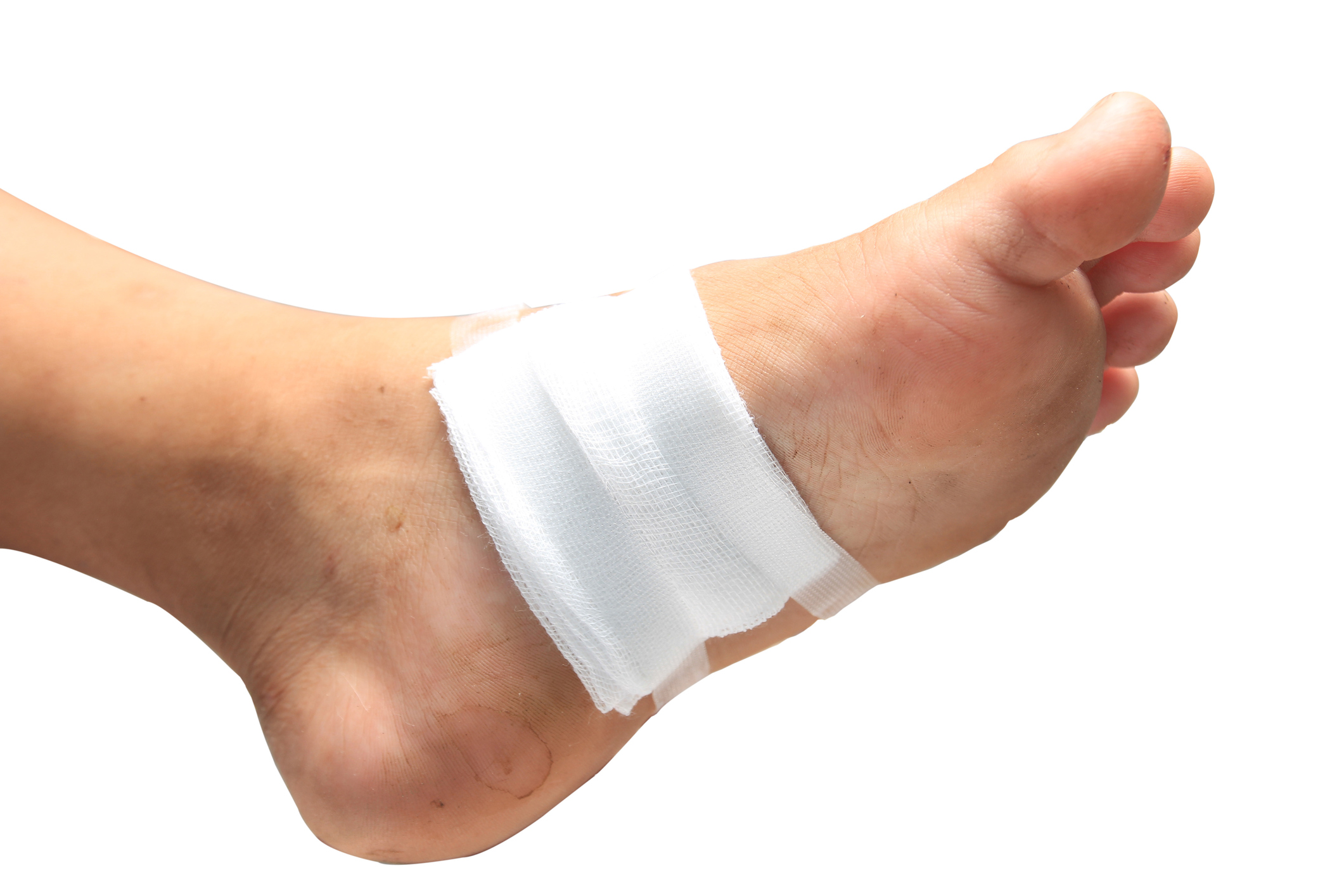
Cellulitis is a common, but potentially serious infection of the skin and the soft tissues underneath that occurs when bacteria enters the body through a crack or break in the skin. Cellulitis can also develop as a result of an infection typically after surgery or having untreated injuries such as a puncture would, cut, scrape or burn can also lead to the development of cellulitis.

Cellulitis most frequently occurs on the legs, but it can present on other parts of the body, including the arms or face. Cellulitis usually develops on one side of the body.

The skin of those with cellulitis is often skin swollen and red and is typically painful and warm to the touch. Other symptoms of cellulitis can include:

  • Red spots
  • Red streaking
  • Blisters
  • Skin dimpling
  • Fever
  • Infected area tends to expand
  • Leaking of yellow, clear fluid or pus

There are several factors that place someone at an increased risk of developing cellulitis, such as diabetes, obesity, liver disease, circulatory issues, or having a weakened immune system. Certain skin conditions including eczema, psoriasis, athlete’s foot or shingles can provide an entry point for bacteria to enter the body.

If left untreated, an infection can spread to a person’s lymph nodes and bloodstream and rapidly become life-threatening.  It is important to see your doctor immediately or seek emergency care if you experience any signs of cellulitis to prevent the condition spreading throughout your body.

Your doctor can recommend a care plan that may include pain relievers to treat the symptoms and possibly either oral or intramuscular antibiotics, depending on the severity of the condition, to treat the infection. In rare cases, surgery may be required.  Other tips to treat cellulitis include resting and elevating the infected area.

The best advice to prevent cellulitis includes taking proper safety precautions, including:

  • Washing your wound daily with soap and water
  • Applying a protective cream or ointment to surface wounds
  • Covering your wound with a bandage.
  • Moisturizing your skin regularly
  • Watching for signs of infection

If you believe you have cellulitis, make an appointment with your doctor immediately. If you do not have a doctor, you can make an appointment with a qualified physician at Flushing Hospital Medical Center by calling 718-670-5486.

All content of this newsletter is intended for general information purposes only and is not intended or implied to be a substitute for professional medical advice, diagnosis or treatment. Please consult a medical professional before adopting any of the suggestions on this page. You must never disregard professional medical advice or delay seeking medical treatment based upon any content of this newsletter. PROMPTLY CONSULT YOUR PHYSICIAN OR CALL 911 IF YOU BELIEVE YOU HAVE A MEDICAL EMERGENCY.
Are Pediatric Vitamins Necessary for My Child

One of the most important jobs for every parent is to make sure they give their children a healthy start in life. A big part of that includes making sure they receive their daily recommended vitamin intake. Many automatically assume this includes providing them with a chewable or gummy vitamin each day, but is this really necessary?

The answer is not necessarily. Most experts agree that children should get their vitamins from a healthy diet that includes dairy products like milk, cheese and yogurt; fresh fruits and green leafy vegetables; proteins, such as meat, chicken, fish, and eggs; and a variety of whole grains.

However, given the busy lifestyles of most families, providing well-balanced meals isn’t always a realistic option. In these instances, because children may not be getting their vitamins through their daily diet, supplements should be considered . Other potential reasons to supplement your child’s diet with vitamins include:

  • If your child is a fussy eater
  • If your child has a delay in his or her physical development
  • If your child is living with a chronic medical condition such as asthma
  • If your child has digestive problems or food allergies
  • If you are raising your child as a vegetarian or vegan
  • If your child eats a lot of fast food or processed food or drinks a lot of soda

If you believe that vitamins are necessary for your child’s development, it is important to make sure they are receiving the right ones. The following vitamins are considered most critical for growing children.

  • Vitamin A– Promotes normal growth and development; tissue and bone repair; and healthy skin, eyes, and immune responses.
  • Vitamin B – The family of B Vitamins, including B2, B3, B6 and B12 aid metabolism and energy production. They also promote bone and tooth formation and development of healthy muscles and connective tissue.
  • Calcium – Essential for helping build strong bones as a child grows.
  • Iron – Builds muscle and is essential to healthy red blood cells. Iron deficiency is a risk in adolescence, especially for girls once they begin to menstruate.

If you do give vitamins to your children, follow these safety tips:

  • Put vitamins away, well out of reach of children, so they don’t treat them like candy.
  • Be sure not to exceed the daily recommended dosage as too many vitamins can be dangerous
  • If your child is taking any medication, be sure to ask your child’s doctor about any drug interactions with certain vitamins or minerals.
  • Try a chewable vitamin if your child won’t take a pill or liquid supplement.
  • Consider waiting until a child reaches age 4 to start giving a multivitamin supplement, unless your child’s doctor suggests otherwise.

There are many over-the-counter pediatric vitamins on the market today. Before you make a decision on which to buy for your child, consult with your pediatrician. They can advise you on what makes the most sense for your child.

To make an appointment at xx Hospital’s Pediatric Ambulatory Care Center, please call 718-670-5486.

All content of this newsletter is intended for general information purposes only and is not intended or implied to be a substitute for professional medical advice, diagnosis or treatment. Please consult a medical professional before adopting any of the suggestions on this page. You must never disregard professional medical advice or delay seeking medical treatment based upon any content of this newsletter. PROMPTLY CONSULT YOUR PHYSICIAN OR CALL 911 IF YOU BELIEVE YOU HAVE A MEDICAL EMERGENCY.

Fascinating Facts About Our Liver

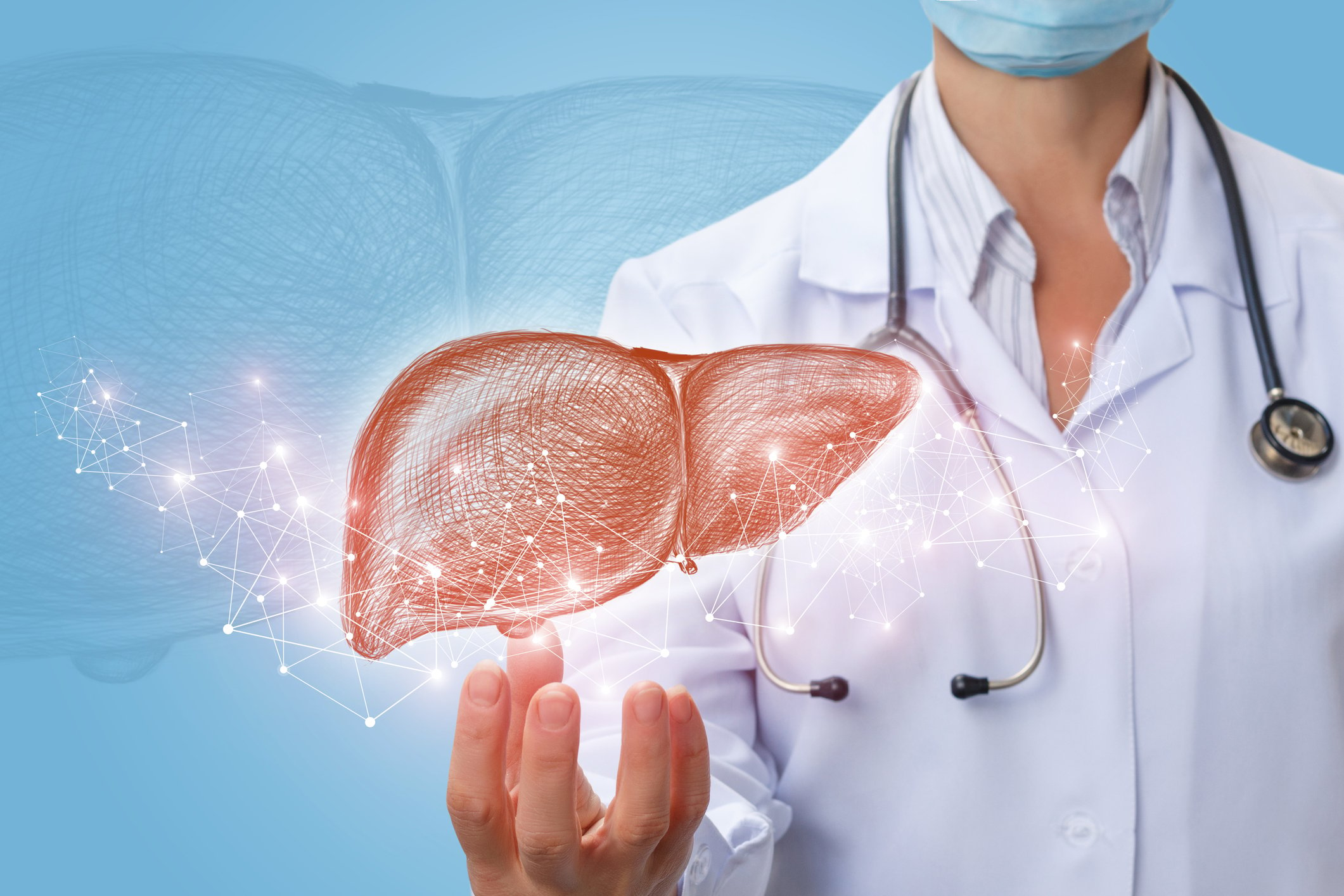
The human liver is a very vital organ. It is so important that we cannot survive if it stops functioning for one single day. Unfortunately, it is also one of the least thought about organs. Given its importance, let’s take some time to learn more about the liver and give it the attention it deserves. Here are some fascinating facts about the liver:

  1. Largest glandular organ – Our liver is the largest glandular organ of the human body and the second largest organ besides our skin.
  2. Multifunctional – Our liver simultaneously performs over 200 important functions for the body. Some of these important functions include supplying glucose to the brain, combating infections, and storing nutrients.
  3. It contains fat – 10% of our liver is made up of fat. If the fat content in the liver goes above 10% it is considered a “fatty liver” and makes you more likely to develop type 2 diabetes.
  4. It stocks iron – Our liver stores important vitamins and nutrients from the food we eat and stocks them up for when we need them later.
  5. Detoxifier – Our liver detoxifies the harmful things we take in like alcohol and drugs. Without the liver the body cannot process these items.
  6. Creator of blood – The liver creates the blood that circulates in our bodies. In fact, the liver starts producing blood before we are born. Without the liver there would be no blood and no life.
  7. It regenerates – Our liver has the amazing ability to regenerate itself, making liver transplant possible. When people donate half their liver, the remaining part of the liver regenerates the section that was removed.

As you can see, our livers are extremely important organs and serve many vital functions. In other words, our livers are no chop- liver.

All content of this newsletter is intended for general information purposes only and is not intended or implied to be a substitute for professional medical advice, diagnosis or treatment. Please consult a medical professional before adopting any of the suggestions on this page. You must never disregard professional medical advice or delay seeking medical treatment based upon any content of this newsletter. PROMPTLY CONSULT YOUR PHYSICIAN OR CALL 911 IF YOU BELIEVE YOU HAVE A MEDICAL EMERGENCY.

Is Bariatric Surgery Right For You?

Obesity is a growing public health issue in our region.  According to NYC.gov, more than half of New Yorkers are overweight, and nearly a quarter qualify as obese.  The New York City Department of Health and Mental Hygiene, reports that an estimated 23% of the population living in Queens is obese.

These rates are concerning  because people who are obese are at an increased risk for developing chronic diseases such as diabetes, stroke, hypertension, heart disease and some cancers.  However, the good news is the risks associated with many of these conditions can be significantly reduced by losing weight.

Diet and exercise are highly recommended methods of weight loss but they may not be enough to yield significant results for those who are obese.   Bariatric surgery offers an extremely effective weight loss solution for people who have tried and failed to lose weight by way of diet and exercise. Additionally, it has been shown to help improve several obesity-related health conditions.

The two most popular bariatric surgeries are the sleeve gastrectomy and gastric bypass procedures. In the sleeve gastrectomy operation a large portion of the stomach is removed and a smaller, new stomach in the shape of a tube or “sleeve” is created.  During bypass surgery, a new small stomach pouch is created, and a section of the small bowel is bypassed. These surgeries are usually done through small incisions either laparoscopically or using the da Vinci surgical robot, ensuring a minimally invasive approach. Both surgeries offer excellent long term results and positive outcomes in most patients.

With this is in mind, it is important to understand that bariatric surgery is a major operation, no matter which procedure is chosen.  Bariatric surgery is not an easy way out. It is an important decision to be made under strict physician supervision and with the support of loved ones.  The process is immersive and takes approximately 4-5 months of supervised dieting and being seen by multiple specialties for approval.

Although bariatric surgery is considered safe, it is very important that patients understand the risks of surgery. As with most major surgical procedures, the risks can include bleeding or other complications.

For those who would like to explore non-surgical weight loss procedures, there are options such as the FDA-approved Obalon Balloon System. This involves three air filled balloons inserted via a swallowed capsule. The patient is given no anesthesia and most people return to work the same day. The balloons stay in for six months after which they are removed via endoscopy. The procedure is generally very well tolerated with some side effects such as nausea and cramping. Studies have shown weight loss to continue beyond removal and many patients lose significant amount of weight.

When deciding which procedure is best for you, it is recommended that you receive an expert consultation with a surgeon. Your physician can assess your health which can lead to the decision on which surgery is suitable for your needs.

To ensure the highest quality care and maximize your chances of a successful weight loss procedure, it is recommended that you receive treatment at a “Bariatric Center of Excellence”, such as Flushing Hospital Medical Center.

Flushing Hospital is the only Center of Excellence in Queens. The process to reach this designation is arduous and ensures that the center and the surgeons are of the highest quality and preparedness. Surgical outcomes are measured very strictly and the capability of both the surgeons and the center must be of the highest caliber when compared nationally.

To make an appointment, please call 718-408-6977.

All content of this newsletter is intended for general information purposes only and is not intended or implied to be a substitute for professional medical advice, diagnosis or treatment. Please consult a medical professional before adopting any of the suggestions on this page. You must never disregard professional medical advice or delay seeking medical treatment based upon any content of this newsletter. PROMPTLY CONSULT YOUR PHYSICIAN OR CALL 911 IF YOU BELIEVE YOU HAVE A MEDICAL EMERGENCY.

Today is the Great American Smokeout – Quit Smoking Today!

Today is the Great American Smokeout, an annual event when the American Cancer Society encourages everyone to quit smoking. This event helps to make people aware of the dangers of using tobacco products as well as the tools that are available to help them quit smoking.

The Great American Smokeout started in 1970 in a small town in Massachusetts. People were asked to give up smoking for one day and to take the money that they would have spent on cigarettes and donate it to a local high school scholarship fund. The event spread to other cities both large and small and eventually led to legislation that bans smoking in workplaces, restaurants, and other public spaces both indoors and outdoors.

Smoking  is responsible for one in five deaths in the United States today. Lung cancer is the leading cause of death in both men and women. Smoking is also the cause of cancer of the larynx, mouth, sinuses, throat, esophagus, and the bladder. The number of people who smoke has dramatically decreased in the United States since the anti-smoking campaigns began. In 1965 it was estimated that over 40 percent of the population were smokers and today that number is around 18 percent.

Smokers have the best chances of quitting if they use at least two of the following methods:

• Smoking Cessation Groups
• Nicotine substitute products
• Support from family and friends
• Telephone quit lines
• Counseling
• Prescription medications that help to reduce the urge to smoke

If you would like more information about quitting smoking please call the American Cancer Society at 1-800-227-2345. If you would like to schedule an appointment with a doctor at Flushing Hospital to discuss smoking cessation, please call 718-206-8494.

All content of this newsletter is intended for general information purposes only and is not intended or implied to be a substitute for professional medical advice, diagnosis or treatment. Please consult a medical professional before adopting any of the suggestions on this page. You must never disregard professional medical advice or delay seeking medical treatment based upon any content of this newsletter. PROMPTLY CONSULT YOUR PHYSICIAN OR CALL 911 IF YOU BELIEVE YOU HAVE A MEDICAL EMERGENCY.

Are You REALLY Allergic to Antibiotics?

If taken correctly and not used to inappropriately combat viruses, antibiotics can  be extremely effective in preventing the spread of infection.  While there is a great deal of information circulating about the misuse or overuse of antibiotics, there is relatively very little shared about the underuse of antibiotics due to suspected allergies.

Many Americans are under the impression that they are allergic to antibiotics, but according to a recent New York Times article, it is estimated that up to 90 percent of antibiotic allergy claims are not legitimate. So why do so many people believe they are allergic when they are not? Most often it is not the individual’s fault; they were either falsely told by their parents that they were allergic to antibiotics when they were a child or they do not understand what constitutes an allergic reaction.

In reality, many individuals experience some type of reaction after taking antibiotics, such as an upset stomach, headache or diarrhea. These bodily responses are considered side effects, and should not be classified as an allergic reaction. A true allergic reaction is when your body treats the medication entering your system as an invader and releases chemicals called histamines to attack it.

Symptoms of a mild allergic reaction can include the development of a rash, swelling of the face, or some difficulty breathing. For most mild reactions, medications such as antihistamines or corticosteroids can be taken to treat symptoms.

In rare case however, some experience a more severe allergic reaction, known as anaphylaxis. Symptoms of an anaphylactic allergic reaction include:

  • Difficult or noisy breathing
  • Swelling of the tongue
  • Swelling or tightness in the throat
  • Wheezing or coughing
  • Dizziness or fainting
  • Pale complexion

Signs of an anaphylactic allergic reaction usually present within an hour of taking an antibiotic. If this type of reaction occurs, medical attention is necessary and 911 should be called immediately.  Treatment for a severe allergic reaction often requires an epinephrine injection to alleviate the symptoms.

While many antibiotic allergy claims are false, there are some people who are truly allergic. For those who truly are allergic, the antibiotic that they are most frequently allergic to is penicillin, or other antibiotics that are closely associated with it. Those who suspect that they are allergic to penicillin can confirm it with a simple skin test.

With the rise of so many “super-bugs,” proper treatment of infections using the correct course of antibiotics has never been more important.  Limiting the number of medications you can receive because you think you are allergic can prove to be very dangerous or even fatal.

If you believe you are allergic to antibiotics, but are not certain, speak to your doctor. Together you can discuss the pros and cons and arrive at an appropriate course of treatment.

Flushing Hospital’s Ambulatory Care Center has many qualified doctors who can advise you on the correct use of antibiotics. To make an appointment, please call 718-670-5486.

All content of this newsletter is intended for general information purposes only and is not intended or implied to be a substitute for professional medical advice, diagnosis or treatment. Please consult a medical professional before adopting any of the suggestions on this page. You must never disregard professional medical advice or delay seeking medical treatment based upon any content of this newsletter. PROMPTLY CONSULT YOUR PHYSICIAN OR CALL 911 IF YOU BELIEVE YOU HAVE A MEDICAL EMERGENCY.