The Link Between Asthma and Sinus Infections

Living with asthma is difficult. Part of that difficulty is the increased chances of developing sinusitis – or a sinus infection. According to the Asthma and Allergy Foundation of America, as many as half of all people with moderate to severe asthma, also have chronic sinusitis.

ThinkstockPhotos-495647112Sinus infections can make you feel miserable. Without good treatment, they can last for months or even years. The existence of asthma can only make chronic sinusitis feel worse – and having sinusitis can make your asthma harder to control.

But there’s good news! There are lots of treatments available for both sinus infections and asthma. And studies have shown that by treating one condition often helps relieve the symptoms of the other. The key is to treat both conditions aggressively.

Treatment is important in preventing sinusitis from worsening. Again, since the conditions are linked, treating sinusitis may have the added benefit of improving your asthma symptoms.

If you have sinusitis and asthma, your doctor might recommend the following:

• Steroid nasal sprays areused to reduce the swelling and ease the inflammation of the sinuses, allowing them to drain normally.

• Decongestant and antihistamine medicines can be helpful, but overuse can lead to more congestion. Try spraying warm salt water into the nose, or breathing in steam as an option.

• If the infection is bacterial and not viral, antibiotics can help, but the full dosage of the medication should be taken even if symptoms improve immediately

• Controlling exposure to allergens is key. It can minimize your asthma symptoms and reduce your risk of sinus infections.

If you have asthma, it is important to treat a sinus infection immediately. It will help you better manage your asthma. To make an appointment to see a doctor to manage your asthma or to treat a sinus infection, please call 718-670-5486.

All content of this newsletter is intended for general information purposes only and is not intended or implied to be a substitute for professional medical advice, diagnosis or treatment. Please consult a medical professional before adopting any of the suggestions on this page. You must never disregard professional medical advice or delay seeking medical treatment based upon any content of this newsletter. PROMPTLY CONSULT YOUR PHYSICIAN OR CALL 911 IF YOU BELIEVE YOU HAVE A MEDICAL EMERGENCY.


Avoid the “Double Dip” at Your Next Party

You may have seen the infamous episode of the popular sitcom, Seinfeld where George “double dips” at a social gathering – basically scooping dip onto his chip, taking a bite, and then placing that same chip back in the bowl for another serving. Someone sees this and tells him that double dipping is like “putting your whole mouth in the dip”. The scene is often referenced and has become part of pop-culture lure, but is there any truth to this notion? Are “double dippers” really spreading germs by committing this offense?

ThinkstockPhotos-99700139The topic was so intriguing, that it prompted students at Clemson University to conduct an investigation about the potential dangers of double dipping. By comparing how much bacteria is transferred into dip from unbitten versus bitten crackers, the students were able to draw some interesting conclusions. First the dip was tested after the unbitten cracker was used. The results found no detectable bacteria present in the dip after that cracker was used. Next the dip was tested after the bitten, or double dipped cracker was submerged. Here the results were much different. Once subjected to double dipping, as many as 1,000 bacteria were detected in the dip.

What does this mean? There are thousands of different types of bacteria living in our mouths, and some of them transmit viruses like the flu. While Seinfeld made the term double dipping popular, perhaps the most infamous double dipper of all time was cook 19th century cook Mary Mallon, better known as Typhoid Mary. She was thought to have spread typhoid to many New England families as she tasted the food she was preparing for them.

Keeping that in mind, there is still a concern over transmitting bacteria via the double dip. So the next time you are at a party and you notice someone double dipping, you might want to avoid partaking in the dip and chips.

All content of this newsletter is intended for general information purposes only and is not intended or implied to be a substitute for professional medical advice, diagnosis or treatment. Please consult a medical professional before adopting any of the suggestions on this page. You must never disregard professional medical advice or delay seeking medical treatment based upon any content of this newsletter. PROMPTLY CONSULT YOUR PHYSICIAN OR CALL 911 IF YOU BELIEVE YOU HAVE A MEDICAL EMERGENCY.

Should You Breast Feed When You Are Sick?

There are many benefits to breast feeding, but is it harmful to your child’s health when you are sick with a cold or virus?

160694931Even when you are sick, your baby will almost always benefit from breastfeeding. In most instances, viruses are most likely transmitted before symptoms even occur. Breast feeding can actually help protect your baby from the virus since your breast milk produces the necessary antibodies to stave off the illness. In fact, even if your baby gets sick, it is usually a much milder case than anyone else in the house.

It is not a good idea for you to stop breast feeding abruptly because your breasts can become engorged, which can lead to painful inflammation, known as mastitis. Instead, while you are sick, ask a family member to bring the baby to you to nurse and take him way when you’re done so you can rest. Also, drink plenty of fluids when you are sick so you don’t become dehydrated and your milk supply does not decrease.

Some moms may also be concerned about taking medications while breastfeeding, but with few exceptions, over the counter medications are just fine. Some suggestions include:
• Avoid using extra or maximum strength pain medication or fever reducers.

• Medications that contain ibuprofen are recommended over those that contain acetaminophen.

• Try to use single ingredient, short acting forms of cold, cough, and allergy medications.

• Avoid taking aspirin as there is a small risk of infants developing Reye’s syndrome.

It is important however to carefully read medication labels and check with your physician before taking any drug while you are nursing. If you do not have a doctor, contact Flushing Hospital’s Women’s Health Center at 718-670-8994 to make an appointment.

All content of this newsletter is intended for general information purposes only and is not intended or implied to be a substitute for professional medical advice, diagnosis or treatment. Please consult a medical professional before adopting any of the suggestions on this page. You must never disregard professional medical advice or delay seeking medical treatment based upon any content of this newsletter. PROMPTLY CONSULT YOUR PHYSICIAN OR CALL 911 IF YOU BELIEVE YOU HAVE A MEDICAL EMERGENCY.
Flushing Hospital Recognizes Thyroid Awareness Month

The thyroid gland serves many functions. It regulates our rate of metabolism, growth and development, and our body temperature. So when it isn’t working properly it can have a major impact on our health.

Thyroid level conceptual meter indicate maximum, isolated on white backgroundAccording to the American Association of Clinical Endocrinologists (AACE), thyroid disease is a more common disorder than diabetes or heart disease. It affects as many as 30 million Americans, more than half of whom remain undiagnosed. To raise awareness about the thyroid gland and symptoms of thyroid disease, January has been designated Thyroid Awareness Month.

The thyroid is a small, butterfly-shaped gland located in the base of the neck.. Although small in size, the gland plays a large role by producing thyroid hormone which influences the function of many of the body’s most important organs, including the heart, brain, liver, kidneys and skin. When the thyroid gland is not producing the right amount of hormone (either too much or too little), problems can start to arise.

Hypothyroidism occurs when the thyroid does not produce enough hormones. This can result in a range of symptoms that include unexplained fatigue, weight gain, depression, forgetfulness, feeling cold, hair loss, or low sex drive. Hyperthyroidism, on the other hand, is a condition when the body produces an abundance of thyroid hormones. Symptoms of hyperthyroidism include rapid heart rate, heat intolerance and unexplained weight loss and anxiety. For both hypothyroidism and hyperthyroidism, medication can be prescribed to regulate hormone levels.

A more serious concern involving the thyroid gland is thyroid cancer, which can develop independent of the above thyroid disease. According to the AACE, about 60,000 cases of thyroid cancer are diagnosed annually in the U.S. In most cases, thyroid cancer has a good prognosis and high survival rates—especially when diagnosed in its early stages.
Through attention raised by Thyroid Awareness Month, more and more primary care physicians are screening for thyroid disease, which has greatly helped those who would have otherwise had their condition go undiagnosed.

Jamaica Hospital is proud to help raise awareness for thyroid disease and encourages everyone experiencing symptoms to ask their doctor to do an evaluation. If you do not have a doctor, call Flushing Hospital’s Ambulatory Care Center to make an appointment at 718-670-5486.

All content of this newsletter is intended for general information purposes only and is not intended or implied to be a substitute for professional medical advice, diagnosis or treatment. Please consult a medical professional before adopting any of the suggestions on this page. You must never disregard professional medical advice or delay seeking medical treatment based upon any content of this newsletter. PROMPTLY CONSULT YOUR PHYSICIAN OR CALL 911 IF YOU BELIEVE YOU HAVE A MEDICAL EMERGENCY.

Can Your Makeup Be Causing An Eye Infection?

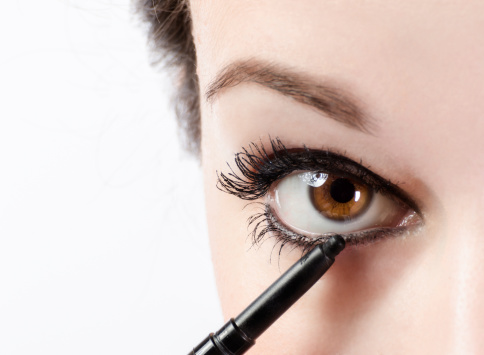
ThinkstockPhotos-468949241Eye makeup is used by many women, and some wouldn’t even think about leaving the house before applying their mascara or eyeliner, but if used improperly there can be potential risks when applying these products.

Some of the most common eye problems associated with wearing eye makeup include:

• Scratched Corneas – This can occur when applying makeup with your mascara applicator or eyeliner and can lead to a serious infection
• Conjunctivitis (or pink eye) – This is probably the most common eye problem and it usually occurs after bacteria grows in eye makeup
• Allergic Reactions – This can result in redness, irritation, eye swelling, or infection.

Follow these safety tips to avoid injury and keep your eyes healthy AND beautiful.

• Throw Away Makeup after Three Months – This might be tough given the cost of some products, but bacteria can begin to grow if makeup is not properly concealed.
• Never Share – Your eye makeup should be yours and yours alone. When at the sample counter, only use fresh applicators.
• Apply Eyeliner Outside the Lash Line – This will protect the glands on the upper and lower eyelids which secrete oils that protect the eye’s surface and prevent scratching of the cornea.
• Replace All Eye Makeup after an Infection – Failure to do this could result in a recurrence of an infection.
• Remove Makeup at the End of the Day – Your eyes are sensitive and even the smallest amount of eye makeup could seep into your eyes while you sleep.
• Introduce Only One New Product at a Time – If you apply multiple new products simultaneously, it would be hard to determine the source of a potential allergic reaction

If you do develop an infection or allergic reaction, call your eye doctor immediately. If you do not have one, Flushing Hospital’s Ophthalmology Center can treat a wide array of eye conditions. To make an appointment, please call 718-670-5486.

All content of this newsletter is intended for general information purposes only and is not intended or implied to be a substitute for professional medical advice, diagnosis or treatment. Please consult a medical professional before adopting any of the suggestions on this page. You must never disregard professional medical advice or delay seeking medical treatment based upon any content of this newsletter. PROMPTLY CONSULT YOUR PHYSICIAN OR CALL 911 IF YOU BELIEVE YOU HAVE A MEDICAL EMERGENCY.

Hover Board Safety Tips

Hover-boards are the hot new toy, but how safe are they? These self-balancing scooters are on the top of every kid’s (and some adult’s) list to Santa this year, but as these unregulated travel devices rise in popularity, so too have trips to the Emergency Department due to hover board related accidents.

ThinkstockPhotos-86540650Hospital ERs across the country are reporting a series of injuries, from scraps and contusions, to fractures and sprains, to even head injuries resulting from hover-board accidents. These toys can reach maximum speeds of 15 miles an hour and falls from them can cause significant harm. All you have to do is go to You Tube, Twitter, or Instagram and type in #HoverBoardFalls to see how dangerous hover-boards can be if the rider (or parent, if the rider is a child) does not take proper precautions.

Hover-board price and quality vary greatly so read online reviews from previous buyers before purchasing one. Also, because they are so new to the market, there are no national safety standards for hover-boards. Until regulations are in place, riders should follow the same safety guidelines they would for riding a bicycle, including wearing a helmet, elbow and knee pads, wrist guards and/or gloves.

Other tips to follow before getting on a hover-board include carefully reading the instruction manual to learn how to properly operate it. Also make sure to adhere to all safety rules, including age and weight recommendations.

It is a good idea to have a “spotter” with you when you first attempt to ride your hover-board in case you fall. Lastly, riders should not use their hover boards in the street or on public walkways to avoid seriously injuring themselves or others.

Like everything else, hover-boards can be a lot of fun if they are used responsibly. Happy and safe hovering!

All content of this newsletter is intended for general information purposes only and is not intended or implied to be a substitute for professional medical advice, diagnosis or treatment. Please consult a medical professional before adopting any of the suggestions on this page. You must never disregard professional medical advice or delay seeking medical treatment based upon any content of this newsletter. PROMPTLY CONSULT YOUR PHYSICIAN OR CALL 911 IF YOU BELIEVE YOU HAVE A MEDICAL EMERGENCY.

Meet the Newest Member of Flushing Hospital’s Surgical Team

Single_Site_Patient_Cart_72dpiThe newest member of Flushing Hospital’s surgical team has been described as world renowned and a revolutionary in the field of minimally invasive surgery. This prestigious new member of the team also needs to be plugged into an electrical outlet.

The da Vinci Robotic Surgical platform is now at Flushing Hospital, offering our patients the most technologically advanced surgical system in the entire region.

Robotic surgery has been available for a number of years and offers patients many benefits, including minimal pain, faster recovery time, less blood loss, and shorter hospital stays. What makes Flushing Hospital’s robotic platform so exciting, however, is the new single-site robotic capabilities it offers.

The single-site robotic platform provides Flushing Hospital’s surgeons the same increased dexterity, control and high definition 3-D vision found in traditional robotic surgery, as well as the added benefit of performing  the operation through a single, nearly invisible scar hidden in the patient’s navel. Previous surgeries might require multiple incisions or one larger incision. “This technology offers a tremendous cosmetic benefit to our patients and underscores Flushing Hospital’s commitment to providing the highest level of surgical care, using the most advanced minimally invasive surgical options,” stated Dr . Neil Mandava, Chairman of  Surgery at Flushing Hospital.

During a robotic procedure, the surgeon sits comfortably at a console, viewing a 3-D, high definition image of the patient’s anatomy. The surgeon uses controls below the viewer to move the instruments arms and camera. In real-time, the system translates the surgeon’s hands, wrist, and finger movements into more precise of the miniaturized instruments inside the patient.

The da Vinci system offers a wide variety of surgical options available to the community, including procedures in urology, gynecology, bariatric surgery, as well as general surgery. Flushing Hospital surgeons have already performed multiple robotic procedures with outstanding results.

For more information about the da Vinci robotic surgical system, please call 718-670-3135.

All content of this newsletter is intended for general information purposes only and is not intended or implied to be a substitute for professional medical advice, diagnosis or treatment. Please consult a medical professional before adopting any of the suggestions on this page. You must never disregard professional medical advice or delay seeking medical treatment based upon any content of this newsletter. PROMPTLY CONSULT YOUR PHYSICIAN OR CALL 911 IF YOU BELIEVE YOU HAVE A MEDICAL EMERGENCY.

The Facts About Hand, Foot and Mouth Disease

Summer gives us a break from the flu and many other viruses prevalent during the winter months, but there is one contagious virus that your child is at risk of contracting during the summer.

Hand, foot and mouth disease (HFMD) is a common illness in the summer months, predominantly found in infants and children under the age of 10, but one that can also affect teens and adults. It is caused by a family of viruses known as the Coxsackie virus. There are multiple types of Coxsackie virus, but the A16 strain causes HFMD.

HFMD can produce a wide variety of symptoms, including mild flu-like symptoms such as fever, head and muscle aches, sore throat, fatigue, and poor appetite. The fever usually lasts anywhere from 24 hours to 2-3 days. One or two days after the fever begins, small red spots begin to appear in the mouth, throat, palms of the hands, and soles of the feet. These spots develop into blisters and eventually into painful ulcers, which resolve within a few days without any scarring.

These blisters give the illness its name, but it should not be confused with the similarly named foot (or hoof) and mouth disease, which is found in cattle.

HFMD is spread between children either hand to hand or through tiny air droplets that are released when they sneeze, cough, or blow their nose.  The illness can also be spread when a person is exposed to an infected child’s stool or the fluid from their blisters.

HFMD is contagious and tends to spread most easily in settings where many young children are together, such as day care centers.  In tropical parts of the world, HFMD is present throughout the year, but in cooler climates, such as New York, outbreaks take place only in the summer or fall. Some people incorrectly believe that the illness is spread in swimming pools, but a properly chlorinated pool should kill the virus.

Proper hand washing is considered the best protection against the virus, especially after using the bathroom, changing diapers, and before eating or preparing food. The virus can live on contaminated surfaces for several days. Therefore, parents should clean shared toys and all surfaces potentially contaminated with disinfectant cleaners to protect against the spread of HFMD.

There are lab tests to confirm HFMD, but doctors usually can diagnose the virus based on a physical examination. There is no specific treatment for HFMD. Doctors often recommend over-the-counter pain and fever reducing medications to make your child feel more comfortable. Salt water rinses might also provide relief.

If you think your child has hand, foot and mouth disease, you should see a pediatrician or call Flushing Hospital’s  Ambulatory Care Center at 718-670-5486 to make an appointment.

All content of this newsletter is intended for general information purposes only and is not intended or implied to be a substitute for professional medical advice, diagnosis or treatment. Please consult a medical professional before adopting any of the suggestions on this page. You must never disregard professional medical advice or delay seeking medical treatment based upon any content of this newsletter. PROMPTLY CONSULT YOUR PHYSICIAN OR CALL 911 IF YOU BELIEVE YOU HAVE A MEDICAL EMERGENCY.

Summer Tips To Keep Your Kids Fit

Is your child at risk for gaining weight this summer? 

We consider summer to be a time when kids run around, go swimming and generally remain active. With all this physical activity, it is a common belief that children keep weight off or maybe even lose a few pounds in the summer, but that is not the case. There are many reasons why parents are now noticing that their children are actually gaining weight during the summer.

The rate of childhood obesity has tripled in America in recent decades. Now, one out of three children in this country is considered overweight or obese. When are children gaining the most weight?  Recent studies have revealed that during the summer, the rate of weight gain in children is double that of the rest of the year. Why?

One of the biggest contributing factors is that children today live a more sedentary lifestyle. During the school year, children participate in fitness programs, both during recess and in physical education classes. Without a regimented exercise program, children opt to spend their free time playing video games or watching television.

Another factor in summer weight gain is the foods children have access to in their home. In an effort to fight obesity and promote healthy eating habits, many schools provide healthy alternatives for lunches and snacks during the year. During the summer, however, kids have access to whatever snacks are in the home. Kids will often choose unhealthy snacks, such as cookies, chips, and soda, if they are available to them.

In an effort to reverse this trend, Jamaica Hospital offers the following summer healthy living tips for your kids:

• Stock your home with healthy food options like yogurt, carrots, or summer fruits like peaches, berries, or melons.

• Make water the beverage of choice. Juices and sodas are high in calories and low in nutrients. To make water more flavorful, consider adding fruit slices or berries.

• Limit TV and video game usage. It will force kids to become more physically active and prevent them from enticing junk food commercials..

• Walk more. Everyone can do it. Incorporate regular family walks to the park or around the neighborhood.

• Be inventive. Not every child is interested in formal team sports, but every kid loves to run around. Encourage activities like hopscotch, jump rope or a simple game of “tag.”

• Be a role mode. Children often take cues from their parent’s eating habits so if you want your kids to eat healthier, you should eat healthier

All content of this newsletter is intended for general information purposes only and is not intended or implied to be a substitute for professional medical advice, diagnosis or treatment. Please consult a medical professional before adopting any of the suggestions on this page. You must never disregard professional medical advice or delay seeking medical treatment based upon any content of this newsletter. PROMPTLY CONSULT YOUR PHYSICIAN OR CALL 911 IF YOU BELIEVE YOU HAVE A MEDICAL EMERGENCY.

Investing in a Healthier You

Small Steps, Big Changes
Many people feel they do not have the time or energy to live a healthy lifestyle, however, establishing a healthy diet and exercise routine can make a huge difference to your overall health.

What are you eating?
With larger portions being served, it’s no wonder America is experiencing an obesity epidemic.  Many restaurants have implemented the ‘bigger is better’ idea, but portion control is a factor in maintaining your weight and creating a healthier lifestyle.  When dining out, try choosing appetizers instead of a full meal. Instead of choosing a meal upgrade option, stick to a kids meal which can be more moderate in calories and fat content.

Another factor is the type of foods served in your meals. A good starting point toward healthy eating is to make sure your diet is rich in whole grains, vegetables, fruits and various lean proteins and to eliminate processed sugars.  Your body breaks down food and produces the energy it needs. Having too much sugar in your diet doesn’t always provide you with more energy  but can cause a list of several health issues including dental cavities, diabetes, energy slumps, hyperactive behavior in some, and weight gain.

Kelly McGuire, Registered Dietician of Flushing Hospital’s Food and Nutrition Department states, “The occasional slice of cake offered at a party is okay but sweets should be consumed in moderation.”

She adds: “Eating healthy foods doesn’t have to be boring. Find the foods you enjoy and create recipes in advance to help with your goal of healthy living.”

Become Active, Stay Active
Even minor changes in your activity can help. Many people believe they need to have a gym membership and get at least an hour of intense exercise to be healthy, but if your body isn’t used to, an extensive workout can do more harm than good. Begin by adding a simple walk, or extend your current walking routine. A good way to do this is by parking your car a bit further away than usual from your intended destination to get an extra 10-20 minutes of exercise per day. Another way of increasing you exercise routine is to choose the stairs over an elevator. Exercising every day is not necessary. Initially aim for three times a week for at least 20-30 minutes a day and notice your stamina increasing as weeks go by.

Invest in You
Small changes make the biggest impact. Begin your healthy diet exercise routine today and begin to feel the difference in your energy, appearance and overall health with time. Your annual health check-up can be the jumpstart to a new you.  Invest in you and meet with your primary care physician prior to beginning any changes in diet and exercise.

All content of this newsletter is intended for general information purposes only and is not intended or implied to be a substitute for professional medical advice, diagnosis or treatment. Please consult a medical professional before adopting any of the suggestions on this page. You must never disregard professional medical advice or delay seeking medical treatment based upon any content of this newsletter. PROMPTLY CONSULT YOUR PHYSICIAN OR CALL 911 IF YOU BELIEVE YOU HAVE A MEDICAL EMERGENCY.