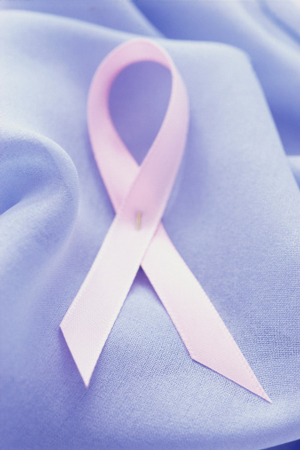
October is Breast Cancer Awareness Month. Are You at Risk?

Breast Cancer awareness campaigns have empowered women to take a pro-active approach to early detection of the disease. While regular check ups greatly help in prevention for any illness, individuals with specific risk factors should pay extra close attention. 

Common Risk Factors
There are risk factors that you cannot change or control such as:
• Gender: Just by being a woman you are placed at risk.  Male breast cancer is not common but it isn’t unheard of. Men are less likely to be affected by breast cancer because they have less of the female hormones, estrogen and progesterone, which can promote breast cancer cell growth.

Age: A woman’s chances of developing cancer increase as she gets older. Statistics reflect a woman’s median age of breast cancer diagnosis to be 61.  This means that half of women who develop breast cancer are 61 or younger at the time of their diagnoses.

Family History: Women who have had a ‘close blood’ relative diagnosed with breast cancer are at higher risk of developing breast cancer. ‘Close blood’ relative is defined as a first degree relative such as mother, sister, and/or daughter.

Race and Ethnicity: Caucasian women are slightly more likely to develop breast cancer than African-American women.  However, African-American women under the age of 45 are more commonly diagnosed with breast cancer. The American Cancer Society has statistically noted Asian, Hispanic and Native American women are at less risk from developing breast cancer.

“Generally speaking, an early first period or delayed menopause can also be associated with an increase risk for breast cancer,” states Dr. St. John, Director of the Breast Clinic at Flushing Hospital Medical Center.  “These are things that we cannot control, but knowing your risk factors and raising your awareness can increase your chances of early detection.”

Lifestyle Related Factors
In addition to certain genetic predispositions, certain lifestyle choices can be contributing factors in developing breast cancer.  “Lifestyle related” factors can increase a woman’s chances for breast cancer.  Some of these factors can include:

Having Children/ Breastfeeding: Having several pregnancies and becoming pregnant at a young age reduces the risk of breast cancer. Studies have shown that women who have no children or had their first child after age 30 have a slightly higher risk of developing breast cancer.  Some studies have suggested that breastfeeding may slightly lower breast cancer risk, especially if it is continued for 1 ½ to 2 years of age.

Hormone Therapy after Menopause: Women who receive Hormone Therapy (HT) to relieve the symptoms of menopause can possibly be at an increased risk of breast cancer if used for a prolonged amount of time. This can be due to the dual dosing of progesterone and estrogen administered. However, a woman’s risk of breast cancer seems to return to normal within five years of stopping the combined treatment.

Drinking Alcohol/ Smoking: Women who consumed more than 2 to 5 drinks daily increase their risk of breast cancer as opposed to non-drinkers. Although there have been limited studies, smoking has been linked to increasing a woman’s chances of developing with breast cancer.

Being Overweight or Obese:  women who are overweight tend to have higher insulin levels, which has been linked to some cancers, including breast cancer. 

Dr. St. John suggests “By limiting alcohol consumption, quitting smoking and managing your weight, not only can you improve your quality of life, but also decrease your risk of breast cancer.  Maintaining a healthy lifestyle, exercising and conducting regular self examinations can be helpful to preventing breast cancer.”

Flushing Hospital’s Ambulatory Care Center has a variety of services including a dedicated breast clinic.  Our clinic can help you take your first steps to prevention and provide peace of mind.

For more information or to schedule and appointment, please call 718-670-5487.


All content of this newsletter is intended for general information purposes only and is not intended or implied to be a substitute for professional medical advice, diagnosis or treatment. Please consult a medical professional before adopting any of the suggestions on this page. You must never disregard professional medical advice or delay seeking medical treatment based upon any content of this newsletter. PROMPTLY CONSULT YOUR PHYSICIAN OR CALL 911 IF YOU BELIEVE YOU HAVE A MEDICAL EMERGENCY.
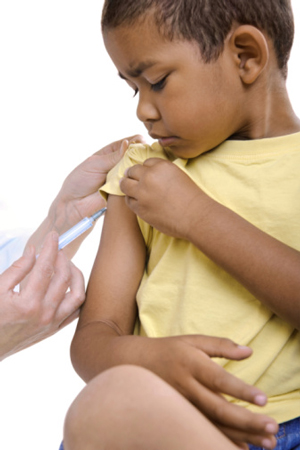

Back To School: Are Your Children Vaccinated?

Today’s vaccines are among the most successful and cost-effective public health tools for preventing disease and death and have helped many illnesses become distant memories. However, many parents are still unclear which vaccines their children should  receive or if their children should receive any at all?  School-age children, from preschoolers to college students, need vaccines.  Here are five important reasons to vaccinate your child:

 Immunizations can save your child’s life
The polio vaccine is one example of the impact that vaccines can have on the eradication of a disease. Dr. Chopra, Pediatrician at Flushing Hospital Medical Center’s Ambulatory Care Center, states, “Vaccines have eradicated many illnesses which have caused death and paralysis in the past. Thankfully, medical advancements have eliminated diseases such as polio and today, there are no reports of polio in the United States.”

• Vaccinations are safe and effective
With extensive testing and careful monitoring of quality, safety, and effectiveness, vaccines are reviewed and approved by a panel of scientists, doctors and healthcare professionals.  “Vaccines may cause pain, redness, or tenderness at the site of the injection,” but Dr. Chopra advises, “This shouldn’t deter families from receiving the vaccines.  The disease-prevention benefits of getting vaccines are much greater than the possible side effects for almost all children.”

• Immunizations protect others you care about
Getting your child vaccinated at the scheduled times helps prevent the spread of diseases to you and your loved ones.  In 2010, a resurgence of whooping cough (pertussis) and measles caused 26 deaths out of the 21,000 cases presented; most of the deaths were in children under 6 months.  Infants need time to build their immunity and may not be able to receive vaccines at birth.  For this reason, it is important for you and your children to receive the vaccinations to help prevent these occurrences.

• Immunizations can save your family time and money
“Getting vaccinated against these diseases is a good investment and usually covered by insurance,” says Dr. Chopra.  Children with vaccine-preventable diseases can be denied permission to attend school or child care.  Some vaccine-preventable diseases can result in prolonged disabilities and can take a financial toll because of lost time at work, medical bills or long-term disability care. Ensuring that you and your loved ones receive the scheduled vaccinations can save your family time and money.

• Immunizations protect future generations
If we have effective vaccination programs in place today we will be able to prevent the spread of diseases in the future

Flushing Hospital Medical Center’s Pediatric Ambulatory Care Center offers same day services for walk-ins. Please call 718-670-3007 and make an appointment with one of our Pediatricians.


All content of this newsletter is intended for general information purposes only and is not intended or implied to be a substitute for professional medical advice, diagnosis or treatment. Please consult a medical professional before adopting any of the suggestions on this page. You must never disregard professional medical advice or delay seeking medical treatment based upon any content of this newsletter. PROMPTLY CONSULT YOUR PHYSICIAN OR CALL 911 IF YOU BELIEVE YOU HAVE A MEDICAL EMERGENCY.

Lice – A Real Head Scratcher


As the summer is nearly over, parents are now turning their attention to back to school preparations. One of the many things parents should be prepared for is the transmission of head lice.

Lice are tiny little parasitic insects that receive their nutrition from the blood of their host. They do not have wings and are therefore spread by close contact with people who are infected with them or with the items of clothing or bedding that those people may be using. Since lice do not fly, it is sometimes thought that they either crawl or jump from one person to another. There are three types of lice to be aware of. , Head Lice, Body Lice and Pubic Lice. The most commonly found are the lice that live on the hair and scalp, known as Head Lice.

The signs and symptoms of head lice are itchy scalp, small bumps on the back of the neck and on the scalp that are red in color, the presence of tiny off-white or light brown insects crawling in the hair or back of the neck, and finding lice eggs also called nits, about the size of a pin head, attached to the hair shafts. Some people who are infected with lice have swollen neck glands, indicating a possible infection.

Detecting head lice can be difficult, since they can be confused to the untrained eye with other things found in people’s hair like dandruff, lint, sand, and dirt. The difference is that lice, especially their eggs (nits) are usually firmly attached to the hair follicle and do not come out with simple rinsing or combing. One method of diagnosing lice is to wet the person’s head, separate the hair in to sections, sit them under a very bright light, and using a very fine comb made specifically for this purpose, comb the hair from the scalp outwards looking for lice and their eggs.

Treating lice involves using a shampoo made specifically for this purpose. These shampoos are very different than regular hair products and they are to be used very carefully, making sure that the instructions are followed closely. Usually the recommendation is to use the product once and wait a few days to see if it is working.
Each day after treatment it is recommended to use the special fine tooth comb to remove the lice and the nits. It is also recommended that all bedding be thoroughly washed in hot water and dried at a high temperature to limit the possibility of reoccurrence.  If the signs and symptoms of an infestation persist, it is advised to see a dermatologist who may prescribe a stronger medication to treat the problem.

When a person is diagnosed with lice, it is wise to limit their contact with others until the problem is resolved. This is especially true of school aged children.

If you suspect that your child has lice and over-the-counter remedies are not successful, please schedule an appointment with a physician at Flushing Hospital by calling 718- 670-8939.


All content of this newsletter is intended for general information purposes only and is not intended or implied to be a substitute for professional medical advice, diagnosis or treatment. Please consult a medical professional before adopting any of the suggestions on this page. You must never disregard professional medical advice or delay seeking medical treatment based upon any content of this newsletter. PROMPTLY CONSULT YOUR PHYSICIAN OR CALL 911 IF YOU BELIEVE YOU HAVE A MEDICAL EMERGENCY.

Flushing Hospital Promotes Breast Feeding

Flushing Hospital has recently joined “Latch On NYC,” a new city-wide initiative aimed at supporting breastfeeding mothers. By joining the initiative, the hospital will no longer voluntarily distribute formula, literature on formula, or other products that promote formula to new mothers unless it is medically required or at a mother’s request.

“Latch On NYC” is a wonderful initiative,” explained Maria Smilios, MS-ACNS-RNC-OB, IBCLC, Assistant Director of Nursing-Maternal Child Services at Flushing Hospital. “Our hospital has always encouraged new mothers to breastfeed, however, we, like many other local hospitals, would provide our new mothers with go-home bags that included formula, which sent mixed messages.” Ms. Smilios added, “Now, we can educate mothers about the benefits of breastfeeding and feel confident that they have the information they need to make an informed decision about their infant’s dietary needs.”

According to the New York City Department of Health, breastfeeding can prevent childhood and adult obesity and reduce the risk of ear infections, diarrhea, and pneumonia. And while 90% of NYC mothers begin breastfeeding, only 31% of mothers are still exclusively breastfeeding their child by the time they reach two months, even though it is recommended that an infant exclusively breastfeeds for the first six months of their life.

“Latch on NY” is one of several efforts Flushing Hospital has recently taken to encourage mothers to breastfeed. Earlier this year, the facility received a “Communities Putting Prevention to Work” grant for its commitment to support breastfeeding and help reduce childhood obesity. The grant allowed staff members to become Certified Lactation Consultants. The hospital has also applied to become a “Baby Friendly” hospital, a global initiative that promotes, protects, and supports breastfeeding through ten steps to successful breastfeeding. The hospital also boasts an active breastfeeding support group.

Breast milk is best for babies and Flushing Hospitals is not afraid to say it, or show it. For more information on Flushing Hospital’s Latch On Program, or our division of Maternal-Child services, please call 718-670-8992.

All content of this newsletter is intended for general information purposes only and is not intended or implied to be a substitute for professional medical advice, diagnosis or treatment. Please consult a medical professional before adopting any of the suggestions on this page. You must never disregard professional medical advice or delay seeking medical treatment based upon any content of this newsletter. PROMPTLY CONSULT YOUR PHYSICIAN OR CALL 911 IF YOU BELIEVE YOU HAVE A MEDICAL EMERGENCY.
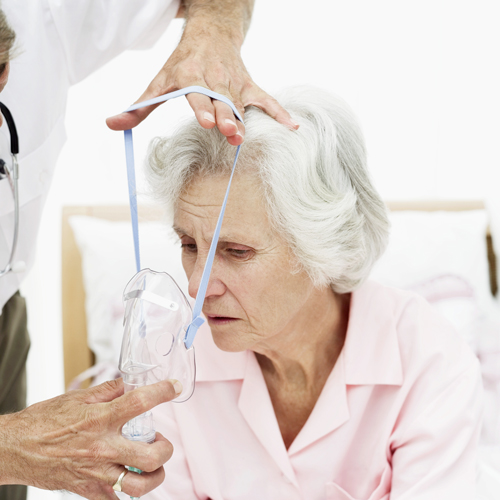
Heart Health: Things You Should Know

Every year, more than 1.2 million Americans die from heart attacks. According to the Centers for Disease Control and Prevention, almost 50 percent of those deaths occur outside the hospital—a figure suggesting many people with heart disease don’t act on early warning signs.

“Chest pain or discomfort that lasts more than a few minutes is a primary heart attack symptom,” says Dr. Subrahmanya Bhat  of Flushing Hospital Medical Center’s Cardiology Department. “Shortness of breath, cold sweats, nausea, lightheadedness, and upper body discomfort are also red flags and an indication to immediately call 911. Just a few wasted minutes can stand between life or death.”

There are several factors that can put you at risk for heart disease, including high blood pressure, being overweight, having diabetes, and being over 55 years old for men and 65 years old for women.

Despite having these risk factors, it is possible to protect yourself against the biggest heart health conditions. Dr. Bhat encourages individuals to maintain a nutritious diet, exercise regularly, manage stress, and quit smoking. In addition to making healthy lifestyle changes, other ways to manage heart disease is medication.

Flushing Hospital offers a non-invasive Cardiology Lab, as well as other services for heart diseases, such as arrhythmia, coronary heart disease, and cardiomyopathy. Our non-invasive Cardiology Laboratory performs the following tests:

• Electrocardiograms, which allow the electrical activity of the heart to be examined
• Echocardiograms, which use sound waves to take pictures of the heart to assess how it is working
• Stress tests, both chemical and exercise, with and without imaging modalities to assess the blood flow to the heart and the function of the heart with exercise
• Holter monitors
• Event recorders
• Tilt table testing
• Nuclear wall motion studies
• Ambulatory blood pressure monitoring

Non-invasive treatment of coronary artery disease is available for patients who are not candidates for angioplasty, stenting or coronary artery bypass surgery, but who have continued chest pain or angina.

To speak with a cardiologist about your heart health or to obtain more information about the cardiology services offered at Flushing Hospital, please call 718-670-5489.

All content of this newsletter is intended for general information purposes only and is not intended or implied to be a substitute for professional medical advice, diagnosis or treatment. Please consult a medical professional before adopting any of the suggestions on this page. You must never disregard professional medical advice or delay seeking medical treatment based upon any content of this newsletter. PROMPTLY CONSULT YOUR PHYSICIAN OR CALL 911 IF YOU BELIEVE YOU HAVE A MEDICAL EMERGENCY.

Coping With COPD

Breathing should be easy. However, nearly 24 million Americans experience shortness of breath—a common sign of Chronic Obstructive Pulmonary Disease (COPD).

COPD reduces air that flows in and out of the lungs, which can result in a variety of symptoms—constant coughing, shortness of breath, excessive mucus, feeling unable to breathe, and/or wheezing.

“It’s extremely important to recognize the symptoms of COPD,” explained Charles Almeda, Associate Director of Respiratory Care at Flushing Hospital. “Too often, individuals don’t think much of these symptoms and by the time they are diagnosed, the disease has progressed significantly. Fortunately, COPD can be detected early and managed.”

Flushing Hospital’s Department of Respiratory Care boasts a Pulmonary Laboratory that uses state-of-the-art equipment to test for COPD. The tests, which are ordered by your physician, may include a simple pulmonary stress test (a six minute walk), a noninvasive pulse oximetry test (which measures one’s red blood cells), or a pulmonary diffusion capacity test to determine how well oxygen moves into and out of the lungs.

“While lung damage is irreversible, it can be managed with different treatment options,” said Almeda. “At Flushing Hospital, we provide a multidisciplinary approach to manage COPD including education, breathing techniques, nutritional advice, and oxygen therapy, which administers oxygen to the lungs, and medication.”

According to the American Lung Association, individuals should be aware of the risk factors associated with COPD. Smoking, air pollution, and genetics are all factors that can contribute to the development of COPD. To help prevent COPD and lead a longer, healthier life, it is recommended that individuals, especially those over 45 years old, pay attention to their risk-factors and seek a physician as soon as possible for treatment.
If you are at-risk for COPD or have been experiencing symptoms of COPD, please speak with your doctor or make an appointment to see one of our pulmonary specialists here at Flushing Hospital’s Ambulatory Care Center.  Appointments can be made at 718-670-5486, Monday through Friday, from 8:30am to 6:00pm.

If your doctor requires that you undergo pulmonary function testing and you would like your test to be performed by one of Flushing Hospital’s highly qualified respiratory therapists, call the facility’s Pulmonary Lab at 718-670-8888, Monday through Friday, between the hours of 8:00am to 4:30pm. The laboratory also tests for several other respiratory conditions, including asthma and chronic bronchitis.

All content of this newsletter is intended for general information purposes only and is not intended or implied to be a substitute for professional medical advice, diagnosis or treatment. Please consult a medical professional before adopting any of the suggestions on this page. You must never disregard professional medical advice or delay seeking medical treatment based upon any content of this newsletter. PROMPTLY CONSULT YOUR PHYSICIAN OR CALL 911 IF YOU BELIEVE YOU HAVE A MEDICAL EMERGENCY.