Is There A Need to Fear the Beard?

They have appeared on faces throughout history and they are once again a hip trend for many men. We’re talking about beards.
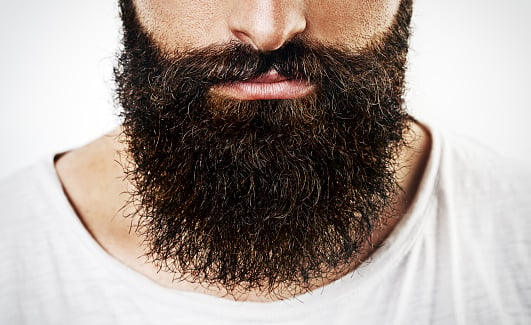
 

Portrait of brutal bearded man

Before growing a beard, many factors have to be considered, but should your health be one of them? Before we answer that question, here are a few facts about this popular facial hair trend.


• On average, a man’s beard will grow 5.5 inches per year. If the average man stopped shaving forever, his beard would grow to almost 30 feet over the course of his lifetime.
• There are around 30,000 whiskers encompassing your face and most men spend over 3,000 hours of his life shaving.
• The record for the world’s longest beard belongs to Hans Langseth. His beard stretched to 17 ½’in 1927.
• According to a recent study of women, beards increase three things: a- they make men look older, b-they connote a higher social status, and c- give off an impression of aggression.

Now, to answer the question about how beards can affect your health.

• Facial hair can block up to 95% of the sun’s harmful UV rays. Which means beards can go a long way in reducing your risk of developing some forms of skin cancer.
• Beards may also aid allergy sufferers as they can work like a filter to prevent pollen or dust from settling, similar to the hairs inside your nose.
• By not shaving, you can prevent the spread of acne-causing bacteria on your face, resulting in clearer and cleaner skin.

There is also an idea that beards are dirty and harbor germs. Studies that support this claim have been inconclusive. Further research has found that the number of germs found in men’s beards were similar in number to those found on the face of their unshaven male counterparts.

So, while it is certainly recommended to follow proper beard hygiene, there is no health risks associated with growing a beard.

All content of this newsletter is intended for general information purposes only and is not intended or implied to be a substitute for professional medical advice, diagnosis or treatment. Please consult a medical professional before adopting any of the suggestions on this page. You must never disregard professional medical advice or delay seeking medical treatment based upon any content of this newsletter. PROMPTLY CONSULT YOUR PHYSICIAN OR CALL 911 IF YOU BELIEVE YOU HAVE A MEDICAL EMERGENCY.
Facts About Robotic Surgery

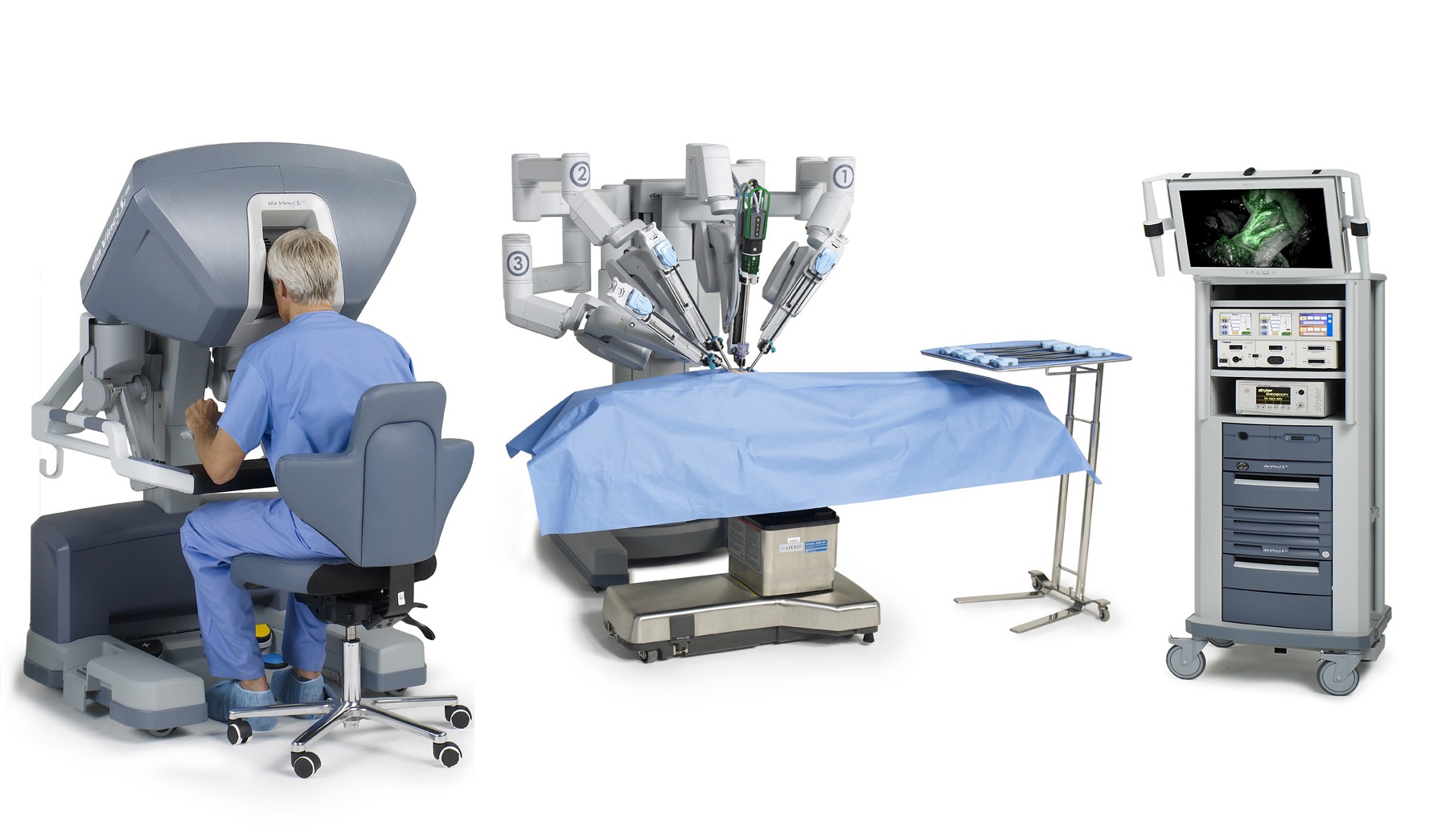
You hear the words “robotic surgery” and your natural reaction might be one of fear. After all, surgery under any circumstance is intimidating; adding a robot into the mix could only increase your anxiety. While your concerns are justified, Flushing Hospital would like to share the following five facts about robotic surgery to put your fears to rest.Davinci Image

  1. Robotic surgery is always performed by an experienced surgeon.
    Using the state-of-the art da Vinci robotic surgical system, specially trained surgeons at Flushing Hospital are in total control of small, precise, minimally invasive tools. This system offers the surgeon more exact movements and a far wider range of motion within the small surgical site.
  2. Robotic surgery means smaller and fewer scars.
    Since surgeons only need two or three small incisions to successfully complete surgery with the da Vinci Si surgical system, larger, more invasive incisions are now a thing of the past. These small incisions heal much more quickly and resolve with far less scarring.
  3. Robotic surgery results in less pain or risk of infection.
    Minimally invasive surgery results in smaller incisions and much less pain during healing and recovery. Also, since the surgical site is smaller, the risk of infection is reduced dramatically.
  4. Robotic surgery results in a much faster recovery period.
    Due to the smaller incisions, patients tend to recover much more quickly from robotic surgery. In many cases patients require minimal hospital stays and are able to return to normal activities within days of the procedure.
  5. Robotic surgery treats a wide variety conditions.
    At Flushing Hospital Medical Center, many of our surgical specialists have been trained to expertly complete a wide range of procedures in the fields of gynecology, urology, bariatric surgery, and general surgery.

For more information about the da Vinci surgical system at Flushing Hospital, please call 718-670-3135.

All content of this newsletter is intended for general information purposes only and is not intended or implied to be a substitute for professional medical advice, diagnosis or treatment. Please consult a medical professional before adopting any of the suggestions on this page. You must never disregard professional medical advice or delay seeking medical treatment based upon any content of this newsletter. PROMPTLY CONSULT YOUR PHYSICIAN OR CALL 911 IF YOU BELIEVE YOU HAVE A MEDICAL EMERGENCY.
How Do You Keep Your Immune System Strong?

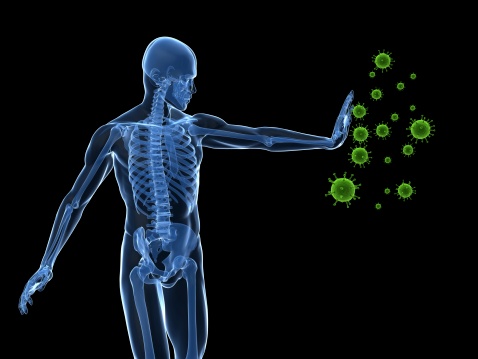
Our immune system protects our bodies from illness and infection. While having a strong immune system is important all year long, there are times of the year that its effectiveness is tested more than other.

body defense

With cold a flu season upon us, Flushing Hospital wants to offer some day-to-day lifestyle tips to avoid weakening your immune system and keep you healthy.

STRESS
Prolonged periods of intense stress can affect the immune system. Stress causes the brain to boost the production of hormones that weaken the function of the infection-fighting T cells. If you are experiencing high levels of stress, try to adopt stress-relieving activities to boost your immune system.

POOR SLEEP
Poor sleep is strongly associated with a weak immune system as it reduces the number of killer cells needed to fight germs. Recent research has suggested that the amount of flu-fighting antibodies produced was cut in half in those who were sleep deprived.

ALCOHOL
Excessive intake of alcohol may reduce the immune system’s response to invading pathogens because alcohol contains ingredients that impair lung functionality, making us more prone to viral or bacterial infections.

POOR DIET
Excessive consumption of refined sugars and highly processed food containing pesticides, chemical additives and preservatives can weaken the immune system. In addition, obesity can lead to a weakened immune system as it affects the ability of white blood cells to multiply, produce antibodies and prevent inflammation.

By adopting some healthy lifestyle practices and avoiding certain others, we can give our bodies the best chance of staving of illness this cold and flu season.

All content of this newsletter is intended for general information purposes only and is not intended or implied to be a substitute for professional medical advice, diagnosis or treatment. Please consult a medical professional before adopting any of the suggestions on this page. You must never disregard professional medical advice or delay seeking medical treatment based upon any content of this newsletter. PROMPTLY CONSULT YOUR PHYSICIAN OR CALL 911 IF YOU BELIEVE YOU HAVE A MEDICAL EMERGENCY.
Pregnancy and Cleaning: What are the Dangers?

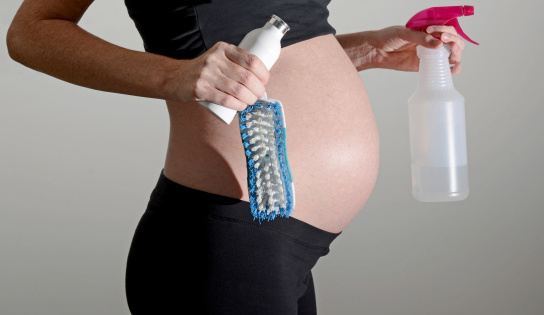
Many expecting moms develop a nesting instinct; and uncontrollable urge to clean their home in preparation of their new baby’s arrival. Flushing Hospital wants moms to know that while tackling most chores is totally safe, there are some tasks that may pose a risk to your health and the health of your baby.

cleaning products, household chores and pregnancy

• Moving heavy furniture when you’re pregnant can be dangerous. Hormonal changes during pregnancy can make your connective tissue and ligaments looser, which increases the risk of muscle strains and injury. In addition, your center of gravity can shift as your pregnancy progresses which can throw off your balance. These changes make lifting more challenging, further raising your chance of injury. Your best bet is to let someone else do the moving.

• Changing your cat’s litter box can lead to a condition known as toxoplasmosis, a parasitic infection that can be transmitted through infected cat poop. If you’ve never had toxoplasmosis before, you could possibly become infected while pregnant and pass the illness on to your baby. Toxoplasmosis can cause flu-like symptoms in adults, but in a baby during the early stages of pregnancy it can cause serious birth defects such as eye and brain damage.

• While there is still a debate about the effects paint can have on pregnant women and their babies, it’s generally considered a good idea to limit your exposure to paint and paint fumes while pregnant. Most paint contains solvents that can cause health problems when inhaled too much. Having a room in your home painted is probably not a high risk for you or your baby, but if painting needs to be done, have someone else do it and make sure there is good ventilation to avoid inhaling paint fumes.

• It’s not ideal to use ant and roach spray during pregnancy. The low exposure of occasional use is unlikely to pose a risk, but some studies have indicated there may be a link between exposure to these products and child development problems. While these studies are inconclusive, it’s probably best to play it safe and minimize use. Instead of using sprays, it is recommended to use baits or other products that are not likely to be inhaled.

With all other cleaning products, it is best to practice safe use. Wear gloves and other protective clothing to protect your skin from exposure and use a mask to prevent inhaling unnecessary chemicals. Attempt to open windows or use a fan to ventilate the area you are cleaning and always read manufacturer’s labels before using a cleaning product. If you are unsure about a household cleaning product, speak with your doctor first before using.

Flushing Hospital’s Women’s Health Center has an expert team of doctors and nurses to guide you through every step of your pregnancy. For more information, or to schedule an appointment, please call 718-670-8992.

All content of this newsletter is intended for general information purposes only and is not intended or implied to be a substitute for professional medical advice, diagnosis or treatment. Please consult a medical professional before adopting any of the suggestions on this page. You must never disregard professional medical advice or delay seeking medical treatment based upon any content of this newsletter. PROMPTLY CONSULT YOUR PHYSICIAN OR CALL 911 IF YOU BELIEVE YOU HAVE A MEDICAL EMERGENCY.
Flushing Hospital Supports World Suicide Prevention Day

Suicide affects millions; over 800,000 people take their lives each year, and the number of people who attempt suicide is twenty five times that amount. In addition to the lives lost, suicide also affects the many friends and family members devastated by the loss of their loved one.

Suicide is largely preventable though. Through education and awareness, we can get those people who are contemplating suicide the help they need.

Educational and Creative composition with the message Stop Suicide

One of the best tools in preventing suicide is to know the risk factors. Over 90% of people who attempt suicide live with depression or another mental disorder. Alcohol or substance abuse is often a contributing factor. Adverse reactions to traumatic events or stress can also lead to someone wanting to take their own life.

Other risk factors for suicide include:
• Family history of mental disorder or substance abuse
• Family history of suicide
• Family violence
• Physical or sexual abuse
• Keeping firearms in the home
• Chronic physical illness, including chronic pain
• Exposure to the suicidal behavior of others

Someone who is considering suicide usually displays certain behaviors. Loved ones should look for the following warning signs:

Always talking or thinking about death
Trouble sleeping and eating — that gets worse over time
Displaying reckless behavior that could result in death, such as driving fast or running red lights
Losing interest in things one used to care about
Making comments about being hopeless, helpless, or worthless
Talking about suicide or killing one’s self
Visiting or calling people to say goodbye

If someone you know appears to be contemplating suicide, take the issue seriously. Let the person know that you care and understand and are listening and attempt to get them immediate help from a health care professional.

If your loved one appears to be in imminent danger of committing suicide, do not leave him or her alone. Remove any weapons or drugs he or she could use. Accompany him or her to the nearest emergency room or call 911.

September 10 has been designated World Suicide Prevention Day. Many organizations from around the world have joined this cause. Flushing Hospital’s supports their efforts and the hospital’s Department of Psychiatry offers many inpatient and outpatient services to help those in need.

All content of this newsletter is intended for general information purposes only and is not intended or implied to be a substitute for professional medical advice, diagnosis or treatment. Please consult a medical professional before adopting any of the suggestions on this page. You must never disregard professional medical advice or delay seeking medical treatment based upon any content of this newsletter. PROMPTLY CONSULT YOUR PHYSICIAN OR CALL 911 IF YOU BELIEVE YOU HAVE A MEDICAL EMERGENCY.

Is Your Home Safe for Someone Struggling with Addiction?

Living with someone who is struggling with an addiction can be very difficult. One important aspect of helping them recover is making your home drug and alcohol free. For most, this means emptying the liquor and medicine cabinets. However, that might not be enough as there are many other substances used to get “high” in your home. An addict might turn to any number of household items in times of desperation including:


One person a man is fighting Ebola virus himself

• Hand Sanitizers – These items, commonly found in most homes contain up to 60% alcohol. Recently, there have been many reported cases of individuals being rushed to hospital emergency rooms after consuming hand sanitizers hoping to become intoxicated. A simple tip: replace all hand sanitizers with an old fashioned bar of soap.

• Bathroom Items – Those living with an addict should keep track of certain bathroom items as well. Bath salts contain amphetamine–like chemicals that, if sniffed, can be very dangerous. In addition, potpourri, also often found in bathrooms can be smoked and can result in the user experiencing a sense of paranoia, hallucinations and even heart palpitations.

Spice rack

• Spices – Used for cooking or baking, spices such as nutmeg or cinnamon are being consumed by those looking for a high because they contain natural compounds that are known to cause hallucinations and feelings of euphoria when taken in large quantities.

• Whip Its – This term describes the practice of using aerosol spray cans of whipped cream to get high. These cans contain nitrous oxide, better known as laughing gas. Users can experience highs that can last anywhere from a few seconds to a few minutes. This practice can be very dangerous to the user.

If someone you know is struggling with addiction, Flushing Hospital has services that can help. We offer both inpatient and outpatient addiction services. For more information about our outpatient Reflection clinic, or our inpatient Chemical dependency Unit, please call 718-670-4416.

All content of this newsletter is intended for general information purposes only and is not intended or implied to be a substitute for professional medical advice, diagnosis or treatment. Please consult a medical professional before adopting any of the suggestions on this page. You must never disregard professional medical advice or delay seeking medical treatment based upon any content of this newsletter. PROMPTLY CONSULT YOUR PHYSICIAN OR CALL 911 IF YOU BELIEVE YOU HAVE A MEDICAL EMERGENCY.

Is There a Connection Between Sugar Consumption and Childhood Hyperactivity?

“He’s going be up all night after eating all that sugar” It’s a common phrase that all parents say while they watch their children run around at a birthday party. We have long believed that there is a direct correlation with sugar intake and hyperactivity in children, but is it true?

Portrait of a young girl holding a slice of cake

The fact is sugar consumption doesn’t change a child’s behavior. Multiple studies have been conducted and found that a sugary diet doesn’t affect mood or cognitive abilities. Using double blind studies, researchers observed two groups of children, one group was given sugary substances; the other group was given a placebo. The findings concluded that no noticeable changes in behavior were observed between the two groups.

So why do parents believe there is a connection? A separate study suggests that often, a parent’s expectations can affect their perceptions. It was observed that parents who believed their child’s behavior is affected by sugar consumption noticed hyperactive behaviors when they were led to believe the child had a sugary drink – even if they hadn’t.

Another reason why some parents think there child becomes hyperactive after having a high-sugar diet is the resulting “crash” that sometimes follows. Internally, when blood sugar levels rise quickly, the body produces a large amount of insulin to sweep the sugar out of the blood stream, which can result in a child becoming sluggish. The low blood sugar levels can then trigger a craving for more sweets, creating a “roller coaster” effect that can be misconstrued as hyperactivity.

This by no means suggests that a high sugar diet is good for children. Most experts will agree to choose healthy options and reserve sugary snacks as once in a while treats. A high sugar diet can lead to childhood obesity, diabetes, and oral problems.

Parents looking for reasons why their child might be hyperactive can look to other factors such as, sleep problems, emotional disturbances, learning disorders (such as Attention Deficit Hyperactivity Disorder), or general temperament.

Consult with your pediatrician if you think your child is hyperactive. If you do not have a pediatrician, Flushing Hospital’s Pediatric Ambulatory Care Center has many qualified doctors who can help. For more information or to schedule an appointment, please call 718-670-3007.

All content of this newsletter is intended for general information purposes only and is not intended or implied to be a substitute for professional medical advice, diagnosis or treatment. Please consult a medical professional before adopting any of the suggestions on this page. You must never disregard professional medical advice or delay seeking medical treatment based upon any content of this newsletter. PROMPTLY CONSULT YOUR PHYSICIAN OR CALL 911 IF YOU BELIEVE YOU HAVE A MEDICAL EMERGENCY.

Whole Body Cyrotherapy – Helpful or Harmful?

Whole Body Cryotherapy (WBC) is a growing treatment trend for athletes looking to recover from injury as well as non-athletes seeking a cure for any number of mental or physical conditions, but there are many questions about the effectiveness and safety of this relatively new form of therapy.

Nitrogen

Cyrotherapy involves the “super cooling” of the body for therapeutic purposes. The practice has been used for quite some time, and can include using products such as ice packs in localized parts of the body. Whole body cyrotherapy however involves exposing the entire body to vapors that reach temperatures ranging from -200 to -300 degrees Fahrenheit. Those who receive WBC are placed in a confined chamber, some with the head enclosed, others without, for two to three minutes while the body is exposed to frigid temperatures generated by liquid nitrogen.

Those who sell or operate WBC machines claim that this treatment offers many benefits including improved blood circulation, increased metabolism, , quicker recovery and relief from joint pain. Proponents also boast WBC therapy can help slow down or reverse the effects of many conditions, such as:

• Alzheimer’s Disease
• Asthma
• Depression
• Fibromyalgia
• Insomnia
• Migraines
• Rheumatoid Arthritis

The problem unfortunately, according to the U.S. Food and Drug Administration (FDA) is there is no proof that WBC effectively treats any of these conditions and none of them have been cleared or approved by the FDA in support of these claims. While the healing benefits of WBC remain unconfirmed, the potential risks are substantiated. The use of nitrogen vapors in an enclosed area lowers the amount of oxygen in that area, which can result in oxygen deficiency and loss of consciousness. Other risks include frostbite, burns, and eye injuries.

With so much attention given to WBC, medical experts are concerned that many will opt for this treatment over traditional treatment options, which may result in a lack of improvement or worsening of medical conditions. If you are considering WBC, speak with your doctor first.

All content of this newsletter is intended for general information purposes only and is not intended or implied to be a substitute for professional medical advice, diagnosis or treatment. Please consult a medical professional before adopting any of the suggestions on this page. You must never disregard professional medical advice or delay seeking medical treatment based upon any content of this newsletter. PROMPTLY CONSULT YOUR PHYSICIAN OR CALL 911 IF YOU BELIEVE YOU HAVE A MEDICAL EMERGENCY.
The Sun is Nothing to Sneeze at…or is it?

Have you ever stepped out of a dark movie theatre into the bright sunlight and felt the urge to sneeze? If so, you probably have a harmless and not all that uncommon disorder known as Photic Sneeze Reflex.

allergy concept

This condition is characterized by the uncontrollable impulse to sneeze provoked by a transition from dark environment to an intensely bright surrounding, usually sunlight.
Also referred to as the “Achoo Syndrome”, this involuntary reflex is a genetic trait that affects both males and females alike. It is estimated that anywhere from 15 – 35 percent of the population has this disorder.

Those who have the photic sneeze reflex usually sneeze two to three times (although in rare case, some can sneeze up to 40 times) when transitioning from dark to bright environments, and while there are no associated health risks, there are concerns that this condition can be dangerous for people in certain professions, such as airline pilots.

While no one really knows why this reflex occurs, there are multiple theories that suggest that certain optic nerves are too close to other nerves that may trigger a reaction in the brain of photic sneezers or simply that those with this condition have a more sensitive visual system.

Regardless of the reason, the next time you exit a movie theatre on a bright sunny day, take notice of how many people exiting start sneezing, you might be surprised.

All content of this newsletter is intended for general information purposes only and is not intended or implied to be a substitute for professional medical advice, diagnosis or treatment. Please consult a medical professional before adopting any of the suggestions on this page. You must never disregard professional medical advice or delay seeking medical treatment based upon any content of this newsletter. PROMPTLY CONSULT YOUR PHYSICIAN OR CALL 911 IF YOU BELIEVE YOU HAVE A MEDICAL EMERGENCY.
Truth or Myth: Our Nose and our Ears Never Stop Growing

At some point in your life, someone has probably shared with you a little nugget of wisdom about how our nose and our ears never stop growing. You might then look around and see a bunch of senior citizens and notice that, in-fact, their facial appendages are slightly larger than their younger counterparts and believe this fact to be true…but is it?

Woman listening with big ear

The truth is that “Yes”, as we age, our nose and our ears do get bigger, but not because they are growing. The real reason is a common scientific force known as GRAVITY. You see, our nose and our ears are made of cartilage and while many people mistakenly believe that cartilage never stops growing, the fact is cartilage does stop growing. However, cartilage is made of collagen and other fibers that begin to break down as we age.

The result is drooping. So what appears to be growth is just gravity doing its job. Our noses and our earlobes sag and become larger. Adding to the misconception is what happens to other parts of our face. While our nose might sag, our cheeks and lips actually lose volume, making everything else look comparatively larger.

Unfortunately, aging – and gravity – are both unavoidable. Our only defense against this natural occurrence is finding the fountain of youth or moving to the moon.

All content of this newsletter is intended for general information purposes only and is not intended or implied to be a substitute for professional medical advice, diagnosis or treatment. Please consult a medical professional before adopting any of the suggestions on this page. You must never disregard professional medical advice or delay seeking medical treatment based upon any content of this newsletter. PROMPTLY CONSULT YOUR PHYSICIAN OR CALL 911 IF YOU BELIEVE YOU HAVE A MEDICAL EMERGENCY.