Thanksgiving Food Safety Tips

An important part of making happy memories with your family this Thanksgiving is avoiding risks such as food poisoning that may commonly occur at this time of year.

One in six people throughout the United States becomes sick from food poisoning annually. Common Thanksgiving staples such as turkey, beef, and gravy can transmit contaminants such as salmonella and clostridium perfringens, leading to a variety of potential symptoms such as nausea, vomiting, diarrhea, and fever.

Contamination can occur before your purchase, during food prep, or at any other point up until dinner is eaten, meaning that preventing foodborne illness will require effort from your whole family in a few different ways.

During food prep, you should:

  • Store frozen turkey at zero degrees Fahrenheit or below until it’s ready to thaw.
  • Thaw your turkey safely in the refrigerator, microwave, or cold water.
  • Wash your hands before and after preparing your turkey.
  • Keep produce or other foods on separate plates and cutting boards from raw turkey.
  • Thoroughly wash all items used to handle raw turkey before using them for other items.
  • Cook all food thoroughly at a safe temperature.
  • Use a meat thermometer on the innermost part of your turkey’s wing and thigh and the thickest area of its breast to ensure that it’s cooked fully to 165 degrees Fahrenheit.
  • Store leftovers at 40 degrees Fahrenheit or lower within two hours of cooking them.
  • Eat leftovers within four days of cooking them.

If you’re enjoying Thanksgiving dinner as a guest this year, you should:

  • Wash your hands frequently throughout the day, especially before touching food.
  • Point out or avoid eating any food that seems undercooked.
  • Keep unfinished food in your host’s refrigerator until you’re ready to return home.

If you experience symptoms of foodborne illness that aren’t going away, you can schedule an appointment with a doctor at Flushing Hospital Medical Center’s Ambulatory Care Center by calling (718) 670-5486. If you experience severe symptoms such as bloody vomit or diarrhea, extreme stomach pain, or blurry vision, dial 911 or get to an emergency room immediately.

Happy a happy and safe Thanksgiving!

All content of this newsletter is intended for general information purposes only and is not intended or implied to be a substitute for professional medical advice, diagnosis or treatment. Please consult a medical professional before adopting any of the suggestions on this page. You must never disregard professional medical advice or delay seeking medical treatment based upon any content of this newsletter. PROMPTLY CONSULT YOUR PHYSICIAN OR CALL 911 IF YOU BELIEVE YOU HAVE A MEDICAL EMERGENCY.

COPD Awareness Month

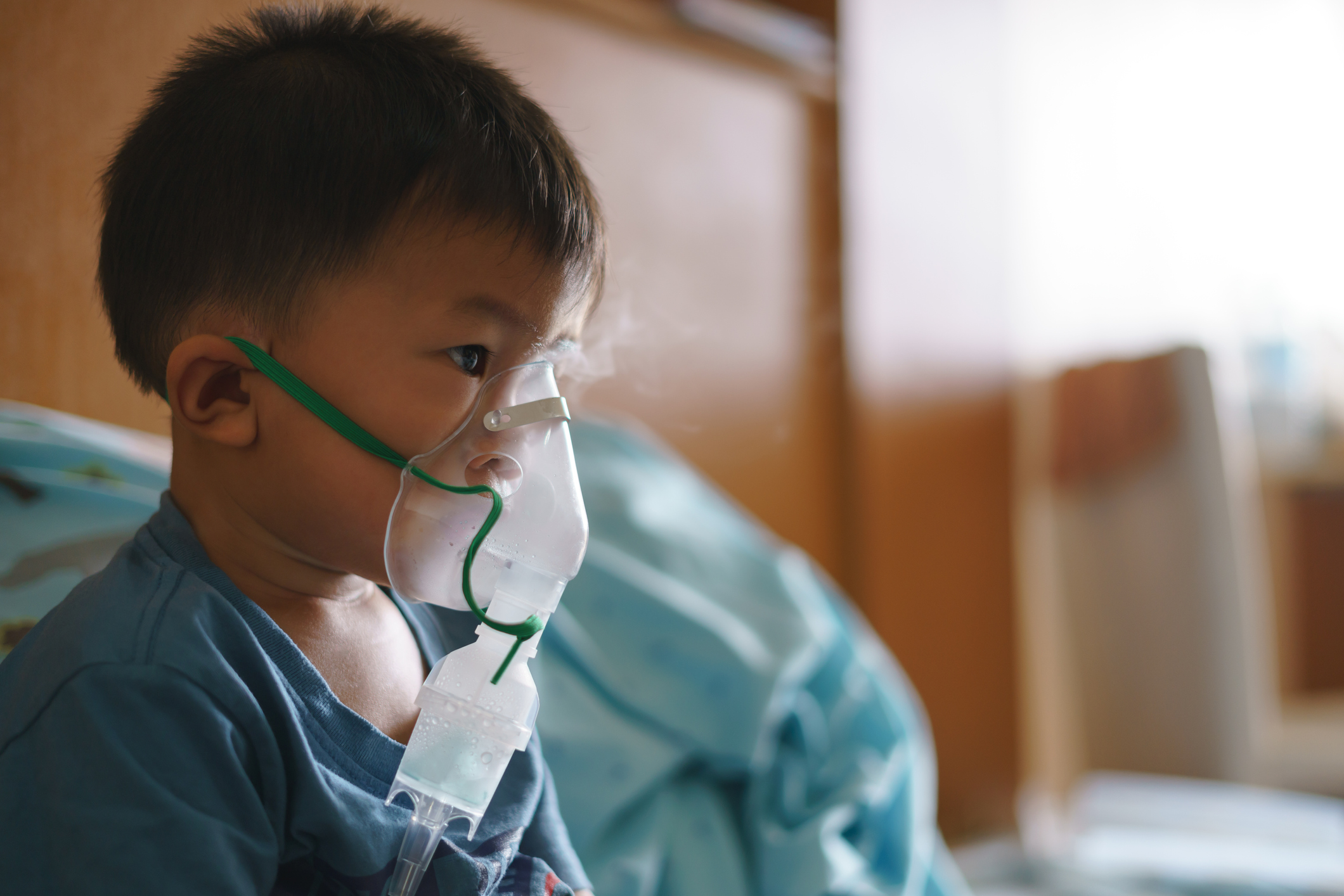
Chronic obstructive pulmonary disease (COPD) is a chronic inflammatory lung condition that affects at least 12 million Americans and is one of the leading causes of disability and death. This condition causes the body’s airways to become obstructed through the over-production of mucus, which is itself caused by inflammation of the bronchial tubes that transport air to and from the lungs.

The symptoms of COPD worsen over time, progressing from coughing, wheezing, and shortness of breath to weight loss and an increasing lack of energy and oxygen. Your lungs lose the elasticity they rely on to force air out of the body, preventing sufficient air from leaving the lungs when you exhale.

COPD has a few clear causes, including:

  • Certain chronic conditions affecting the body’s airways, such as emphysema and chronic bronchitis.
  • A genetic disorder that causes a deficiency of the protein alpha-1-antitrypsin, which helps to protect the lungs.

The most common cause of COPD, by far, is smoking. Long-term exposure to cigarette smoke and similar irritants inflame the body’s airways and contribute to the development of a chronic cough. Therefore, the best way for most people to reduce their risk of developing COPD is to quit smoking or avoid environmental exposure to smoke as much as possible.

You can take meaningful steps toward quitting smoking by:

  • Setting a date to quit.
  • Letting family, friends, and co-workers know that you’re quitting.
  • Making a plan for navigating challenges such as cravings and withdrawal.
  • Removing cigarettes and tobacco products from your environment.
  • Working with a doctor.

You can get help to quit smoking through Flushing Hospital Medical Center’s smoking cessation program, Freedom from Smoking, which you can contact at (718) 206-8494 to receive more information. If you need medical attention for symptoms of COPD, schedule an appointment with a pulmonologist at our Ambulatory Care Center by calling (718) 670-5486.

If you or a loved one experiences a COPD-related emergency such as severely-blue lips or fingernail beds, a rapid heartbeat, significant trouble catching a breath, or severe mental fogginess, dial 911 immediately.


All content of this newsletter is intended for general information purposes only and is not intended or implied to be a substitute for professional medical advice, diagnosis or treatment. Please consult a medical professional before adopting any of the suggestions on this page. You must never disregard professional medical advice or delay seeking medical treatment based upon any content of this newsletter. PROMPTLY CONSULT YOUR PHYSICIAN OR CALL 911 IF YOU BELIEVE YOU HAVE A MEDICAL EMERGENCY.

Introducing Forest Hills Pediatric Specialists

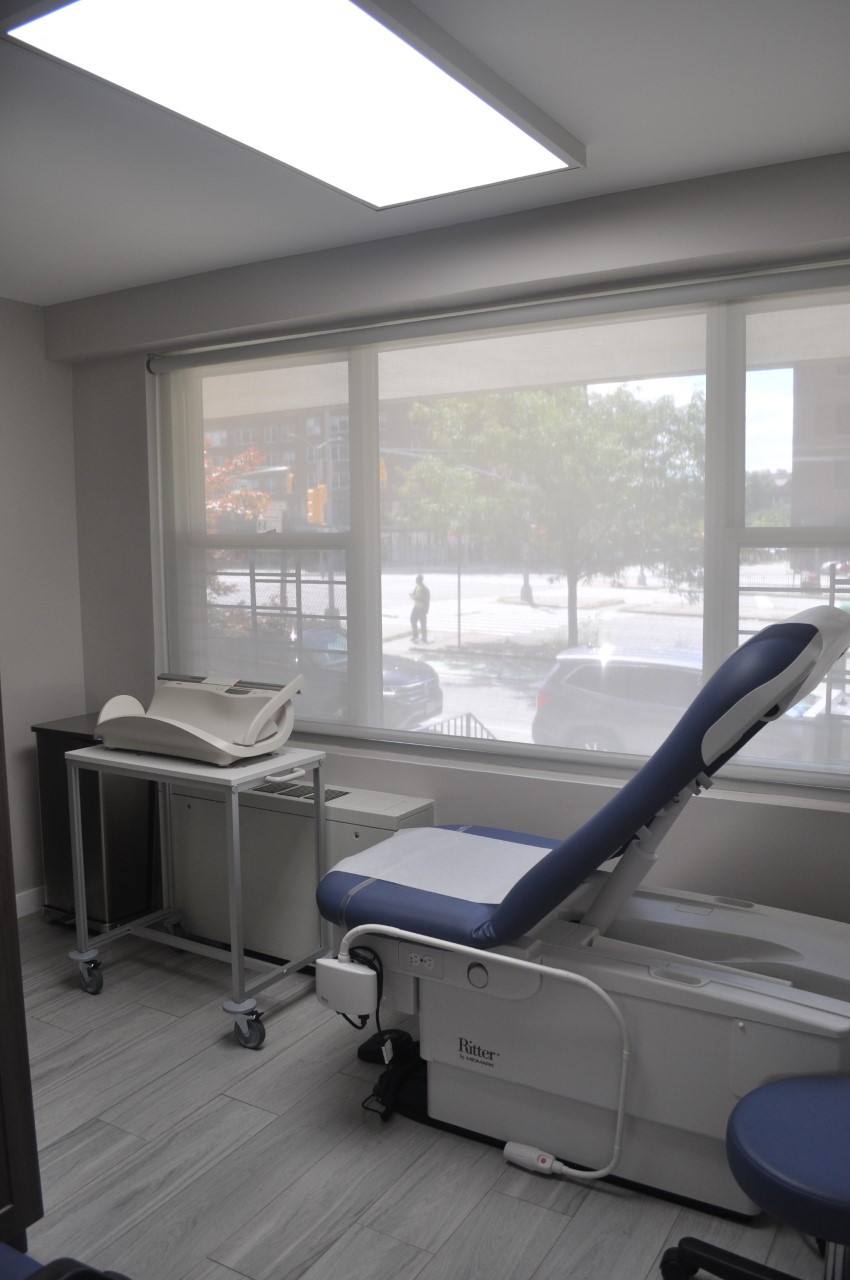
The MediSys Health Network, parent organization of Jamaica Hospital Medical Center and Flushing Hospital Medical Center, is proud to announce the opening of our brand new TJH office: Forest Hills Pediatric Specialists, a fully renovated, state-of-the-art office that provides accessible, advanced pediatric care to local patients.

The office and is operated by a team of expert pediatric doctors, including:

Edmund Kessler, a pediatric surgeon with over 35 years of clinical experience. He performs over 500 abdominal wall hernia surgeries each year as well as appendicitis surgeries, general surgeries, and other procedures.

Hariram Ganesh, a pediatric endocrinologist with over 14 years of experience treating a variety of medical issues, including conditions related to puberty and the thyroid.

Esra Fakioglu, a pediatric infectious disease specialist with experience treating a wide range of illnesses affecting children ranging in age from infancy to young adulthood.

The doctors at Forest Hills Pediatric Specialists are affiliated with several New York City healthcare organizations, including the MediSys Health Network, providing patients with fast, easy access to world-class pediatric expertise and treatment both locally and at multiple major medical centers as needed for advanced procedures.

“We understand the importance of building and maintaining close relationships with all of our pediatric patients and their parents,” said Dr. Kessler. “Our team of doctors, nurses, and support staff aim not only to provide them with the highest quality of care, but also to ensure that it is delivered in a caring and compassionate manner.”

The Forest Hills Pediatric Specialists office is located at 107-21 Queens Boulevard, Suite 7, and is open Monday to Friday from 8:00 AM to 4:00 PM. For more information about the office, please call (718) 704-5020.

All content of this newsletter is intended for general information purposes only and is not intended or implied to be a substitute for professional medical advice, diagnosis or treatment. Please consult a medical professional before adopting any of the suggestions on this page. You must never disregard professional medical advice or delay seeking medical treatment based upon any content of this newsletter. PROMPTLY CONSULT YOUR PHYSICIAN OR CALL 911 IF YOU BELIEVE YOU HAVE A MEDICAL EMERGENCY.

Anti-Itch Ingredients to Look for (and Avoid) for Eczema

Eczema is a common skin condition characterized by patches of itchy, dry, blistering skin. It affects approximately 31 million Americans and up to 20% of all infants. The symptoms of eczema can range from mild to severe, often occurring in periodic “flare-ups” that cause them to temporarily worsen before subsiding.

While effective treatments for eczema such as steroid injections, oral medications, and even light therapy are available, many cases are treated through over-the-counter topical skin care products such as lotions, moisturizers, antihistamines, pain relievers, topical hydrocortisone, and shampoo.

These types of products can help prevent flare-ups of eczema by hydrating the affected areas of your skin and reducing inflammation. They often include ingredients such as:

  • Aloe
  • Glycerin
  • Hyaluronic acid
  • Vitamin E
  • Petrolatum
  • Humectants
  • Niacinamide

However, not all lotions, moisturizers, fragrances, or other skin care products may be beneficial for eczema-affected skin, as certain common ingredients can cause or worsen flare-ups, even if they’re beneficial for other types of skin conditions. These include:

  • Ethanol and alcohol
  • Lanolin
  • Propylene glycol
  • Retinoids
  • Essential oils
  • Urea

If you’re suffering from eczema, it’s best to work with a dermatologist that can help you find the most effective treatment options for your condition. You can schedule an appointment with a dermatologist at Flushing Hospital Medical Center’s Ambulatory Care Center now by calling (718) 670-5486.

All content of this newsletter is intended for general information purposes only and is not intended or implied to be a substitute for professional medical advice, diagnosis or treatment. Please consult a medical professional before adopting any of the suggestions on this page. You must never disregard professional medical advice or delay seeking medical treatment based upon any content of this newsletter. PROMPTLY CONSULT YOUR PHYSICIAN OR CALL 911 IF YOU BELIEVE YOU HAVE A MEDICAL EMERGENCY.
What is Sundowning?

If a friend or loved one is displaying symptoms of confusion that occur or worsen in the late afternoon and evening, they may be experiencing sundowning, also known as sundown syndrome.

Sundowning is typically characterized by problems with memory, thinking, reasoning, and mood regulation which present themselves through behaviors such as pacing, wandering, or closely following someone, in addition to more dramatic outbursts of yelling, crying, or violence. A person experiencing sundowning may suffer from paranoia, delusions, or insomnia, as well. Although these symptoms usually occur in the latter half of the day, they can also appear during the morning.

Over 20% of people diagnosed with Alzheimer’s and other forms of dementia suffer from sundown syndrome. The exact causes of sundowning are unknown, but physical discomfort, infections, sleep cycle disruptions, overstimulation, and low lighting can all worsen its symptoms.

Managing triggers is the best way to prevent or decrease the severity of sundowning episodes. Light therapy, music therapy, and familiar environments can also help. Additionally, antidepressant, anti-anxiety, or antipsychotic medications may provide relief in some cases. For people whose sundowning symptoms are linked to sleep-related triggers, melatonin can be used to help restore a normal sleep cycle.

It’s important to get a loved one suffering from sundown syndrome to a doctor as soon as possible and to advocate for them throughout the treatment process to ensure that any issues they can’t communicate on their own are identified promptly. Schedule an appointment at Flushing Hospital Medical Center’s Ambulatory Care Center now by calling (718) 670-5486.

All content of this newsletter is intended for general information purposes only and is not intended or implied to be a substitute for professional medical advice, diagnosis or treatment. Please consult a medical professional before adopting any of the suggestions on this page. You must never disregard professional medical advice or delay seeking medical treatment based upon any content of this newsletter. PROMPTLY CONSULT YOUR PHYSICIAN OR CALL 911 IF YOU BELIEVE YOU HAVE A MEDICAL EMERGENCY.

What is RSV?

RSV (respiratory syncytial virus) is a respiratory illness that is typically most prevalent during the fall, winter, and early spring seasons. Most children born in the United States will have experienced it at some point before their second birthday.

The virus often presents symptoms similar to those of a cold, including a runny nose, coughing or wheezing, fever, and decreased appetite. These symptoms usually appear approximately four to six days after infection, but may not appear all at once.

While it usually does not lead to hospitalization, RSV can be particularly dangerous to children if it causes bronchiolitis or pneumonia to develop; it’s the most common cause of both of these illnesses in children under the age of one. If an infant develops either of these conditions, becomes dehydrated, or experiences significant difficulty breathing, the situation could become more serious and require hospital care.

RSV can also be especially dangerous for older adults, accounting for approximately 177,000 hospitalizations in adults over the age of 65.

The virus is usually spread through:

  • Bodily fluids such as mucus, saliva, or droplets
  • Surfaces that have the virus on them
  • Direct contact such as kissing an infected person

The best way to decrease the risk of an older adult or infant developing RSV is to prevent as many means of transmission as possible and promptly get them medical care if their symptoms seem to be worsening.

People and children who are at risk of developing severe cases of RSV should:

  • Avoid close contact with infected people and, if possible, close-contact settings such as daycare centers where RSV can more easily spread
  • Frequently wash their hands with soap and water for 20 seconds and refrain from touching their face until after they’ve done so

If you are sick with RSV, you should:

  • Avoid close contact with non-infected people
  • Frequently clean surfaces you’ve touched with disinfectant
  • Wear a mask and/or cover coughs and sneezes with a sleeve or tissue
  • Frequently wash your hands with soap and water for 20 seconds

If you or someone you know has developed RSV symptoms that require medical attention, you can schedule an appointment at Flushing Hospital Medical Center’s Ambulatory Care Center by calling (718) 670-5486 now.

All content of this newsletter is intended for general information purposes only and is not intended or implied to be a substitute for professional medical advice, diagnosis or treatment. Please consult a medical professional before adopting any of the suggestions on this page. You must never disregard professional medical advice or delay seeking medical treatment based upon any content of this newsletter. PROMPTLY CONSULT YOUR PHYSICIAN OR CALL 911 IF YOU BELIEVE YOU HAVE A MEDICAL EMERGENCY.

Everything You Need to Know About CBD Oil

Cannabidiol (also known as CBD) oil, one of over a hundred chemical compounds found in the cannabis plant, is often touted for its various potential health benefits. While current research suggests that this may be the case with regard to certain conditions, there are several factors you should consider before using it.

Although CBD can be found in marijuana, it does not get you high on its own. The compound responsible for this sensation is THC (tetrahydrocannabinol), the main psychoactive ingredient in cannabis. THC is similarly extracted from cannabis and sold in a variety of products.

The only CBD product currently approved by the Food and Drug Administration, Epidiolex, is primarily used as an anti-seizure medication for people that are one year of age or older who have Lennox Gastaut syndrome, Dravet syndrome, or tuberous sclerosis complex.

CBD may also help relieve symptoms of anxiety disorders such as post-traumatic stress disorder and social anxiety. Although evidence of its benefits when it comes to depression is limited, current research suggests that it can reduce symptoms in people suffering from cannabis use disorders. In addition to these effects, CBD oil has been linked to benefits for alleviating certain cancer-related symptoms, neurological disorders, high blood pressure, and sleep disorders.

Some studies suggest that CBD could also help reduce pain and inflammation related to arthritis and rheumatic diseases such as fibromyalgia, although research into these benefits is ongoing.

CBD oil can cause certain harmful side effects. According to the Food and Drug Administration, research has linked CBD oil with liver damage, drowsiness, gastrointestinal problems, and negative shifts in mood.

Additionally, there is a long list of unanswered questions about other ways in which CBD oil may affect your health, such as the effects of continuous daily use and different methods of consumption, as well as how a young person’s developing brain may be affected by it.

It’s best to discuss how CBD oil may affect your health with your doctor to weigh the benefits and risks with your medical history in mind, particularly if you’re investigating it as a way of managing symptoms you’re suffering from. You can schedule an appointment with a physician at Flushing Hospital Medical Center’s Ambulatory Care Center by calling (718) 670-5486 now.

All content of this newsletter is intended for general information purposes only and is not intended or implied to be a substitute for professional medical advice, diagnosis or treatment. Please consult a medical professional before adopting any of the suggestions on this page. You must never disregard professional medical advice or delay seeking medical treatment based upon any content of this newsletter. PROMPTLY CONSULT YOUR PHYSICIAN OR CALL 911 IF YOU BELIEVE YOU HAVE A MEDICAL EMERGENCY.

Halloween 2022 Safety Tips

Halloween is a family-favorite holiday full of spooky fun and lots of candy.  However, it can also present many opportunities for injury as kids take to the streets in pursuit of trick-or-treat goodies.

Statistics show that roughly four times as many children between the ages of five and 14 are killed while walking on Halloween evening compared to other evenings of the year. Injuries due to falls and other accidents are also common among children on Halloween.

Parents can help minimize the risk of children getting injured on this holiday by following these safety tips from the American Academy of Pediatrics, the Centers for Disease Control and Prevention, and the National Safety Council.

On Halloween, children should:

  • Go only to well-lit houses.
  • Remain on porches without actually entering a house.
  • Travel in small groups accompanied by an adult.
  • Use flexible, non-sharp plastic props for costume pieces such as knives and swords.
  • When walking through neighborhoods trick-or-treating, use flashlights, stay on sidewalks, and avoid crossing yards.
  • Cross at appropriately-designated crosswalks and do not cross between parked cars.
  • Be sure to stop at all corners and stay together in a group before crossing.
  • Wear clothing or costumes that are bright, reflective, and flame-retardant.
  • Consider using face paint instead of masks that can obstruct a child’s vision.
  • Avoid wearing hats that will slide over children’s eyes.
  • Avoid wearing long, baggy, or loose costumes or oversized shoes that may cause kids to trip.
  • Be reminded to look left, right, and left again before crossing a street.

On Halloween, parents and adults should:

  • Supervise trick-or-treating for children under the age of 12.
  • Avoid giving choking hazards such as gum, peanuts, hard candies, or small toys as treats to young children.
  • Ensure the safety of pedestrian trick-or-treaters.
  • Make sure children under the age of 10 are supervised as they cross the street.
  • Drive slowly.
  • Watch for children in the street and on medians.
  • Exit driveways and alleyways slowly and carefully.
  • Have children get out of cars on the side of the sidewalk, not the street.

Follow these tips to keep both your children and yourself safe this year. Have a happy and fun Halloween!

All content of this newsletter is intended for general information purposes only and is not intended or implied to be a substitute for professional medical advice, diagnosis or treatment. Please consult a medical professional before adopting any of the suggestions on this page. You must never disregard professional medical advice or delay seeking medical treatment based upon any content of this newsletter. PROMPTLY CONSULT YOUR PHYSICIAN OR CALL 911 IF YOU BELIEVE YOU HAVE A MEDICAL EMERGENCY.
What is Chorionic Villus Sampling?

Approximately 120,000 babies are born each year with a genetic defect, leading to one in five children dying within their first year of life. This is why genetic testing is an essential component of effective pre-natal care and a valuable means of identifying potential health issues for your child early. One such diagnostic method is chorionic villus sampling.

This test takes a tissue sample from the placenta to determine whether your baby may have chromosomal abnormalities or other genetic problems. It’s typically performed between the 10th and 12th weeks of pregnancy and is followed by a blood test between weeks 16 and 18 to check for neural tube defects.

Chorionic villus sampling may be conducted in two ways. The first, referred to as transcervical chorionic villus sampling, obtains a tissue sample from the placenta through a catheter inserted in your cervix. The second method, transabdominal sampling, obtains this sample through a needle inserted through your abdomen and uterus.

If you have a family history of genetic disorders, you may be recommended to undergo this procedure. It may also be recommended if your other genetic and diagnostic tests have shown abnormal results or if you will be 35 years of age or older by your pregnancy due date.

If your doctor does not make a recommendation for you to receive this test, you may still choose to do so. However, this procedure is invasive and comes with some risks, such as cramping, bleeding, infection, preterm labor, and rarely, more serious problems such as infant limb defects or miscarriage.

You should discuss the benefits and risks of chorionic villus sampling with a doctor. You can schedule an appointment with an OB/GYN at Flushing Hospital Medical Center’s Women’s Health Department by calling (718) 670-5702.

All content of this newsletter is intended for general information purposes only and is not intended or implied to be a substitute for professional medical advice, diagnosis or treatment. Please consult a medical professional before adopting any of the suggestions on this page. You must never disregard professional medical advice or delay seeking medical treatment based upon any content of this newsletter. PROMPTLY CONSULT YOUR PHYSICIAN OR CALL 911 IF YOU BELIEVE YOU HAVE A MEDICAL EMERGENCY.

What is a Liver Hemangioma?

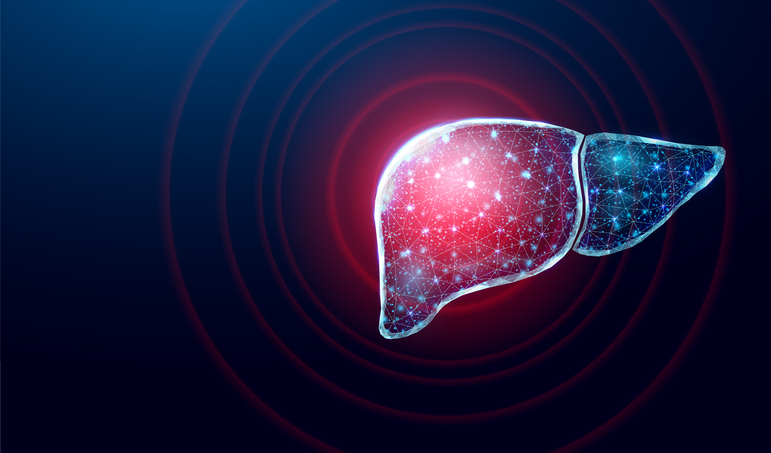
Approximately 5% of the general population will develop a liver hemangioma at some point during their lives. Liver hemangiomas are the most common type of benign liver lesion, meaning that they generally are not a cause for concern if you’re diagnosed with one. Occasionally, however, they can lead to certain unpleasant symptoms and potentially serious complications.

Liver hemangiomas are more likely to cause symptoms when they’re larger than average. Typically, they’re only about three centimeters, but can be as much as ten centimeters in size. Abnormally large liver hemangiomas can lead to abdominal pain, bloating, and nausea. Rarely, they can also compress blood vessels, cause bleeding in the abdominal cavity, lead to blood clotting, scarring, or calcium deposits, or potentially cause serious internal bleeding due to a rupture in the tumor.

It isn’t clear what causes liver hemangiomas to develop, but they’re more common in middle-aged people assigned female at birth. This may be due to a connection between liver hemangiomas and high estrogen levels.

These lesions may be mistaken for cancer when they lack typical identifiable features, though this is rare and diagnostic imaging can usually help to distinguish the two. Liver hemangiomas typically remain stable rather than changing shape or spreading from another part of the body, as cancer typically does.

Most liver hemangiomas won’t require treatment unless they seem to be growing. In this case, your doctor may want to prevent further growth by blocking the lesion’s blood supply. Surgical removal of the lesion may be recommended in severe cases.

If you’re experiencing symptoms that may indicate the presence of a liver hemangioma, you can schedule an appointment with a specialist at Flushing Hospital Medical Center’s Ambulatory Care Center by calling (718) 670-5486.

All content of this newsletter is intended for general information purposes only and is not intended or implied to be a substitute for professional medical advice, diagnosis or treatment. Please consult a medical professional before adopting any of the suggestions on this page. You must never disregard professional medical advice or delay seeking medical treatment based upon any content of this newsletter. PROMPTLY CONSULT YOUR PHYSICIAN OR CALL 911 IF YOU BELIEVE YOU HAVE A MEDICAL EMERGENCY.