Three Tips for Encouraging Exercise in Kids

Over one-fifth of children throughout the United States experience obesity, putting them at risk for serious chronic conditions such as high blood pressure and cholesterol, joint and breathing problems, and type two diabetes. This is partially due to the fact that less than a quarter of children between the ages of six and 17 engage in at least an hour of physical activity each day.

Regular physical activity is one of the most effective tools for preventing childhood obesity. It also offers additional benefits such as improved cognitive performance and classroom behavior.

There are many recreational options for children to choose from. Unfortunately, non-physical activities such as video games and social media compete for their attention and are more easily accessible than physical activities. Therefore, it’s important that parents make physical activities as equally appealing and engaging as possible. Here are a few effective ways this can be achieved:

  • Focus on fun: Kids are much more likely to stick with something that they find enjoyable. The desire to become more skilled, play with friends, or feel a greater sense of self-confidence may all factor into this enjoyment. If they’d like to explore an activity that they believe may be fun or are already enjoying something they’re starting to participate in, encourage them to keep it up and do what you can to facilitate it.


  • Try different activities with your child: Kids may not have much interest in sports or other activities that have no previous positive connotations in their minds. Trying out a few different activities with them yourself not only provides a reference point, but allows for bonding opportunities with you and all who participate.


  • Make exercise rewarding: Even if you succeed in getting your child interested in a particular activity, they may devote too much time to it at the expense of other obligations such as academics. Emphasize that recreational activity, while important, is a reward for keeping up with prioritized obligations.

If your child is experiencing medical problems preventing them from participating in physical activities, you can schedule an appointment at Flushing Hospital Medical Center’s Pediatric Ambulatory Care Center by calling (718) 670-3007.

All content of this newsletter is intended for general information purposes only and is not intended or implied to be a substitute for professional medical advice, diagnosis or treatment. Please consult a medical professional before adopting any of the suggestions on this page. You must never disregard professional medical advice or delay seeking medical treatment based upon any content of this newsletter. PROMPTLY CONSULT YOUR PHYSICIAN OR CALL 911 IF YOU BELIEVE YOU HAVE A MEDICAL EMERGENCY.

National Bullying Prevention Month

As much as 20% of children aged 12 to 18 experiencing bullying throughout the United States. It is a prevalent issue that can happen at school, home, online, or in any other place where children regularly spend time.

Bullying is a problem that holds consequences for both victims and perpetrators. Kids who get bullied are at higher risk for mental and emotional issues such as depression and anxiety, health issues, and decreased academic performance. Bullies themselves are at higher risk for substance abuse, criminal behavior, and dropping out of school. Even kids who witness bullying may face a higher risk of substance abuse, mental health problems, and absenteeism.

Deadly consequences can occur as a result of bullying. It can contribute to a victim’s risk of committing suicide or, in rare cases, to extremely violent retaliatory measures such as a mass shooting.

Preventing bullying effectively involves helping children understand bullying, teaching them how to respond to it, and providing positive examples for them to follow. You can achieve these objectives by:

  • Providing a clear explanation of what bullying is and how it affects others.
  • Helping children to identify bullying and encouraging them to report it to an adult.
  • Teaching children to treat people with respect, kindness, and empathy.

If you believe that your child is experiencing mental health or developmental problems that are causing them to bully other children or are a result of their experiences as a victim of bullying, you can schedule an appointment at Flushing Hospital Medical Center’s Developmental and Behavioral Pediatric Department by calling (718) 670-5213 now.

All content of this newsletter is intended for general information purposes only and is not intended or implied to be a substitute for professional medical advice, diagnosis or treatment. Please consult a medical professional before adopting any of the suggestions on this page. You must never disregard professional medical advice or delay seeking medical treatment based upon any content of this newsletter. PROMPTLY CONSULT YOUR PHYSICIAN OR CALL 911 IF YOU BELIEVE YOU HAVE A MEDICAL EMERGENCY.

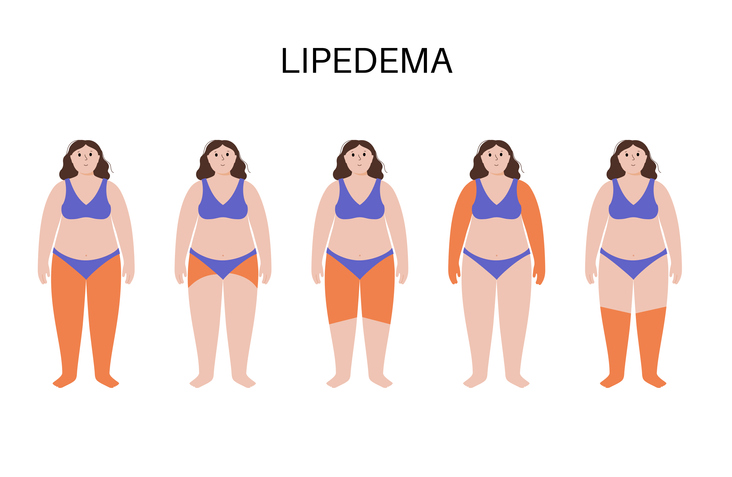
What is Lipedema?

Nearly 11% of adult women worldwide suffer from lipedema, a chronic condition that causes an abnormal buildup of fat in the lower body.

Lipedema occurs almost exclusively in people assigned female at birth and typically begins or worsens during periods of significant hormonal change in the body such as puberty, pregnancy, or menopause. No specific cause other than genetics has been identified for lipedema.

Although more than half of all patients with this condition are obese, the fat buildup that occurs in patients with lipedema is not necessarily linked directly with the same factors that cause obesity, since calorie restrictions in these patients can cause them to lose weight in their upper body without losing fat in the lower body.

The link between lipedema and obesity also extends to comorbidities that commonly occur alongside this condition. Many people who suffer from this disease may also experience hypothyroidism, venous insufficiency, arthritis, and other chronic conditions for which obesity is a known risk factor.

Aside from fat accumulation, lipedema also causes tenderness and swelling in the affected areas. People with this condition may bruise more easily in these areas and feel a consistent level of pain. Additionally, the accumulated fat can block the body’s lymphatic pathway, causing another condition called lymphedema that involves a buildup of lymph fluid.

Several treatments are available for people with lipedema. Manual lymphatic drainage therapy, which is performed through gentle stretching and massaging of the skin, can help remove waste and break up fibrosis in limbs affected by this condition. Complex decongestive therapy, another noninvasive treatment that prevents lymph fluid buildup, also reduces inflammation and swelling in affected areas.

In severe cases, invasive surgery may be required to effectively treat lipedema. Wet-jet assisted liposuction can remove fat while minimizing the risk of damage to lymph vessels, while bariatric surgery may be helpful for patients with both lipedema and obesity.

You can find a physician to help you create a lipedema treatment plan at Flushing Hospital Medical Center’s Ambulatory Care Center. To schedule an appointment, please call (718) 670-5486.

All content of this newsletter is intended for general information purposes only and is not intended or implied to be a substitute for professional medical advice, diagnosis or treatment. Please consult a medical professional before adopting any of the suggestions on this page. You must never disregard professional medical advice or delay seeking medical treatment based upon any content of this newsletter. PROMPTLY CONSULT YOUR PHYSICIAN OR CALL 911 IF YOU BELIEVE YOU HAVE A MEDICAL EMERGENCY.
3 Dangerous Social Media Health Trends to Avoid

Popular social media sites such as Instagram and TikTok often give rise to a variety of health and wellness trends. However, many of these trends offer questionable medical benefits and, in some cases, can lead to harmful consequences. Three recent examples of these trends include dry scooping, sunscreen contouring, and cooking chicken in NyQuil.

Dry scooping involves eating pre-workout powders with high volumes of ingredients such as caffeine, creatine, and beta-alanine without mixing them into a liquid. This practice has gained traction over the past year among online fitness communities and influencers, as it’s believed to increase the body’s absorption of the compounds in a powder and allow a person to exercise at increased intensity.

You may, however, find yourself unable to swallow the powder due to its texture and accidentally inhale it, causing inflammation in your throat and nasal passages as well as potentially infecting your lungs. Additionally, this method of ingesting the powder introduces a large amount of caffeine into your body more quickly than drinking it in liquid form, increasing your risk of heart problems. Dry scooping also increases your risk of suffering from digestive issues.

Sunscreen contouring is another dangerous trend that’s emerged through social media this year. It involves applying sunscreen to the high points of your face and staying in the sun to allow tan lines to form and produce a contoured effect.

The primary danger of this trend is that it significantly increases your risk of receiving sunburrns and developing skin cancer. Cumulative ultraviolet (UV) radiation from the sun over time can cause basal cell and squamous cell skin cancers to form. Sunburns, particularly severe ones that cause blistering, can also become melanoma later in life.

NyQuil chicken recently re-emerged as a TikTok trend after first appearing several years ago on the popular website Reddit. It involves cooking chicken in the cold medicine NyQuil.

As the chicken is cooked and the NyQuil boils in the pan, certain compounds evaporate, leaving behind a concentrated amount of other ingredients that may cause toxic side-effects such as seizures, liver disease, and even death.

Avoid these trends and do what you can to prevent family members and friends, particularly young people who may be more vulnerable to them, from attempting them.

If you experience immediate adverse effects from these practices, dial 9-1-1 and get help immediately. If you’re concerned about cumulative effects from these trends, please schedule an appointment at Flushing Hospital Medical Center’s Ambulatory Care Center by calling (718) 670-5486.

All content of this newsletter is intended for general information purposes only and is not intended or implied to be a substitute for professional medical advice, diagnosis or treatment. Please consult a medical professional before adopting any of the suggestions on this page. You must never disregard professional medical advice or delay seeking medical treatment based upon any content of this newsletter. PROMPTLY CONSULT YOUR PHYSICIAN OR CALL 911 IF YOU BELIEVE YOU HAVE A MEDICAL EMERGENCY.

What Happens During a Skin Cancer Screening?

Skin cancer is the most common form of cancer in the United States, and approximately one in five Americans will develop skin cancer during their lifetime. Rates of skin cancers have also risen sharply over the past several decades. However, you can give yourself the best chance of an early diagnosis and successful treatment through a skin cancer screening.

Over 9,500 cases of skin cancer are diagnosed every day through physical screenings. If a form of skin cancer such as melanoma is caught early, the five-year survival rate is 99%, making successful treatment extremely likely.  This rate may fall dramatically as the disease progresses, however, reaching 68% when it reaches the lymph nodes and 30% once it metastasizes to other organs.

In many cases, symptoms of skin cancer may occur in seemingly normal skin, with only a low percentage developing from existing moles. In other cases, symptoms may not present at all. This can make it difficult for you to spot signs of skin cancer on your own, and even more important to get screened by a dermatologist on a regular basis.

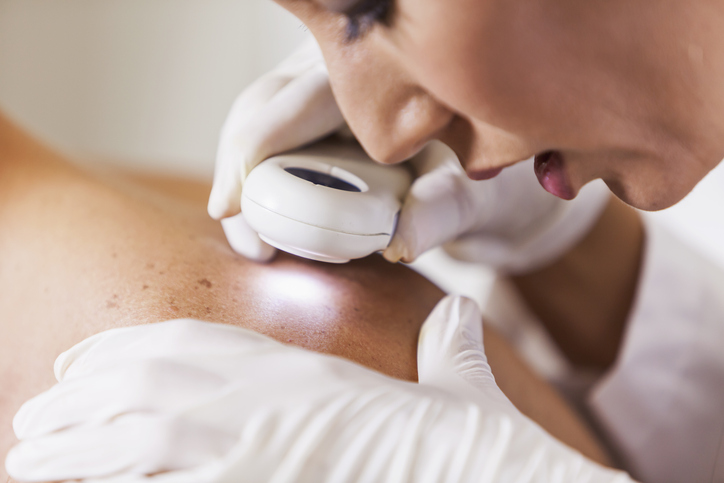
During a skin cancer screening, a dermatologist fully examines your skin from head to toe, checking for lesions or areas that appear abnormal. Irregular borders, multiple colors, and a size greater than six millimeters in diameter are a few of the indicators your doctor may look for, though these factors alone may not provide a sufficient basis for a diagnosis.

Your doctor may request a skin sample for a biopsy during your screening to examine certain skin cells more closely. Once your test results arrive, your doctor can provide a more definitive diagnosis.

It’s recommended that you get screened for skin cancer annually, or potentially more often if you’re at a high risk of developing it. You should also regularly check your own skin and take note of any marks or spots that appear different from their surrounding areas or cause sensations such as itching or pain. These spots should be pointed out to your doctor during a screening.

You can get a skin cancer screening at Flushing Hospital Medical Center’s Ambulatory Care Center. To schedule an appointment, please call 718-670-5486.

All content of this newsletter is intended for general information purposes only and is not intended or implied to be a substitute for professional medical advice, diagnosis or treatment. Please consult a medical professional before adopting any of the suggestions on this page. You must never disregard professional medical advice or delay seeking medical treatment based upon any content of this newsletter. PROMPTLY CONSULT YOUR PHYSICIAN OR CALL 911 IF YOU BELIEVE YOU HAVE A MEDICAL EMERGENCY.
Healthy vs. Unhealthy Coping Mechanisms

One in five New Yorkers suffers from symptoms of mental disorders such as anxiety and depression each year. These symptoms can range from mild to severe and can be short-term or long-lasting. Although these symptoms can manifest in many different ways, one of the most effective approaches to reduce them is to develop healthy coping mechanisms.

Coping mechanisms are strategies people use to manage their thoughts and emotions during moments of stress, anxiety, anger, trauma, or sadness. Over time, you may develop your own ways of coping with the symptoms you’re experiencing. However, these automatic coping mechanisms may not always have a positive impact on your health.

Negative coping mechanisms are common and easy to fall into. Avoidant behaviors, substance abuse, eating disorders, impulsive spending, and excessive sleeping may all offer immediate satisfaction and help to push away traumatic thoughts or feelings. However, all of these habits pose a high risk of mental or physical health complications that may only worsen your condition long-term.

If you know what your triggers are and when they’re most likely to appear, many unhealthy coping behaviors may be prevented, but the best way to stop these habits from forming is to intentionally build healthier ones.

Healthy coping mechanisms involve accepting your situation and adopting a positive, productive outlook. A few examples of these behaviors include:

  • Treating yourself with kindness: Acknowledge your progress, strength, and value as a person and allow yourself time for activities that you find enjoyable, relaxing, or rewarding.


  • Adjusting your perspective: Consider your circumstances and symptoms as obstacles that can be overcome and think about the positive changes you’d like to see in yourself at a defined point in the future.


  • Setting and pursuing goals: Set beneficial goals for yourself, consider the steps necessary to achieve them, and take decisive action to move closer to them.


  • Maintaining positive connections: Make an effort to spend time with supportive people in your life by communicating with them regularly, even if only briefly, and including them in activities you mutually enjoy.


  • Accepting change as it happens: Both positive and negative changes are natural, unavoidable parts of life. Accepting them, and the fact that you have the power to decide how to respond to them, can help you make the most of your circumstances in the wake of these changes.

If you’re experiencing symptoms of a mental illness, schedule a consultation with a doctor at Flushing Hospital Medical Center’s Mental Health Department by calling (718) 670-5316 now.

All content of this newsletter is intended for general information purposes only and is not intended or implied to be a substitute for professional medical advice, diagnosis or treatment. Please consult a medical professional before adopting any of the suggestions on this page. You must never disregard professional medical advice or delay seeking medical treatment based upon any content of this newsletter. PROMPTLY CONSULT YOUR PHYSICIAN OR CALL 911 IF YOU BELIEVE YOU HAVE A MEDICAL EMERGENCY.
World Alzheimer’s Month

This September, Flushing Hospital Medical Center is raising awareness about the signs, symptoms, and causes of Alzheimer’s disease and other forms of dementia as part of the World Alzheimer’s Month campaign. Alzheimer’s is the seventh leading cause of death in the United States and the most common cause of dementia among older adults.

A person with Alzheimer’s gradually loses their cognitive abilities, including memory recollection and behavioral regulation. In the later stages of the disease, a person can even lose their motor functions, leaving them unable to perform basic daily tasks such as bathing independently.

People can also suffer from multiple forms of dementia at once. This is referred to as “mixed” dementia and often occurs as a combination of Alzheimer’s and vascular dementia.

Memory problems are one of the main early signs of Alzheimer’s, though they may be difficult to distinguish from similar symptoms of mild cognitive impairment. People in the early stages of Alzheimer’s may also have problems with word-finding, vision, reasoning, and finding their way around familiar places. These problems may appear or worsen as the disease progresses.

A mix of genetic, environmental, and lifestyle factors are believed to influence the development of Alzheimer’s; however, specific causes of the disease are unknown. As Alzheimer’s progresses, abnormal amyloid and tau proteins spread throughout the brain as changes in its structure and functions occur. There’s no clear way to prevent this spread, though early research indicates that regular activity and good heart health may help.

If you or a loved one are displaying potential signs of Alzheimer’s disease, you can schedule an appointment with a doctor at Flushing Hospital’s Ambulatory Care Center to receive a diagnosis or treatment by calling (718) 670-5486.

All content of this newsletter is intended for general information purposes only and is not intended or implied to be a substitute for professional medical advice, diagnosis or treatment. Please consult a medical professional before adopting any of the suggestions on this page. You must never disregard professional medical advice or delay seeking medical treatment based upon any content of this newsletter. PROMPTLY CONSULT YOUR PHYSICIAN OR CALL 911 IF YOU BELIEVE YOU HAVE A MEDICAL EMERGENCY.

What Are Bone Spurs?

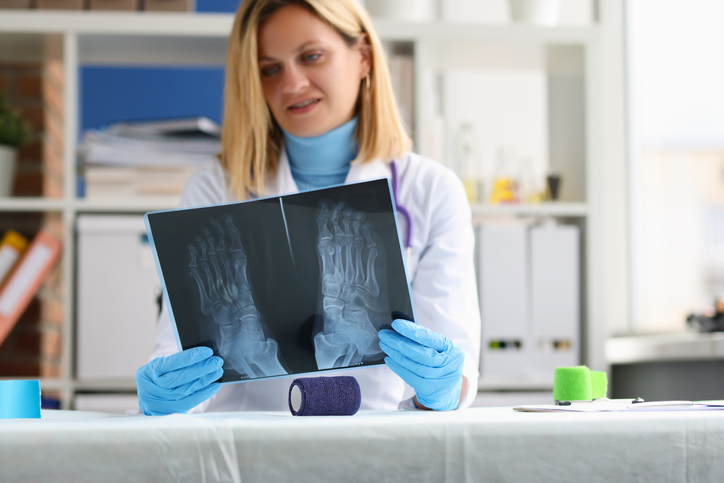
Bone spurs, also known as osteophytes, are small growths that often develop along the edges of bones in the joints or spine. They commonly occur in conjunction with certain arthritic conditions.

Bone spurs sometimes protrude from their position, causing you to feel bumps or knobs in the spots where they’re present and interfering with your range of motion in the affected area. In most cases, you may not experience any symptoms. However, if they do occur, they may include pain, numbness, weakness, or tears in tendons that rub against or come into contact with bone spurs.

The most common cause of bone spurs, osteoarthritis, is also the most common form of arthritis. It often affects adults aged 50 or older, though people of any age can suffer from osteoarthritis and, by extension, develop bone spurs.

Osteoarthritis isn’t the only form of arthritis that can cause bone spurs. Ankylosing spondylitis causes spinal inflammation and the fusion of your vertebrae, causing spinal bone spurs to form.

Bone spurs that aren’t causing painful symptoms likely won’t require treatment, but if they’re significantly interfering with your daily life, a doctor can prescribe medication and physical therapy or recommend surgery to remove them. Additionally, applying ice to the affected area, taking over-the-counter pain relievers, losing weight to reduce pressure on your bones and joints, and using equipment such as supportive shoes or inserts can all help you manage your symptoms.

The best way to prevent bone spurs is to prevent the conditions that cause them. This can be achieved by maintaining a healthy weight, exercising to maintain your range of motion, controlling your blood sugar, and making an effort to preserve your joints through stretching and the use of protective equipment.

You can schedule an appointment with a doctor at Flushing Hospital’s Ambulatory Care Center to receive a diagnosis or explore your treatment options by calling (718) 670-5486.

All content of this newsletter is intended for general information purposes only and is not intended or implied to be a substitute for professional medical advice, diagnosis or treatment. Please consult a medical professional before adopting any of the suggestions on this page. You must never disregard professional medical advice or delay seeking medical treatment based upon any content of this newsletter. PROMPTLY CONSULT YOUR PHYSICIAN OR CALL 911 IF YOU BELIEVE YOU HAVE A MEDICAL EMERGENCY.
Healthy Aging Month

For this year’s Healthy Aging Month, Flushing Hospital Medical Center is taking the opportunity to provide our community with information that can help you maximize your potential health benefits as you age.

Some of the best ways to stay healthy as an older person include staying physically active, maintaining a nutritious diet, consistently socializing with supportive friends and family, and routinely visiting your doctor to prevent potential health risks.

Many people gradually engage in less physical activity as they get older, with half of all women and one third of all men aged 75 and older becoming completely inactive. Keeping up with light or moderate physical activity such as walking or weight-lifting is associated with significant health benefits, including better-maintained muscles, bones, and joints, a reduced risk of physical injury, improved blood pressure, and a more positive mood.

Nutrition also factors into your physical and mental health way as you age. A healthy diet full of fruits, vegetables, lean protein, and water can be helpful for staying active and reducing your risk of developing chronic medical conditions.

Socialization is also important when it comes to your health. Friends and family can act as a safety net in times of need, support the activities that keep you healthy and provide companionship that can help you maintain a positive state of mind.

Finally, routine check-ins with your doctor can help identify and promptly treat any medical issues that may arise as you age. You can schedule an appointment with a doctor at Flushing Hospital’s Ambulatory Care Center by calling (718) 670-5486.

All content of this newsletter is intended for general information purposes only and is not intended or implied to be a substitute for professional medical advice, diagnosis or treatment. Please consult a medical professional before adopting any of the suggestions on this page. You must never disregard professional medical advice or delay seeking medical treatment based upon any content of this newsletter. PROMPTLY CONSULT YOUR PHYSICIAN OR CALL 911 IF YOU BELIEVE YOU HAVE A MEDICAL EMERGENCY.

Sexual Health Awareness Month

September is Sexual Health Awareness Month. During this time, we will explore sexually transmitted infections (STIs) and prevention.

According to the Centers for Disease Control and Prevention, approximately one in every five people has a sexually transmitted infection. They are more likely to occur in young adults. The most common STI is human papillomavirus (HPV), but other common diseases include chlamydia, gonorrhea, genital herpes, syphilis, and human immunodeficiency virus (HIV).

STIs primarily spread through vaginal, anal, and oral sex; however, diseases such as herpes and HPV can also spread through skin-to-skin contact.  STIs are best prevented by avoiding sexual contact with infected people, getting vaccinated, and using condoms during any form of sexual contact.

Keeping sexual contact safe can be achieved when clear boundaries are set and agreed upon by all involved, and when there is access to medical care and contraceptive services.

Part of staying sexually healthy is recognizing your right to protect your sexual health and making sure you have the resources available to do so safely. For confidential sexual health treatment, you can visit or schedule an appointment at Flushing Hospital Medical Center’s Ambulatory Care Center at (718) 670-5486 or our Women’s Health Department at (718) 670-5702.


All content of this newsletter is intended for general information purposes only and is not intended or implied to be a substitute for professional medical advice, diagnosis or treatment. Please consult a medical professional before adopting any of the suggestions on this page. You must never disregard professional medical advice or delay seeking medical treatment based upon any content of this newsletter. PROMPTLY CONSULT YOUR PHYSICIAN OR CALL 911 IF YOU BELIEVE YOU HAVE A MEDICAL EMERGENCY.