
Safe Alcohol Consumption Tips

As New Year’s Eve approaches, you may be getting ready to pop open a bottle of champagne with your friends and loved ones to celebrate. However, it’s important to keep moderation in mind and practice safe drinking habits to make sure the night remains enjoyable for everyone. Keep the cork in the bottle for now and review these tips to stay safe and healthy as you enter 2023:

Make sure everyone can drink safely: Certain conditions and medications may make it unsafe for you or your loved ones to drink any amount of alcohol. Additionally, if anyone is (or may be) pregnant or lactating, alcohol in general can negatively affect the health of their baby. If you are hosting a celebration, find out if any of your guests cannot or should not drink; this way, you can provide alternative options for their enjoyment.

Find out if anyone attending your gathering is driving: If you plan to host a gathering, find out if anyone in attendance is driving to make sure that you can limit their alcohol consumption or  help them if they drink too much. If you’re attending a gathering and become aware that a driver has had too much to drink, inform your host and offer any help you can to ensure the person’s safety.

Opt for beverages with low alcohol content: For most of the night, choose drinks such as beer or hard seltzer instead of wine, mixed drinks, or straight liquor; these drinks typically contain around 5% alcohol per serving. Be careful not to drink these beverages too quickly; take small sips over time.

Eat before, during, and after drinking: Make sure you’ve had a meal within a few hours of your first drink and have snacks available as you continue to drink. Once you’re finished drinking for the evening, have something extra to eat to reduce the effects of the consumed alcohol.

If you or anyone you know develops alcohol poisoning, dial 911 immediately. For anyone suffering from alcohol dependency, Flushing Hospital Medical Center’s Division of Addiction Services may be able to help. To learn more about our inpatient Chemical Dependence unit, contact us at (718) 670-5693 or (718) 670-5540. For more information about our Reflections treatment program, call (718) 670-5078.

All content of this newsletter is intended for general information purposes only and is not intended or implied to be a substitute for professional medical advice, diagnosis or treatment. Please consult a medical professional before adopting any of the suggestions on this page. You must never disregard professional medical advice or delay seeking medical treatment based upon any content of this newsletter. PROMPTLY CONSULT YOUR PHYSICIAN OR CALL 911 IF YOU BELIEVE YOU HAVE A MEDICAL EMERGENCY.

What’s the Difference Between Sanitizers and Disinfectants?

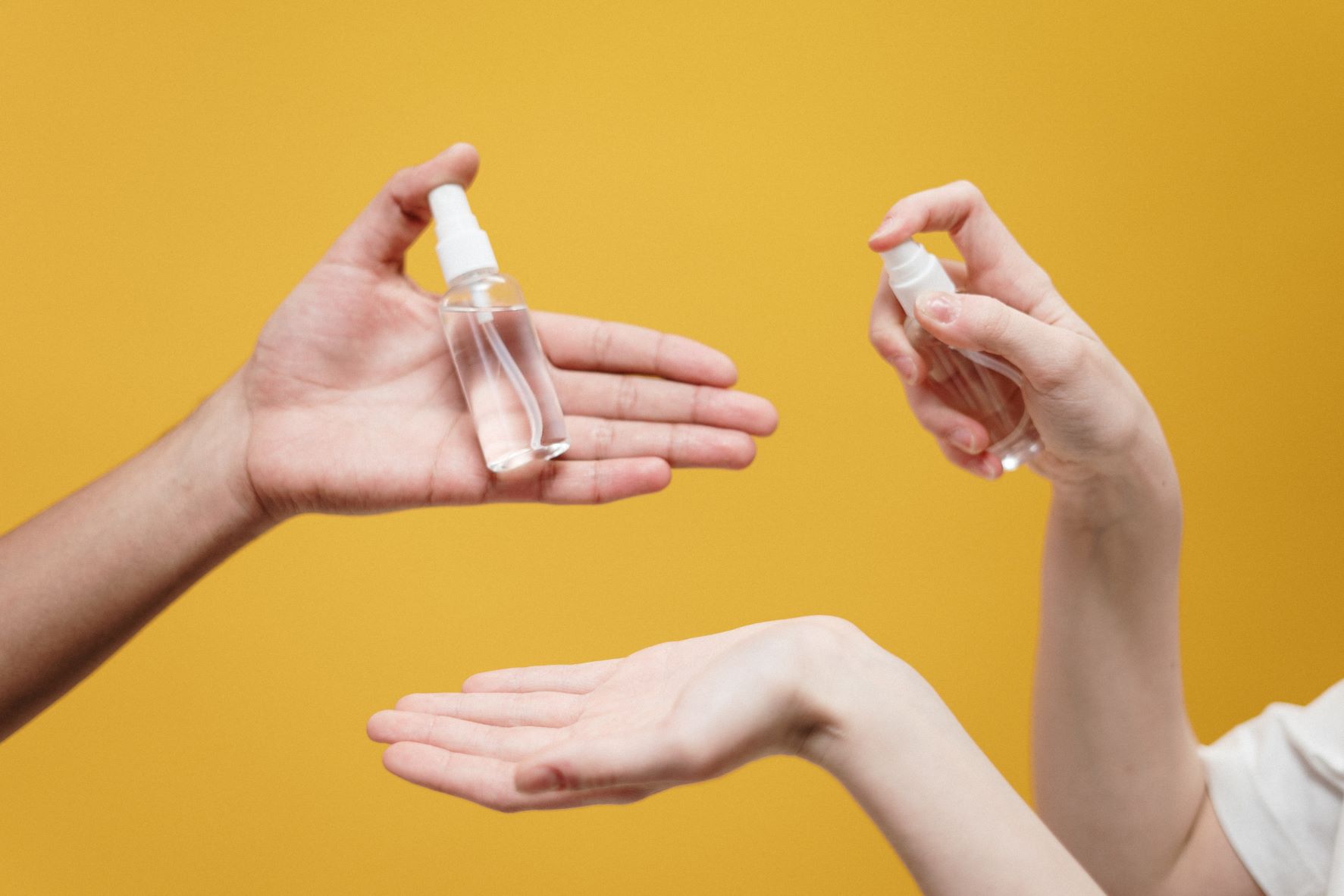
Sanitizers and disinfectants are two types of products available for removing bacteria from surfaces, but it isn’t always clear which type of product is acceptable for certain situations.

According to the Environmental Protection Agency (EPA), the main difference between sanitizers and disinfectants is that sanitizers kill bacteria on surfaces, but are not intended to kill viruses. Disinfectants, on the other hand, are capable of killing viruses and, due to their greater expected effectiveness in this regard, are held to a higher standard of testing by the EPA than sanitizers.

Disinfectants often come in the form of wipes that are used to wipe down surfaces or items that are frequently touched. It is best to use disinfectants on doorknobs, handles, phones, keyboards, and other items and surfaces you may often touch throughout each day. The main exception to this recommendation is kitchen countertops and other surfaces where food is prepared or placed, since accidentally ingesting the chemical residue from disinfectants could harm you.

While the increased strength of disinfectants compared to sanitizers may make them seem like a better option for cleaning your hands, their stronger chemical content could lead to an adverse skin reaction if used on your hands or other parts of your body.

Generally, if you need to remove germs from your hands, your best option is to wash them with soap and water, as sanitizers are less effective and may not be able to remove certain harmful chemicals such as pesticides and heavy metals; however, hand sanitizer can offer an acceptable alternative when hand washing is not possible. Sanitizers that contain at least 60% alcohol are most effective.

When using hand sanitizer, make sure to apply it correctly by rubbing it all over your hands until your skin dries. This allows you to kill as many germs as possible on the surfaces of your hands rather than just those that are on your palms, reducing your risk of infection.

All content of this newsletter is intended for general information purposes only and is not intended or implied to be a substitute for professional medical advice, diagnosis or treatment. Please consult a medical professional before adopting any of the suggestions on this page. You must never disregard professional medical advice or delay seeking medical treatment based upon any content of this newsletter. PROMPTLY CONSULT YOUR PHYSICIAN OR CALL 911 IF YOU BELIEVE YOU HAVE A MEDICAL EMERGENCY.

How Long Can You Test Positive for COVID-19?

You can test positive for COVID-19 up to 90 days after your first positive result. However, if you recovered from the virus but were re-infected during this 90-day window, you may continue to test positive for a longer period of time.

The reliability of your COVID-19 test results depends, in part, on the type of test you choose. Antigen tests, also known as “rapid” tests that can be taken at home or administered at designated testing sites, cannot rule out an infection with a single negative result; under certain circumstances, they can also cause a false positive result to occur.

Nucleic acid amplification tests (NAATs) generally provide more accurate results than antigen tests. This type of test is performed at a laboratory or designated testing site. It can detect viral genetic material up to 90 days after your initial infection, even if you’ve already recovered from the virus, making it difficult to determine whether you’ve been re-infected during this 90-day period.

If you have tested positive for COVID-19 within the last 90 days, it is not recommended that you receive additional NAATs. Instead, use multiple antigen tests spread 48 hours apart; antigen tests should only continue to test positive a few weeks after your initial result.

If you are experiencing long-term effects of COVID-19 infection such as headaches, joint pain, or neurological problems, Flushing Hospital Medical Center’s Post-COVID Care Center may be able to help. To schedule an appointment, please call (718) 736-8204.

All content of this newsletter is intended for general information purposes only and is not intended or implied to be a substitute for professional medical advice, diagnosis or treatment. Please consult a medical professional before adopting any of the suggestions on this page. You must never disregard professional medical advice or delay seeking medical treatment based upon any content of this newsletter. PROMPTLY CONSULT YOUR PHYSICIAN OR CALL 911 IF YOU BELIEVE YOU HAVE A MEDICAL EMERGENCY.

Tips for Choosing a Doctor

It’s important to have a trusted primary care physician that you can visit when you experience medical problems. This type of doctor is a generalist that can help diagnose the cause of your symptoms and refer you to a relevant specialist, if necessary.

However, not every primary care physician may be the right fit for you; there are certain factors to keep in mind that may help you to choose your doctor. When choosing your primary care provider, you should:

Determine whether the doctor is “in-network:” Any kind of medical care that is not covered by your insurance plan could be costly. If you’re considering visiting a specific doctor, make sure they are “in-network,” meaning that they are part of your insurance company’s network of medical care providers. If the doctor is “out-of-network,” you will most likely pay a higher out-of-pocket cost for visiting them.

Keep convenience in mind: You may visit your primary care physician regularly for a wide range of medical problems, which means that it is best to choose one that is located a convenient distance from your home.

Consider the doctor’s communication skills: Even if a doctor is covered under your insurance plan and is not located too far from your home, your ability to communicate clearly and interact positively with the doctor is important for making sure that your treatment outcomes will remain positive.

If you need to visit a doctor for any type of non-emergency medical problem you may be experiencing, you can schedule an appointment at Flushing Hospital Medical Center’s Ambulatory Care Center by calling (718) 670-5486 now.

All content of this newsletter is intended for general information purposes only and is not intended or implied to be a substitute for professional medical advice, diagnosis or treatment. Please consult a medical professional before adopting any of the suggestions on this page. You must never disregard professional medical advice or delay seeking medical treatment based upon any content of this newsletter. PROMPTLY CONSULT YOUR PHYSICIAN OR CALL 911 IF YOU BELIEVE YOU HAVE A MEDICAL EMERGENCY.

What Causes Mouth Sores?

Mouth sores are lesions that can form on your lips, gums, tongue, cheeks, and in other parts of your mouth. They’re often painful to the touch, but can also cause a steady, consistent level of pain for as long as they are in your mouth.

One of the most common types of mouth sores is the canker sore, which usually appears as a red spot in the mouth with a white, yellow, or gray center. Canker sores may range in size from less than one millimeter to an inch in diameter. There is no clear, singular cause for canker sores, but they are believed to form in response to stress, injuries inside the mouth, nonsteroidal anti-inflammatory drugs, and dental appliances such as braces.

Another common type of mouth sore is the cold sore, which develops as a result of herpes simplex virus type 1 (HSV-1). This virus is extremely common, affecting approximately 3.7 billion people across the world under the age of 50. It primarily spreads through close contact and saliva, often infecting people through the sharing of food, drinks, or utensils, as well as through kissing.

These two types of mouth sores account for the vast majority of cases, with approximately 20% of Americans developing canker sores during their lifetime and about half of all Americans carrying HSV-1. However, mouth sores can develop as a result of:

  • Human papilloma virus
  • Irritable bowel syndrome
  • Anemia
  • Celiac disease
  • Crohn’s disease
  • Lupus
  • HIV/AIDS
  • Oral cancer
  • Cancer treatment (particularly radiation therapy)
  • Hand, foot, and mouth disease
  • Pemphigus vulgaris
  • Folate deficiency
  • Mononucleosis

While mouth sores cannot always be prevented from occurring, your risk of developing them can be reduced through good dental hygiene, a healthy diet that limits alcohol and tobacco usage, and stress management techniques.

You can also work with a doctor at Flushing Hospital Medical Center’s Ambulatory Care Center for an accurate diagnosis of the cause of your mouth sores and an effective plan for treating them. To schedule an appointment, please call (718) 670-5486.

All content of this newsletter is intended for general information purposes only and is not intended or implied to be a substitute for professional medical advice, diagnosis or treatment. Please consult a medical professional before adopting any of the suggestions on this page. You must never disregard professional medical advice or delay seeking medical treatment based upon any content of this newsletter. PROMPTLY CONSULT YOUR PHYSICIAN OR CALL 911 IF YOU BELIEVE YOU HAVE A MEDICAL EMERGENCY.

3 Diet Tips for Healthy Holiday Eating

If you’re pursing a weight loss goal or must abide by specific dietary restrictions due to a medical problem, you may be concerned about how your gatherings with friends and family for the holidays may affect your health.

Many celebrations with family and friends include plenty of indulgent meals and treats that can potentially set your weight loss goals back or otherwise negatively impact your health.

Although holiday gatherings may present certain challenges, there is no need to stress yourself out about sticking to your diet. A few key guidelines that emphasize moderation and patience can help you navigate your way through this part of the year in a way that preserves your health and allows you to focus on enjoying your time with your loved ones. These include:

Arriving with (and sticking to) a plan: Before your holiday gathering begins, determine ahead of time how much food you intend to eat. This may vary depending on your individual dietary restrictions and weight goals; if possible, find out what kind of food is being prepared ahead of time. If a particular option would be ideal for you, make it known to the hosts of the gathering ahead of time or prepare it yourself. Once you’ve determined the types and amounts of food you plan to eat, stick to that plan throughout the day.

Drink plenty of water: You will find your food to be much more filling when you drink lots of water. Try to drink roughly one glass of water each hour; you may find this easier by drinking one cup of water before your meal, one cup during the meal, and one cup afterward.

Talk to your loved ones: Remember that the main point of your holiday gathering is to spend time with the people you love and enjoy their company. Instead of absent-mindedly picking at hors d’oeuvres, focus on having conversations with the people around you and participating in the moment.

If you struggle to manage your diet during the holidays or any other part of the year, a doctor at Flushing Hospital Medical Center’s Ambulatory Care Center may be able to help. To schedule an appointment, please call (718) 670-5486.

All content of this newsletter is intended for general information purposes only and is not intended or implied to be a substitute for professional medical advice, diagnosis or treatment. Please consult a medical professional before adopting any of the suggestions on this page. You must never disregard professional medical advice or delay seeking medical treatment based upon any content of this newsletter. PROMPTLY CONSULT YOUR PHYSICIAN OR CALL 911 IF YOU BELIEVE YOU HAVE A MEDICAL EMERGENCY.
How to Cope with Holiday Depression

While the holiday season is a typically cheerful time of year, many people may feel the opposite, particularly those who suffer from mental health conditions such as chronic depression. However, even people without existing mental health problems may feel the “holiday blues” for two common reasons: loneliness and stress.

A variety of factors may cause many people to isolate themselves from friends and family during the holiday season. This can take a toll on someone mentally, particularly if they are repeatedly subjected to social media posts, movies, and other imagery depicting other people enjoying their own holiday gatherings.

Even people preparing for gatherings with large numbers of loved ones, however, may find themselves experiencing symptoms of depression, particularly if they’re responsible for hosting their group. Whether you’re striving to meet the high expectations of your family, friends, or yourself, cleaning, preparing food, and picking out the right gifts can create a significant amount of stress. If this stress builds up too much, it may cause you to start feeling depressed as you take on a negative view of yourself or look for an escape.

Regardless of the causes of your holiday depression, there are steps you can take to manage your symptoms and enjoy the season to the best of your ability. These include:

Getting out of the house: This may be your first holiday season without some or all of your family and friends. However, this does not mean you have to spend it alone at home. Whether it involves contacting family members or friends you haven’t spoken to in a long time or treating yourself to a restaurant dinner, make a plan that involves being in the company of other people during the holidays.

Accepting your best instead of “perfect:” If you’re preparing to join or host a gathering of loved ones for the holidays and are responsible for any part of the celebration, don’t judge yourself or your efforts according to the expectations of others or a “perfect” image of your results. Instead, treat both yourself and others with kindness and patience; you are making the best effort you can as an act of love to the people around you, and that is good enough.

Check in on friends and family members: You are most likely not the only person experiencing symptoms of depression during this time of year. Certain friends and family members, even those who appear happy and content, may be feeling the same way you do. Remind them you care by contacting them to find out how they are doing and wish them well for the holidays.

If your depression symptoms worsen during the holiday season, you can talk to a mental health professional at Flushing Hospital Medical Center’s Outpatient Psychiatric Clinic by calling (718) 670-5562.

If you are experiencing severe mental health symptoms such as thoughts or actions of self-harm or are contemplating suicide, please call the Substance Abuse and Mental Health Services Administration’s confidential, 24/7 National Help Line at 1-800-662-4357 immediately.

All content of this newsletter is intended for general information purposes only and is not intended or implied to be a substitute for professional medical advice, diagnosis or treatment. Please consult a medical professional before adopting any of the suggestions on this page. You must never disregard professional medical advice or delay seeking medical treatment based upon any content of this newsletter. PROMPTLY CONSULT YOUR PHYSICIAN OR CALL 911 IF YOU BELIEVE YOU HAVE A MEDICAL EMERGENCY.

Tips for Maintaining Your Liver Health

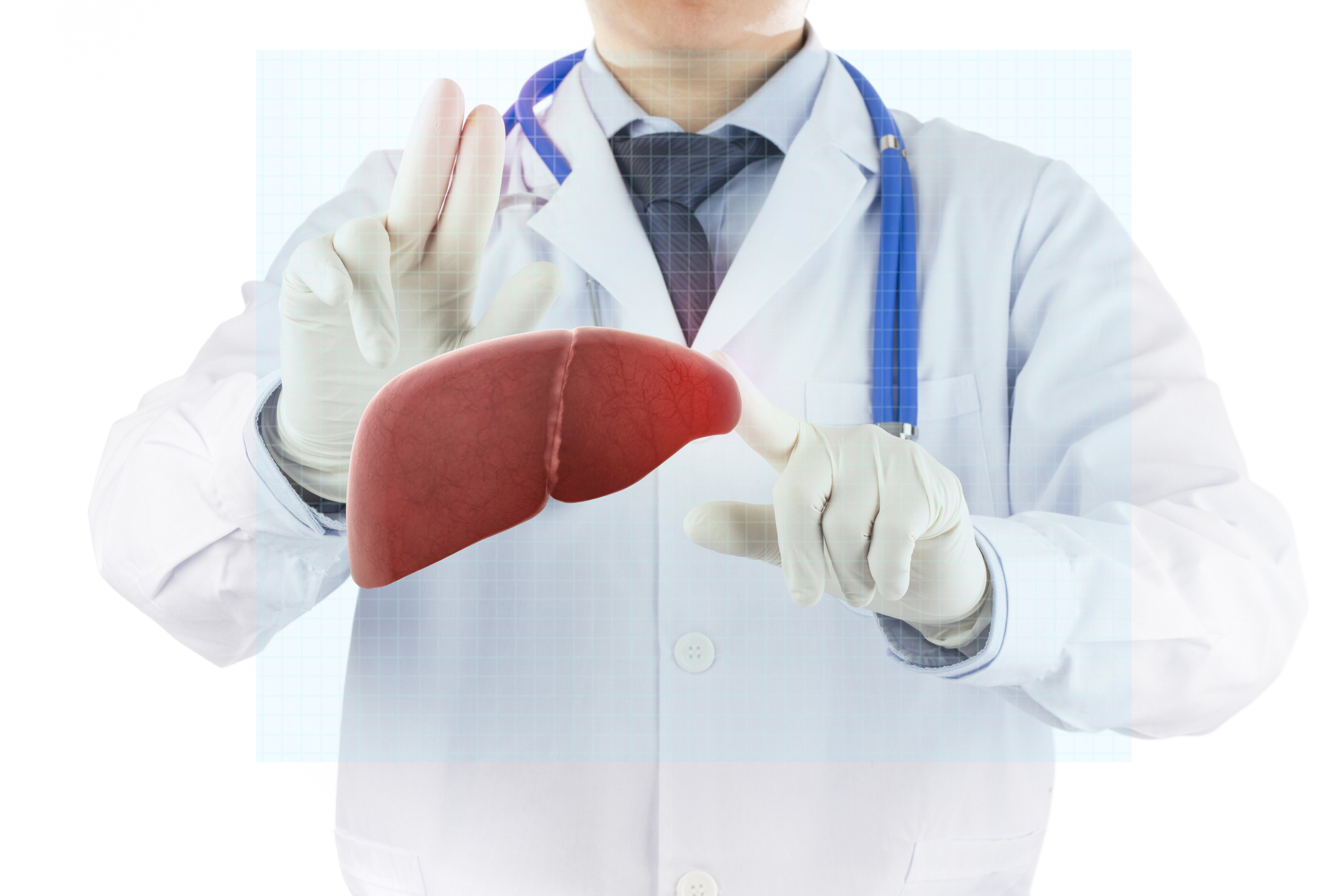
There is a wide variety of potential causes of liver damage, including genetics and diseases such as diabetes to lifestyle choices such as heavy drinking, unprotected sex, usage of shared needles for injectable drugs, and even getting tattoos and piercings.

Unlike most organs, the liver is able to repair damage and regenerate over time. However, permanent liver damage is still able to occur if the regeneration process is interrupted or prevented from completing through repeated, consistent damage, which can occur under circumstances such as regular binge drinking.

The most effective way to protect your liver is to prevent damage through lifestyle changes and to work with a doctor to monitor your health. Some of the steps you can take to keep your liver healthy include:

Avoid hepatitis risk factors: You can talk to your doctor about receiving vaccinations against hepatitis A and B and about the treatments available for hepatitis C, all of which can cause severe liver damage. Additionally, avoid shared, un-sanitized needles for injectable drugs or medications, as these can transmit all forms of hepatitis.

Maintain a balanced, healthy diet: Both obesity and high alcohol intake are risk factors for permanent liver damage. Maintain a healthy weight by making nutritious dietary choices and limiting your intake of alcohol.

Use condoms during sex: Bodily fluids can carry viruses that cause lasting damage to your liver. Use condoms to limit risk to both yourself and your partner.

Avoid contact with dangerous chemicals: Certain chemicals in paint, insecticides, or other substances can enter your bloodstream through contact with your skin and cause serious damage to the liver. Wear protective clothing to limit skin contact with these chemicals as much as possible.

While many supplements such as “liver cleanse” products are available that purport to detox the liver or repair damage, these products are unregulated by the Food and Drug Administration and there is no evidence that they genuinely benefit your health in any way.

Working with a specialist at Flushing Hospital Medical Center’s Ambulatory Care Center can help you determine your biggest risk factors for liver damage, identify medications that may lead to further damage, and find the right treatment for treating any scarring or disease you are experiencing. To schedule an appointment, please call (718) 670-5486.

All content of this newsletter is intended for general information purposes only and is not intended or implied to be a substitute for professional medical advice, diagnosis or treatment. Please consult a medical professional before adopting any of the suggestions on this page. You must never disregard professional medical advice or delay seeking medical treatment based upon any content of this newsletter. PROMPTLY CONSULT YOUR PHYSICIAN OR CALL 911 IF YOU BELIEVE YOU HAVE A MEDICAL EMERGENCY.

Which Drug-Free Dieting Strategy is Right for You?

Rapid weight loss, though not typically recommended as a healthy method of slimming down and keeping weight off, is sometimes necessary for severely obese people. In many cases, this kind of weight loss is overseen by a doctor and aided by prescription medications such as Ozempic, a drug primarily intended to treat diabetes.

However, recent shortages in this drug and others that are typically used to medically assist rapid weight loss may restrict availability for people trying to reach a healthy weight, making it necessary to consider other potential options.

Two particular dieting strategies, with the assistance of a doctor, can offer a safe means of rapidly losing weight when necessary and preserving your health. These include:

Intermittent Fasting: This strategy involves alternating between eating on a regular schedule and severely restricting calories. One popular example, the 16:8 approach, involves eating within an eight-hour window each day and fasting for the remaining 16. Another, the 5:2 approach, involves eating only one 500-600 calorie meal for two days of the week, eating normally for the remaining five days.

Low-Calorie Dieting: A low-calorie diet involves restricting daily calories to between 1000-1200 for women and 1200-1600 for men. An even stricter version of this approach can restrict calories to as little as 800 per day and is often used before weight loss surgery and can result in as much five pounds of weight loss per week.

Consult your doctor to determine whether these approaches are safe for you. They should be performed in conjunction with a regular exercise routine and a healthy, balanced diet. If you’re considering including herbal remedies or other types of supplements into your diet, talk to your doctor to determine whether these may cause complications with any foods you typically eat or medications you take.

If diet and exercise aren’t enough to help you adequately lose weight, other options are also available. Flushing Hospital Medical Center offers a non-invasive FDA-approved weight loss procedure that can help patients who are not candidates for bariatric surgery. For more information, please call (718) 670-8909. If you are a candidate for bariatric surgery, you can receive more information by calling (718) 670-6977.

All content of this newsletter is intended for general information purposes only and is not intended or implied to be a substitute for professional medical advice, diagnosis or treatment. Please consult a medical professional before adopting any of the suggestions on this page. You must never disregard professional medical advice or delay seeking medical treatment based upon any content of this newsletter. PROMPTLY CONSULT YOUR PHYSICIAN OR CALL 911 IF YOU BELIEVE YOU HAVE A MEDICAL EMERGENCY.

What are Shin Splints?

Dancers, runners, and other athletes are at a heightened risk for a variety of different physical injuries and conditions affecting the feet and legs. Shin splints (also known as medial tibial stress syndrome) are a particularly common type of athletic injury, though anyone can get them.

People with shin splints typically experience soreness, tenderness, pain, and swelling along the inner side of the shin bone and lower leg. Rest, ice, and over-the-counter pain medication are often enough to treat shin splints, but if left untreated, they may lead to a stress fracture.

Although you’re likely to experience shin splints at some point as an athlete, there are several steps you can take to reduce your risk or the severity of your injury. These include:

Exercising in moderation: Shin splints are strongly tied to excessive workouts involving running or other high-impact activities. Work out at a consistent, moderate intensity to allow your muscles, joints, and bones time to recover.

Using supportive footwear: Shoes, arch supports, and insoles also play a significant role in preventing injuries to your feet and legs. You should periodically replace the shoes you wear while exercising, use arch supports to manage shin splint pain, and use shock-absorbing insoles.

Include lower-impact activities in your workout: You can reduce your risk of sustaining shin splints by adding less intense activities, such as walking or biking, to your workout. Strength training can also help your feet and legs withstand the effects of high-impact exercises.

Ease into changes in your workout routine: Shin splints often occur in athletes that have made sudden changes to their workouts. You can reduce your risk by making more gradual changes to your routine.

If you start to experience pain in your lower legs that may indicate shin splints, you can schedule an appointment with a podiatrist at Flushing Hospital Medical Center’s Ambulatory Care Center by calling (718) 670-5486.

All content of this newsletter is intended for general information purposes only and is not intended or implied to be a substitute for professional medical advice, diagnosis or treatment. Please consult a medical professional before adopting any of the suggestions on this page. You must never disregard professional medical advice or delay seeking medical treatment based upon any content of this newsletter. PROMPTLY CONSULT YOUR PHYSICIAN OR CALL 911 IF YOU BELIEVE YOU HAVE A MEDICAL EMERGENCY.