West Nile Virus

Lately, there have been mosquitoes testing positive for West Nile Virus in many U.S. states, including here in New York. West Nile virus is one of the leading mosquito-borne illnesses in the U.S., with 98 cases reported so far this year, according to the Centers for Disease Control and Prevention (CDC).  

Since the first cases in the country were discovered by the late Dr. Deborah Asnis here at Flushing Hospital Medical Center in 1999, there have been over 51,000 symptomatic cases in the U.S. 

The symptoms of West Nile virus include: 

  • Fever  
  • Headache 
  • Muscle aches 
  • Nausea and vomiting  
  • Diarrhea 
  • A rash that is concentrated around the chest and back 
  • Swollen lymph nodes 
  • Sore throat 
  • Pain behind the eyes 

West Nile virus can cause serious infections such as encephalitis and meningitis. Their symptoms include: 

  • An intense, painful headache 
  • A high fever above 103 degrees 
  • A stiff neck 
  • Confusion 
  • Muscle weakness 
  • Uncontrollable muscle movements such as tremors and convulsions 
  • Seizures 
  • Paralysis 
  • Coma  

West Nile virus can be diagnosed by testing your blood or cerebrospinal fluid to look for antibodies or other signs of infection. These tests are only performed if you’re seriously ill.  

If you have signs of brain inflammation, you will need your brain scanned using a CT scan or MRI.  

There are no specific medicines available to treat West Nile virus. Please note that antibiotics do not treat viruses.  

Rest, fluids, and over-the-counter medications may relieve some symptoms. In severe cases, patients often need to be hospitalized to receive supportive treatment, such as intravenous fluids, pain medication, and nursing care. 

If you become sick with severe symptoms, particularly after potential exposure to the West Nile virus, you must receive treatment from a doctor as soon as possible. You can schedule an appointment at Flushing Hospital Medical Center’s Ambulatory Care Center by calling (718) 670-5486. 


All content of this newsletter is intended for general information purposes only and is not intended or implied to be a substitute for professional medical advice, diagnosis or treatment. Please consult a medical professional before adopting any of the suggestions on this page. You must never disregard professional medical advice or delay seeking medical treatment based upon any content of this newsletter. PROMPTLY CONSULT YOUR PHYSICIAN OR CALL 911 IF YOU BELIEVE YOU HAVE A MEDICAL EMERGENCY.

West Nile Virus

West Nile Virus is a virus that spreads through mosquito bites. Named after the West Nile district of Uganda where it was first identified, the virus can be found in many parts of the world, including North America, Europe, Africa, the Middle East, Asia, and Australia.

West Nile Virus is the most common mosquito-transmitted virus in the U.S., with cases reported in 49 states. There have been over 51,000 symptomatic cases in the U.S. since the first cases in the country were discovered by the late Dr. Deborah Asnis here at Flushing Hospital Medical Center in 1999.

The symptoms of West Nile virus include:

  • Fever
  • Headache
  • Muscle aches
  • Nausea and vomiting
  • Diarrhea
  • A rash that is concentrated around the chest and back
  • Swollen lymph nodes
  • Sore throat
  • Pain behind the eyes

West Nile virus can cause serious infections like encephalitis and meningitis. Their symptoms include:

  • An intense, painful headache
  • A high fever above 103 degrees
  • A stiff neck
  • Confusion
  • Muscle weakness
  • Uncontrollable muscle movements such as tremors and convulsions
  • Seizures
  • Paralysis
  • Coma

West Nile virus can be diagnosed by testing your blood or cerebrospinal fluid to look for antibodies or other signs of infection. These tests are only performed if you’re seriously ill.

If you have signs of brain inflammation, you will need your brain scanned using a CT scan or MRI.

There are no specific medicines available to treat West Nile virus. Please note that antibiotics do not treat viruses.

Rest, fluids, and over-the-counter medications may relieve some symptoms. In severe cases, patients often need to be hospitalized to receive supportive treatment, such as intravenous fluids, pain medication, and nursing care.

If you become sick with severe symptoms, particularly after potential exposure to West Nile virus, you must receive treatment from a doctor as soon as possible. You can schedule an appointment at Flushing Hospital Medical Center’s Ambulatory Care Center by calling (718) 670-5486.


All content of this newsletter is intended for general information purposes only and is not intended or implied to be a substitute for professional medical advice, diagnosis or treatment. Please consult a medical professional before adopting any of the suggestions on this page. You must never disregard professional medical advice or delay seeking medical treatment based upon any content of this newsletter. PROMPTLY CONSULT YOUR PHYSICIAN OR CALL 911 IF YOU BELIEVE YOU HAVE A MEDICAL EMERGENCY.

Summer Bummers: West Nile Virus and Lyme Disease


Summer is when we usually spend more time outside either exercising or just enjoying the weather. Unfortunately, it is also the time when mosquitoes and ticks are at their most active and the possibility of exposure to West Nile virus and Lyme disease increases.

According to the CDC, West Nile virus (WNV) is most commonly transmitted to humans by mosquitoes. About 1 in 5 people who are infected will develop a fever with other symptoms.  Less than 1% of infected people develop a serious, sometimes fatal, neurologic illness with young children and seniors being the most susceptible. Symptoms include fever, headache, body aches, skin rash, and swollen lymph glands. Severe symptoms may include stiff neck, sleepiness, disorientation and tremors. Using insect repellent, wearing protective clothing to prevent bites, and limiting your time outside during key mosquito times like dusk, can help reduce your risk of infection.

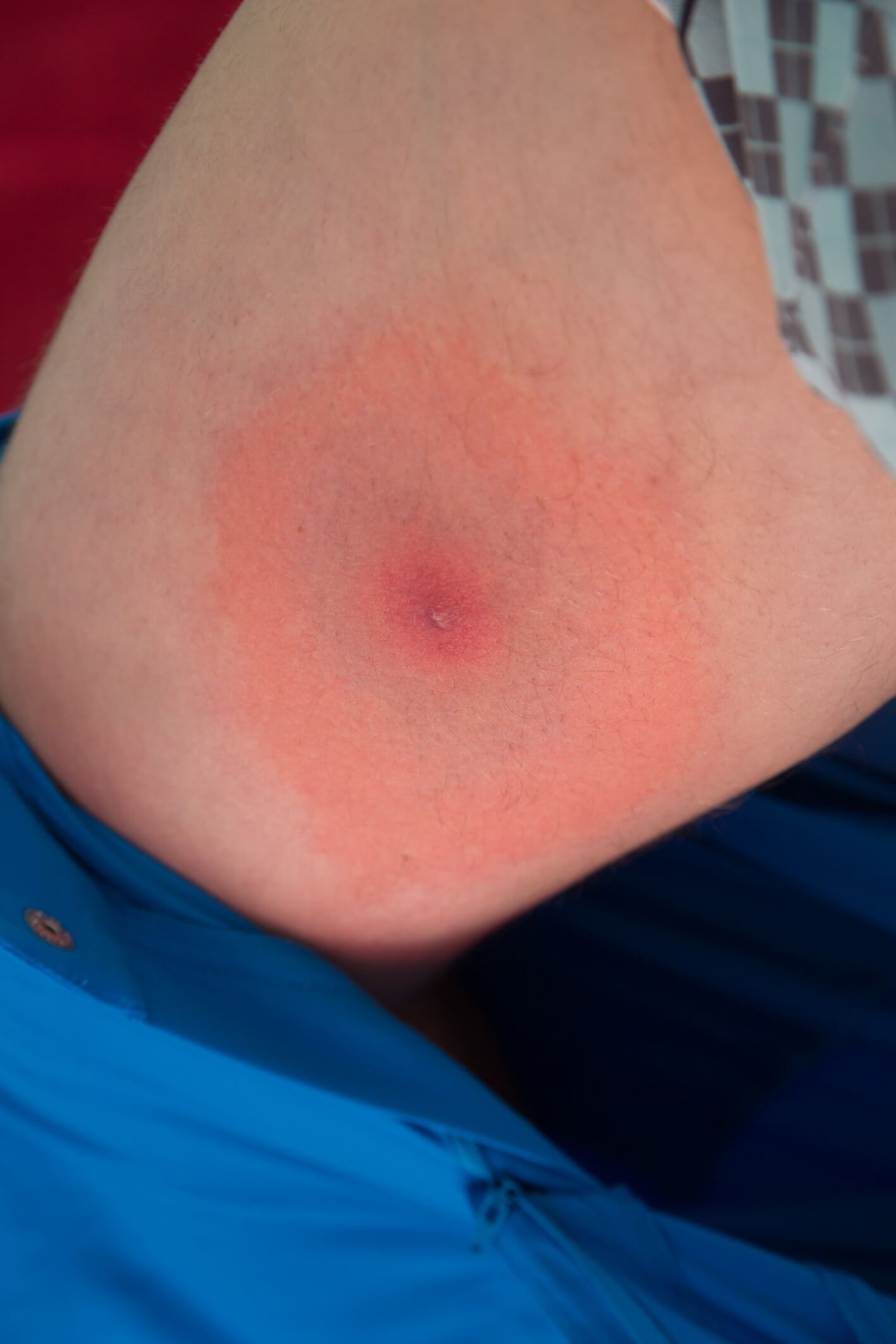
Lyme disease is transmitted to humans through the bite of infected blacklegged ticks and is difficult to diagnose. Typical symptoms include fever, headache, aches and pains, fatigue, the possibility of exposure to infected ticks, and a characteristic skin rash called erythema migrans, which resembles a bull’s-eye.  If left untreated, infection can spread to joints, the heart, and the nervous system. ThinkstockPhotos-469902118

Most cases of Lyme disease can be treated successfully with a few weeks of antibiotics. Steps to prevent Lyme disease include using insect repellent, removing ticks promptly, applying pesticides, and reducing tick habitats by frequently mowing the lawn, removing leaf litter, old furniture, mattresses, and trash from the yard that may give ticks a place to hide.

All content of this newsletter is intended for general information purposes only and is not intended or implied to be a substitute for professional medical advice, diagnosis or treatment. Please consult a medical professional before adopting any of the suggestions on this page. You must never disregard professional medical advice or delay seeking medical treatment based upon any content of this newsletter. PROMPTLY CONSULT YOUR PHYSICIAN OR CALL 911 IF YOU BELIEVE YOU HAVE A MEDICAL EMERGENCY.