Emotional Eating

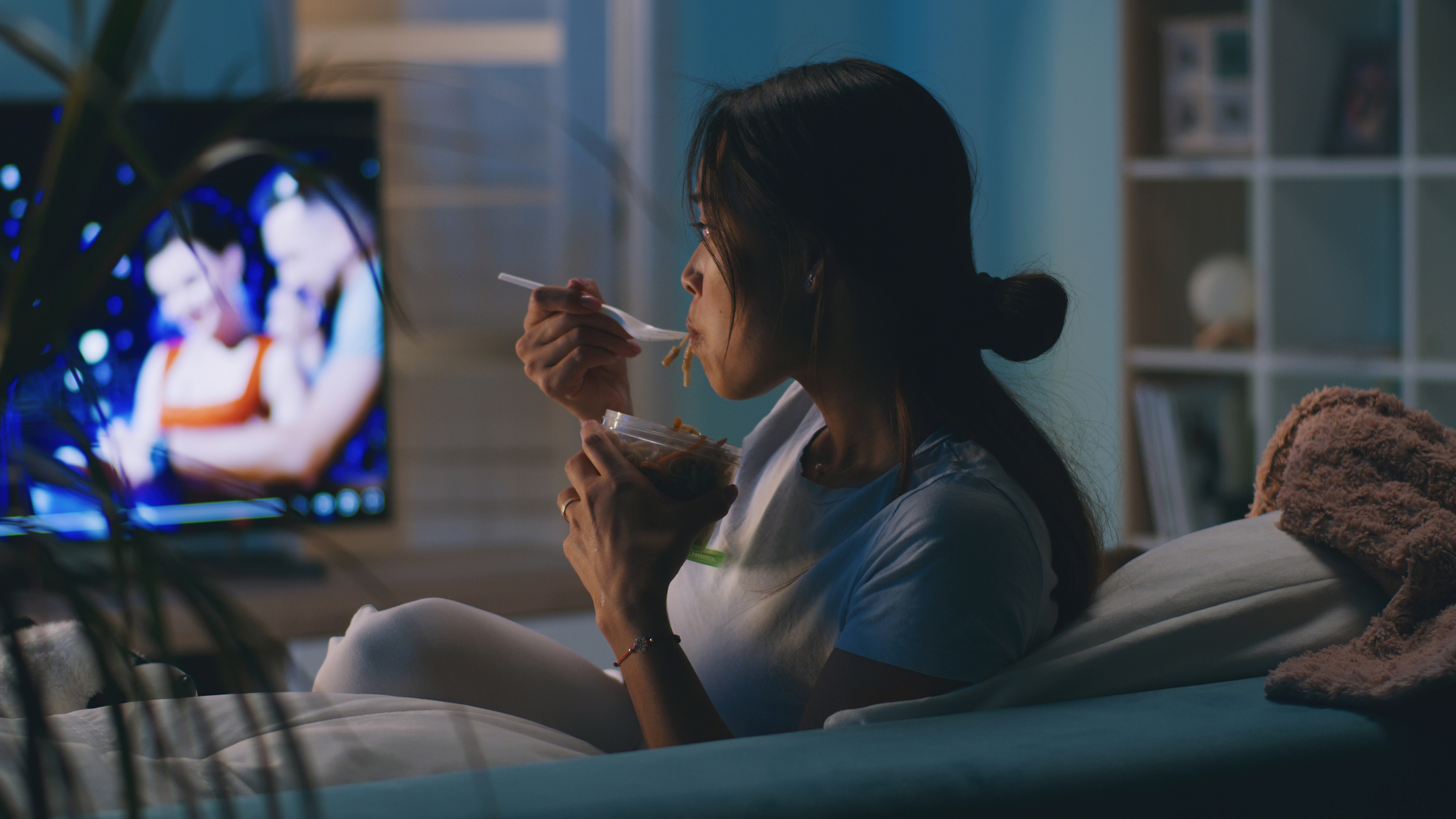
Emotional eating is using food to escape, numb, change, or amplify our feelings. It is a very common and normal coping mechanism in response to strong feelings.  

When a person is an emotional eater, they have difficulty telling the difference between physical hunger and emotional hunger.  

Physical hunger is when your body sends you signs to let you know it is time for nourishment. 

Emotional hunger is when we don’t eat because we are hungry, but because we are bored, stressed, sad, lonely, or anxious.  

Research shows that about 75% of all our eating is emotionally driven. 

Other causes of emotional eating include: 

  • Dieting 
  • Situational stressors 
  • Seasonal stressors 

Several signs indicate a person might be prone to emotional eating, including: 

  • Sudden, urgent cravings 
  • Only craving certain foods, such as sweets or junk food 
  • Overeating 
  • Shame or guilt 

Having unhealthy food on occasion isn’t harmful. Sometimes we need a piece of chocolate, candy, or a few potato chips to feel better. However, it can become a problem when it happens frequently, or it becomes your main coping mechanism.  

There are many steps you can take to reduce or stop emotional eating, including: 

  • Changing your diet to be healthier 
  • Being mindful of what you’re eating 
  • Avoiding letting yourself get too hungry 

If you are dealing with emotional eating, it is important to consult with a healthcare provider, such as a mental health professional, for an assessment to help determine if you have an underlying medical issue or something else. 

To learn more about Flushing Hospital Medical Center’s mental health services, schedule a virtual appointment, or speak with our intake coordinator, call (718) 670-5316 or (718) 670-5562 to reach the clinic. 

All content of this newsletter is intended for general information purposes only and is not intended or implied to be a substitute for professional medical advice, diagnosis or treatment. Please consult a medical professional before adopting any of the suggestions on this page. You must never disregard professional medical advice or delay seeking medical treatment based upon any content of this newsletter. PROMPTLY CONSULT YOUR PHYSICIAN OR CALL 911 IF YOU BELIEVE YOU HAVE A MEDICAL EMERGENCY.

Emotional Eating

Have you ever turned to food not because you were hungry but because you needed to relieve stress? Many of us have turned to food to get us through rough patches in our lives. When we turn to food for emotional comfort this is referred to as emotional eating. For most people this  emotional eating can occur over a short duration of time, and for others, seeking emotional relief through food can last for years.
People indulge in emotional eating for many reasons, all in the hopes that it will get them through their relationship problems, financial issues, work conflicts, school problems, health crisis, or just being bored. Food also acts as a  distraction from our problems because we will concentrate on what we are eating and not the source of the problem. Most of the time we will pick the kind of foods that are high in sugar for that burst of energy that it will provide.
Some suggested activities to help avoid emotional eating:
• Try taking a walk
• Spend time with a friend just chatting
• Clean your home
• Go to the library and read a book
• Listen to music
• Try meditation
There are ways to get relief from emotional eating issues. One of the best ways is to work on the issue causing you stress. This may require getting professional help if the problem persists. You would also want to avoid having unhealthy snacks that are easily accessible. Try to arrange to eat regular meals that are healthy for you so that you won’t crave snacks during the day. If you are still having difficulty managing your issues and the only thing that seems to help is eating, you might want to consult a physician who can help you. To schedule an appointment with a doctor at Flushing Hospital, please call 718-670-5486.

All content of this newsletter is intended for general information purposes only and is not intended or implied to be a substitute for professional medical advice, diagnosis or treatment. Please consult a medical professional before adopting any of the suggestions on this page. You must never disregard professional medical advice or delay seeking medical treatment based upon any content of this newsletter. PROMPTLY CONSULT YOUR PHYSICIAN OR CALL 911 IF YOU BELIEVE YOU HAVE A MEDICAL EMERGENCY.