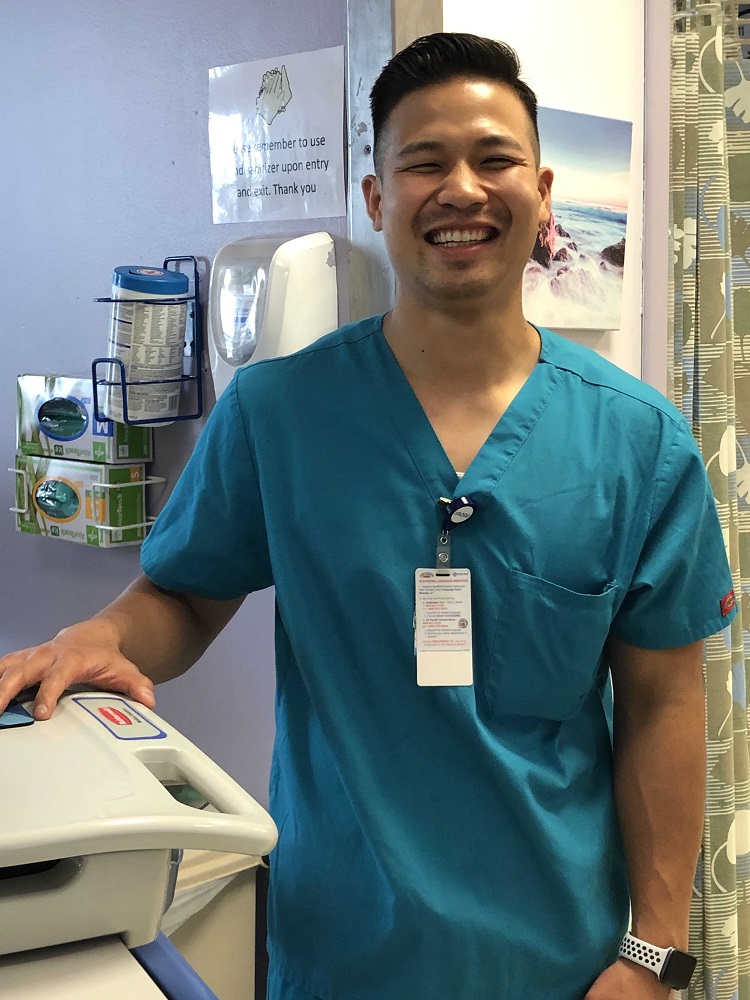
What you should know about Type 1 (T1D) Diabetes

Diabetes is on the rise and what has significantly increased is the rate of type 1 diabetes (T1D), formerly known as “juvenile” or “juvenile onset” diabetes. The Centers for Disease Control and Prevention (CDC) has found that more than 13,000 children and young people are diagnosed with type 1 diabetes each year.

T1D is often first diagnosed in children, teenagers, or young adults. However, people may develop T1D at any age. The exact cause of T1D is unknown, there is no cure and it cannot be outgrown. In most cases of T1D, the body’s own immune system, which normally fights harmful bacteria and viruses, mistakenly destroys the insulin-producing cells in the pancreas. Doctors believe genetics may play a role in this process, and exposure to certain environmental factors, such as viruses, may trigger the disease.

Symptoms for T1D include:
• Increased thirst
• Frequent urination
• Bedwetting in children who previously didn’t wet the bed during the night
• Extreme hunger
• Unintended weight loss
• Irritability and other mood changes
• Fatigue and weakness
• Blurred vision
• In females, frequent vaginal yeast infections

The good news is that it can be controlled with insulin therapy, exercise and diet. A simple blood test can identify type 1 diabetes. Be sure to consult with a physician if you or a family member is experiencing any of the above symptoms by contacting Flushing Hospital Medical Center’s Ambulatory Care Center at 718-670-5486.


All content of this newsletter is intended for general information purposes only and is not intended or implied to be a substitute for professional medical advice, diagnosis or treatment. Please consult a medical professional before adopting any of the suggestions on this page. You must never disregard professional medical advice or delay seeking medical treatment based upon any content of this newsletter. PROMPTLY CONSULT YOUR PHYSICIAN OR CALL 911 IF YOU BELIEVE YOU HAVE A MEDICAL EMERGENCY.

Flushing Hospital Medical Center Celebrates Registered Dietitian Nutritionist Day

Flushing Hospital Medical Center (FHMC) joins the Academy of Nutrition and Dietetics in celebrating National Dietitian Nutritionist Day, today, Wednesday, March 13th.  As the nation’s food and nutrition experts, registered dietitian nutritionists are committed  to improving the health of their patients, clients and communities.  We applaud their great work!

All content of this newsletter is intended for general information purposes only and is not intended or implied to be a substitute for professional medical advice, diagnosis or treatment. Please consult a medical professional before adopting any of the suggestions on this page. You must never disregard professional medical advice or delay seeking medical treatment based upon any content of this newsletter. PROMPTLY CONSULT YOUR PHYSICIAN OR CALL 911 IF YOU BELIEVE YOU HAVE A MEDICAL EMERGENCY.

How Does Weight Loss Surgery Affect Diabetes?

Type 2 diabetes mellitus (T2DM) is the most common form of diabetes.  Complications from this disease can lead to more serious health conditions such as hypertension and stroke.  Type 2 diabetes can also lead to premature death; in fact, studies show that the risk of premature death can be increased by as much as 80% in patients with T2DM.

According to the American Society for Metabolic and Bariatric Surgery, “Obesity is the primary cause for type 2 diabetes.” Therefore, most patients diagnosed with T2DM can improve their health by losing weight.

One of the most effective forms of weight loss treatments for obesity is bariatric surgery.  It has been found that undergoing bariatric surgery and adhering to a prescribed diabetes treatment plan can improve blood sugar levels and cause remission of the disease in most patients. The American Society for Metabolic and Bariatric Surgery reports that “Nearly all individuals who have bariatric surgery show improvement in their diabetic state.” Surgery may improve type 2 diabetes in approximately 90% of patients by either lowering blood sugar, reducing the dosage of medication needed or improving health problems associated with diabetes.

The two most popular bariatric surgeries are the sleeve gastrectomy and gastric bypass procedures. In the sleeve gastrectomy procedure, a large portion of the stomach is removed and a smaller, new stomach in the shape of a tube or “sleeve” is created.  During bypass surgery, a new small stomach pouch is created, and a section of the small bowel is bypassed. Both surgeries can offer excellent long-term results and positive outcomes in most patients. They are typically performed laparoscopically, utilizing a minimally invasive approach.   Laparoscopic surgery can offer patients several benefits including shorter hospital stays, shorter recovery time and less scarring.

Although bariatric surgery is considered safe, it is important that patients understand the risks of surgery. As with most major surgical procedures, the risks can include bleeding or other complications.

At Flushing Hospital’s Bariatric Surgical Center, procedures are performed utilizing minimally invasive techniques including robotic surgery. The Center also provides many compassionately delivered services to help patients succeed in every step of their weight loss journey including close physician monitoring, pre and post-surgical psychological evaluations, personalized diet and nutritional counseling as well as ongoing education and support groups.

For more information about the Bariatric Surgery Services at Flushing Hospital or procedures performed by our doctors, please call 718-670-8908

All content of this newsletter is intended for general information purposes only and is not intended or implied to be a substitute for professional medical advice, diagnosis or treatment. Please consult a medical professional before adopting any of the suggestions on this page. You must never disregard professional medical advice or delay seeking medical treatment based upon any content of this newsletter. PROMPTLY CONSULT YOUR PHYSICIAN OR CALL 911 IF YOU BELIEVE YOU HAVE A MEDICAL EMERGENCY.

March is Problem Gambling Awareness Month

Problem gambling is a serious issue that affects millions of people in the United States. An estimated two million people can be classified as having a gambling addiction and an additional four to six million people can be said to have a problem with gambling. Uncontrolled gambling can ruin families, finances, and careers.

The National Council on Problem Gambling began a campaign 16 years ago in order to raise awareness and to suggest ways that these people can be helped. There are three main goals of this campaign:

  • Increase public awareness of problem gambling
  • Increase awareness of the resources to aid with problem gambling
  • Encourage medical providers to screen for gambling problems

Some of the criteria for defining problem gambling include:

  • Patterns that compromise, disrupt or damage family or work
  • Preoccupation with gambling and the need to bet money
  • Restlessness or becoming irritable when attempting to quit
  • Continuing to chase the big payoff

Compulsive gambling can be described as having the same effect on certain people as using drugs or alcohol. They build up a tolerance to it and are always in need of more in order to satisfy their urges.

A person who feels that they have a gambling issue should contact their physician to see about getting help. You can also go to the website of Gamblers Anonymous for referrals in your community.

All content of this newsletter is intended for general information purposes only and is not intended or implied to be a substitute for professional medical advice, diagnosis or treatment. Please consult a medical professional before adopting any of the suggestions on this page. You must never disregard professional medical advice or delay seeking medical treatment based upon any content of this newsletter. PROMPTLY CONSULT YOUR PHYSICIAN OR CALL 911 IF YOU BELIEVE YOU HAVE A MEDICAL EMERGENCY.

Flushing Hospital Celebrates Patient Safety Week

March 10th through the 16th has been designated National Patient Safety Awareness Week. In recognition of this observance, Flushing Hospital Medical Center has scheduled a full week of fun and educational activities.

To kick-off the week, the Patient Education Department is holding a special all-day event in the hospital lobby to test everyone’s safety knowledge by playing various games where participants have the opportunity to answer questions and win prizes.

Throughout the week, Flushing Hospital will ask everyone to take the ‘Hand Hygiene Pledge” and hospital staff will also demonstrate proper donning and doffing of personal protective equipment (PPE), which can eliminate the transmission of infectious disease.

The theme of this year’s Patient Safety Awareness week is  “See, Say, Do & Thank You”, which asks patients to not only notice and identify good safety practices, but also do something by thanking those individuals when these practices are witnessed.

One of the most important factors in improving patient safety is practicing proper hand hygiene and Flushing Hospital’s hand hygiene compliance rates are above national averages.

Congratulations to all involved in making Flushing Hospital a safe environment for our patients.

All content of this newsletter is intended for general information purposes only and is not intended or implied to be a substitute for professional medical advice, diagnosis or treatment. Please consult a medical professional before adopting any of the suggestions on this page. You must never disregard professional medical advice or delay seeking medical treatment based upon any content of this newsletter. PROMPTLY CONSULT YOUR PHYSICIAN OR CALL 911 IF YOU BELIEVE YOU HAVE A MEDICAL EMERGENCY.

Flushing Hospital Recognizes National Kidney Month

March is National Kidney Month and the National Kidney Foundation is urging all Americans to give their kidneys a well-deserved checkup.

The kidneys are two, fist-sized organs in your lower back. They maintain overall health by serving following functions:

  • Filtering waste out of 200 liters of blood each day
  • Regulating of the body’s salt, potassium and acid content
  • Removing toxins from the body.
  • Balancing the body’s fluids
  • Releasing hormones that regulate blood pressure
  • Producing an active form of vitamin D that promotes strong, healthy bones
  • Controlling the production of red blood cells

According to the U.S. Centers for Disease and Control, some quick facts on Kidney Disease are:

  • Kidney disease is the 9th  leading cause of death in the country.
  • More than 26 million Americans have kidney disease, and most don’t know it.
  • There are over 95,000 people waiting for kidney transplants.
  • Currently, more than 590,000 people have kidney failure in the U.S. today.

Often times, kidney failure can be prevented or delayed through early detection and proper treatment of underlying disease such as diabetes and high blood pressure which can slow additional damage to the kidneys.

If you are 18 years or older with diabetes, high blood pressure, cardiovascular disease or a family history of kidney disease, you should schedule an appointment with your doctor and ask that you be screened for kidney disease.

If you would like to make an appointment to have your Kidney’s checked, you can call Flushing Hospital Medical Center’s Ambulatory Care Center at 718-670-5486 for an appointment

All content of this newsletter is intended for general information purposes only and is not intended or implied to be a substitute for professional medical advice, diagnosis or treatment. Please consult a medical professional before adopting any of the suggestions on this page. You must never disregard professional medical advice or delay seeking medical treatment based upon any content of this newsletter. PROMPTLY CONSULT YOUR PHYSICIAN OR CALL 911 IF YOU BELIEVE YOU HAVE A MEDICAL EMERGENCY.

Breast Feeding Benefits

The benefits of breastfeeding are many.  Breast milk contains the proper nutrients that include protein, carbohydrates, fats, vitamins minerals and water to get your baby off to a good a start in life. It is a known fact that breast milk also helps to boost a baby’s immune system and it is easier to digest than formula.
A woman who is considering breastfeeding her baby has to take certain precautions to protect both her-self and the infant. This includes:
• Drinking plenty of fluids (juice, water, and milk)
• Not  smoking
• Taking medications only if they are approved by your doctor
• Getting  plenty of rest
• Eating a healthy diet (fruits, vegetables, whole grains)
• Avoiding alcoholic drinks
Breastfeeding may or may not be easy at first but once you get comfortable, it is not difficult. With help from a lactation consultant, a new mom can start feeding a few minutes after birth. However, it may take a few tries which isn’t unusual. Breastfeeding is typically recommended for the first six months of a baby’s life, but that is a personal preference.
If you would like to discuss breastfeeding with a lactation consultant at Flushing Hospital Medical Center, please call 718-670-5702.

All content of this newsletter is intended for general information purposes only and is not intended or implied to be a substitute for professional medical advice, diagnosis or treatment. Please consult a medical professional before adopting any of the suggestions on this page. You must never disregard professional medical advice or delay seeking medical treatment based upon any content of this newsletter. PROMPTLY CONSULT YOUR PHYSICIAN OR CALL 911 IF YOU BELIEVE YOU HAVE A MEDICAL EMERGENCY.

Flu Season Can Last Until May

Although we are approaching spring, it is important to keep in mind that flu season is not yet behind us and the flu virus remains a threat to our health.

According to the Centers for Disease Control and Prevention (CDC), “While flu season begins in the fall and continues through the winter, peak flu season comes between December and February, and can continue on into March.”  The agency also adds that flu season can last until May. The CDC is urging individuals to continue exercising steps to prevent the flu and protect their health throughout this period of time.

Here are a few measures you can take to prevent the flu:

  • Sanitize your hands
  • Cover your  nose and mouth when sneezing or coughing
  • Limit your contact with others
  • Do not share utensils or sanitize before sharing
  • Frequently disinfect areas that may be contaminated

The most important preventative measure you can take to reduce the risk of getting the flu is vaccination.  The CDC recommends that everyone six months and older get vaccinated. “Flu vaccination can reduce flu illnesses, doctors’ visits, and missed work and school due to flu, as well as prevent flu-related hospitalizations,” states the agency.

All content of this newsletter is intended for general information purposes only and is not intended or implied to be a substitute for professional medical advice, diagnosis or treatment. Please consult a medical professional before adopting any of the suggestions on this page. You must never disregard professional medical advice or delay seeking medical treatment based upon any content of this newsletter. PROMPTLY CONSULT YOUR PHYSICIAN OR CALL 911 IF YOU BELIEVE YOU HAVE A MEDICAL EMERGENCY.

The Medicinal Benefits of Cinnamon

Most people think of cinnamon as a spice that adds flavor to food and beverages. What many people don’t know however is that for thousands of years people have been using cinnamon for medicinal purposes.

Cinnamon is obtained from the inner bark of cinnamon trees. The bark is then crushed into a powder which we can use as a flavoring or for medicinal purposes.

Some of the known medicinal benefits of cinnamon are:
• Acts as an anti-inflammatory
• Lowers blood sugar
• Acts as an anti-oxidant
• Acts as an anti-microbial
• Helps manage symptoms of Alzheimer’s
• Helps manage symptoms of Parkinson’s
• Thought to have anti-carcinogenic properties
• Helps manage polycystic ovarian syndrome
• Help manage dry eye and conjunctivitis
• Can be used as an insect repellant

Though cinnamon usually has no side effects, too much can irritate the mouth and the lips. Some people may also be allergic to it. As with anything, speak to you your physician before using cinnamon to treat any medical condition.

If you would like to schedule an appointment with a physician at Flushing Hospital, please call 718-670-5486.

All content of this newsletter is intended for general information purposes only and is not intended or implied to be a substitute for professional medical advice, diagnosis or treatment. Please consult a medical professional before adopting any of the suggestions on this page. You must never disregard professional medical advice or delay seeking medical treatment based upon any content of this newsletter. PROMPTLY CONSULT YOUR PHYSICIAN OR CALL 911 IF YOU BELIEVE YOU HAVE A MEDICAL EMERGENCY.

Learn About What Causes Motion Sickness and Tips to Avoid it

Motion sickness is a common condition that many of us experience at some point in our lives. It is the feeling of nausea, dizziness or uneasiness that can develop during a bumpy or rocky ride. For some, this sensation may occur while traveling in a car, boat, train, plane or other modes of transportation.

Motion sickness also referred to as seasickness, carsickness or airsickness is caused when the brain receives mixed signals from our balance-sensing system which consists of our eyes, inner ear (semicircular canals) and sensory nerves.    Mixed signals are received by the brain because your eyes cannot see the motion your body is feeling, or conversely, your body cannot feel the motion your eyes are seeing. Motion sickness can start suddenly, typically with a feeling of uneasiness then progressing to other symptoms such as dizziness, a cold sweat, headaches or vomiting.

Children and pregnant women are most susceptible to motion sickness. However, anyone who is traveling can be at risk. Factors that can increase the chances for symptoms to appear include poor ventilation in a vehicle, the type of vehicle, fears or anxieties about traveling or the orientation in which a person is sitting or standing.

Treatment for motion sickness may include medication, home remedies or applying simple changes to your environment. The Centers for Disease Control and Prevention (CDC), recommends the following interventions for treatment or prevention:

  • Being aware of and avoiding situations that tend to trigger symptoms.
  • Optimizing position to reduce motion or motion perception—for example, driving a vehicle instead of riding in it, sitting in the front seat of a car or bus, sitting over the wing of an aircraft, holding the head firmly against the back of the seat, and choosing a window seat on flights and trains.
  • Reducing sensory input—lying prone, shutting eyes, sleeping, or looking at the horizon.
  • Maintaining hydration by drinking water, eating small meals frequently, and limiting alcoholic and caffeinated beverages.
  • Avoiding smoking—even short-term cessation reduces susceptibility to motion sickness.
  • Adding distractions—controlling breathing, listening to music, or using aromatherapy scents such as mint or lavender. Flavored lozenges may also help.
  • Using acupressure or magnets is advocated by some to prevent or treat nausea, although scientific data on efficacy of these interventions for preventing motion sickness are lacking.
  • Gradually exposing oneself to continuous or repeated motion sickness triggers. Most people, in time, notice a reduction in motion sickness symptoms.

Most cases of motion sickness are mild. Symptoms are typically self-treatable or go away when a person is no longer in motion.  However, medical professionals recommend that you see a doctor if you experience motion sickness repeatedly or if symptoms persist after your journey.

To schedule an appointment with a doctor at Flushing Hospital Medical Center, please call 718-670-5486.

All content of this newsletter is intended for general information purposes only and is not intended or implied to be a substitute for professional medical advice, diagnosis or treatment. Please consult a medical professional before adopting any of the suggestions on this page. You must never disregard professional medical advice or delay seeking medical treatment based upon any content of this newsletter. PROMPTLY CONSULT YOUR PHYSICIAN OR CALL 911 IF YOU BELIEVE YOU HAVE A MEDICAL EMERGENCY.