
Coping with Depression during the Holiday Season

The holiday season is filled with bright lights and festive cheer. However, this time of year can, unfortunately, bring feelings of loneliness, isolation, grief, and sadness for both those with clinical depression as well as those who aren’t depressed.

Holiday depression feels a lot like regular depression, but it is triggered by the onset of the holidays, holiday get-togethers, large family gatherings, and attending or hosting social events. Holiday depression is similar to the “winter blues”, but it may come and go in quick bursts as one event ends and another begins, or it can linger for the days or weeks leading up to and beyond the holiday season.

There are several causes of holiday depression including:

  • Stressful schedules
  • Putting pressure on yourself
  • Separation from loved ones
  • Loneliness
  • Family dynamics
  • Social anxiety
  • Holiday trauma

Signs of holiday depression may include:

  • Feeling depressed and hopeless for more days than not
  • Loss of interest in things you used to enjoy
  • Constantly feeling anxious, nervous, or on edge more often
  • Trouble sleeping over an extended period
  • Intrusive thoughts that are difficult to manage on your own
  • Thoughts of self-harm or suicide

No matter the cause of your low mood or negative feelings, several healthy coping strategies can help you prepare for and get through the festive months when you’re managing depression. Here are some coping strategies to consider this holiday season:

  • Seek support and help from a mental health professional
  • Stay active and get outdoors
  • Share how you’re feeling with trusted loved ones
  • Assess your relationships and set boundaries
  • Limit social media use
  • Set aside time for yourself and prioritize self-care
  • Practice relaxation
  • Consider volunteering throughout the holiday season
  • Remember a cherished loved one who passed on
  • Create a coping sheet or depression toolkit

To learn more about our outpatient mental health services at Flushing Hospital Medical Center or to schedule a virtual appointment, please call (718) 670-5316 to speak with our intake coordinator or (718) 670-5562 to reach the clinic.


All content of this newsletter is intended for general information purposes only and is not intended or implied to be a substitute for professional medical advice, diagnosis or treatment. Please consult a medical professional before adopting any of the suggestions on this page. You must never disregard professional medical advice or delay seeking medical treatment based upon any content of this newsletter. PROMPTLY CONSULT YOUR PHYSICIAN OR CALL 911 IF YOU BELIEVE YOU HAVE A MEDICAL EMERGENCY.

Loneliness

Loneliness is feeling lonely or disconnected from others and feeling like you don’t have meaningful or close relationships or a sense of belonging. It also describes the negative feelings that can occur when your needs for social connection aren’t met.

Social isolation is when a person doesn’t have relationships or contact with others and has little to no social support. It can pose a health risk to people, even if they don’t feel lonely.

Certain conditions or experiences may increase a person’s risk of social isolation and loneliness, including:

  • Having a mental or physical challenge, such as:
    • Chronic disease or condition
    • Psychiatric or depressive condition
    • Long-term disability
  • Being marginalized or discriminated against
  • Having limited or no access to resources may result in:
    • Living in rural areas
    • Limited transportation
    • Language barriers
    • Being a victim of violence or abuse
  • Facing a divorce, unemployment, or the loss of a loved one

Loneliness may impact some groups more than others, including:

  • Low-income adults
  • Young adults
  • Older adults
  • Adults living alone
  • Immigrants
  • People who identify as LGBTQ+

Social isolation and loneliness can increase a person’s risk for:

  • Heart disease and stroke
  • Type 2 diabetes
  • Depression, anxiety, suicide, and self-harm
  • Dementia
  • Earlier death

It is important to make meaningful social connections, as those who do experience benefits, including:

  • Less stress
  • Better sleep
  • A longer, healthier life

Making social connections can be hard, especially if you are in poor health, have money problems, or live alone. But a few small acts of connection can build supportive and meaningful relationships.

You can take various steps to fight against loneliness, including:

  • Talking to family, friends, neighbors, and co-workers
  • Connecting with others on social media
  • Volunteering in your community
  • Being kind to yourself
  • Learning more about ways to improve social connectedness
  • Getting help from a professional

To find out more about Flushing Hospital Medical Center’s outpatient mental health services or to schedule a virtual appointment, please call (718) 670-5316 to speak with our intake coordinator or call (718) 670-5562 to reach the clinic.


All content of this newsletter is intended for general information purposes only and is not intended or implied to be a substitute for professional medical advice, diagnosis or treatment. Please consult a medical professional before adopting any of the suggestions on this page. You must never disregard professional medical advice or delay seeking medical treatment based upon any content of this newsletter. PROMPTLY CONSULT YOUR PHYSICIAN OR CALL 911 IF YOU BELIEVE YOU HAVE A MEDICAL EMERGENCY.

National Family Caregivers Month

November is observed as National Family Caregivers Month. It is dedicated to recognizing and honoring the selfless individuals who provide essential care and support to ill, disabled, or elderly loved ones.

National Family Caregivers Month was established to recognize their significant contributions and raise awareness about their challenges. President Bill Clinton officially proclaimed it in 1997 as a time to honor and support caregivers across the country.

Celebrating family caregivers during National Family Caregivers Month enables all of us to:

  • Raise awareness of family caregiver issues
  • Celebrate the efforts of family caregivers
  • Educate family caregivers about self-identification
  • Increase support for family caregivers
  • Reduce feelings of isolation

Families are often the primary source of support for older adults and people with disabilities. Today in America, more than 53 million family caregivers provide unpaid care.

There are several ways to get involved and show your support for family caregivers during National Caregivers Month, including:

  • Express your gratitude
  • Offer assistance
  • Join support groups
  • Advocate for caregiver rights
  • Donate to caregiver organizations

Family caregivers should be celebrated every day. This is a time to recognize and honor caregivers nationally, raise awareness around caregiving issues, educate communities, and work to increase support for our nation’s caregivers.

All content of this newsletter is intended for general information purposes only and is not intended or implied to be a substitute for professional medical advice, diagnosis or treatment. Please consult a medical professional before adopting any of the suggestions on this page. You must never disregard professional medical advice or delay seeking medical treatment based upon any content of this newsletter. PROMPTLY CONSULT YOUR PHYSICIAN OR CALL 911 IF YOU BELIEVE YOU HAVE A MEDICAL EMERGENCY.

National Diabetes Month

November is National Diabetes Month. This month focuses on increasing awareness about diabetes and its impact on individuals and communities. It aims to educate the public about the different types of diabetes, risk factors, prevention strategies, and the importance of early detection and management.

Diabetes is a disease that occurs when your blood glucose, or blood sugar, is too high. It affects about 38 million Americans or one in every 10 people, including children and adults. Diabetes can damage the eyes, kidneys, nerves, and heart, and is linked to some types of cancers.

Diabetes symptoms depend on how high your blood sugar is. Some people, especially if they have prediabetes, gestational diabetes, or type 2 diabetes may not have symptoms. Type 1 diabetes symptoms tend to come on quickly and more severe. Some symptoms of type 1 and type 2 diabetes include:

  • Feeling more thirsty than usual
  • Urinating often
  • Losing weight without trying
  • Presence of ketones in the urine. Ketones are a byproduct of the breakdown of muscle and fat that happens when there isn’t enough available insulin
  • Feeling tired and weak
  • Feeling irritable or having other mood changes
  • Having blurry vision
  • Having slow-healing sores
  • Getting many infections such as gum, skin, and vaginal infections

Taking charge of your health may help you prevent diabetes health problems. Here are some tips to help you avoid developing diabetes:

  • Know your risk of developing diabetes- You are more likely to develop type 2 diabetes if you are overweight or obese; have a family history of diabetes; are African American, American Indian, Asian American, Hispanic or Latino, or Pacific Islander; are not physically active; or have prediabetes.
  • Manage your blood glucose, blood pressure, and cholesterol levels- Preventing or managing diabetes as soon as possible after diagnosis may help prevent diabetes complications. You can start by managing your diabetes ABCs:
    • A is for the A1C test that healthcare providers use to measure your average glucose levels.
    • B is for blood pressure
    • C is for cholesterol
  • Take small steps towards healthy habits- Lifestyle habits like planning healthy meals, being physically active, getting enough sleep, and not smoking help prevent diabetes or manage your diabetes ABCs.
  • Take your medicines on time- Remember to take your medicines even if you feel healthy. Talk with your doctor or pharmacist if you have trouble taking your medicine on time or the correct dosage.
  • Reach or maintain a healthy weight- If you are overweight or obese, ask your primary care provider if eating healthy, physical activity, or other weight-loss treatments can help manage your weight.
  • Take care of your mental health- Managing diabetes can be hard. If you feel sad, down, or overwhelmed, find healthy ways to cope with stress. Consider talking to a mental health counselor or joining a support group.
  • Work with your healthcare team- Managing diabetes takes a team. Your healthcare team can include a primary care provider, diabetes specialist, registered dietitian, or certified diabetes educator. Ask your primary care provider if you should talk with other healthcare professionals about preventing or managing diabetes.

If you have any diabetic symptoms and would like to prevent developing diabetes, or if you would like help managing your diabetes, call Jamaica Hospital Medical Center’s endocrinology service at 718-206-7001 to schedule an appointment.

All content of this newsletter is intended for general information purposes only and is not intended or implied to be a substitute for professional medical advice, diagnosis or treatment. Please consult a medical professional before adopting any of the suggestions on this page. You must never disregard professional medical advice or delay seeking medical treatment based upon any content of this newsletter. PROMPTLY CONSULT YOUR PHYSICIAN OR CALL 911 IF YOU BELIEVE YOU HAVE A MEDICAL EMERGENCY.

Halloween Safety Tips

Halloween is a time for dressing up, eating candy, and having fun. Unfortunately, there can be several risks when trick or treating. Here are some tips to keep you and your children safe this Halloween:

  • Wear costumes that say “flame resistant” on the label. If you make your costume, use flame-resistant fabrics like polyester or nylon.
  • Wear bright, reflective costumes, or add strips of reflective tape so you’ll be more visible.
  • Wear makeup and hats rather than costume masks that can obscure your vision.
  • Always accompany young children when trick or treating.
  • Cross the street at corners, using traffic signals and crosswalks. Look left, right, and left again when crossing.
  • Stay on well-lit streets and always use the sidewalk.
  • Always walk on sidewalks or paths. If there are no sidewalks, walk facing traffic as far to the left.
  • Put electronic devices down, and keep your head up while you walk.
  • Caution kids never enter a home or a car for a treat.
  • Wait until children are home to sort and check treats before eating them.
  • Don’t eat candy until it has been inspected at home.
  • If a child has a food allergy, check the label to ensure the allergen isn’t present. Tell children not to accept or eat anything that isn’t wrapped correctly.
  • Parents of young children should remove any choking hazards such as gum, peanuts, hard candies, or small toys from their Halloween bags.

Follow these important tips to ensure you and your loved ones stay safe this Halloween. If you experience any problems, visit Flushing Hospital Medical Center’s Ambulatory Care Center. To schedule an appointment, please call (718) 670-5486. If there is an emergency, please call 911.


All content of this newsletter is intended for general information purposes only and is not intended or implied to be a substitute for professional medical advice, diagnosis or treatment. Please consult a medical professional before adopting any of the suggestions on this page. You must never disregard professional medical advice or delay seeking medical treatment based upon any content of this newsletter. PROMPTLY CONSULT YOUR PHYSICIAN OR CALL 911 IF YOU BELIEVE YOU HAVE A MEDICAL EMERGENCY.
Effective Exercises You Can Do At Work

Fitting a long workout into your already packed work schedule can be difficult. If you’re struggling to find time to stay active, you may want to try doing short workouts throughout the day instead. Even spending five to 10 minutes exercising at your desk can stimulate midday blood flow and help push through your mid-afternoon slump. Here are some effective exercises you can do at work:

  • Desk pushups
  • Chair dips
  • Oblique twists
  • Calf raises
  • Seated back extensions
  • Triceps stretches
  • Overhead reaches
  • Shoulder shrugs
  • Neck stretches
  • Squats
  • Desk planks
  • Static lunges
  • Side lunges
  • Wall sits
  • Jumping jacks
  • Marching
  • Seated bicycles
  • Leg lifts
  • Seated leg extensions
  • Seated knee-to-chest
  • Seated flutter kicks

All of these exercises are productive. The goal is to move to a new position throughout the day to avoid repetitive stretch injuries. According to The Harvard School of Public Health, even short periods of physical activity can improve your mood. You may experience other benefits including:

  • Relief of body discomfort
  • Increased attention and productivity

It is recommended that you consult your doctor before starting a new exercise routine, you can schedule an appointment with a doctor at Flushing Hospital’s Ambulatory Care Center by calling (718) 670-5486.

All content of this newsletter is intended for general information purposes only and is not intended or implied to be a substitute for professional medical advice, diagnosis or treatment. Please consult a medical professional before adopting any of the suggestions on this page. You must never disregard professional medical advice or delay seeking medical treatment based upon any content of this newsletter. PROMPTLY CONSULT YOUR PHYSICIAN OR CALL 911 IF YOU BELIEVE YOU HAVE A MEDICAL EMERGENCY.

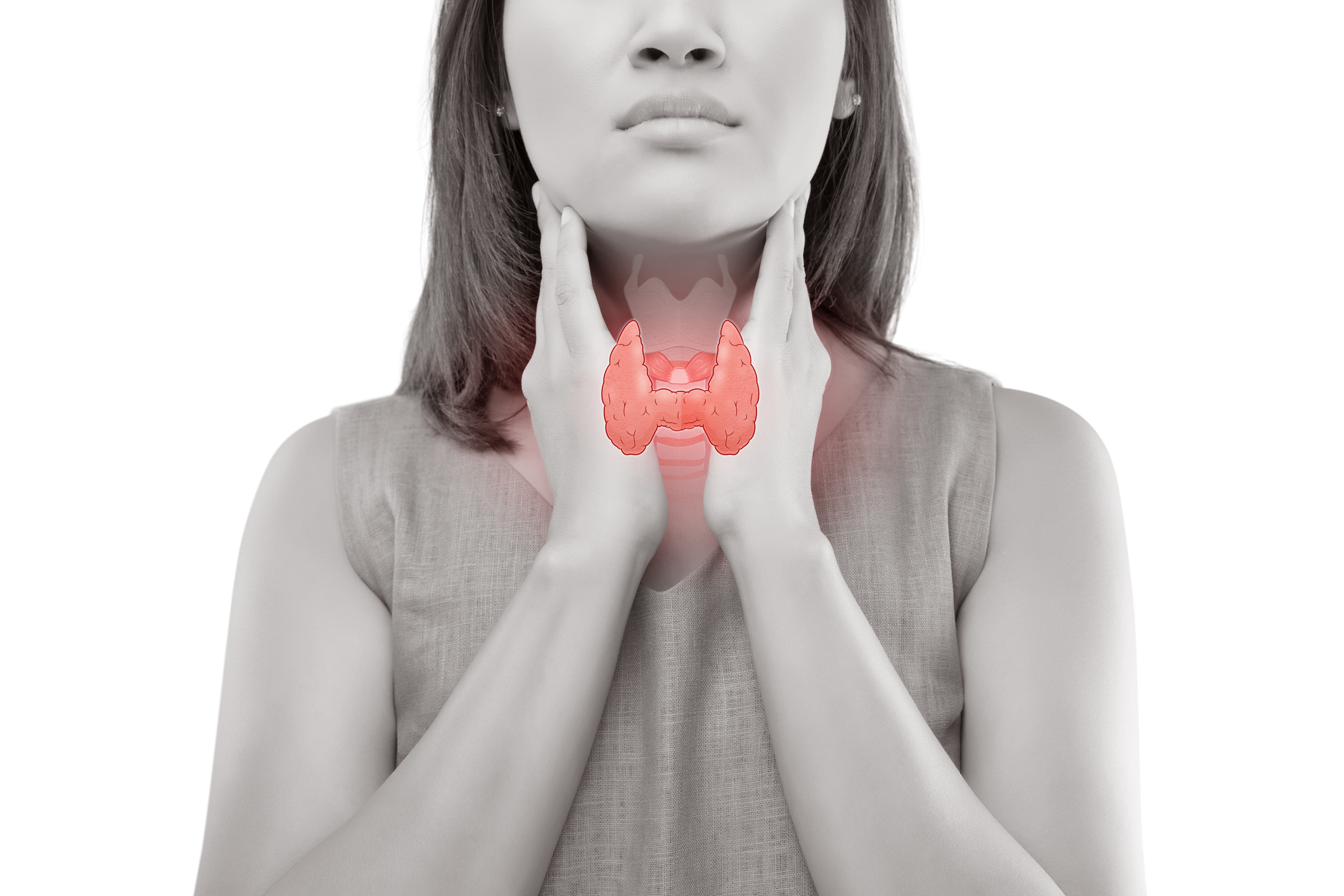
Hashimoto’s Disease

Hashimoto’s disease is a chronic autoimmune disorder that affects the thyroid gland. The immune system attacks the thyroid resulting in hypothyroidism.

Anyone can develop Hashimoto’s disease, but it is most common in middle-aged women.

Hashimoto’s disease progresses slowly over the years and you may not notice any signs or symptoms. The decline in thyroid hormone production can result in the following symptoms:

  • Fatigue and sluggishness
  • Increased sensitivity to cold
  • Increased sleepiness
  • Dry skin
  • Constipation
  • Muscle weakness
  • Muscle aches, tenderness, and stiffness
  • Joint pain and stiffness
  • Irregular or excessive menstrual bleeding
  • Depression
  • Problems with memory or concentration
  • Swelling of the thyroid
  • Puffy eyes and face
  • Brittle nails
  • Hair loss, dry, brittle hair, and slow hair growth
  • Enlargement of the tongue

The causes of Hashimoto’s disease are unclear, but the onset of the disease may be related to:

  • Genetic factors
  • Environmental triggers, such as infection, stress, or radiation exposure
  • Interactions between environmental and genetic factors

Many factors are associated with an increased risk of Hashimoto’s disease, including:

  • Sex
  • Age
  • Other autoimmune diseases
  • Genetics and family history
  • Pregnancy
  • Excessive iodine intake

Several conditions may lead to the signs and symptoms of Hashimoto’s disease. If you are experiencing any of these symptoms, your healthcare provider will conduct a thorough physical exam, review your medical history, and ask questions about your symptoms. After this assessment, they will order blood tests to confirm the diagnosis, including:

  • Thyroid-stimulating hormone test
  • Free T4 test
  • Anti-thyroid antibody test

In some cases, your healthcare provider may recommend a thyroid ultrasound to check the size of your thyroid and ensure no nodules are present.

Most people with Hashimoto’s disease take medication to treat hypothyroidism. If you have mild hypothyroidism, you may not receive treatment but will get regular TSH tests to monitor thyroid hormone levels.

If you’re experiencing symptoms of any thyroid disease, you can receive treatment from an endocrinologist at Flushing Hospital Medical Center’s Ambulatory Care Center. To schedule an appointment, please call (718) 670-5486.

All content of this newsletter is intended for general information purposes only and is not intended or implied to be a substitute for professional medical advice, diagnosis or treatment. Please consult a medical professional before adopting any of the suggestions on this page. You must never disregard professional medical advice or delay seeking medical treatment based upon any content of this newsletter. PROMPTLY CONSULT YOUR PHYSICIAN OR CALL 911 IF YOU BELIEVE YOU HAVE A MEDICAL EMERGENCY.

The Health Benefits of Pumpkin

It is the fall season and pumpkins are everywhere. Pumpkins are highly nutritious, containing proteins, carbohydrates, carotenoids, vitamins, and minerals. Here are some health benefits of pumpkin:

  • Highly nutritious and particularly rich in vitamin A
  • High antioxidant content may reduce your risk of chronic diseases
  • Packs vitamins that may boost immunity
  • High in nutrients that protect your eyesight
  • Nutrient density and low-calorie count may promote weight loss
  • Antioxidant content may lower your risk of cancer
  • Potassium, vitamin C, and fiber may benefit heart health
  • Contains compounds that promote healthy skin
  • High in vitamins and minerals that improve gut health

Pumpkin is a nutritious fruit to eat all year round, so don’t just save it for fall. Pumpkin is a healthy food ingredient that is versatile enough to be used in sweet and savory dishes and can improve recipes with its taste. You will benefit from its vitamins and minerals.


All content of this newsletter is intended for general information purposes only and is not intended or implied to be a substitute for professional medical advice, diagnosis or treatment. Please consult a medical professional before adopting any of the suggestions on this page. You must never disregard professional medical advice or delay seeking medical treatment based upon any content of this newsletter. PROMPTLY CONSULT YOUR PHYSICIAN OR CALL 911 IF YOU BELIEVE YOU HAVE A MEDICAL EMERGENCY.

What Is A Stress Test?

A stress or stress exercise test shows how the heart works during physical activity. Exercise makes the heart pump harder and faster. A stress test can determine how well your heart responds when working its hardest.

Your healthcare provider may recommend a stress test if you have symptoms of coronary artery disease, congenital heart disease, congestive heart failure, heart valve disease, hypertrophic cardiomyopathy, or an irregular heart rhythm.

A stress test typically involves walking on a treadmill or pedaling on a stationary bike while hooked up to an EKG to monitor your heart’s activity. Healthcare providers assess your response to the increased workload by measuring:

  • Blood pressure
  • Heart rate
  • Oxygen levels
  • Electrical activity in your heart

A stress test can also be used to learn:

  • How well your heart pumps blood
  • Whether your heart is receiving an adequate supply of blood
  • How you perform during physical activity compared with other people your age and sex
  • If your symptoms (chest discomfort, shortness of breath, feeling like your heart is racing, or dizziness) can be reproduced while performing physical activity

Having a stress test makes it easier to identify and evaluate certain heart issues, such as:

  • Issues with your heart muscle and valves
  • Electric stability of your heart at rest and during exercise

The stress test results help your healthcare provider plan or change your treatment. If the test shows that your heart is working well, you may not need more tests. If the test suggests you might have coronary artery disease, you may need a coronary angiogram, which helps see blockages in the heart arteries.

If the results are satisfactory, but your symptoms worsen, your healthcare provider might recommend more testing.

To schedule an appointment with a Flushing Hospital Medical Center healthcare provider, please call 718-670-5486.

All content of this newsletter is intended for general information purposes only and is not intended or implied to be a substitute for professional medical advice, diagnosis or treatment. Please consult a medical professional before adopting any of the suggestions on this page. You must never disregard professional medical advice or delay seeking medical treatment based upon any content of this newsletter. PROMPTLY CONSULT YOUR PHYSICIAN OR CALL 911 IF YOU BELIEVE YOU HAVE A MEDICAL EMERGENCY.

Wellness Wednesday: The Health Benefits of Napping

There are days when you suddenly get tired in the middle of the day and want to nap. But napping at the wrong time of day or for too long can backfire causing sleep inertia and insomnia.

If you are considering taking a nap, make sure that it is at a time when you:

Are experiencing new fatigue or unexpected sleepiness; are about to experience sleep loss like during a long work shift; are eight hours or more before bedtime.

Here are some tips that will help you get the most out of your naptime:

  • Keep naps short- aim to nap for 10 to 20 minutes. The longer you nap the more likely you will feel groggy afterward.
  • Take naps in the early afternoon- napping after 3 pm can interfere with nighttime sleep. Individual factors such as your need for sleep, your sleeping schedule, your age, and your medication use can play a role in determining the best time of day to nap.
  • Create a restful environment- nap in a quiet, dark place with a comfortable room temperature and few distractions.

There are many benefits of napping, including:

  • Relaxation
  • Reduced fatigue
  • Increased alertness
  • Improved mood
  • Improved performance
  • Quicker reaction time
  • Better memory
  • An improved creative mindset

After napping, give yourself time to wake up before you resume activities, especially those requiring a quick or sharp response.

All content of this newsletter is intended for general information purposes only and is not intended or implied to be a substitute for professional medical advice, diagnosis or treatment. Please consult a medical professional before adopting any of the suggestions on this page. You must never disregard professional medical advice or delay seeking medical treatment based upon any content of this newsletter. PROMPTLY CONSULT YOUR PHYSICIAN OR CALL 911 IF YOU BELIEVE YOU HAVE A MEDICAL EMERGENCY.