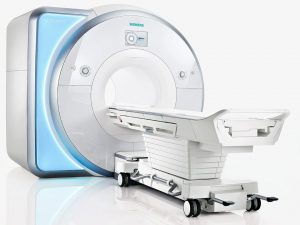
When is it Okay to Request a Second Opinion From Your Doctor?

Receiving news that you or a loved one has been diagnosed with a serious or rare medical condition can be very overwhelming and scary. While it is important to listen to and follow your doctor’s instructions, it is also appropriate in these situations to seek the advice of other professionals and request a second opinion.

Unfortunately, less than half of the people diagnosed with a serious or life-threatening disease request a second opinion. The most frequent reasons individuals cited for not doing so include: feeling an urgency to seek treatment right away, lack of access to experts or centers of excellence, fear that their insurance carrier would not cover the cost, and concerns about offending their doctor.

In most cases, these reasons are unmerited; in reality, many conditions do not require immediate treatment and most physicians welcome a second opinion. In addition, many insurance providers allow for second opinions and can even help identify local experts that participate in your plan.

So, when is getting a second opinion a good idea? According to WebMD, the following circumstances are appropriate:

  • Where the treatment is very risky or toxic
  • Where the diagnosis is not clear, the treatment is experimental, or there is no established consensus or Food and Drug Administration-approved treatment
  • If you’re considering participating in a trial for a new drug
  • If you’re considering some new experimental approach or a procedure that involves using experimental instruments or devices.

In many cases, second opinions are very beneficial.  In fact, a recent study highlighted their potential value.  Researchers found  that as many as 88% of those who sought a second opinion for a complex medical condition had a new diagnosis that changed their treatment plan, and 21% received a completely different diagnosis.

If you would like to seek a second opinion, but are unsure of how to start the conversation with your doctor, try some of these tips.

  • Tell your doctor you want to be sure that you explore all your treatment options. This may include looking into several surgical and non-surgical interventions.
  • Let your doctor know that you always talk to more than one expert when you need to make an important decision, whether it’s a medical, financial, or personal decision.
  • Explain to your doctor that a second opinion would give you peace of mind that your diagnosis and treatment plan are the best option for you.

Even if a second opinion doesn’t change your diagnosis or treatment plan, you can feel satisfied that you made a well-informed decision.

All content of this newsletter is intended for general information purposes only and is not intended or implied to be a substitute for professional medical advice, diagnosis or treatment. Please consult a medical professional before adopting any of the suggestions on this page. You must never disregard professional medical advice or delay seeking medical treatment based upon any content of this newsletter. PROMPTLY CONSULT YOUR PHYSICIAN OR CALL 911 IF YOU BELIEVE YOU HAVE A MEDICAL EMERGENCY.
Department Spotlight

The Flushing Hospital Medical Center Department (FHMC) Spotlight shines on the Department of Materials Management/Supply Chain.

This group of professionals, led by Director Robert Arbitello, is responsible for the supervision of purchasing decisions with a focus on ensuring their medical facility is properly stocked with the right products and equipment.

They are further tasked with the planning procurement, storage, control and distribution of materials and products throughout the hospital.

For their excellent work FHMC recognizes and congratulates the Department of Materials Management/Supply Chain on being chosen as the Department Spotlight for the month of May!

All content of this newsletter is intended for general information purposes only and is not intended or implied to be a substitute for professional medical advice, diagnosis or treatment. Please consult a medical professional before adopting any of the suggestions on this page. You must never disregard professional medical advice or delay seeking medical treatment based upon any content of this newsletter. PROMPTLY CONSULT YOUR PHYSICIAN OR CALL 911 IF YOU BELIEVE YOU HAVE A MEDICAL EMERGENCY.

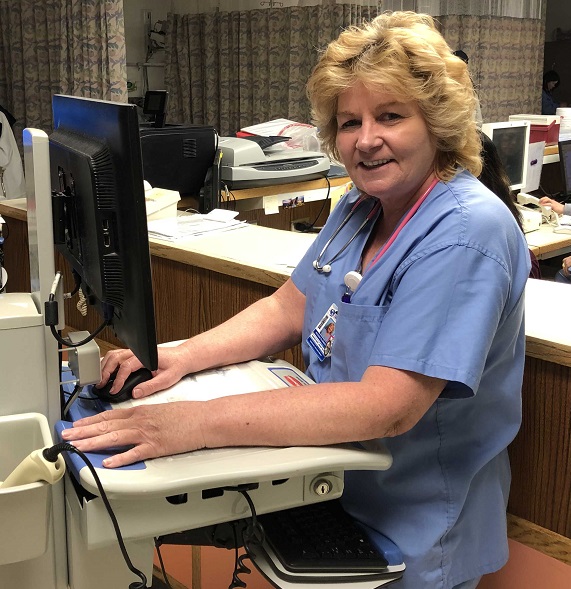
April’s Employee Spotlight Shines on Jayne Koerber!

April’s Employee Spotlight shines on Jayne Koerber, clerk and medical transcriber for the Department of Radiology at Flushing Hospital Medical Center (FHMC).  She has been a valued employee at FHMC for the past 32 years.

On any given day, you will find Jayne answering phones, scheduling patient appointments, verifying insurance eligibility and forwarding radiologic reports to the necessary departments.

Jayne Koerber greets every day with a smile.  She states that the part of her job that is most rewarding is, “Helping patients in our hospital and our community; always treating them with respect and compassion.”

She loves her work at FHMC, although it can be challenging because, “You must be able to multi-task.  The phones are always ringing, patients are coming in for registration and insurance companies call for authorizations all simultaneously.”

Jayne resides with her husband Al.  She has two daughters, Elizabeth and Kristina.  She loves to take long walks, cook and shop.  Some of her other non-work related hobbies are working with charities such as The Lupus Foundation, St. Jude’s Hospital Pemphigus Foundation and the Lustgarten Foundation.

Flushing Hospital Medical Center congratulates Jayne Koerber for receiving April’s Employee Spotlight!

All content of this newsletter is intended for general information purposes only and is not intended or implied to be a substitute for professional medical advice, diagnosis or treatment. Please consult a medical professional before adopting any of the suggestions on this page. You must never disregard professional medical advice or delay seeking medical treatment based upon any content of this newsletter. PROMPTLY CONSULT YOUR PHYSICIAN OR CALL 911 IF YOU BELIEVE YOU HAVE A MEDICAL EMERGENCY.

Free Core Strengthening and Circulation Classes At Flushing Hospital

In an effort to improve the overall wellness of our surrounding community and employees, Flushing Hospital Medical Center has partnered with the New York City Department of Parks and Recreation’s, Shape Up NYC, to offer free core strengthening and circulation classes to everyone.

Leading the class is Jordan, a trained specialist in fitness who knows how to make exercise enjoyable for everyone.

According to Shape Up NYC, “this class includes core strengthening and circulation techniques to improve balance and improve intestinal health, dynamic and static stretching, calisthenics and plyometric bodyweight strengthening, Cardiovascular exercises, core-focused breathing postures to slow the mind and for a stronger body, and meditation.”

Class began on March 5th and will take place every Tuesday at 5:00 pm at the 5th Fl. Auditorium/Conference Room A, corner of 45th Avenue and Burling Street.

You can sign up at the time of attendance and please bring your own mat.

All content of this newsletter is intended for general information purposes only and is not intended or implied to be a substitute for professional medical advice, diagnosis or treatment. Please consult a medical professional before adopting any of the suggestions on this page. You must never disregard professional medical advice or delay seeking medical treatment based upon any content of this newsletter. PROMPTLY CONSULT YOUR PHYSICIAN OR CALL 911 IF YOU BELIEVE YOU HAVE A MEDICAL EMERGENCY.

Flushing Hospital’s Nurse of The Month

Our nurses are the pillars of our community. In addition to meeting the demands of being a caregiver, they wear several hats including that of an educator, nurturer,  and comforter.

Not only to do nurses care for patients; they provide support to families and loved ones during difficult times.

Our nurses pour their hearts into all aspects of their job, and this is one of the many reasons why we celebrate their accomplishments.

Join us in congratulating  Danica Santos  RN for receiving Flushing Hospital Medical Center’s Nurse of the Month.

Meet Danica:

Q&A:

Q: How long have you been working for FHMC?
A:  I have been working at Flushing Hospital for 4 years since 2015.
Q: On which unit do you currently work?
A: Medsurg 2 North 2
Q: Why did you want to become a nurse?
A:  My mother and grandmother are nurses. I grew up with a family in the medical field. I just knew that that would be my career from the start. I always wanted to help people. I wanted to care for them, reassure them, and heal them to their best condition. I wanted to learn from and interact with people from different kinds of backgrounds.
QWhat is the best part of your job?
A:  The people I work with and the patients and families I help. Without a great team, I wouldn’t be here. We always have each other’s back. When helping patients and their families, I want to make them as comfortable as possible when they’re in the hospital. They may seem lost, scared, maybe even separated from their family. You never know their life story. But receiving a simple thank you with a big smile on their face is the best feeling in the world.

All content of this newsletter is intended for general information purposes only and is not intended or implied to be a substitute for professional medical advice, diagnosis or treatment. Please consult a medical professional before adopting any of the suggestions on this page. You must never disregard professional medical advice or delay seeking medical treatment based upon any content of this newsletter. PROMPTLY CONSULT YOUR PHYSICIAN OR CALL 911 IF YOU BELIEVE YOU HAVE A MEDICAL EMERGENCY.

Breastfeeding and Returning to Work

If you’re breastfeeding your newborn and returning to work, you may be wondering how you are going to do both. With a little discipline and some planning, breastfeeding and working is a challenge you can overcome.

Here are some suggestions designed to make nursing your child and transitioning back to work easier:

1. Before going back to work, speak with your supervisor about your plans to breastfeed. Discuss different types of schedules, such as starting back part-time at first or taking split shifts.

2. Many Lactation Consultants recommend that breastfeeding moms join a breastfeeding support group to talk with other mothers about breastfeeding after your baby is born and how they transitioned back into the workplace.

3. Ask if your company provides a lactation support program for employees. If your company does not, ask about private areas where you can comfortably and safely express milk. The Affordable Care Act supports work-based efforts to assist nursing mothers.

4. Ask the lactation program director, your supervisor, wellness program director, employee human resources office, or other co-workers if they know of other women at your company who have breastfed after returning to work.

If you have any questions regarding breastfeeding your baby, please contact Flushing Hospital Medical Center’s Pediatric Ambulatory Care department at 718-670-5486.

All content of this newsletter is intended for general information purposes only and is not intended or implied to be a substitute for professional medical advice, diagnosis or treatment. Please consult a medical professional before adopting any of the suggestions on this page. You must never disregard professional medical advice or delay seeking medical treatment based upon any content of this newsletter. PROMPTLY CONSULT YOUR PHYSICIAN OR CALL 911 IF YOU BELIEVE YOU HAVE A MEDICAL EMERGENCY.

Department Spotlight – FHMC SECURITY DEPARTMENT

April’s Flushing Hospital Medical Center’s (FHMC) Department Spotlight shines on the Security Department.

Under the leadership of Carmen Altieri, Director, the FHMC security force is tasked with securing the hospital premises, protecting its personnel, patients, and visitors, as well as monitoring the hospital’s closed circuit TV (CCTV), and checking that the proper hospital identification is being displayed on each employee.

“The department creates an environment of safety at FHMC and we are proud of the work we do.”  stated Ms. Altieri.

Congratulations of being April’s Department Spotlight!

All content of this newsletter is intended for general information purposes only and is not intended or implied to be a substitute for professional medical advice, diagnosis or treatment. Please consult a medical professional before adopting any of the suggestions on this page. You must never disregard professional medical advice or delay seeking medical treatment based upon any content of this newsletter. PROMPTLY CONSULT YOUR PHYSICIAN OR CALL 911 IF YOU BELIEVE YOU HAVE A MEDICAL EMERGENCY.

Why is it Important to Keep the Brain Active ?


Why is it important to exercise your brain? Just like we exercise our bodies to keep it in good working order, research has shown that it is equally important to exercise our brain to keep it sharp and potentially to lower the risk of developing dementia.

A few of the activities that can help exercise the brain are:

  • Working on puzzles
  • Socializing with others
  • Reading books and newspapers
  • Playing board games or cards
  • Volunteering or joining a club
  • Learning how to play an instrument
  • Visiting a museum or going to the movies


It is normal for the brain to slow down with age. We tend to be less active physically and this can affect our brain activity. Therefore in addition to keeping our brains active we should exercise regularly and eat a healthy diet. Maintaining our physical health helps the process of neurogenesis which is the creation of new brain cells. Exercise also helps the flow of blood to the brain

If you would like to discuss with a physician any issues concerning the brain functioning, please call 718-670-5486.

All content of this newsletter is intended for general information purposes only and is not intended or implied to be a substitute for professional medical advice, diagnosis or treatment. Please consult a medical professional before adopting any of the suggestions on this page. You must never disregard professional medical advice or delay seeking medical treatment based upon any content of this newsletter. PROMPTLY CONSULT YOUR PHYSICIAN OR CALL 911 IF YOU BELIEVE YOU HAVE A MEDICAL EMERGENCY.

April is Irritable Bowel Syndrome (IBS) Awareness Month

Irritable bowel syndrome (IBS) is a condition marked by recurring or alternating bouts of cramps, diarrhea or constipation. It affects an estimated 30 to 45 million people in the United States – or 10 to 15 percent of the population. Despite its prevalence, many people living with this disorder are unaware that they have it and do not receive the necessary treatment and support.

In an attempt to help others gain a better understanding about this condition, April has been designated IBS Awareness Month. During this time, those involved in this effort will look to focus attention on important health messages about IBS diagnosis, treatment, and quality of life issues.

There are many obstacles in raising awareness about IBS. One of the biggest hurdles is getting people to openly discuss their condition. Even though the disorder is very common, many with IBS are reluctant to openly talk about their symptoms or seek medical care. They may feel uncomfortable discussing their symptoms, even with their doctor, because of social taboos surrounding bowel symptoms.

In addition, IBS is often mischaracterized as a trivial condition, but it is actually one of the most prevalent and burdensome chronic issues reported by patients. IBS has been cited as one of the leading causes of work absenteeism (second only to the common cold) and its symptoms also have a profound impact on the personal and professional activities of those living with it.

Another obstacle that many that IBS encounter is that there is still so much that is unknown about the disease. IBS symptoms result in no damage to the gastrointestinal (GI) system, making it difficult to diagnose. In addition, even though there are many theories regarding what causes IBS, there is no known official cause for the condition.  There is also no official test to diagnose IBS and there is no cure.

In an effort to help those living with IBS, many health care professionals suggest patients learn all that they can about their condition, including identifying those things that seem to make their symptoms worse. Most importantly, people with IBS are encouraged to talk openly with their doctor about IBS so they can help them better manage their condition through improved lifestyle choices and medication therapy aimed to relieve symptoms.

Flushing Hospital is committed to joining the fight to raise awareness and addressing misconceptions about IBS to help those affected get diagnosed and receive appropriate care.

To schedule an appointment to speak with one of Flushing Hospital’s doctors, please call 718-670-5486.

All content of this newsletter is intended for general information purposes only and is not intended or implied to be a substitute for professional medical advice, diagnosis or treatment. Please consult a medical professional before adopting any of the suggestions on this page. You must never disregard professional medical advice or delay seeking medical treatment based upon any content of this newsletter. PROMPTLY CONSULT YOUR PHYSICIAN OR CALL 911 IF YOU BELIEVE YOU HAVE A MEDICAL EMERGENCY.

How would you know if you have meningitis ?

Hearing the word meningitis scares most people. We know that it is a serious disease, but do we really know what it is or what causes it?

Meningitis is a disease, caused by either a viral, bacterial or fungal infection. It causes an inflammation of the membranes, also called meninges that surround the brain and spinal cord.

Symptoms of meningitis include:

  • Stiff neck with sudden onset
  • Fever
  • Confusion
  • Severe headache
  • Nausea and vomiting
  • Lack of appetite
  • Skin rash

There are several complications that can occur from meningitis. These include, seizures, hearing loss, difficulty remembering things, kidney failure and in severe cases, death.

In most cases in the United States the cause is due to a virus, which is the least severe form of the disease. It is spread by poor hygiene, or coming in contact with bodily fluids of someone who is infected, such as through kissing, sharing utensils, sneezing and coughing.

Viral Meningitis is the least severe and often it can get better on its own. The viruses that cause it are more prevalently found in summer and early fall. Bacterial meningitis is more severe and is caused when certain types of bacteria enter the blood and travel to the brain. Bacterial meningitis can also start as a sinus infection or an ear infection. Meningitis caused by a fungus is a rarer form and it usually affects people who are immunocompromised, like those with AIDS.

People who are at higher risk of getting meningitis are usually the people who haven’t been vaccinated against it. Children under five are at higher risk for viral meningitis, bacterial meningitis is more commonly seen in people under the age of 20. Other at great risk are people living in group settings like dormitories.

Treatment for meningitis is dependent on the cause. If it is bacterial, treatment will include antibiotics, for viral it may be mild and just treat the symptoms. If it is fungal it can be antifungal medications.

Keeping in mind that meningitis is contagious, it is best to seek appropriate medical care immediately. You should consult with your medical doctor or go to an emergency room to have the appropriate tests performed. If you would like to schedule an appointment with a physician at Flushing Hospital, please call 718-670-5486.

All content of this newsletter is intended for general information purposes only and is not intended or implied to be a substitute for professional medical advice, diagnosis or treatment. Please consult a medical professional before adopting any of the suggestions on this page. You must never disregard professional medical advice or delay seeking medical treatment based upon any content of this newsletter. PROMPTLY CONSULT YOUR PHYSICIAN OR CALL 911 IF YOU BELIEVE YOU HAVE A MEDICAL EMERGENCY.