
Safety Tips For Hurricane Season

While we typically associate the summer with delightful temperatures, this time of year can also bring dangerous weather conditions, namely hurricanes.

With a long history of providing relief to places previously devastated by hurricanes, including sending personnel to assist the victims of Hurricanes Katrina and Maria, Flushing Hospital Medical Center is experienced and knowledgeable about how to properly prepare for such an event. Our hospital would like to share the following safety tips with our community:

  • In case of a need to evacuate, know where the nearest evacuation route is located
  • Keep a supply of non-perishable food that doesn’t require refrigeration or cooking
  • In an easy to locate area of your home keep flashlights, extra batteries, extra cash, a first aid kit, basic tools, charged cell phones and chargers, and a battery operated radio
  • Make sure you have a seven day supply of prescription medications
  • Have a three day supply of drinking water, one gallon per day per person.
  • Fill a bathtub with water to use to flush toilets
  • Make sure that all of your important documents are kept in a place that is high above ground level. Always keep a copy of these documents with you if there is a need to evacuate
  • Give everyone in your household a list of people they should contact in case of an emergency
  • Have a plan to protect your pets and have extra food for them
  • Prepare to put outdoor furniture away or at least firmly secured

By being prepared and following these tips, you can help keep your home and your loved ones safe from disaster.

For more information, please visit https://www.ready.gov/hurricanes and www.fema.gov

All content of this newsletter is intended for general information purposes only and is not intended or implied to be a substitute for professional medical advice, diagnosis or treatment. Please consult a medical professional before adopting any of the suggestions on this page. You must never disregard professional medical advice or delay seeking medical treatment based upon any content of this newsletter. PROMPTLY CONSULT YOUR PHYSICIAN OR CALL 911 IF YOU BELIEVE YOU HAVE A MEDICAL EMERGENCY.

Swimming Pool Safety Tips

The weather is warming up and people will be looking for ways to keep cool. One way that has always been popular  during the warm summer months is by swimming in a pool, whether it be at someone’s home, or a community pool in the neighborhood.

Every year there are countless accidents and also fatalities at or near swimming pools. Many could have been avoided had precautions been taken.

Safety Tips to follow:

  • Never leave children unattended near a pool
  • Only swim when there is a lifeguard present
  • Every pool should have proper drain covers
  • Pools should have alarms and proper fencing
  • Keep the pool clean
  • There should be no diving allowed in pools that are shallow
  • Never swim alone
  • There should be no horseplay in or near a pool
  • Do not swim under the influence of alcohol or drugs
  • Do not swim in a thunderstorm
  • It is a good idea to give children swimming lessons before the start of the summer
  • Children who don’t know how to swim should be given flotation devices to wear

There are many organizations around the country that offer swimming lessons for children and adults of all ages. If you don’t know how to swim, look into getting some lessons before heading out to the pool. You will have a good time and you will also be a lot safer this summer.

All content of this newsletter is intended for general information purposes only and is not intended or implied to be a substitute for professional medical advice, diagnosis or treatment. Please consult a medical professional before adopting any of the suggestions on this page. You must never disregard professional medical advice or delay seeking medical treatment based upon any content of this newsletter. PROMPTLY CONSULT YOUR PHYSICIAN OR CALL 911 IF YOU BELIEVE YOU HAVE A MEDICAL EMERGENCY.

Flushing Hospital’s Chemical Dependency Unit

Chemical dependency is a term used to describe a disease characterized by the addiction to mood- altering chemicals found in legal or illegal drugs or alcohol. Some of the causes of chemical abuse and dependence are environmental stressors, social pressures, psychiatric problems or possible genetic traits.

People who have a chemical dependence most often abuse one or more of these agents:

  • Alcohol
  • Marijuana
  • Cocaine
  • Opiates
  • Inhalants
  • Hallucinogens
  • Methamphetamine
  • Pain medications

Warning signs that indicate a growing chemical dependence on these substances include:

  • Developing a tolerance to use more alcohol or drugs to get a desired effect
  • Interference with work, school, and relationships
  • Spending a lot of time getting, using or recovering from the use of substances
  • Craving drugs or alcohol on a continuing basis
  • Having withdrawal symptoms if drugs or alcohol are not available

The Chemical Dependency Unit at Flushing Hospital is a medically managed detoxification unit that offers safe withdrawal from alcohol and drugs. Culturally-sensitive treatment is provided by a dedicated and caring staff that consists of physicians, physicians’ assistants, specially trained nurses, credentialed alcoholism and substance abuse counselors, creative arts therapists, social workers, and psychiatric consultants. Their focus is stabilizing the individual physically and emotionally so they can start the recovery process.

In addition to providing treatment, educational groups are facilitated to help patients learn about addiction as well as creative arts groups to help patients understand and express their emotions. Also self-help groups, such as AA (Alcoholics Anonymous) and NA (Narcotics Anonymous), conduct meetings on the unit to familiarize patients with the support services they provide.

Patients are admitted 24 hours a day, seven days a week. The length of stay is usually between three and seven days. Discharge plans are based on the individual needs of the patient.

For more information or to schedule an appointment at the Chemical Dependency Unit at Flushing Hospital, call 718-670-5540 or 718-670-5693.

All content of this newsletter is intended for general information purposes only and is not intended or implied to be a substitute for professional medical advice, diagnosis or treatment. Please consult a medical professional before adopting any of the suggestions on this page. You must never disregard professional medical advice or delay seeking medical treatment based upon any content of this newsletter. PROMPTLY CONSULT YOUR PHYSICIAN OR CALL 911 IF YOU BELIEVE YOU HAVE A MEDICAL EMERGENCY.
Tips Helping Kids Enjoy The Summer and Stay Safe During The Pandemic

During these last few months, with schools closed and social distancing rules in place, it has proven to be very challenging to keep children occupied.

Here are some suggestions that you may find helpful for keeping children occupied based on their age.

Younger children:

  • Go on scavenger hunts around your neighborhood
  • Put painters tape on the floor and make a maze for toy trucks to follow
  • Take a whiteboard or pieces of paper and let your child write a story
  • Make hand puppets with socks and tell stories
  • Plant seeds in paper cups and watch them grow
  • Build a fort with a sheet

Older children :

  • Go on virtual tours of interesting places around the world.
  • Bake cookies
  • Use the internet to learn new skills or to learn how to play an instrument
  • Write letters to people in nursing homes
  • Play board games

While trying new and innovative ways to occupy their time can be difficult at times, there are many benefits. These activities can stimulate them mentally and physically and help them to avoid boredom and depression. There are also many resources on the internet that will help you to find activities that suit everyone’s interests.

All content of this newsletter is intended for general information purposes only and is not intended or implied to be a substitute for professional medical advice, diagnosis or treatment. Please consult a medical professional before adopting any of the suggestions on this page. You must never disregard professional medical advice or delay seeking medical treatment based upon any content of this newsletter. PROMPTLY CONSULT YOUR PHYSICIAN OR CALL 911 IF YOU BELIEVE YOU HAVE A MEDICAL EMERGENCY.

July is UV Safety Month

Summertime is here and many of us will be spending much of our free time outdoors enjoying the beautiful weather. July was designated by the U.S. Department of Health and Human Services as UV Safety Awareness Month to bring attention to the harmful effects the sun can have on our bodies when it’s not properly protected.

The sun gives off two types of radiation:

  • UV-A which has a longer wavelength and can damage the outer and middle layer of skin
  • UV-B which has a shorter wavelength and primarily damages the outer layer of skin.

Too much exposure to the sun’s radiation can lead to serious health complications, such as:

  • Vision problems
  • Immune system suppression
  • Premature aging of the skin
  • Skin cancer

If you are spending time in the sun, following these guidelines can help to prevent any unwanted complications:

  • Always cover up your body as best as possible when prolonged exposure to the sun is anticipated. Loose and cool clothing is recommended.
  • Apply sunscreen with SPF if you are going to be outdoors. Wearing sunscreen is vital when exposed to the sun, as this helps to protect your skin from harmful UV rays. Make sure to use a sunscreen with a broad spectrum (UVA and UVB) and re-apply throughout the day.
  • When possible, try to avoid being out in direct sunlight, especially when the sun is at its most intense which is usually between 10 AM and 4 PM.
  • Wear sunglasses to help protect the eyes from the sun’s rays.

Practicing these safety precautions will allow you to enjoy the beautiful summer weather while protecting yourself from the sun’s harmful rays.

All content of this newsletter is intended for general information purposes only and is not intended or implied to be a substitute for professional medical advice, diagnosis or treatment. Please consult a medical professional before adopting any of the suggestions on this page. You must never disregard professional medical advice or delay seeking medical treatment based upon any content of this newsletter. PROMPTLY CONSULT YOUR PHYSICIAN OR CALL 911 IF YOU BELIEVE YOU HAVE A MEDICAL EMERGENCY.
July is UV Safety Month


Summertime is here and many of us will be spending much of our free time outdoors enjoying the beautiful weather. July was designated by the U.S. Department of Health and Human Services as UV Safety Awareness Month to bring attention to the harmful effects the sun can have on our bodies when it’s not properly protected.

The sun gives off two types of radiation:

  • UV-A which has a longer wavelength and can damage the outer and middle layer of skin
  • UV-B which has a shorter wavelength and primarily damages the outer layer of skin.

Too much exposure to the sun’s radiation can lead to serious health complications, such as:

  • Vision problems
  • Immune system suppression
  • Premature aging of the skin
  • Skin cancer

If you are spending time in the sun, following these guidelines can help to prevent any unwanted complications:

  • Always cover up your body as best as possible when prolonged exposure to the sun is anticipated. Loose and cool clothing is recommended.
  • Apply sunscreen with SPF if you are going to be outdoors. Wearing sunscreen is vital when exposed to the sun, as this helps to protect your skin from harmful UV rays. Make sure to use a sunscreen with a broad spectrum (UVA and UVB) and re-apply throughout the day.
  • When possible, try to avoid being out in direct sunlight, especially when the sun is at its most intense which is usually between 10 AM and 4 PM.
  • Wear sunglasses to help protect the eyes from the sun’s rays.

Practicing these safety precautions will allow you to enjoy the beautiful summer weather while protecting yourself from the sun’s harmful rays.

All content of this newsletter is intended for general information purposes only and is not intended or implied to be a substitute for professional medical advice, diagnosis or treatment. Please consult a medical professional before adopting any of the suggestions on this page. You must never disregard professional medical advice or delay seeking medical treatment based upon any content of this newsletter. PROMPTLY CONSULT YOUR PHYSICIAN OR CALL 911 IF YOU BELIEVE YOU HAVE A MEDICAL EMERGENCY.

The Importance of Getting a Bone Density Screening

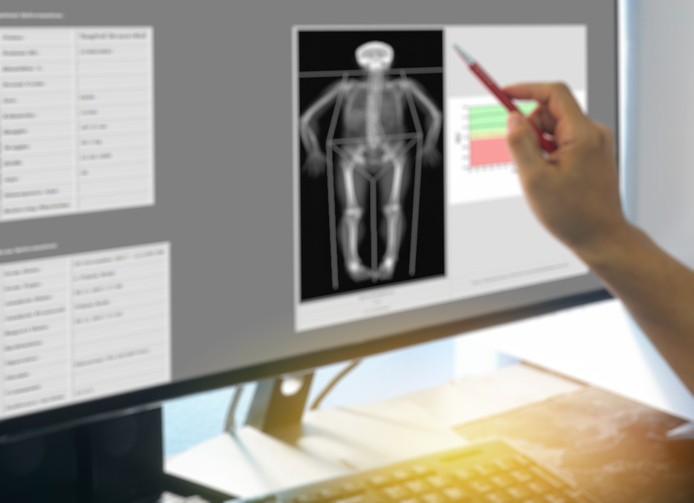
A bone density test is a type of x-ray that measures the concentration of calcium and other minerals in the bones. This test is most commonly performed to evaluate a patient for osteoporosis.

Osteoporosis is a disease that causes bones to lose density and become easy to break or fracture.

Some people are more at risk for developing osteoporosis than others. Risk factors include:

  • Age – Older people tend to have a greater incidence of osteoporosis
  • Race – Caucasians and Asians are typically more prone to bone density issues
  • Gender – Women experience bone loss more frequently than men
  • Dietary factors – People who have a low intake of calcium are at greater risk
  • Medications – People with a long term use of injectable steroids have bone loss issues
  • Smoking – People who smoke tend to lose bone mass at a faster rate than non-smokers
  • Family history – There is a correlation of osteoporosis and hereditary factors

Symptoms of the disease are:

  • Loss of height over a period of time
  • Back pain
  • Bones that break more easily than expected
  • A stooped posture

For those who are presenting symptoms or have a higher chance of developing osteoporosis, a doctor may recommend testing to assess the density of their bones.

Bone density screenings are non-invasive, painless, and use low amounts of x-rays. The results of the test will indicate whether or not you need to take medication that will help to maintain your bone density or make changes in your lifestyle and diet to prevent bone loss.

If you would like to schedule a bone density screening at Flushing Hospital Medical Center, ask your physician for a referral to have it performed. You can schedule an appointment with a physician at Flushing Hospital by calling 718-670-5486.

All content of this newsletter is intended for general information purposes only and is not intended or implied to be a substitute for professional medical advice, diagnosis or treatment. Please consult a medical professional before adopting any of the suggestions on this page. You must never disregard professional medical advice or delay seeking medical treatment based upon any content of this newsletter. PROMPTLY CONSULT YOUR PHYSICIAN OR CALL 911 IF YOU BELIEVE YOU HAVE A MEDICAL EMERGENCY.

The Benefits of Physical Therapy

Whether you sustained a physical injury playing a sport or you are suffering from a degenerative condition, physical therapy, under the supervision of a licensed physical therapist can prove to have many benefits.  Many doctors consider it a safer and less intrusive approach to treat a chronic problem as opposed to medication therapy or surgery.

Some of the many benefits of physical rehabilitation include:

  • Manage pain – Physical therapy techniques and therapeutic exercises can help mobilize your joints and soft tissue and restore muscle function, reducing aches or eliminating pain entirely.
  • Maximize movement – Physical therapists are able to identify, diagnose and treat movement-related issues. Each treatment plan is custom designed for each person’s individual challenges and outcome goals.
  • Address other health issues – Customizing a physical therapy plan can help individuals with a wide variety of underlying health issues such as diabetes, heart or lung disease, or vascular conditions.
  • Injury prevention – Creating an exercise regimen that targets and strengthens weak muscle groups and joints can help prevent future injuries from occurring.
  • Avoid surgery – While surgery is unavoidable in some cases, in many instances physical therapy assists healing and improves physical health to the point that surgery may no longer be necessary.
  • Avoid medication dependence – Medications can be prescribed to help individuals deal with pain, but many of them (opioids) can result in dependency issues. Physical therapy can help the need to take these medications.

A physical therapist has experience diagnosing physical abnormalities, restoring physical function and mobility, maintaining physical function, and promoting physical activity and proper function.

To make an appointment with a physical therapist at Flushing Hospital, please call 718-670-5515.

All content of this newsletter is intended for general information purposes only and is not intended or implied to be a substitute for professional medical advice, diagnosis or treatment. Please consult a medical professional before adopting any of the suggestions on this page. You must never disregard professional medical advice or delay seeking medical treatment based upon any content of this newsletter. PROMPTLY CONSULT YOUR PHYSICIAN OR CALL 911 IF YOU BELIEVE YOU HAVE A MEDICAL EMERGENCY.

Flushing Hospital Warns – Kidney Stone Season is Here

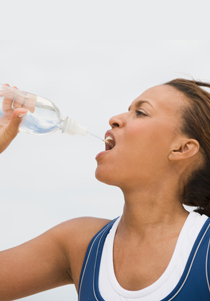
They are less than a centimeter in size, yet they can cause intense discomfort. Kidney stones are one of the most painful urologic disorders, and they occur more frequently during the summer because our bodies loose more water due to sweating, which can result in dehydration.

Kidney stones are small, hard masses made of mineral and acid salts that develop in the urine. No single factor causes kidney stones, and not everyone is susceptible to them. Several factors often work together to create an environment in which at-risk people develop kidney stones. People most at risk for kidney stones include:

• Adults
• Males
• Those with family or personal history of kidney stones
• Those with personal history of digestive diseases and/or surgery

In general, kidney stones form when the fluid and various mineral and acids that make up urine are out of balance. “With adequate hydration, calcium and other crystal-forming substances properly dissolve in the urine,” says Ricardo Ricciardi, MD, Director of Urology at Flushing Hospital Medical Center.

Although genetics, family history, and some medical conditions can increase your odds of developing kidney stones, you can still play a role in preventing them through the following steps:

• Drink enough water. “If you’re prone to kidney stones, your best defense is to stay hydrated during hot summer months,” says Dr. Ricciardi. “Hot temperatures make your body lose more water than usual, so it is important to replenish it throughout the day, depending on your weight and activity level.”

• Eat less meat. Diets rich in animal protein increase your risk for kidney stones; so try to incorporate other protein sources, such as beans, nuts and seeds, instead.

• Limit your salt intake. Excess salt absorbs water in your system, which can also dehydrate you. Limit your daily sodium intake to 1,500 mg or less by avoiding fast food, reading nutrition labels when you buy groceries, and cooking with less salt and more herbs and spices.

• Drink less caffeine. Even though you may think you are getting enough liquid by consuming caffeinated sodas, coffee, or tea, caffeine is a diuretic, meaning it can dehydrate you.

Sneaking Symptoms

Kidney stones often do not cause symptoms. If the crystals are small enough, they may pass through the urinary tract and out of the body without being felt. If a stone is large enough to attract attention, however, the first symptom is usually severe pain in the backside that begins when the stone moves into the urinary tract, blocking the flow of urine. The pain may later spread to the groin and lower abdomen. Other symptoms include a persistent urge to urinate, painful urination, and pink, red, or brown urine.

Seek medical attention if you have pain accompanied by nausea and vomiting or fever and chills, or if pain is so severe that you cannot sit still or find a comfortable position. If you are experiencing any of the symptoms mentioned, or suspect you have Kidney Stones and would like to schedule an appointment, please contact Dr. Ricciardi at 718-670-5699.

Flushing Hospital Medical Center has reopened many of its healthcare services. To learn about the safety measures the hospital has taken to protect your health, please visit https://flushinghospital.org/for-our-patients/


All content of this newsletter is intended for general information purposes only and is not intended or implied to be a substitute for professional medical advice, diagnosis or treatment. Please consult a medical professional before adopting any of the suggestions on this page. You must never disregard professional medical advice or delay seeking medical treatment based upon any content of this newsletter. PROMPTLY CONSULT YOUR PHYSICIAN OR CALL 911 IF YOU BELIEVE YOU HAVE A MEDICAL EMERGENCY.

Do you have Menorrhagia

According to the Mayo Clinic, menorrhagia is the medical term for menstrual periods with abnormally heavy or prolonged bleeding.

Women with menorrhagia are unable to continue their normal activities when they are menstruating or have their “period”.  When their period arrives, it is accompanied by abnormally heavy bleeding, clotting and cramping.

Some common signs and symptoms of menorrhagia are:

  • Saturated sanitary pads or tampons every hour for several hours
  • Bleeding for longer than a week
  • Passing blood clots larger than a quarter
  • Presenting with signs of anemia, lethargy, fatigue or shortness of breath

Menorrhagia can be caused by a hormone imbalance, dysfunctional ovaries, uterine fibroids, polyps, adenomyosis, and/or cancer.

Although heavy menstrual bleeding is a common concern, most women don’t experience enough blood loss to be defined as menorrhagia.

If you are experiencing heavier than normal periods and would like to make an appointment at Flushing Hospital‘s Women’s Health Center please call 718-670-5486 to schedule an appointment.

Flushing Hospital Medical Center has reopened many of its healthcare services. To learn about the safety measures the hospital has taken to protect your health, please visit https://flushinghospital.org/for-our-patients/


All content of this newsletter is intended for general information purposes only and is not intended or implied to be a substitute for professional medical advice, diagnosis or treatment. Please consult a medical professional before adopting any of the suggestions on this page. You must never disregard professional medical advice or delay seeking medical treatment based upon any content of this newsletter. PROMPTLY CONSULT YOUR PHYSICIAN OR CALL 911 IF YOU BELIEVE YOU HAVE A MEDICAL EMERGENCY.