
Smoking And Cardiovascular Disease

Smoking tobacco products can lead to adverse effects on our cardiovascular health; it is a primary risk factor for cardiovascular disease (CVD), which is the leading cause of death in the United States.

The chemicals inhaled when smoking cigarettes can affect the way our cardiovascular systems function in several ways.  This includes:

  • Damaging blood vessels
  • Causing the thickening and narrowing of blood vessels
  • Causing a rise in blood pressure
  • Causing an increase in heart rate
  • Increasing the risk of blood clots
  • Creating a buildup of plaque in the arteries
  • Reducing the supply of oxygen used by the body
  • Reducing the HDL or good cholesterol in the body

Furthermore, smoking tobacco can lead to the development of life-threatening cardiovascular complications such as:

  • Stroke
  • Peripheral Arterial Disease
  • Abdominal Aortic Aneurysm
  • Atherosclerosis
  • Heart Attack

Smoking is the most preventable risk factor for cardiovascular disease and complications caused by CVD.   You can protect and improve your heart health by quitting smoking.   Studies show that smokers can reduce their risk for cardiovascular disease immediately after quitting.  Additionally, the risk for heart attack greatly decreases one year after quitting smoking, and within five years of quitting, a smoker can reduce the risk for stroke.

Flushing Hospital Medical Center’s smoking cessation team wants to help you develop a plan leading to your “quit day”. Flushing Hospital has partnered with the American Lung Association to bring you Freedom from Smoking, a comprehensive and successful group-based smoking cessation program.

For more information about smoking cessation programs or to register for our program, call: 718 206 8494

All content of this newsletter is intended for general information purposes only and is not intended or implied to be a substitute for professional medical advice, diagnosis or treatment. Please consult a medical professional before adopting any of the suggestions on this page. You must never disregard professional medical advice or delay seeking medical treatment based upon any content of this newsletter. PROMPTLY CONSULT YOUR PHYSICIAN OR CALL 911 IF YOU BELIEVE YOU HAVE A MEDICAL EMERGENCY.


Stress Eating

Experiencing chronic or long-term stress causes our bodies to release the hormone cortisol, which can stimulate our appetites.  Additionally, chronic stress appears to have an effect on the types of foods we choose to eat, as studies show we are more likely to consume meals that are high in sugar or fat when we are stressed.

Overeating due to stress and making poor food choices can lead to unhealthy weight gain. Therefore, it is important to learn how to cope with stress in a healthy way and avoid emotional eating. Here are a few ways to achieve these goals:

  • Identify triggers or events that lead to stress eating
  • Manage your stress through relaxation techniques such as meditation
  • Pause before giving in to cravings (Experts recommend putting off eating for one to five minutes)
  • Find healthier food options
  • Practice mindful eating
  • Practice portion control
  • Exercise
  • Connect with others who can support you during a difficult time

If you are experiencing stress for an extended period, you should seek the assistance of a licensed mental health professional to help you practice effective stress reduction techniques. Additionally, if you are facing challenges with adhering to a healthy diet, a registered dietitian can help you to get on track with making better food choices.

To schedule an appointment with healthcare providers at Flushing Hospital Medical Center, please call 718-670-5486.


All content of this newsletter is intended for general information purposes only and is not intended or implied to be a substitute for professional medical advice, diagnosis or treatment. Please consult a medical professional before adopting any of the suggestions on this page. You must never disregard professional medical advice or delay seeking medical treatment based upon any content of this newsletter. PROMPTLY CONSULT YOUR PHYSICIAN OR CALL 911 IF YOU BELIEVE YOU HAVE A MEDICAL EMERGENCY.
Cushing Syndrome

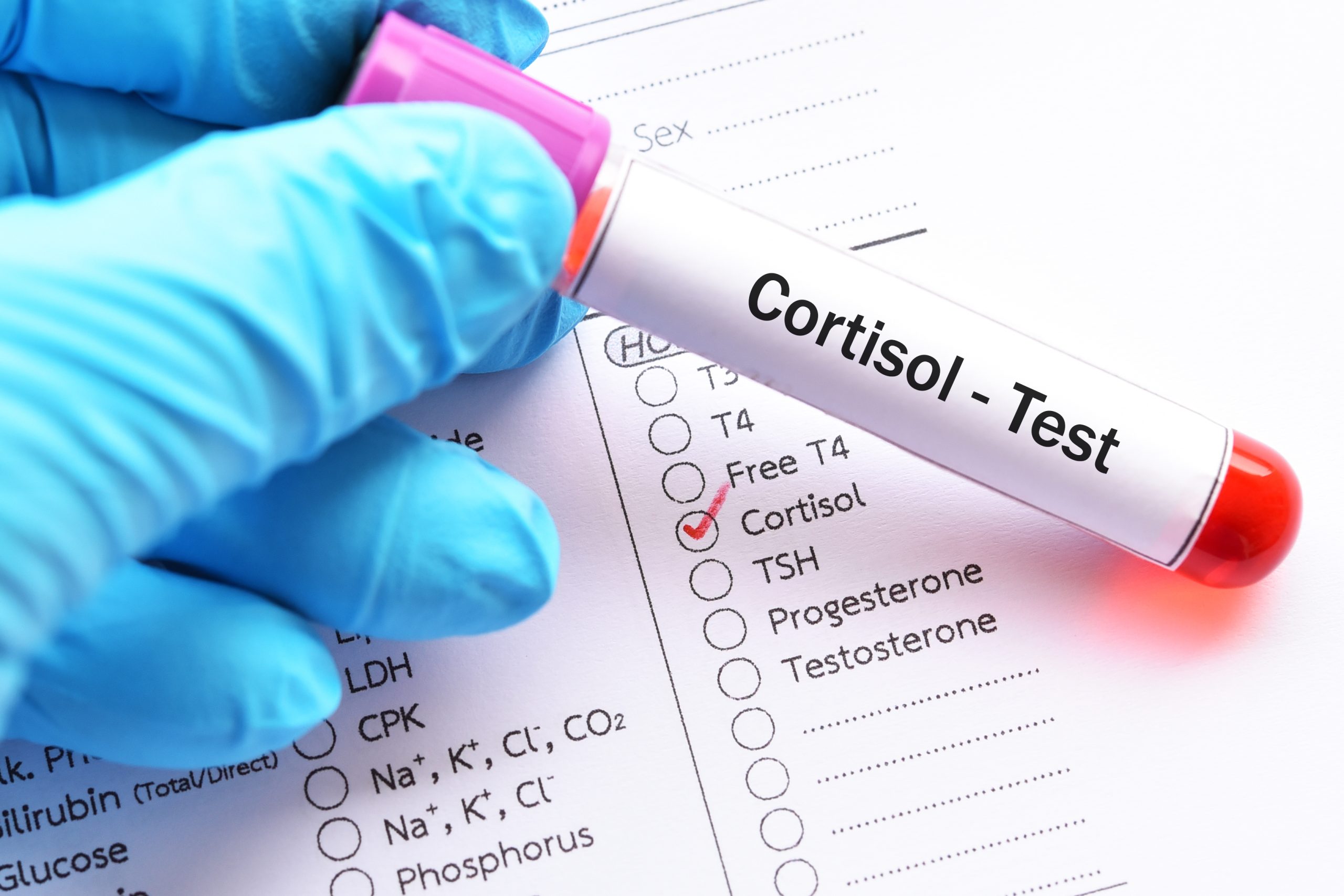
Cortisol blood test used to diagnose Cushing SyndromeCushing syndrome is a hormonal disorder that occurs when the body produces too much cortisol (the stress hormone) over an extended period.  The disorder may also develop as a result of taking medications such as glucocorticoids.

Cortisol, when produced within normal levels helps the body to suppress inflammation, metabolize food into energy, regulate the stress response, control the sleep/wake cycle, and regulate blood pressure and blood glucose.  However, too much cortisol can cause the following symptoms to develop:

  • The formation of a fatty lump between the shoulders
  • Weight gain in the face
  • Weight gain in the trunk
  • Thin arms and legs
  • Pink or purple stretch marks mostly on the abdomen, hips, underarms, and breasts
  • Acne
  • Skin that bruises easily
  • Hirsutism
  • Irregular periods
  • Infections
  • Muscle weakness
  • Erectile dysfunction
  • Reduced fertility in men
  • Slowed or delayed growth in children

Some people are more likely to develop Cushing syndrome than others. A person may have a higher risk if they are taking high-dose corticosteroids over some time, living with adrenal or pituitary tumors, assigned female at birth, or have a family history of certain genetic disorders.

Cushing syndrome can be difficult to diagnose because the symptoms often have other causes. However, a physician such as an endocrinologist can perform a physical exam, review your medical history, and order a series of tests to measure cortisol levels or look for tumors to determine a diagnosis.

It is crucial to receive timely treatment for Cushing syndrome, delayed treatment can lead to the following complications:

  • Diabetes
  • Depression
  • Heart disease
  • Stroke
  • Heart attack
  • Osteoporosis
  • Hypertension

Treatment focuses on lowering cortisol levels in the body. This may be achieved through medications, surgery, radiation therapy, or lowering the dose of glucocorticoids.

To schedule an appointment with an endocrinologist at Flushing Hospital Medical Center, please call 718-670-5486.


All content of this newsletter is intended for general information purposes only and is not intended or implied to be a substitute for professional medical advice, diagnosis or treatment. Please consult a medical professional before adopting any of the suggestions on this page. You must never disregard professional medical advice or delay seeking medical treatment based upon any content of this newsletter. PROMPTLY CONSULT YOUR PHYSICIAN OR CALL 911 IF YOU BELIEVE YOU HAVE A MEDICAL EMERGENCY.

Traveling With IBD

Inflammatory bowel disease (IBD) is a term used to describe two conditions: Crohn’s disease and ulcerative colitis.

Chron’s disease is characterized by prolonged inflammation that occurs in any part of the gastrointestinal tract (from the mouth to the anus). Ulcerative colitis causes chronic inflammation and sores to develop in the large intestine (colon and rectum).  Both conditions share similar symptoms which may include:

  • Diarrhea
  • Urgency to have a bowel movement
  • Blood in stool
  • Abdominal pain
  • Upset stomach
  • Reduced appetite
  • Gas
  • Bloating
  • Fatigue

Traveling for long distances can sometimes present challenges for those diagnosed with IBD. There may be concerns about the proximity and quality of restroom facilities, flare-ups, types of food available, medications, and access to quality healthcare. Here are a few tips to help you prepare for your trip and alleviate some of those worries:

  • Check each country’s requirements for traveling with medications
  • Bring enough medications
  • Pack extra clothing and supplies of toilet paper, sanitary wipes, hand sanitizer, ostomy bags, ointments, and other necessities in your carry-on luggage
  • Wear comfortable clothing
  • Learn about the types of food available on your flight and at your destination
  • Bring your own food if possible
  • Locate bathrooms before you need to go
  • Research healthcare providers and facilities at your destination
  • Get required travel vaccinations
  • Purchase travel insurance that covers your health condition
  • Practice food safety measures such as washing your hands, washing your fruits and vegetables, and ensuring that meats are cooked properly

Lastly, always consult with your doctor about ways you can manage IBD while you are away. Your doctor can provide recommendations to help you stay well on your trip. To schedule an appointment with a gastroenterologist at Flushing Hospital Medical Center, please call 718-670-5486.

All content of this newsletter is intended for general information purposes only and is not intended or implied to be a substitute for professional medical advice, diagnosis or treatment. Please consult a medical professional before adopting any of the suggestions on this page. You must never disregard professional medical advice or delay seeking medical treatment based upon any content of this newsletter. PROMPTLY CONSULT YOUR PHYSICIAN OR CALL 911 IF YOU BELIEVE YOU HAVE A MEDICAL EMERGENCY.
“Ministroke” or Transient Ischemic Attack

A transient ischemic attack (TIA), often incorrectly called a ministroke, occurs when there is a temporary blockage of blood supply to the brain. Unlike a full-blown stroke, a TIA resolves within a few minutes or 24 hours and does not cause permanent damage to the brain.

A transient ischemic attack may only last temporarily; however, it should be treated as an emergency, and medical attention should be sought immediately if you are experiencing the following symptoms:

  • Slurred speech
  • Blurred or double vision
  • Dizziness or vertigo
  • Nausea and vomiting
  • Weakness, numbness, or paralysis on one side of the body
  • Severe headache
  • Confusion
  • Loss of balance or coordination

The effects of a TIA, though temporary, are serious and often increase the risk of having a true stroke in the future. It is estimated that 1 in 3 people who experienced a TIA will eventually have a stroke.

Some people are more at risk than others for having a transient ischemic attack and potential stroke.  Risk factors include:

  • Having high blood pressure
  • Having diabetes
  • Having high cholesterol
  • Having a family history of TIA or stroke
  • Having atrial fibrillation
  • Smoking
  • Obesity
  • Age (The risk increases with age for those 55 and older)

The risk of a TIA may be reduced by properly managing conditions and diseases such as diabetes, cholesterol, and high blood pressure through eating a healthy diet, adhering to medications, and routine doctor visits. Other lifestyle changes include quitting smoking and exercising.

A transient ischemic attack is diagnosed after an evaluation of your symptoms. Your healthcare team may perform a series of physical examinations and imaging tests to determine the cause of the TIA. Treatment may consist of medications, angioplasty, or surgery, and is more effective the sooner you receive medical attention.

Flushing Hospital has been awarded Primary Stroke Center Certification from The Joint Commission. This achievement reflects our commitment to providing stroke patients with the highest quality of care. To schedule an appointment at our hospital, please call 718-670-5486.

All content of this newsletter is intended for general information purposes only and is not intended or implied to be a substitute for professional medical advice, diagnosis or treatment. Please consult a medical professional before adopting any of the suggestions on this page. You must never disregard professional medical advice or delay seeking medical treatment based upon any content of this newsletter. PROMPTLY CONSULT YOUR PHYSICIAN OR CALL 911 IF YOU BELIEVE YOU HAVE A MEDICAL EMERGENCY.

World Mental Health Day

World Mental Health Day is celebrated annually on October 10th.  The observation was founded by The World Federation for Mental Health to raise awareness of mental health issues and mobilize resources for individuals who need support.

Each year, The World Federation for Mental Health creates a campaign to advocate for better mental health care and make it readily accessible for people worldwide. This year’s campaign theme is ‘Mental Health Is A Universal Right.’  It aims to promote and protect universal mental health as a basic human right for everyone. The World Federation for Mental Health also hopes to engage and unify communities and organizations in driving actions that support inclusion for those affected by mental health conditions.

According to the World Health Organization, “People with mental health conditions continue to experience a wide range of human rights violations. Many are excluded from community life and discriminated against, while many more cannot access the mental health care they need or can only access care that violates their human rights”

Flushing Hospital Medical Center has implemented several initiatives to address these problems through raising awareness and providing quality mental health care and support to our community. This includes projects aimed at destigmatizing mental health services among underserved and older populations.

To learn more about the programs offered at Flushing Hospital, find out more about our outpatient mental health services, or schedule a virtual appointment, please call (718) 670-5316 to speak with our intake coordinator or call (718) 670-5562 to reach our clinic.

All content of this newsletter is intended for general information purposes only and is not intended or implied to be a substitute for professional medical advice, diagnosis or treatment. Please consult a medical professional before adopting any of the suggestions on this page. You must never disregard professional medical advice or delay seeking medical treatment based upon any content of this newsletter. PROMPTLY CONSULT YOUR PHYSICIAN OR CALL 911 IF YOU BELIEVE YOU HAVE A MEDICAL EMERGENCY.
Health Benefits of Napping

Napping can provide more than a moment of rest; for many adults, it may also offer various benefits for their health. Studies show that taking short naps can improve memory, ease stress, improve mood, and enhance alertness.

While taking a nap can be advantageous, sleep experts discourage taking long naps which have been found to contribute to insomnia and sleep inertia. Shorter naps, for about 10 to 20 minutes, are recommended instead because they allow the body to rest without going into the deeper stages of sleep, which can be problematic.

Napping for longer periods may result in adverse effects such as lost sleep at night. This habit is also linked to the development of several health conditions. According to Harvard Health, “studies have found that adults who take long naps during the day may be more likely to have conditions such as diabetes, heart disease, and depression.”

Napping at the wrong time of day is also disadvantageous. The best time to take a nap for most is typically in the early afternoon, ideally before 3 p.m. Napping later in the day or closer to bedtime may interfere with nighttime sleep.

In addition to napping at the right time of day and for the right length of time, creating a comfortable sleep environment can help greatly with getting a good nap. For high-quality rest, find a cool and quiet place with few distractions to sleep.

All content of this newsletter is intended for general information purposes only and is not intended or implied to be a substitute for professional medical advice, diagnosis or treatment. Please consult a medical professional before adopting any of the suggestions on this page. You must never disregard professional medical advice or delay seeking medical treatment based upon any content of this newsletter. PROMPTLY CONSULT YOUR PHYSICIAN OR CALL 911 IF YOU BELIEVE YOU HAVE A MEDICAL EMERGENCY.

What Is Narcan?

Naloxone, also known by the brand name Narcan, is a Food and Drug Administration-approved medication that can rapidly reverse an overdose from opioids such as oxycodone, fentanyl, methadone, or heroin.  It is an opioid antagonist that works by blocking the effects of these drugs on the brain and restoring normal breathing.

An opioid overdose can occur as a result of illicit drug use, when a person accidentally takes an extra dose of their prescription, or when someone mixes opioids with certain medications or alcohol.

Naloxone should be given immediately to someone who is showing signs of an opioid overdose, and 911 should also be called right away. Signs of an overdose include:

  • Breathing that is slow, abnormal, or has stopped
  • Bluish nose or lips
  • Discolored fingernails
  • Pin-point sized pupils
  • Cold or clammy skin
  • Not waking or responding to touch or voice

Naloxone can be administered by nasal spray, or it can be injected under the skin or into the muscle. It can also be given intravenously.  This medication is often used by paramedics, emergency medical technicians, or police officers. Families or loved ones of those who struggle with addiction to opioids are also encouraged to have naloxone nearby.

There are a few things to keep in mind when using naloxone:

  • Naloxone is only effective if opioids are present in the body; therefore, it cannot be used to reverse an overdose caused by other drugs such as cocaine.
  • Naloxone is a temporary treatment that works to reverse an overdose in the body for only 30 to 90 minutes. Therefore, a person may still experience the effects of an overdose after the medication has worn off. This is why it’s important to call 911.
  • Multiple doses of naloxone may be needed for stronger opioids like fentanyl.
  • A person should be monitored constantly after naloxone is given and until emergency care arrives.

According to the New York City Department of Health, New Yorkers can get naloxone without a prescription at community programs throughout the City. A list of these programs can be found by visiting health.ny.gov/overdose or calling 311.  The agency also provides a list of participating pharmacies on its website, nyc.gov/health/map.

If you or someone you know is struggling with addiction, Flushing Hospital Medical Center’s Reflections Treatment Program utilizes a holistic model to treat addiction. To learn more about our program or schedule an appointment, please call (718) 670-5078.

All content of this newsletter is intended for general information purposes only and is not intended or implied to be a substitute for professional medical advice, diagnosis or treatment. Please consult a medical professional before adopting any of the suggestions on this page. You must never disregard professional medical advice or delay seeking medical treatment based upon any content of this newsletter. PROMPTLY CONSULT YOUR PHYSICIAN OR CALL 911 IF YOU BELIEVE YOU HAVE A MEDICAL EMERGENCY.
Meet Our Doctors: Dr. Eftihia Thomopoulos

Flushing Hospital Medical Center is pleased to introduce you to Dr. Eftihia Thomopoulos, Clinical Director of the Dental Department.

Dr. Thomopoulos has been practicing general dentistry in Queens for over 30 years and has been part of the Flushing Hospital team for over seven years.

Dr. Thomopoulos’ interest in dentistry began early in her childhood, “My older brother was studying to become a dental technician and dating someone in dental school, and they would leave training teeth everywhere. I became intrigued by them, and that sparked my curiosity about medicine and teeth,” she shared.  “I later went on to study dentistry at NYU, the program allowed me to be hands-on in creating a healthy smile.”

Dr. Thomopoulos is a graduate of the prestigious NYU College of Dentistry; one of the most competitive dental programs in the United States. After earning a Doctor of Dental Surgery degree, she furthered her education and training by completing her residency at Flushing Hospital. Years of specialized training and clinical experience have made Dr. Thomopoulos a renowned expert in her field. Her pursuit of excellence motivates her to continuously expand her knowledge and stay abreast of all the latest advancements in dentistry.

Caring for a diverse population is one of the highlights of Dr. Thomopoulos’ career. She enjoys meeting patients from different countries. “It is important to me that I provide the highest quality care to all patients. I want to make sure that people like me are treated well and receive the healthcare they deserve,” she said. “Dr. Thomopoulos emigrated from Greece and moved to the United States when she was five years old. Her family planted roots in a Queens community where cultural differences were embraced and celebrated. “Moving to a new country can be difficult, but when you are treated well and shown respect it makes things a little easier,” she explained.

Dr. Thomopoulos also enjoys mentoring residents at Flushing Hospital and working with her colleagues to operate a stellar dental program.  “We aim to provide our patients with world-class dental care. We are achieving this by offering comprehensive services and carefully selecting the best practitioners and clinical support staff to serve on our team. We also furnished our newly renovated dental center with the latest, top-of-the-line equipment,” she said.

Flushing Hospital’s Dental Department provides a wide array of dental services, provided by highly trained specialists. To schedule an appointment, please call (718) 670-5521.

All content of this newsletter is intended for general information purposes only and is not intended or implied to be a substitute for professional medical advice, diagnosis or treatment. Please consult a medical professional before adopting any of the suggestions on this page. You must never disregard professional medical advice or delay seeking medical treatment based upon any content of this newsletter. PROMPTLY CONSULT YOUR PHYSICIAN OR CALL 911 IF YOU BELIEVE YOU HAVE A MEDICAL EMERGENCY.

Meet Our New Beginnings Team Member Regina Holmes, RN

Regina Holmes, RN, has worked at Flushing Hospital Medical Center for the past 39 years. She became a nurse because she wanted a meaningful career that would have a positive impact on the lives of others.

As a member of the New Beginnings team, Regina takes great pride in providing a comfortable and safe environment for her patients.  She achieves this by offering the care and support needed to ease the anxieties of expecting parents. “Having a baby can be challenging, but we do everything we can to make it a positive experience,” she explained.

According to Regina, the greatest reward of being a nurse on Flushing Hospital’s Labor and Delivery unit is getting to share in the joy of a new family. “I get so much happiness from being there for the delivery of a baby and helping parents step into their new role. It is very fulfilling,” she said.

All content of this newsletter is intended for general information purposes only and is not intended or implied to be a substitute for professional medical advice, diagnosis or treatment. Please consult a medical professional before adopting any of the suggestions on this page. You must never disregard professional medical advice or delay seeking medical treatment based upon any content of this newsletter. PROMPTLY CONSULT YOUR PHYSICIAN OR CALL 911 IF YOU BELIEVE YOU HAVE A MEDICAL EMERGENCY.