
Diabetes Alert Day

March 27 is Diabetes Alert Day. The observance created by the American Diabetes Association, is held the last Tuesday in March each year to help raise awareness about the seriousness of diabetes when it is left undiagnosed or untreated.

Diabetes affects approximately 30 million people living in the United States and nearly 1 in 4 is unaware that they have the disease.

Undiagnosed or untreated diabetes can develop into more complicated health conditions that can include kidney damage, heart disease, nerve damage or stroke.

Learning if you are at risk and taking the necessary steps to prevent or treat diabetes can lower your chances of developing serious illnesses that result from the disease.

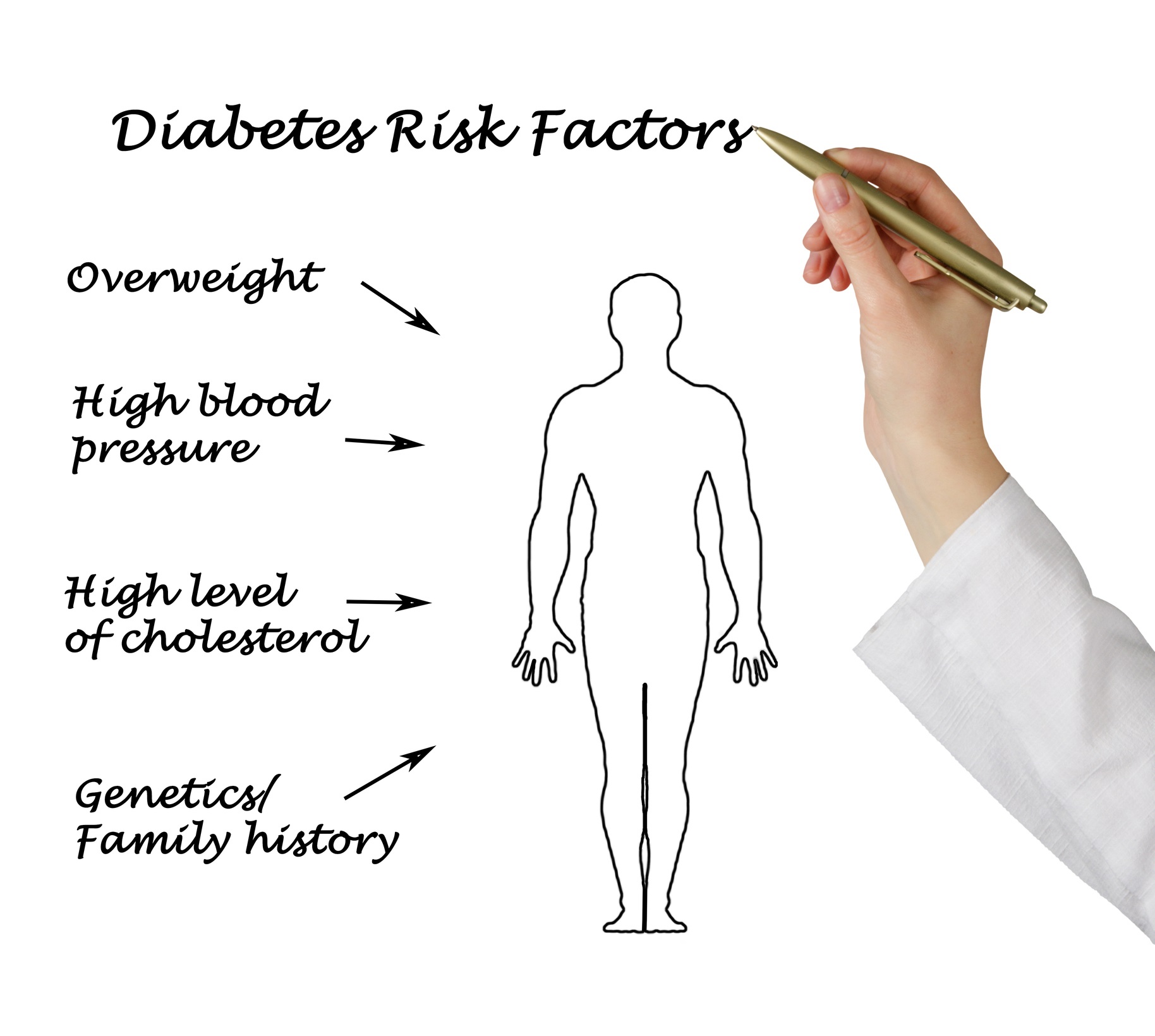
Some people are more at risk than others. You may be at risk if you:

  • Are overweight or obese
  • Have a family history of diabetes
  • Are African American, Asian American, Hispanic, American Indian or Pacific Islander
  • Are physically inactive
  • Have high blood pressure
  • Have abnormal cholesterol and triglyceride levels

The American Diabetes Association also encourages you to take the Type 2 Diabetes Risk Test http://www.diabetes.org/are-you-at-risk/diabetes-risk-test/?loc=alertday.

There are several lifestyle changes you can adopt to lower your risk or take control of your diabetes, they include:

  • Getting adequate amounts of fiber in your diet
  • Becoming more physically active
  • Maintaining a healthy weight
  • Maintaining a well-balanced diet
  • Managing blood pressure levels
  • Keeping your cholesterol at a normal level
  • Taking medications as prescribed

According to the American Diabetes Association, Diabetes Alert Day serves as a one- day “wakeup call”.  Use this day as a reminder to speak with your physician about your risk factors and steps you can take to stay healthy.

To schedule an appointment with a doctor at Flushing Hospital Medical Center, please call 718-670-5486.

All content of this newsletter is intended for general information purposes only and is not intended or implied to be a substitute for professional medical advice, diagnosis or treatment. Please consult a medical professional before adopting any of the suggestions on this page. You must never disregard professional medical advice or delay seeking medical treatment based upon any content of this newsletter. PROMPTLY CONSULT YOUR PHYSICIAN OR CALL 911 IF YOU BELIEVE YOU HAVE A MEDICAL EMERGENCY.
Bleeding Disorders Awareness Month-Hemophilia

March is recognized as Bleeding Disorders Awareness Month. This observance raises awareness for bleeding disorders such as hemophilia.

Hemophilia is a genetic disorder which slows the blood clotting process. It is estimated that hemophilia occurs in 1 in every 5,000 male births in the United States.  The disorder very rarely develops in girls.

According to the Centers for Disease Control and Prevention, “Hemophilia is caused by a mutation or change, in one of the genes, that provides instructions for making the clotting factor proteins needed to form a blood clot. This change or mutation can prevent the clotting protein from working properly or to be missing altogether.”

Because people with hemophilia lack sufficient blood clotting proteins, this causes them to bleed longer than they normally should.  Bleeding can occur spontaneously or following an injury. Other common signs and symptoms that they may experience include:

  • Bleeding into the joints which can lead to swelling, tightness or pain (This most commonly affects the ankles, knees and elbows)
  • Bleeding from the mouth and gums
  • Bleeding after receiving vaccinations or injections
  • Blood in the urine or stool
  • Frequent and hard to stop nosebleeds
  • Bleeding into the skin (bruises)
  • Bleeding into soft tissue and muscle (hematomas)

A diagnosis of hemophilia is determined after blood has been tested to reveal a clotting-factor deficiency.  If it is found that the blood is not clotting as it should, tests known as factor assays are required to explore the cause.  In severe cases, the disorder can be diagnosed within the first year of a child’s life. People with a family history of hemophilia are encouraged to have their baby boys tested soon after birth.

One of the most common approaches for treating hemophilia is to replace the missing blood clotting factor. This treatment is administered through a tube placed in the vein. Other forms of treatment can include taking clot preserving medications, injecting the hormone Desmopressin (DDAVP), applying fibrin sealants and participating in physical therapy.

There are several measures that a person living with hemophilia can take to reduce the chances of injury or excessive bleeding.  The following are recommended: avoid taking blood-thinning medications, exercise regularly (contact sports should be avoided), practice good dental hygiene and avoid certain pain medications that can aggravate bleeding such as aspirin.

All content of this newsletter is intended for general information purposes only and is not intended or implied to be a substitute for professional medical advice, diagnosis or treatment. Please consult a medical professional before adopting any of the suggestions on this page. You must never disregard professional medical advice or delay seeking medical treatment based upon any content of this newsletter. PROMPTLY CONSULT YOUR PHYSICIAN OR CALL 911 IF YOU BELIEVE YOU HAVE A MEDICAL EMERGENCY.
How Does Robotic Prostate Surgery Work?

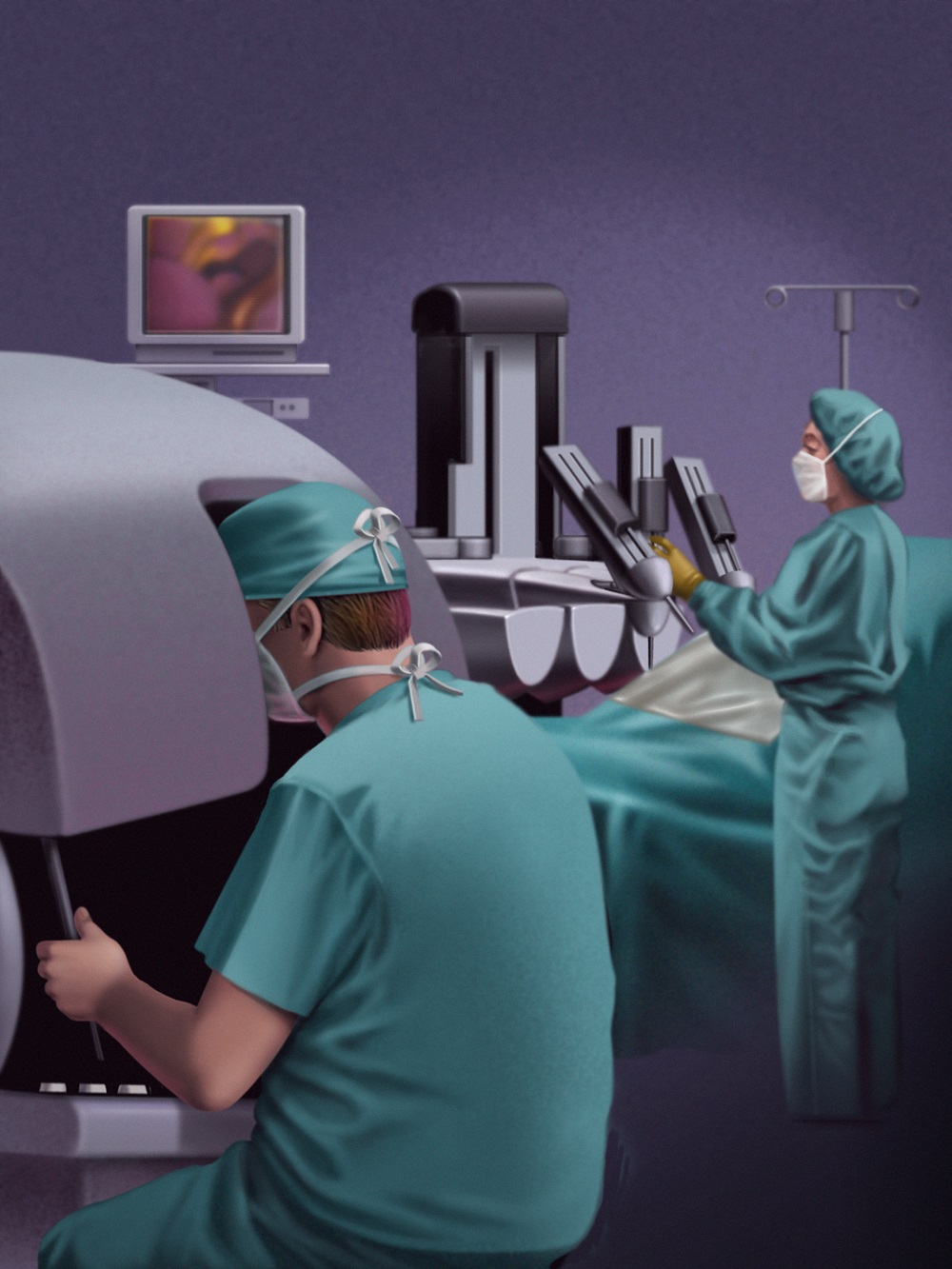
Robotic prostatectomy, also known as Robotic Assisted Laparoscopic Prostatectomy, is a minimally invasive surgical treatment for prostate cancer.

Before surgeons were able to utilize robotic surgical platforms such as the da Vinci robot, one of few options available for treatment was open prostate surgery.  This involved the removal of the prostate by way of a large, six to eight-inch incision in the lower abdomen.

However, with the introduction of surgical robots, surgeons can now perform prostatectomies laparoscopically with greater efficiency through small incisions made in the abdomen; each measuring less than two inches.

Because the da Vinci surgical robot enables surgeons to operate with more precision through smaller incisions, it offers patients several potential benefits that include:

  • Less bleeding
  • A lower risk of infection or complications
  • Shorter hospital stays
  • Shorter recovery periods
  • Less pain

Doctors at Flushing Hospital Medical Center are highly trained in performing several procedures including prostatectomies, hysterectomies and bariatric surgery, utilizing the da Vinci surgical robot.

To learn more about robotic surgery at Flushing Hospital, visit www.flushinghospital.org. To schedule an appointment with a surgeon, please call 718-670-3135.

All content of this newsletter is intended for general information purposes only and is not intended or implied to be a substitute for professional medical advice, diagnosis or treatment. Please consult a medical professional before adopting any of the suggestions on this page. You must never disregard professional medical advice or delay seeking medical treatment based upon any content of this newsletter. PROMPTLY CONSULT YOUR PHYSICIAN OR CALL 911 IF YOU BELIEVE YOU HAVE A MEDICAL EMERGENCY.

Chronic Kidney Disease

Approximately 30 million adults in the United States are living with chronic kidney disease (CKD).  This condition causes damages to kidneys and leads to a loss of function over time.  If your kidneys are unable to function properly, complications such as hypertension, nerve damage, weakened bones and anemia can develop. CKD also increases the risk of developing cardiovascular disease.

While high blood pressure can result from chronic kidney disease, it can also be the cause of it.  Other conditions and diseases that can cause CKD include diabetes, recurrent kidney infections, prolonged obstruction of the urinary tract and vesicoureteral reflux.

Anyone at any age can develop chronic kidney disease; however, some people are more at risk than others. You may have an increased risk for CKD if you:

  • Have a family history of kidney  failure
  • Have diabetes
  • Have hypertension
  • Are obese
  • Have cardiovascular disease
  • Are a smoker
  • Are of African American, Native American, Pacific Islander or Asian American descent
  • Are an older adult

Signs and symptoms of chronic kidney disease can vary by individual and may appear over time as the disease progresses. They can include:

  • Muscle cramps and twitches
  • Swelling of feet and ankles
  • Trouble concentrating
  • Fatigue
  • Frequent urination, especially at night
  • Itchy skin
  • Shortness of breath
  • Difficulty sleeping
  • High blood pressure
  • Vomiting

There are several things you can do to prevent CKD and keep your kidneys healthy.  Maintaining a healthy diet and cutting back on food rich in sugar and salt is beneficial for your kidneys, as well as monitoring cholesterol levels, keeping hydrated, quitting smoking and drinking in moderation.

If you are living with chronic kidney disease, it is strongly advised that you keep blood pressure and blood sugar levels under control, moderate protein consumption, reduce salt intake, avoid NSAIDs (nonsteroidal anti-inflammatory drugs) and get the flu shot each year.

All content of this newsletter is intended for general information purposes only and is not intended or implied to be a substitute for professional medical advice, diagnosis or treatment. Please consult a medical professional before adopting any of the suggestions on this page. You must never disregard professional medical advice or delay seeking medical treatment based upon any content of this newsletter. PROMPTLY CONSULT YOUR PHYSICIAN OR CALL 911 IF YOU BELIEVE YOU HAVE A MEDICAL EMERGENCY.

Pregnancy And The Flu

Due to changes that occur in the immune system during pregnancy, women are at a high risk for developing serious health complications caused by the flu.

A weakened immune system can leave many moms-to-be vulnerable to severe flu-related illnesses such as pneumonia which could lead to hospitalization.

Not only can the flu compromise a mother’s health but it can also negatively affect the health of an unborn baby. Pregnant women with the virus are more likely than others to deliver low-birth-weight babies. High fever resulting from the flu may also affect the development of the baby during the first trimester.

Doctors advise that women who become sick and display flu symptoms such as difficulty breathing, a high fever, persistent vomiting or sudden dizziness seek immediate medical attention.

It is highly recommended that expecting mothers receive the flu vaccination to prevent transmission of the virus and to reduce the severity of its complications.

For moms who may be concerned about the safety of the vaccination, the Centers for Disease Control and Prevention (CDC) states, “Flu shots have been given to millions of pregnant women over many years with a good safety record. There is a lot of evidence that flu vaccines can be given safely during pregnancy.”

All content of this newsletter is intended for general information purposes only and is not intended or implied to be a substitute for professional medical advice, diagnosis or treatment. Please consult a medical professional before adopting any of the suggestions on this page. You must never disregard professional medical advice or delay seeking medical treatment based upon any content of this newsletter. PROMPTLY CONSULT YOUR PHYSICIAN OR CALL 911 IF YOU BELIEVE YOU HAVE A MEDICAL EMERGENCY.

How to Spot and Prevent Frostbite

Frostbite is an injury caused to the skin and underlying tissues as a result of exposure to windy and cold- weather conditions.

Staying outside in extreme weather conditions for extended periods of time is the most common factor and risks increase when temperatures fall below 5°farenheit, or in conditions with above freezing temperatures and extreme wind chills. Additional factors may include:

  • Direct contact with ice, very cold liquids and freezing metals.
  • Wearing clothing that is not suitable to protect against cold weather.

Although frostbite mostly occurs on parts of the skin that are not properly covered, it is important to note that in extreme temperatures it can also develop on areas that are covered by clothing.

Our nose, fingers, cheeks, ears and toes are the parts of our bodies that are highly susceptible to frostbite. They are furthest away from our core and are first to decrease in blood flow in cold temperatures.

The symptoms of frostbite vary with severity and are categorized in three stages:

Frostnip:  This is a mild form of frostbite. Skin may turn pale or very red and feels cold.  The affected areas may also itch, burn, sting or feel tingly. Continued exposure may lead to a “pins and needles” feeling or numbness.

Superficial Frostbite:  Skin appears reddened or pale. Skin can become hard and look waxy or shiny.  At this stage, after the skin is thawed, blisters may form on the affected area. Skin may also appear blue or purple once rewarmed.

Severe (Deep) Frostbite:  Severe cases of frostbite affect all layers of the skin as well as the tissues that lie below.  Skin becomes very hard and cold to the touch. It may look blue and some instances black, as the tissue dies. The affected area may lose all sensation and joints or muscles may no longer work.

Some people are more at risk of developing frostbite than others, they include:

  • The elderly
  • Young children
  • Patients taking medication such as beta blockers that reduce blood flow to skin
  • Diabetics
  • People who use nicotine
  • People under the influence of alcohol
  • People with prior cold-related injuries

Frostbite is preventable. If you expect to spend time outdoors in cold weather, take care in protecting yourself. Dress appropriately and in layers.  When temperatures become extreme, stay inside as much as possible. It is also advised that you stay hydrated; dehydration increases your risk of frostbite. Avoid drinking alcohol or smoking if you know you will be outside in the extreme cold.

All content of this newsletter is intended for general information purposes only and is not intended or implied to be a substitute for professional medical advice, diagnosis or treatment. Please consult a medical professional before adopting any of the suggestions on this page. You must never disregard professional medical advice or delay seeking medical treatment based upon any content of this newsletter. PROMPTLY CONSULT YOUR PHYSICIAN OR CALL 911 IF YOU BELIEVE YOU HAVE A MEDICAL EMERGENCY.
Types and Stages Of Lung Cancer

Non-small cell lung cancer (NSCLC) and small cell lung cancer (SCLC) are the two major types of lung cancer. About 80 to 85% of diagnosed cases of the disease are attributed to NSCLC and the remaining 10 to 15% to SCLC.

Once diagnosed, a doctor will try to determine how much cancer has spread; this process is known as staging.  Different stages of each disease describe how much cancer is in the body and can help doctors to decide on suitable treatment options.

The staging system most commonly used for NSCLC is the American Joint Committee on Cancer (AJCC) TNM system.  There are four stages which include:

Stage 1- Cancer is found only in the lungs and has not spread to lymph nodes.

Stage 2 – Cancer is found in the lungs and surrounding lymph nodes.

Stage 3- Cancer is found in the lungs, lymph nodes, and in the middle of the chest.

Stage 4- Cancer is found in the lungs, fluid in the area around the lungs, as well as other parts of the body and other organs.

The stages of SCLC are based on the results of biopsies, physical exams, imaging tests or any additional form of testing used to determine how far this type of cancer has advanced. Doctors typically use a two-stage system to help them to decide which form of treatment is best.  The stages of SCLC are:

Limited Stage- This is when cancer is found in only one side of the chest and in the lymph nodes above the collarbone – on the same side of the chest.

Extensive Stage- This describes when cancer has spread to lungs, the lymph nodes and other parts of the body.

Treatment for each type of lung cancer varies by stage.   Typical approaches for NSCLC may include surgery, radiation, immunotherapy or chemotherapy.  Radiation or chemotherapy are the most common types of treatment used for patients diagnosed with SCLC.

Pulmonary medicine is the branch of medicine that deals with the causes, diagnosis, prevention and treatment of diseases affecting the lungs. Pulmonary medicine is also sometimes called pulmonology.

The Division of Pulmonary Medicine at Flushing Hospital Medical Center is dedicated to providing outstanding inpatient and outpatient care through the use of certified physicians and modern research.  A variety of conditions are treated and diagnosed in the Pulmonary Department including Lung Cancer, Emphysema, COPD and Asthma.

To schedule an appointment with a pulmonologist at Flushing Hospital, please call 718-670-5486.

All content of this newsletter is intended for general information purposes only and is not intended or implied to be a substitute for professional medical advice, diagnosis or treatment. Please consult a medical professional before adopting any of the suggestions on this page. You must never disregard professional medical advice or delay seeking medical treatment based upon any content of this newsletter. PROMPTLY CONSULT YOUR PHYSICIAN OR CALL 911 IF YOU BELIEVE YOU HAVE A MEDICAL EMERGENCY.
Flushing Hospital Doctors Nominated As Region’s Top Doctors

For more than two decades, Castle Connolly Medical Ltd. has been a recognizable resource for identifying the area’s Top Doctors.

The organization’s selection process is based on peer nominations, of which more than 50,000 physicians, hospital and healthcare executives are contacted directly for their input. The Castle Connolly physician-led research team then carefully reviews the credentials of every physician that is considered for inclusion in Castle Connolly Guides®, magazine articles and websites. After a thorough review of credentials, nominated physicians are chosen to appear on the list of Castle Connolly Top Doctors.
This year we are pleased to announce that three doctors from Flushing Hospital Medical Center have been selected as Top Doctors in the New York Metro Area for 2018.

Doctors affiliated with Flushing Hospital Medical Center are:
• Jang A. Chadha, Pulmonary Disease
• Allen J. Fishman, Ophthalmology
• Alan P. Zeitlin, Surgery

The Medisys Health Network prides itself on providing the highest quality of care to all of our patients. We congratulate all of our doctors chosen for the 2018 Castle Connolly Top Doctors Guide.

All content of this newsletter is intended for general information purposes only and is not intended or implied to be a substitute for professional medical advice, diagnosis or treatment. Please consult a medical professional before adopting any of the suggestions on this page. You must never disregard professional medical advice or delay seeking medical treatment based upon any content of this newsletter. PROMPTLY CONSULT YOUR PHYSICIAN OR CALL 911 IF YOU BELIEVE YOU HAVE A MEDICAL EMERGENCY.

How Your Pharmacist Can Help You

Your pharmacist is a healthcare professional trained to accurately dispense prescribed medications and apply safety measures to ensure their proper use.

In addition to dispensing prescriptions, pharmacists can provide you with information on prescribed and over-the-counter drug interactions.  They can also offer tips to improve medication adherence. This is especially helpful if you find it difficult to take your medicine when you are scheduled to.

Not only are pharmacists well-informed about medications; they are a great source of information on durable medical equipment and home health care supplies as well.

Pharmacists are trained to educate patients about general health topics such as disease prevention, exercise, diet, smoking cessation and managing stress.   They are licensed to provide immunizations in all 50 states and play an integral role in helping to minimize the transmission of community-acquired diseases and viruses such as the flu.

If you are unsure of how to dispose of your medications, your pharmacist can advise you on how to properly and safely dispose of unused drugs.

Get to know your pharmacists; they are an essential part of your healthcare team.  By working together you can personalize your service and improve the quality of care you receive.

For your convenience, a full-service pharmacy is located on site in the Medical Science Building at Flushing Hospital Medical Center.  Our warm and friendly staff provides prescription services to discharged, emergency department and clinic patients as well as employees. For more information, please call 718-353-3160 or visit https://www.flushinghospital.org/patient-services/flushing-hospitals-retail-pharmacy

All content of this newsletter is intended for general information purposes only and is not intended or implied to be a substitute for professional medical advice, diagnosis or treatment. Please consult a medical professional before adopting any of the suggestions on this page. You must never disregard professional medical advice or delay seeking medical treatment based upon any content of this newsletter. PROMPTLY CONSULT YOUR PHYSICIAN OR CALL 911 IF YOU BELIEVE YOU HAVE A MEDICAL EMERGENCY.

How Smoking Affects Your Voice

Smoking has many negative effects on your health, one of which is causing long-term damage to your vocal cords.  According to the National Institute on Deafness and Other Communication Disorders, or NIDCD, “Smoking is a form of vocal cord abuse.”

Frequent damage to the vocal cords can result in changes in the way your voice works and sounds. In some instances, damages may lead to the loss of your voice or chronic laryngitis.

Smoking also leads to more serious illnesses such as cancer which can develop on your larynx or voice box.  Laryngeal cancer can spread to other parts of the body such as the back of the tongue and your lungs.   Smokers are more at risk of premature death caused by laryngeal cancer than non-smokers.

Symptoms of this form of cancer include:

  • A sore throat that does not go away
  • Persistent hoarseness
  • Constant coughing
  • Difficulty swallowing
  • Ear pain
  • Trouble breathing

There are several treatments available, one of which is surgically removing the larynx.   After surgery, you will not be able to speak or breathe in the usual way. Instead, breathing will be made possible by way of a permanent hole in your neck (stoma).  Speech may be aided by using an artificial larynx.

Quitting smoking is one of the best decisions you can make for your health.  Smokers are at greater risk of developing illnesses such as cancer and heart disease. However, quitting can reduce your risk and put you on a path to better health.

The journey to quit smoking can be difficult, but you do not have to do it alone. Flushing Hospital’s smoking cessation team wants to help you develop a plan leading to your “quit day”. Flushing Hospital’s Medical Home Department has partnered with the American Lung Association to bring you Freedom from Smoking, a comprehensive and successful group-based smoking cessation program. Classes are forming. For more information or to register, call: 718 206 8494

All content of this newsletter is intended for general information purposes only and is not intended or implied to be a substitute for professional medical advice, diagnosis or treatment. Please consult a medical professional before adopting any of the suggestions on this page. You must never disregard professional medical advice or delay seeking medical treatment based upon any content of this newsletter. PROMPTLY CONSULT YOUR PHYSICIAN OR CALL 911 IF YOU BELIEVE YOU HAVE A MEDICAL EMERGENCY.