
What is Vacuum Assisted Closure Therapy?

One of the many wound care treatment options available at Flushing Hospital Medical Center is wound VAC (Vacuum Assisted Closure) therapy.  This form of therapy is effective in treating large or chronic wounds.

A VAC device is utilized during treatment and is composed of a gauze or foam dressing, an adhesive strip which seals the wound and the dressing, as well as a drainage tube that connects to a vacuum pump.

The VAC system works to heal wounds more quickly by decreasing air pressure on the affected area. It may also help to accelerate the healing process by:

  • Reducing swelling
  • Draining excess fluids
  • Increasing blood flow
  • Reducing bacteria
  • Helping to draw the edges of a wound together

In addition to promoting rapid wound healing, VAC therapy can offer other advantages such as decreased levels of discomfort and a reduced risk of infections.

If you suffer from chronic wounds that may be caused by conditions such as diabetes, speak to your health care provider about exploring this form of therapy as a treatment option.

The Wound Care Center at Flushing Hospital Medical Center is a state-of-the-art outpatient unit that provides specialized, interdisciplinary wound care to patients who suffer from non-healing or chronic wounds.

Designed to bring technically advanced, surgically-oriented wound care to patients whose wounds are resistant to traditional forms of treatment, the center is staffed with plastic surgeons, general surgeons, podiatrists, vascular surgeons and nurses certified in wound care. It currently boasts a success rate which is above the national average, and has expanded to a six-bed unit to better accommodate its growing number of patients.

To schedule an appointment Flushing Hospital’s Wound Care Center or to obtain more information about services provided, please call 718-670-4542.

All content of this newsletter is intended for general information purposes only and is not intended or implied to be a substitute for professional medical advice, diagnosis or treatment. Please consult a medical professional before adopting any of the suggestions on this page. You must never disregard professional medical advice or delay seeking medical treatment based upon any content of this newsletter. PROMPTLY CONSULT YOUR PHYSICIAN OR CALL 911 IF YOU BELIEVE YOU HAVE A MEDICAL EMERGENCY.


Causes of Ovarian Cysts

Ovarian cysts are fluid-filled sacs that develop in the ovary or on its surface. Many women will develop at least one cyst during their lifetime.

The two most common types of ovarian cysts are follicle and corpus luteum cysts. Other cysts that are less common include endometriomas, dermoids and cystadenomas.

Causes for ovarian cysts include:

  • Hormonal problems
  • Pregnancy
  • Severe pelvic infections
  • Endometriosis

In most cases, ovarian cysts are symptomless and do not lead to further complications. Typically, they disappear within a few months without treatment. However, if cysts continue to grow and become enlarged, symptoms such as pelvic pain, bloating, painful intercourse and pain in the lower back or thighs can develop.  Cysts can also lead to complications such as infertility.

If you are experiencing symptoms, speak with your doctor.  If cysts are discovered after a thorough examination and testing, your doctor will determine the course of treatment based on the type of cyst and severity.  Medication or surgery may be recommended.

If it is determined that surgery is needed, a common procedure known as an ovarian cystectomy can be performed utilizing robotic technology.   The da Vinci Robot Surgical System is the platform most popularly used by surgeons.  Doctors at Flushing Hospital Medical Center operate using this state-of-the-art equipment because of the many benefits it can offer.

The advantages of operating with the robot include a reduced risk of infection, shorter hospital stays and minimal pain.  The dexterity of the machine also allows for greater control and precision than the human wrist.

To learn more about the da Vinci robotic ovarian cystectomy or to schedule a consultation with a doctor at Flushing Hospital Medical Center, please call 718-670-8994.

All content of this newsletter is intended for general information purposes only and is not intended or implied to be a substitute for professional medical advice, diagnosis or treatment. Please consult a medical professional before adopting any of the suggestions on this page. You must never disregard professional medical advice or delay seeking medical treatment based upon any content of this newsletter. PROMPTLY CONSULT YOUR PHYSICIAN OR CALL 911 IF YOU BELIEVE YOU HAVE A MEDICAL EMERGENCY.

The Stages of Alzheimer’s and How the Disease Progresses

Alzheimer’s disease is an irreversible, progressive brain disorder that destroys memory and other mental functions over time, eventually leading to the inability to carry out daily activities.

Progression of the disease can vary by the individual. The average life expectancy of a person diagnosed is eight to 10 years. However, depending on several factors, a person could live as long as twenty years or more after diagnosis.

As the disease gradually worsens, symptoms that are associated with the three main stages of Alzheimer’s will appear. It is important to note that these stages serve as a general guideline as symptoms may vary.  The three stages are:

Stage 1:  Mild, Early Stage – During this stage a person may function independently but may experience memory lapses and other difficulties in concentration such as problems coming up with correct names or words and staying organized.

Stage 2: Moderate, Middle Stage – Typically, this is the longest stage and can last many years. At this point symptoms become more noticeable, and the individual will require more care as they may not be able to successfully complete some routine activities on their own.  Symptoms may include moodiness or withdrawal, confusion about what day it is or location, difficulty controlling bladder or bowel movements and increased risk of wandering.

Stage 3: Severe, Late Stage –This is the final stage of Alzheimer’s and individuals will need an extensive amount of help and care.  At this stage, a person loses many physical abilities such as eating, sitting or walking.   Other symptoms that can occur include having difficulty communicating, significant personality changes, lack of awareness of surroundings and becoming more susceptible to life- threatening infections such as pneumonia.

Recognizing the symptoms of  Alzheimer’s is important; as early detection of the disease can help individuals to receive the maximum benefits from available treatments, maintain their independence longer and better prepare for their care in the future.

During Alzheimer’s and Brain Awareness Month, organizations such as the Alzheimer’s Association and Flushing  Hospital Medical Center are raising awareness about the disease as it affects an estimated  5.7 million people  living in the United Sates.  Through education we hope to increase public knowledge of the disease, and its effects on individuals as well their caregivers.  To learn more about Alzheimer’s, please visit the Alzheimer’s Association’s website at www.alz.org

All content of this newsletter is intended for general information purposes only and is not intended or implied to be a substitute for professional medical advice, diagnosis or treatment. Please consult a medical professional before adopting any of the suggestions on this page. You must never disregard professional medical advice or delay seeking medical treatment based upon any content of this newsletter. PROMPTLY CONSULT YOUR PHYSICIAN OR CALL 911 IF YOU BELIEVE YOU HAVE A MEDICAL EMERGENCY.

The Difference Between Preconception and Prenatal Care

Preconception care and prenatal care while different are both very important factors in the health of a woman and her unborn child.

Preconception care consists of the healthcare you receive before conceiving.   During this time, your doctor will assess your health to determine if there are conditions that can affect your future pregnancy. Potential risks may be reduced or eliminated by applying interventions such as medication or lifestyle changes.   Lifestyle changes that are encouraged may include eating a healthy diet, maintaining a healthy weight, taking supplements that contain folic acid, receiving pertinent vaccinations, getting mentally healthy, quitting smoking and avoiding alcohol consumption.

There are many benefits associated with preconception care, they include:

  • Reducing infant and maternal mortality
  • Reducing the risk of complications during pregnancy
  • Preventing certain birth defects

Most doctors recommend receiving preconception care three to six months before the time you intend to conceive.

Prenatal care is healthcare you receive while you are pregnant. It is important because it helps improves your chances of having a healthy pregnancy. Your visits with your doctor may involve physical exams, imaging tests, blood tests or screening tests to detect fetal abnormalities.  It is recommended that you ask your physician lots of questions and express your concerns during these visits.  Your physician will serve as a guide and source of support as your body changes.

Women who receive regular prenatal care may receive benefits that include:

  • Reducing the risk of pregnancy complications
  • Managing preexisting medical conditions such as high blood pressure which can affect pregnancy
  • Receiving accurate nutritional information
  • Ensuring that medications being taken are safe
  • Physician monitoring of the baby’s development
  • Decreasing the possibility of preterm labor

Prenatal care is essential in promoting the best possible outcomes for mother and child. The sooner you receive care the better.

To receive information about preconception or prenatal care at Flushing Hospital Medical Center or to schedule an appointment with one of our doctors, please call 718-670-5486.

All content of this newsletter is intended for general information purposes only and is not intended or implied to be a substitute for professional medical advice, diagnosis or treatment. Please consult a medical professional before adopting any of the suggestions on this page. You must never disregard professional medical advice or delay seeking medical treatment based upon any content of this newsletter. PROMPTLY CONSULT YOUR PHYSICIAN OR CALL 911 IF YOU BELIEVE YOU HAVE A MEDICAL EMERGENCY.

Why It’s Important to Stretch After Exercising

Stretching is just as important to exercise as cardio and strength training. Stretching after you work out as well as on a regular basis, helps keep muscles flexible, strong and healthy. Without stretching muscles can become tight and weak.

There are other added benefits of stretching, not only does it support the health of your muscles but it promotes mobility in your joints as well.

Some experts recommend stretching after a workout because the body is more flexible, and there is increased circulation after exercise.   However, if you decide to stretch before your routine, warming up briefly by performing dynamic stretches is strongly suggested. Dynamic stretching involves movement; an example of this type of stretch is doing a lunge with a twist.

It is important to stretch safely. Keep stretches simple and slow. Do not bounce as this can cause small tears in muscles. If you are experiencing pain while stretching-stop- this means you have gone too far.  Lastly, do not forget to breathe.

To gain the most benefits from stretching it is best to do so at least two to three days a week. Before beginning a routine, it is advised that you speak with your doctor first, especially if you have been diagnosed with a chronic illness.

All content of this newsletter is intended for general information purposes only and is not intended or implied to be a substitute for professional medical advice, diagnosis or treatment. Please consult a medical professional before adopting any of the suggestions on this page. You must never disregard professional medical advice or delay seeking medical treatment based upon any content of this newsletter. PROMPTLY CONSULT YOUR PHYSICIAN OR CALL 911 IF YOU BELIEVE YOU HAVE A MEDICAL EMERGENCY.
World Immunization Week

World Immunization Week is celebrated each year in the last week of April. According to the World Health Organization (WHO), the objective of the observance is “to highlight the collective action needed to ensure that every person is protected from vaccine-preventable diseases.”

Immunization is recognized globally as one of the most effective health interventions to prevent diseases.

Each year, immunization saves the lives of millions worldwide. This is why it is important for Flushing Hospital Medical Center and other health organizations to encourage the use of vaccines.

Although some may believe naturally acquired immunity (immunity achieved from having the disease itself) is better than the immunity provided by vaccines, the opposite is true.   Natural infections can result in severe health complications and can lead to death. Vaccines greatly reduce the risk of these infections by working with the body’s natural defenses and safely developing immunity.

Most vaccines are administered to babies and children; however, more are becoming available for adolescents, pregnant women and the elderly.

Vaccinations are generally safe.  According to the Centers for Disease Control and Prevention (CDC) vaccines are reviewed and approved by a panel of scientists, doctors and healthcare professionals. As with all medical interventions there may be minor side effects, however, the disease-prevention benefits of getting vaccines are much greater than the possible side effects.

All content of this newsletter is intended for general information purposes only and is not intended or implied to be a substitute for professional medical advice, diagnosis or treatment. Please consult a medical professional before adopting any of the suggestions on this page. You must never disregard professional medical advice or delay seeking medical treatment based upon any content of this newsletter. PROMPTLY CONSULT YOUR PHYSICIAN OR CALL 911 IF YOU BELIEVE YOU HAVE A MEDICAL EMERGENCY.
Air Quality Awareness Week

Air pollution is categorized as indoor or outdoor pollution.  Factors that contribute to outdoor pollution include tobacco smoke, noxious gases (carbon monoxide, chemical vapors, etc.) and ground-level ozone. Indoor air pollution contributors include tobacco smoke, mold, pollen, gases (radon and carbon monoxide) as well as household products and chemicals.

You can reduce your risk of exposure to indoor pollution by regularly cleaning dust and preventing the buildup of mold. Other steps you can take include: avoid smoking in your home, making sure that your home is properly ventilated and using air purifiers equipped with HEPA filters.

Checking the daily Air Quality Index (AQI) before participating in outdoor activities, avoiding secondhand tobacco smoke and avoiding heavy traffic when possible can reduce exposure to poor air quality.


There are several things you can do help minimize your contribution to poor air quality.  Conserving energy, purchasing energy efficient appliances, limiting driving and using environmentally friendly household cleaners are some of the ways you can help to improve our environment and air quality.

All content of this newsletter is intended for general information purposes only and is not intended or implied to be a substitute for professional medical advice, diagnosis or treatment. Please consult a medical professional before adopting any of the suggestions on this page. You must never disregard professional medical advice or delay seeking medical treatment based upon any content of this newsletter. PROMPTLY CONSULT YOUR PHYSICIAN OR CALL 911 IF YOU BELIEVE YOU HAVE A MEDICAL EMERGENCY.

Alcohol Awareness Month

April is Alcohol Awareness Month. This observance was founded in 1987 by the National Council on Alcoholism and Drug Dependence Inc. (NCADD) to raise awareness and help reduce the stigma associated with alcoholism.

Alcoholism is a disease that affects a person’s ability to manage their drinking habits (consumption of alcoholic beverages). It is estimated that over 15 million people living in the United States have an alcohol use disorder- which means their drinking causes distress or harm.

Alcohol abuse can lead to several medical complications including an increased risk of certain cancers, liver disease, digestive problems, diabetes, bone damage, heart disease and neurological disorders. It can also lead to dangerous and destructive behaviors which can negatively impact relationships, one’s personal safety as well as the safety of others.

There are warning signs and symptoms that are indicative of alcohol abuse; they include:

  • Drinking more or longer than intended
  • Having a high tolerance for alcohol
  • Drinking that leads to memory loss
  • Drinking daily
  • Consuming alcohol in places where drinking is inappropriate
  • Losing interest in appearance
  • Engaging in risky or unsafe behaviors
  • Losing interest in activities that were once of importance
  • Becoming defensive about drinking habits
  • Feeling depressed when not drinking
  • Experiencing mood swings
  • Denying alcohol abuse

Paying attention to these signs is important, as some are subtle and may go unnoticed. The sooner professional help is received, the better the chance of recovery.  A trained addiction specialist or mental health professional can provide the support or assistance needed to treat alcohol dependence. Treatment may include a combination of medication and counseling.

All content of this newsletter is intended for general information purposes only and is not intended or implied to be a substitute for professional medical advice, diagnosis or treatment. Please consult a medical professional before adopting any of the suggestions on this page. You must never disregard professional medical advice or delay seeking medical treatment based upon any content of this newsletter. PROMPTLY CONSULT YOUR PHYSICIAN OR CALL 911 IF YOU BELIEVE YOU HAVE A MEDICAL EMERGENCY.

Flushing Hospital’s New Tool Helps Calm Hospitalized Children

Medical procedures such as blood draws, IV placements, drain removals, and dressing changes can be frightening and unsettling, especially for children. They often need distractions to help them to cope with the fear and anxiety of undergoing these processes.

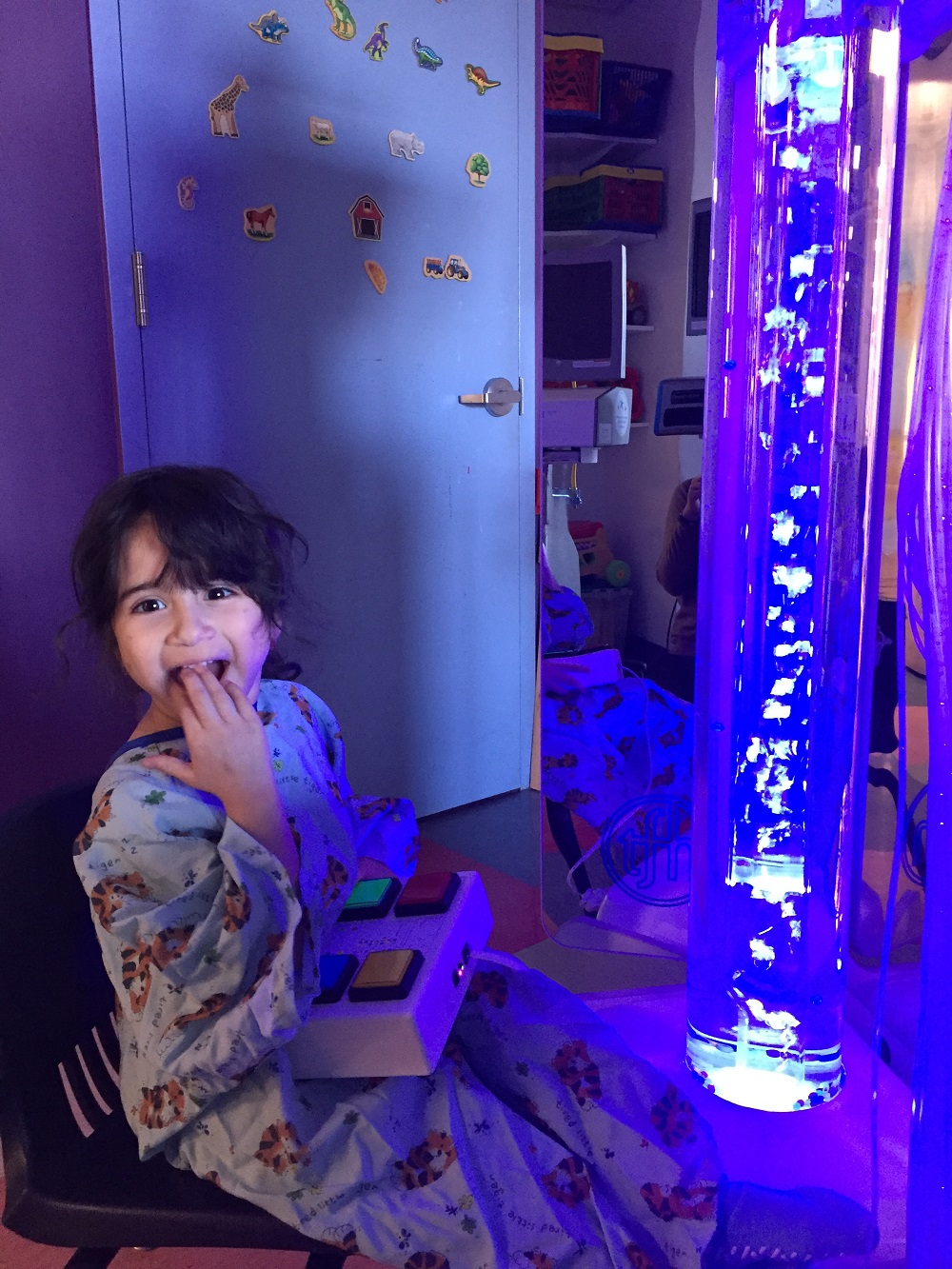
In an effort to provide children with tools that promote positive coping, Flushing Hospital Medical Center has purchased a Vecta Deluxe  Mobile Sensory  Station with the help of a generous grant from the enCourage Kids Foundation’s Pediatric Hospital Program.

The new multisensory device is designed to keep children distracted by keeping them engaged with its many interactive and calming features such as a projector that displays images such as tropical fish, an aromatic dispenser, a bubble column and fiber optics cables that change colors. Through play and interaction, the Vecta will help patients to alleviate some of the discomforts they may encounter in a medical environment. The machine is mobile and enables the staff to transform any room into a fun or relaxing space.

The sensory station is utilized by Flushing Hospital’s Child Life program where Child Life Specialists such as Rashmi Momaya provide emotional support to children by engaging them in fun and educational activities.

“Hospitalization can be frightening. The Vecta Sensory Station has proven to be effective in helping children to remain engaged and relaxed during procedures. The feedback we have received from patients and parents has been tremendously positive,” shared Rashmi.

Rashmi continued, Flushing Hospital’s Child Life Program is thrilled to have acquired another tool that will help us to provide the best service and care for our patients.”

Flushing Hospital’s Child Life Program aims to meet the special needs of children in our care. Our Child Life Specialists are trained to help patients to overcome fear and anxiety through play, support and education in a safe environment.  We strive to offer patients and families a positive hospital experience.


All content of this newsletter is intended for general information purposes only and is not intended or implied to be a substitute for professional medical advice, diagnosis or treatment. Please consult a medical professional before adopting any of the suggestions on this page. You must never disregard professional medical advice or delay seeking medical treatment based upon any content of this newsletter. PROMPTLY CONSULT YOUR PHYSICIAN OR CALL 911 IF YOU BELIEVE YOU HAVE A MEDICAL EMERGENCY.

Warning Signs of a Prescription Painkiller Addiction

Prescription painkiller addiction has become a growing and serious problem in the United States.  A 2017 study conducted by the National Survey on Drug Use and Health found that an estimated 2 million Americans misused prescription pain relievers for the first time within that year.

While narcotic painkillers are designed to significantly reduce a person’s sensitivity to pain, they can also create a short-lived sense of euphoria. Some people may crave this sensation and become addicted, as they want to experience this feeling more frequently and for longer periods of time. Long-term or misappropriate use of prescription painkillers can lead to physical dependence.

A person can become addicted to painkillers over time; however, there are often tell-tale signs that indicate a growing addiction. They include:

  • Feeling the need to use the drug regularly
  • Experiencing intense urges that interrupt other thoughts
  • Taking more medications than prescribed by a doctor
  • Going doctor shopping to find physicians to provide a prescription
  • Taking medications longer than prescribed by a doctor
  • Seeking other sources such as relatives’ medicine cabinets or the internet to get prescription painkillers
  • Afflicting injuries to oneself to attain painkillers
  • Continuing to take the medications although they affect job performance, relationships or the ability to carry out routine activities
  • Experiencing withdrawal symptoms when attempting to stop drug use

Paying attention to these signs is crucial in getting the necessary help needed.  Help can be received in a timely manner; the sooner a problem is recognized. If you or someone you know are displaying these signs, speak to your doctor or a professional who specializes in addiction medicine immediately.

To schedule an appointment with Flushing Hospital Medical Center’s  Addiction Service Division please call 718-670-5078.

All content of this newsletter is intended for general information purposes only and is not intended or implied to be a substitute for professional medical advice, diagnosis or treatment. Please consult a medical professional before adopting any of the suggestions on this page. You must never disregard professional medical advice or delay seeking medical treatment based upon any content of this newsletter. PROMPTLY CONSULT YOUR PHYSICIAN OR CALL 911 IF YOU BELIEVE YOU HAVE A MEDICAL EMERGENCY.