Summer Weight Loss Tips For Kids

Is your child at risk of gaining weight this summer?

We consider summer to be a time when kids run around, go swimming and generally remain active. With all this physical activity, it is a common belief that children keep weight off or maybe even lose a few pounds in the summer, but that is not the case. There are many reasons why parents are now noticing that their children are actually gaining weight during the summer.

The rate of childhood obesity has tripled in America in recent decades. Now, one out of three children in this country is considered overweight or obese. When are children gaining the most weight?  Recent studies have revealed that during the summer, the rate of weight gain in children is double that of the rest of the year. Why?

One of the biggest contributing factors is that children today live a more sedentary lifestyle. During the school year, children participate in fitness programs, both during recess and in physical education classes. Without a regimented exercise program, children opt to spend their free time playing video games or watching television.

Another factor in summer weight gain is the foods children have access to in their home. In an effort to fight obesity and promote healthy eating habits, many schools provide healthy alternatives for lunches and snacks during the year. During the summer, however, kids have access to whatever snacks are in the home. Kids will often choose unhealthy snacks, such as cookies, chips, and soda, if they are available to them.

In an effort to reverse this trend, Jamaica Hospital offers the following summer healthy living tips for your kids:

• Stock your home with healthy food options like yogurt, carrots, or summer fruits like peaches, berries, or melons.

• Make water the beverage of choice. Juices and sodas are high in calories and low in nutrients. To make water more flavorful, consider adding fruit slices or berries.

• Limit TV and video game usage. It will force kids to become more physically active and prevent them from enticing junk food commercials..

• Walk more. Everyone can do it. Incorporate regular family walks to the park or around the neighborhood.

• Be inventive. Not every child is interested in formal team sports, but every kid loves to run around. Encourage activities like hopscotch, jump rope or a simple game of “tag.”

• Be a role mode. Children often take cues from their parent’s eating habits so if you want your kids to eat healthier, you should eat healthier

All content of this newsletter is intended for general information purposes only and is not intended or implied to be a substitute for professional medical advice, diagnosis or treatment. Please consult a medical professional before adopting any of the suggestions on this page. You must never disregard professional medical advice or delay seeking medical treatment based upon any content of this newsletter. PROMPTLY CONSULT YOUR PHYSICIAN OR CALL 911 IF YOU BELIEVE YOU HAVE A MEDICAL EMERGENCY.
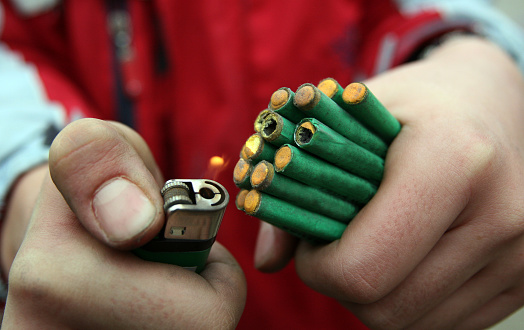

June is Fireworks Safety Month. Flushing Hospital Wants You To Be Safe This July 4th.

June is Fireworks Safety Month and with July 4th holiday approaching, Flushing Hospital Medical Center wants everyone to know the potential dangers associated with these explosives that we so closely associate with Independence Day.

Fireworks are ILLEGAL in New York State, and are extremely dangerous when they are not being used by a professional. They burn at extremely high temperatures and can rapidly burn through clothing and skin.  Items such as sparklers are mistakenly thought to be safe, but they are actually quite dangerous.

In states where it is legal to purchase and operate fireworks, please be sure to follow the following safety tips:

  • Never allow young children to handle fireworks
  • Older children should use them only under the close supervision of an adult
  • Never light fireworks indoors
  • Only use them away from people, houses and flammable material
  • Do not try to re-light or handle malfunctioning fireworks
  • Soak unused fireworks in water for a few hours before discarding
  • Keep a bucket of water nearby to fully extinguish fireworks in case of fire

This year, have a safe Fourth of July and leave the firework displays to the trained professionals. If you have questions about fireworks displays and safety, you can visit The National Council on Firework Safety webpage at http://www.fireworksafety.org.  Take the test and learn just how much you know about fireworks safety.


All content of this newsletter is intended for general information purposes only and is not intended or implied to be a substitute for professional medical advice, diagnosis or treatment. Please consult a medical professional before adopting any of the suggestions on this page. You must never disregard professional medical advice or delay seeking medical treatment based upon any content of this newsletter. PROMPTLY CONSULT YOUR PHYSICIAN OR CALL 911 IF YOU BELIEVE YOU HAVE A MEDICAL EMERGENCY.

How Can Your Pharmacist Help You Manage Your Care?

Managing your health requires a team approach. Many different healthcare professionals, including doctors, nurses, and various specialized technicians all participate in your care, but one member of that team who plays a significant role in your treatment is often overlooked and underutilized; your pharmacist.

Many people view their local pharmacist as only a person who dispenses their medications, but your pharmacist is an active member of your healthcare team.  They are a valuable resource to answer questions about your medications and offer helpful tips. In addition, patients have many more interactions with their pharmacist than they do with their doctor each year, so why not take advantage of their expertise?

Here are a few ways your local pharmacist can help you:

  • Information on side effects – Information about potential side effects on medication labels can often be confusing and overwhelming. Your pharmacist can explain which side effects are most common and outline who is most at risk for developing them.
  • Scheduling your medications – Your pharmacist can help you map out a schedule for when to take your medications. This can be especially helpful if you are taking multiple prescriptions. The effectiveness of certain medications can be minimized when taken simultaneously with others. Some medications can also work better if taken at certain times of day or with or without food.
  • Consequences for missing a dose – While skipping your regular dose of medication is not recommended, it is not always a cause for concern.  How to deal with this type of situation depends on the medication and why it is being taken. Your pharmacist can explain how to handle this problem if and when it occurs.
  • Storage Instructions – Properly storing your medications will greatly impact their effectiveness. Be sure to ask your pharmacist how to store them. Most medications should be kept at room temperature with low humidity. Some however, need to be refrigerated.

When choosing a pharmacist, make sure he or she will take the time to answer all your questions. If you do not have a pharmacist, Flushing Hospital has a retail pharmacy located in the lobby of the Medical Science building. Our staff will take the time to ensure that you have a full understanding of how to take your medications to ensure you properly manage your health. For more information about our pharmacy service, please call 718-353-3160.

All content of this newsletter is intended for general information purposes only and is not intended or implied to be a substitute for professional medical advice, diagnosis or treatment. Please consult a medical professional before adopting any of the suggestions on this page. You must never disregard professional medical advice or delay seeking medical treatment based upon any content of this newsletter. PROMPTLY CONSULT YOUR PHYSICIAN OR CALL 911 IF YOU BELIEVE YOU HAVE A MEDICAL EMERGENCY.

Flushing Hospital Offers Health Facts to Keep You Healthy this Summer

Memorial Day marks the unofficial start of summer for many, and while summer brings with it a greater opportunity to spend more time outdoors, it also provides an increased risk for many health-related conditions.

Flushing Hospital Medical Center wants to provide the community with the facts about some health concerns commonly associated with the warm weather months and offer tips on how to avoid them.

Athlete’s Foot – This fungus results in an itchy, burning rash on the feet. Athlete’s foot is more prevalent during the summer months because it loves to spread in warm, wet surfaces, such as on poolside pavement and public showers. Doctors suggest wearing flip flops when in these environments to avoid becoming infected.

Heat Exhaustion – Temperatures during the summer months are higher than any other time of year. When our bodies are exposed to these hot conditions, we need to stay hydrated by drinking plenty of fluids. When we don’t drink enough, we experience heat exhaustion, which is marked by weakness, nausea, vomiting, and fainting.

Food Poisoning – The increased heat and humidity in the summer are ideal breeding grounds for the growth of bacteria in our food.  The next time, you are enjoying food at a picnic or outdoor barbeque, make sure that food is not left out in the heat too long. Also follow food temperature guidelines when grilling meat and poultry.

Skin Infections – Our skin is exposed more during the summer. This increases the risk of sustaining a cut that can develop into an infection. The most common place for this to occur is at the beach, when bacteria in the sand or water can enter a cut and lead to a potentially serious infection.  If you get cut, be sure to wash it immediately with soap and water and monitor it for early signs of infection.

Ear Infection / Swimmer’s Ear – Naturally, we spend more time swimming in pools or in the ocean during the summer than any other time of year. The additional moisture in the ear from spending time in the water can help facilitate the growth of bacteria, which can lead to an infection. To prevent excess moisture build-up, dry your ears thoroughly after swimming.

Flushing Hospital wants those in our community to enjoy everything that the next few months has to offer. By taking these extra precautions, you can only increase your chances of having a healthy, fun-filled summer.

All content of this newsletter is intended for general information purposes only and is not intended or implied to be a substitute for professional medical advice, diagnosis or treatment. Please consult a medical professional before adopting any of the suggestions on this page. You must never disregard professional medical advice or delay seeking medical treatment based upon any content of this newsletter. PROMPTLY CONSULT YOUR PHYSICIAN OR CALL 911 IF YOU BELIEVE YOU HAVE A MEDICAL EMERGENCY.
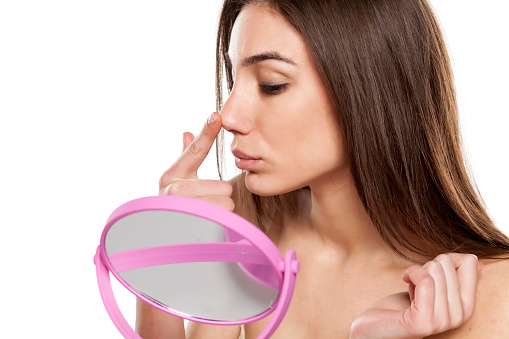
How Can Hypertension Affect Your Eyesight?

We are aware of the many serious consequences of living with high blood pressure, or hypertension.  Prolonged, untreated hypertension can negatively impact your heart and your kidneys, but how can hypertension affect your eyesight?

High blood pressure can lead to a condition known as hypertensive retinopathy and the damage can be very serious if not addressed.

Eye close upThe retina is a layer of tissue located at back of the eye and contains cells that are sensitive to light. These cells trigger nerve impulses that pass via the optic nerve to the brain, where a visual image is formed. When your blood pressure is too high, the walls of the retina may thicken, which restricts blood flow to the retina and limits its function, resulting in potentially permanent vision problems, including blindness.

A person with hypertensive retinopathy wouldn’t typically display any symptoms until the condition has progressed. Possible signs may include:

  • Reduced vision
  • Eye swelling
  • Bursting of a blood vessel
  • Double vision accompanied by headaches

In most cases, an eye specialist can diagnose hypertensive retinopathy during an examination using an instrument called an opthalmoscope to examine the retina. Your doctor will look for signs of narrowing of blood vessels, spots on the retina, swelling or bleeding in the back of the eye.

Effective treatment for hypertensive retinopathy involves controlling your blood pressure. This can be done through medication and lifestyle changes. Most importantly, doctors recommend maintaining an ideal body weight, eating and healthy diet and exercising regularly as methods to lower your blood pressure.

If you are living with high blood pressure, or if you think you are, see a doctor immediately. If you do not have a doctor, you can make an appointment at Flushing Hospital’s Ambulatory Care Center by calling 5486.

All content of this newsletter is intended for general information purposes only and is not intended or implied to be a substitute for professional medical advice, diagnosis or treatment. Please consult a medical professional before adopting any of the suggestions on this page. You must never disregard professional medical advice or delay seeking medical treatment based upon any content of this newsletter. PROMPTLY CONSULT YOUR PHYSICIAN OR CALL 911 IF YOU BELIEVE YOU HAVE A MEDICAL EMERGENCY.
Do You Have a Deviated Septum?

Ours nose is in the middle of our face, so naturally we pay a great deal of attention to how it looks. If we look carefully though, most of us will find that our nose is not perfectly straight. In fact, it is estimated that approximately 80% of Americans have a nose that is off-center.  Known as a deviated septum, this condition is not a cause of concern for most, for those with a severely deviated septum the condition can result in multiple issues.

Rhinoplasty

So what exactly is a deviated septum? There is a thin wall of cartilage and bone that separates our nostrils called the septum. A deviation of the septum occurs when it is displaced to one side, making one nasal passage smaller than the other. When severe, a deviated septum can restrict airflow and make breathing difficult. A person can be born with a deviated septum, can develop one during normal childhood growth, or sustain one as the result of an injury or trauma, such as a broken nose.

Regardless of the cause of a deviated septum, when significant enough, it can be the cause of many problems, including:

  • Difficulty breathing through the nose
  • Nasal congestion (usually on one side)
  • Recurring sinus infections
  • Nosebleeds
  • Sleep disorders, including snoring or sleep apnea
  • Facial pain or headaches
  • Postnasal drip
  • Dry mouth (due to chronic mouth breathing)

A doctor, usually an otolaryngologist, also known as an ear nose and throat specialist can perform a physical examination using an instrument called a nasal speculum to determine how severe the septum is deviated. Based on the doctor’s findings, an appropriate course of treatment will be provided.  In most cases, the symptoms of a deviated septum can be treated through a variety of medications, such as decongestants, antihistamines, or steroid sprays.

If medications don’t relieve your symptoms, surgical intervention may be recommended.  A procedure, known as a septoplasty, where the nasal passage is straightened and repositioned in the center of the nose, can be performed. The procedure is usually performed on an outpatient level, meaning you can return home the same day, but healing normally takes a few weeks. Symptoms associated with a deviated septum are often completely resolved after surgery.

To make an appointment with a doctor at Flushing Hospital’s Ambulatory Care Center, please call 718-670-5440.

All content of this newsletter is intended for general information purposes only and is not intended or implied to be a substitute for professional medical advice, diagnosis or treatment. Please consult a medical professional before adopting any of the suggestions on this page. You must never disregard professional medical advice or delay seeking medical treatment based upon any content of this newsletter. PROMPTLY CONSULT YOUR PHYSICIAN OR CALL 911 IF YOU BELIEVE YOU HAVE A MEDICAL EMERGENCY.

Can GERD Contribute to Your Asthma?

Most asthma sufferers are aware of the many potential sources for their condition, but they may not realize one very common disorder that can contribute to the development of asthma – GERD.

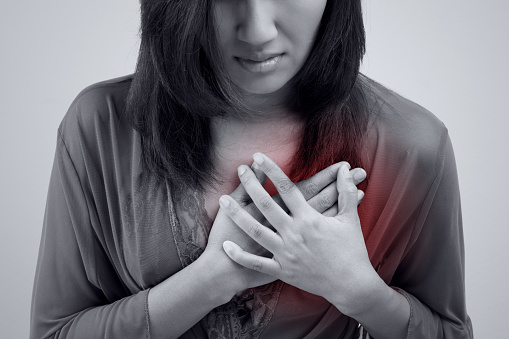
Heart attack

Gastroesophageal reflux disease, also known as GERD is a digestive disorder that affects the ring of muscle between the esophagus and stomach. Normally, this ring, which is called the lower esophageal sphincter, prevents acidic stomach juices from flowing back into the esophagus after food enters the stomach.

GERD occurs when the esophageal sphincter is weakened allowing the stomach’s contents to flow up into the esophagus. Heartburn, the most common symptom of GERD, feels like a burning sensation in the esophagus. Many people say it feels like food is coming back into the mouth, leaving a bitter taste.

Research has indicated that GERD can either lead to, or worsen asthma symptoms. In fact, it is estimated that over 75% of patients with hard-to-treat asthma also experience frequent heartburn from GERD.

While the relationship between GERD and asthma does exist, the exact link between the two is unknown. One possibility is that acid reflux irritates the airways and lungs, which affects breathing and makes people more sensitive to outside conditions such as pollution, cigarette smoke, and cold air. Another potential explanation is that a nerve is triggered in the airways when acid enters the esophagus, causing them to narrow in order to prevent acid from entering the lungs.

Doctors most often look at GERD as the cause of asthma when:

  • Asthma begins in adulthood
  • Asthma symptoms get worse after a meal, after exercise, at night or after lying down
  • Asthma doesn’t respond to the standard asthma treatments

For many, treating GERD can help them relieve asthma treatments Thankfully, by simply adjusting lifestyle behaviors, GERD can be controlled. Tips to control GERD include:

  • Raise the head of your bed by six inches to allow gravity to help keep down the stomach’s contents
  • Eat meals at least three to four hours before lying down
  • Eat smaller meals with moderate portions of food
  • Maintain a healthy weight
  • Limit consumption of chocolate, peppermint, coffee, tea, colas, alcohol, tomatoes and citrus fruits or juices, all of which can contribute additional acid that can irritate the esophagus
  • Give up smoking, which relaxes the lower esophageal sphincter
  • Wear loose belts and clothing

In addition, your doctor can recommend over-the-counter treatments or prescribe medications to relieve GERD symptoms.

Flushing Hospital’s Ambulatory Care Clinic offers many specialty services to treat a variety of pulmonary and digestive disorders. To make an appointment, please call 718-670-5486.

All content of this newsletter is intended for general information purposes only and is not intended or implied to be a substitute for professional medical advice, diagnosis or treatment. Please consult a medical professional before adopting any of the suggestions on this page. You must never disregard professional medical advice or delay seeking medical treatment based upon any content of this newsletter. PROMPTLY CONSULT YOUR PHYSICIAN OR CALL 911 IF YOU BELIEVE YOU HAVE A MEDICAL EMERGENCY.
How Do You Know When Your Cut Requires Emergency Care?

Doctors in hospital emergency departments see thousands of patients everyday who have suffered various degrees of skin penetrating wounds. While many of these patients do in fact require immediate medical attention, not all do. The issue is, many patients do not know what types of injuries warrant a visit to the Emergency Department and which do not.

GiglioDr. James Giglio Chairman of Emergency Medicine at Flushing Hospital Medical Center states “it’s tricky for patients to tell when cuts require medical attention. Many minor wounds heal without any professional intervention, but some require stiches or other types of treatment for proper healing. So how can you tell when to go to the E.R.?


According to Dr. Giglio, wounds almost always require a trip to local ER if they are:

  • Deep enough to expose the muscle, bone, or fatty tissue
  • Wide enough so that you can’t easily apply pressure to press the edges together
  • Located across a joint (fear of damaging nerves, tendons or ligaments)
  • The result of a bite (may require tetanus or tetanus treatment)
  • Caused by a dirty or rusty object
  • On the face or any other body part where scarring is a concern
  • Still bleeding after 15 minutes of direct pressure

Regardless of whether or not a wound requires a visit to the Emergency Department, the risk of infection increases the longer your wound remains open. Therefore immediate wound care is very important. Dr. Giglio states “It is best to gently clean the wound as soon as possible by irrigating it with thoroughly for a few minutes under tap water. You should also apply direct pressure to the wound and keep it elevated. This will slow or stop the bleeding.”

Thorough wound care is also very important to stave off infection. All wounds should be dressed with a topical antibiotic ointment and covered with a bandage. Doctors recommend reapplying ointment and changing your bandage two -three times daily for the first couple of days. If the healing wound gets wet, pat it dry and apply a dry bandage. Moist bandages delay healing and increase the risk of infection for most wounds. If you become concerned due to worsening pain, redness or swelling, contact your doctor immediately.

According to Dr. Giglio there are always exceptions to these rules. “The best advice I can give is if you are unsure about the severity of your injury, it is better to err on the side of caution and seek medical attention.”

Flushing Hospital Medical Center’s Emergency Department is open 24 hours a day, seven days a week and provides care for tens of thousands of patients every year. The doctors and staff in our Emergency Department can help you decide what level of treatment your wound requires.

All content of this newsletter is intended for general information purposes only and is not intended or implied to be a substitute for professional medical advice, diagnosis or treatment. Please consult a medical professional before adopting any of the suggestions on this page. You must never disregard professional medical advice or delay seeking medical treatment based upon any content of this newsletter. PROMPTLY CONSULT YOUR PHYSICIAN OR CALL 911 IF YOU BELIEVE YOU HAVE A MEDICAL EMERGENCY.

Can Fidget Toys Help Your Child’s Ability To Focus?

We all fidget – some of us more than others, but when the subject of fidgeting and children is raised, you might be surprised at what many experts are saying.

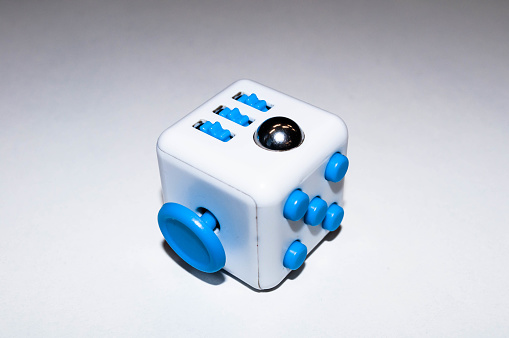
Stress Cube

Fidgeting is our body’s way of releasing restless energy. Common types of fidgeting include foot tapping, hair twirling or nail biting. While many consider these activities counterproductive to learning, many experts state that if these fidgeting behaviors can be re-directed, they can actually enhance learning.

Enter “Fidget Toys.” Fidget toys are self-regulation tools to help with focus, attention, calming, and active listening. There are many different types of fidget toys, ranging from squeezable stress balls to bendable sticks to malleable putty. In recent months however, fidget spinners and fidget cubes have become very popular items among not only children but adults as well.

Regardless of the type of toy used, the goal is the same – to help focus attention and improve learning ability. In fact, research indicates that most children learn better when their hands are active and funneling expandable energy in this manner allows them to better focus on what they are trying to learn. In addition, experts have concluded that movement is essential for learning because the learner is required to use both the left and right sides of their brain.

In a recent case study, the positive effects of fidget toys were observed. The result was a 10% increase in certain academic scores among students who used fidget toys. Even more impressive was that students diagnosed with ADHD saw an increase of 27% in the academic scores. The study concludes that the use of fidget toys can benefit the learning process in all students but especially in those with learning disabilities.

In addition to the improved learning benefits, fidget toys can also reduce anxiety and stress, enhance dexterity, improve coordination and fine motor skills and assist in the development of muscles of small hands.

Fidget toys are appropriate for all ages and genders and most developmental abilities. Many parents will learn that the effectiveness of these objects can diminish over time, so it is suggested to alternate toys. It is also recommended that parents speak to their child’s teacher or principal before they consider bringing fidget toys to school.

All content of this newsletter is intended for general information purposes only and is not intended or implied to be a substitute for professional medical advice, diagnosis or treatment. Please consult a medical professional before adopting any of the suggestions on this page. You must never disregard professional medical advice or delay seeking medical treatment based upon any content of this newsletter. PROMPTLY CONSULT YOUR PHYSICIAN OR CALL 911 IF YOU BELIEVE YOU HAVE A MEDICAL EMERGENCY.

Today is World Health Day – Let’s Talk About Depression

In recognition of the anniversary of the founding of the World Health Organization (WHO), every April 7th people across the earth celebrate World Health Day.

Doctor In Consultation With Depressed Female Patient

Every year on this date, WHO and its partners select a different global health issue – The subject of their 2017 awareness campaign is depression and their campaign slogan is “Depression: Let’s Talk.”

Depression is a common mental health disorder that affects people of all ages, from all walks of life, in all countries. The risk of becoming depressed is increased by poverty, unemployment, life events such as the death of a loved one or a relationship break-up, physical illness and problems caused by alcohol and drug use. Untreated depression can prevent people from working and participating in family and community life. At worst, depression can lead to suicide.

At the core of the World Health Day campaign is the importance of talking about depression as a vital component of recovery. There is a negative association surrounding many mental health disorders, including depression. This connotation remains a obstacle that is difficult to overcome for people around the world   By encouraging those with depression to talk to others, whether with a family member helps break down this stigma. Also, by initiating conversations about depression in group forums, such as in schools, in the workplace and in social settings; or in the public domain, such as in the news media or on social media platforms will ultimately lead to more people seeking help.

Flushing Hospital operates a outpatient mental health center where individuals can speak with trained mental health professional about depression or any other disorder. To make an appointment, please call 718-670-5562.

All content of this newsletter is intended for general information purposes only and is not intended or implied to be a substitute for professional medical advice, diagnosis or treatment. Please consult a medical professional before adopting any of the suggestions on this page. You must never disregard professional medical advice or delay seeking medical treatment based upon any content of this newsletter. PROMPTLY CONSULT YOUR PHYSICIAN OR CALL 911 IF YOU BELIEVE YOU HAVE A MEDICAL EMERGENCY.