Pinkeye

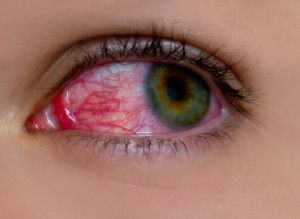
Pinkeye, also known as conjunctivitis, is one of the most common and highly treatable eye conditions.  More than three million adults and children in the U.S. contract pinkeye every year.

Pinkeye occurs when the thin, clear tissue under the eyelid, known as the conjunctiva, becomes inflamed.  This inflammation makes the blood vessels in the eye more visible, giving them a pink appearance.  People who develop pinkeye typically experience pain, or feel a burning or itchy sensation. Their eyes may also tear and form a discharge that crusts while sleeping.  Other symptoms may include swelling, tenderness or sensitivity to light.

There are several causes for pinkeye, but it is most commonly either viral, which is the most contagious form, or due to a bacterial infection. Other factors that can lead to pinkeye include exposure to irritants such as shampoo, cosmetics, dirt, or pool chlorine, an allergic reaction to pollen, dust, or smoke, or a reaction to eye drops or contact lenses.  Usually a doctor can diagnose pinkeye through a routine examination.

Treating pinkeye depends on the cause of the condition.  In most cases it is treated by administering artificial tears, which can be purchased over-the-counter, to treat the dryness and cold compresses to treat inflammation. If pinkeye has developed due to a bacterial infection, antibiotics may be prescribed. Symptoms of pinkeye typically last anywhere from one to two weeks.

To avoid contracting pinkeye, take the following precautions:

  • Wash your hands frequently with soap and warm water. If soap and water are not available, use an alcohol-based hand sanitizer that contains at least 60 percent alcohol.
  • Avoid touching or rubbing your eyes.
  • Avoid sharing towels, blankets, and pillowcases.
  • Do not share eye makeup, face makeup, makeup brushes, contact lenses or containers, or eyeglasses.

In rare cases pinkeye can lead to complications. Please see a doctor if you experience moderate to severe pain your eyes, if you have problems with your vision, or if symptoms persist or worsen over time.

To make an appointment at Flushing Hospital Medical Center’s Ambulatory Care Center, please call 718-670-5486.

All content of this newsletter is intended for general information purposes only and is not intended or implied to be a substitute for professional medical advice, diagnosis or treatment. Please consult a medical professional before adopting any of the suggestions on this page. You must never disregard professional medical advice or delay seeking medical treatment based upon any content of this newsletter. PROMPTLY CONSULT YOUR PHYSICIAN OR CALL 911 IF YOU BELIEVE YOU HAVE A MEDICAL EMERGENCY.

The Nutritional Benefit of Mangos

According to Healthline, Mango is a fruit that is native to India and Southeast Asia.  There are hundreds of types of mangos, each with a unique delicious taste that have an impressive nutritional profile.

The site notes that studies have linked the nutrients in mangos to health benefits such as improved immunity, digestive health, and eyesight, as well as lowering the risk of certain cancers.

Mangos are low in calories and full of nutrients.  Some of the benefits are:

One cup (165 grams) of sliced mango provides:

  • Calories: 99
  • Protein: 1.4 grams
  • Carbs: 24.7 grams
  • Fat: 0.6 grams
  • Dietary fiber: 2.6 grams
  • Vitamin C: 67% of the Reference Daily Intake (RDI)
  • Copper: 20% of the RDI
  • Folate: 18% of the RDI
  • Vitamin B6: 11.6% of the RDI
  • Vitamin A: 10% of the RDI
  • Vitamin E: 9.7% of the RDI
  • Vitamin B5: 6.5% of the RDI
  • Vitamin K: 6% of the RDI
  • Niacin: 7% of the RDI
  • Potassium: 6% of the RDI
  • Riboflavin: 5% of the RDI
  • Manganese: 4.5% of the RDI
  • Thiamine: 4% of the RDI
  • Magnesium: 4% of the RDI

It also contains small amounts of phosphorus, pantothenic acid, calcium, selenium and iron and are high in antioxidants.

To read these and other facts about the nutritional value of mangos, visit https://www.healthline.com/nutrition/mango


All content of this newsletter is intended for general information purposes only and is not intended or implied to be a substitute for professional medical advice, diagnosis or treatment. Please consult a medical professional before adopting any of the suggestions on this page. You must never disregard professional medical advice or delay seeking medical treatment based upon any content of this newsletter. PROMPTLY CONSULT YOUR PHYSICIAN OR CALL 911 IF YOU BELIEVE YOU HAVE A MEDICAL EMERGENCY.

Employee Spotlight – Lois Pettis

This month’s Flushing Hospital Medical Center’s (FHMC) Employee Spotlight shines, once again, on Lois Pettis, LPN and Office Manager of the Wound Care Program.

Lois is best known as a member of the Wound Care Team.  Where a “normal” day is spent scheduling patients, meeting with patients, speaking with insurance providers, family member and working on staffing issues.

But, since January of 2020, days have been anything but normal.  When the COVID-19 virus pandemic hit the Borough of Queens, Flushing Hospital became an epicenter for the care of COVID-19 patients.  The Wound Care Department suspended treating patients and it was all hands-on deck to treat the patients being screened and diagnosed with COVID-19.

Lois never wavered.  She was willing to help in any capacity necessary.  She only went home after she contacted the COVID-19 virus herself.  Thankfully, she has made a full recovery.

Since then, Lois has been a part of the vaccination team and has been an extremely valuable resource in managing the “vaccination pod” at FHMC.

Lois is best known for her welcoming smile and gentle nature with our staff and patients.  She is an asset to any department she has been a part of during these trying times.

When asked what motivates her to do her job so well, Lois answers with a wide smile, “The patients! ”

Thank you Lois Pettis. You are a valued Flushing Hospital Medical Center team player. Congratulations on being our FIRST, TWO TIME EMPLOYEE SPOTLIGHT!

All content of this newsletter is intended for general information purposes only and is not intended or implied to be a substitute for professional medical advice, diagnosis or treatment. Please consult a medical professional before adopting any of the suggestions on this page. You must never disregard professional medical advice or delay seeking medical treatment based upon any content of this newsletter. PROMPTLY CONSULT YOUR PHYSICIAN OR CALL 911 IF YOU BELIEVE YOU HAVE A MEDICAL EMERGENCY.
The Benefits Of Beets and A Recipe Too!

According to Healthline, Beets are packed with essential nutrients. They are a great source of fiber, folate (vitamin B9), manganese, potassium, iron, and vitamin C. Beetroot and beetroot juice have been associated with numerous health benefits, including improved blood flow, lower blood pressure, and increased exercise performance.

If you are in the mood for a beet based citrus salad delight, try this recipe for a quick, nourishing, and delicious salad.

INGREDIENTS:

  • 1 bunch kale
  • 1 bunch lettuce
  • 1 kohlrabi
  • 1 beet
  • 2 carrots
  • 1 grapefruit
  • 4 tablespoons olive oil
  • 1 tablespoon honey
  • 1 teaspoon Dijon mustard
  • ½ teaspoon kosher salt
  • ¼ teaspoon freshly ground pepper
  • ¼ cup sunflower seeds or pepitas

DIRECTIONS:

  1. Remove the stems from the kale and chop it into bite-sized pieces. Chop the lettuce into bite-sized pieces. Peel the kohlrabi, beet, and 2 carrots and chop them into matchsticks (julienne) with a knife or using a food processor. Remove the sections from half of the grapefruit and peel them.
  2. In a small canning jar, combine juice from the remaining half grapefruit (around ¼ cup), 4 tablespoons olive oil, 1 tablespoon honey, 1 teaspoon Dijon mustard, ½ teaspoon kosher salt, and ¼ teaspoon freshly ground pepper. Cover the jar and shake vigorously to combine (or whisk all ingredients together in a bowl).
  3. To serve, place vegetables on serving plates or in bowls. Top with grapefruit vinaigrette and sunflower seeds or pepitas.

For this and other delicious seasonal recipes visit –  www.acouplecooks.com

If you want to learn more about the nutritional value of beets, visit: https://www.healthline.com/nutrition/foods/beetroot#:~:text=Packed%20with%20essential%20nutrients%2C%20beetroots,pressure%2C%20and%20increased%20exercise%20performance.

All content of this newsletter is intended for general information purposes only and is not intended or implied to be a substitute for professional medical advice, diagnosis or treatment. Please consult a medical professional before adopting any of the suggestions on this page. You must never disregard professional medical advice or delay seeking medical treatment based upon any content of this newsletter. PROMPTLY CONSULT YOUR PHYSICIAN OR CALL 911 IF YOU BELIEVE YOU HAVE A MEDICAL EMERGENCY.

Facts About Dietary Supplements

Did you know that more than two-third of adults in the United States are overweight or obese?

According to the National Institute of health (NIH), many ameri9cans are using dietary supplements for weight loss as a solution.  The trend towards dietary supplements could be attributed to the belief that these products may help you lose weight more quickly.  However, according to the NIH, “There’s little scientific evidence that weight-loss supplements work.  Many are expensive and some can interact or interfere with medications, and a few might be harmful.”

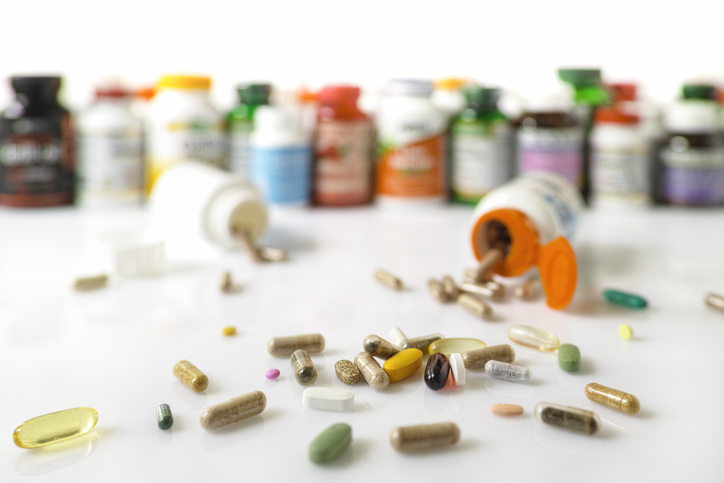
There are many kinds of dietary supplements.  They come in a variety of forms, such as capsules, tablets, liquids, powders, and bars.

Some of the more common ingredients in dietary supplements that are mostly save include:

  • Dietary fiber
  • Caffeine
  • Minerals (magnesium, calcium, potassium)

Certain ingredients included in supplements that might be harmful are:

  • Bitter orange
  • Hoodia
  • Yohimbe

Keep in mind, before choosing to take dietary supplements, it would be a good idea to consult with your doctor or a licensed nutritionist.  They may be able to assist you in preventing supplement-drug interactions and other risks.

The proven and healthy way to lose weight is by eating a balanced diet and exercising.  If you would like to speak with a nutritionist at Flushing Hospital Medical Center about how to get started on a healthier lifestyle, call 718-670-5486 for an appointment.

All content of this newsletter is intended for general information purposes only and is not intended or implied to be a substitute for professional medical advice, diagnosis or treatment. Please consult a medical professional before adopting any of the suggestions on this page. You must never disregard professional medical advice or delay seeking medical treatment based upon any content of this newsletter. PROMPTLY CONSULT YOUR PHYSICIAN OR CALL 911 IF YOU BELIEVE YOU HAVE A MEDICAL EMERGENCY.

World Hand Hygiene Day

Since 2005, the World Health Organization has been  leading a global effort to improve hand hygiene in order to reduce infections among healthcare workers and the patients that they care for. This initiative is recognized on May 5th every year throughout the world.
Proper hand hygiene is very important in keeping germs from spreading from person to person. Hands should be washed:
• Before, during and after preparing food
• Before eating
• Before and after taking care of a person who is ill
• Before treating a wound
• After using the bathroom
• After sneezing, coughing or wiping a runny nose
• After taking out the garbage
• Before coming in to contact with a baby
• After touching pets
Usually warm water and soap are sufficient to clean your hands. If the cleanliness of the water is questionable, a hand sanitizer that contains at least 60 percent alcohol can be used, keeping in mind that it may not remove all chemicals from the skin and doesn’t kill all types of germs.
There is no exact amount of time that hand washing should take but a good rule of thumb is about 20 seconds or about the same amount of time that it takes to sing the Happy Birthday song.

All content of this newsletter is intended for general information purposes only and is not intended or implied to be a substitute for professional medical advice, diagnosis or treatment. Please consult a medical professional before adopting any of the suggestions on this page. You must never disregard professional medical advice or delay seeking medical treatment based upon any content of this newsletter. PROMPTLY CONSULT YOUR PHYSICIAN OR CALL 911 IF YOU BELIEVE YOU HAVE A MEDICAL EMERGENCY.

Employee Spotlight – Leonel Torres

April’s Employee Spotlight shines on Leonel Torres.  “Leo” as he’s referred to, has been an employee at Flushing Hospital Medical Center (FHMC) for the past three years as the Information Systems Supervisor and before that, Leo worked at Jamaica Hospital Medical Center for 4 years.

In his capacity, he provides technical support related to network issues, computer systems and hardware and software issues to insure all departments, hospital wide, are able to provide the necessary quality of care to patients or meet departmental performance goals.

Leo finds his job very rewarding because he is ensuring patients get the best quality of care by helping the healthcare providers have the resources available to provide such care.

He admits that it can sometimes his job can be challenging especially when he is trying to understand an issue and resolve it in a timely fashion, especially when the user isn’t a technical person themselves, but Leo notes, “The silver lining is the ability to both resolve the issues for them and help them better understand what presents the issue in the future.”

When he isn’t at work, Leo spends a great deal of his downtime spending quality time with his family and working on continuing to enhance his skills in his field by keeping up with certifications and programming computers and network switches.

Flushing Hospital Medical Center congratulates Leonel Torres as April’s Employee Spotlight!


All content of this newsletter is intended for general information purposes only and is not intended or implied to be a substitute for professional medical advice, diagnosis or treatment. Please consult a medical professional before adopting any of the suggestions on this page. You must never disregard professional medical advice or delay seeking medical treatment based upon any content of this newsletter. PROMPTLY CONSULT YOUR PHYSICIAN OR CALL 911 IF YOU BELIEVE YOU HAVE A MEDICAL EMERGENCY.

Pregnant Women And The COVID-19 Vaccination

One of the most Frequently Asked Questions regarding the COVID-19 vaccine is, “Should pregnant women receive the vaccine?”

According to the Centers for Disease and Control (CDC), although the overall risk of severe illness is low, pregnant people are at an increased risk for severe illness from COVID-19 when compared to non-pregnant people. Severe illness includes illness that results in intensive care admission, mechanical ventilation, or death. Additionally, pregnant people with COVID-19 might be at increased risk of adverse pregnancy outcomes, such as preterm birth, compared with pregnant women without COVID-19.

The best answer is, getting vaccinated is a personal choice and, although not required, should be made with the advice of your Ob/Gyn.

If you are pregnant or thinking about getting pregnant and would like to learn more information about receiving the COVID-19 vaccine, you can make an appointment at the Flushing Hospital Medical Center’s, Department of Obstetrics and Gynecology by calling 718-670-5239.

All content of this newsletter is intended for general information purposes only and is not intended or implied to be a substitute for professional medical advice, diagnosis or treatment. Please consult a medical professional before adopting any of the suggestions on this page. You must never disregard professional medical advice or delay seeking medical treatment based upon any content of this newsletter. PROMPTLY CONSULT YOUR PHYSICIAN OR CALL 911 IF YOU BELIEVE YOU HAVE A MEDICAL EMERGENCY.

#WorkoutWednesday How Much Water To Drink While Working Out

Staying hydrated while exercising is very important, especially during the hotter months when we tend to lose more water by sweating. The best way to hydrate our bodies is to drink water, as it helps to prevent dehydration.

While drinking water greatly benefits our bodies, consuming too much can have adverse effects, one of which is hyponatremia.  This condition occurs when the blood becomes excessively diluted from drinking too much water, dangerously reducing sodium levels in our bodies.  Hyponatremia can result in symptoms such as nausea, fatigue, headaches, and in severe but rare cases, death.  It is important to follow proper hydration guidelines to avoid these symptoms.

According to Harvard Health, four to six cups of fluid daily is generally recommended for most people to consume. While exercising, The American Council on Exercise recommends drinking:

  • Seventeen to 20 ounces of fluid, 2 to 3 hours before  working out
  • Another 8 ounces, 20 to 30 minutes before starting your workout
  • Seven to 10 ounces, every 10 to 20 minutes while exercising
  • Eight ounces post workout

General recommendations are based on weight and gender. They may vary with each individual. It is  also important to keep in mind, that individuals with certain health conditions such as kidney or liver disease may retain too much fluid and should consult their physician

If you are uncertain about how much water you should drink per day or while exercising, speak with your doctor.  He or she will be able to provide more specific guidelines.

To speak with a doctor at  Flushing Hospital Medical Center, please call 718-670-5486

All content of this newsletter is intended for general information purposes only and is not intended or implied to be a substitute for professional medical advice, diagnosis or treatment. Please consult a medical professional before adopting any of the suggestions on this page. You must never disregard professional medical advice or delay seeking medical treatment based upon any content of this newsletter. PROMPTLY CONSULT YOUR PHYSICIAN OR CALL 911 IF YOU BELIEVE YOU HAVE A MEDICAL EMERGENCY.

Stress Awareness Month

In 1992, the month of April was designated as Stress Awareness Month.  During this time, health professionals join together to increase the public’s awareness about what causes stress and what can help cure the growing stress epidemic.

Flushing Hospital Medical Center is participating by reaching out to our social media community and sharing some helpful techniques that can assist you in managing your daily stress, such as:

  • Meditation – is helpful to the brain’s neural pathways, making you more resilient to stress
  • Breathing Deeply – triggers our parasympathetic nervous system, neutralizes stress and elicits a calming feeling
  • Exercise – all forms of exercise can ease depression and anxiety by helping the brain releasing feel-good chemicals giving your body a chance to practice dealing with stress
  • Eating Healthy – choosing a diet rich in vegetables, fruits, and fiber may reduce the chance that stress can boost the body’s natural defense system

Prolonged, excessive periods of stress is unhealthy for any individual. A change of mindset can bring about a healthier lifestyle.  That positive change can help you manage stress and bring far-reaching improvement to your health and well being.

For more information and to find out ways you can make a difference visit – http://stressawarenessmonth.com/

All content of this newsletter is intended for general information purposes only and is not intended or implied to be a substitute for professional medical advice, diagnosis or treatment. Please consult a medical professional before adopting any of the suggestions on this page. You must never disregard professional medical advice or delay seeking medical treatment based upon any content of this newsletter. PROMPTLY CONSULT YOUR PHYSICIAN OR CALL 911 IF YOU BELIEVE YOU HAVE A MEDICAL EMERGENCY.