
Flushing Hospital Hosts Ribbon-Cutting Ceremony for New Dental Center

Flushing Hospital Medical Center hosted a ribbon-cutting ceremony to celebrate the opening of its new, state-of-the-art dental center.

In addition to various members of the hospital’s faculty, administration, and staff, Congresswoman Grace Meng, a long-time supporter of Flushing Hospital and advocate for improved health care resources in the community, attended the ceremony.

Flushing Hospital’s Dental Department currently treats an average of 11,000 patients each year. With the improved capabilities of the new dental center, this number is expected to increase to over 14,000 patients, an increase of more than 20%.

The 3,550-square-foot facility features eight examination rooms, one imaging room, one laboratory, and one sterilization room. The center is expected to significantly improve dental patient capacity and treatment efficiency at the hospital and expand community access to a variety of specialized dental treatments.

The dental center also features a wide range of new equipment, including a cone beam computed tomography (CBCT) machine with 3D imaging, fiber-optic handpieces in all operatories, and all-new dental delivery units with monitors for patients to see their radiographs and better understand their treatment plan. Other amenities include curing lights, specialized sterilization cassettes, a larger registration area, and a larger, more convenient waiting area.

“Our new facility allows us to provide our full range of dental treatment options to a higher volume of patients,” said Dr. Bijan Anvar, Chairman of Flushing Hospital’s Department of Dental Medicine. “With this expanded capacity, we can make a greater impact on dental health in our community, particularly for patients experiencing common conditions such as tooth decay and gum disease.”

Across the United States, approximately 90% of all adults have had at least one cavity and nearly half of all adults show signs of gum disease. Over half of all children have also had cavities in their baby or adult teeth. These problems are more common among underserved communities. With the expanded care resources offered by Flushing Hospital’s new dental center, patients have closer local access to specialized treatment for these conditions and others.

“We’re excited to provide the Flushing community with a new, state-of-the-art destination for accessible, high-quality dental care,” said Bruce J. Flanz, President and CEO of Flushing Hospital. “The facility and the cutting-edge equipment it features provide our dental team with the tools they need to offer an even higher level of dental care to our patients.”

Flushing Hospital’s Dental Department provides treatments in several specialty areas, including pedodontics, oral surgery, prosthodontics, implantology, orthodontics, endodontics, and periodontics. These treatments are provided by a team of 41 attending physicians, eight residents, and 10 support staff members.

Appointments at Flushing Hospital’s Dental Department are available from 9 AM to 5 PM on Monday, Tuesday, Thursday, and Friday, and from 9 AM to 8:30 PM on Wednesday.

All content of this newsletter is intended for general information purposes only and is not intended or implied to be a substitute for professional medical advice, diagnosis or treatment. Please consult a medical professional before adopting any of the suggestions on this page. You must never disregard professional medical advice or delay seeking medical treatment based upon any content of this newsletter. PROMPTLY CONSULT YOUR PHYSICIAN OR CALL 911 IF YOU BELIEVE YOU HAVE A MEDICAL EMERGENCY.


Do Genetics Affect Obesity?

Most people become obese when they habitually consume more calories than the amount needed to maintain their regular bodily functions. However, obesity may occur in some people more easily than in others, partially as a result of their genes.

More than 50 genes are associated with obesity. These genes typically affect the brain signals and subsequent hormonal responses associated with food intake; for example, the fat mass- and obesity-associated gene (FTO) gene promotes food intake.

Most people do not have a single identifiable genetic cause for their obesity, but rarely, monogenic (single-gene) obesity may occur due to inherited changes in specific genes. This most commonly occurs due to the changes in the gene MC4R, which stimulates appetite.  These changes may lead to extreme hunger and increase the risk of developing conditions such as hyperphagia (excessive eating).

Generally, individual genes only lead to small effects on a person’s likelihood of becoming obese. In most cases, obesity is actually the result of many genes and environmental factors interacting with one another.

For many people with an increased genetic likelihood of becoming obese, standard methods of managing weight, such as regular physical exercise and a balanced diet, can be effective. However, other people with these genes may only see minimal results from these methods. In these cases, a medical intervention such as bariatric surgery may be the best path forward.

Bariatric surgery is typically reserved for:

  • People with a body mass index (BMI) of 40 or higher
  • People with a BMI of 35 or higher who have a serious weight-related condition such as type 2 diabetes or high blood pressure

You can schedule an appointment at Flushing Hospital Medical Center’s Bariatric Surgery Center to determine whether this type of procedure is right for you by calling (718) 670-8908 or (718) 408-6977.

All content of this newsletter is intended for general information purposes only and is not intended or implied to be a substitute for professional medical advice, diagnosis or treatment. Please consult a medical professional before adopting any of the suggestions on this page. You must never disregard professional medical advice or delay seeking medical treatment based upon any content of this newsletter. PROMPTLY CONSULT YOUR PHYSICIAN OR CALL 911 IF YOU BELIEVE YOU HAVE A MEDICAL EMERGENCY.
Does Your Child Have a Viral or Bacterial Infection?

Throughout the spring season, there are a number of different ways your child can become sick, leading to common symptoms such as a sore throat, runny nose, fever, or stomach problems. In some cases, these issues may only be a result of seasonal allergies to substances such as pollen. However, these symptoms could also occur due to an infectious disease, such as the common cold or flu.

Children develop infections due to either viruses or bacteria. A virus is a piece of genetic material surrounded by protein that requires a living host; when it infects something, it takes control of the host’s cells and uses them to create more of the virus. Some examples of common pediatric viral infections include:

  • Influenza
  • Colds
  • Respiratory Syncytial Virus (RSV)
  • Gastroenteritis (Stomach Flu)
  • Chickenpox
  • Bronchitis

Bacteria are single-celled organisms that live in a variety of different environments; most cause no harm to humans, with some even aiding in bodily processes such as digestion, but others may cause illnesses to develop in certain parts of the body. Common bacterial infections in children include:

  • Strep throat
  • Ear infections
  • Impetigo

Some infections may also be caused by either a virus or bacteria. These include:

  • Pneumonia
  • Meningitis
  • Diarrhea

Knowing the cause of your child’s infection is important, as this will determine the type of medicine they will need. Viruses are treated with antiviral medication, while bacterial infections are treated with antibiotics. Trying to treat your child’s infection with the wrong type of medication will not work, and in some cases could even lead to negative side effects.

Both antiviral medication and antibiotics can only be obtained with a prescription. A doctor can determine the most likely cause of your child’s infection and prescribe them with the appropriate medication for effective treatment results. You can schedule an appointment with a pediatrician at Forest Hills Pediatric Specialists by calling (718) 704-5020.

All content of this newsletter is intended for general information purposes only and is not intended or implied to be a substitute for professional medical advice, diagnosis or treatment. Please consult a medical professional before adopting any of the suggestions on this page. You must never disregard professional medical advice or delay seeking medical treatment based upon any content of this newsletter. PROMPTLY CONSULT YOUR PHYSICIAN OR CALL 911 IF YOU BELIEVE YOU HAVE A MEDICAL EMERGENCY.

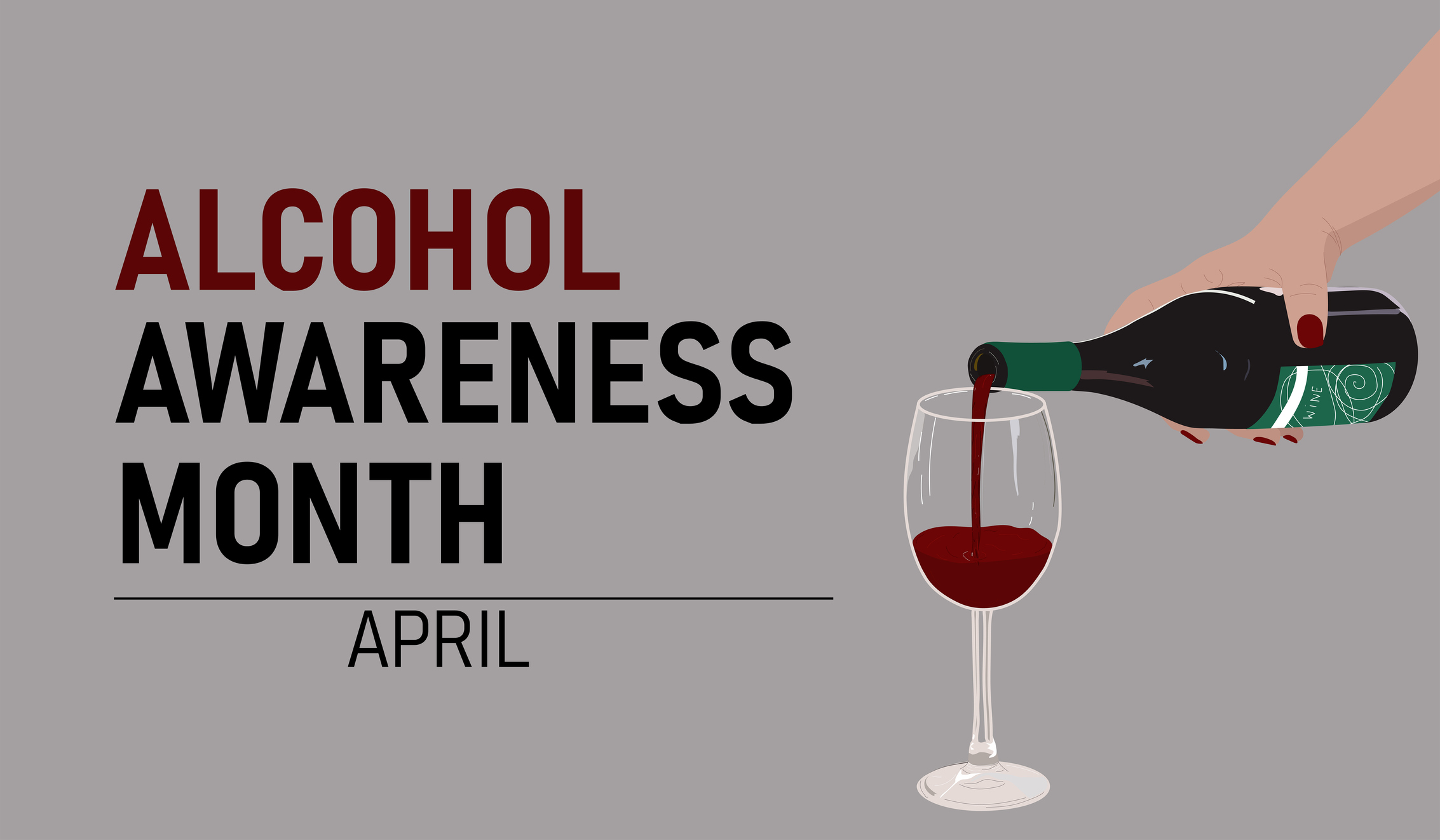
Alcohol Awareness Month

Alcohol consumption is extremely common in the United States, with nearly 80% of the population aged 12 or older drinking it at some point in their lifetime. Of this number, approximately 12.1% of men and 9.1% of women experience an alcohol use disorder, which is defined as an impaired ability to stop or limit the amount of alcohol consumed despite negative social or physical consequences.

Some of the primary risk factors for alcohol addiction are the amount, frequency, and speed of your alcohol consumption. It is generally recommended for men to limit their drinking to two alcoholic beverages per day and for women to only consume one drink per day. Frequently drinking too much and too quickly increases your risk of developing an alcohol addiction over time.

Other factors also increase your risk of developing an alcohol use disorder. These include:

Drinking at an early age: People who begin to drink before the age of 15 are over five times more likely to develop an alcohol use disorder than people who waited until the legal age of 21. This risk is higher for women than for men.

A family history of alcohol abuse: A combination of genetics and environmental factors, such as the drinking habits of one’s parents, contribute substantially to an individual’s likelihood of developing an alcohol use disorder.

Mental health conditions: People who experience mental disorders such as depression, post-traumatic stress disorder, and attention deficit hyperactivity disorder, particularly those who have experienced some form of childhood trauma, are at an increased risk of alcohol addiction.

While a serious and widespread problem, alcohol addiction is not the only dangerous form of alcohol misuse. Approximately one in six American adults engages in binge drinking, which involves consuming five or more drinks on one occasion for men or four or more drinks for women.

Excessive drinking of any kind, even when it isn’t related to an alcohol dependency, carries significant potential health risks such as:

  • Physical injuries due to vehicle crashes, alcohol poisoning, violence, or other factors
  • Sexually transmitted diseases
  • Unintended pregnancies
  • Fetal alcohol spectrum disorders
  • Sudden infant death syndrome
  • Chronic diseases
  • Long-term cognitive problems

If you are experiencing an alcohol use disorder, Flushing Hospital Medical Center’s Division of Addiction Services can help. To learn more about our Chemical Dependence Unit, a safe place to experience alcohol withdrawal, please call (718) 670-5693 or (718) 670-5540. To learn more about our Reflections addiction treatment program, please call (718) 670-5078.

All content of this newsletter is intended for general information purposes only and is not intended or implied to be a substitute for professional medical advice, diagnosis or treatment. Please consult a medical professional before adopting any of the suggestions on this page. You must never disregard professional medical advice or delay seeking medical treatment based upon any content of this newsletter. PROMPTLY CONSULT YOUR PHYSICIAN OR CALL 911 IF YOU BELIEVE YOU HAVE A MEDICAL EMERGENCY.
What Can You Eat After Bariatric Surgery?

After undergoing certain types of bariatric procedures, such as a sleeve gastrectomy or gastric bypass surgery, you won’t be able to go back to eating solid foods right away. Your stomach needs time to recover, and you will need to ease yourself into a new, healthy diet. For this reason, most patients spend the first several weeks after surgery gradually transitioning from a liquid diet to pureed foods, soft foods, and eventually certain solid foods.

Generally, the transition back to solid foods can take approximately eight weeks. The timeline of this period generally occurs as follows:

Week One: During your first week after surgery, you’ll typically only be able to consume a clear liquid diet, which includes:

  • Water
  • Coffee or tea (without milk or creamer)
  • Non-fat broth
  • Fruit and vegetable juices without pulp
  • Soda
  • Sports drinks
  • Clear nutritional drinks
  • Jello

Week Two: If you’ve successfully tolerated liquids throughout your first week, you may begin to re-introduce foods that can be pureed, such as scrambled eggs, cream soups, or proteins such as lean ground beef, poultry, or fish. Each meal should only consist of up to six tablespoons of food and be eaten slowly.

After a few weeks, with your doctor’s approval, you may begin to re-introduce soft foods such as ground meat or poultry, rice, and cooked skinless vegetables. These meals should generally consist of no more than half a cup of food.

Week Eight: After about eight weeks of following this diet, you can start to re-introduce a limited number of solid foods into your diet. You should only try one of these foods at a time and anticipate potential issues such as pain, nausea, or vomiting. Limit your daily eating to three meals of approximately one and a half cups of food.

To receive more information about bariatric surgery and schedule a consultation, you can call Flushing Hospital Medical Center’s Comprehensive Bariatric Surgery Center by calling (718) 670-8909.

All content of this newsletter is intended for general information purposes only and is not intended or implied to be a substitute for professional medical advice, diagnosis or treatment. Please consult a medical professional before adopting any of the suggestions on this page. You must never disregard professional medical advice or delay seeking medical treatment based upon any content of this newsletter. PROMPTLY CONSULT YOUR PHYSICIAN OR CALL 911 IF YOU BELIEVE YOU HAVE A MEDICAL EMERGENCY.

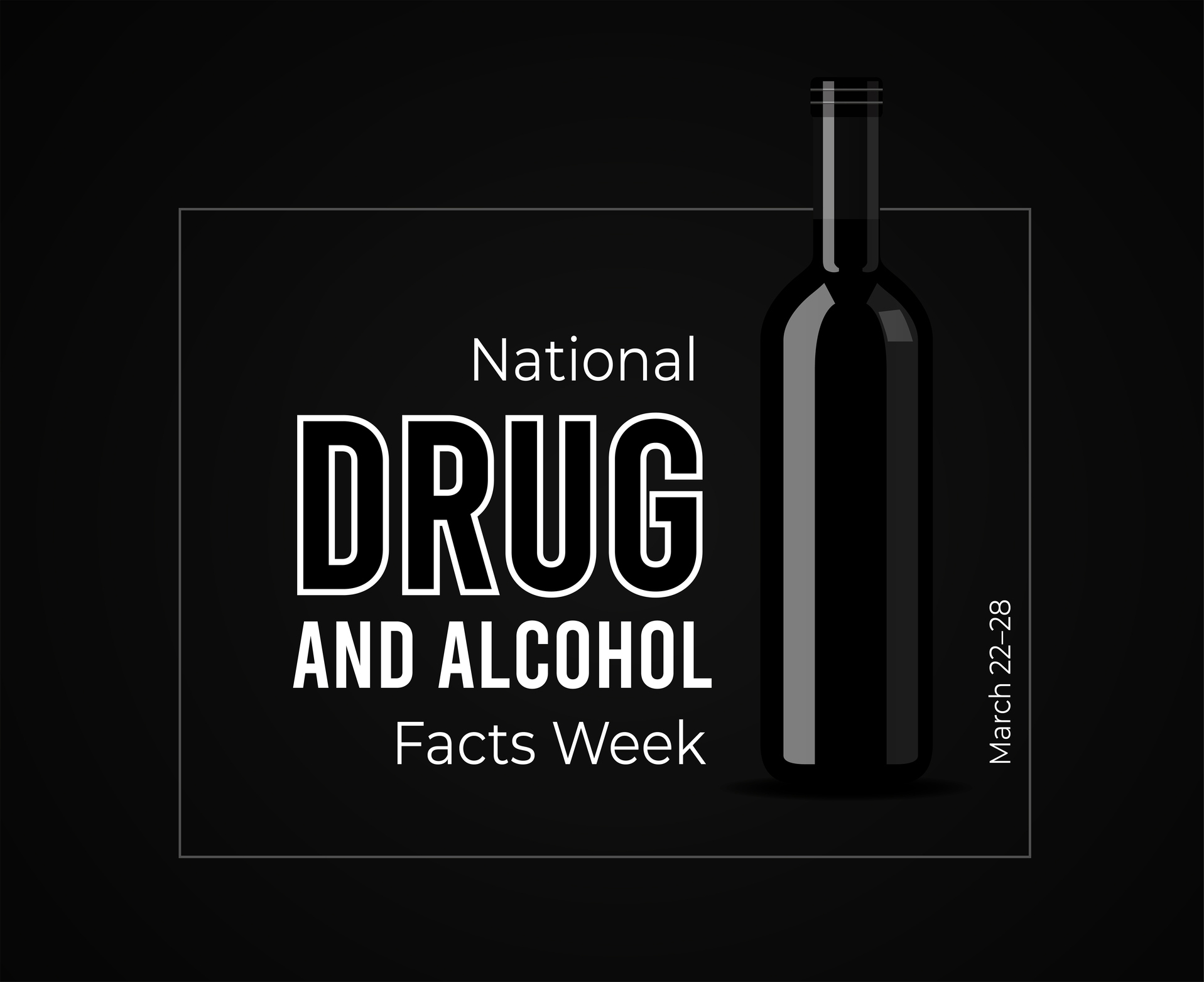
National Drug and Alcohol Facts Week

National Drug and Alcohol Facts Week is an annual observance that focuses on the discussion of drug and alcohol use and addiction among young people. The most common substances used by this group are alcohol, tobacco, and marijuana, but there is also significant use of substances such as club drugs, anabolic steroids, and opioids.

Alcohol: Approximately 29% of high school-aged young people consume alcoholic beverages, with about 14% binge-drinking and 17% driving with someone who had been drinking. Additionally, underage drinking is associated with several negative outcomes, including a higher chance of academic, social, legal, and physical problems, as well as an increased likelihood of experiencing sexual violence, suicide, homicide, or abuse of other substances.

Tobacco: Nearly 99% of people who use tobacco products daily began by the age of 26. Over 85% of high school students and 81.5% of middle school students reported using products such as e-cigarettes because of their flavors, indicating that this factor may make these products more appealing to young people.

Marijuana: The most recent statistics from the Centers for Disease Control and Prevention indicate that approximately four out of 10 high school students have used marijuana at some point in their lives. Regular usage can potentially lead to long-term health effects such as mental health disorders or marijuana use disorder, a form of addiction that approximately 30% of people who use marijuana experience.

Club drugs: The term “club drugs” refers to substances such as cocaine, ecstasy, ketamine, rohypnol, methamphetamine, and acid. They’re most often used by young adults at parties, concerts, bars, nightclubs, or other event spaces. They are generally psychoactive substances and cause changes in mood, behavior, and awareness. They are also often used as “date rape” drugs to make it easier for a person to sexually assault a victim.

Anabolic steroids: Recreational steroid usage generally begins in young adulthood, with approximately 22% of users beginning as teenagers. Steroids are most likely to be used by males who participate in sports focused on weight and shape, such as bodybuilding. They may increase the likelihood of cognitive problems, such as increased impulsivity and decreased attention, as well as heart problems.

Opioids: Approximately 14% of students report misusing prescription opioids, which are typically used as painkillers after a major injury or procedure or for the treatment of chronic pain. Opioids carry a high risk of addiction and dependence when misused, making an overdose more likely. An overdose can lead to symptoms such as drowsiness, mental fog, nausea, constipation, slowed breathing, and even death.

If a young person you know is experiencing substance abuse or addiction, Flushing Hospital Medical Center’s Division of Addiction Services can treat them through our Reflections program, which you can learn more about by calling (718) 670-5078. For more information about our 24/7 chemical dependence unit, where your loved one can experience withdrawal safely, please call (718) 670-5693 or (718) 670-5540.

All content of this newsletter is intended for general information purposes only and is not intended or implied to be a substitute for professional medical advice, diagnosis or treatment. Please consult a medical professional before adopting any of the suggestions on this page. You must never disregard professional medical advice or delay seeking medical treatment based upon any content of this newsletter. PROMPTLY CONSULT YOUR PHYSICIAN OR CALL 911 IF YOU BELIEVE YOU HAVE A MEDICAL EMERGENCY.

How Can Stress Affect Rheumatoid Arthritis?

Stress is a common trigger for rheumatoid arthritis flare-ups, during which symptoms such as pain, swelling, and joint stiffness worsen for a temporary period of time. The factor most closely linked to the onset of flare-ups is the inflammatory response of your immune system to stress. Inflammation is the primary means by which rheumatoid arthritis damages your joints over time.

Once a flare-up has been triggered, your arthritis symptoms may contribute to the amount of stress you experience, creating a cycle that causes both issues to worsen over time and disrupts daily activities and movement.

There are certain steps you can take to manage your stress levels and reduce the frequency of your rheumatoid arthritis flare-ups. These include:

Following a regular exercise routine: Regular physical exercise can be significantly helpful for both stress reduction and increased joint mobility. Your routine should include strength exercises, cardio, and stretching to improve flexibility and reduce your chances of injury.

Targeting work-related stress: Twenty-five percent of Americans report that their workplace is the number one cause of stress in their lives. Make sure to pace yourself with periodic breaks throughout your work day, take time to move around and stretch, and make a point of tackling any specific problems that are stressing you out (such as a delayed project or a dispute with a coworker) directly in a calm, reasoned way.

Talking to a doctor: If you experience symptoms of rheumatoid arthritis, you should work with a rheumatologist to manage your physical symptoms and find the most effective treatment approach for you. Additionally, if you experience chronic stress, you should work with a psychiatrist to determine the root causes and the best way to approach them.

You can schedule an appointment with a rheumatologist at Flushing Hospital Medical Center’s Ambulatory Care Center by calling (718) 670-5486. You can also find a psychiatrist at our Outpatient Psychiatric Clinic by calling (718) 670-5562.

All content of this newsletter is intended for general information purposes only and is not intended or implied to be a substitute for professional medical advice, diagnosis or treatment. Please consult a medical professional before adopting any of the suggestions on this page. You must never disregard professional medical advice or delay seeking medical treatment based upon any content of this newsletter. PROMPTLY CONSULT YOUR PHYSICIAN OR CALL 911 IF YOU BELIEVE YOU HAVE A MEDICAL EMERGENCY.

What Are the Most Common Types of Pediatric Hernias?

Hernias, which are defects in your abdominal wall that allow tissue or fat to bulge through, typically occur in children as inguinal or umbilical hernias. They’re often present due to birth complications such as premature birth.

There are two types of inguinal hernias. The most common type in children, indirect inguinal hernias, generally occurs as a result of an opening in the abdominal wall being present at birth. Direct inguinal hernias develop more rarely, as they usually result from physical overexertion due to sports or lifting heavy objects.

The other most common form of childhood hernia, umbilical hernias, occur in the spot where the umbilical cord was previously attached to the belly button. They develop when the muscles fail to close around this spot after the umbilical cord falls off.

Both inguinal and umbilical hernias may cause a pain or tenderness in the belly button or groin, as well as a bulge in this area that grows in size as a result of laughing, crying, or physically straining. However, more severe symptoms such as bloating, fever, severe and sudden abdominal pain, and nausea may indicate that the hernia has become strangulated.

A hernia can become strangulated after an extended period of incarceration, a condition in which part of the intestine becomes trapped in the abdominal opening. This can lead to the loss of that part of the intestine, as well as any involved testicles or ovaries.

Hernias occur most commonly in children who are assigned male at birth, are born prematurely or underweight, are of African descent, and who experience conditions such as undescended testicles, cystic fibrosis, or a genetic syndrome that increases the risk of a hernia.

A pediatric hernia is typically treated through surgery, during which your child’s surgeon will push the bulging tissue back into its proper position and re-seal the opening with stitches. This can be performed as an open surgery (involving a small incision in the affected area) or as laparoscopic surgery (involving several tiny incisions in the abdomen and groin).

To schedule an appointment with a doctor and begin treatment for your child’s hernia, you can schedule an appointment at Forest Hills Pediatric Specialists by calling (718) 704-5020 or at Flushing Hospital Medical Center’s Pediatric Surgery Division by calling (718) 670-3007.

All content of this newsletter is intended for general information purposes only and is not intended or implied to be a substitute for professional medical advice, diagnosis or treatment. Please consult a medical professional before adopting any of the suggestions on this page. You must never disregard professional medical advice or delay seeking medical treatment based upon any content of this newsletter. PROMPTLY CONSULT YOUR PHYSICIAN OR CALL 911 IF YOU BELIEVE YOU HAVE A MEDICAL EMERGENCY.

Anosmia Awareness Day

Anosmia is the complete loss of your sense of smell. Approximately three percent of all Americans experience either this condition or severe hyposmia (a diminished sense of smell), with a much larger percentage of the population experiencing a milder form of smell alteration. 

Although people may be born with anosmia in rare instances, it typically occurs later in life due to a variety of factors. One of the primary risk factors for smell impairment is age; a reduced sense of smell becomes increasingly likely as you get older, with a quarter of all Americans in their 70s and nearly 40% of Americans in their 80s experiencing these problems in some form. It’s also more common for men and people who are Black or Mexican-American.

Losing your sense of smell can leave you vulnerable to several potential health risks. Food or liquids that spoil often create a foul odor, but if you lack the ability to smell, you may accidentally consume these items without realizing that they are no longer safe. You also may not be able to recognize the presence of hazards such as smoke until it’s too late. 

The loss of your sense of smell also affects more than just scents. Smell also plays a significant role in the way you process flavors; without it, food and drinks become bland and less distinguishable. This can lead to other issues such as a loss of interest in eating, poor nutrition, weight loss, or potentially even depression. Additionally, attempts to resolve this lack of flavor, such as adding copious amounts of salt to food, can lead to high blood pressure and other problems.

Anosmia is not necessarily a permanent impairment. In fact, polyps, nasal deformities, and conditions such as sinus infections or viruses may cause you to temporarily develop symptoms of anosmia. An otolaryngologist (also known as an ear, nose, and throat doctor) can help to determine the cause of your symptoms and determine the right course of treatment, both for the underlying condition and for restoring your sense of smell. 

You can visit an ear, nose, and throat doctor at Flushing Hospital Medical Center’s Ambulatory Care Center. To schedule an appointment, please call (718) 670-5486.

All content of this newsletter is intended for general information purposes only and is not intended or implied to be a substitute for professional medical advice, diagnosis or treatment. Please consult a medical professional before adopting any of the suggestions on this page. You must never disregard professional medical advice or delay seeking medical treatment based upon any content of this newsletter. PROMPTLY CONSULT YOUR PHYSICIAN OR CALL 911 IF YOU BELIEVE YOU HAVE A MEDICAL EMERGENCY.

What Does It Mean to “Die of Natural Causes?”

In the United States, the majority of deaths each year are recorded as having occurred due to “natural causes.” However, it may not always be clear what exactly this term means, particularly due to the fact that it does not point to a specific factor that led to a person’s death.

A death by natural causes is one that occurs solely due to internal factors (such as a disease) rather than external factors (such as a traumatic physical injury). Three of the most common ways it can occur include:

Heart disease: Although factors affected by lifestyle choices (such as a person’s weight, diet, and physical activity level) can contribute to the risk of developing heart disease, anyone can experience it at any age. This is because your risk is also tied to your genetics and family history of heart disease.

Cancer: While multiple people within the same family may experience cancer without it being the result of genetics, it can occur as a result of what is referred to as a “family cancer syndrome” (also known as “inherited cancer syndrome” or “genetic cancer syndrome”). This refers to an abnormal gene that can greatly increase the risk of certain forms of cancer. Family cancer syndrome accounts for approximately five to 10% of all types of cancer.

Stroke: You may experience a stroke due to various natural factors. Every 10 years after the age of 55, your risk of experiencing a stroke doubles. Additionally, death due to a stroke is more common among women of all ages than men. Strokes are also more common among people who are Black, Hispanic, Native American, or Native Alaskan, as well as people with certain genetic disorders such as sickle cell disease.

If you experience or have a family history of a chronic medical condition, get the treatment you need to prevent your symptoms from worsening. You can schedule an appointment with a medical specialist at Flushing Hospital Medical Center’s Ambulatory Care Center now by calling (718) 670-5486.

All content of this newsletter is intended for general information purposes only and is not intended or implied to be a substitute for professional medical advice, diagnosis or treatment. Please consult a medical professional before adopting any of the suggestions on this page. You must never disregard professional medical advice or delay seeking medical treatment based upon any content of this newsletter. PROMPTLY CONSULT YOUR PHYSICIAN OR CALL 911 IF YOU BELIEVE YOU HAVE A MEDICAL EMERGENCY.