
Parkinson’s Awareness Month

An older woman holding her hand in place due to tremors caused by Parkinson's disease.During Parkinson’s Awareness Month, healthcare organizations work to raise awareness about Parkinson’s disease, including symptoms, warning signs, and all current resources available to improve the quality of life experienced by people living with this condition.

Parkinson’s is a progressive disease of the nervous system that causes tremors and muscular rigidity; this, in turn, leads to slow and imprecise body movements. The disease is caused by the degeneration of the basal ganglia of the brain and a deficiency of the neurotransmitter dopamine, which controls many of the body’s movements.  Parkinson’s mostly affects people who are middle-aged or elderly.

Not all symptoms of Parkinson’s disease appear immediately; some people can live with the disease for years or decades before non-motor symptoms begin to appear. Some specific signs and symptoms of Parkinson’s include:

  • Tremor: A tremor, or shaking, usually begins in a limb, often your hand or fingers.
  • Slowed movement: Over time, Parkinson’s disease may reduce your ability to move, making simple tasks difficult and time-consuming.
  • Rigid muscles: Muscle stiffness can occur in any part of your body. The stiff muscles can limit your range of motion and cause pain.
  • Impaired posture and balance: Your posture may become stooped, or you may have balance problems.
  • Loss of automatic movements: Parkinson’s disease can lead to a decreased ability to perform unconscious movements, including blinking, smiling, or swinging your arms when you walk.
  • Speech changes: You may speak softly or quickly, slur, or hesitate before talking. Your speech may be more monotone, rather than having normal inflections.
  • Writing changes: It may become hard to write and/or your writing may appear small.

Some symptoms, such as tremors, can be managed through certain medications. These medications can act as a substitute for dopamine, sending signals to your brain that function similarly to this neurotransmitter. Although these medications can become less effective over time, some patients experience significant improvement in their symptoms as a result of treatment.

Parkinson’s disease can be frightening and challenging to live with, but there are treatment options available to help you engage in your normal daily activities more easily. To learn more or to schedule an appointment with a neurologist, please call Flushing Hospital Medical Center’s Ambulatory Care Center at (718) 670-5486.

All content of this newsletter is intended for general information purposes only and is not intended or implied to be a substitute for professional medical advice, diagnosis or treatment. Please consult a medical professional before adopting any of the suggestions on this page. You must never disregard professional medical advice or delay seeking medical treatment based upon any content of this newsletter. PROMPTLY CONSULT YOUR PHYSICIAN OR CALL 911 IF YOU BELIEVE YOU HAVE A MEDICAL EMERGENCY.


Tips to Prevent Exercise Injuries

A runner holding their leg due to pain from an exercise-related injury.Exercise is generally good for your health; in fact, adults are recommended to get 150 minutes of moderate-intensity physical activity and two days of muscle-strengthening activity each week, according to the Centers for Disease Control and Prevention (CDC). However, it’s also important to keep in mind that there is always a risk of physical injury while exercising. Some of the most common exercise-related injuries include:

  • Injuries to your shoulders, knees, elbows, legs, or ankles
  • Bone fractures
  • Dislocation
  • Sprains
  • Strains
  • Tendinitis
  • Bursitis

Several factors affect your risk of experiencing an injury while exercising. One of these is the exercise itself; certain exercises are more challenging than others and, as a result, may be more likely to cause an injury if you are not able to perform them properly. Another factor is frequency; a moderate amount of exercise is healthy, but working out excessively can put too much stress on your body. You may also be more likely to experience an injury if you have a medical condition or disability that makes an exercise more difficult to perform.

You can off-set these risk factors by taking certain steps to keep yourself safe. When you exercise, you should:

  • Learning the correct form for each exercise you plan to do
  • Warm up before performing an exercise (for example, by performing the exercise at a very light weight)
  • Cool down after performing an exercise (you can repeat your warm-up exercise or do a different, slow-paced activity for this)
  • Using safety equipment (talk to your doctor about what would be most appropriate for the exercises you plan to do)
  • Talking to your doctor about the types of exercises you plan to perform to make sure that they are safe for you
  • Varying your exercises throughout the week, focusing on different muscles each day you work out

It’s also important to recognize when you’re experiencing pain (as opposed to soreness) while working out. Sore muscles are normal, both during and after exercise, and you will need to push yourself to a reasonable extent. However, if you feel pain, stop exercising right away. Additionally, if you feel that you physically cannot finish an exercise, don’t try to force yourself to do so; this can lead to overuse injuries.

If you’ve injured yourself while exercising, you can receive a diagnosis and treatment from a physiatrist at Flushing Hospital Medical Center’s Department of Rehabilitation. To schedule an appointment, please call (718) 670-5515.

All content of this newsletter is intended for general information purposes only and is not intended or implied to be a substitute for professional medical advice, diagnosis or treatment. Please consult a medical professional before adopting any of the suggestions on this page. You must never disregard professional medical advice or delay seeking medical treatment based upon any content of this newsletter. PROMPTLY CONSULT YOUR PHYSICIAN OR CALL 911 IF YOU BELIEVE YOU HAVE A MEDICAL EMERGENCY.
National Poison Prevention Week

Several common household substances that can lead to poison exposure.Each year, more than 2 million poison-related injuries and deaths occur in the United States. In the majority of these cases, the victims are children, and more than 90 percent of these cases occur at home due to exposure to (or ingestion of) common household items that can be toxic. This often occurs due to a lack of proper storage, disposal, or concealment of these items, making it easy for children or other vulnerable members of the household to access them.

To keep your family safe from poisoning, the American Association of Poison Control Centers recommends that you follow these best practices:

  • Display the Poison Help phone number (1-800-222-1222) in a location that is readily accessible or easily noticeable. Remember: this phone line is meant to help in the event of an accidental exposure, but if you or someone else experiences a medical emergency, such as loss of consciousness, severe illness, seizures, or other symptoms, dial 911 right away.
  • Safely store the following substances in cabinets with child-proof locks or in child-resistant containers:
    • Medications
    • Vitamins
    • Tobacco products, especially liquid nicotine
    • Laundry and cleaning supplies
    • Alcohol
    • Pesticides or insect repellants
    • Hand sanitizers
    • Small batteries
  • Read medication labels thoroughly before taking or administering them; if you don’t understand something, call your doctor.
  • Avoid calling medication “candy” to get children to take it.
  • Avoid taking medications in front of young children.
  • Do not use food storage containers to store harmful products such as detergents or pesticides; make sure these products remain in the containers they came in and store them out of the reach of your children.

Make sure to implement a regular routine that reinforces these practices. If you, your child, or someone else in your household experiences a poison-related medical emergency, dial 911 immediately.

All content of this newsletter is intended for general information purposes only and is not intended or implied to be a substitute for professional medical advice, diagnosis or treatment. Please consult a medical professional before adopting any of the suggestions on this page. You must never disregard professional medical advice or delay seeking medical treatment based upon any content of this newsletter. PROMPTLY CONSULT YOUR PHYSICIAN OR CALL 911 IF YOU BELIEVE YOU HAVE A MEDICAL EMERGENCY.

What is Hormonal Acne?

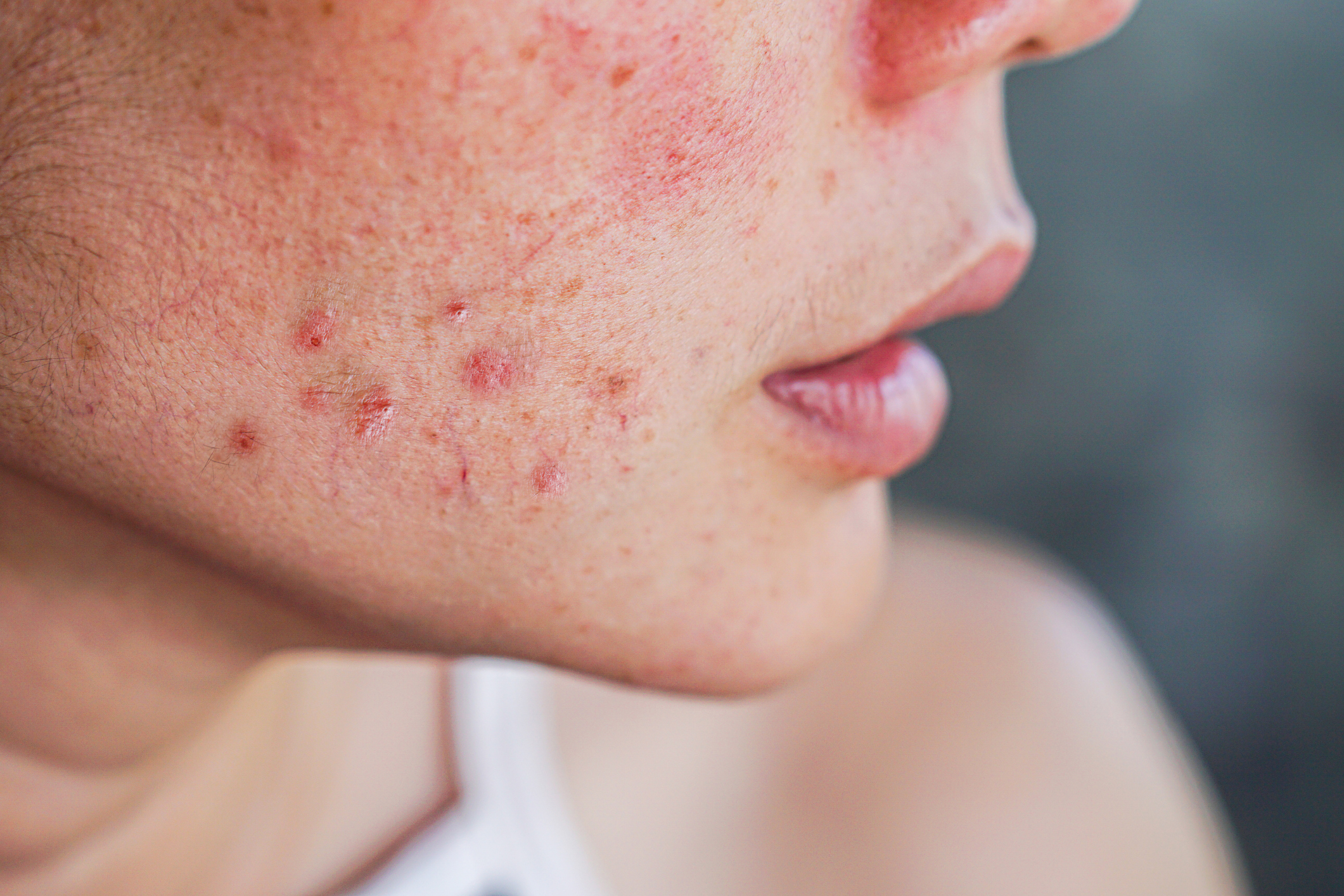
An outbreak of hormonal acne on a woman's cheek.Acne doesn’t necessarily stop after your teenage years; it can affect you far into your adult life. This is what is referred to as hormonal acne (also known as adult acne), which typically occurs in adults between the ages of 20 and 50. It is the most common skin condition in the United States, affecting nearly 80% of Americans at some point during their lifetime. It is most common in women, particularly those who are pregnant or experiencing menopause, but it can affect men, as well.

Hormonal acne occurs due to an excessive amount of sebum, an oily substance that moisturizes and protects your skin. This can cause your pores to become clogged, causing the sebum to interact with bacteria on the skin, which in turn causes acne to form. Your skin’s production of sebum is affected by hormonal changes in your body. Some factors that can affect these hormonal changes include:

  • Stress
  • Sleep
  • Certain hair and skin products
  • Periods
  • Pregnancy
  • Menopause
  • Testosterone treatment
  • Certain medications, such as some steroids
  • Certain pre-existing medical conditions
  • A family history of acne

Not all cases of acne necessarily look the same. It can cause several different types of growths to appear, including:

  • Pimples
  • Whiteheads (small white or yellowish bumps)
  • Blackheads (tiny black bumps or spots)
  • Papules (small, cone-shaped bumps)
  • Pustules (small bumps that contain pus)
  • Cysts (pockets of tissue filled with pus or other fluids)

In some cases, acne may resolve on its own; however, a variety of treatment options are available to reduce its severity, such as steroid injections and topical creams, ointments, and antibiotics. Daily skin cleansing, birth control medication, dietary adjustments, and light therapy can also help.

A dermatologist can help you determine the cause of your acne and find the appropriate course of treatment. To schedule an appointment with one at Flushing Hospital Medical Center’s Ambulatory Care Center, please call (718) 670-5486.

All content of this newsletter is intended for general information purposes only and is not intended or implied to be a substitute for professional medical advice, diagnosis or treatment. Please consult a medical professional before adopting any of the suggestions on this page. You must never disregard professional medical advice or delay seeking medical treatment based upon any content of this newsletter. PROMPTLY CONSULT YOUR PHYSICIAN OR CALL 911 IF YOU BELIEVE YOU HAVE A MEDICAL EMERGENCY.

Coping With a Difficult Medical Diagnosis

A patient talking to her doctor about a serious medical diagnosis.Being diagnosed with a serious or chronic medical condition can take a toll on your mental and emotional well-being. You might feel sad, angry, anxious, or any number of different emotions, possibly all at once. This can be challenging to deal with on top of the symptoms you already experience as a result of your condition. However, there are effective strategies you can use to cope with this diagnosis and maintain as stable and positive of a state of mind as possible. These include:

Accepting your illness: It may be tempting to ignore the diagnosis or try to make yourself forget about it. While it’s important not to excessively dwell on your condition at every moment, it’s also important to consciously accept the current situation and do the best you possibly can.

Developing a plan: Once you’ve come to terms with your diagnosis, one of the most helpful steps you can take is to develop a plan of action. No matter what kind of condition you’ve been diagnosed with, part of this plan should involve working with your doctor to find an appropriate treatment plan that can improve your symptoms or potentially lead to a full recovery. If your condition is terminal, it’s also important to determine what steps you’ll need to take to ensure your family has future financial security and support.

Forming a support network: You may find it helpful to have trusted people to talk to about your thoughts and feelings regarding your diagnosis. These people could be loved ones, friends, or other important people in your life.

In addition to these steps, you may find it beneficial to speak with a licensed psychiatrist, who can provide you with a safe space to talk about your condition and help you to learn useful coping mechanisms to work through your thoughts and emotions in a healthy way. You can schedule an appointment at Flushing Hospital Medical Center’s Outpatient Psychiatric Clinic by calling (718) 670-5316.

All content of this newsletter is intended for general information purposes only and is not intended or implied to be a substitute for professional medical advice, diagnosis or treatment. Please consult a medical professional before adopting any of the suggestions on this page. You must never disregard professional medical advice or delay seeking medical treatment based upon any content of this newsletter. PROMPTLY CONSULT YOUR PHYSICIAN OR CALL 911 IF YOU BELIEVE YOU HAVE A MEDICAL EMERGENCY.

What is Norovirus?

A woman holding her hands to her stomach due to pain from norovirus.Norovirus is a contagious virus that causes gastroenteritis (also known as the stomach flu) to develop. According to the Centers for Disease Control and Prevention (CDC), it is the leading cause of vomiting, diarrhea, and food poisoning in the United States.

Norovirus is most prevalent between the months of November and April. Each year, over 19 million Americans are infected with this virus. Currently, the percentage of positive norovirus test results throughout the United States is over 12%, reaching as high as over 16% in the Northeastern United States.

People with norovirus are most contagious while experiencing symptoms and during the first few days after symptoms subside; however, they can still be contagious over two weeks after they start to feel better. Some specific ways in which norovirus is often transmitted from person to person include:

  • Having direct contact with someone with norovirus, such as by caring for them, sharing food or eating utensils with them, or eating food handled by them
  • Eating food or drinking liquids that are contaminated with norovirus
  • Touching surfaces or objects contaminated with norovirus and then putting your unwashed fingers in your mouth

There are effective steps you can take to protect yourself and others against norovirus. These include:

  • Washing your hands with soap and water for at least 20 seconds after touching surfaces, food, or other people
  • Thoroughly washing fruits and vegetables if you plan to eat them
  • Thoroughly cleaning utensils, plates, bowls, counters, and other frequently-touched surfaces in your home, especially if a sick person has been using them
  • Cooking shellfish to an internal temperature of at least 145° Fahrenheit
  • Washing laundry with detergent and hot water at the maximum available cycle length, then machine drying them at the highest heat setting
  • If you are sick, avoiding preparing food or caring for others for at least 48 hours after your symptoms stop

If you experience vomiting, diarrhea, or other symptoms of norovirus, schedule an appointment with a doctor at Flushing Hospital Medical Center’s Ambulatory Care Center as soon as possible by calling (718) 670-5486.

All content of this newsletter is intended for general information purposes only and is not intended or implied to be a substitute for professional medical advice, diagnosis or treatment. Please consult a medical professional before adopting any of the suggestions on this page. You must never disregard professional medical advice or delay seeking medical treatment based upon any content of this newsletter. PROMPTLY CONSULT YOUR PHYSICIAN OR CALL 911 IF YOU BELIEVE YOU HAVE A MEDICAL EMERGENCY.

Bleeding Disorders Awareness Month

A doctor examining vials of blood that are being used to test for bleeding disorders.March is Bleeding Disorders Awareness Month. A bleeding disorder is a condition in which blood cannot clot properly. This can lead to either too much clotting, significantly increasing your risk of experiencing conditions such as heart attack or stroke, or too little clotting, which can lead to excessive bleeding.

The two most common bleeding disorders are hemophilia and von Willebrand disease. Hemophilia slows the blood clotting process. It is inherited genetically and more commonly affects people assigned male at birth than people assigned female at birth, occurring in one in every 5,000 male births in the United States.  The disorder very rarely develops in women.

Von Willebrand disease is a much more common bleeding disorder than hemophilia. Similarly, it is an inherited condition, but generally causes milder symptoms. It can also affect both men and women. People with this disease lack a functioning von Willebrand factor, which helps the blood form clots; as a result, they are unable to form blood clots as easily as other people.

In the case of both hemophilia and von Willebrand disease, early diagnosis is best for effective treatment outcomes. For people with hemophilia, a common treatment is to replace the missing blood clotting factor. People with von Willebrand disease may not require treatment at all if their symptoms are mild; however, if treatment is needed, common options include medications that increase the amount of von Willebrand factor in the blood or infusions of blood factor concentrates.

If you experience symptoms of a bleeding disorder, it’s important to get diagnosed as soon as possible; even if your symptoms are mild, talking to a doctor can help you avoid potential risk factors that may worsen them. You can schedule an appointment with a doctor at Flushing Hospital Medical Center’s Ambulatory Care Center by calling (718) 670-5486.

All content of this newsletter is intended for general information purposes only and is not intended or implied to be a substitute for professional medical advice, diagnosis or treatment. Please consult a medical professional before adopting any of the suggestions on this page. You must never disregard professional medical advice or delay seeking medical treatment based upon any content of this newsletter. PROMPTLY CONSULT YOUR PHYSICIAN OR CALL 911 IF YOU BELIEVE YOU HAVE A MEDICAL EMERGENCY.

Syphilis Cases Are Rising – Here’s What You Need to Know

A doctor talking to a patient while writing notes.Syphilis cases throughout the United States have surged dramatically over the past five years, increasing by nearly 79% according to a recent report from the Centers for Disease Control and Prevention (CDC). The uptick in cases of congenital syphilis is even more staggering, with an increase of 183.4% from 2018 to 2022. As this epidemic worsens, it’s important to have the facts about syphilis and learn more about what you can do to keep yourself and others safe.

Syphilis is a type of sexually-transmitted infection (STI), meaning that it is spread through sexual contact with other people. It is transmitted through direct skin-to-skin contact with a syphilis sore on another person’s body, but can also spread through casual contact with objects that a person with syphilis may have used, such as toilet seats, door knobs, clothing, or eating utensils. You can also become infected through using shared spaces such as bathtubs or swimming pools.

In its primary stage, syphilis causes firm, round, and painless sores around the site where the infection entered your body. Even if these sores go away without treatment, the disease may enter its secondary stage, which can cause rashes and other symptoms, such as:

  • Fever
  • Swollen lymph glands
  • Sore throat
  • Patchy hair loss
  • Headaches
  • Unintended weight loss
  • Muscle aches
  • Fatigue

The latent stage of syphilis, which follows the secondary phase, does not present new symptoms. However, it can progress into the tertiary stage, during which the disease can cause damage to organs such as the heart, brain, blood vessels, and eyes. Without treatment, syphilis that enters the tertiary stage can result in death.

Congenital syphilis can occur when a mother with syphilis transmits the infection to her baby. This type of syphilis can cause severe health complications for an affected baby, including:

  • Bone deformities
  • Severe anemia
  • Enlarged liver and spleen
  • Jaundice (yellowing of the skin or eyes)
  • Nervous system problems, such as blindness or deafness
  • Meningitis
  • Skin rashes
  • Death

You should get tested for syphilis if you are:

  • Sexually active, especially if you do not use condoms
  • Are pregnant or plan to become pregnant
  • Have HIV
  • Are taking pre-exposure prophylaxis (PrEP) for HIV prevention
  • Have previously had (or currently have) sexual contact with partners who have tested positive for syphilis

You can receive diagnostic testing and treatment for syphilis at Flushing Hospital Medical Center’s Ambulatory Care Center. To schedule an appointment, please call (718) 670-5486.

All content of this newsletter is intended for general information purposes only and is not intended or implied to be a substitute for professional medical advice, diagnosis or treatment. Please consult a medical professional before adopting any of the suggestions on this page. You must never disregard professional medical advice or delay seeking medical treatment based upon any content of this newsletter. PROMPTLY CONSULT YOUR PHYSICIAN OR CALL 911 IF YOU BELIEVE YOU HAVE A MEDICAL EMERGENCY.

3 Health Benefits of Dark Chocolate

Boxes of chocolates are a popular choice for a Valentine’s Day gift, but consider opting for dark chocolate. As an increasing amount of research has shown, there are quite a few health benefits associated with dark chocolate. Some of these benefits include:

Antioxidant properties: Dark chocolate includes high amounts of flavonoids, polyphenols, catechins, and other organic compounds that function as antioxidants. Antioxidants offer protection against free radicals, which cause damage to your cells and contribute to a wide range of diseases, such as heart disease and cancer.

Improved cardiovascular health: The flavonoids contained in dark chocolate stimulate the lining of your arteries to produce nitric oxide, which improves blood flow and reduces blood pressure. However, this effect is mild, and may not necessarily help people with conditions such as chronically-high blood pressure and type 2 diabetes.

Protection against high cholesterol: High levels of low-density lipoprotein (also known as LDL, or “bad” cholesterol) are a major risk factor for heart disease. Additionally, certain kinds of LDL cholesterol can oxidize when they interact with free radicals; this can cause inflammation and buildups of plaque to form inside your arteries. Dark chocolate reduces levels of LDL cholesterol in the body, including the types most likely to oxidize.

In addition to these benefits, dark chocolate also contains significant amounts of needed nutrients, such as:

  • Fiber
  • Iron
  • Magnesium
  • Manganese
  • Copper
  • Potassium
  • Phosphorous
  • Zinc
  • Selenium

It’s important to keep in mind that dark chocolate is most beneficial when consumed in moderation. The recommended serving size of dark chocolate is up to two ounces, which is equivalent to about six thin squares broken off of a bigger bar.

All content of this newsletter is intended for general information purposes only and is not intended or implied to be a substitute for professional medical advice, diagnosis or treatment. Please consult a medical professional before adopting any of the suggestions on this page. You must never disregard professional medical advice or delay seeking medical treatment based upon any content of this newsletter. PROMPTLY CONSULT YOUR PHYSICIAN OR CALL 911 IF YOU BELIEVE YOU HAVE A MEDICAL EMERGENCY.

Should You Give Your Child Probiotics?

Cropped view of woman holding white probiotic container and pills in hands on blue background.Digestive problems such as the stomach flu, irritable bowel syndrome (IBS), and constipation are very common among children and are often causes for trips to a doctor’s office. In an effort to prevent these types of problems, many parents incorporate probiotics into their child’s diet. In fact, according to the National Center for Complementary and Integrative Health, probiotics are the third most common natural product used by children.

Probiotics are strains of bacteria that support digestive processes. While many people associate bacteria with illnesses, certain types are necessary to help your digestive system function. In addition to processes such as nutrient absorption, these “good” bacteria also support a wide variety of functions associated with your heart, brain, and immune system.

There is some evidence to suggest that probiotics may be helpful for preventing and treating common digestive issues in children, such as IBS, the stomach flu, constipation, and acid reflux, as well as some other medical problems, such as upper respiratory tract infections and eczema. However, there is currently not enough research to determine what the long-term benefits and risks of giving your child probiotics may be.

There are many different sources of probiotics. While supplement products (such as gummies or pills) are available, these types of products are not approved by the Food and Drug Administration (FDA) before being sold, making it difficult to verify claims they make regarding health benefits. However, another popular source of probiotics among people of all ages is yogurt, particularly products that contain “live cultures,” as stated on their labels.

Not all probiotics contain the same types of bacteria; for this reason, certain products may be more helpful against specific digestive problems than others. Additionally, there are known risks associated with giving probiotics to certain groups of children; for example, children with compromised immune systems could develop an infection, and other, more serious side effects could occur in sick infants. Make sure to talk to your child’s pediatrician before giving them probiotics.

If your child is experiencing gastrointestinal problems, you can take them to visit a pediatrician at Forest Hills Pediatric Specialists. To schedule an appointment, please call (718) 704-5020.

All content of this newsletter is intended for general information purposes only and is not intended or implied to be a substitute for professional medical advice, diagnosis or treatment. Please consult a medical professional before adopting any of the suggestions on this page. You must never disregard professional medical advice or delay seeking medical treatment based upon any content of this newsletter. PROMPTLY CONSULT YOUR PHYSICIAN OR CALL 911 IF YOU BELIEVE YOU HAVE A MEDICAL EMERGENCY.