Head Lice Prevention Month

Since 1985, healthcare organizations have informed communities about head lice symptoms, diagnosis, and prevention for National Pediculosis Prevention Month, also known as Head Lice Prevention Month.

Although reliable data isn’t available on this condition, pediculosis (head lice infestation) is fairly common. According to the Centers for Disease Control and Prevention, approximately six to 12 million infestations affect children between the ages of three to 11 each year. Adults can also develop infestations through contact with both children and other adults.

Head lice typically spread through contact with the hair of an infested person, though it can also occur when people share clothes or lay on furniture after an infested person has recently used them. Lice typically remain on a person’s scalp; however, in rare instances, they may move to the eyelashes or eyebrows.

Signs of pediculosis include the feeling of something moving through the hair, itching, the development of sores on the scalp, and difficulty sleeping due to the increased activity of head lice in the dark. A diagnosis is generally made when live head lice are found on the scalp.

You can prevent the spread of head lice by teaching your child to avoid sharing clothes or supplies, using furniture recently used by an infested person, or coming into head-to-head contact with friends or classmates. It’s also helpful to encourage them to regularly comb their hair. You can keep yourself free of head lice by following these recommendations, as well.

If an infestation has already developed, lice removal kits are a non-chemical solution for combing lice out of an infested person’s hair. Several over-the-counter and prescription lice removal shampoos, creams, lotions, and drugs are also available.

If you or your child need a diagnosis or treatment for head lice, schedule an appointment at Flushing Hospital Medical Center’s Ambulatory Care Center at (718) 670-5486.

All content of this newsletter is intended for general information purposes only and is not intended or implied to be a substitute for professional medical advice, diagnosis or treatment. Please consult a medical professional before adopting any of the suggestions on this page. You must never disregard professional medical advice or delay seeking medical treatment based upon any content of this newsletter. PROMPTLY CONSULT YOUR PHYSICIAN OR CALL 911 IF YOU BELIEVE YOU HAVE A MEDICAL EMERGENCY.
What Are Comorbidities?

As part of Flushing Hospital Medical Center’s ongoing efforts to increase the healthcare literacy of our patients, we will discuss the term “comorbidity,” which may be used by the healthcare team when treating patients with chronic conditions.

Comorbidity is the existence of two or more medical conditions in the same person. According to the Centers for Disease Control and Prevention, four out of ten people in the United States suffer from chronic comorbidities.

Comorbid conditions are often serious chronic illnesses such as heart disease, cancer, diabetes, lung disease, Alzheimer’s, chronic kidney disease, and stroke, which account for a substantial number of deaths and disabilities each year.

Certain conditions may be more likely to develop among people with other chronic illnesses. Arthritis, for example, affects nearly half of all people diagnosed with diabetes or heart disease, as well as over a quarter of all obese people.

The term “comorbidity” doesn’t just apply to chronic physical disease. Psychiatric comorbidities are also common, with depression often occurring in conjunction with substance abuse and anxiety disorders, though it can also occur alongside serious or chronic physical conditions such as cancer, heart disease, or stroke.

Comorbidities may not necessarily be life-threatening in all cases, but they can often be debilitating. Comorbid conditions may make the symptoms of a primary condition more difficult to manage and substantially increase medical care costs.

The best way to prevent comorbidities is to take steps to prevent primary chronic conditions or manage any risk factors of one you already have that may overlap with other conditions. Lifestyle changes such as limiting alcohol and tobacco intake, improving your nutrition, and incorporating regular physical exercise into your schedule may help. If you already suffer from one or more medical conditions, you’ll also need to work with your doctor to determine how treatment for one condition may affect another.

Flushing Hospital offers advanced care for a wide range of physical and psychiatric conditions. To schedule an appointment with a doctor, please call our Ambulatory Care Center at (718) 670-5486.

All content of this newsletter is intended for general information purposes only and is not intended or implied to be a substitute for professional medical advice, diagnosis or treatment. Please consult a medical professional before adopting any of the suggestions on this page. You must never disregard professional medical advice or delay seeking medical treatment based upon any content of this newsletter. PROMPTLY CONSULT YOUR PHYSICIAN OR CALL 911 IF YOU BELIEVE YOU HAVE A MEDICAL EMERGENCY.
International Overdose Awareness Day

The annual International Overdose Awareness Day campaign began in 2001. In the years since then, government and non-governmental agencies worldwide have worked to raise awareness about drug overdoses and the issues surrounding them.

According to the United Nations Office on Drugs and Crime, over half a million people died from drug overdoses internationally in 2019. The Centers for Disease Control and Prevention’s National Center for Health Statistics also reported that over 100,000 people in the United States alone died due to drug overdoses in 2021. This is an increase of more than 8,000 deaths since 2020.

Many of these deaths may be fueled by factors such as economic uncertainty, increased rates of anxiety and depression, and insufficient mental health resources. Additionally, synthetic opioids such as fentanyl have become more available since the COVID-19 pandemic as access to other drugs such as heroin has decreased.

People who regularly use drugs have also become more likely to do so alone since the beginning of the pandemic. This greatly increases the risk of overdose, as there’s no one present to call 911 or administer life-saving treatments such as naloxone in the event of an emergency.

You don’t have to face addiction or mental health issues alone. If you’ve developed a substance abuse problem, Flushing Hospital’s Division of Addiction Services provides a safe space for drug withdrawal and offers access to psychiatric assistance, substance abuse counseling, and care from our medical team. Our Reflections treatment program also offers helpful holistic techniques for curbing addictive behaviors.

To learn more about our addiction services, call Flushing Hospital Medical Center at (718) 670-5693 or (718) 670-5540. For more information about the Reflections program, call (718) 670-5078.

All content of this newsletter is intended for general information purposes only and is not intended or implied to be a substitute for professional medical advice, diagnosis or treatment. Please consult a medical professional before adopting any of the suggestions on this page. You must never disregard professional medical advice or delay seeking medical treatment based upon any content of this newsletter. PROMPTLY CONSULT YOUR PHYSICIAN OR CALL 911 IF YOU BELIEVE YOU HAVE A MEDICAL EMERGENCY.

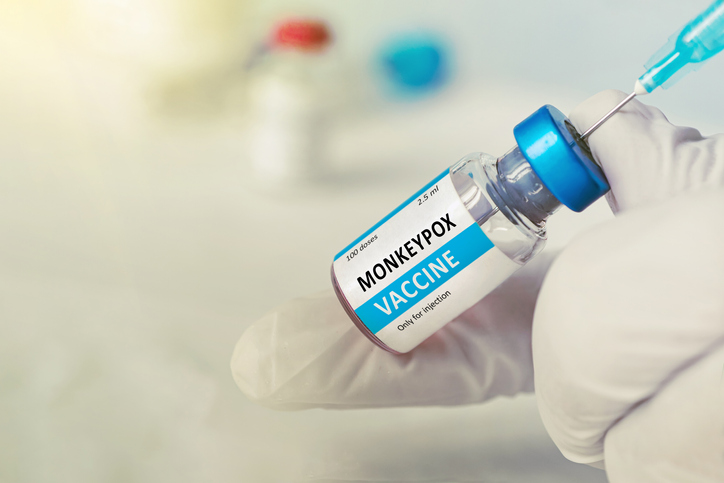
The Monkeypox Vaccine

Monkeypox cases have emerged across most of the United States. Symptoms of the virus include:

  • Fever
  • Aches and pains
  • Chills
  • Exhaustion
  • Respiratory symptoms

Most people with monkeypox also experience a rash that’s typically located near the genitals or anus. It may also be present on other parts of the body, including the face, hands, feet, and chest.

Two vaccines are now available that may effectively offer protection against monkeypox. JYNNEOS is the only vaccine approved by the Food and Drug Administration and recommended by the Centers for Disease Control and Prevention for anyone at risk of contracting the virus. Another vaccine, ACAM2000, may also be used to prevent monkeypox under the Expanded Access Investigational New Drug system, but is not recommended for people with a weakened immune system, an exfoliative skin condition like eczema, or people who are pregnant.

Studies have shown side effects such as myocarditis, pericarditis, brain or spinal cord swelling, and infection in patients who received ACAM2000. These reactions have not been observed in patients who received JYNNEOS.

Your doctor can help you determine which vaccine is right for you, but vaccination in general, combined with practices like safe sex, maintaining distance from infected people and animals, and disinfecting your home when an infected person has been there, can help protect most people against the virus. Children in particular may benefit from vaccination, as their symptoms are likely to be worse than those of infected teens and adults.

You can make an appointment for monkeypox treatment and prevention at Flushing Hospital Medical Center’s on-site ambulatory care center by calling (718) 670-5486.

All content of this newsletter is intended for general information purposes only and is not intended or implied to be a substitute for professional medical advice, diagnosis or treatment. Please consult a medical professional before adopting any of the suggestions on this page. You must never disregard professional medical advice or delay seeking medical treatment based upon any content of this newsletter. PROMPTLY CONSULT YOUR PHYSICIAN OR CALL 911 IF YOU BELIEVE YOU HAVE A MEDICAL EMERGENCY.

What’s The Difference Between a Panic Attack and an Anxiety Attack?

Everyday activities or important occasions like a job interview or a date can make you feel anxious.

However, in certain situations, you may find your level of anxiety growing far beyond what is normal, reaching a peak where you may experience physical symptoms like shortness of breath or chest pain. When that happens, what you’re experiencing may not just be anxiety, but rather a panic attack. Knowing the difference between these two responses can be key to helping you identify what you are experiencing and manage the factors that trigger them.

Certain symptoms associated with anxiety are to be expected occasionally. These include:

  • Nervousness and trembling
  • Gastrointestinal issues
  • Sweating
  • Increased heart rate
  • Fatigue and weakness

Panic attack symptoms, on the other hand, are generally more severe. They may include:

  • Heart palpitations
  • Chest pain
  • Shortness of breath

Anyone can have a panic attack, but they’re more common for women and people in their teen and early adult years. Additionally, if you or family members have a history of anxiety disorders or other mental health issues, you’re at a higher risk of suffering from them. Substance abuse also increases this risk.

Are you consistently experiencing panic attacks and struggling to manage them? Schedule an appointment with at Flushing Hospital Medical Center’s Psychiatric Department, where we provide outpatient and inpatient services offering a variety of therapeutic treatments.

All content of this newsletter is intended for general information purposes only and is not intended or implied to be a substitute for professional medical advice, diagnosis or treatment. Please consult a medical professional before adopting any of the suggestions on this page. You must never disregard professional medical advice or delay seeking medical treatment based upon any content of this newsletter. PROMPTLY CONSULT YOUR PHYSICIAN OR CALL 911 IF YOU BELIEVE YOU HAVE A MEDICAL EMERGENCY.

COVID Reinfection: Everything You Need To Know

A person holding a test kit to check for COVID reinfection.COVID-19 is better controlled now than when it first emerged. However, it still remains a widespread health risk.

Even though vaccines have given healthcare centers like Flushing Hospital a much greater capacity to prevent and treat COVID-19 now than at the height of the pandemic more than two years ago, you may still be at risk for reinfection even if you’ve already contracted and recovered from the virus.

While it’s true that a previous case of COVID gives you a level of protection against reinfection, it does not make you immune to the virus. According to the Centers for Disease Control, research is ongoing when it comes to what factors make someone more likely to be reinfected or how reinfections impact their risk of transmitting the virus to other people.

Reinfection of COVID is less likely to be severe than a person’s initial infection, though more severe exceptions do exist. It’s unclear at this time what causes some cases of reinfection to present worse symptoms than others.

It also isn’t clear how frequently reinfection may occur. However, research from the National Institutes of Health suggests that people who receive a positive result on an antibody test may be at a lower risk level of re-contracting the virus over an extended period of time. It also suggests that reinfection may most likely occur within a 90-day timeframe of your initial infection.

Though many elements of reinfection require further study, these cases are treated and prevented in the same way as initial infections.

Boosted vaccination remains the most effective measure of protection against contracting the virus, including cases of reinfection. Maintaining six feet of distance from other people, wearing a mask in indoor public places, regularly disinfecting your hands and surfaces you frequently touch, and getting tested when you’ve been exposed to the virus all also remain effective ways of preventing the spread of all COVID cases.

If you haven’t received your full vaccination or boosters, schedule an appointment as soon as possible.

All content of this newsletter is intended for general information purposes only and is not intended or implied to be a substitute for professional medical advice, diagnosis or treatment. Please consult a medical professional before adopting any of the suggestions on this page. You must never disregard professional medical advice or delay seeking medical treatment based upon any content of this newsletter. PROMPTLY CONSULT YOUR PHYSICIAN OR CALL 911 IF YOU BELIEVE YOU HAVE A MEDICAL EMERGENCY.
Preventing and Treating Pancolitis

Pancolitis patient holding his stomach.Do you, or does someone you know, suffer from pancolitis? It’s one of four forms of ulcerative colitis, an inflammatory disease that causes ulcers in your digestive tract. While the other four types of ulcerative colitis usually only impact parts of the colon and digestive tract, pancolitis typically affects the entire colon.

All forms of ulcerative colitis can lead to serious symptoms and life-threatening complications, but the problems associated with pancolitis are particularly severe.

Bloody diarrhea, abdominal cramps, fatigue, and substantial weight loss are some of the symptoms you can expect in connection with the disease. As with any form of ulcerative colitis, pancolitis also increases your risk of developing bowel cancer.

According to the National Institute of Diabetes and Digestive and Kidney Diseases, an estimated 600,000 to 900,000 people in the United States may suffer from ulcerative colitis. Of those people, roughly 20% may have pancolitis.

People of any age may potentially be diagnosed with pancolitis, though as with other forms of ulcerative colitis, it typically presents in people under the age of 30. You’re also more likely to develop pancolitis if a close relative, like a parent or sibling, has it.

There’s no known cure for pancolitis or ulcerative colitis in general, and since the causes of the disease remain equally unclear, there’s no obvious means of preventing it aside from seeing a doctor and developing a treatment plan as soon as you start displaying symptoms that may be associated with it.

Your gastroenterologist may prescribe aminosalicylates, corticosteroids, immunomodulators, or biologics to help you manage your symptoms. A complete surgical removal of your colon will also eliminate pancolitis entirely. All of these treatment options come with their own side effects and consequences, though, so work closely with your doctor to determine the right plan for you.

To make an appointment with Flushing Hospital’s Department of Internal Medicine, please call (718) 670-5000.

All content of this newsletter is intended for general information purposes only and is not intended or implied to be a substitute for professional medical advice, diagnosis or treatment. Please consult a medical professional before adopting any of the suggestions on this page. You must never disregard professional medical advice or delay seeking medical treatment based upon any content of this newsletter. PROMPTLY CONSULT YOUR PHYSICIAN OR CALL 911 IF YOU BELIEVE YOU HAVE A MEDICAL EMERGENCY.

National Immunization Awareness Month

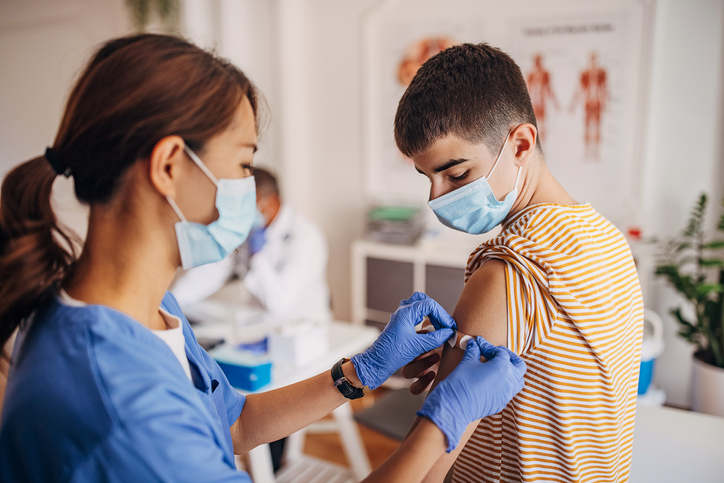
August is National Immunization Awareness Month, and we’re here to help you learn more about what makes getting vaccinated so important, which immunizations you should receive, and what they protect you against.

Vaccinations against prevalent, dangerous diseases are an important part of protecting both your own health and the health of those around you. Issues like pneumococcal disease, hepatitis A and B, chickenpox, and more can introduce potentially lifelong complications that may reduce your quality of life or even shorten it.

The benefits of vaccinations hold true at any age, though some immunizations are more important at certain ages than others.

Children whose immune systems are still developing, for instance, need them not only as a protective measure for themselves, but often as a requirement for enrolling in school and participating in other activities. As another example, adults over 60 years of age may still need pneumococcal vaccines, seasonal flu vaccines, and more.

Though the list of necessary immunizations evolves as new diseases are discovered and researched, the most common vaccinations recommended by the CDC include:

  • HepA, HepB (Hepatitis A and B)
  • DTaP (Diphtheria, tetanus, and whooping cough)
  • Hib (Haemophilus influenza type B)
  • IPV (Polio)
  • PCV (Pneumococcal)
  • RV (Rotavirus)
  • Varicella (Chickenpox)
  • MMR (Measles, mumps, and rubella)
  • Influenza (flu)
  • Meningococcal conjugate
  • HPV
  • Zoster

If you or your child aren’t up to date with your immunizations, schedule an appointment with a physician at Flushing Hospital’s Department of Internal Medicine or your primary care physician as soon as possible.

All content of this newsletter is intended for general information purposes only and is not intended or implied to be a substitute for professional medical advice, diagnosis or treatment. Please consult a medical professional before adopting any of the suggestions on this page. You must never disregard professional medical advice or delay seeking medical treatment based upon any content of this newsletter. PROMPTLY CONSULT YOUR PHYSICIAN OR CALL 911 IF YOU BELIEVE YOU HAVE A MEDICAL EMERGENCY.