What Is “Power Peeing” and How Does It Affect Pelvic Floor Health?

The term “power peeing” is used to describe the habit of forcefully pushing or bearing down on the abdominal muscles to urinate faster; doing this can contribute to a host of health problems.

Straining our abdominal muscles to expel urine faster is a common practice, often done when we are rushing.  While power peeing appears to speed up the process and save us some time, it can do more harm than good.  Habitually forcing out our urine can:

  • Weaken pelvic floor muscles
  • Lead to pelvic floor dysfunction
  • Lead to incomplete bladder emptying
  • Lead to incontinence
  • Lead to urinary leakage
  • Lead to constipation
  • Increase prolapse risk
  • Increase UTI risk

To avoid these problems, it is advisable to relax our pelvic muscles when urinating and let the urine flow.  Here are some tips to help you do this:

  • Don’t hover over the toilet seat
  • Sit fully on the toilet seat with both feet on the floor and lean slightly forward.
  • Take a deep breath and relax the pelvic muscles
  • Breathe normally with full inhalation and slow exhalation
  • Allow urine to flow and the bladder to empty naturally without pushing
  • Practice double voiding (taking the time to pee twice to ensure your bladder is completely empty)

Practicing the proper urination technique is important because it can help promote good pelvic floor and bladder health.

If you are experiencing incontinence or bladder health issues, a urologist can help.  To schedule an appointment with a doctor at Flushing Hospital Medical Center, please call 718-670-5486.

All content of this newsletter is intended for general information purposes only and is not intended or implied to be a substitute for professional medical advice, diagnosis or treatment. Please consult a medical professional before adopting any of the suggestions on this page. You must never disregard professional medical advice or delay seeking medical treatment based upon any content of this newsletter. PROMPTLY CONSULT YOUR PHYSICIAN OR CALL 911 IF YOU BELIEVE YOU HAVE A MEDICAL EMERGENCY.

Does Nasal Irrigation Effectively Fight the Common Cold?

The winter season is approaching quickly, and with it comes the cold season. When we come down with a cold, we try different methods to relieve our cold symptoms.  

However, using a simple saline or saltwater solution can help reduce the duration of these symptoms.  

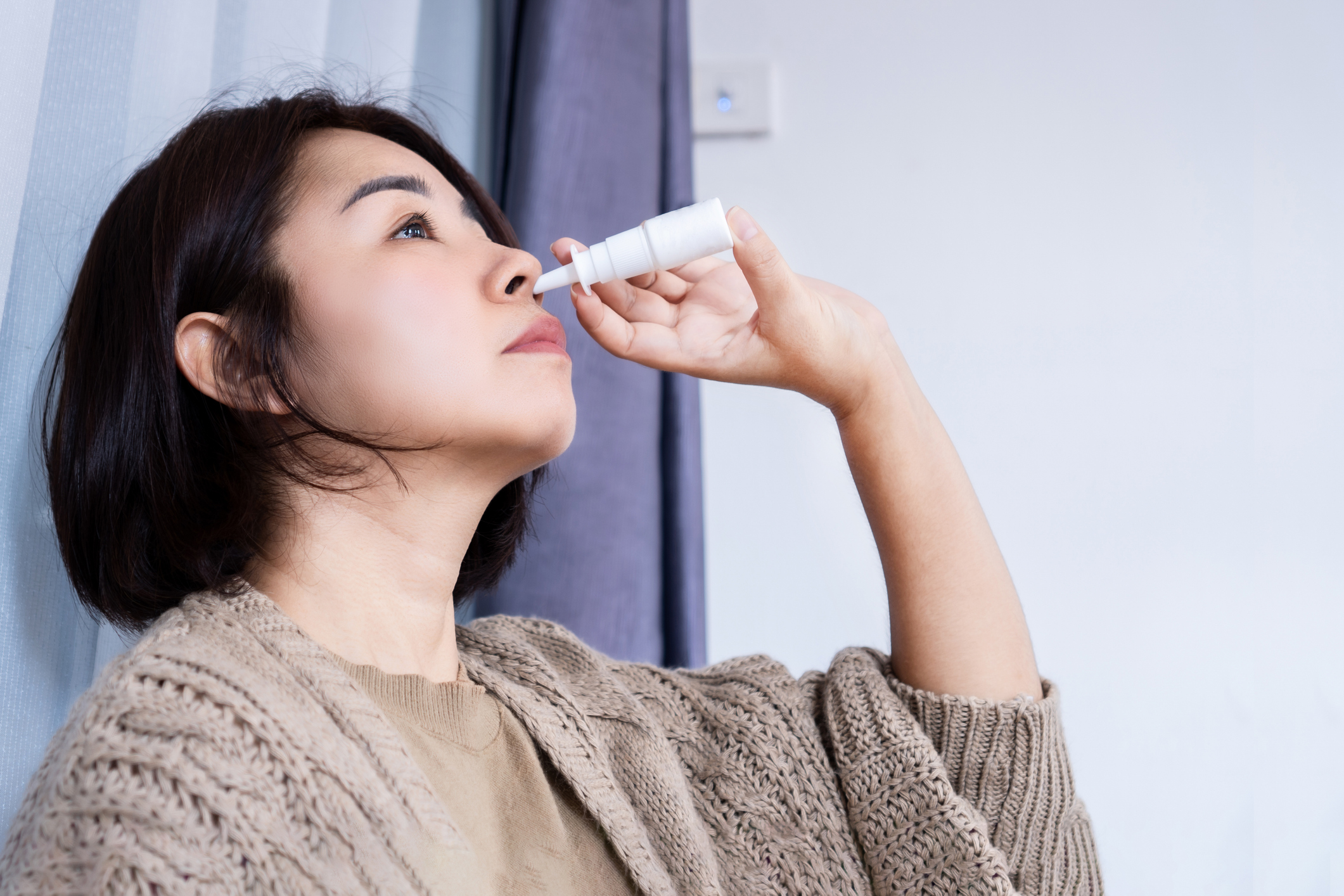
A pilot study done in 2019 found that flushing your nose with a 3% saline solution, which is higher than the standard 0.9% concentration, can reduce cold symptoms in almost two days.  

Additionally, researchers say that saline nasal drops may help reduce transmission rates of cold viruses.  

In the same 2019 study, 93% of participants said the 3% saline solution made a difference in their symptoms, and 61% said they would use it again during another cold.  

Most people may catch a cold two or three times each year, as the cold virus spreads easily via contaminated droplets. Saline solution is an affordable, easy-to-use treatment that may help slow down the spread of the cold virus between family members.  

Saline nasal drops may also help to clear up a runny nose. The solution may help reduce viral load, the amount of the virus in a person’s system, by flushing out the nasal passages.  

Saline nasal drops help flush out mucous and inflammatory mediators, which are chemical messengers that play a crucial role in initiating and regulating the body’s inflammatory response. This can improve cold symptoms and give the immune system a better chance to fight the infection.  

When you are looking to buy saline nasal drops or sprays, it is important to look for a saline percentage or the words “hypertonic” or “extra-strength” on the label. Many brands of saline solutions sell 3% hypertonic nasal spray, but it is important to read the labels carefully to confirm the product does not contain other added medications.  

You can also make a saline solution at home with salt, baking soda, and water. It is important to only use distilled or boiled and cooled tap water when preparing the solution, as the quality of tap water varies, and there may be things such as bugs and germs present.  

To make the saline solution, combine three tablespoons of salt and one teaspoon of baking soda. Avoid any salts that contain iodine, preservatives, or anti-caking agents because these can irritate your nose. Put one teaspoon of the salt-baking soda mixture into eight ounces of distilled or boiled water. Baking soda helps reduce irritation; however, you may still experience some irritation in the nose or throat after using the saline solution.  

Although hypertonic nasal drops or sprays could be prepared correctly, they can still irritate the nose and throat. Some people may even experience a temporary burning sensation. Use the hypertonic saline solution as tolerated. It is important to talk to your healthcare provider about alternative cold remedies if the saline solution doesn’t work well for you and if your cold symptoms persist or get worse. 

If you or a loved one is experiencing symptoms of a cold, you can receive treatment from a physician at Flushing Hospital Medical Center’s Ambulatory Care Center. To schedule an appointment, please call (718) 670-5486. 


All content of this newsletter is intended for general information purposes only and is not intended or implied to be a substitute for professional medical advice, diagnosis or treatment. Please consult a medical professional before adopting any of the suggestions on this page. You must never disregard professional medical advice or delay seeking medical treatment based upon any content of this newsletter. PROMPTLY CONSULT YOUR PHYSICIAN OR CALL 911 IF YOU BELIEVE YOU HAVE A MEDICAL EMERGENCY.

Dealing with Depression During the Holiday Season

The holidays are a time when we spend joyous and happy moments with friends and family. However, for some, the holidays can bring a lot of sadness, loneliness, and even depression. This is called holiday depression.  

Holiday depression can feel a lot like regular depression; however, it is triggered by the onset of the holidays, large family gatherings, and attending or hosting social events. Holiday depression is like the “winter blues”, but it may come and go in quick bursts as one event ends and another begins, or it can linger for days or weeks leading up to and beyond the holiday season.  

Holiday depression can disrupt relationships, mental health, and the ability to manage everything that comes with the holiday season.  

Holiday depression can affect anyone at any time, and it can be hard on a person’s mental health, as it can be triggered by various things, including: 

  • Stressful schedules 
  • Putting pressure on yourself 
  • Separation from loved ones 
  • Loneliness 
  • Family dynamics 
  • Seasonal depression 
  • Social anxiety 
  • Holiday trauma 

There are several signs of holiday depression. They can include: 

  • Feeling depressed and hopeless for more days than not 
  • Loss of interest in things you used to enjoy 
  • Constantly feeling anxious, nervous, or on edge 
  • Trouble sleeping over an extended time 
  • Intrusive thoughts that are difficult to manage on your own 
  • Thoughts of self-harm or suicide 

Holiday depression can feel daunting as you navigate the season. However, there are many ways to cope with and find support and emotional stability that can help you get through this difficult time of year. They include: 

  • Remembering a loved one 
  • Setting boundaries 
  • Staying connected with friends and family 
  • Limiting social media use 
  • Sharing happy memories 
  • Setting realistic expectations for the holidays 
  • Taking care of yourself 
  • Seeking support and help 

If you are having harmful thoughts, such as thoughts about suicide, or believe you are experiencing a mental health or emotional crisis, you can contact the 988 Suicide & Crisis Lifeline 24/7 through phone, chat, or text, go to the hospital, or call your local 911 hotline and your doctor right away to get the help you need. 

No one should face their mental health challenges alone. To learn more about our outpatient mental health services at Flushing Hospital Medical Center or to schedule a virtual appointment, please call (718) 670-5316 to speak with our intake coordinator or (718) 670-5562 to reach the clinic. 

All content of this newsletter is intended for general information purposes only and is not intended or implied to be a substitute for professional medical advice, diagnosis or treatment. Please consult a medical professional before adopting any of the suggestions on this page. You must never disregard professional medical advice or delay seeking medical treatment based upon any content of this newsletter. PROMPTLY CONSULT YOUR PHYSICIAN OR CALL 911 IF YOU BELIEVE YOU HAVE A MEDICAL EMERGENCY.

Zone 2 Cardio

“Zone 2 Cardio” has grown in popularity on social media and in fitness circles. The term describes moderate-intensity aerobic exercise that keeps your heart rate in the 60% to 70% range of your maximum heart rate. This intensity level measures how hard someone is exerting themselves during exercise.

Studies have shown that Zone 2 exercises may offer significant health benefits, including:

  • Improving heart health
  • Enhancing fat burning (In Zone 2, our bodies use fat as the fuel source)
  • Improving lung function
  • Placing less strain on muscles than high-intensity workouts
  • Enhancing overall cardiovascular fitness levels
  • Helping to build endurance
  • Improving energy levels

Here are a few examples of Zone 2 aerobic exercises:

  • Cycling at a relaxed and consistent pace
  • Walking briskly
  • Jogging slowly
  • Elliptical workouts
  • Stair climbing at a consistent pace
  • Hiking at a steady pace on a flat trail
  • Swimming at a slow and steady pace
  • Rowing workouts

There are two ways to determine if you are in Zone 2 cardio: you can calculate your maximum heart rate through this formula, 220 – Your Age = Your Max Heart Rate, or be able to carry on a light conversation while working out.

Experts recommend performing Zone 2 aerobic exercises at least twice per week for at least 20 to 30 minutes to reap the benefits.

While Zone 2 aerobic exercises are generally safe, it is advisable to speak with your doctor before making any changes to your exercise routine.   To schedule an appointment with a doctor at Flushing Hospital Medical Center, please call 718-670-5486.

All content of this newsletter is intended for general information purposes only and is not intended or implied to be a substitute for professional medical advice, diagnosis or treatment. Please consult a medical professional before adopting any of the suggestions on this page. You must never disregard professional medical advice or delay seeking medical treatment based upon any content of this newsletter. PROMPTLY CONSULT YOUR PHYSICIAN OR CALL 911 IF YOU BELIEVE YOU HAVE A MEDICAL EMERGENCY.

New Norovirus Variant

Norovirus cases are rising as a new variant of the virus is spreading across the U.S., with 153 outbreaks being reported between August and November so far. This is compared to 235 outbreaks reported during this same period last year. This is due to a mutated variant of the virus called GII.17.

Norovirus is a group of viruses that cause severe vomiting and diarrhea. It is very common and highly contagious. Norovirus outbreaks occur most often between November and April in countries above the equator and between April and September in countries below the equator.

There are several symptoms of norovirus, including:

· Nausea

· Stomach pain

· Headache

· Fever

· Body aches

Symptoms usually appear 12 to 48 hours after exposure to the virus and last one to three days. Norovirus symptoms are generally the same in both adults and children. Adults may experience more diarrhea than children, and children may vomit more than adults.

A virus in the Caliciviridae family causes norovirus. When the virus enters your body, it causes your stomach and intestines to swell or become inflamed. This is called gastroenteritis, which leads to norovirus symptoms.

There are many ways to contract the norovirus infection, including:

· Through close contact with someone who has the virus

· Touching contaminated surfaces and then touching your mouth or nose

· Eating or drinking contaminated foods or beverages

Norovirus is the biggest cause of illness from contaminated food in the U.S. The virus typically spreads when someone who has the virus touches food before serving it to someone else. Sometimes, certain foods such as oysters and other seafood are naturally contaminated with norovirus.

A healthcare provider can diagnose norovirus after learning about your symptoms. Testing isn’t usually necessary; however, testing may be done if you have an underlying medical condition that affects the performance of your immune system and your ability to fight infections. A healthcare provider may ask for a stool sample that they will test to confirm your diagnosis.

There isn’t a cure for the norovirus. Treatment for the infection focuses on relieving symptoms, which will go away in one to three days. You can manage the symptoms of norovirus by:

· Drinking plenty of fluids, especially those rich in electrolytes

· Getting a lot of rest

· Eating soft, bland foods

The norovirus is extremely difficult to kill as it can’t easily be washed away and can survive temperatures up to 145°F. The Centers for Disease Control and Prevention (CDC) recommends washing hands vigorously with soap, cleaning any infected areas with diluted bleach, and washing infected clothes with hot water and detergent. The CDC also recommends wearing gloves and throwing them out after cleaning, which adds to your protection.

There are also many precautions you can take to reduce the risk of getting norovirus, including:

· Washing fruits and vegetables before eating them

· Cooking your food thoroughly (especially seafood or shellfish) or to an appropriate temperature

· Avoiding contact with people who are infected with norovirus

Please note that using hand sanitizer doesn’t kill norovirus particles as effectively as washing your hands with soap and water. If you are infected with norovirus, you shouldn’t prepare food or care for others, as you can spread the infection.

If you experience vomiting, diarrhea, or other symptoms of norovirus, schedule an appointment with a doctor at Flushing Hospital Medical Center’s Ambulatory Care Center as soon as possible by calling (718) 670-5486.

All content of this newsletter is intended for general information purposes only and is not intended or implied to be a substitute for professional medical advice, diagnosis or treatment. Please consult a medical professional before adopting any of the suggestions on this page. You must never disregard professional medical advice or delay seeking medical treatment based upon any content of this newsletter. PROMPTLY CONSULT YOUR PHYSICIAN OR CALL 911 IF YOU BELIEVE YOU HAVE A MEDICAL EMERGENCY.