Treating A Sore Throat

woman suffering from sore throat sitting on sofa. Sick young woman covered with blanket coughing while sitting on the sofa at home.One of the most common causes of a sore throat is a viral infection, such as a cold. However, a sore throat can also be caused by a bacterial infection, such as strep throat, or irritation from allergies, dryness, or pollutants, such as smoke.

Once a diagnosis is made, the symptoms of a sore throat can be treated. Over-the-counter medication can be used to relieve some of the symptoms. When the cause of the sore throat is bacterial, a physician may have to prescribe an antibiotic. If the sore throat is being caused by exposure to an irritant, it is a good idea to stay away from the substance that is causing the problem.

Home remedies can offer some relief for a sore throat. They can include:

  • Rest
  • Drinking fluids
  • Drinking warm liquids
  • Adding honey to warm liquids
  • Gargling with warm salt water
  • Lozenges
  • Sucking on popsicles or ice chips
  • Using an air humidifier

A sore throat typically improves in two to seven days. If you are still experiencing symptoms, please contact your physician.

All content of this newsletter is intended for general information purposes only and is not intended or implied to be a substitute for professional medical advice, diagnosis or treatment. Please consult a medical professional before adopting any of the suggestions on this page. You must never disregard professional medical advice or delay seeking medical treatment based upon any content of this newsletter. PROMPTLY CONSULT YOUR PHYSICIAN OR CALL 911 IF YOU BELIEVE YOU HAVE A MEDICAL EMERGENCY.


What to Expect During a CT Scan

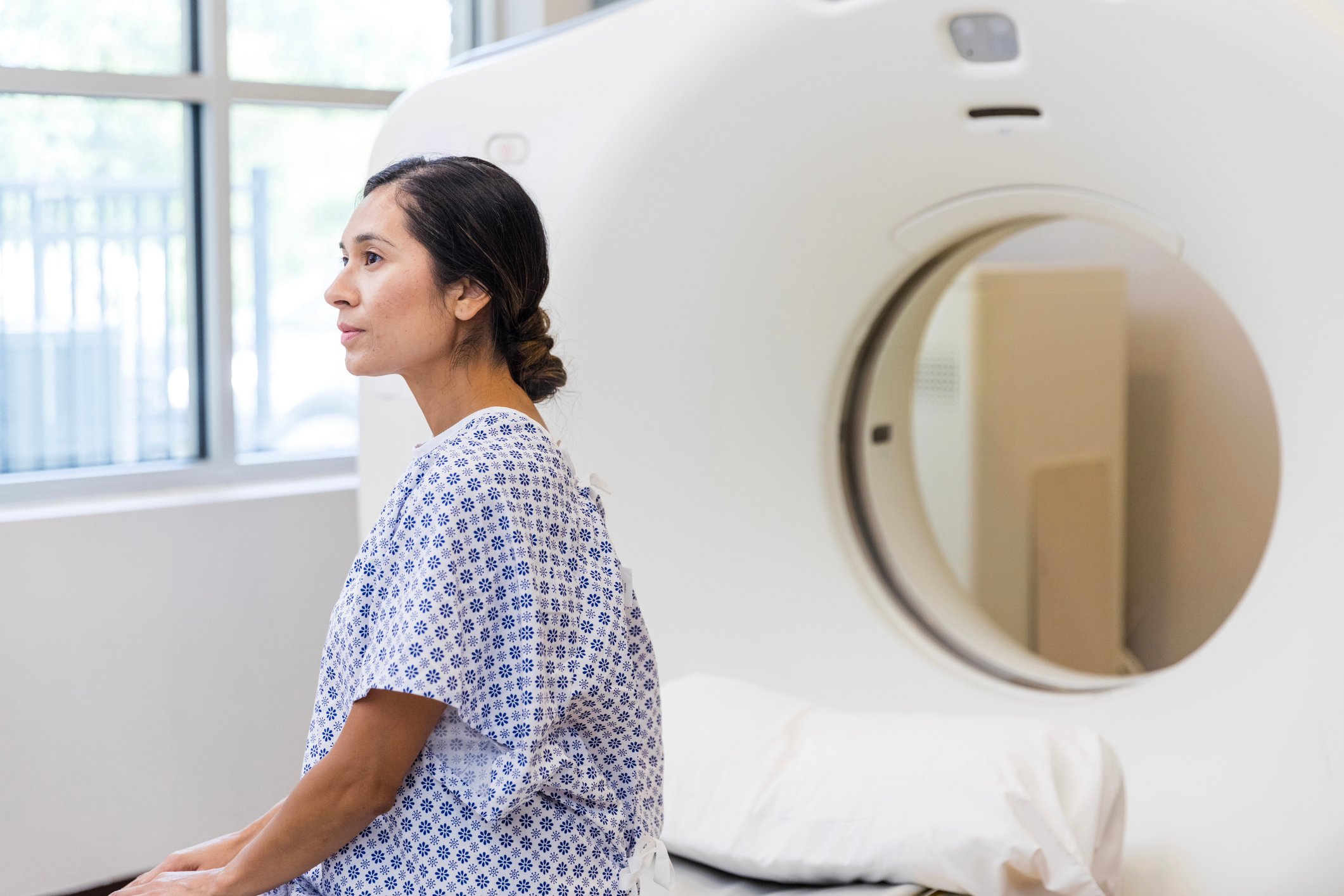
A computerized tomography scan, or CT scan, is a type of imaging procedure that uses X-ray and computer technology to create cross-sectional images, also called slices, of the bones, blood vessels, and soft tissues inside the body. CT scan images show more detail than plain X-rays do.

CT scans help healthcare providers detect diseases and injuries and plan medical, surgical, or radiation treatment.

A healthcare professional may suggest a CT scan for many reasons. A CT scan can help:

  • Diagnose muscle and bone conditions, such as bone tumors and fractures
  • Show where a tumor, infection, or blood clot is
  • Guide procedures such as surgery, biopsy, and radiation therapy
  • Find and watch the progress of diseases and conditions such as cancer, heart disease, lung nodules, and liver masses.
  • Watch how well certain treatments, such as cancer treatment, work
  • Find injuries and bleeding inside the body that can happen after trauma

Your healthcare provider will tell you everything you need to know about CT scan preparation. Some general guidelines include:

  • Plan to arrive early. Your provider will tell you when to come to your appointment
  • Don’t eat for four hours before your CT scan
  • Drink only clear liquids in the two hours leading up to your appointment
  • Wear comfortable clothes and remove any metal jewelry or clothing. Your provider may give you a hospital gown to wear

During the test, you will lie on your back on a table. If your test requires it, a healthcare provider may inject contrast dye intravenously. This dye can make you feel flushed or give you a metallic taste in your mouth. When the scan begins:

  • The bed will slowly move in the doughnut-shaped scanner. At this point, you will need to stay as still as possible because movement can blur the images
  • You may also be asked to hold your breath for a short period, usually fewer than 15 to 20 seconds
  • The scanner takes pictures of the area your healthcare provider needs to see. Unlike an MRI scan, a CT scan is silent
  • When the exam is over, the table moves back out of the scanner

You can have a CT scan in a hospital or an outpatient facility. CT scans usually take about an hour. However, with newer machines, scans can take only a few minutes. The whole process can take about 30 minutes.

After the exam, you can return to your normal routine. If you were given contrast dye, you may be asked to wait a short time before leaving to ensure that you feel okay after the exam. You might be told to drink lots of fluids to help your kidneys remove the dye from your body.

CT images are stored as electronic data files. They’re most often reviewed on a computer screen. A radiologist looks at the images and creates a report that is kept in your medical records. It usually takes about 24 to 48 hours to get the results of your CT scan. Your healthcare professional talks with you about the results.

To schedule an appointment with the Flushing Hospital Medical Center’s Radiology Department, call 718- 670-5458. To schedule an appointment for a CT scan or for more information about CT scans, please call 718-670-8851.


All content of this newsletter is intended for general information purposes only and is not intended or implied to be a substitute for professional medical advice, diagnosis or treatment. Please consult a medical professional before adopting any of the suggestions on this page. You must never disregard professional medical advice or delay seeking medical treatment based upon any content of this newsletter. PROMPTLY CONSULT YOUR PHYSICIAN OR CALL 911 IF YOU BELIEVE YOU HAVE A MEDICAL EMERGENCY.

Bleeding Disorders

Bleeding disorders are a group of conditions that affect the way the body controls blood clotting. The clotting process, known as coagulation, changes blood from a liquid to a solid.

When you’re injured, your blood normally begins to clot to prevent a massive blood loss. However, these conditions prevent blood from clotting properly, which results in heavy or prolonged bleeding.

Bleeding disorders can cause abnormal bleeding outside and inside the body. Some disorders can drastically increase the amount of blood leaving the body, while others cause bleeding under the skin or in vital organs, such as the brain.

There are numerous bleeding disorders. The most common include:

  • Hemophilia A and B- are conditions that occur when there are low levels of clotting factors in your blood. It causes heavy or unusual bleeding in the joints. Although hemophilia is rare, it can have life-threatening complications
  • Factor II, V, VII, X, or XII deficiencies- are bleeding disorders related to blood clotting problems or abnormal bleeding problems
  • Von Willebrand’s disease- is the most common inherited bleeding disorder. It develops when the blood lacks the von Willebrand factor, which helps the blood clot

For blood to clot, the body needs blood proteins called clotting factors and blood cells called platelets. Normally, platelets clump together to form a plug at the site of a damaged or injured blood vessel. The clotting factors then combine to form a fibrin clot, keeping the platelets in place and preventing blood from flowing out of the blood vessel.

For people with bleeding disorders, however, the clotting factors or platelets don’t work the way they should or are in short supply. When the blood doesn’t clot, excessive or prolonged bleeding can occur. It can also lead to spontaneous or sudden bleeding in the muscles, joints, and other body parts.

Some bleeding disorders are present at birth and are passed down or inherited through families. However, other bleeding disorders can be caused by:

  • Medical conditions, such as liver disease
  • A low red blood cell count
  • A vitamin K deficiency
  • Side effects from certain medications

Symptoms of bleeding disorders can include:

  • Bruising easily
  • Heavy bleeding
  • Heavy menstrual bleeding
  • Nosebleeds that do not stop easily
  • Excessive bleeding due to surgical procedures
  • Umbilical cord bleeding after birth

A doctor will diagnose a bleeding disorder by asking about your symptoms and medical history. They will also perform a physical exam and run blood tests to make a proper diagnosis. These tests can include:

  • A complete blood count
  • A platelet aggregation test
  • A bleeding time test

Treatment options for bleeding disorders vary depending on the type of bleeding disorder and its severity. Although treatments can’t cure bleeding disorders, they can help relieve the symptoms associated with certain disorders. Treatment options include:

  • Iron supplementation
  • Blood transfusion

If you experience symptoms of a bleeding disorder, it’s important to get diagnosed as soon as possible; even if your symptoms are mild, talking to a doctor can help you avoid potential risk factors that may worsen them. You can schedule an appointment with a doctor at Flushing Hospital Medical Center’s Ambulatory Care Center by calling (718) 670-5486.

All content of this newsletter is intended for general information purposes only and is not intended or implied to be a substitute for professional medical advice, diagnosis or treatment. Please consult a medical professional before adopting any of the suggestions on this page. You must never disregard professional medical advice or delay seeking medical treatment based upon any content of this newsletter. PROMPTLY CONSULT YOUR PHYSICIAN OR CALL 911 IF YOU BELIEVE YOU HAVE A MEDICAL EMERGENCY.

Complications of Ulcerative Colitis

Ulcerative colitis is a form of chronic inflammatory bowel disease.  It causes inflammation and sores to develop on the inner lining of the colon and rectum.

The symptoms of ulcerative colitis may vary from person to person, they include:

  • Diarrhea (which may or may not be bloody)
  • Pus in the stools
  • Nausea
  • Abdominal cramping
  • Abdominal pain
  • Feeling the need to poop (even though your bowels are already empty)
  • An urgent need to have a bowel movement
  • Fever
  • Weight loss

People living with ulcerative colitis are at risk of developing complications or further health problems, such as:

  • Osteoporosis
  • Growth and development delay in young children
  • Bowel cancer
  • Colon cancer
  • Perforated colon
  • Toxic megacolon
  • Anemia
  • Primary sclerosing cholangitis
  • Blood clots
  • Dehydration
  • Severe bleeding from the rectum
  • Sexual dysfunction

Perforated colon, toxic megacolon, severe dehydration, and severe bleeding from the rectum are complications that require immediate medical attention.

There is no known way to prevent ulcerative colitis; however, symptoms or flare-ups can be managed to reduce the risk of complications.  You can manage symptoms by taking medications as prescribed, watching what you eat and drink, managing stress, and exercising.

All content of this newsletter is intended for general information purposes only and is not intended or implied to be a substitute for professional medical advice, diagnosis or treatment. Please consult a medical professional before adopting any of the suggestions on this page. You must never disregard professional medical advice or delay seeking medical treatment based upon any content of this newsletter. PROMPTLY CONSULT YOUR PHYSICIAN OR CALL 911 IF YOU BELIEVE YOU HAVE A MEDICAL EMERGENCY.

National Endometriosis Awareness Month

March is National Endometriosis Awareness Month. Endometriosis is a condition that affects the lining of the uterus (also known as the endometrium); it currently affects an estimated 176 million women around the globe. Some of the symptoms of endometriosis include:

  • Painful sexual intercourse
  • Pain during pelvic examinations
  • Severe pain during menstruation
  • Pain during urination or a bowel movement
  • Excessive bleeding
  • Infertility

Symptoms of endometriosis tend to appear during reproductive years, between the ages of 12 and 60. The highest number of cases are diagnosed between the ages of 25 to 35; however, some women with endometriosis remain undiagnosed because they do not have symptoms. Additionally, this disorder can sometimes be mistaken for other conditions.

Endometriosis causes the inner lining of the uterus to grow outside of the uterus. This most commonly affects the ovaries, fallopian tubes, ligaments that support the uterus, and the areas between the rectum and the vagina. Rarely, endometriosis can also occur in the lungs, thighs, arms, and other parts of the body that are more distant from reproductive organs.

When endometrial tissue spreads, it develops into growths called implants. These clumps of tissue are affected by the menstrual cycle as though they were inside of the uterus, regardless of their actual location. Each month, they build up, break down, and shed. However, endometrial tissue cannot be discharged from the body if it is not inside the uterus; as a result, these implants cause inflammation, swelling, internal bleeding, and the formation of scar tissue.

Doctors do not yet know what causes endometriosis, but certain risk factors have been identified that may make you more likely to develop it. These include:

  • An immediate family member with endometriosis
  • An abnormal uterus
  • Menstruation that begins before the age of 11
  • Shorter menstrual periods, lasting less than 27 days on average
  • Heavy menstruation that lasts for more than one week

If you experience symptoms of endometriosis, your doctor can perform a variety of tests, such as pelvic examinations, laparoscopy, and imaging tests such as magnetic resonance imaging (MRI) to accurately diagnose it. While there is no cure for endometriosis, your doctor can work with you to develop an effective treatment that may incorporate options such as medication, surgery, or alternative therapies.

You can schedule an appointment with an OB/GYN at Flushing Hospital Medical Center’s Women’s Health Center to receive high-quality treatment for endometriosis. To learn more, please call 718 670-5702.


All content of this newsletter is intended for general information purposes only and is not intended or implied to be a substitute for professional medical advice, diagnosis or treatment. Please consult a medical professional before adopting any of the suggestions on this page. You must never disregard professional medical advice or delay seeking medical treatment based upon any content of this newsletter. PROMPTLY CONSULT YOUR PHYSICIAN OR CALL 911 IF YOU BELIEVE YOU HAVE A MEDICAL EMERGENCY.

Meet Our New Beginnings Team Member Lauren Shore, LMSW

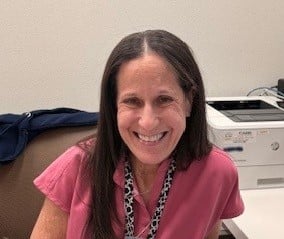
We are proud to recognize our New Beginnings Team member, Lauren Shore, LMSW,  a social worker in Flushing Hospital Medical Center’s Mother-Baby New Beginnings unit. Lauren began her career at Flushing Hospital 22 years ago, first working in the Women’s Services division of the Ambulatory Care Center,  then moving on to her current role in the Mother-Baby unit.

Lauren truly enjoys working with our patients and being able to take care of them from the start of their journey into parenthood. She takes pride in working as a social worker. Her position allows her to support families during the most challenging and transformative times in their lives.

Welcoming a new baby can bring both joy and stress, especially when medical complications arise. She finds being able to provide emotional support, resources, and guidance to parents navigating the NICU experience is incredibly fulfilling. She finds purpose in helping families feel heard, empowered, and connected to the care they need. Witnessing their strength and resilience and knowing that she can make a difference during this critical time makes her work deeply meaningful. Lauren feels grateful that she is surrounded by an amazing team and has learned so much from her colleagues.

All content of this newsletter is intended for general information purposes only and is not intended or implied to be a substitute for professional medical advice, diagnosis or treatment. Please consult a medical professional before adopting any of the suggestions on this page. You must never disregard professional medical advice or delay seeking medical treatment based upon any content of this newsletter. PROMPTLY CONSULT YOUR PHYSICIAN OR CALL 911 IF YOU BELIEVE YOU HAVE A MEDICAL EMERGENCY.