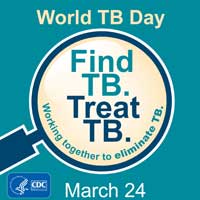
March 24 is World TB Day

2015wtbdgraphic2_logo

Tuesday, March 24 is #WorldTBDay. Many people in the United States believe that #tuberculosis, or TB, was eradicated along with other diseases like smallpox and polio. Although the overall rate of TB in the United States has declined, it might surprise you to know that Western Queens has the highest incidence of tuberculosis in New York City.

TB is an airborne respiratory disease which can spread rapidly when an infected person coughs, sneezes, or speaks. It mainly affects the lungs, but other organs such as the kidneys, spine, or brain are sometimes involved.

TB impacts all ages, races, income levels, and both genders. Most TB cases in the U.S. are brought in from foreign countries, but those at risk include people who live or work with others who have TB, including healthcare workers, the homeless, and those in group settings like nursing homes. Those with impaired immune systems like Intravenous drug users, the elderly, and HIV patients are also at risk. For someone with diabetes, the risk of contracting TB is 2-3x more likely.  However, repeated exposure to the germs is usually necessary before a person will become infected.

TB is diagnosed with a TB skin test. Additional tests to determine if a person has TB disease include X-rays and sputum tests.

Stages of TB are:

Exposure — contact or exposure to another person who is thought to have or does have TB. The exposed person will have a negative skin test, a normal chest X-ray, and no signs or symptoms of the disease.

Latent TB infection – diagnosed TB bacteria infection, but no symptoms of the disease. TB organisms can remain dormant in the body throughout life in 90 percent of people who are infected.  This person would have a positive skin test, but a normal chest X-ray.

TB disease — signs and symptoms of an active infection determined by a positive skin test and a positive chest X-ray.

The symptoms of TB may resemble other lung conditions or medical problems. If you’d like to make an appointment for a TB skin test, please contact the Ambulatory Care Center at Flushing Hospital Medical Center at 718-670-5486.

For more health and fitness information and tips, follow us on Twitter @FHMC_NYC and like us on Facebook www.facebook.com/FlushingHospital

All content of this newsletter is intended for general information purposes only and is not intended or implied to be a substitute for professional medical advice, diagnosis or treatment. Please consult a medical professional before adopting any of the suggestions on this page. You must never disregard professional medical advice or delay seeking medical treatment based upon any content of this newsletter. PROMPTLY CONSULT YOUR PHYSICIAN OR CALL 911 IF YOU BELIEVE YOU HAVE A MEDICAL EMERGENCY.

What is Creative Arts Therapy?

Mandala created by arts therapy patient

Mandala created by arts therapy patient


Creative arts therapists guide patients to create and reflect on art and the artistic process. They help people increase awareness of themselves and others, and enhance cognitive abilities, as well as cope with the symptoms of stress, illness and trauma. Patients gain improved self-esteem, develop more effective communication skills and create new options for coping with problems.

Celebrate Creative Arts Therapy Week March 16-21, 2015.

All content of this newsletter is intended for general information purposes only and is not intended or implied to be a substitute for professional medical advice, diagnosis or treatment. Please consult a medical professional before adopting any of the suggestions on this page. You must never disregard professional medical advice or delay seeking medical treatment based upon any content of this newsletter. PROMPTLY CONSULT YOUR PHYSICIAN OR CALL 911 IF YOU BELIEVE YOU HAVE A MEDICAL EMERGENCY.

Three Surprising Foods to Help Improve Memory

dontforget175562944

As we age, it’s not unusual to forget things like where you left your car keys or the password to your email account. Researchers suggest that by adding certain foods to your diet you can help improve both your overall health and your memory. During #BrainAwarenessWeek, check out these three surprising foods that might help boost your brain:

  1. Avocado – Avocados contain monounsaturated fat that contribute to healthy blood flow and lower blood pressure. Hypertension is a risk factor for decline in cognitive abilities, and research suggests that foods like avocado that are rich in antioxidants vitamin E and vitamin C are associated with a lower risk of developing Alzheimer’s.
  2. Sunflower seeds –Sunflower seeds are also good sources of vitamin E. One ounce of dry-roasted sunflower seeds contains 30% of your recommended daily intake.
  3. Sage – For centuries, people were known to take the herb sage for memory loss, and drank teas and tinctures containing extracts of the herb. A study published in Pharmacology Biochemistry and Behavior saw improved memory with just the smallest doses of sage.

If you are experiencing age-related memory problems, The Center for Acute Geriatric Medicine at Flushing Hospital Medical Center offers a comprehensive range of services, including a weekly Ambulatory Memory Disorder and Geriatric Clinic available to senior citizens.  Please call the Ambulatory Care department for additional information at 718-670-5486.

Follow us on Twitter @FHMC_NYC and Facebook.com/FlushingHospital for more tips

All content of this newsletter is intended for general information purposes only and is not intended or implied to be a substitute for professional medical advice, diagnosis or treatment. Please consult a medical professional before adopting any of the suggestions on this page. You must never disregard professional medical advice or delay seeking medical treatment based upon any content of this newsletter. PROMPTLY CONSULT YOUR PHYSICIAN OR CALL 911 IF YOU BELIEVE YOU HAVE A MEDICAL EMERGENCY.

Can Hypertension Lead to Dental Problems?

Managing your high blood pressure with the appropriate medications is very important for your overall health, but sometimes those medications can negatively affect your dental health.

Often, medications that are used to treat hypertension can have side effects in the oral environment. Some of these medications can reduce the amount of saliva you produce, causing xerostomia, or dry mouth. Without the proper amount of saliva, the mouth can become irritated and inflamed. Dry mouth can also increase the risk of developing infection, gum disease, and the development of plaque, and therefore cavities.

momandkiddental105662911

Gum swelling or gingival overgrowth is another possible side-effect of medications used to treat high blood pressure. Gingival overgrowth occurs when gum tissue becomes so swollen that it begins to grow over the teeth. Swollen gum tissue creates a favorable environment for bacteria because plaque can easily get trapped underneath the gums, making it hard to brush and maintain good oral hygiene.

It is import to inform your dentist about any health conditions you have, and the medications you are taking. Good oral hygiene and more frequent visits to the dentist can help lower your chances of developing complications.

Flushing Hospital Medical Center’s Dental Department provides preventive dentistry programs to school children, as well as adults and seniors. Oral cancer screening programs are also frequently performed at all our community health fairs. For more information or to schedule an appointment, please call 718-670-5521.

All content of this newsletter is intended for general information purposes only and is not intended or implied to be a substitute for professional medical advice, diagnosis or treatment. Please consult a medical professional before adopting any of the suggestions on this page. You must never disregard professional medical advice or delay seeking medical treatment based upon any content of this newsletter. PROMPTLY CONSULT YOUR PHYSICIAN OR CALL 911 IF YOU BELIEVE YOU HAVE A MEDICAL EMERGENCY.

Tips to Prevent Unintentional Poisoning at Home

March 15-21 is designated National Poison Prevention Week. According to the Center for Disease Control, over 300 children in the United States are treated in ER’s every day, and two children die, as a result of being poisoned. Products commonly found in the household can potentially become deadly if not used and stored with caution. In a recent study published in the journal Pediatrics, more than 17,000 children under age six ingested, inhaled, or squirted into their eyes, the contents of single-load laundry detergent packets in just one year.

kid186272441

Here are some simple prevention tips:

. Keep all products in original containers — Never transfer dangerous products like bleach or paints to soft drink bottles or other containers used for food and drink without a child-resistant closure.

. Keep foods and household products separate — Cleaning fluids, detergents, insecticides and other household products should be stored away from food and medications, and out of sight of children in a cabinet or closet that locks or has a child-resistant latch. Use child-resistant packaging, and remember to reseal the package after every use.

. Never call flavored medicine “candy” — Children may look for and find the bottle and eat or drink its contents.

. Read the label — Follow label directions and read all warnings before giving medicines to children.

. Don’t keep it if you don’t need it — Safely dispose of unused, unneeded, or expired prescription drugs and over the counter medications. To dispose of medicines, mix them with coffee grounds or kitty litter and throw them away. You can also turn them in at a local take-back program or during National Drug Take-Back events.

. Know the number — If you suspect poisoning has occurred, immediately call the Poison Help Hotline at 1-800-222-1222, or 911 if you have a poison emergency.

For more health and fitness information, join us on Facebook.com/FlushingHospital and follow us on Twitter @FHMC_NYC

All content of this newsletter is intended for general information purposes only and is not intended or implied to be a substitute for professional medical advice, diagnosis or treatment. Please consult a medical professional before adopting any of the suggestions on this page. You must never disregard professional medical advice or delay seeking medical treatment based upon any content of this newsletter. PROMPTLY CONSULT YOUR PHYSICIAN OR CALL 911 IF YOU BELIEVE YOU HAVE A MEDICAL EMERGENCY.
Does One Part Alcohol + One Part Breast Milk = Bad For Baby?

Women have been warned not to consume alcohol during pregnancy.  There is sufficient research that confirms drinking alcohol, while pregnant, poses several, avoidable risk to an unborn baby.  However, the risks of consuming alcohol while breastfeeding are not as well defined.

Breastfeeding mothers often receive conflicting advice about whether their alcohol consumption can have an adverse effect on their baby.  This leaves mothers with more questions than answers. A good resource to start looking for answers is the La Leche League.  Their article, The Womanly Art Of Breastfeedingsays: The effects of alcohol on the breastfeeding baby are directly related to the amount the mother ingests.  When the breastfeeding mother drinks occasionally, or limits her consumption to one drink or less per day, the amount of alcohol her baby receives has not been proven to be harmful.

The League further published:

Alcohol passes freely into mother’s milk and has been found to peak about 30 to 60 minutes after consumption, 60 to 90 minutes when taken with food.  Alcohol also freely passes out of a mother’s milk and here system.  It takes a 120 pound woman about two to three hours to eliminate from her body the alcohol in one serving of beer or wine.  The more alcohol that is consumed, the longer it takes for it to be eliminated.  It takes up to 13 hours for a 120 pound woman to eliminate alcohol from one high-alcoholic drink.

Opposing research from the Mayo Clinic suggests that breast-fed babies, whose mothers drank, as few as, one drink a day may present with impaired motor or development and that alcohol can cause changes in sleep patterns.

Also, to dispel any notion that encourages drinking alcohol to improve milk production. Facts show that the presence of alcohol in breast milk can cause the babies to drink about 20 % less.

Remember, research has shown that breast-feeding is an optimal way to feed your newborn and is recommended until a baby is at least age one.


All content of this newsletter is intended for general information purposes only and is not intended or implied to be a substitute for professional medical advice, diagnosis or treatment. Please consult a medical professional before adopting any of the suggestions on this page. You must never disregard professional medical advice or delay seeking medical treatment based upon any content of this newsletter. PROMPTLY CONSULT YOUR PHYSICIAN OR CALL 911 IF YOU BELIEVE YOU HAVE A MEDICAL EMERGENCY.

5 Foods for Healthy Eyes

eyeexam147707508

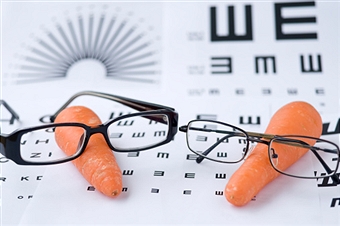
Carrots aren’t the only food that will help improve your eyesight and promote healthy eyes.  A study from JAMA Ophthalmology links diet to eye health, and recommends adding certain foods to your diet to prevent some eye conditions like macular degeneration, cataracts and glaucoma.

March is Save Your Vision month. Here are 5 foods to add to your diet to promote eye health:

  1. Berries – All berries have been shown to contain antioxidant compounds called anthocyanins that help lower both blood pressure and reduce inflammation that may cause cataracts.
  2. Green leafy vegetables — Spinach, kale, and swiss chard, as well as turnip, mustard and collard greens are all high in lutein and zeaxanthin. Studies have shown that lutein and zeaxanthin reduce the risk of chronic eye diseases, including age-related macular degeneration and cataracts.
  3. Omega-3 fatty acids — Salmon, halibut and cod, as well as nuts like walnuts, all contain omega-3 fatty acids which may be essential for optimal visual development. Dry eye syndrome also has been linked to omega-3 deficiency.
  4. Orange foods – Orange bell peppers offer the best dietary source of zeaxanthin and vitamin C, which lowers the risk for cataracts and macular degeneration. Other orange foods, including gogi berries, pumpkin, squash, sweet potatoes and carrots, may have similar benefits. These orange-colored choices also are chock-full of vitamin A, which boosts night vision, and carotene which helps lower the risk of cataracts.
  5. Tea — Green tea, black tea and oolong tea are best for preventing cataracts. Teas may also help prevent macular degeneration by preventing the growth of new blood vessels in the back of the eye.

Flushing Hospital Medical Center offers a full range of comprehensive medical, diagnostic, and surgical services from annual eye examinations to surgical procedures. For more information or to schedule an appointment with an ophthalmologist, please call Flushing Hospital Medical Center’s Ambulatory Care Center at 718-670-5486 or All City Eye Care Center at 718-380-5070.

For more health and fitness information, join us on Facebook.com/FlushingHospital and follow us on Twitter @FHMC_NYC


All content of this newsletter is intended for general information purposes only and is not intended or implied to be a substitute for professional medical advice, diagnosis or treatment. Please consult a medical professional before adopting any of the suggestions on this page. You must never disregard professional medical advice or delay seeking medical treatment based upon any content of this newsletter. PROMPTLY CONSULT YOUR PHYSICIAN OR CALL 911 IF YOU BELIEVE YOU HAVE A MEDICAL EMERGENCY.

Diabetic? Blurry Vision? Make Sure to Schedule an Exam

Blurry vision may happen for a variety of reasons, but for some it can be a precursor to something more serious. According to the American Diabetes Association, an estimated 20 million Americans are diagnosed with diabetes, while an additional 41 million are considered pre-diabetic, a condition that significantly increases their risk for developing diabetes.

Eye issues are the first early warning signs of problems for people with diabetes. In pre-diabetics, blurred vision occurs because the blood sugar levels are elevated, causing the lens of the eye to swell. By maintaining a healthy blood sugar level, vision symptoms can resolve within a matter of months. It is important to make certain lifestyle changes in order to reduce the risk of developing diabetes. Managing your diet, exercising daily and maintaining a normal weight can help prevent the development of diabetes and avoid problems associated with being pre-diabetics.

Everyone should have regular eye exams, but if you are pre-diabetic or diabetic, it is important to have your eyes examined annually. For more information or to schedule an appointment, please call Flushing Hospital Medical Center’s Ambulatory Care Center at 718-670-5486 or All City Eye Care Center at 718-380-5070.

For more health and fitness information, join us on Facebook.com/FlushingHospital and follow us on Twitter @FHMC_NYC

All content of this newsletter is intended for general information purposes only and is not intended or implied to be a substitute for professional medical advice, diagnosis or treatment. Please consult a medical professional before adopting any of the suggestions on this page. You must never disregard professional medical advice or delay seeking medical treatment based upon any content of this newsletter. PROMPTLY CONSULT YOUR PHYSICIAN OR CALL 911 IF YOU BELIEVE YOU HAVE A MEDICAL EMERGENCY.

Fact or Myth? Reading in poor light or reading too much fine print will eventually harm your vision.

Fact or Myth? Reading in poor light or reading too much fine print will eventually harm your vision.

Answer: Myth

As with sitting too close to the television, you may feel eyestrain or get a headache from reading in the dark, but it will not weaken your eyes.

For more health and fitness information, join us on Facebook.com/FlushingHospital and follow us on Twitter @FHMC_NYC


All content of this newsletter is intended for general information purposes only and is not intended or implied to be a substitute for professional medical advice, diagnosis or treatment. Please consult a medical professional before adopting any of the suggestions on this page. You must never disregard professional medical advice or delay seeking medical treatment based upon any content of this newsletter. PROMPTLY CONSULT YOUR PHYSICIAN OR CALL 911 IF YOU BELIEVE YOU HAVE A MEDICAL EMERGENCY.

What is a Patient Advocate?

Illness is a stressful time for patients. During this difficult time, it might be helpful to have an advocate to assist you.

An advocate is your spokesperson. Advocates can be a spouse, another family member, or a close friend.  Choose someone you trust and who is willing to act on your behalf, as well as someone who can work well with your healthcare team. You might not need someone to choose a hospital or agree to a procedure or treatment, but you might want someone to accompany you to appointments, keep track of your medications, ask specific questions and write down information you receive from caregivers.

482425251

Let your healthcare team know who your advocate is and how you want them involved in your care. Make sure they have the numbers for your providers, hospital and pharmacy, as well as anyone else you may want to contact in case of an emergency. Your advocate will ensure that your wishes are carried out if you are not able.  Alert your family members as to who your advocate is. This will provide a consistent communication and minimize confusion and misunderstandings.

Flushing Hospital Medical Center can help you assign a patient advocate if you don’t have one.  To contact the patient advocate, please call 718-321-6191.

For more health and fitness information, join us on Facebook.com/FlushingHospital and follow us on Twitter @FHMC_NYC


All content of this newsletter is intended for general information purposes only and is not intended or implied to be a substitute for professional medical advice, diagnosis or treatment. Please consult a medical professional before adopting any of the suggestions on this page. You must never disregard professional medical advice or delay seeking medical treatment based upon any content of this newsletter. PROMPTLY CONSULT YOUR PHYSICIAN OR CALL 911 IF YOU BELIEVE YOU HAVE A MEDICAL EMERGENCY.