
Spring Forward This Weekend with a Good Night’s Sleep

480237131

Daylight savings time begins at 2:00 am on Sunday, March 8. Remember to set your clocks forward and try to get to bed a little earlier to compensate for that lost hour. The food you eat this weekend might be the key to giving you a better night’s sleep.

According to Center for Disease Control and Prevention, an estimated 50 to 70 million people in the United States suffer from a wide variety of sleep disorders.

Studies show that certain foods tend to produce a more restful night’s sleep. Foods that you can pick up at any local grocery store that are likely to give you a deeper sleep are:
• Milk
• Turkey
• Honey
• Nuts (such as almonds, walnuts, etc.)
• Kale
• Rice (or other forms of carbohydrates)

The secret to these foods are the vitamins they contain, as well as the hormones they help the brain produce. The old wives’ tale of drinking a warm glass of milk before bedtime is not all that inaccurate. Calcium is a natural sleep inducer, especially when consumed with magnesium, which can be found in bananas. Melatonin is a hormone the brain produces naturally that also greatly contributes to a good night’s sleep. Calcium and magnesium both naturally produce melatonin, a hormone produced by the brain that promotes sleepiness, so eating dairy products, wheat, and beans can all lead to a more restful sleep. Additionally, some proteins, such as lean meats, produce tryptophan, an amino acid that causes sleepiness. Carbohydrates, such as starches and fibers, can also cause fatigue because the body breaks them down into sugars that become glucose, which ultimately becomes blood sugar. Some healthy carbohydrates can be found in whole grain, cereal, and vegetables.

While some foods can help you get a better night’s sleep, other foods and eating habits can reduce your amount of sleep. Some of these include:
• Eating too much or too little
• Caffeine (after lunchtime)
• Fatty foods (fast food, junk food, etc.)
• Eating late at night
• Alcohol (in large doses)

Try to avoid these bad eating habits and replace them with healthy foods that are high in calcium, magnesium, healthy carbohydrates, and protein.

For more health and fitness information, join us on Facebook.com/FlushingHospital or follow us on Twitter @FHMC_NYC


All content of this newsletter is intended for general information purposes only and is not intended or implied to be a substitute for professional medical advice, diagnosis or treatment. Please consult a medical professional before adopting any of the suggestions on this page. You must never disregard professional medical advice or delay seeking medical treatment based upon any content of this newsletter. PROMPTLY CONSULT YOUR PHYSICIAN OR CALL 911 IF YOU BELIEVE YOU HAVE A MEDICAL EMERGENCY.
March is Colon Cancer Awareness Month

Did you know that colon cancer is one of the most preventable, and if detected early, most treatable forms of cancer? March is Colon Cancer Awareness month and screening is the number one way you can increase your chances of survival. Colon cancer is the third most commonly diagnosed cancer and the second leading cause of cancer death in men and women combined in the US.  In 2015, the American Cancer Society estimates 93,090 new cases of colon cancer and 39,610 new cases of rectal cancer will be diagnosed.

On average, the lifetime risk of developing colon cancer is about one in 20 (5%), but this can vary according to individual risk factors. All men and women should be screened every five years beginning at age 50, or earlier if you have a personal or family history of colon cancer, inflammatory bowel disease, or are experiencing symptoms.  African Americans should begin screening at the age of 45.

Some tests that detect cancer and polyps, growths that occur on the inner lining of the large intestine and protrude into the colon, include:

.Colonoscopy — The inside of the rectum and entire colon are examined using a long, lighted tube called a colonoscope.

.Flexible Sigmoidoscopy — Examines your rectum and lower part of the colon with a lighted tube called a sigmoidoscope.

.Virtual Colonoscopy — Uses x-rays and computers to take 2- or 3-dimensional images of your colon and rectum.

.Double-Contrast Barium Enema (DCBE) — Air and barium are pumped into your rectum. The solution will show polyps or tumors on x-rays.

Screenings for fecal occult blood tests or FOBT, may also be used to test the stool for signs that cancer may be present. They are less invasive and easier to have done but are less likely to detect polyps.

Please discuss all screening options, as well as when to be screened, with your healthcare professional.

Flushing Hospital Medical Center provides a modern, fully equipped endoscopy unit for patients with abdominal pain, rectal bleeding or any other gastrointestinal concerns. Using the newest high-technology video equipment, an expert team provides comprehensive patient care. For more information or to schedule an appointment, please call Ambulatory Care at 718-670-5486.

For more health and fitness information, join us on Facebook.com/FlushingHospital or follow us on Twitter @FHMC_NYC

All content of this newsletter is intended for general information purposes only and is not intended or implied to be a substitute for professional medical advice, diagnosis or treatment. Please consult a medical professional before adopting any of the suggestions on this page. You must never disregard professional medical advice or delay seeking medical treatment based upon any content of this newsletter. PROMPTLY CONSULT YOUR PHYSICIAN OR CALL 911 IF YOU BELIEVE YOU HAVE A MEDICAL EMERGENCY.

March is National Women’s History Month

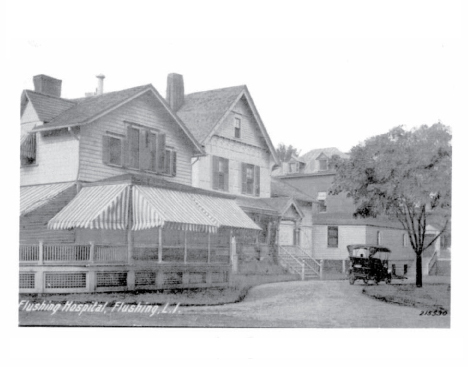
Did you know that Flushing Hospital Medical Center was founded in 1884 by a group of community women who set up a room with one bed in a rented house? Today the hospital is a 293-bed voluntary, not-for-profit teaching hospital. The medical center, located in the city’s most culturally diverse borough, has served the health care needs of the community for more than a century, and has, over the years, become a solid and vital part of the infrastructure of the city itself.

For more health and fitness information, join us on Facebook.com/FlushingHospital or follow us on Twitter @FHMC_NYC

Early photo of Flushing Hospital

All content of this newsletter is intended for general information purposes only and is not intended or implied to be a substitute for professional medical advice, diagnosis or treatment. Please consult a medical professional before adopting any of the suggestions on this page. You must never disregard professional medical advice or delay seeking medical treatment based upon any content of this newsletter. PROMPTLY CONSULT YOUR PHYSICIAN OR CALL 911 IF YOU BELIEVE YOU HAVE A MEDICAL EMERGENCY.

What is a Wound Care Center?

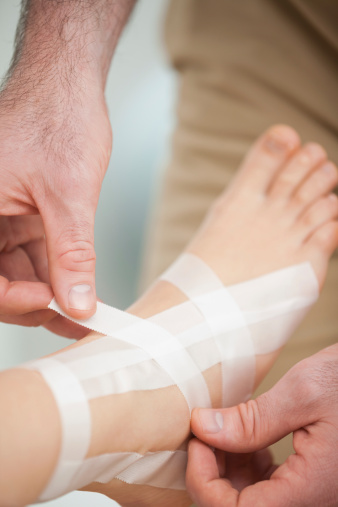
When we think about #woundcare, it usually involves an adhesive bandage and some antibiotic ointment after a minor injury.

For some, wound care is a very serious, and very different, issue.   Wounds resulting from chronic conditions such as diabetic foot ulcers, venous legs ulcers, poor circulation, bedsores or pressure ulcers and traumatic amputations can prove to be very difficult to heal.   These types of wounds can lead to life-threatening infections, debilitating health problems and even amputation.

158323199

When a wound doesn’t improve within two weeks, or heal within a month, you might need the services of a wound care center.  Wound care treatment centers offer a comprehensive and multi-disciplinary approach to healing, and offer access to a specialized, certified team of experts including doctors, registered nurses, and podiatrists, as well as plastic, general and vascular surgeons. The team will evaluate and treat the wound, address the underlying cause, and establish an integrated program to aid in disease management and prevent reoccurrence.


Benefits include:

. Accelerated and enhanced healing

. Better recovery and reduced hospitalization

. Prevention of prolonged or permanent disability

. High level of amputation prevention

. Access to advanced therapies

The Wound Care Center at Flushing Hospital Medical Center is a state-of-the-art unit that provides specialized, interdisciplinary wound care to patients who suffer from non-healing or chronic wounds.

Designed to bring technically advanced, surgically-oriented wound care to patients whose wounds are resistant to traditional forms of treatment. It currently boasts a success rate of 90%, which is above the national average, and has expanded to a six-bed unit to better accommodate its growing number of patients. For more information on the Wound Care Center or to schedule an appointment, call 718-670-4542.

For more health and fitness information, join us on Facebook.com/FlushingHospital or follow us on Twitter @FHMC_NYC


All content of this newsletter is intended for general information purposes only and is not intended or implied to be a substitute for professional medical advice, diagnosis or treatment. Please consult a medical professional before adopting any of the suggestions on this page. You must never disregard professional medical advice or delay seeking medical treatment based upon any content of this newsletter. PROMPTLY CONSULT YOUR PHYSICIAN OR CALL 911 IF YOU BELIEVE YOU HAVE A MEDICAL EMERGENCY.

Is Breakfast the Most Important Meal of the Day?

478336965

March 2-6 is National School Breakfast Week. Is #breakfast the most important meal of the day? #NSBW #FHMC_NYC

Eating breakfast provides us with energy that we will need to help start the day. It also has health benefits for improved performance, concentration and weight control. Breakfast is important for school age children because it has been shown to provide energy to help them concentrate, helps with eye-hand coordination, and with problem solving skills.

People who eat a healthy breakfast also tend to weigh less. People who skip breakfast tend to be hungrier during the day, tend to eat snack more and make less healthy food choices. A healthy breakfast that includes some lean protein helps curb cravings for food during the rest of the day.

In addition to lean proteins, other components of a healthy breakfast include:
• Bread and grains (cereal, toast, or a muffin)
• Skim milk or low fat yogurt
• Fruit or vegetables, or juices.
It is important to avoid sugary cereals and doughnuts.
Whether for yourself or your children, follow these tips and start your day off right with a well balanced healthy breakfast.

For more health and fitness information, join us on Facebook.com/FlushingHospital or follow us on Twitter @FHMC_NYC


All content of this newsletter is intended for general information purposes only and is not intended or implied to be a substitute for professional medical advice, diagnosis or treatment. Please consult a medical professional before adopting any of the suggestions on this page. You must never disregard professional medical advice or delay seeking medical treatment based upon any content of this newsletter. PROMPTLY CONSULT YOUR PHYSICIAN OR CALL 911 IF YOU BELIEVE YOU HAVE A MEDICAL EMERGENCY.

Microwave Coffee Mug Egg Scramble Recipe

microwave-coffee-cup-scramble

Microwave Coffee Mug Egg Scramble

Recipe courtesy of Incredible Egg

For a quick and easy breakfast in less than three minutes, try a microwave egg scramble. Eggs are high in protein and packed with nutrients, including healthy omega-3s and Vitamin D.

Ingredients:

2          EGGS

2          Tbsp. milk

2          Tbsp. shredded Cheddar cheese

Salt and pepper

Directions:

Step 1  COAT 12-oz. microwave-safe coffee mug with cooking spray. ADD eggs and milk; beat until blended.

Step 2  MICROWAVE on HIGH 45 seconds; stir. MICROWAVE until eggs are almost set, 30 to 45 seconds longer.

Step 3  TOP with cheese; season with salt and pepper.

Variations:

You can also add fresh or frozen, defrosted spinach to the scramble. Just squeeze out the excess water with a paper towel.  For breakfast on the go, try using one egg and placing the scramble on a toasted English muffin.

For more health and fitness information, join us on Facebook.com/FlushingHospital or follow us on Twitter @FHMC_NYC

All content of this newsletter is intended for general information purposes only and is not intended or implied to be a substitute for professional medical advice, diagnosis or treatment. Please consult a medical professional before adopting any of the suggestions on this page. You must never disregard professional medical advice or delay seeking medical treatment based upon any content of this newsletter. PROMPTLY CONSULT YOUR PHYSICIAN OR CALL 911 IF YOU BELIEVE YOU HAVE A MEDICAL EMERGENCY.