Itchy Ears

Have you ever had an itch in your ear and gone to someone older in your family to find out why? If the answer is yes, you may have heard that itching ears mean that someone is talking about you.

With all due respect to those spreaders of old wives’ tales, there is probably a more credible medical reason why our ears itch on occasion. The hard part is figuring out which of the many possible conditions or habits is causing this reaction.

Identifying the culprit can lead to appropriate treatment for itchy ears. Here are some potential causes:

  • Psoriasis Pain or itching on the skin on or around your ear might be an indication of psoriasis, a relatively common skin condition. If this is the case, you might notice a buildup of rough, dry, red patches or scales in the external area of your ear that can itch or hurt. There are a variety of treatment options including topical medications or steroids.
  • Skin allergiesThe skin inside your ears can itch because of an allergic reaction to something that is applied in or near your ear. A new hair product may be the culprit and earrings that contain nickel have also been known to cause an allergic reaction. Be mindful whenever introducing anything new to your skin and stop using it if you believe it is the cause.
  • Food allergies – Similar to reactions from skin contact, some might have an allergic reaction to something they ate, causing their ears to itch. Certain fruits, vegetables, or tree nuts are the most common sources of food allergies. A doctor can test for the source of a food allergy, determine the severity and prescribe the appropriate medication.
  • Hay fever – This condition, also known as allergic rhinitis, occurs when individuals have allergic reactions to particles commonly found in the atmosphere. These particles range from animal fur to dust mites and pollen. Experiencing itchy ears along with watery eyes and a runny nose is not uncommon among hay fever sufferers.
  • Infections – Itchy ears can sometimes be a sign of an ear infection. Bacteria and viruses cause them, usually when you have a cold or the flu. One kind of infection, swimmer’s ear, can happen when water stays in your ear after you swim. To stop the itch, you’ll need to treat the infection, possibly with ear drops or antibiotics.
  • Improper cleaning – Placing cotton swabs into your ears can inflame your ear canal and leave you itching. Pins, paper clips, matchsticks, and your fingers can also scratch the skin inside your ears, making it easy for bacteria to enter and cause an infection. Excessive ear wax build-up can also cause your ears to itch. Your doctor can remove excessive wax using special instruments.

Regardless of the reason you are experiencing itchy ears, it is important to be mindful of any changes in your diet or environment and share that information with your doctor so he or she can prescribe the correct course of treatment. Our Department of Internal Medicine offers allergy and immunology services to help in diagnosing allergies.

To make an appointment at Flushing Hospital’s Ambulatory Care Center, please call 718-670-5486. We’ll help you to get to the bottom of your problem with itchy ears so that you can feel your best—and hear your best—from one day to the next.

All content of this newsletter is intended for general information purposes only and is not intended or implied to be a substitute for professional medical advice, diagnosis or treatment. Please consult a medical professional before adopting any of the suggestions on this page. You must never disregard professional medical advice or delay seeking medical treatment based upon any content of this newsletter. PROMPTLY CONSULT YOUR PHYSICIAN OR CALL 911 IF YOU BELIEVE YOU HAVE A MEDICAL EMERGENCY.

Rotator Cuff Injuries

The rotator cuff is located in the shoulder and is made up of a group of muscles and tendons that serve to keep the upper arm bone firmly attached into the shoulder socket.

Injuries to the rotator cuff are typically associated with repetitive movement that requires overhead motion of the shoulder. People who are susceptible to rotator cuff injuries are baseball pitchers, painters, tennis players, construction workers and seniors. There also may be a family history factor that can make a person susceptible to this type of injury.

Rotator cuff injuries can be divided into three categories. Tendonitis is an inflammation of the tendons in the shoulder caused by overuse. Bursitis is an inflammation of the fluid filled sacs that are located between the bone and the tendons. Strains and tears of the rotator cuff are caused by an overstretching of the tendons that attach the muscles to the bone.

Signs and symptoms of a rotator cuff injury include:

  • A dull ache in the shoulder
  • Difficulty sleeping on the affected side
  • Arm weakness
  • Difficulty reaching behind the back
  • A popping sound when moving the shoulder
  • Limited range of shoulder motion

One way to prevent a rotator cuff injury is to do stretching exercises every day to keep the muscles and tendons in good condition.

Diagnosing a rotator cuff injury involves a thorough history and physical exam ,an x-ray to see if there is a bone problem or either an ultrasound or MRI.

Failure to treat a rotator cuff injury could eventually lead to loss of mobility in the shoulder and degeneration of the shoulder joint. Treatment of a rotator cuff injury depends on the severity and nature of the problem. Short term use of an over the counter anti-inflammatory may help the symptoms.  If the problem  is caused by repetitive movement over a period of time, physical therapy which includes either applying heat or ice to the area and strengthening exercises may be one way to help the symptoms. A cortisone injection to the area will help to reduce the inflammation and usually that will help reduce the discomfort too.  However, if  there is a  tear of a tendon, surgery may be required.

If you would like to schedule an appointment with an orthopedist at Flushing Hospital Medical Center, please call 718-670-5486.

All content of this newsletter is intended for general information purposes only and is not intended or implied to be a substitute for professional medical advice, diagnosis or treatment. Please consult a medical professional before adopting any of the suggestions on this page. You must never disregard professional medical advice or delay seeking medical treatment based upon any content of this newsletter. PROMPTLY CONSULT YOUR PHYSICIAN OR CALL 911 IF YOU BELIEVE YOU HAVE A MEDICAL EMERGENCY.
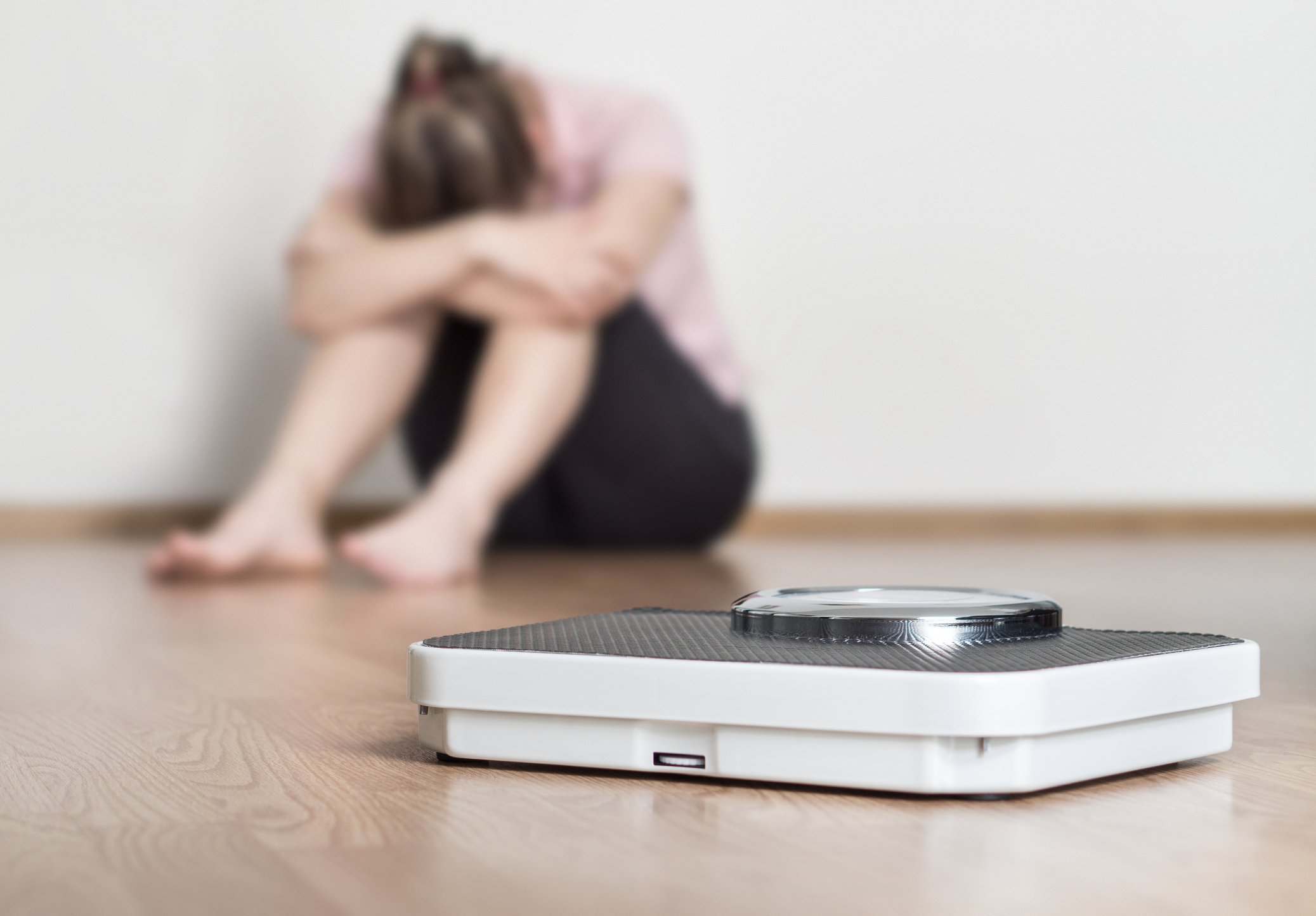
Is Bariatric Surgery Right For You?

Obesity is a growing public health issue in our region.  According to NYC.gov, more than half of New Yorkers are overweight, and nearly a quarter qualify as obese.  The New York City Department of Health and Mental Hygiene, reports that an estimated 23% of the population living in Queens is obese.

These rates are concerning because people who are obese are at an increased risk for developing chronic diseases such as diabetes, stroke, hypertension, heart disease and some cancers.  However, the good news is the risks associated with many of these conditions can be significantly reduced by losing weight.

Diet and exercise are highly recommended methods of weight loss but they may not be enough to yield significant results for those who are obese.   Bariatric surgery offers an extremely effective weight loss solution for people who have tried and failed to lose weight by way of diet and exercise. Additionally, it has been shown to help improve several obesity-related health conditions.

The two most popular bariatric surgeries are the sleeve gastrectomy and gastric bypass procedures. In the sleeve gastrectomy operation, a large portion of the stomach is removed and a smaller, new stomach in the shape of a tube or “sleeve” is created.  During bypass surgery, a new small stomach pouch is created, and a section of the small bowel is bypassed. These surgeries are usually done through small incisions either laparoscopically or using the da Vinci surgical robot, ensuring a minimally invasive approach. Both surgeries offer excellent long-term results and positive outcomes in most patients.

With this is in mind, it is important to understand that bariatric surgery is a major operation, no matter which procedure is chosen.  Bariatric surgery is not an easy way out. It is an important decision to be made under strict physician supervision and with the support of loved ones.  The process is immersive and takes approximately 4-5 months of supervised dieting and being seen by multiple specialties for approval.

Although bariatric surgery is considered safe, it is very important that patients understand the risks of surgery. As with most major surgical procedures, the risks can include bleeding or other complications.

For those who would like to explore non-surgical weight loss procedures, there are options such as the FDA-approved Obalon Balloon System. This involves three air filled balloons inserted via a swallowed capsule. The patient is given no anesthesia and most people return to work the same day. The balloons stay in for six months after which they are removed via endoscopy. The procedure is generally very well tolerated with some side effects such as nausea and cramping. Studies have shown weight loss to continue beyond removal and many patients lose a significant amount of weight.

When deciding which procedure is best for you, it is recommended that you receive an expert consultation with a surgeon. Your physician can assess your health which can lead to the decision on which surgery is suitable for your needs.

To ensure the highest quality care and maximize your chances of a successful weight loss procedure, it is recommended that you receive treatment at a “Bariatric Center of Excellence”, such as Flushing Hospital Medical Center.

Flushing Hospital is the only Center of Excellence in Queens. The process to reach this designation is arduous and ensures that the center and the surgeons are of the highest quality and preparedness. Surgical outcomes are measured very strictly and the capability of both the surgeons and the center must be of the highest caliber when compared nationally.

To make an appointment, please call 718-408-6977.

All content of this newsletter is intended for general information purposes only and is not intended or implied to be a substitute for professional medical advice, diagnosis or treatment. Please consult a medical professional before adopting any of the suggestions on this page. You must never disregard professional medical advice or delay seeking medical treatment based upon any content of this newsletter. PROMPTLY CONSULT YOUR PHYSICIAN OR CALL 911 IF YOU BELIEVE YOU HAVE A MEDICAL EMERGENCY.

CONSTIPATION

According to the Mayo Clinic, chronic constipation is defined as, “Infrequent bowel movements or difficult passage of stools that persists for several weeks or longer.”

To most, occasional constipation is quite common. However, chronic constipation is a condition that may interfere with a person’s capacity to go about their day to day routine.  Many chronic constipation sufferers have less than three bowel movements per week, hard, lumpy stools and difficulty passing their stool.

There are many health conditions that can lead to chronic constipation such as:

  • Irritable Bowel Syndrome
  • Pregnancy
  • Colon cancer
  • Parkinson’s Disease
  • Underactive thyroid
  • Eating disorders

Additional causes for chronic constipation are:

  • Changes to your diet
  • Lack of water or fiber in your diet
  • Consuming an overload of dairy products
  • Not exercising enough
  • Ignoring an urge to move your bowels
  • Stress
  • Overuse of laxatives
  • Medication (i.e. iron supplements)

There are several measures you can take to help with constipation such as, increasing the fiber and fluids in your diet. If you have prolonged constipation or experience unexplained and persistent changes in your bowel movements please make an appointment with a doctor.  If you’d like to schedule an appointment at Flushing Hospital Medical Center’s Ambulatory Care Center call 718-670-5486.


All content of this newsletter is intended for general information purposes only and is not intended or implied to be a substitute for professional medical advice, diagnosis or treatment. Please consult a medical professional before adopting any of the suggestions on this page. You must never disregard professional medical advice or delay seeking medical treatment based upon any content of this newsletter. PROMPTLY CONSULT YOUR PHYSICIAN OR CALL 911 IF YOU BELIEVE YOU HAVE A MEDICAL EMERGENCY.

Compulsive Disorders

Compulsive disorders are characterized by behaviors that are performed repeatedly and of which there is a lack in the ability to control them.

A person who exhibits signs of compulsive behaviors has often undergone some kind of stressful event, abuse or trauma. Some experts believe there may be a genetic component associated with why people are compulsive.

Some of the more common compulsions that people exhibit are eating, hoarding, symmetry, shopping, gambling, exercising and talking. Compulsions very often have themes that include: • Counting • Orderliness • Demanding reassurances • Following a strict routine • Checking and rechecking • Washing and cleaning

The repetitive behaviors are thought to be performed as a way of relieving stress or anxiety. When these behaviors become extreme, they can rule a person’s life. Trying to ignore the obsessions can increase distress and anxiety.

The treatment for compulsive disorders is based on severity and can include cognitive behavioral therapy, the administration of selective serotonin reuptake therapy, or a combination of both. There are rating scales that will help determine the severity of the disorder, one being the “Brief Obsessive-Compulsive Scale” and the other being “Evidence-Based Brief Obsessive Scale”.

If you would like to discuss your condition with a mental health professional at Flushing Hospital, please call 718-670-5486.

All content of this newsletter is intended for general information purposes only and is not intended or implied to be a substitute for professional medical advice, diagnosis or treatment. Please consult a medical professional before adopting any of the suggestions on this page. You must never disregard professional medical advice or delay seeking medical treatment based upon any content of this newsletter. PROMPTLY CONSULT YOUR PHYSICIAN OR CALL 911 IF YOU BELIEVE YOU HAVE A MEDICAL EMERGENCY.

Employee Spotlight – Nancy DeLano-Tomczyk

This month the Flushing Hospital Medical Center’s (FHMC) Employee Spotlight shines on Nancy DeLano-Tomczyk.

Nancy has been a Flushing Hospital Medical Center employee since 1988, and has held many titles including Out Patient Billing Clerk, Payroll Clerk, Payroll Supervisor and currently, Payroll Manager.

Nancy is tasked with keeping updated payroll records by reviewing and approving changes in exemptions, insurance coverage, savings deductions, as well as job titles and department transfers. She is directly responsible for overseeing the hospitals payroll, in other words, she’s the person who makes sure FHMC employees are paid!

Outside of her regular job duties, Nancy, is active in a number of hospital events.  She is a Fit Bit Challenge team member and Co-Chair of the FHMC Celebration committee.  On any given day, you will see Nancy collecting donations for Making Strides Pacesetter and fundraising  for Breast Cancer Awareness, as well as volunteering at the MediSys Annual Golf Outing and participating in the FHMC Halloween Costume Contest; a contest that she has won several times.

Nancy’s greatest loves are her two sons Joseph, 27 and Kevin 24, as well as her beautiful granddaughter, Julianna who she refers to as her “Partner in Crime.”  She spends her free time listening to music, journaling and traveling.  She loves to try new restaurants, go to the movies, Broadway plays, and sifting through garage sales.

Although her job is rewarding, there are challenges.  One challenge is coordinating all the departments to make the deadline when submitting their payroll.

In closing, Nancy shared, “I can honestly say that I never wake up thinking I don’t want to go to work.  I truly enjoy my job and the amazing people I work with.  I consider everyone at Flushing Hospital Medical Center my family.”


All content of this newsletter is intended for general information purposes only and is not intended or implied to be a substitute for professional medical advice, diagnosis or treatment. Please consult a medical professional before adopting any of the suggestions on this page. You must never disregard professional medical advice or delay seeking medical treatment based upon any content of this newsletter. PROMPTLY CONSULT YOUR PHYSICIAN OR CALL 911 IF YOU BELIEVE YOU HAVE A MEDICAL EMERGENCY.

Stuttering

Stuttering, sometimes called stammering or dysfluency is a disruption in the normal patterns of speech. It can take many forms, such as:

Message on chalkboard

• Repeating a sound or a syllable, especially at the beginning of the word, such as “li- li- like.”
• Prolongation of a sound such as “ssssss”
• Complete stoppage of speech or the omission of a sound.
• Repeated interruption of speech with sounds such as “uh” or “um.”

Stuttering can begin at any age, but it’s most common among children who are learning to form words into sentences. Boys are more likely than girls to stutter.

Approximately one out of every 20 children will develop stuttering that lasts for more than six months, but this does not necessarily mean that stuttering is going to be a lifelong problem. Knowing what to look for and responding appropriately to your child’s stuttering will go a long way toward preventing it from becoming a more long-term or even permanent condition.

Why does stuttering begin? At one time many people thought that stuttering was the result of either physical or emotional trauma. While there are rare instances of stuttering following traumatic events, this is not the typical factor when determining why stuttering begins. Instead, experts point to other factors that contribute to stuttering:

• Family History – According to research, 60% of all stutterers have someone in the family who also stutters.
• Child Development. – Children who have other language and speech problems are more likely to stutter than children who don’t.
• Neurophysiology – Which part of the brain processes language can contribute in identifying why some children stutter
• Family Dynamics – Some children’s stuttering has been attributed to high family expectations and a fast-paced lifestyle.

Talk to your doctor if you are concerned about your child’s stuttering. Your doctor may refer you to a specialist known as a speech-language pathologist (SLP) who can evaluate your child and determine whether or not there is a risk of a long-term problem. In most cases, treatment primarily focuses on training and working with the parents to develop techniques to help the child cope with and get beyond his or her stuttering.

Parents of children who stutter can also help by creating a relaxing atmosphere at home that encourages speech, even if a stutter is present. Some tips include:

• Create opportunities for talking that are relaxed, fun, and enjoyable.
• When conversing with your child, try to create an environment with limiting distractions, such as the presence of television.
• Don’t be critical of your child’s speech or insist on precise or correct speech. Don’t correct his speech, or complete his sentences.
• Don’t put pressure on your child to verbally interact with others when stuttering becomes a problem.
• Listen attentively to what your child is saying, maintaining normal eye contact without displaying signs of impatience or frustration.
• Model a slow, relaxed way of speaking to help your child slow down his own speech.
• Don’t be afraid to talk with your child about stuttering and answer questions. Explain that disruptions in speech are common.

All content of this newsletter is intended for general information purposes only and is not intended or implied to be a substitute for professional medical advice, diagnosis or treatment. Please consult a medical professional before adopting any of the suggestions on this page. You must never disregard professional medical advice or delay seeking medical treatment based upon any content of this newsletter. PROMPTLY CONSULT YOUR PHYSICIAN OR CALL 911 IF YOU BELIEVE YOU HAVE A MEDICAL EMERGENCY.

Learn the Facts About Addison’s Disease

Just above each of our kidneys lie our adrenal glands. These glands are part of our endocrine system and are responsible for producing the hormones Cortisol and Aldosterone which help us to convert food into energy, maintain our immune system, and regulate our potassium and blood pressure levels.

When the adrenal glands become damaged they can affect our ability to generate a sufficient amount of these hormones, which could lead to a rare auto-immune disorder called Addison’s disease. This condition affects one in 100,000 people and can occur in all age groups and  both sexes.

While damage to your adrenal glands is the cause of over 70% of the diagnosed cases of Addison’s disease, long lasting infections, such as tuberculosis, HIV, or fungal infections can also lead to its onset. Addison’s disease may also develop after cancer cells spread from other parts of the body to the adrenal glands.

Addison’s disease symptoms usually develop slowly, often over several months, and may include:

  • Extreme fatigue
  • Weight loss and decreased appetite
  • Darkening of your skin (hyperpigmentation)
  • Low blood pressure, even fainting
  • Salt craving
  • Low blood sugar (hypoglycemia)
  • Nausea, diarrhea or vomiting
  • Abdominal pain
  • Muscle or joint pains
  • Irritability
  • Depression
  • Body hair loss or sexual dysfunction in women

Because symptoms of Addison’s disease progress slowly, they may go unrecognized until a physically stressful event, such as another illness, surgery, or an accident, worsens symptoms quickly. When this happens, it’s called an Addisonian crisis. For one in four people with Addison’s disease, this is the first time they realize they are ill. An Addisonian crisis is considered a medical emergency because it can be fatal.

While damage to your adrenal glands is the cause of over 70% of the diagnosed cases of Addison’s disease, long lasting infections, such as tuberculosis, HIV, or fungal infections can also lead to its onset. Addison’s disease may also develop after cancer cells spread from other parts of the body to the adrenal glands.

While Addison’s disease can be life threatening if not treated, those with it can live normal lives if they comply with a treatment plan that includes strict medication management.

All content of this newsletter is intended for general information purposes only and is not intended or implied to be a substitute for professional medical advice, diagnosis or treatment. Please consult a medical professional before adopting any of the suggestions on this page. You must never disregard professional medical advice or delay seeking medical treatment based upon any content of this newsletter. PROMPTLY CONSULT YOUR PHYSICIAN OR CALL 911 IF YOU BELIEVE YOU HAVE A MEDICAL EMERGENCY.

When Is The Best Time To Get The Flu Vaccine ?

Flu season can start in September and run until May. Even before the summer is over, pharmacies start advertising that the flu vaccine is available. While many people believe that the best time to get a flu vaccine is as soon as possible, getting it in October probably is the best option. Some research has shown that the effects of the vaccine start to wear off after six months so we want to make sure we are well protected when the height of the flu season is upon us.

Every year the flu vaccine is different, manufactured with the hope that it will be effective against the prevalent strain expected for that year. It is estimated that it takes approximately two weeks for the vaccine to become fully effective, so being covered early is important. Everyone who is going to be vaccinated wants to be prepared before the peak of the flu season which runs from December to late March. If you would to schedule an appointment for a flu vaccine in the Flushing Hospital Medical Center’s Ambulatory Care Center please call 718-670-5486.


All content of this newsletter is intended for general information purposes only and is not intended or implied to be a substitute for professional medical advice, diagnosis or treatment. Please consult a medical professional before adopting any of the suggestions on this page. You must never disregard professional medical advice or delay seeking medical treatment based upon any content of this newsletter. PROMPTLY CONSULT YOUR PHYSICIAN OR CALL 911 IF YOU BELIEVE YOU HAVE A MEDICAL EMERGENCY.

Benefits of Grandparents Who Help Raise Grandchildren

Studies have shown that raising grandchildren can be mutually beneficial.  Grandparents provide a stable, safe, loving and fun environment for their grandchildren and the closeness between grandchildren and grandparents may keep older adults sharp, ward off depression, boost social connections, and solidify an important family relationship.

Some positive results of grandparents caring for their grandchildren are:

  • Peace of mind – Parents know that their children are with those who love them and are giving them the time an attention their parents can’t while at work.
  • Financial – Childcare is expensive. Parents may be able to save in lieu of paying the high cost of childcare.
  • Flexibility – If the parents are called in to work on an off day, grandparents are generally ready, willing and able to take on whatever was planned for that day.
  • Health – Many grandparents feel that their grandchildren keep them fit and to a grandchild no one can fix a cut or scrape better than a grandparent.
  • Wisdom – Grandparents can impart great wisdom to your child in a way that is much more absorbable than if a parent tries to impart that same wisdom.

Having grandparents help raise your children is a mostly “pro” scenario, but no situation is a perfect one.  Always have a childcare plan “B” in place in case Grandma and Grandpa need a day off.


All content of this newsletter is intended for general information purposes only and is not intended or implied to be a substitute for professional medical advice, diagnosis or treatment. Please consult a medical professional before adopting any of the suggestions on this page. You must never disregard professional medical advice or delay seeking medical treatment based upon any content of this newsletter. PROMPTLY CONSULT YOUR PHYSICIAN OR CALL 911 IF YOU BELIEVE YOU HAVE A MEDICAL EMERGENCY.