World Hand Hygiene Day

Since 2005, the World Health Organization has been  leading a global effort to improve hand hygiene in order to reduce infections among healthcare workers and the patients that they care for. This initiative is recognized on May 5th every year throughout the world.
Proper hand hygiene is very important in keeping germs from spreading from person to person. Hands should be washed:
• Before, during and after preparing food
• Before eating
• Before and after taking care of a person who is ill
• Before treating a wound
• After using the bathroom
• After sneezing, coughing or wiping a runny nose
• After taking out the garbage
• Before coming in to contact with a baby
• After touching pets
Usually warm water and soap are sufficient to clean your hands. If the cleanliness of the water is questionable, a hand sanitizer that contains at least 60 percent alcohol can be used, keeping in mind that it may not remove all chemicals from the skin and doesn’t kill all types of germs.
There is no exact amount of time that hand washing should take but a good rule of thumb is about 20 seconds or about the same amount of time that it takes to sing the Happy Birthday song.

All content of this newsletter is intended for general information purposes only and is not intended or implied to be a substitute for professional medical advice, diagnosis or treatment. Please consult a medical professional before adopting any of the suggestions on this page. You must never disregard professional medical advice or delay seeking medical treatment based upon any content of this newsletter. PROMPTLY CONSULT YOUR PHYSICIAN OR CALL 911 IF YOU BELIEVE YOU HAVE A MEDICAL EMERGENCY.


What to Expect After Your Celiac Disease Diagnosis

celiac disease -485705368If you have received a diagnosis from your doctor that confirms you have celiac disease; it is natural to wonder what comes next.  Many doctors will offer guidelines that may include tips to live gluten-free. While these guidelines are essential, it is also very important that you truly understand your medical condition.

According to the Celiac Disease Foundation, celiac disease is defined as, “a genetic autoimmune disorder where the ingestion of gluten leads to damage in the small intestine.” It is estimated that the disease affects one in every one hundred people worldwide.  If left untreated, celiac disease can cause long-term health conditions such as gall bladder malfunction, infertility or miscarriage, pancreatic insufficiency, early onset osteoporosis or osteopenia as well as vitamin and mineral deficiencies.

In addition to having a better understanding of celiac disease, educating yourself about the changes to expect in your lifestyle, will prove helpful. Some of the changes include:

  • Discarding any food that contains gluten. This means sticking to a strict diet that excludes wheat, barley, farina, oats, rye and other items that are known to have gluten.
  • Excluding certain items from your diet may deprive you of some nutrients; it is recommended that you speak to your doctor about which vitamins and dietary supplements you should take.
  • Evaluating the ingredients in medications; some may have small amounts of gluten.
  • Taking care of your body by exercising and implementing more fruits and fresh vegetables into your diet.
  • Following up with your physician or dietitian as recommended. This is important as it will help them to monitor your nutritional intake and check for deficiencies.

Finding resources that can help you transition or stick to new your lifestyle such as your doctor, support groups, organizations such as the Celiac Disease Foundation, or a local hospital can help make life after your celiac diagnosis a little easier.

All content of this newsletter is intended for general information purposes only and is not intended or implied to be a substitute for professional medical advice, diagnosis or treatment. Please consult a medical professional before adopting any of the suggestions on this page. You must never disregard professional medical advice or delay seeking medical treatment based upon any content of this newsletter. PROMPTLY CONSULT YOUR PHYSICIAN OR CALL 911 IF YOU BELIEVE YOU HAVE A MEDICAL EMERGENCY.

Stress Awareness Month

In 1992, the month of April was designated as Stress Awareness Month.  During this time, health professionals join together to increase the public’s awareness about what causes stress and what can help cure the growing stress epidemic.

Flushing Hospital Medical Center is participating by reaching out to our social media community and sharing some helpful techniques that can assist you in managing your daily stress, such as:

  • Meditation – is helpful to the brain’s neural pathways, making you more resilient to stress
  • Breathing Deeply – triggers our parasympathetic nervous system, neutralizes stress and elicits a calming feeling
  • Exercise – all forms of exercise can ease depression and anxiety by helping the brain releasing feel-good chemicals giving your body a chance to practice dealing with stress
  • Eating Healthy – choosing a diet rich in vegetables, fruits, and fiber may reduce the chance that stress can boost the body’s natural defense system

Prolonged, excessive periods of stress is unhealthy for any individual. A change of mindset can bring about a healthier lifestyle.  That positive change can help you manage stress and bring far-reaching improvement to your health and well being.

For more information and to find out ways you can make a difference visit – http://stressawarenessmonth.com/

All content of this newsletter is intended for general information purposes only and is not intended or implied to be a substitute for professional medical advice, diagnosis or treatment. Please consult a medical professional before adopting any of the suggestions on this page. You must never disregard professional medical advice or delay seeking medical treatment based upon any content of this newsletter. PROMPTLY CONSULT YOUR PHYSICIAN OR CALL 911 IF YOU BELIEVE YOU HAVE A MEDICAL EMERGENCY.
National Poison Prevention Week- First Steps In a Poison Emergency

This week is Poison Prevention Week. Did you know that every year more than 2 million poison-related injuries and deaths are reported in the United States and more than 90 percent of these cases occur in the home?

The majority of poison-related accidents occur among children but can be prevented by taking the proper precautions to store, dispose or conceal items that contribute to these incidents.

The following safety tips are recommended by The American Association of Poison Control Centers and can help you reduce the risk of an accident in your home:

  1. Place the Poison Help number in a place that is easily accessible or in eyesight. That number is 1 (800) 222-1222. Calls are free, confidential, and answered by experts at all times.
  2. Safely store these substances in cabinets with childproof locks or in child-resistant containers:
  • Medications
  • Vitamins
  • Tobacco products, especially liquid nicotine
  • Laundry and cleaning supplies
  • Alcohol
  • Pesticides or insect repellants
  • Hand sanitizers
  • Small batteries
  1. Read medication labels properly before administering.
  2. Never call medication “candy” to encourage children to take it.
  3. Avoid taking medications in front of young children.
  4. Do not use food storage containers to store harmful products such as detergents or pesticides.

While practicing these guidelines should be routine, we invite you to use Poison Prevention Awareness Week as a reminder to ensure that your home is poison safe.

All content of this newsletter is intended for general information purposes only and is not intended or implied to be a substitute for professional medical advice, diagnosis or treatment. Please consult a medical professional before adopting any of the suggestions on this page. You must never disregard professional medical advice or delay seeking medical treatment based upon any content of this newsletter. PROMPTLY CONSULT YOUR PHYSICIAN OR CALL 911 IF YOU BELIEVE YOU HAVE A MEDICAL EMERGENCY.

Multiple Sclerosis Education and Awareness Month

March is Multiple Sclerosis (MS) Education and Awareness Month. In an effort to raise awareness to this disease, Flushing Hospital Medical Center would like to share the following facts about MS.

Multiple Sclerosis is an auto-immune disease that effects the body’s muscles and spinal cord. According to the National Multiple Sclerosis Society, the cause of MS is still unknown. Scientists believe that a combination of environmental and genetic factors contribute to the risk of developing MS.

The progress, severity and specific symptoms of MS in any one person cannot yet be predicted. Most people with MS are diagnosed between the ages of 20 and 50, with at least two to three times more women than men being diagnosed with the disease.

Some symptoms of MS are:

  • vision problems.
  • numbness and tingling.
  • muscle spasms, stiffness and weakness.
  • mobility problems.
  • problems with thinking, learning and planning.
  • depression and anxiety.

Treatment for MS varies depending on the degree of severity.  Some more widely used treatments are oral medications, medical infusions, muscle relaxants and physical therapy.

Often times, a complete neurological exam and medical history are needed to diagnose MS . There is not a specific test that diagnoses MS, instead, a diagnosis of MS may rely on ruling out other conditions that might produce similar signs and symptoms, this is known as a differential diagnosis.

If you are experiencing some of the signs and symptoms of Multiple Sclerosis and would like to see a doctor, you can call Flushing Hospital Medical Center’s Ambulatory Care Center at 718-670-5486 to schedule an appointment.

If you’d like to find out more about Multiple Sclerosis, you can visit: https://www.mayoclinic.org/diseases-conditions/multiple-sclerosis/symptoms-causes/syc-20350269  and nationalmssociety.org


All content of this newsletter is intended for general information purposes only and is not intended or implied to be a substitute for professional medical advice, diagnosis or treatment. Please consult a medical professional before adopting any of the suggestions on this page. You must never disregard professional medical advice or delay seeking medical treatment based upon any content of this newsletter. PROMPTLY CONSULT YOUR PHYSICIAN OR CALL 911 IF YOU BELIEVE YOU HAVE A MEDICAL EMERGENCY.

National Bleeding Disorders Awareness Month – Hemophilia

March is recognized as Bleeding Disorders Awareness Month. This observance raises awareness for bleeding disorders such as hemophilia.

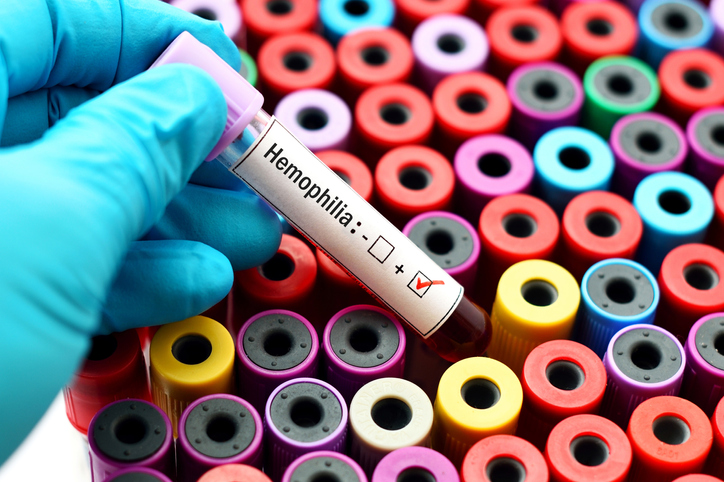
Hemophilia is a genetic disorder that slows the blood clotting process. It is estimated that hemophilia occurs in 1 in every 5,000 male births in the United States.  The disorder very rarely develops in girls.

According to the Centers for Disease Control and Prevention, “Hemophilia is caused by a mutation or change, in one of the genes, that provides instructions for making the clotting factor proteins needed to form a blood clot. This change or mutation can prevent the clotting protein from working properly or to be missing altogether.”

Because people with hemophilia lack sufficient blood clotting proteins, this causes them to bleed longer than they normally should.  Bleeding can occur spontaneously or following an injury. Other common signs and symptoms that they may experience include:

  • Bleeding into the joints can lead to swelling, tightness or pain (This most commonly affects the ankles, knees and elbows)
  • Bleeding from the mouth and gums
  • Bleeding after receiving vaccinations or injections
  • Blood in the urine or stool
  • Frequent and hard-to-stop nosebleeds
  • Bleeding into the skin (bruises)
  • Bleeding into soft tissue and muscle (hematomas)

A diagnosis of hemophilia is determined after blood has been tested to reveal a clotting-factor deficiency.  If it is found that the blood is not clotting as it should, tests known as factor assays are required to explore the cause.  In severe cases, the disorder can be diagnosed within the first year of a child’s life. People with a family history of hemophilia are encouraged to have their baby boys tested soon after birth.

One of the most common approaches for treating hemophilia is to replace the missing blood clotting factor. This treatment is administered through a tube placed in the vein. Other forms of treatment can include taking clot-preserving medications, injecting the hormone Desmopressin (DDAVP), applying fibrin sealants, and participating in physical therapy.

There are several measures that a person living with hemophilia can take to reduce the chances of injury or excessive bleeding.  The following are recommended: avoid taking blood-thinning medications, exercise regularly (contact sports should be avoided), practice good dental hygiene and avoid certain pain medications that can aggravate bleeding such as aspirin.

All content of this newsletter is intended for general information purposes only and is not intended or implied to be a substitute for professional medical advice, diagnosis or treatment. Please consult a medical professional before adopting any of the suggestions on this page. You must never disregard professional medical advice or delay seeking medical treatment based upon any content of this newsletter. PROMPTLY CONSULT YOUR PHYSICIAN OR CALL 911 IF YOU BELIEVE YOU HAVE A MEDICAL EMERGENCY.

Employee Spotlight – Gabrielle Medina

Flushing Hospital Medical Center’s February Employee Spotlight shines on Patient Navigator, Gabrielle Medina.  Ms. Medina is being recognized for her tireless efforts to register fellow employees to receive the COVID-19 vaccine.  Gabrielle Medina registered more than 1000 hospital employees and their eligible family members. Her efforts did not go unnoticed by our hospital administrators and her colleagues. Throughout the entire time, she remained calm, courteous and professional.  For these and so many other reasons, Gabrielle Medina is our February Employee Spotlight.

All content of this newsletter is intended for general information purposes only and is not intended or implied to be a substitute for professional medical advice, diagnosis or treatment. Please consult a medical professional before adopting any of the suggestions on this page. You must never disregard professional medical advice or delay seeking medical treatment based upon any content of this newsletter. PROMPTLY CONSULT YOUR PHYSICIAN OR CALL 911 IF YOU BELIEVE YOU HAVE A MEDICAL EMERGENCY.

National Healthy Weight Week

The third week in January is designated as National Healthy Weight Week. In an effort to promote a healthy nutritional lifestyle, Flushing Hospital Medical Center would like to offer the following tips to help you achieve and maintain a healthy weight.

  • Set a Goal – You can’t set out on a mission to lose weight without knowing how you are going to do it. Create a detailed weight-loss plan and set a goal that is specific, measurable and realistic.
  • Be Patient – In most cases if you make modest adjustments in your lifestyle, you can lose the weight gradually, but steadily. Dietary changes are typically easier to follow when you take slow, small steps.
  • Drink Plenty of Water – Water is free of calories, inexpensive and provides your body with a quenching boost. Recommendations are to drink eights cups of water every day, but if that is unrealistic, try slowly increasing your intake by drinking a few ounces more than you did the previous day.
  • Avoid temptations to snack– It is very easy to lose track of how much we eat when we are constantly nibbling on snacks. To avoid constant grazing, try chewing gum or drinking water.  If you must snack, try choosing healthy alternatives.
  • Make a Deal to Indulge – Definitely remove your dietary weakness from your home, but totally banning your favorite foods is bound to backfire. Instead of totally eliminating temptations from your life, allow yourself to modestly indulge once a week.
  • Begin a Manageable Workout Program – Forking over money on an annual gym membership can be helpful, but simply signing up isn’t enough. Instead of setting unrealistic workout goals, create a convenient and realistic workout routine at home.
  • Have a Friend Help You – Starting healthy nutritional lifestyle can be more effective if you have someone to hold you accountable. Teaming up with a weight-loss companion can assist you reach your goal by helping you stick to your diet and accompany you with your workout routine.
  • Weigh yourself – Regular weight check-ins can help you maintain your desired weight. Keep track of your progress and, if you see a trend toward gaining weight, you can revert back to the steps you took to begin your weight loss.

Hopefully, these tips will help you reach and maintain your weight loss goals in 2021. If however, you need professional assistance, Flushing Hospital’s Bariatric Center can help. They offer a variety of non-invasive, medically managed surgical weight loss options for those who qualify.

To make an appointment, please call 718-670-8908.


All content of this newsletter is intended for general information purposes only and is not intended or implied to be a substitute for professional medical advice, diagnosis or treatment. Please consult a medical professional before adopting any of the suggestions on this page. You must never disregard professional medical advice or delay seeking medical treatment based upon any content of this newsletter. PROMPTLY CONSULT YOUR PHYSICIAN OR CALL 911 IF YOU BELIEVE YOU HAVE A MEDICAL EMERGENCY.

January is Thyroid Awareness Month

The thyroid gland serves many functions. It regulates our rate of metabolism, growth and development, and our body temperature. So when it isn’t working properly it can have a major impact on our health.

ThinkstockPhotos-505568323According to the American Association of Clinical Endocrinologists (AACE), thyroid disease is a more common disorder than diabetes or heart disease. It affects as many as 30 million Americans, more than half of whom remain undiagnosed. To raise awareness about the thyroid gland and symptoms of thyroid disease, January has been designated Thyroid Awareness Month.

The thyroid is a small, butterfly-shaped gland located in the base of the neck.. Although small in size, the gland plays a large role by producing thyroid hormone which influences the function of many of the body’s most important organs, including the heart, brain, liver, kidneys and skin. When the thyroid gland is not producing the right amount of hormone (either too much or too little), problems can start to arise.

Hypothyroidism occurs when the thyroid does not produce enough hormones. This can result in a range of symptoms that include unexplained fatigue, weight gain, depression, forgetfulness, feeling cold, hair loss, or low sex drive. Hyperthyroidism, on the other hand, is a condition when the body produces an abundance of thyroid hormones. Symptoms of hyperthyroidism include rapid heart rate, heat intolerance and unexplained weight loss and anxiety. For both hypothyroidism and hyperthyroidism, medication can be prescribed to regulate hormone levels.

A more serious concern involving the thyroid gland is thyroid cancer, which can develop independent of the above thyroid disease. According to the AACE, about 60,000 cases of thyroid cancer are diagnosed annually in the U.S. In most cases, thyroid cancer has a good prognosis and high survival rates—especially when diagnosed in its early stages.

Through attention raised by Thyroid Awareness Month, more and more primary care physicians are screening for thyroid disease, which has greatly helped those who would have otherwise had their condition go undiagnosed.

Flushing Hospital is proud to help raise awareness for thyroid disease and encourages everyone experiencing symptoms to ask their doctor to do an evaluation. If you do not have a doctor, call Flushing Hospital’s Ambulatory Care Center to make an appointment at 718-670-5486.

All content of this newsletter is intended for general information purposes only and is not intended or implied to be a substitute for professional medical advice, diagnosis or treatment. Please consult a medical professional before adopting any of the suggestions on this page. You must never disregard professional medical advice or delay seeking medical treatment based upon any content of this newsletter. PROMPTLY CONSULT YOUR PHYSICIAN OR CALL 911 IF YOU BELIEVE YOU HAVE A MEDICAL EMERGENCY.

National Birth Defects Prevention Month

January is National Birth Defects Prevention Month.  It is a time for raising awareness of how frequently birth defects can occur and what can be done to help prevent them.

Birth defects are defined as conditions that are present when a baby is born and can affect nearly every part of the body.  Conditions such as cleft lip can be easily diagnosed.  Other conditions such as deafness or heart defects may only be discovered after diagnostic testing.

The largest number of birth defects occurs during the first three months of gestation. In the U.S. approximately 120,000 babies are born with birth defects each year.

The 10 most common birth defects in the US, according to the Centers for Disease Control and Prevention (CDC) are:

  • Down syndrome
  • Cleft lip (with or without cleft palate)
  • Atrioventricular septal defect (hole in the heart)
  • Absence of malformation of the rectum and/or large intestine
  • Gastroschisis (hole in the abdominal wall)
  • Tetralogy of Fallot (a combination of heart defects)
  • Spina bifida without anencephaly
  • Reduction deformity, upper limbs
  • Reversal of the heart’s two main arteries

Although birth defects can’t always be prevented, there are plenty of steps pregnant women can take to help reduce the risk.

The womenshealth.gov website offers these suggestions:

  • Make regular visits to your doctor throughout pregnancy
  • Get 400mcg of folic acid each day through diet or supplements
  • Don’t smoke, use illegal drugs or drink alcohol while you are pregnant
  • Always check with your doctor before taking any medication
  • Get all vaccinations recommended by your doctor
  • If you have diabetes, keep it under control
  • Stick to a healthy weight

You may also request a pre-pregnancy or early pregnancy screening test in order to spot potential or real birth defects.  The types of tests include a carrier test to see if you or your partner carries potentially harmful genes, as well as screening and diagnostic tests that can determine risks for and detect genetic disorders.

If you are pregnant, or planning to be, and want to discuss your options with one of our doctors, the Women’s Health Center at Flushing Hospital Medical Center is centrally located and has convenient hours; to make an appointment call 718-670-8992.


All content of this newsletter is intended for general information purposes only and is not intended or implied to be a substitute for professional medical advice, diagnosis or treatment. Please consult a medical professional before adopting any of the suggestions on this page. You must never disregard professional medical advice or delay seeking medical treatment based upon any content of this newsletter. PROMPTLY CONSULT YOUR PHYSICIAN OR CALL 911 IF YOU BELIEVE YOU HAVE A MEDICAL EMERGENCY.