Preparing for Allergy Season

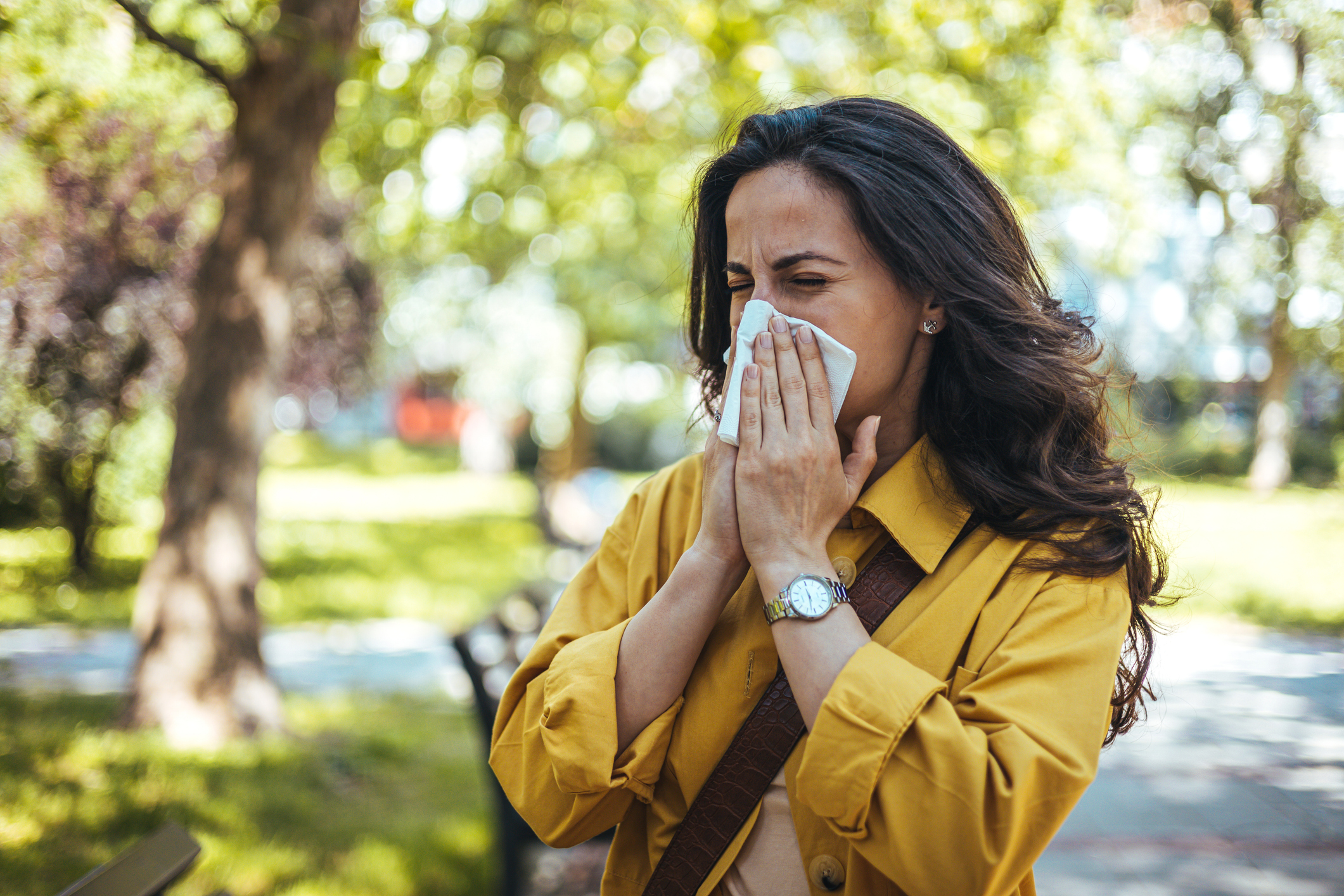
Spring has arrived, and with it comes longer days, warmer weather, and the blooming of trees and flowers. However, as trees and flowers bloom they release pollen, causing those who suffer from seasonal allergies to experience allergy symptoms. Spring allergy symptoms can include:

  • Runny nose
  • Watery eyes
  • Sneezing
  • Itchy eyes and nose
  • Dark circles under your eyes.

Some ways you can reduce your exposure to allergy triggers include:

  • Staying indoors on dry, windy days. The best time to go outside is after a good rain, which helps clear pollen from the air.
  • Avoiding garden chores like mowing the lawn and pulling weeds that stir up allergens.
  • Removing clothes worn outside and showering to rinse pollen from your skin and hair.
  • Avoid hanging laundry outside because pollen can stick to sheets and towels.
  • Wearing a face mask when doing chores outside.
  • Checking your local TV or the internet for pollen forecasts and the current pollen levels.
  • Taking allergy medication before symptoms start or if high pollen counts are forecasted.
  • Closing doors and windows at night when there are high pollen counts.
  • Avoiding outdoor activity when pollen counts are highest.

There isn’t a miracle product that can get rid of all allergens from the air in your home, but ways to keep indoor air clean include:

  • Using air conditioning in your house.
  • Using high-efficiency filters if you have a forced air conditioning or heating system, and following regular maintenance schedules.
  • Keeping indoor air dry with a dehumidifier.
  • Using a portable HEPA filter in your bedroom.
  • Cleaning floors with a vacuum cleaner that has a HEPA filter regularly.

Here are some over-the-counter medications that can help ease allergy symptoms:

  • Oral antihistamines
  • Corticosteroid nasal sprays
  • Cromolyn sodium nasal spray
  • Oral decongestants

If you are experiencing seasonal allergy symptoms, you can get an allergy test and treatment at Flushing Hospital Medical Center’s Ambulatory Care Center. To schedule an appointment, please call (718) 670-5486.

All content of this newsletter is intended for general information purposes only and is not intended or implied to be a substitute for professional medical advice, diagnosis or treatment. Please consult a medical professional before adopting any of the suggestions on this page. You must never disregard professional medical advice or delay seeking medical treatment based upon any content of this newsletter. PROMPTLY CONSULT YOUR PHYSICIAN OR CALL 911 IF YOU BELIEVE YOU HAVE A MEDICAL EMERGENCY.


Remedies for Sinus Congestion- Nasal Irrigation

Sinus congestion happens when an irritant irritates the tissues lining the inside of your nose. The irritation sets off a chain reaction of inflammation, swelling, and mucus production, making it difficult to breathe through your nose. When left untreated, nasal congestion can cause sinusitis, nasal polyps, or middle ear infections.

Sinus congestion symptoms can include:

  • Sneezing
  • Coughing
  • Headaches

There are many causes of sinus congestion, with the most common causes being viruses, bacteria, and allergens. Other causes of sinus congestion include:

  • Smoking
  • Frequent travel

You may deal with sinus pressure, pain, and more when you suffer from sinus congestion. A good remedy for sinus congestion is nasal irrigation.

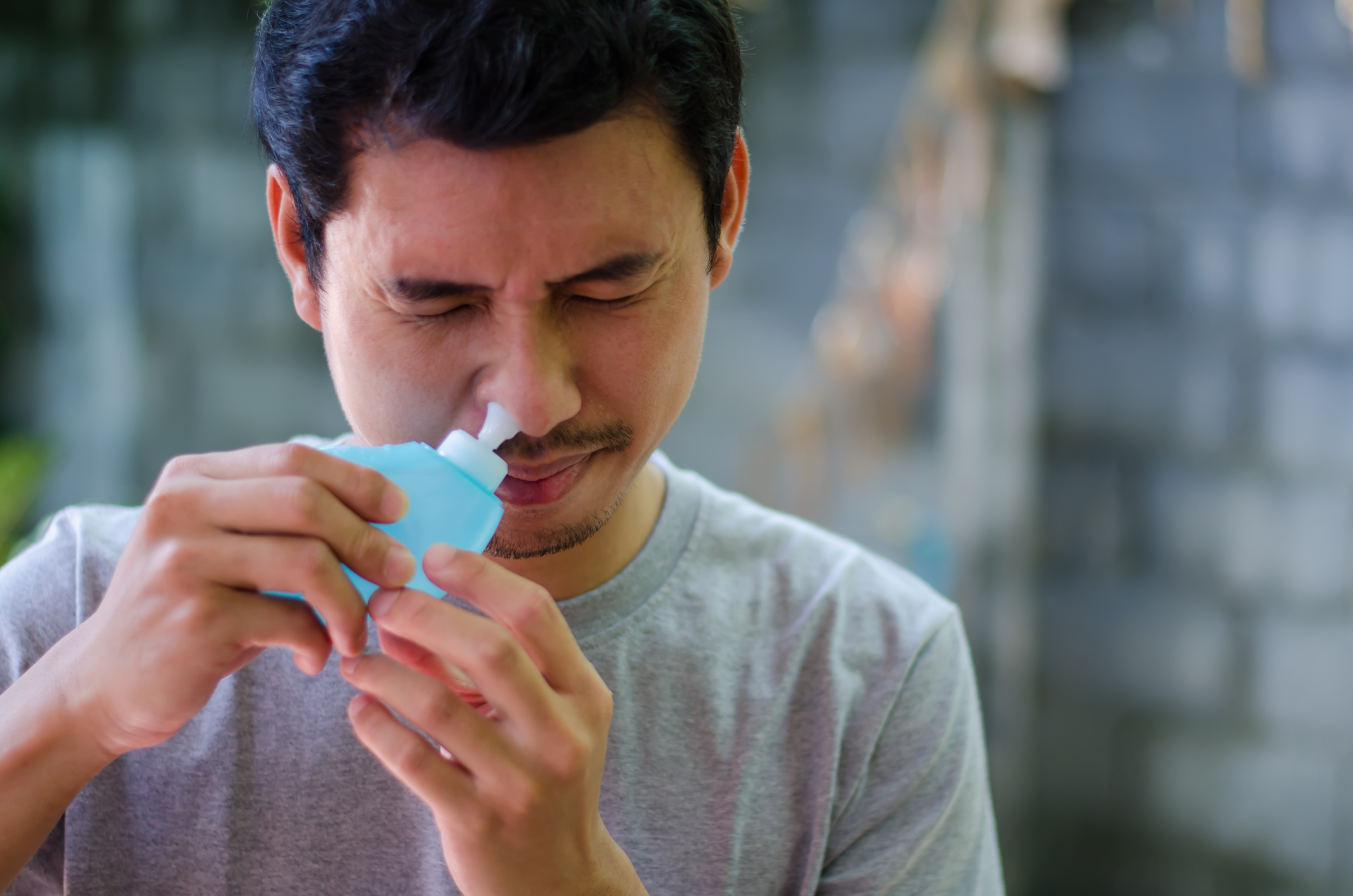
Nasal irrigation is an at-home treatment used to rinse your sinuses when they are clogged. With nasal irrigation, you flush away the clog using a saline solution with a Neti pot or a rinse bottle. Irrigation thins the mucus causing the clog and rinses away any substances that cause swelling.

Using water that doesn’t contain substances that could irritate your sinuses or make you sick is essential. Most water contains trace amounts of minerals, germs, pesticides, and other substances. You don’t want to introduce these substances to your sinuses during nasal irrigation. The water that should be used for nasal irrigation includes:

  • Distilled or sterile water- distilled water is purified. It has gone through a process to remove materials that could irritate your nasal passageways and germs that may make you sick.
  • Boiled water- boiling water kills harmful organisms like bacteria. Boil water for five minutes to ensure you have killed all the germs. If you can’t use it immediately, place a lid on the container and use it within 24 hours.
  • Filtered water- certain water filters remove harmful organisms making the water safe to use. The Centers for Disease Control (CDC) offers detailed guidance about which filters are safe for nasal irrigation.

Unfortunately, not everyone can use nasal irrigation. You shouldn’t use nasal irrigation if you:

  • Have an ear infection
  • Have pressure in one or both ears
  • Have a nostril that is completely blocked
  • Had recent surgery on your ears or sinuses

If you cannot use nasal irrigation, some alternative remedies for sinus congestion include:

  • Drinking fluids
  • Moisturizing your sinuses
  • Applying warm compresses to your face
  • Sleeping with your head elevated
  • Eating spicy foods
  • Taking a decongestant
  • Trying a nasal spray

If you are experiencing any problems from sinus congestion, visit Flushing Hospital Medical Center’s Ambulatory Care Center. To schedule an appointment, please call (718) 670-5486. If there is an emergency, please call 911.

All content of this newsletter is intended for general information purposes only and is not intended or implied to be a substitute for professional medical advice, diagnosis or treatment. Please consult a medical professional before adopting any of the suggestions on this page. You must never disregard professional medical advice or delay seeking medical treatment based upon any content of this newsletter. PROMPTLY CONSULT YOUR PHYSICIAN OR CALL 911 IF YOU BELIEVE YOU HAVE A MEDICAL EMERGENCY.

What Is Oil Pulling, And Can It Benefit Your Dental Health?

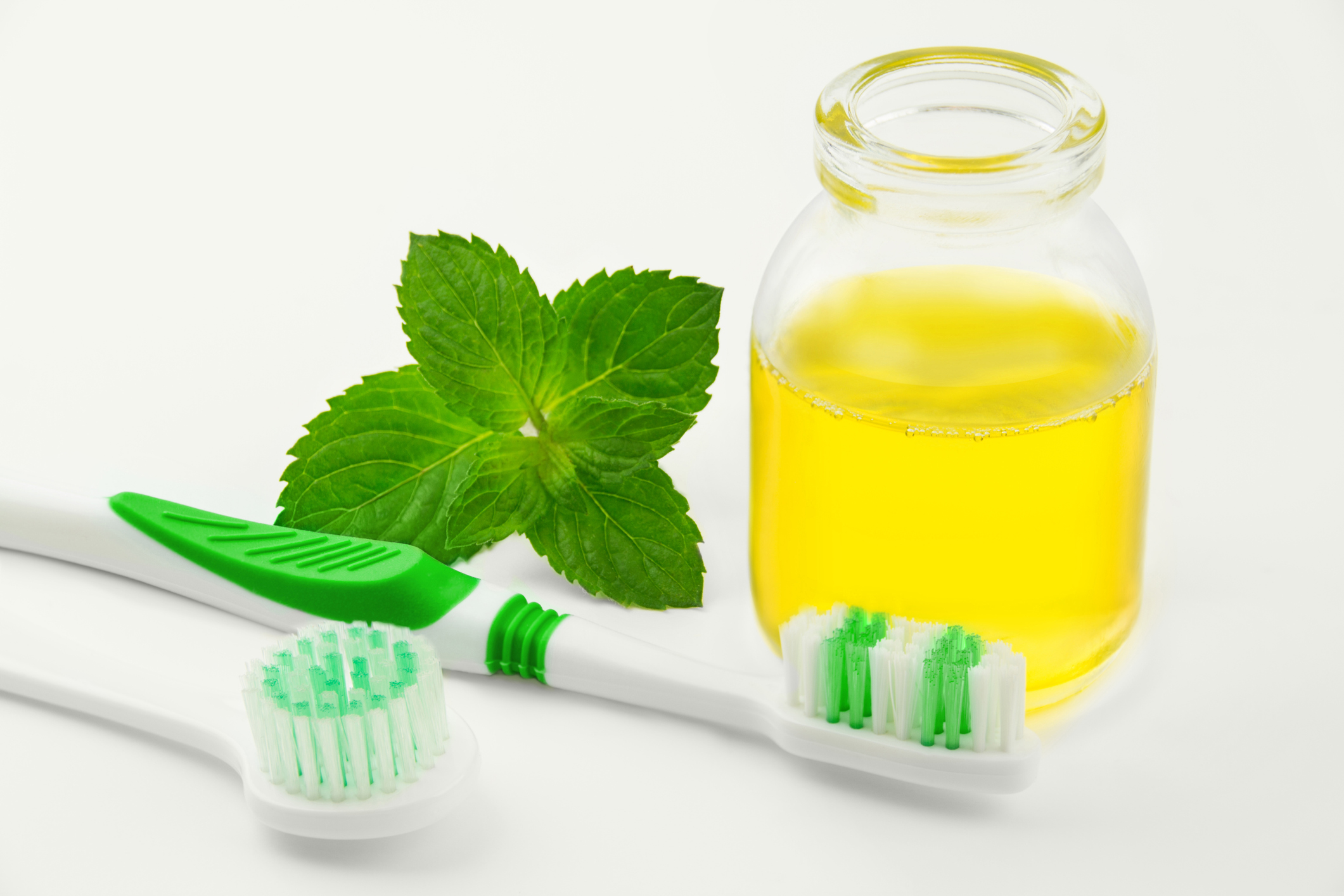
Oil pulling is an ancient home remedy that’s purported to significantly improve dental health in a variety of ways. It involves swishing about a tablespoon of oil around your mouth for 15 to 20 minutes, similarly to the way a person would use mouthwash. Most types of oil can be used for oil pulling, but extra virgin coconut oil is used most often.

Some of the commonly-claimed benefits of oil pulling have at least some scientific evidence to support them. These include:

Reducing bacteria in the mouth: Two studies (one for adults and one for children) examining the effects of oil pulling on bacteria in the mouth have found that this practice can be effective for significantly reducing Streptococcus mutans, one of the key bacteria that causes plaque buildup and tooth decay.

Improving bad breath: Some research has also demonstrated that oil pulling can be an effective treatment for bad breath. This benefit is believed to derive from the effectiveness of oil pulling when it comes to eliminating bacteria in the mouth; bad breath is often caused by chemicals and gases produced by these bacteria.

Treating gingivitis: The effectiveness of oil pulling for eliminating oral bacteria can also help with reducing inflammation of the gums (also known as gingivitis). Gingivitis often occurs as a result of the body’s immune system attacking these bacteria.

On the other hand, some of the other supposed benefits of oil pulling do not have any supporting scientific evidence. One common claim, for example, is that oil pulling can draw toxins from the blood; another is that it can whiten your teeth. At this time, no research so far has confirmed either of these claims.

If you’re experiencing dental health problems such as bad breath or gingivitis, it’s important for you to visit a dentist to ensure that you’re receiving the most effective treatment possible. To schedule an appointment at Flushing Hospital Medical Center’s Department of Dental Medicine, please call (718) 670-5521.


All content of this newsletter is intended for general information purposes only and is not intended or implied to be a substitute for professional medical advice, diagnosis or treatment. Please consult a medical professional before adopting any of the suggestions on this page. You must never disregard professional medical advice or delay seeking medical treatment based upon any content of this newsletter. PROMPTLY CONSULT YOUR PHYSICIAN OR CALL 911 IF YOU BELIEVE YOU HAVE A MEDICAL EMERGENCY.
How can using a humidifier affect your health ?

A humidifier works by adding moisture to the air, especially in cold weather when the air indoors tends to be dry. One of the benefits of having a humidifier is that when used properly they can lessen the risk of colds and flu germs. This is due to the fact that viruses tend to spread more easily in air that is dry, which is more common in cold weather.

Other benefits of having a humidifier include relieving:
• dry skin
• dry throat
• chapped lips
• irritation of the nasal passages
• nose bleeds
• headaches
• sinus problems

The proper room humidity level is between 30 and 50 percent. This is important because too much humidity can cause respiratory problems, mold and mildew to grow, and allow the growth of dust mites.

There are risks of using a humidifier if not used properly. Burns can occur if a person comes in contact with the steam. If the water tank isn’t cleaned properly, bacteria can grow and spread throughout the home.

Speak to your doctor about using a humidifier in your home. You can also schedule an appointment with a doctor at Flushing Hospital Medical Center by calling 718-670-5486 if you would like to discuss ways to keep healthy during the winter months.

All content of this newsletter is intended for general information purposes only and is not intended or implied to be a substitute for professional medical advice, diagnosis or treatment. Please consult a medical professional before adopting any of the suggestions on this page. You must never disregard professional medical advice or delay seeking medical treatment based upon any content of this newsletter. PROMPTLY CONSULT YOUR PHYSICIAN OR CALL 911 IF YOU BELIEVE YOU HAVE A MEDICAL EMERGENCY.

Dark Chocolate and Other Home Remedies for Colds

chocolate-99508567Having a coughing fit?  A piece of dark chocolate may calm your cough. In research conducted by London’s Imperial College, it was found that theobromine, an alkaloid found in cocoa, suppresses coughs. According to WebMD, “Researchers say theobromine appears to calm coughs by suppressing the vagal nerve activity.” In other words, the ingredient helps to protect the nerve endings in your throat which triggers your urge to cough.

In addition to eating dark chocolate in moderation, here are a few more home remedies that can help to quiet your cough:

  • Honey
  • Lemon
  • Sipping warm liquids such as soup, tea or warm apple juice
  • Hydration-drinking plenty of water
  • Saline rinses
  • Ginger (ginger tea recipe https://www.flushinghospital.org/)

It is recommended that you speak with your doctor before trying these remedies, as each person’s case and medical condition is unique.

All content of this newsletter is intended for general information purposes only and is not intended or implied to be a substitute for professional medical advice, diagnosis or treatment. Please consult a medical professional before adopting any of the suggestions on this page. You must never disregard professional medical advice or delay seeking medical treatment based upon any content of this newsletter. PROMPTLY CONSULT YOUR PHYSICIAN OR CALL 911 IF YOU BELIEVE YOU HAVE A MEDICAL EMERGENCY.
Home Remedies for Foot Odor

feet -450795759The medical term for foot odor is bromodosis.  The main cause for this common condition is excessive perspiration. Sweaty feet create the perfect environment for odor-causing bacteria to develop.  Additional causes for foot odor may include stress, medication, hormonal changes, alcohol and drug use, fungal infections or poor hygiene.

Foot odor can be embarrassing and can affect anyone; however, there are simple and inexpensive remedies that can be used at home to help eliminate the smell.  Here are a few:

  • Wash your feet twice a  day with antibacterial soap
  • After a bath, use a cotton swab to dab between the toes with rubbing alcohol
  • Soak your feet in salt water or baking soda
  • Bathe  your feet in vinegar
  • Clean and scrub feet with a pumice stone
  • Sprinkle corn starch into your socks
  • Wear fresh socks and change them regularly (moisture absorbing socks are best)
  • Change your shoes regularly to allow them to dry and air properly. Podiatrist recommend that you do not wear the same shoes for two consecutive days

If an odor persists after trying these remedies, it is recommended that you see a podiatrist.   There are several courses of treatment your doctor may recommend. Depending on the severity of your case, prescription–strength products, the use of electrical devices to eliminate perspiration or a surgical procedure that helps to control sweating are a few of the options your podiatrist may explore.

All content of this newsletter is intended for general information purposes only and is not intended or implied to be a substitute for professional medical advice, diagnosis or treatment. Please consult a medical professional before adopting any of the suggestions on this page. You must never disregard professional medical advice or delay seeking medical treatment based upon any content of this newsletter. PROMPTLY CONSULT YOUR PHYSICIAN OR CALL 911 IF YOU BELIEVE YOU HAVE A MEDICAL EMERGENCY.