Anorexia

Anorexia nervosa-often used interchangeably with anorexia, is an eating disorder and psychological condition characterized by having a distorted body image (believing one is much heavier than they are), and the intense fear of gaining weight or becoming obese.

The exact cause for anorexia nervosa is unknown; however, there are several environmental, biological and psychological factors believed to contribute to its development.

Individuals with anorexia nervosa aim to maintain a low body weight that is abnormal for their height and age. This is typically achieved by practicing unhealthy weight loss habits such as:

  • Exercising excessively
  • Severely restricting the amount of food consumed
  • Vomiting after eating
  • Misusing, diuretics, laxatives or diet aides

The symptoms of anorexia nervosa can be physical, emotional or behavioral, and may vary from person to person.

Physical symptoms can include:

  • Extreme weight loss
  • Severe loss of muscle mass
  • Fatigue
  • Thinning hair or hair that breaks easily
  • Fainting or dizziness
  • Infertility
  • Lanugo- soft, downy hair that covers the body

Emotional and behavioral symptoms may include:

  • An unhealthy preoccupation with food
  • Excessive concern about  being overweight
  • Adopting eating rituals such as chewing food and spitting it out
  • Lying about food intake
  • Avoiding eating in public
  • Repeated weighing or measuring of the body
  • Social withdrawal

Most individuals with anorexia nervosa hesitate to seek help because their desire to stay thin often outweighs their concerns for being healthy. However, anorexia nervosa can be life-threatening, so it is important that they receive the immediate care of physicians and mental health experts to help with overcoming this condition.

The diagnosis of anorexia nervosa generally includes physical exams, lab tests and psychological evaluations.  Treatment is often administered by a team of healthcare professionals who are experienced in dealing with eating disorders such as a primary care doctor, dietitian and psychologist.  A care plan may include medication, psychotherapy and nutrition education.

All content of this newsletter is intended for general information purposes only and is not intended or implied to be a substitute for professional medical advice, diagnosis or treatment. Please consult a medical professional before adopting any of the suggestions on this page. You must never disregard professional medical advice or delay seeking medical treatment based upon any content of this newsletter. PROMPTLY CONSULT YOUR PHYSICIAN OR CALL 911 IF YOU BELIEVE YOU HAVE A MEDICAL EMERGENCY.
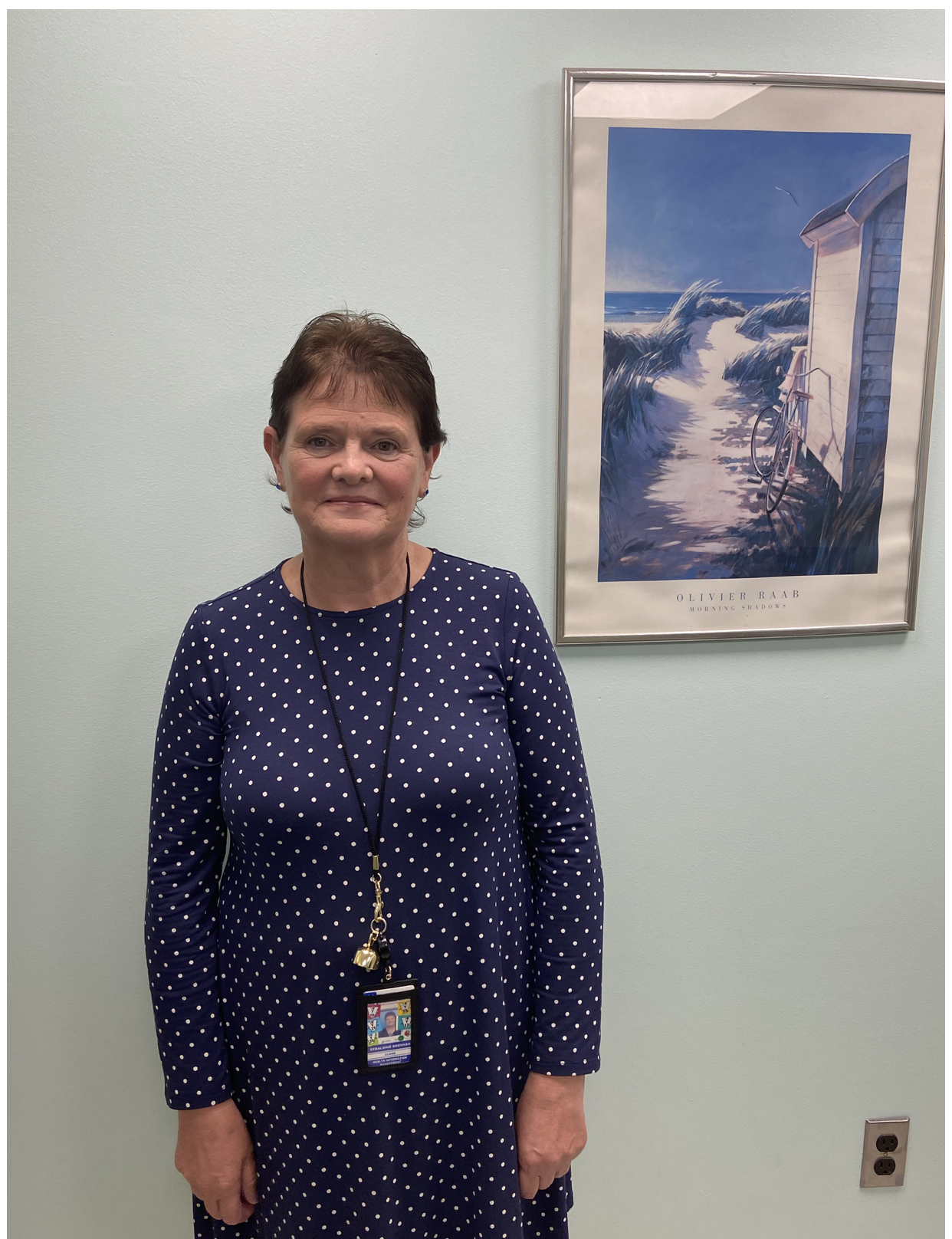

October Employee Spotlight – Geraldine Brennan

Flushing Hospital Medical Center’s (FHMC) October Employee Spotlight shines on Geraldine Brennan. Geraldine is a Health Information Clerk in our Medical Records Department.

Geraldine has been a valued employee for the past 11 years.  She has one son, Patrick, who also works in healthcare and a daughter, Anna, who is an educator.

In her off time, Geraldine likes to take walks and reads.  She is active in her church and community civic projects.

The most rewarding part of her job is seeing how happy the patients are when you take the time to help them and provide what they need.  Although Geraldine always gives each request priority attention, there are some requests that are unique and are more difficult to provide information in a most efficient manner.

Even when those unique situations arise, Geraldine is always courteous, professional and works tirelessly to be sure all patient requests are met.

For these and so many other reasons, Geraldine Brennan is FHMC’s October Employee Spotlight

All content of this newsletter is intended for general information purposes only and is not intended or implied to be a substitute for professional medical advice, diagnosis or treatment. Please consult a medical professional before adopting any of the suggestions on this page. You must never disregard professional medical advice or delay seeking medical treatment based upon any content of this newsletter. PROMPTLY CONSULT YOUR PHYSICIAN OR CALL 911 IF YOU BELIEVE YOU HAVE A MEDICAL EMERGENCY.

World Psoriasis Day is October 29th

October 29th has been designated as World Psoriasis Day by the International Federation of Psoriasis Association to raise awareness about this disease. It is estimated that worldwide there are 125 million people worldwide who have psoriasis.

Psoriasis is a chronic, reoccurring, immune related inflammatory disorder of the skin. It is believed to have a genetic component which means it can run in families. The disease usually starts to appear in the younger years and continues into adulthood, and it affects men and women equally. There is no known cause other than it is triggered by a malfunctioning of the immune system.  Psoriasis is unsightly but is not contagious.

Psoriasis presents as reddish plaques on the skin with silvery scales. These lesions can be very painful and itchy. It can also affect the joints (psoriatic arthritis) which can cause physical and functional deformity. There is no cure for the disease, but treatments do exist that make the skin lesions less painful and less visible.

To make an appointment with a dermatologist at Flushing Hospital Medical Center’s Ambulatory Care Center, please call  718-670-5486

All content of this newsletter is intended for general information purposes only and is not intended or implied to be a substitute for professional medical advice, diagnosis or treatment. Please consult a medical professional before adopting any of the suggestions on this page. You must never disregard professional medical advice or delay seeking medical treatment based upon any content of this newsletter. PROMPTLY CONSULT YOUR PHYSICIAN OR CALL 911 IF YOU BELIEVE YOU HAVE A MEDICAL EMERGENCY.
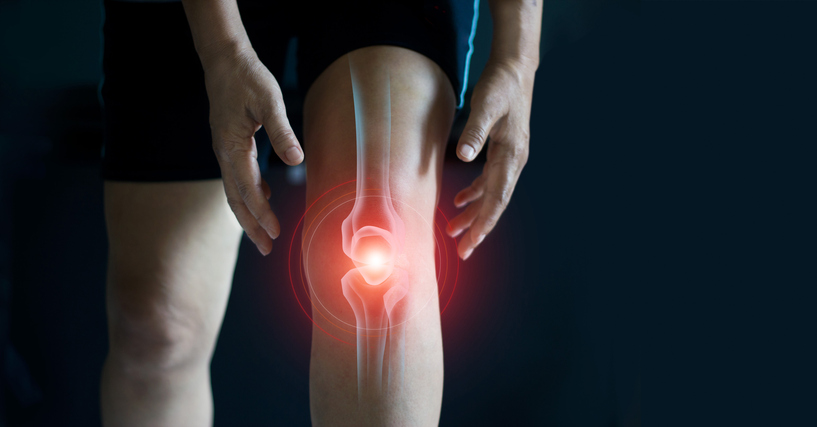
Is Your Pain From Osteoarthritis Or Another Similar Condition ?

Osteoarthritis is a common joint disease that typically affects parts of the body where joints are weight bearing such as the knees, hips, spine, hands or feet. It is caused by the wearing down of cartilage which is the tissue that cushions the bones where they meet each other to form a joint. Over time, the loss of cartilage will lead to bone rubbing against bone which causes them to erode and become painful with motion.

Osteoarthritis is sometimes mistaken for similar diseases that also cause joint pain. Some of these diseases include:

  • Psoriatic arthritis
  • Rheumatoid arthritis
  • Lupus
  • Reactive arthritis
  • Lyme disease

A characteristic that distinguishes osteoarthritis from these diseases is the way that joint pain presents itself. For those suffering from osteoarthritis, pain usually occurs as a result of exertion of the joints, and typically occur during or after movement. The diseases that present with some of the same characteristics, movement within a joint is not usually reason for the pain to occur.

Diagnosing osteoarthritis is done by performing lab tests to check for indicators in the blood and also by performing x-rays to check for distinctive patterns of bone and joint involvement.

If you are experiencing symptoms of osteoarthritis such as joint pain or limited mobility, you can make an appointment with a specialist known as a rheumatologist who can make a diagnosis. Treatment of the disease may include medications, therapy or surgery.

To schedule an appointment with a physician at Flushing Hospital Medical Center please call 718-670-5486.

All content of this newsletter is intended for general information purposes only and is not intended or implied to be a substitute for professional medical advice, diagnosis or treatment. Please consult a medical professional before adopting any of the suggestions on this page. You must never disregard professional medical advice or delay seeking medical treatment based upon any content of this newsletter. PROMPTLY CONSULT YOUR PHYSICIAN OR CALL 911 IF YOU BELIEVE YOU HAVE A MEDICAL EMERGENCY.
October Is Breast Cancer Awareness Month. Are You At Risk?

Breast Cancer awareness campaigns have empowered women to take a pro-active approach to early detection of the disease. While regular check ups greatly help in prevention for any illness, individuals with specific risk factors should pay extra close attention.

Common Risk Factors
There are risk factors that you cannot change or control such as:
• Gender: Just by being a woman you are placed at risk.  Male breast cancer is not common but it isn’t unheard of. Men are less likely to be affected by breast cancer because they have less of the female hormones, estrogen and progesterone, which can promote breast cancer cell growth.

Age: A woman’s chances of developing cancer increase as she gets older. Statistics reflect a woman’s median age of breast cancer diagnosis to be 61.  This means that half of women who develop breast cancer are 61 or younger at the time of their diagnoses.

Family History: Women who have had a ‘close blood’ relative diagnosed with breast cancer are at higher risk of developing breast cancer. ‘Close blood’ relative is defined as a first degree relative such as mother, sister, and/or daughter.

Race and Ethnicity: Caucasian women are slightly more likely to develop breast cancer than African-American women.  However, African-American women under the age of 45 are more commonly diagnosed with breast cancer. The American Cancer Society has statistically noted Asian, Hispanic and Native American women are at less risk from developing breast cancer.

“Generally speaking, an early first period or delayed menopause can also be associated with an increase risk for breast cancer,” states Dr. St. John, Director of the Breast Clinic at Flushing Hospital Medical Center.  “These are things that we cannot control, but knowing your risk factors and raising your awareness can increase your chances of early detection.”

Lifestyle Related Factors
In addition to certain genetic predispositions, certain lifestyle choices can be contributing factors in developing breast cancer.  “Lifestyle related” factors can increase a woman’s chances for breast cancer.  Some of these factors can include:

Having Children/ Breastfeeding: Having several pregnancies and becoming pregnant at a young age reduces the risk of breast cancer. Studies have shown that women who have no children or had their first child after age 30 have a slightly higher risk of developing breast cancer.  Some studies have suggested that breastfeeding may slightly lower breast cancer risk, especially if it is continued for 1 ½ to 2 years of age.

Hormone Therapy after Menopause: Women who receive Hormone Therapy (HT) to relieve the symptoms of menopause can possibly be at an increased risk of breast cancer if used for a prolonged amount of time. This can be due to the dual dosing of progesterone and estrogen administered. However, a woman’s risk of breast cancer seems to return to normal within five years of stopping the combined treatment.

Drinking Alcohol/ Smoking: Women who consumed more than 2 to 5 drinks daily increase their risk of breast cancer as opposed to non-drinkers. Although there have been limited studies, smoking has been linked to increasing a woman’s chances of developing with breast cancer.

Being Overweight or Obese:  women who are overweight tend to have higher insulin levels, which has been linked to some cancers, including breast cancer.

Some lifestyle changes that can help lower your risk are, limiting alcohol consumption, quitting smoking, as well as  managing your weight. Maintaining a healthy lifestyle, exercising and conducting regular self examinations can be helpful to preventing breast cancer.”

Flushing Hospital’s Ambulatory Care Center has a variety of services including a dedicated breast clinic.  Our clinic can help you take your first steps to prevention and provide peace of mind.

For more information or to schedule and appointment, please call 718-670-5487.

All content of this newsletter is intended for general information purposes only and is not intended or implied to be a substitute for professional medical advice, diagnosis or treatment. Please consult a medical professional before adopting any of the suggestions on this page. You must never disregard professional medical advice or delay seeking medical treatment based upon any content of this newsletter. PROMPTLY CONSULT YOUR PHYSICIAN OR CALL 911 IF YOU BELIEVE YOU HAVE A MEDICAL EMERGENCY.

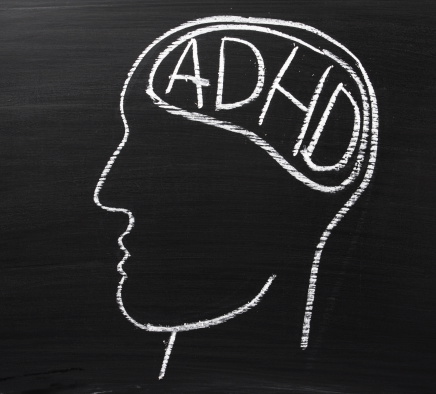
ADHD

Attention Deficit Hyperactivity Disorder (ADHD) is the most common mental disorder diagnosed in children, as well as found in teens and continues into adulthood. Children who are diagnosed with ADHD tend to be hyperactive, have difficulty staying focused, and can’t control their impulses.  Boys tend to be affected more frequently than girls.

There isn’t a definite cause for the illness but there is a hereditary component, or result of a chemical imbalance in people who are diagnosed with ADHD. Mothers who smoke, drank alcohol, had poor nutrition or were substance abusers during their pregnancy tend to have children with a higher incidence of the disease.

Children with ADHD:
• Are easily distracted
• Have trouble sitting still
• Have trouble waiting their turn
• Have difficulty organizing themselves
• Talk excessively

ADHD cannot be cured but can be managed through therapy and medication. Early intervention is an important component of successfully managing ADHD.

To schedule an appointment with a child psychiatrist at Flushing  Hospital Medical Center, please call (718) 670-5562

All content of this newsletter is intended for general information purposes only and is not intended or implied to be a substitute for professional medical advice, diagnosis or treatment. Please consult a medical professional before adopting any of the suggestions on this page. You must never disregard professional medical advice or delay seeking medical treatment based upon any content of this newsletter. PROMPTLY CONSULT YOUR PHYSICIAN OR CALL 911 IF YOU BELIEVE YOU HAVE A MEDICAL EMERGENCY.

BURSITIS

According to the Mayo Clinic, Bursitis is a painful condition that affects the small, fluid-filled sacs called bursae that cushion the bones, tendons and muscles near your joints. Bursitis occurs when bursae become inflamed. The most common locations for bursitis are in the shoulder, elbow and hip.

Although Bursitis typically affects the shoulder, elbow and hip, it can also affect your knee, heel and the base of your big toe. Bursitis often occurs near joints that perform frequent repetitive motion.

Some symptoms of Bursitis are:

  • Achy or stiff joints
  • Pain when the joint is moved or touched
  • Redness and swelling in the affected area

The treatment of Bursitis usually includes resting the inflamed joint and guarding it from further trauma.  Bursitis pain can last for a few weeks and is prone to recurrent flare-ups.

If the pain in your joints persists and traditional home remedies aren’t providing relief, may want to seek the opinion of a medical professional. If you’d like to schedule an appointment at the Flushing Hospital Medical Center’s Ambulatory Care Center, please call 718-670-5486.

For more information about Bursitis visit: mayoclinic.org


All content of this newsletter is intended for general information purposes only and is not intended or implied to be a substitute for professional medical advice, diagnosis or treatment. Please consult a medical professional before adopting any of the suggestions on this page. You must never disregard professional medical advice or delay seeking medical treatment based upon any content of this newsletter. PROMPTLY CONSULT YOUR PHYSICIAN OR CALL 911 IF YOU BELIEVE YOU HAVE A MEDICAL EMERGENCY.
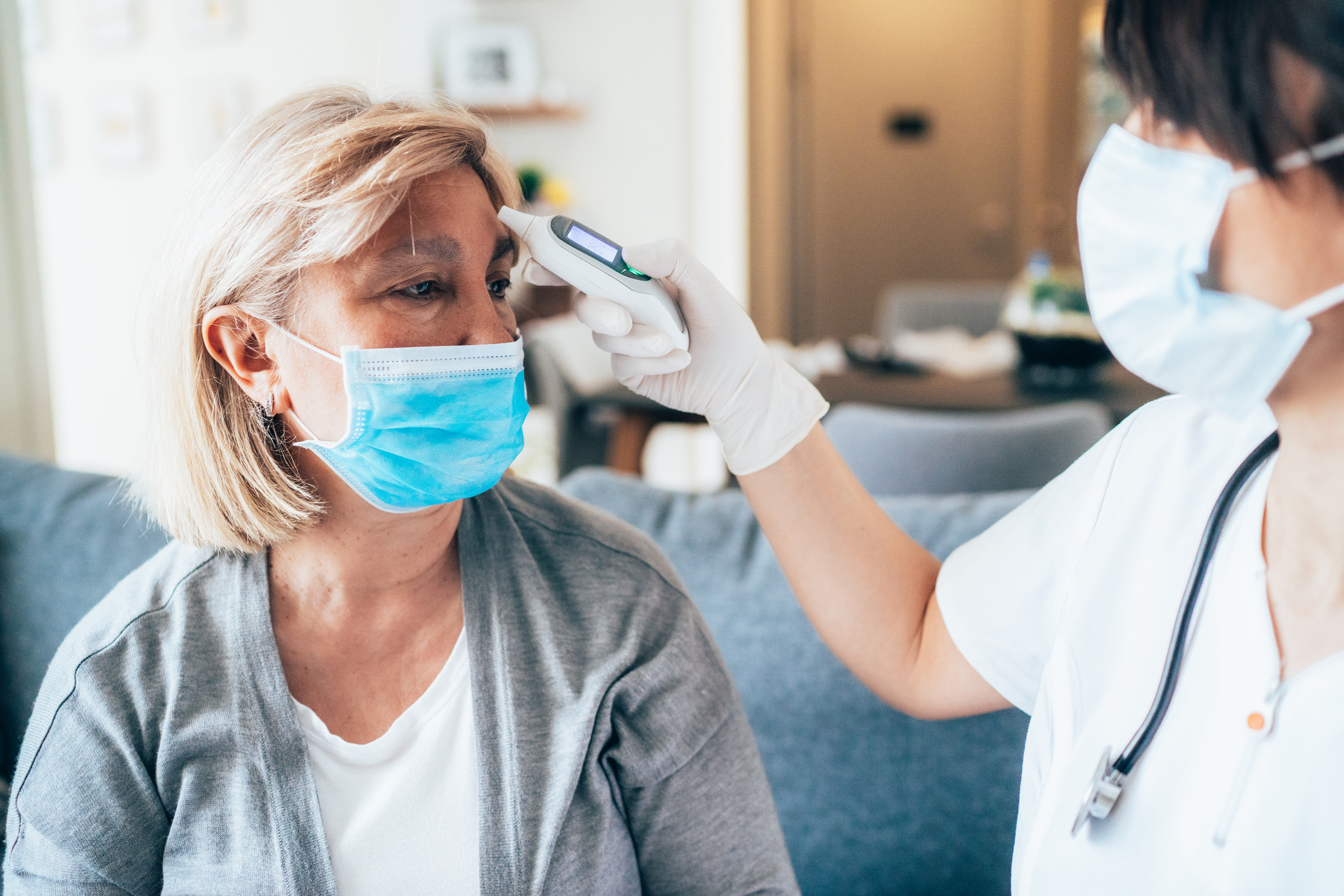
National Depression Screening Day

October 8th has been designated as National Depression Screening day, an annual event held during Mental Illness Awareness Week. This event was started 27 years ago as an effort to provide people with mental health education materials and give them resources for support services. National Depression Screening Day was also created with the hope of removing the stigma from mental illness.

The World Health Organization estimates that 350 million people worldwide suffer from depression. The organization states that early recognition and treatment of the disease offer the best opportunity for successful outcomes. If depression is left untreated it can lead to destructive behaviors and possibly suicide.

Depression screenings help to distinguish between short term feelings of sadness and stress due to transient life episodes, and more severe cases that can go on for months and years. The tests usually last between two to five minutes and the scores will indicate whether a further evaluation by a mental health professional is needed. It is important for people to know that help is available.

To schedule an appointment with the Mental Health Department of Flushing Hospital
Medical Center, please call 718-670-5562.

All content of this newsletter is intended for general information purposes only and is not intended or implied to be a substitute for professional medical advice, diagnosis or treatment. Please consult a medical professional before adopting any of the suggestions on this page. You must never disregard professional medical advice or delay seeking medical treatment based upon any content of this newsletter. PROMPTLY CONSULT YOUR PHYSICIAN OR CALL 911 IF YOU BELIEVE YOU HAVE A MEDICAL EMERGENCY.

Hypertension and Headaches

Hypertension is the medical term for high blood pressure. If left uncontrolled for a long period of time, it can cause strokes, heart disease and heart attacks.

In addition to these conditions, there is some correlation to very high blood pressure and severe migraine headaches. According to the American Heart Association, these headaches are known as malignant hypertension headaches. They typically occur when blood pressure is above 180/120, and there is an increase in pressure within the skull.

Malignant hypertension headaches usually affect both sides of the head at the same time, and we often accompanied by nausea, chest pain or blurry vision.

Ways to treat headaches that may be due to hypertension include:

  • Improving circulation through exercise
  • Reducing stress
  • Eating leafy vegetables
  • Taking minerals such as potassium and magnesium

Medications may also have to be administered intravenously to control high blood pressure. These medications include nitroglycerin, nicardipine. labetalol, and sodium nitroprusside.

If someone is experiencing headaches due to high blood pressure they should seek immediate medical care by calling 9-1-1. If left untreated they can have very serious consequences, including death.

All content of this newsletter is intended for general information purposes only and is not intended or implied to be a substitute for professional medical advice, diagnosis or treatment. Please consult a medical professional before adopting any of the suggestions on this page. You must never disregard professional medical advice or delay seeking medical treatment based upon any content of this newsletter. PROMPTLY CONSULT YOUR PHYSICIAN OR CALL 911 IF YOU BELIEVE YOU HAVE A MEDICAL EMERGENCY.

Our Post-COVID Care Center Is Now Open

During the early stages of the COVID-19 pandemic, most health authorities were operating under the belief that the virus, while extremely dangerous for some, was a short-term illness. Most young, healthy individuals who tested positive for the coronavirus were told to expect to sustain a variety of symptoms that could last anywhere from two to six weeks.

Now, however, doctors are seeing a growing number of patients who are enduring lingering symptoms for an extended period of time. These patients are now being referred to as “Long Haulers.”

For long haulers, symptoms of the virus can drag on for multiple months. Some of the most common lingering symptoms include fatigue, muscle and body pain, shortness of breath, dizziness, and headaches. In addition to these physical symptoms, many long haulers are also reporting a variety of cognitive deficits, such as difficulty concentrating or focusing (commonly referred to as mental fog). Other patients may also experience mental health issues such as anxiety and depression.

With nearly a quarter of a million reported cases of COVID-19 in New York City over the past six months, many of the City’s residents are still experiencing the long-term effects of the virus. To help these patients, the MediSys Health Network (comprised of Jamaica and Flushing Hospital Medical Center, the Trump Pavilion for Nursing and Rehabilitation, and a network of community-based MediSys ambulatory care centers) has opened a Post-COVID Care Center in Hollis Tudors, Queens.

At this center, long haulers, as well as others experiencing post-COVID symptoms can receive specialized care from a multi-disciplinary group of qualified physicians. “We were compelled to help those in our community who are still dealing with the effects of the virus” stated Dr. Alan Roth, Chairman of Ambulatory Care and Family Medicine, who added “Queens was considered the epicenter of the coronavirus pandemic in March and April. During that time we treated thousands of patients. While the situation in our community has greatly improved recently, we know that there is still work to be done, including continuing to treat patients living with long-term symptoms.”

The MediSys Health Network’s Post-COVID Care Center provides patients with personalized, comprehensive care, coordinated by a primary care physician, who will work with other on-site specialists, including pulmonologists, neurologists, and psychiatrists, all dedicated to helping our patients better manage their condition.

For more information about our services, or to make an appointment at our Post-COVID Care center, please call  718-736-8204.

All content of this newsletter is intended for general information purposes only and is not intended or implied to be a substitute for professional medical advice, diagnosis or treatment. Please consult a medical professional before adopting any of the suggestions on this page. You must never disregard professional medical advice or delay seeking medical treatment based upon any content of this newsletter. PROMPTLY CONSULT YOUR PHYSICIAN OR CALL 911 IF YOU BELIEVE YOU HAVE A MEDICAL EMERGENCY.