Covid-19 Vaccine Myth or Fact

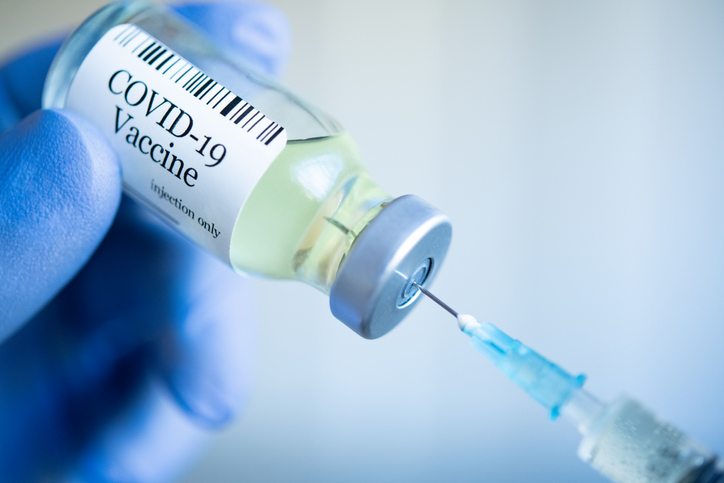
There is a myth that COVID-19 vaccines contain metallic ingredients that cause a person to become “magnetic”. On the Centers for Disease Control and Prevention website it clearly states that “ All COVID-19 vaccines are free from metals such as iron, nickel, cobalt, lithium, and rare earth alloys, as well as manufactured products such as microelectronics, electrodes, carbon, carbon nanotubes, and nanowire semiconductors.” The main ingredient in two of the  most commonly administered vaccines ( Pfizer and Moderna ) in the United States is messenger RNA ( mRNA ). This is a genetic molecule and non magnetic. The third most commonly administered vaccine ( Johnson and Johnson) also does not contain any ingredient that is metallic.

All content of this newsletter is intended for general information purposes only and is not intended or implied to be a substitute for professional medical advice, diagnosis or treatment. Please consult a medical professional before adopting any of the suggestions on this page. You must never disregard professional medical advice or delay seeking medical treatment based upon any content of this newsletter. PROMPTLY CONSULT YOUR PHYSICIAN OR CALL 911 IF YOU BELIEVE YOU HAVE A MEDICAL EMERGENCY.

Pinkeye

Pinkeye, also known as conjunctivitis, is one of the most common and highly treatable eye conditions.  More than three million adults and children in the U.S. contract pinkeye every year.

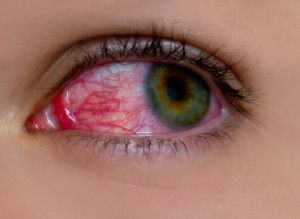
Pinkeye occurs when the thin, clear tissue under the eyelid, known as the conjunctiva, becomes inflamed.  This inflammation makes the blood vessels in the eye more visible, giving them a pink appearance.  People who develop pinkeye typically experience pain, or feel a burning or itchy sensation. Their eyes may also tear and form a discharge that crusts while sleeping.  Other symptoms may include swelling, tenderness or sensitivity to light.

There are several causes for pinkeye, but it is most commonly either viral, which is the most contagious form, or due to a bacterial infection. Other factors that can lead to pinkeye include exposure to irritants such as shampoo, cosmetics, dirt, or pool chlorine, an allergic reaction to pollen, dust, or smoke, or a reaction to eye drops or contact lenses.  Usually a doctor can diagnose pinkeye through a routine examination.

Treating pinkeye depends on the cause of the condition.  In most cases it is treated by administering artificial tears, which can be purchased over-the-counter, to treat the dryness and cold compresses to treat inflammation. If pinkeye has developed due to a bacterial infection, antibiotics may be prescribed. Symptoms of pinkeye typically last anywhere from one to two weeks.

To avoid contracting pinkeye, take the following precautions:

  • Wash your hands frequently with soap and warm water. If soap and water are not available, use an alcohol-based hand sanitizer that contains at least 60 percent alcohol.
  • Avoid touching or rubbing your eyes.
  • Avoid sharing towels, blankets, and pillowcases.
  • Do not share eye makeup, face makeup, makeup brushes, contact lenses or containers, or eyeglasses.

In rare cases pinkeye can lead to complications. Please see a doctor if you experience moderate to severe pain your eyes, if you have problems with your vision, or if symptoms persist or worsen over time.

To make an appointment at Flushing Hospital Medical Center’s Ambulatory Care Center, please call 718-670-5486.

All content of this newsletter is intended for general information purposes only and is not intended or implied to be a substitute for professional medical advice, diagnosis or treatment. Please consult a medical professional before adopting any of the suggestions on this page. You must never disregard professional medical advice or delay seeking medical treatment based upon any content of this newsletter. PROMPTLY CONSULT YOUR PHYSICIAN OR CALL 911 IF YOU BELIEVE YOU HAVE A MEDICAL EMERGENCY.
Exercising In Hot Weather

Exercising in extremely hot and humid weather can increase our body’s core temperature, and lead to overheating.

When our body is overheated and unable to cool itself or retain adequate amounts of water, this may cause heat-related medical conditions such as dehydration or heat stroke to develop. Therefore, it is important that we protect our health and follow safety precautions while exercising in hot weather.

Here are a few tips for exercising safely in scorching temperatures:

  • Stay hydrated- Drinking plenty of water is one of the best ways to keep our bodies cool on a hot day. Although drinking water is highly benefical, be careful not to drink too much as this can lead to overhydration or a health condition known as hyponatremia (low blood sodium).
  • Wear light and loose-fitting clothing– Lighter-colored clothing can help to reflect the sun’s rays. Loose-fitting garments allow air to circulate and cool your skin.
  • Wear clothing made with moisture-wicking fabric- These types of clothing aid with the evaporation of sweat.
  • Exercise during cooler times of the day– The coolest times of the day are typically around sunrise. If you are not an early riser, pay attention to the weather forecast for heat alerts throughout the day or wait to exercise in the late evening. You can also avoid the heat by exercising in shaded areas or indoors.
  • Know the warning signs of heat-related illnesses- Ignoring the warning signs of heat-related illnesses can lead to medical complications or emergencies. It is important that you pay attention to signs and symptoms such as nausea, weakness, muscle cramps, headache, dizziness or lightheadedness.

If you are experiencing symptoms associated with a heat-related illness, stop exercising right away and get out of the heat. Try to lower your body temperature by removing excess clothing and getting hydrated.  You can also place ice packs or cool towels on your forehead, neck, or underarms.

If symptoms persist for more than 20 minutes, seek medical attention immediately.  You should also seek emergency care if you are experiencing symptoms of a heat stroke, this includes a body temperature of 103˚F or higher; hot, red, dry or damp skin; a fast, strong pulse; dizziness; nausea or losing consciousness.

All content of this newsletter is intended for general information purposes only and is not intended or implied to be a substitute for professional medical advice, diagnosis or treatment. Please consult a medical professional before adopting any of the suggestions on this page. You must never disregard professional medical advice or delay seeking medical treatment based upon any content of this newsletter. PROMPTLY CONSULT YOUR PHYSICIAN OR CALL 911 IF YOU BELIEVE YOU HAVE A MEDICAL EMERGENCY.

The Importance of Safely Using Home Massage Devices

As technology has become more innovative, we have learned more about the best ways to recover after exercise. This includes the use of products such as handheld massage guns and electric back massagers that aid in the recovery process from the comfort of our homes. While these products have grown in popularity and can offer several benefits, some negative consequences can occur if not used properly.

Home massage devices work by stimulating the skin’s sensory cells, which stops muscles from contracting; therefore, relaxing them. They can also prevent soreness by increasing blood flow to the affected area, which helps the muscle’s healing process. “Think of it as a mini hammer, repeatedly impacting the soft tissue, causing blood flow to increase in that area,” said the Cleveland Clinic. Massaging muscles as a warmup or cooldown can also prepare them for physical activity and relieve lactic acid buildup that causes soreness.

While using hand-held massagers can be advantageous, it is important to remember that they can have an adverse effect on your health if used improperly.  For instance, using a massage device after an injury involving a sprain or a strain can only worsen the amount of pain or swelling you may experience.

You can prevent injuries or accidents by paying attention to warning signs that signal when you should stop using the device, such as skin irritation and redness or increased pain. It is also crucial to understand that these devices are not meant to be used on bones, nerves, or joints – only muscles.

Lastly, one of the most important things to know about using these products properly is to avoid self-diagnosis and treatment. Instead, consult a doctor before usage to ensure that you are using massage devices safely and effectively.

All content of this newsletter is intended for general information purposes only and is not intended or implied to be a substitute for professional medical advice, diagnosis or treatment. Please consult a medical professional before adopting any of the suggestions on this page. You must never disregard professional medical advice or delay seeking medical treatment based upon any content of this newsletter. PROMPTLY CONSULT YOUR PHYSICIAN OR CALL 911 IF YOU BELIEVE YOU HAVE A MEDICAL EMERGENCY.
How to Recognize When A Child Has An Overactive Bladder

Overactive Bladder (OAB) is a commonly seen condition in children. It is characterized by a sudden and uncontrollable urge to urinate. OAB and bed-wetting are often thought to be the same.  However, OAB is different from bed wetting which is caused by a child being unable to control their bladder at night.


Typically, an overactive bladder in children is caused by a problem and (or) delay in the maturation of the nervous system. Other causes may include:

  • Having frequent urinary tract infections
  • Stress
  • Having a new child in the house
  • Drinking too much water or soda
  • Forgetting to use the bathroom when needed
  • Incomplete or early toilet training (training before a child is ready)

OAB can be embarrassing to the child and the caregiver when it leads to “accidents”, it can also affect a child’s emotional and social development.


Potential medical complications caused by an overactive bladder are:

  • Kidney damage
  • Urinary tract infections
  • Difficulty emptying the bladder completely

Depending on the cause of overactive bladder in children, there are different ways to treat it. Placing a child on a schedule to use the bathroom is a helpful way to teach them control. Another technique is called double-voiding where right after urinating the first time, the child goes back to the bathroom to try and urinate again. This method helps to fully empty the bladder. In some cases, a child may benefit from biofeedback training with the help of a skilled professional. A doctor may also prescribe a bladder-relaxing medication.


If you would like to schedule an appointment with a pediatrician at Flushing Hospital Medical Center, please call 718-670-5486.

All content of this newsletter is intended for general information purposes only and is not intended or implied to be a substitute for professional medical advice, diagnosis or treatment. Please consult a medical professional before adopting any of the suggestions on this page. You must never disregard professional medical advice or delay seeking medical treatment based upon any content of this newsletter. PROMPTLY CONSULT YOUR PHYSICIAN OR CALL 911 IF YOU BELIEVE YOU HAVE A MEDICAL EMERGENCY.
Children With An Overactive Bladder

Overactive Bladder (OAB) is a commonly seen condition in children. It is characterized by a sudden and uncontrollable urge to urinate. OAB and bed-wetting are often thought to be the same.  However, OAB is different from bed wetting which is caused by a child being unable to control their bladder at night.

Typically, an overactive bladder in children is caused by a problem and (or) delay in the maturation of the nervous system. Other causes may include:

  • Having frequent urinary tract infections
  • Stress
  • Having a new child in the house
  • Drinking too much water or soda
  • Forgetting to use the bathroom when needed
  • Incomplete or early toilet training (training before a child is ready)

OAB can be embarrassing to the child and the caregiver when it leads to “accidents”, it can also affect a child’s emotional and social development.

Potential medical complications caused by an overactive bladder are:

  • Kidney damage
  • Urinary tract infections
  • Difficulty emptying the bladder completely

Depending on the cause of overactive bladder in children, there are different ways to treat it. Placing a child on a schedule to use the bathroom is a helpful way to teach them control. Another technique is called double-voiding where right after urinating the first time, the child goes back to the bathroom to try and urinate again. This method helps to fully empty the bladder. In some cases, a child may benefit from biofeedback training with the help of a skilled professional. A doctor may also prescribe a bladder-relaxing medication.

If you would like to schedule an appointment with a pediatrician at Flushing Hospital Medical Center, please call 718-670-5486.

All content of this newsletter is intended for general information purposes only and is not intended or implied to be a substitute for professional medical advice, diagnosis or treatment. Please consult a medical professional before adopting any of the suggestions on this page. You must never disregard professional medical advice or delay seeking medical treatment based upon any content of this newsletter. PROMPTLY CONSULT YOUR PHYSICIAN OR CALL 911 IF YOU BELIEVE YOU HAVE A MEDICAL EMERGENCY.
The Nutritional Benefit of Mangos

According to Healthline, Mango is a fruit that is native to India and Southeast Asia.  There are hundreds of types of mangos, each with a unique delicious taste that have an impressive nutritional profile.

The site notes that studies have linked the nutrients in mangos to health benefits such as improved immunity, digestive health, and eyesight, as well as lowering the risk of certain cancers.

Mangos are low in calories and full of nutrients.  Some of the benefits are:

One cup (165 grams) of sliced mango provides:

  • Calories: 99
  • Protein: 1.4 grams
  • Carbs: 24.7 grams
  • Fat: 0.6 grams
  • Dietary fiber: 2.6 grams
  • Vitamin C: 67% of the Reference Daily Intake (RDI)
  • Copper: 20% of the RDI
  • Folate: 18% of the RDI
  • Vitamin B6: 11.6% of the RDI
  • Vitamin A: 10% of the RDI
  • Vitamin E: 9.7% of the RDI
  • Vitamin B5: 6.5% of the RDI
  • Vitamin K: 6% of the RDI
  • Niacin: 7% of the RDI
  • Potassium: 6% of the RDI
  • Riboflavin: 5% of the RDI
  • Manganese: 4.5% of the RDI
  • Thiamine: 4% of the RDI
  • Magnesium: 4% of the RDI

It also contains small amounts of phosphorus, pantothenic acid, calcium, selenium and iron and are high in antioxidants.

To read these and other facts about the nutritional value of mangos, visit https://www.healthline.com/nutrition/mango


All content of this newsletter is intended for general information purposes only and is not intended or implied to be a substitute for professional medical advice, diagnosis or treatment. Please consult a medical professional before adopting any of the suggestions on this page. You must never disregard professional medical advice or delay seeking medical treatment based upon any content of this newsletter. PROMPTLY CONSULT YOUR PHYSICIAN OR CALL 911 IF YOU BELIEVE YOU HAVE A MEDICAL EMERGENCY.
How Does Dehydration Affect the Body ?

Dehydration is a condition, seen at any time of the year but more often during the warmer months,  whereby the body doesn’t have enough water and therefore is unable to function properly. The severity of dehydration, mild, moderate or severe indicates how much water is missing from the body. Severe dehydration can lead to the body going into shock. The people who are most susceptible to dehydration are people who work outdoors in warm weather, and also athletes, the elderly, and people who live in high altitudes.

The body loses water in various ways. These include:

  • Sweating
  • Urinating
  • Breathing,
  • Crying
  • Pooping

We can lose an even greater amount of water when we have a fever, diarrhea, vomiting, sweating heavily while exercising strenuously, frequently urinating due to diabetes or when taking certain medications that cause us to deplete the water in our bodies.

What are the symptoms of dehydration? Depending on the severity, in adults they can include:

  • Headaches
  • Dizziness
  • Weakness
  • Muscle cramps
  • Low blood pressure
  • Dark urine
  • Dry skin
  • Rapid heartbeat
  • Rapid breathing
  • Sleepiness

In young children symptoms of dehydration can also include having a dry diaper for several hours, crying without tears, sunken eyes, irritability, and a dry mouth and tongue.

The recommended amount of water taken in every day for an adult woman is 92 fluid ounces and for an adult man it is 124 fluid ounces. More water may be necessary if exercising strenuously or spending time in a very warm environment for an extended period of time. It is recommended that people who are dehydrated avoid caffeinated beverages, sugary drinks, and drinks containing alcohol.

If a person is suspected of being dehydrated, medical exams can help to diagnose it. This will include a thorough history, blood pressure, heart rate, blood test, and urine exams. A simple way to rehydrate some people is to have them drink more water during the day, and in some cases a sports drink that contains electrolytes. A young child may be given called Pedialyte. In more severe cases it may be necessary to give fluids intravenously.

If you have symptoms of dehydration, consult with a physician immediately. A severe case of dehydration can lead to complications, and potentially death. For less severe cases., you can schedule an appointment with a physician at Flushing Hospital Medical Center by calling 718-670-5486.

All content of this newsletter is intended for general information purposes only and is not intended or implied to be a substitute for professional medical advice, diagnosis or treatment. Please consult a medical professional before adopting any of the suggestions on this page. You must never disregard professional medical advice or delay seeking medical treatment based upon any content of this newsletter. PROMPTLY CONSULT YOUR PHYSICIAN OR CALL 911 IF YOU BELIEVE YOU HAVE A MEDICAL EMERGENCY.

Alzheimer’s and Brain Awareness Month

June is Alzheimer’s and Brain Awareness Month which gives us the chance to make the public aware of dementia and Alzheimer’s disease being very important health issues.

Dementia and Alzheimer’s have profound effects on many people. There are an estimated 5 million people with the disease and 15 million people who are caring for them. It is said to be the sixth leading cause of death in the United States.

It has been said that Alzheimer’s is the only disease that can lead to death that cannot be slowed down, cured, or prevented. It acts by slowly killing brain cells which affect all of our ability to function normally.

Brain exercises may help mental functionality in areas of memory, focus, concentration, and understanding.

Some suggested ways to keep our brains healthy are:

  • Getting enough sleep
  • Staying physically active
  • Eating properly
  • Not smoking
  • Challenging your mind with social interaction
  • Taking classes
  • Being aware of challenges that could lead to depression

If you would like to schedule an appointment at Flushing Hospital, please call 718-670-5486.

All content of this newsletter is intended for general information purposes only and is not intended or implied to be a substitute for professional medical advice, diagnosis or treatment. Please consult a medical professional before adopting any of the suggestions on this page. You must never disregard professional medical advice or delay seeking medical treatment based upon any content of this newsletter. PROMPTLY CONSULT YOUR PHYSICIAN OR CALL 911 IF YOU BELIEVE YOU HAVE A MEDICAL EMERGENCY.

Summer Drinking: How Much Is Too Much?

According to research published in the Journals of Studies on Alcohol, ” Annual seasonality in alcohol use excluding drinking behavior in December, is highest in the summer.”

Higher consumption of alcoholic beverages in the summer may be linked to increased socialization during this time of year.   Alcoholic beverages are often served during summer gatherings such as barbeques, weddings, block parties, or beach parties.

Moderate drinking or having a drink on occasion is not a cause for concern for most adults. However, if alcohol consumption becomes too frequent, you may want to ask  “How many drinks are too many?” and ” Am I a heavy drinker?”

The National Institute on Alcohol Abuse and Alcoholism (NIAAA)  defines heavy drinking as follows:

  • For men, consuming more than 4 drinks on any day or more than 14 drinks per week
  • For women, consuming more than 3 drinks on any day or more than 7 drinks per week

The NIAAA states, “Alcohol misuse, which includes binge drinking and heavy alcohol use, increases your risk of harmful consequences.”  The risk for developing health conditions such as Alcohol Use Disorder (When a patient’s drinking interferes with their daily life)  increases with frequent heavy drinking.

If you think you have a problem with alcohol addiction, please contact Flushing Hospital Medical Center’s Addiction Treatment Division at (718) 670-5693 or (718) 670-5540.


All content of this newsletter is intended for general information purposes only and is not intended or implied to be a substitute for professional medical advice, diagnosis or treatment. Please consult a medical professional before adopting any of the suggestions on this page. You must never disregard professional medical advice or delay seeking medical treatment based upon any content of this newsletter. PROMPTLY CONSULT YOUR PHYSICIAN OR CALL 911 IF YOU BELIEVE YOU HAVE A MEDICAL EMERGENCY.