Home Safety Tips for Do It Yourself Projects

Many people are spending more time at home these days which provides the perfect opportunity to get household projects done. The most important thing to know before undertaking do-it-yourself, home improvement projects is how to protect yourself from danger. You can do so by following these safety tips:

  • Keep a working fire extinguisher near to you.
  • Do not overload extension cords
  • Keep a first-aid kit near to where you are working
  • It is best to work in a well-lit environment
  • Avoid having debris on the floor
  • If you are painting, keep the area well ventilated
  • Keep power tools away from children
  • Never leave power tools unattended
  • Wear protective clothing when working with hazardous materials
  • Proper placement of a ladder is very important. For every four feet of ladder height, keep one foot away from wall
  • Do not stand on top of a ladder
  • Wear protective eye gear
  • Always follow instructions included with any materials that you will be working with

By following the above recommendations you are helping to avoid any injuries. It is important to keep emergency numbers and your phone on you in case something unexpected occurs.

All content of this newsletter is intended for general information purposes only and is not intended or implied to be a subs

All content of this newsletter is intended for general information purposes only and is not intended or implied to be a substitute for professional medical advice, diagnosis or treatment. Please consult a medical professional before adopting any of the suggestions on this page. You must never disregard professional medical advice or delay seeking medical treatment based upon any content of this newsletter. PROMPTLY CONSULT YOUR PHYSICIAN OR CALL 911 IF YOU BELIEVE YOU HAVE A MEDICAL EMERGENCY.

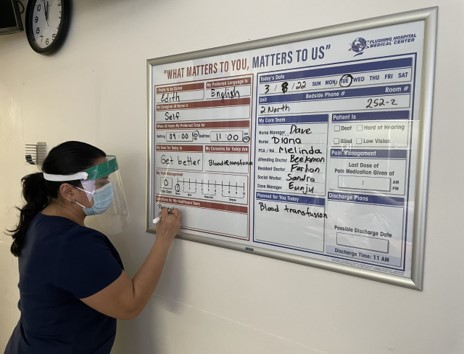
Learn The Facts About Essential Oils

The use of essential oils has been gaining popularity among many for their healing properties, but what are they?

Basically, essential oils are plant extracts. They are made by steaming or pressing various parts of a plant, such as the flowers, bark, leaves or fruit, to capture the compounds that produce fragrance.

The use of essential oils for therapeutic purposes is known as aromatherapy.  Some of the many conditions essential oils are used to treat include:

  • Anxiety
  • Insomnia
  • Depression
  • Nausea
  • Headaches
  • Osteoarthritis

Essential oils can be inhaled using a diffuser or spray or they can be topically applied.  Some of the most popular essential oil scents are lavender, chamomile, eucalyptus, peppermint, tee tree and lemon grass.  When used safely and in combination with conventional medicine, essential oils can have a positive impact on your overall health, but there can be dangers if not used responsibly.

Here are some tips on the proper use of essential oil:

  • Make sure they are diluted, usually with vegetable oils, creams or bath gels. Your solution should only 1% to 5% of the essential oil.
  • Only use them on certain parts of your body. The best places to rub essential oils are your arms and legs. Avoid placing inside your mouth, nose or eyes.
  • Don’t keep essential oils more than three years. Older oils are more likely to be spoiled and may not work as well. They could also irritate your skin or cause an allergic reaction.
  • Stop using them if you develop a rash, little bumps, boils, or just itchy skin and don’t use essential oils on damaged skin as it could cause unwanted skin reactions.
  • Consider age when using essential oils. Young children and the elderly may be more sensitive to them. Don’t use essential oils on a baby unless your pediatrician says it’s okay.
  • Avoid using if you are pregnant. Some essential oils may make their way into the placenta. It’s not clear if this causes any problems, unless taken in toxic amounts, but to be safe, it’s best to avoid if you’re pregnant.
  • Don’t overdo It. More of a good thing is not always good. Even when diluted, an essential oil can cause a bad reaction if you use too much or use it too often.

Speak with your doctor before using essential oils.  Together you can determine if they are right for you.

All content of this newsletter is intended for general information purposes only and is not intended or implied to be a substitute for professional medical advice, diagnosis or treatment. Please consult a medical professional before adopting any of the suggestions on this page. You must never disregard professional medical advice or delay seeking medical treatment based upon any content of this newsletter. PROMPTLY CONSULT YOUR PHYSICIAN OR CALL 911 IF YOU BELIEVE YOU HAVE A MEDICAL EMERGENCY.
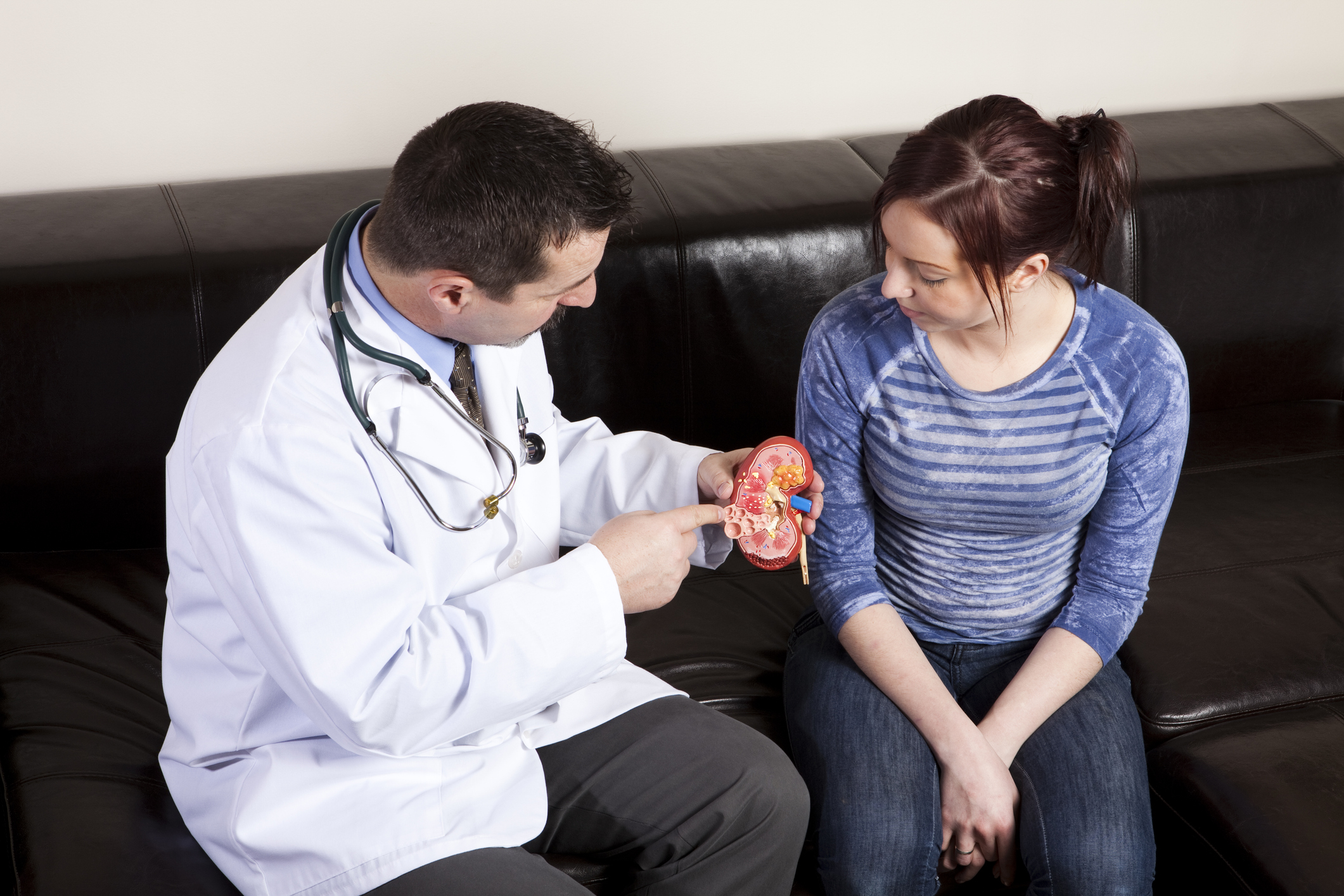
Learn the Symptoms of Painful Bladder Syndrome

Interstitial cystitis is a chronic condition causing bladder pressure and pain, with occasional pain extending into the pelvis. The condition is a part of a spectrum of diseases known as painful bladder syndrome.

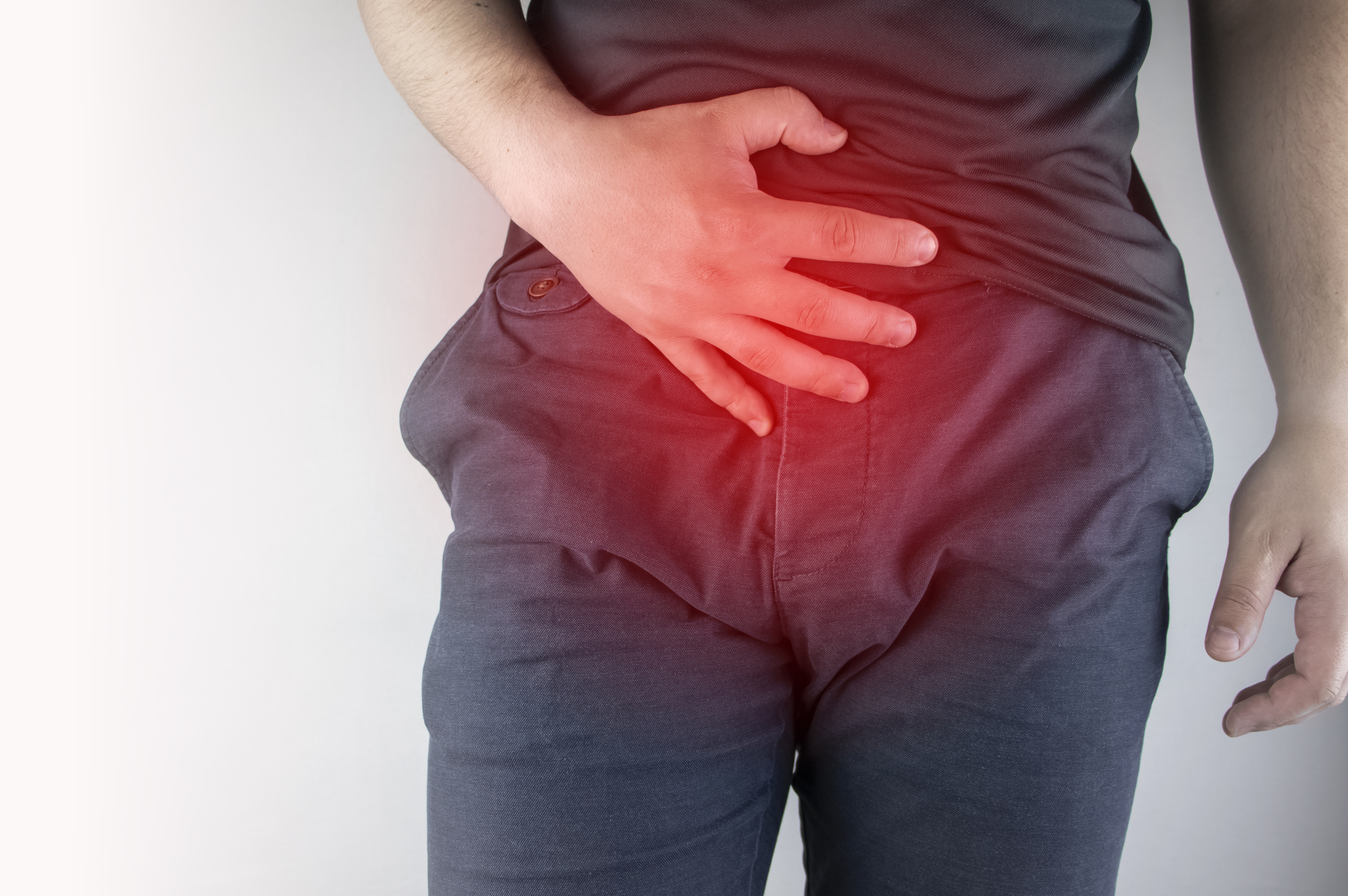
patient with bladder pain,, which is a urology issue

Interstitial cystitis occurs when your bladder, which is a hollow, muscular organ that stores urine, sends premature signals to your brain that you need to urinate. Normally these signals are sent once the bladder is full, but those with interstitial cystitis feel the sensation to urinate more often and produce smaller amounts of urine when they go.

Interstitial cystitis most often affects women and can have a long-lasting impact on quality of life. The symptoms may vary from person to person and they may change over time, periodically flaring in response to common triggers, such as menstruation, sitting for a long time, stress, exercise and sexual activity. In many cases symptoms of interstitial cystitis resemble those of a urinary tract infection.

Interstitial cystitis signs and symptoms include:

  • Pain in your pelvis or between the vagina and anus in women, the scrotum and anus in men
  • Chronic pelvic pain
  • A persistent, urgent need to urinate
  • Frequent urination, often of small amounts, throughout the day and night (up to 60 times a day)
  • Pain or discomfort while the bladder fills and relief after urinating
  • Pain during sexual intercourse

The exact cause of interstitial cystitis isn’t known, but it’s likely that many factors contribute. One possible factor is a defect in the protective lining of the bladder which could result in toxic substances in urine to irritate the bladder wall.  Other possible but unproven contributing factors include an autoimmune reaction, genetics, infection or allergy.

Interstitial cystitis can result in a number of complications, including reduced bladder capacity, lower quality of life, sexual intimacy problems, and emotional troubles.

There is no current cure for interstitial cystitis, but there are medications and other therapies available that may offer relief. If you’re experiencing chronic bladder pain or urinary urgency and frequency, contact your doctor.

If you are experiencing symptoms of interstitial cystitis and would like to schedule an appointment with a urologist at Flushing Hospital, please call 718-670-.5486.

Flushing Hospital Medical Center has reopened many of its healthcare services. To learn about the safety measures the hospital has taken to protect your health, please visit https://flushinghospital.org/for-our-patients/


All content of this newsletter is intended for general information purposes only and is not intended or implied to be a substitute for professional medical advice, diagnosis or treatment. Please consult a medical professional before adopting any of the suggestions on this page. You must never disregard professional medical advice or delay seeking medical treatment based upon any content of this newsletter. PROMPTLY CONSULT YOUR PHYSICIAN OR CALL 911 IF YOU BELIEVE YOU HAVE A MEDICAL EMERGENCY.
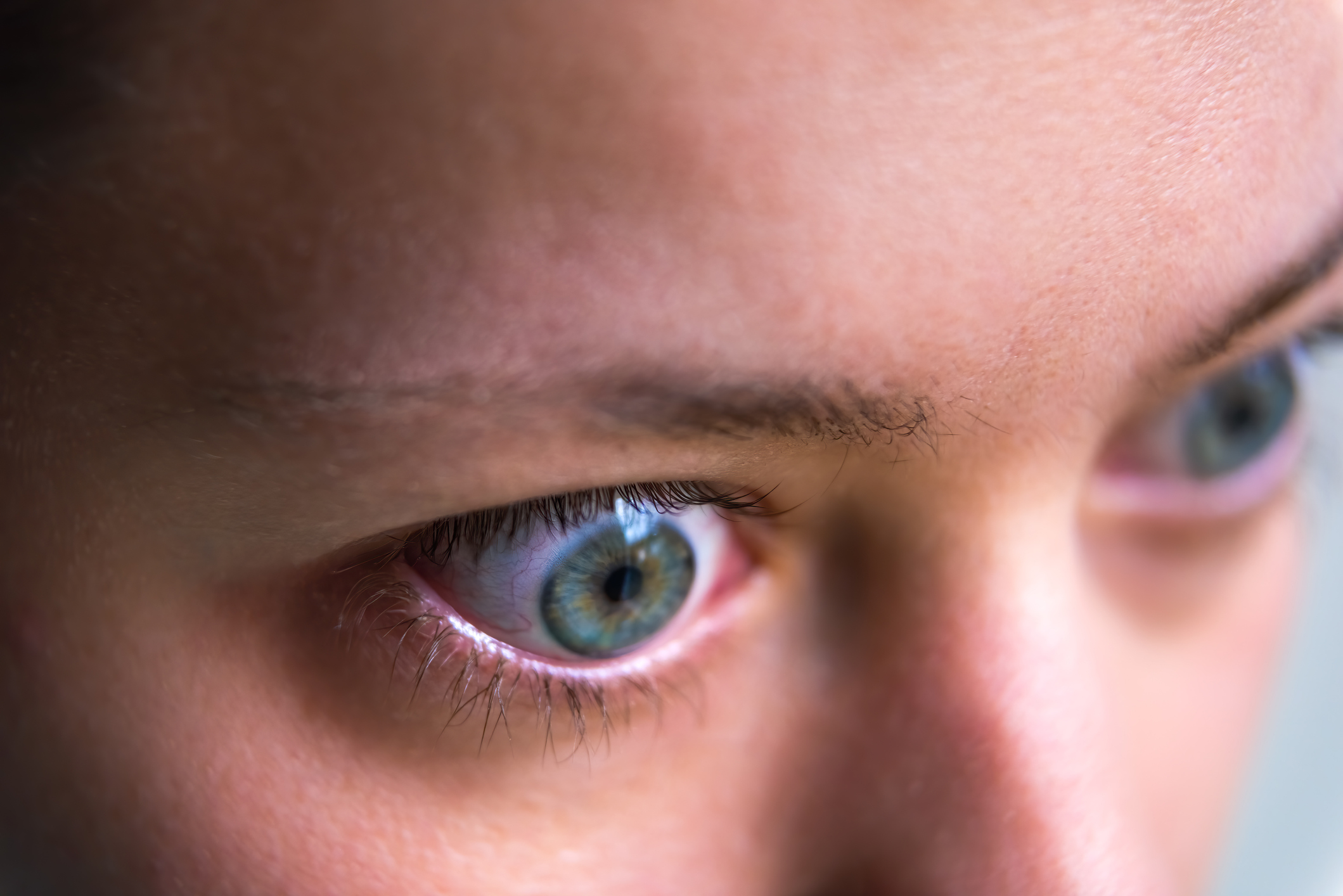
What Is Raynaud’s Disease?

You are probably aware of the many different ways the cold weather can affect your health.  Conditions such as heart attack, asthma, and arthritis can all worsen when we are exposed to the cold, but did you know that the cold can also affect blood supply to your skin, resulting in a condition known as Raynaud’s disease.

In Raynaud’s disease, smaller arteries that supply blood to your skin become narrow, limiting blood circulation to affected areas, most commonly the fingers and toes.

Signs and symptoms of Raynaud’s disease include:

  • Cold fingers or toes
  • Color changes in your skin in response to cold or stress
  • Numb, prickly feeling or stinging pain upon warming or stress relief

During an attack of Raynaud’s, affected areas of your skin typically first turn white. Then, they often turn blue and feel cold and numb. As you warm-up and circulation improves, the affected areas may turn red, throb, tingle or swell. After warming, it can take approximately 15 minutes for normal blood flow to return to the area.

Although Raynaud’s most commonly affects your fingers and toes, it can also affect other areas of your body, such as your nose, lips, ears and even nipples.

Cold temperatures are most likely to trigger an attack. However, exposure to cold, such as putting your hands in cold water, taking something from a freezer or being in cold air are also  common triggers. For some people, emotional stress can also trigger an episode.

There are two main types of the condition.

  • Primary Raynaud’s -Also called Raynaud’s disease, this most common form isn’t the result of an associated medical condition. It can be so mild that many people with primary Raynaud’s don’t seek treatment.
  • Secondary Raynaud’s -Also called Raynaud’s phenomenon, this form is caused by an underlying problem. Although secondary Raynaud’s is less common than the primary form, it tends to be more serious. In rare cases, diminished blood circulation to your fingers or toes could cause tissue damage.

Treatment of Raynaud’s disease depends on its severity and whether you have other health conditions. For most people, Raynaud’s disease isn’t disabling, but it can affect their quality of life.

To help prevent a Raynaud’s attack, bundle up when heading outdoors.  Wear a hat, scarf, face mask, and a snug fitting coat to prevent the cold air from circulating onto your skin. You should also wear heavy boots and two layers of socks and gloves if necessary. Also take precautions indoors. Air conditioners can trigger a reaction so be sure to set yours to a comfortable temperature. Use insulated drinking glasses when consuming a cold beverage as well.

See your doctor right away if you have a history of severe Raynaud’s and develop a sore or infection in one of your affected fingers or toes.

To schedule an appointment with a doctor at Flushing Hospital’s Ambulatory Care Center, please call 718-670-5486.

All content of this newsletter is intended for general information purposes only and is not intended or implied to be a substitute for professional medical advice, diagnosis or treatment. Please consult a medical professional before adopting any of the suggestions on this page. You must never disregard professional medical advice or delay seeking medical treatment based upon any content of this newsletter. PROMPTLY CONSULT YOUR PHYSICIAN OR CALL 911 IF YOU BELIEVE YOU HAVE A MEDICAL EMERGENCY.

Tips To Guard Against the Stomach Flu

The flu isn’t the only virus that we need to protect ourselves against this time of year. Gastroenteritis, or the stomach flu is a very contagious bug that is common in our region beginning in the fall and winter months.Unlike influenza, which affects your respiratory system, the stomach flu attacks your intestines causing the following symptoms:

• Watery, non-bloody diarrhea
• Abdominal cramps and pain
• Nausea, vomiting or both
• Occasional muscle aches, headache, and low-grade fever

Businessman with stomach ache

Gastroenteritis is typically spread through the sharing of food or drink with someone who is infected or sharing other items with them such as utensils or towels. Children can also spread the illness by placing their hands in their mouths after touching contaminated items or surfaces.

Symptoms usually appear within one to three days after exposure and can range from mild to severe. Typically symptoms last only a day or two, but in some cases, they may persist for up to ten days.

The main complication from viral gastroenteritis is dehydration — a severe loss of water and essential salts and minerals. If you’re healthy and drink enough to replace fluids you lose from vomiting and diarrhea, dehydration shouldn’t be a problem. However, infants, older adults and people with suppressed immune systems may become severely dehydrated when they lose more fluids than they can replace. Hospitalization might be needed so that lost fluids can be replaced intravenously. Dehydration can be fatal, but rarely.

To avoid catching the stomach flu, it is recommended that individuals wash their hands thoroughly, use separate items around the home, disinfect all potentially infected items and surfaces, and keep your distance from those who are infected.

If you do contract gastroenteritis, follow these tips:

• Let your stomach settle. Stop eating solid foods for a few hours.
• Try sucking on ice chips or taking small sips of water. You might also try drinking clear liquids or broths or non-caffeinated sports drinks. Drink plenty of liquid every day, taking small, frequent sips.
• Ease back into eating. Gradually begin to eat bland, easy-to-digest foods, such as ginger ale crackers, toast, gelatin, bananas, rice and chicken. Stop eating if your nausea returns.
• Avoid certain foods and substances until you feel better. These include dairy products, caffeine, alcohol, nicotine, and fatty or highly seasoned foods.
• Get plenty of rest. The illness and dehydration may have made you weak and tired.

See a doctor if you become dehydrated (characterized by excessive thirst, dry mouth, dark yellow or no urine, severe weakness or dizziness), if symptoms persist for over 24 hours, if you are vomiting blood or have blood in your stool, or if you have a temperature of 104 degrees or above.

All content of this newsletter is intended for general information purposes only and is not intended or implied to be a substitute for professional medical advice, diagnosis or treatment. Please consult a medical professional before adopting any of the suggestions on this page. You must never disregard professional medical advice or delay seeking medical treatment based upon any content of this newsletter. PROMPTLY CONSULT YOUR PHYSICIAN OR CALL 911 IF YOU BELIEVE YOU HAVE A MEDICAL EMERGENCY.
Plantar Fasciitis

Plantar Fasciitis treatment in queens

Have you ever experienced heel pain when you take those first few steps in the morning? The cause of this discomfort may be due to a tightening of the band of tissue known as the plantar fascia that runs along the bottom of the foot, from the heel to the toes.

When this ligament becomes strained, irritated, inflamed or swollen and causes pain when walking, the condition is known as plantar fasciitis.

Risk factors and causes of plantar fasciitis:

•High foot arches
•Flat feet
•Standing or walking on a hard surface for long periods of time
•Being overweight or obese
•Poor fitting shoes
•Tight Achilles tendons or calf muscles
•Tiny tears in the plantar fascia caused by repetitive straining
A proper diagnosis of plantar fasciitis is made by a physical examination of the foot and obtaining a comprehensive medical history of the patient. An x-ray or an MRI may be needed to see if there is a bone fracture that is causing the problem, also to determine if there is a bone spur present on the bottom of the heel.

Treatment of plantar fasciitis can involve taking an anti-inflammatory medication, physical therapy, stretching exercises, shoe inserts known as orthotics, steroid injections, and ultrasound. In severe cases, a surgical procedure may be necessary to provide relief.

All content of this newsletter is intended for general information purposes only and is not intended or implied to be a substitute for professional medical advice, diagnosis or treatment. Please consult a medical professional before adopting any of the suggestions on this page. You must never disregard professional medical advice or delay seeking medical treatment based upon any content of this newsletter. PROMPTLY CONSULT YOUR PHYSICIAN OR CALL 911 IF YOU BELIEVE YOU HAVE A MEDICAL EMERGENCY.

Learn The Facts About Epilepsy

Epilepsy, also referred to as a “seizure disorder,” is a chronic condition that affects the central nervous system. Those with this neurological disorder experience abnormal brain activity, which results in unpredictable and unprovoked seizures as well as other unusual behaviors, sensations, and sometimes loss of awareness.

Because epilepsy is caused by abnormal activity in the brain, seizures can affect any process the brain coordinates. Seizure signs and symptoms may include:

  • Temporary confusion
  • A staring spell
  • Uncontrollable jerking movements of the arms and legs
  • Loss of consciousness or awareness
  • Psychic symptoms such as fear, anxiety or déjà vu

A person with epilepsy may experience different symptoms than others with the same disorder. In most cases however, a person with epilepsy will tend to have the same type of seizure each time, so the symptoms will be similar from episode to episode.

While epilepsy has no identifiable cause, about half the cases can be traced to a variety of different factors, including:

  • Family history
  • Head trauma
  • Stroke
  • Infectious disease, such as meningitis encephalitis, or AIDS
  • Developmental disorders, including autism

Medications or surgery can control seizures for the majority of people with epilepsy. Some people require lifelong treatment to control seizures, but for others, the seizures eventually go away. Some children with epilepsy may outgrow the condition with age.

To schedule an appointment with a neurologist at Flushing Hospital’s Ambulatory Care Center, please call 718-670-5486.

All content of this newsletter is intended for general information purposes only and is not intended or implied to be a substitute for professional medical advice, diagnosis or treatment. Please consult a medical professional before adopting any of the suggestions on this page. You must never disregard professional medical advice or delay seeking medical treatment based upon any content of this newsletter. PROMPTLY CONSULT YOUR PHYSICIAN OR CALL 911 IF YOU BELIEVE YOU HAVE A MEDICAL EMERGENCY.

Learn The Facts About Psoriatic Arthritis

Psoriasis is a skin disease that causes a red, scaly rash topped with silvery scales, most often located on the elbows, knees, ankles, feet, and hands.  It affects millions of Americans and nearly one third of all people with this condition develop a condition called psoriatic arthritis, (or PsA)

Psoriatic arthritis is an autoimmune condition that causes inflammation in the joints as well as overproduction of skin cells. In addition to the psoriatic rash, the symptoms of psoriatic arthritis are not unlike those of other types of inflammatory arthritis, which include painful and swollen joints that are warm to the touch. Other symptoms of psoriatic arthritis include:

  • Swollen knees, ankles, feet and hands
  • Stiff Joints, which are typically worse in the morning
  • Back, neck, and shoulder pain
  • Inflammation where a muscle connects to a bone, such as the Achilles tendon
  • Tiny ridges or dents called “pitting” in the nails.
  • Physical and mental exhaustion

PsA symptoms can range from mild to severe, with symptoms usually progressively worsening over time. Those with psoriasis as well as psoriatic arthritis may experience alternating periods of “flare-ups” followed by periods of remission.

If left untreated, inflammation associated with PsA can result in serious damage to joints and tissues. Those with PsA are also at a higher risk of developing other conditions such as cardiovascular disease, Crohn’s disease, type 2 diabetes, gout, and certain eye conditions.

Those most at risk of developing PsA are those who have psoriasis or have a family member living with the condition. It can develop at any age, but is most often occurs in adults between the ages of 30 and 50.

There is currently no cure for psoriatic arthritis, but with treatment, the symptoms can be controlled. Medications can often help manage psoriatic arthritis, but when they don’t, surgery might be an option.

Inform your doctor if you have psoriasis and begin to develop joint pain. To make an appointment at Flushing Hospital’s Ambulatory Care Center, please call. 718-670-5486.

All content of this newsletter is intended for general information purposes only and is not intended or implied to be a substitute for professional medical advice, diagnosis or treatment. Please consult a medical professional before adopting any of the suggestions on this page. You must never disregard professional medical advice or delay seeking medical treatment based upon any content of this newsletter. PROMPTLY CONSULT YOUR PHYSICIAN OR CALL 911 IF YOU BELIEVE YOU HAVE A MEDICAL EMERGENCY.
What Type Of Flu Vaccine Is Best For Seniors

With flu season upon us, it is recommended that everyone six months and older receive their annual influenza (flu) vaccine.  This is especially true for senior citizens as they are at a greater risk of developing serious complications from the flu. While there is no debate over whether or not seniors should get their flu shot, there is one about what type of vaccine they should receive.

Many providers are now recommending that patients over the age of 65 receive the vaccine Fluzone, a higher dose injectable vaccine formulated specially for seniors.  Like other flu vaccines, Fluzone is comprised of three different strains of the influenza virus that are most likely to cause the flu during the upcoming season.  However, Fluzone contains four times the amount of antigen (the inactivated virus that promotes a protective immune response) as a regular flu vaccine and produces a stronger immune response.

This high-dose vaccine was created specifically for seniors because their immune defenses are weakened due to their age. It is estimated that approximately 75% of seasonal flu-related deaths have occurred in people 65 years and older and between 50% and 70% of seasonal flu-related hospitalizations have occurred among people in this age group.

The results of seniors who have taken high-dose vaccines are promising. Initial studies have indicated that 25% fewer cases of influenza occurred in adults 65 years or older who took the high-dose vaccine compared with those who took the standard-dose vaccine, but other studies also revealed that seniors who received the high-dose vaccine were more likely to develop side effects, such as a fever and soreness at the injection site, during the week after vaccination.

If you are over 65 years old and still haven’t received your flu vaccine this year, speak to your doctor about whether or not a high-dose vaccine is right for you.

If you would like to make an appointment with a doctor at Flushing Hospital, please call 718-670-5486.

All content of this newsletter is intended for general information purposes only and is not intended or implied to be a substitute for professional medical advice, diagnosis or treatment. Please consult a medical professional before adopting any of the suggestions on this page. You must never disregard professional medical advice or delay seeking medical treatment based upon any content of this newsletter. PROMPTLY CONSULT YOUR PHYSICIAN OR CALL 911 IF YOU BELIEVE YOU HAVE A MEDICAL EMERGENCY.

Understanding The Symptoms Of Guillain-Barre Syndrome

Guillain-Barre syndrome is a rare disorder that develops when the body’s immune system attacks its own nerves.

Flushing Hospital Provides Information About Guillain-Barre Syndrome

The initial symptoms of Guillain-Barre syndrome are weakness that usually begins in the lower extremities and spreads to the upper body and arms. This is accompanied by a tingling or prickling sensation in the extremities. These symptoms can rapidly intensify, eventually paralyzing the entire body.

Other signs and symptoms of Guillain-Barre syndrome may include:

  • Unsteady walking or inability to walk or climb stairs
  • Difficulty with eye or facial movements, including speaking, chewing or swallowing
  • Severe pain that may feel achy or cramp-like and may be worse at night
  • Difficulty with bladder control or bowel function
  • Rapid heart rate
  • Low or high blood pressure
  • Difficulty breathing

The cause of Guillain-Barre syndrome is unknown, but it is often preceded by an infectious illness such as a respiratory infection or the stomach flu.  It can also be triggered by certain viruses, such as influenza, Epstein-Barr, or Zika.  Anyone can get Guillain-Barre syndrome, but it is slightly more common in men and typically affects younger adults.

There is no known cure for Guillain-Barre syndrome, but several treatments can ease symptoms and reduce the duration of the illness. Most people recover from Guillain-Barre syndrome, though some may experience lingering effects from it, such as weakness, numbness or fatigue.

Call your doctor if you have mild tingling in your toes or fingers that doesn’t seem to be spreading or getting worse. If you do not have a doctor and would like to make an appointment at Flushing Hospital’s Ambulatory Care Center, please call 718-670-

wn nerves.

The initial symptoms of Guillain-Barre syndrome are weakness that usually begins in the lower extremities and spreads to the upper body and arms. This is accompanied by a tingling or prickling sensation in the extremities. These symptoms can rapidly intensify, eventually paralyzing the entire body.

Other signs and symptoms of Guillain-Barre syndrome may include:

  • Unsteady walking or inability to walk or climb stairs
  • Difficulty with eye or facial movements, including speaking, chewing or swallowing
  • Severe pain that may feel achy or cramp-like and may be worse at night
  • Difficulty with bladder control or bowel function
  • Rapid heart rate
  • Low or high blood pressure
  • Difficulty breathing

The cause of Guillain-Barre syndrome is unknown, but it is often preceded by an infectious illness such as a respiratory infection or the stomach flu.  It can also be triggered by certain viruses, such as influenza, Epstein-Barr, or Zika.  Anyone can get Guillain-Barre syndrome, but it is slightly more common in men and typically affects younger adults.

There is no known cure for Guillain-Barre syndrome, but several treatments can ease symptoms and reduce the duration of the illness. Most people recover from Guillain-Barre syndrome, though some may experience lingering effects from it, such as weakness, numbness or fatigue.

Call your doctor if you have mild tingling in your toes or fingers that doesn’t seem to be spreading or getting worse. If you do not have a doctor and would like to make an appointment at Flushing Hospital’s Ambulatory Care Center, please call 718-670-5486.

All content of this newsletter is intended for general information purposes only and is not intended or implied to be a substitute for professional medical advice, diagnosis or treatment. Please consult a medical professional before adopting any of the suggestions on this page. You must never disregard professional medical advice or delay seeking medical treatment based upon any content of this newsletter. PROMPTLY CONSULT YOUR PHYSICIAN OR CALL 911 IF YOU BELIEVE YOU HAVE A MEDICAL EMERGENCY.