Men’s Health Month: Low Testosterone

Low testosterone, or male hypogonadism, is a condition in which the testicles don’t produce enough testosterone.  

Testosterone is a hormone that stimulates the development of male characteristics and is essential for sperm production. Levels of testosterone are naturally much higher in men than in women. In men, testosterone helps maintain and develop: 

  • Sex organs and genitalia 
  • Muscle mass 
  • Adequate levels of red blood cells 
  • Bone density 
  • Sense of well-being 
  • Sexual and reproductive function 

Low testosterone can begin during fetal development, puberty, or adulthood. Signs and symptoms of low testosterone depend on when the condition develops.  

If the body doesn’t produce enough testosterone during fetal development, the result may be impaired growth of the external sex organs. Depending on when it develops and how much testosterone is present, a child who is genetically male may be born with: 

  • Female genitals 
  • Genitals that are neither male nor female (ambiguous genitals) 
  • Underdeveloped male genitals 

Male hypogonadism can delay puberty or cause incomplete or abnormal development. It can impede: 

  • Development of muscle mass 
  • Voice deepening 
  • Growth of body hair and facial hair 
  • Growth of the penis and testicles 

It can also cause: 

  • Excessive growth of the arms and legs in relation to the trunk of the body 
  • Development of breast tissue 

Hypogonadism can alter certain masculine physical characteristics and impair normal reproductive function in adult males. Early signs and symptoms might include: 

  • Decreased sex drive 
  • Decreased energy 
  • Depression 

Over time, men with hypogonadism can develop: 

  • Erectile dysfunction 
  • Infertility 
  • A decrease in hair growth on the face and body 
  • A decrease in muscle mass 
  • The development of breast tissue 
  • Loss of bone mass 

There are two possible causes of low testosterone levels: 

  • Primary hypogonadism 
  • Secondary hypogonadism 

The causes of primary and secondary hypogonadism are also divided into either congenital (at birth) or acquired (developed later in childhood or adulthood).  

Primary hypogonadism happens when something is wrong with the testicles that doesn’t allow them to make normal levels of testosterone.  

Secondary hypogonadism is caused by conditions that affect how the hypothalamus and/or pituitary gland function. 

If you have any signs or symptoms of low testosterone, a healthcare provider will perform a physical exam and ask questions about your medical history, medications you take or have taken, smoking history, and any symptoms you currently have. They may also order blood tests. To make a diagnosis, they will consider your specific signs, symptoms, and any blood test results.  

Healthcare providers treat low testosterone with testosterone replacement therapy. There are several forms of testosterone replacement therapy, including: 

  • Testosterone skin gels 
  • Intramuscular testosterone injections 
  • Testosterone patches 
  • Testosterone pellets 
  • Buccal testosterone tablets 
  • Testosterone nasal gel 
  • Oral testosterone 

Healthcare providers and medical researchers don’t know how to prevent low testosterone resulting from genetic conditions or damage to the testicles, hypothalamus, or pituitary gland. However, lifestyle habits may help keep testosterone levels normal. They include: 

  • Eating a healthy diet 
  • Exercising 
  • Managing your weight 
  • Avoiding excessive use of alcohol and drugs 

If you’re experiencing symptoms of low testosterone, you can receive treatment from an endocrinologist at Flushing Hospital Medical Center’s Ambulatory Care Center. To schedule an appointment, please call (718) 670-5486. 


All content of this newsletter is intended for general information purposes only and is not intended or implied to be a substitute for professional medical advice, diagnosis or treatment. Please consult a medical professional before adopting any of the suggestions on this page. You must never disregard professional medical advice or delay seeking medical treatment based upon any content of this newsletter. PROMPTLY CONSULT YOUR PHYSICIAN OR CALL 911 IF YOU BELIEVE YOU HAVE A MEDICAL EMERGENCY.

What are Forever Chemicals?

PFAS (per- and polyfluoroalkyl substances) or forever chemicals are a large, complex group of synthetic chemicals used worldwide in industry and consumer products since the 1940s. They are used to make grease-proof, waterproof, stick-proof, and stain-resistant materials. They are added to products such as:

  • Food packaging such as: pizza boxes, food wrappers, take-out containers, microwave popcorn bags, disposable trays, and bakery bags
  • Non-stick (Teflon) pans
  • Firefighting foam
  • Firefighters’ protective equipment
  • Carpets, rugs, furniture textiles, window treatments, and car seats
  • Stain-proof and waterproof clothing
  • Outdoor gear
  • Umbrellas
  • Personal care products, such as dental floss, mascara, foundation, and menstrual underwear
  • Artificial turf
  • Medical equipment and masks
  • Building materials

PFAS are called “forever chemicals” because they are extremely persistent, lasting thousands of years. Every American tested has PFAS in their blood. PFAS can get into our bodies when we:

  • Drink contaminated water
  • Eat foods from areas with contaminated soil or water
  • Accidentally swallow contaminated soil or dust
  • Eat food wrapped in materials containing PFAS
  • Accidentally swallow residue or dust from PFAS-containing consumer products, such as stain-resistant carpeting and water repellent clothing

This is a problem because even small doses of PFAS can increase the risk of a wide variety of health problems, including kidney and testicular cancer, liver problems, high cholesterol, and immunosuppression.

In 2005, two of the most harmful PFAS chemicals, PFOA (perfluorooctanoic acid) and PFOS (perfluorooctane sulfonate), were stopped from being manufactured after a class action lawsuit. Unfortunately, these two chemicals have contaminated water systems across the country and the world.

Since then, PFOA and PFOS have been replaced with similar but slightly modified chemicals. While scientists have not studied every PFAS chemical, there are 9,000 variants, and those chemicals have been studied, showing similar properties to PFOA and PFOS. They are persistent, mobile, and toxic even at very low doses, and often act in similar ways on similar organs as the chemicals they were developed to replace.

If you are concerned about PFAS exposures, talk with your healthcare provider about your risks, whether an additional health screening is appropriate, and the risks and benefits of testing.

All content of this newsletter is intended for general information purposes only and is not intended or implied to be a substitute for professional medical advice, diagnosis or treatment. Please consult a medical professional before adopting any of the suggestions on this page. You must never disregard professional medical advice or delay seeking medical treatment based upon any content of this newsletter. PROMPTLY CONSULT YOUR PHYSICIAN OR CALL 911 IF YOU BELIEVE YOU HAVE A MEDICAL EMERGENCY.

Alzheimer’s & Brain Awareness Month

June is Alzheimer’s and Brain Awareness Month. It is important to understand what Alzheimer’s is and what steps you can take to care for your brain.

Alzheimer’s disease is a degenerative disease and the most common type of dementia. It causes a slow decline in memory, thinking, and reasoning skills. Age is the biggest risk factor for the disease, followed by sex and family history.

Dementia is not a specific disease, but an overall term that describes a group of symptoms like memory loss and the loss of other mental abilities severe enough to interfere with daily life, caused by physical changes in the brain.

There are many signs and symptoms of Alzheimer’s and dementia. Ten early signs and symptoms include:

  • Memory loss that disrupts daily life
  • Challenges in planning or solving problems
  • Difficulty completing familiar tasks
  • Confusion with time and place
  • Trouble understanding visual images and spatial relationships
  • New problems with words in speaking or writing
  • Misplacing things and losing the ability to retrace steps
  • Decreased or poor judgment
  • Withdrawal from work or social activities
  • Changes in mood and personality

Even though there isn’t a cure for Alzheimer’s and many other types of dementia, there are many preventative measures you can take to care for your brain.

Here are five ways to care for your brain:

  1. Regular cardiovascular exercise elevates your heart rate and increases blood flow to the brain and body. Several studies have found an association between physical activity and reduced risk of cognitive decline.
  2. Eating a healthy and balanced diet lower in fat and higher in vegetables and fruit helps reduce the risk of cognitive decline. Although research on diet and cognitive decline is limited, certain diets, such as Mediterranean and Mediterranean-DASH (Dietary Approaches to Stop Hypertension), may help reduce the risk.
  3. It is Important to get enough sleep. Not getting enough sleep due to conditions like insomnia or sleep apnea may result in problems with memory and thinking.
  4. It is important to take care of your mental health. Some studies have linked a history of depression with an increased risk of cognitive decline. Seek medical treatment if you have experienced symptoms of depression, anxiety, or any other mental health concerns. Also, try to manage stress.
  5. It is important to challenge and activate your mind. Try building furniture, completing a jigsaw puzzle, doing something artistic, or playing a strategy game. Challenging your mind may have short and long-term benefits for your brain.

If you or a loved one is experiencing symptoms associated with Alzheimer’s, you can receive treatment from a neurologist at Flushing Hospital Medical Center’s Ambulatory Care Center. To schedule an appointment, please call (718)-670-5486.

All content of this newsletter is intended for general information purposes only and is not intended or implied to be a substitute for professional medical advice, diagnosis or treatment. Please consult a medical professional before adopting any of the suggestions on this page. You must never disregard professional medical advice or delay seeking medical treatment based upon any content of this newsletter. PROMPTLY CONSULT YOUR PHYSICIAN OR CALL 911 IF YOU BELIEVE YOU HAVE A MEDICAL EMERGENCY.

Signs of a Fungal Infection

Fungal infections, or mycoses, are any disease or condition caused by a fungus. Fungal infections usually affect the skin, hair, nails, or mucous membranes. However, they can also infect your lungs or other body parts.

Fungi are living things. They move around by spreading out or sending spores into the air or the environment. Many fungi live naturally in our mouth, GI tract, and skin, but can overgrow under certain circumstances.

Scientists estimate that there are millions of fungi in the world, but only a small number of them are known to cause disease in people. This includes certain types of yeasts and molds. Some infections can be opportunistic, meaning they don’t usually cause infections, however, they can take advantage of a weakened immune system.

Anyone is susceptible to a fungal infection, especially those that affect the skin or nails. Fungal infections are more common in places on the body that trap moisture or have a lot of friction. A person is at higher risk of fungal infections if they have poor circulation, diabetes, or a weakened immune system from:

  • HIV/AIDS
  • Cancer or cancer treatments
  • Immunosuppressant medications

There are three types of fungal infections: superficial or mucocutaneous, subcutaneous (underneath the skin), or deep infections (inside other organs).

Symptoms of fungal infections depend on the kind and where it is on the body. Symptoms are most common on the skin, nails, or mucous membranes. Sometimes, symptoms of an infection can be present in the lungs, brain, eyes, intestinal tract, or sinuses.

Symptoms of superficial or subcutaneous infections include:

  • Itching, soreness, redness, or a rash in the affected area
  • Discolored, thick, or cracked nails
  • Pain while eating, loss of taste, or white patches in the mouth or throat
  • A painless lump under the skin

Symptoms of fungal infections in the lungs include:

  • Cough, sometimes producing blood
  • Fatigue
  • Fever
  • Shortness of breath
  • Muscle aches
  • Joint pain
  • Headache
  • Night sweats

Symptoms of fungal infections in other body parts can include:

  • A fungal infection in or around the brain: headache, fever, neck pain, nausea/vomiting, sensitivity to light, confusion
  • A fungal infection of the eyes: pain, redness, discharge, blurred vision, tearing, sensitivity to light
  • A fungal infection of the intestinal tract: abdominal pain, nausea, vomiting
  • A fungal infection in the sinuses: fever, nasal congestion, headache, one-sided facial swelling, facial pain

A healthcare provider diagnoses a fungal infection depending on where it is on the body. They may look for signs of fungus in, or try to grow fungus from samples of:

  • Skin or other affected tissue
  • Nail clippings
  • Blood
  • Phlegm
  • Fluid around the brain and spinal cord
  • Pee
  • Fluid from the eye
  • Vaginal discharge

If a healthcare provider thinks there is a fungal infection in the lungs, brain, or other internal organs, they might perform X-rays, an MRI, or CT imaging to look for signs of infection.

To treat a fungal infection, a healthcare provider may prescribe antifungal treatment in the form of:

  • Oral medications
  • IV medication
  • Lotion, cream, or powder
  • Mouthwash or lozenges
  • Eye drops
  • Shampoo

There are many ways to reduce the risk of various fungal infections, including practicing good personal hygiene and protecting yourself from fungi in the environment.

If you are experiencing symptoms of a fungal infection, visit Flushing Hospital Medical Center’s Ambulatory Care Center. To schedule an appointment, please call (718) 670-5486.


All content of this newsletter is intended for general information purposes only and is not intended or implied to be a substitute for professional medical advice, diagnosis or treatment. Please consult a medical professional before adopting any of the suggestions on this page. You must never disregard professional medical advice or delay seeking medical treatment based upon any content of this newsletter. PROMPTLY CONSULT YOUR PHYSICIAN OR CALL 911 IF YOU BELIEVE YOU HAVE A MEDICAL EMERGENCY.

Health Benefits of Walking

Several types of exercise, such as swimming, weightlifting, and running, offer many health benefits. Walking also provides numerous benefits to our health, including:

  • Helps you maintain a healthy weight and lose body fat
  • Helps prevent or manage various conditions, including heart disease, stroke, high blood pressure, cancer, and type 2 diabetes
  • Helps improve cardiovascular fitness
  • Helps strengthen bones and muscles
  • Helps improve muscle endurance
  • Helps increase energy levels
  • Helps improve mood, cognition, memory, and sleep
  • Helps improve balance and coordination
  • Helps strengthen the immune system
  • Helps reduce stress and tension
  • Helps extend a person’s lifespan
  • Helps inspire creative thinking

Walking is a versatile exercise for people of all ages and fitness levels. However, it is advised that you gradually work your way up to walking faster and walking a mile in a shorter amount of time. It can improve your heart health and increase your endurance while burning more calories.

Be sure to warm up and cool down before walking to avoid injury.

It is recommended that you consult your doctor before starting or adding new exercises to your routine. You can schedule an appointment with a doctor at Flushing Hospital’s Ambulatory Care Center by calling (718) 670-5486.


All content of this newsletter is intended for general information purposes only and is not intended or implied to be a substitute for professional medical advice, diagnosis or treatment. Please consult a medical professional before adopting any of the suggestions on this page. You must never disregard professional medical advice or delay seeking medical treatment based upon any content of this newsletter. PROMPTLY CONSULT YOUR PHYSICIAN OR CALL 911 IF YOU BELIEVE YOU HAVE A MEDICAL EMERGENCY.

Sinus Infections

A sinus infection, also known as acute sinusitis, is the inflammation of the tissues in your sinuses.

A sinus infection can make breathing through the nose difficult and swell the area around the eyes and face. It may also cause a headache or a throbbing pain in the face.

The common cold is the usual cause of a sinus infection. However, other viruses, bacteria, fungi, and allergies can cause it.

The symptoms of a sinus infection include:

  • A runny nose with thick yellow or greenish mucus
  • Post-nasal drip
  • A stuffy nose
  • Pain, tenderness, swelling, and pressure around the eyes, cheeks, nose, or forehead that gets worse when bending over
  • Ear pressure or pain
  • Pain or pressure in your teeth
  • Fever
  • Cough
  • Bad breath
  • Headache
  • Tiredness
  • A changed sense of smell

Some people are more likely to get a sinus infection than others. Risk factors include:

  • Nasal allergies
  • Asthma
  • Nasal polyps
  • A deviated septum
  • A weakened immune system
  • Smoking

When diagnosing a sinus infection, a healthcare provider may ask about your symptoms and do an exam. The exam might include feeling for tenderness in the nose and face, and looking inside the nose.

Other ways to diagnose a sinus infection and rule out other conditions include:

  • A nasal endoscopy
  • Imaging studies
  • Nasal and sinus swab samples
  • Allergy testing

Most sinus infection cases get better on their own. Self-care is usually all that is needed to ease its symptoms.

Treatments to ease sinus infection symptoms can include:

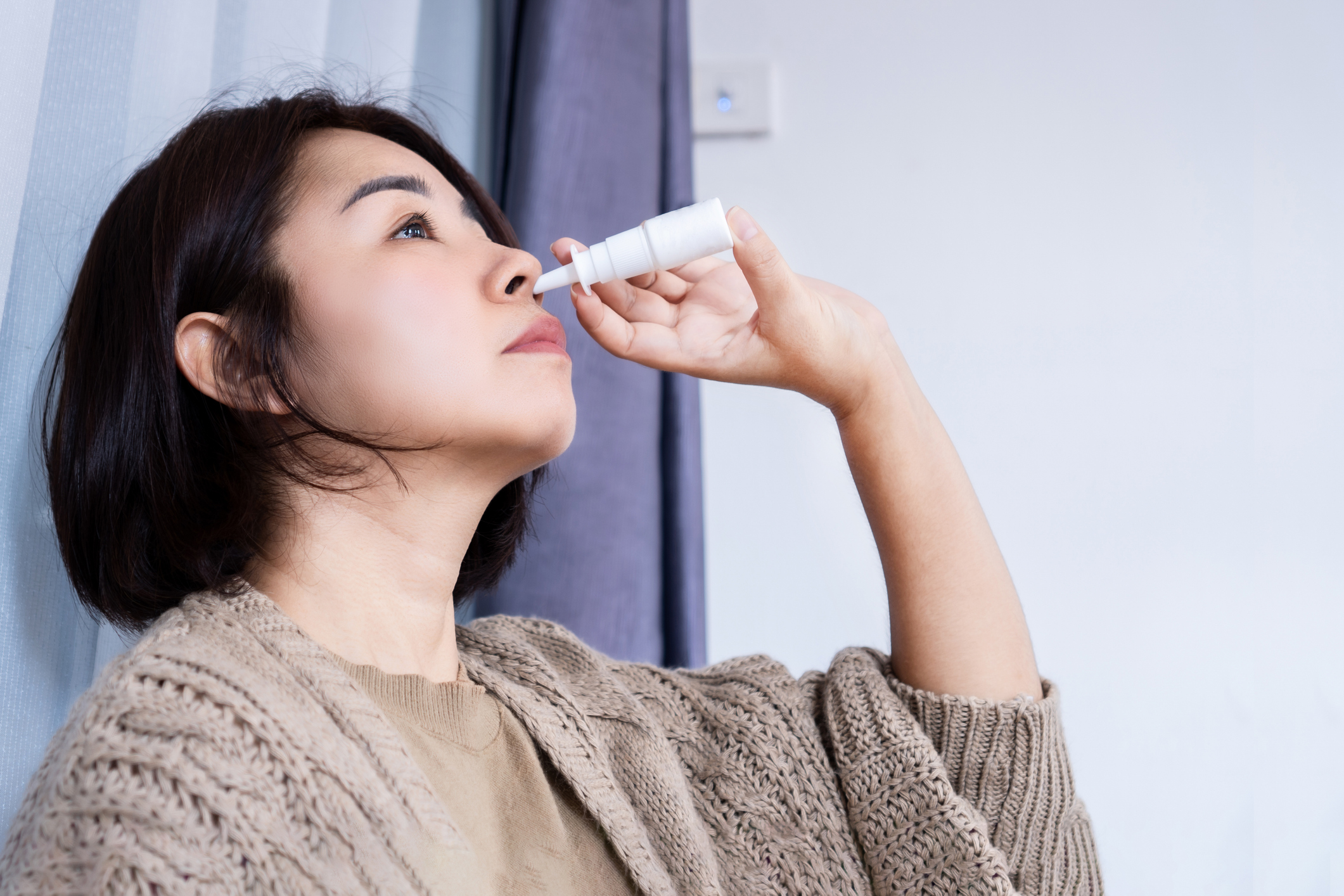
  • Saline nasal spray
  • Nasal corticosteroids
  • Decongestants
  • Allergy medicines
  • Over-the-counter pain relievers

Several home remedies can help relieve symptoms of a sinus infection, including:

  • Resting
  • Drinking plenty of fluids
  • Using a warm compress
  • Keeping the sinuses moist
  • Rinsing the inside of the nose

If you are experiencing any problems due to a sinus infection, visit Flushing Hospital Medical Center’s Ambulatory Care Center. To schedule an appointment, please call (718) 670-5486.

All content of this newsletter is intended for general information purposes only and is not intended or implied to be a substitute for professional medical advice, diagnosis or treatment. Please consult a medical professional before adopting any of the suggestions on this page. You must never disregard professional medical advice or delay seeking medical treatment based upon any content of this newsletter. PROMPTLY CONSULT YOUR PHYSICIAN OR CALL 911 IF YOU BELIEVE YOU HAVE A MEDICAL EMERGENCY.

National Stroke Awareness Month

May is National Stroke Awareness Month. It is observed to raise awareness about the prevention and treatment of strokes, supporting stroke survivors, and educating the public on the impact of this serious medical condition.

Strokes happen when a blood clot or broken blood vessel prevents blood from getting to your brain. The lack of blood flow deprives brain cells of the oxygen and nutrients they need to survive, causing them to die in minutes.

Stroke is the fifth leading cause of death and a leading cause of disability in the U.S. Stroke can happen to anyone, at any age, at any time, so it is important to know the warning signs. The warning signs of a stroke can be found using the B.E. F.A.S.T. acronym, which emphasizes the urgency of seeking immediate medical attention:

  • B- Balance- is the person experiencing a sudden loss of balance or coordination, or dizziness
  • E- Eyes- is the person experiencing sudden vision problems, like blurred or double vision, or vision loss in one or both eyes.
  • F- Face drooping- by asking the person to smile, you can tell immediately if one side of the face droops
  • A- Arm weakness- ask the person to raise both arms. Observe to see if one arm drifts lower than the other
  • S- Speech difficulty- slurred speech is a symptom of stroke. Ask the person to repeat a single sentence
  • T- Time to call 911- time may be the difference between life and death, or even partial and full recovery

There are several ways to get involved with National Stroke Awareness Month, including:

  • Educating yourself about the signs of stroke and sharing it with others
  • Participating in stroke awareness events
  • Advocating for legislation that improves stroke care, funds research, or enhances patient care recovery from strokes
  • Supporting survivors
  • Wearing purple

If you are experiencing any symptoms of a stroke, call 911 immediately. If you need assistance managing your health to prevent a stroke or maintaining your overall wellness, visit Flushing Hospital Medical Center’s Ambulatory Care Center. To schedule an appointment, please call (718) 670-5486.


All content of this newsletter is intended for general information purposes only and is not intended or implied to be a substitute for professional medical advice, diagnosis or treatment. Please consult a medical professional before adopting any of the suggestions on this page. You must never disregard professional medical advice or delay seeking medical treatment based upon any content of this newsletter. PROMPTLY CONSULT YOUR PHYSICIAN OR CALL 911 IF YOU BELIEVE YOU HAVE A MEDICAL EMERGENCY.

Flushing Hospital Medical Center’s Department of Psychiatry and Addiction Services Chemical Dependence Unit Offers Treatment for Opioid Addiction

Opioid overdose deaths are a major public health problem in America. More than 107,000 people lost their lives to a drug overdose in 2023, with 70% of those deaths attributed to opioids such as fentanyl.

Fentanyl is a synthetic opioid that is 50 times more deadly than heroin. One gram of fentanyl, which is equivalent to the size of a sugar packet, has the potential to kill up to five hundred people.

There was a 14.5% decrease in opioid overdose deaths in 2024 due to public health measures.

Flushing Hospital Medical Center’s Department of Psychiatry and Addiction Services provides care and support to help people recover from opioid addiction. The department has the only medically managed detoxification unit in Queens County.

The unit, called the Chemical Dependence Unit, is a 30-bed medically managed detoxification unit that helps people safely withdraw from opioids, alcohol, and benzodiazepines. Under the direction of the Medical Director for Addiction Services and Unit Chief, staff includes physicians board-certified in addiction medicine, physician assistants, nurses, addiction counselors, psychotherapists, and creative arts therapists.

In addition to medical treatment such as Medication Assisted Treatment (MAT) for opioid addiction, the unit provides nursing care, individual and group counseling, creative arts therapy, self-help groups, and, very importantly, discharge and aftercare planning to help people continue their Recovery Journey, with follow-up calls after discharge.

For additional admission information, please call the Addiction Treatment Unit at 718-670-4524.

All content of this newsletter is intended for general information purposes only and is not intended or implied to be a substitute for professional medical advice, diagnosis or treatment. Please consult a medical professional before adopting any of the suggestions on this page. You must never disregard professional medical advice or delay seeking medical treatment based upon any content of this newsletter. PROMPTLY CONSULT YOUR PHYSICIAN OR CALL 911 IF YOU BELIEVE YOU HAVE A MEDICAL EMERGENCY.

Mental Health Awareness Month-10 Common Signs of Mental Health Issues

May is Mental Health Awareness Month. It is a month observed to increase awareness of the importance of mental health and wellness in Americans’ lives and to celebrate recovery from mental illness.

The signs and symptoms of mental illness can vary, depending on the disorder, circumstances, and other factors. Mental illness symptoms can affect a person’s emotions, thoughts, and behavior.

10 common signs of mental health issues include:

  1. Feeling very sad, withdrawn, or unmotivated for more than two weeks
  2. Out-of-control, risk-taking behaviors
  3. Not eating, throwing up, or using laxatives to lose weight; significant weight loss or weight gain
  4. Making plans or trying to harm or kill oneself
  5. Sudden overwhelming fear for no reason, sometimes with a racing heart or fast breathing
  6. Severe mood swings that cause problems in relationships
  7. Excess use of drugs or alcohol
  8. Drastic changes in behavior, personality, or sleeping habits
  9. Intense worries or fears that get in the way of daily activities
  10. Extreme difficulty in concentrating or staying still

Founded by Mental Health America in 1949, Mental Health Awareness Month highlights the importance of mental wellbeing, educating the public, reducing the stigma, and promoting support for those affected by mental health conditions.

You can help do your part by helping raise awareness and advocating for better mental health care and resources.

All content of this newsletter is intended for general information purposes only and is not intended or implied to be a substitute for professional medical advice, diagnosis or treatment. Please consult a medical professional before adopting any of the suggestions on this page. You must never disregard professional medical advice or delay seeking medical treatment based upon any content of this newsletter. PROMPTLY CONSULT YOUR PHYSICIAN OR CALL 911 IF YOU BELIEVE YOU HAVE A MEDICAL EMERGENCY.

Hepatitis Awareness Month

May is Hepatitis Awareness Month. It is a month that raises awareness of viral hepatitis in the United States. 

Hepatitis is inflammation of the liver that damages it, affecting how well it functions. 

Viral hepatitis is a major public health threat, and unfortunately, hundreds of thousands of people in the United States don’t know they are infected. 

Hepatitis A and hepatitis B are vaccine-preventable, and hepatitis C can be cured. 

A hepatitis A infection usually causes a mild, short-term illness. Vaccination is the best way to prevent infection. 

Many people with the hepatitis B virus won’t experience symptoms, and similarly, many people with hepatitis C don’t look or feel sick. Left untreated, both infections can cause serious health problems, including liver damage, cirrhosis, liver cancer, and even death. 

Although there is no cure for hepatitis B, treatments are available that can delay or reduce the risk of developing liver cancer. There currently isn’t a vaccine to prevent hepatitis C, but curative treatments are available. Most people who are infected with hepatitis C can be cured with just eight to 12 weeks of well-tolerated oral-only treatment. Testing is the first step. 

Getting tested is the only way to know you have either virus. May 19th is observed as Hepatitis Testing Day, so it is imperative to get tested to know whether or not you are infected.

Hepatitis Awareness Month educates healthcare practitioners and the public about the importance of vaccination against hepatitis A and hepatitis B, as well as the importance of testing and treatment for hepatitis B and hepatitis C. 

All content of this newsletter is intended for general information purposes only and is not intended or implied to be a substitute for professional medical advice, diagnosis or treatment. Please consult a medical professional before adopting any of the suggestions on this page. You must never disregard professional medical advice or delay seeking medical treatment based upon any content of this newsletter. PROMPTLY CONSULT YOUR PHYSICIAN OR CALL 911 IF YOU BELIEVE YOU HAVE A MEDICAL EMERGENCY.