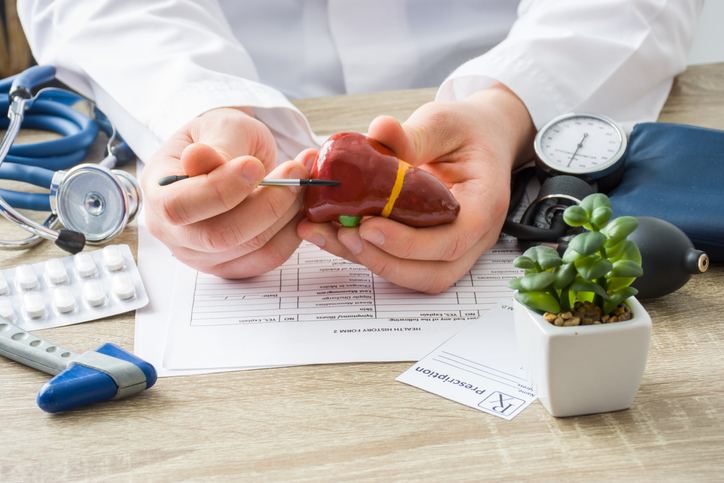
Renal Diet

Chronic kidney disease or chronic kidney failure occurs when the kidneys are damaged and unable to filter blood properly.  This can lead to a build-up of waste in the blood and other health problems such as anemia, hypertension, and nerve damage.

Due to the risk of such complications, It is important for those diagnosed with chronic kidney failure to adhere to treatment recommended by their physicians.  Treatment plans may include making lifestyle changes such as following a kidney (renal) diet.

A kidney diet can help in cutting down the amount of waste in the blood and promoting kidney function.  Renal diets are low in sodium, potassium, protein, phosphorus, calcium, and in some instances fluids.  Here is a list of foods containing these ingredients people with kidney disease may want to limit or avoid:

  • Avocados
  • Canned foods
  • Dark-colored sodas
  • Bananas
  • Whole wheat bread
  • Brown rice
  • Orange juice
  • Dairy
  • Potatoes
  • Dates, raisins or prunes

Everyone’s case is different so there may be variations in a diet suggested by a dietitian or doctor.

A kidney-friendly eating plan is one of the ways to protect your kidneys from further damage. To learn more about maintaining your kidney health or to schedule an appointment with a doctor at Flushing Hospital Medical Center, please call 718-670-5486.

All content of this newsletter is intended for general information purposes only and is not intended or implied to be a substitute for professional medical advice, diagnosis or treatment. Please consult a medical professional before adopting any of the suggestions on this page. You must never disregard professional medical advice or delay seeking medical treatment based upon any content of this newsletter. PROMPTLY CONSULT YOUR PHYSICIAN OR CALL 911 IF YOU BELIEVE YOU HAVE A MEDICAL EMERGENCY.


Repairing A Chipped Or Broken Tooth

A chipped or broken tooth can occur for several reasons including a blow to the face, falling, or biting down on something hard.

The damage to your tooth can be slight or severe, and you should see a dentist for an examination and treatment.  You should never attempt to fix a chipped or broken tooth on your own, doing so may cause further damage or infection.

Before heading to your dental appointment there are a few things you can do to care for your tooth and alleviate symptoms. This includes:

  • Not chewing with the affected tooth
  • Flossing or rinsing to get rid of particles that may aggravate the injury
  • Temporarily covering the tooth with sugarless chewing gum or dental wax. Temporary broken tooth repair kits are also available in most drug stores
  • Taking over-the-counter pain relievers
  • Only eating soft foods

There are a variety of ways to treat broken or chipped teeth.  They include:

  • Bonding
  • Tooth reattachment
  • Porcelain veneers
  • Dental onlays
  • Dental crowns and caps
  • Root canal

Keep in mind, the sooner you receive treatment the better. Early treatment can reduce the risk of several dental problems.

To schedule an appointment with a dentist at  Flushing Hospital Medical Center, please call  (718) 670-5521. 

All content of this newsletter is intended for general information purposes only and is not intended or implied to be a substitute for professional medical advice, diagnosis or treatment. Please consult a medical professional before adopting any of the suggestions on this page. You must never disregard professional medical advice or delay seeking medical treatment based upon any content of this newsletter. PROMPTLY CONSULT YOUR PHYSICIAN OR CALL 911 IF YOU BELIEVE YOU HAVE A MEDICAL EMERGENCY.

Psoriasis or Dandruff?

Psoriasis and dandruff are both skin conditions that can affect the scalp and result in similar symptoms such as itchiness, redness, or flakes.

While there are similarities in dandruff and psoriasis, there are also significant differences between the two.

Dandruff (a mild form of seborrheic dermatitis) is only restricted to the scalp. It can be caused by dry, irritated, or oily skin, sensitivity to hair products, skin conditions such as eczema, or Malassezia which is a type of yeast.

Dandruff is not long-lasting, and symptoms tend to go away with treatment. This condition is often treated by using over-the-counter medicated shampoos, antifungal solutions, or a topical corticosteroid.

Psoriasis is a chronic (long-lasting), auto-immune disease. It can affect multiple parts of our bodies including the scalp.  Unlike dandruff, scalp psoriasis can spread from the scalp to the face, neck, inside, and behind the ears.

Psoriasis develops when the immune system instructs skin cells to regenerate much quicker than normal. This results in the formation of scales and red patches. In addition to redness, itchiness, or flakes, symptoms of scalp psoriasis can include silvery-white scales, burning sensation, or soreness, all of which can lead to temporary hair loss. These symptoms come and go.

Mild cases of scalp psoriasis can be treated with over-the-counter ointments, medicated shampoos, gels, or oils that contain salicylic acid or coal tar. However, more severe cases often require prescription treatments such as topical steroids, antimicrobials, or biologics.  There is no cure for psoriasis, but it can be managed with the help of a dermatologist.

If you are experiencing symptoms of dandruff or psoriasis and over-the-counter treatments are not working, it is recommended that you see a doctor. You should also see a physician if you have noticed any changes in your skin.

To schedule an appointment with a doctor at Flushing Hospital Medical Center, please call 718-670-5486.

All content of this newsletter is intended for general information purposes only and is not intended or implied to be a substitute for professional medical advice, diagnosis or treatment. Please consult a medical professional before adopting any of the suggestions on this page. You must never disregard professional medical advice or delay seeking medical treatment based upon any content of this newsletter. PROMPTLY CONSULT YOUR PHYSICIAN OR CALL 911 IF YOU BELIEVE YOU HAVE A MEDICAL EMERGENCY.

Should You Still Work Out When Your Muscles Are Sore?

Muscle soreness after working out or delayed onset muscle soreness (DOMS) often occurs as a result of doing new, repetitive, or intense exercises our bodies may not be accustomed to.

During strenuous or new exercises, our muscles are often forced to work harder, this may cause tiny tears in muscle fibers and inflammation.  According to the American College of Sports Medicine, delayed onset muscle soreness appears to be a side effect of the repair process that develops in response to this muscle damage.  In other words, normal muscle soreness is a part of muscle growth.

Delayed onset muscle soreness typically begins within 12-24 hours after exercise, and everyone is susceptible to developing it, even those who exercise routinely.  While DOMS is normal, it is important to pay attention to the severity and duration of symptoms following your workout and respond accordingly.

In moderate to mild cases of DOMS, in which soreness usually lasts three to five days, it is recommended that you participate in light exercises such as walking or stretching. This will help to keep blood flowing and loosen muscles. It is also advised that you exercise other parts of the body to give sore muscles a chance to recover.

In severe cases where pain lasts longer than a few days, is unbearable, or prevents you from moving the affected part of the body, it is recommended that you see a doctor right away.  These symptoms can be indicative of serious muscle injury that can potentially lead to kidney damage. Additional warning signs you should look out for include bruising and swelling of the affected limbs or dark-colored urine.

Delayed onset muscle soreness can be prevented by progressing slowly into a new exercise routine, not repeating the same exercise every day, warming up before exercising, and stretching after.

Exercise and strength training can improve your overall health and wellness.  By working out safely and paying attention to the signs of your body you can avoid muscle injury and reap the benefits.

All content of this newsletter is intended for general information purposes only and is not intended or implied to be a substitute for professional medical advice, diagnosis or treatment. Please consult a medical professional before adopting any of the suggestions on this page. You must never disregard professional medical advice or delay seeking medical treatment based upon any content of this newsletter. PROMPTLY CONSULT YOUR PHYSICIAN OR CALL 911 IF YOU BELIEVE YOU HAVE A MEDICAL EMERGENCY.
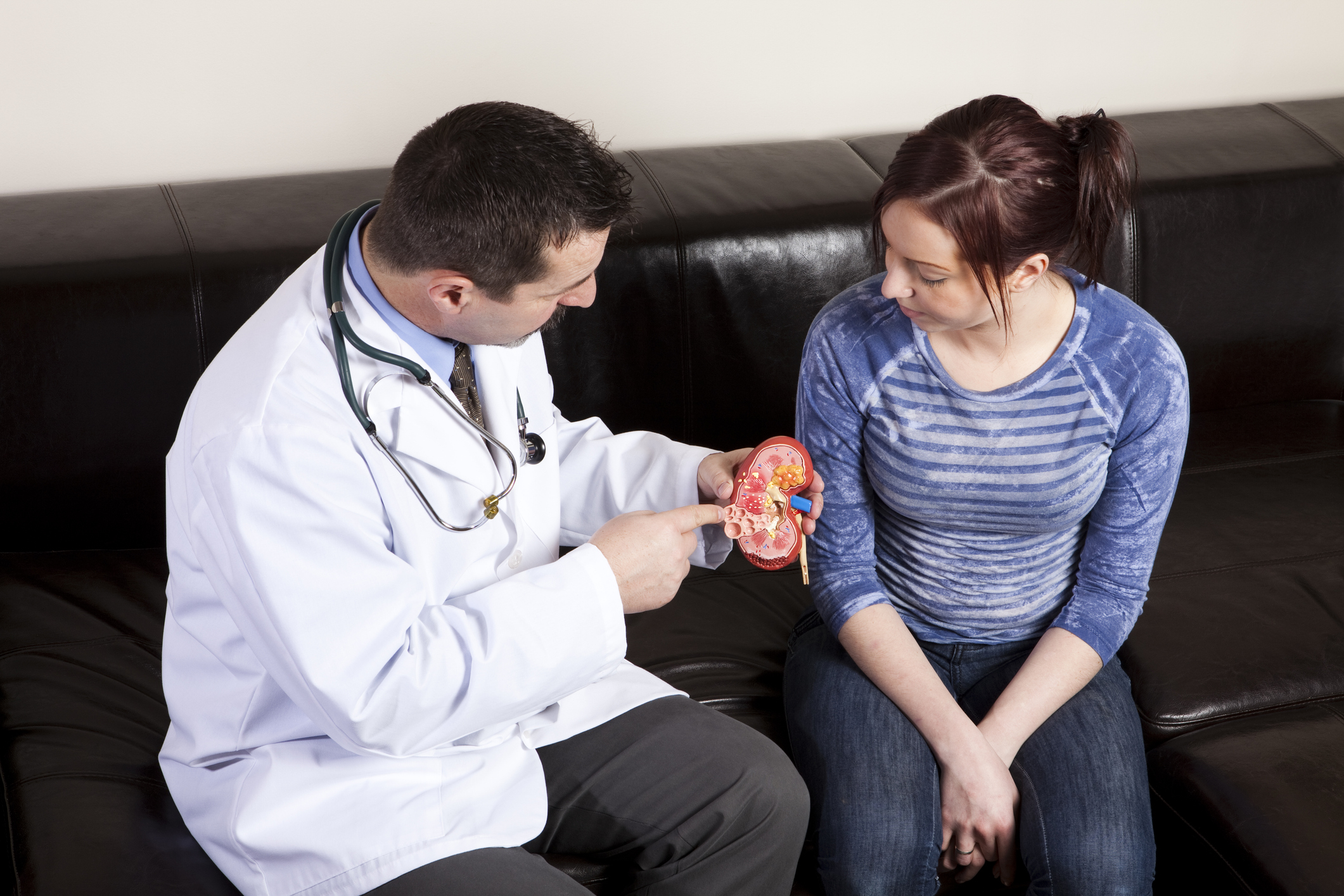
Prescription Opioid Addiction Among Young Adults

It is crucial for parents and young adults to know the facts about opioids so that they can better understand how these drugs can negatively affect a person’s health and quality of life.

Here are six important facts families should know:

  1. Opioids are narcotic medications that are prescribed to treat mild to severe pain.
  2. Some of the most common types of opioids are fentanyl, hydrocodone, oxycodone, morphine tramadol and codeine.
  3. Opioids work by reducing the intensity of pain signals being transmitted to the brain. They interact with opioid receptors in the brain to produce pain relief and feelings of euphoria.
  4. Misusing opioids can result in the development of a chemical dependency on these drugs. Misuse may occur when a person is taking opioids long-term, is taking more than what was prescribed, or is taking them for non-medical reasons.
  5. It is common for teens to mix prescription opioids with other substances such as alcohol. A  study revealed that seven out of ten teens combined opioids with additional substances and 52% within this group co-ingested prescription pills with alcohol. This behavior puts teens at a higher risk for overdose.
  6. Some of the warning signs of opioid abuse include; anxiety attacks, depression, improved alertness, increased energy, a decrease in appetite, fatigue, nausea, constipation and breathlessness.

There are several steps one can take to prevent or reduce the chances of prescription opioid misuse, they include; keeping medication locked up or keeping track of medication to ensure pills are not missing, correctly disposing of unused medication, monitoring your loved one’s behavior while they are taking medication and communicating with your doctor about not exceeding the recommended time period for pain treatment.

If your loved one is addicted to prescription opioids it is highly recommended that you have an honest conversation with them about harmful effects that could potentially lead to death.  Reassure them that you are here to help and not to judge them. Seek help from a trained medical professional immediately.

There are several treatment options available which include medication and counseling. Your physician or mental health counselor will determine which treatments are best for a healthy recovery.

To schedule an appointment with Flushing Hospital Medical Center’s  Addiction Service Division please call 718-670-5078.

All content of this newsletter is intended for general information purposes only and is not intended or implied to be a substitute for professional medical advice, diagnosis or treatment. Please consult a medical professional before adopting any of the suggestions on this page. You must never disregard professional medical advice or delay seeking medical treatment based upon any content of this newsletter. PROMPTLY CONSULT YOUR PHYSICIAN OR CALL 911 IF YOU BELIEVE YOU HAVE A MEDICAL EMERGENCY.

Phobias

A phobia is a type of anxiety disorder that is characterized by the uncontrollable and irrational fear of a specific situation, object, or activity.

The American Psychiatric Association (APA) categorizes phobias into the following three groups:

  • Social phobia -a long-term and overwhelming fear of participating in everyday social situations.
  • Agoraphobia- the APA defines this as, “The fear of being in situations where escape may be difficult or embarrassing, or help might not be available in the event of panic symptoms.”
  • Specific phobia- is unreasonable fear caused by the thought or presence of a specific object or situation that typically poses no real threat or danger.

There is still uncertainty of what actually causes phobias; however, they can be linked to genetics, life experiences or environmental reasons.

Examples of phobias include:

  • Bibliophobia- A fear of books.
  • Aerophobia- A fear of flying.
  • Hemophobia- A fear of blood.
  • Claustrophobia- A fear of confined or crowded spaces.
  • Coulrophobia-A fear of clowns.
  • Aulophobia- A fear of flutes.
  • Porphyrophobia- A fear of the color purple.
  • Nyctohylophobia- A fear of the woods in the night.
  • Octophobia- A fear of the figure 8.
  • Selenophobia- A fear of the moon.
  • Lutraphobia- A fear of otters.
  • Heliophobia- A fear of sunlight.
  • Chionophobia- A fear of snow.

Although some phobias may be unusual, they should not be taken lightly. They can be harmful to people who have them and can potentially lead to depression, social isolation, or substance abuse.

It is advised that you seek help immediately if you or someone you know is suffering from the complications of a phobia.

To schedule an appointment with a mental health expert at Flushing Hospital Medical Center, please call (718) 670-5316.

All content of this newsletter is intended for general information purposes only and is not intended or implied to be a substitute for professional medical advice, diagnosis or treatment. Please consult a medical professional before adopting any of the suggestions on this page. You must never disregard professional medical advice or delay seeking medical treatment based upon any content of this newsletter. PROMPTLY CONSULT YOUR PHYSICIAN OR CALL 911 IF YOU BELIEVE YOU HAVE A MEDICAL EMERGENCY.

Rheumatoid Arthritis and Lung Disease

Rheumatoid arthritis (RA) is an autoimmune and inflammatory disease that primarily attacks joints.

Although RA mostly causes damage to joints, it can also affect other parts of the body such as the lungs.

Lung problems that can occur as a result of RA include:

  • Bronchiectasis (Damage to the airways)
  • Interstitial lung disease (Inflammation and scarring of lung tissue)
  • Pleural disease (Buildup of fluid in the chest cavity)
  • Lung nodules (Small growths or lumps in the lungs)
  • Pulmonary hypertension (High blood pressure in the lungs)

The symptoms of rheumatoid lung disease vary but may include:

  • Shortness of breath
  • Dry cough
  • Fatigue
  • Weakness
  • Fever

According to the Arthritis Foundation, “The risk of developing lung disease is eight times higher in people with RA than in the general population.”  Other risk factors for rheumatoid lung disease are:

  • Smoking
  • Age (People diagnosed with RA after the age of 60 are at greater risk)
  • Sex (Men are more likely to develop rheumatoid lung disease than women)
  • High RA disease activity
  • Undertreated RA

The cause of lung disease associated with RA is unknown; however, there are several things you can do to protect lung health.  Here are a few:

  • Receive early treatment for rheumatoid arthritis
  • Avoid smoking or secondhand smoke
  • Exercise regularly
  • Avoid toxic fumes
  • Get the flu and pneumonia vaccine

If you are experiencing breathing problems or symptoms associated with rheumatoid lung disease, contact your doctor.

To schedule an appointment with a doctor at Flushing Hospital Medical Center, please call 718-670-5486.


All content of this newsletter is intended for general information purposes only and is not intended or implied to be a substitute for professional medical advice, diagnosis or treatment. Please consult a medical professional before adopting any of the suggestions on this page. You must never disregard professional medical advice or delay seeking medical treatment based upon any content of this newsletter. PROMPTLY CONSULT YOUR PHYSICIAN OR CALL 911 IF YOU BELIEVE YOU HAVE A MEDICAL EMERGENCY.

Hyponatremia (Low Blood Sodium)

Our bodies need an adequate amount of sodium to help control how much water is in and around our cells. Therefore, extremely high or low levels of sodium in our blood can be harmful to our health.

Hyponatremia occurs when the concentration of sodium in our blood is abnormally low or when there is too much water in our blood.

Low blood sodium (hyponatremia) can cause water levels in the body to rise and cells to swell, potentially leading to serious health problems.

Hyponatremia can be caused by several factors including:

  • Taking certain medications
  • Drinking too much water
  • Heart failure
  • Kidney or liver disease
  • Hormonal changes
  • Syndrome of inappropriate secretion of antidiuretic hormone
  • Chronic or severe vomiting or diarrhea
  • Taking the illicit drug Ecstasy

Signs and symptoms of hyponatremia may include:

  • Muscle cramps or weakness
  • Nausea and vomiting
  • Confusion
  • Irritability and restlessness
  • Headache
  • Fatigue
  • Seizures
  • Coma

Some individuals are more at risk than others for developing hyponatremia. Individuals at higher risk are:

  • Those who drink too much water while participating in intensive physical activities such as marathons
  • Older adults
  • Those who are taking certain diuretics, pain medications or anti-depressants
  • Those who have medical conditions such as kidney disease, heart failure or other conditions that can contribute to hyponatremia

Hyponatremia may be prevented by:

  • Drinking water in moderation
  • Paying attention to the signs and symptoms of low sodium in the body
  • Receiving timely treatment for medical conditions that may contribute to low sodium levels
  • Avoiding the consumption of the illicit drug Ecstasy

Anyone who develops symptoms of hyponatremia should seek medical attention right away.  Treatment for mild cases may include your doctor recommending a change in medication or reducing water intake. In moderate to severe cases, medications may be used to correct blood sodium levels or sodium may be replaced intravenously.


All content of this newsletter is intended for general information purposes only and is not intended or implied to be a substitute for professional medical advice, diagnosis or treatment. Please consult a medical professional before adopting any of the suggestions on this page. You must never disregard professional medical advice or delay seeking medical treatment based upon any content of this newsletter. PROMPTLY CONSULT YOUR PHYSICIAN OR CALL 911 IF YOU BELIEVE YOU HAVE A MEDICAL EMERGENCY.
COVID-19 Booster Shot Facts

According to the Centers for Disease Control and Prevention (CDC), “Studies show that after getting vaccinated against COVID-19, protection against the virus may decrease over time and be less able to protect against the Delta variant.”

It is for this reason that the CDC recommends a booster shot of the Pfizer-BioNTech COVID-19 vaccine for individuals who are at the highest risk of contracting COVID or developing complications from severe disease.

Receiving the booster shot can provide additional protection from the virus by helping people maintain their level of immunity longer.

At this time, the CDC is recommending that the following individuals receive a third shot of the Pfizer-BioNTech COVID-19 vaccine:

  • People 65 years and older and residents in long-term care settings should receive a booster shot of Pfizer-BioNTech’s COVID-19 vaccine at least 6 months after their Pfizer-BioNTech primary series
  • People aged 50–64 years with underlying medical conditions should receive a booster shot of Pfizer-BioNTech’s COVID-19 vaccine at least 6 months after their Pfizer-BioNTech primary series
  • People aged 18–49 years with underlying medical conditions may receive a booster shot of Pfizer-BioNTech’s COVID-19 vaccine at least 6 months after their Pfizer-BioNTech primary series, based on their individual benefits and risks
  • People aged 18-64 years who are at increased risk for COVID-19 exposure and transmission because of occupational or institutional setting may receive a booster shot of Pfizer-BioNTech’s COVID-19 vaccine at least 6 months after their Pfizer-BioNTech primary series, based on their individual benefits and risks.

If you have questions about your eligibility for a booster vaccine please contact your doctor or visit www.cdc.gov.

To schedule an appointment with a doctor at Flushing Hospital Medical Center, please call 718-670-5486.


All content of this newsletter is intended for general information purposes only and is not intended or implied to be a substitute for professional medical advice, diagnosis or treatment. Please consult a medical professional before adopting any of the suggestions on this page. You must never disregard professional medical advice or delay seeking medical treatment based upon any content of this newsletter. PROMPTLY CONSULT YOUR PHYSICIAN OR CALL 911 IF YOU BELIEVE YOU HAVE A MEDICAL EMERGENCY.

Alcohol-Related Liver Disease

Excessive drinking of alcohol is classified as more than eight alcoholic drinks per day in women and more than 15 in men.  Consuming alcohol heavily over an extended period can result in the development of alcohol-related liver disease (ARLD).

ARLD causes damage and inflammation of the liver and can potentially lead to liver failure.

There are three types of alcohol-related liver disease, each categorized by stages. They include:

  1. Alcoholic fatty liver disease– This is the earliest stage that occurs when there is a build-up of fat in the liver. There are rarely any symptoms. However, developing fatty liver disease is a clear indication that the body is taking in more alcohol than the liver can process. Fatty liver disease is sometimes reversible when an individual removes alcohol from their diet.
  2. Acute alcoholic hepatitis– In this stage, the excessive consumption of alcohol causes inflammation and swelling of the liver, as well as the destruction of liver cells. This condition can be mild or severe, and symptoms may include jaundice, nausea, vomiting, fever, or abdominal pain. In some cases, treatment may reverse liver damage. In other cases, alcoholic hepatitis can lead to liver failure.
  3. Alcoholic cirrhosis– According to the American Liver Foundation, “Between 10 and 20 percent of heavy drinkers develop cirrhosis, usually after 10 or more years of drinking.” This is the most severe stage that causes the liver to become scarred, stiff and swollen. At this point, damage that is done to the liver generally cannot be undone. Cirrhosis often presents no symptoms until there is extensive damage done to the liver. Symptoms may include red or blotchy palms, jaundice, weight loss, nausea, accumulation of fluid in the abdomen, breast enlargement in men or the loss of periods in women.  It is important to pay attention to these symptoms and seek treatment because advanced cirrhosis can be life-threatening.

If you are believed to have alcoholic-related liver disease, your doctor may assess your history of alcohol consumption, order blood and imaging tests to rule out other liver diseases or request a liver biopsy to determine a diagnosis.

Treatment for alcoholic-related liver disease is based on severity. The first thing your doctor will aim to do is help you to stop drinking.  Abstinence will help to prevent further liver damage and promote healing.  It is common for patients with ARLD to have some degree of malnutrition, as a result, your doctor may recommend that you see a nutritionist. Medications may also be added to your care plan to reduce liver inflammation. In severe cases of ARLD, where there is advanced cirrhosis, treatment can include liver transplantation.

To schedule an appointment with an alcohol addiction specialist at Flushing Hospital Medical Center, please call (718) 670-5078.

All content of this newsletter is intended for general information purposes only and is not intended or implied to be a substitute for professional medical advice, diagnosis or treatment. Please consult a medical professional before adopting any of the suggestions on this page. You must never disregard professional medical advice or delay seeking medical treatment based upon any content of this newsletter. PROMPTLY CONSULT YOUR PHYSICIAN OR CALL 911 IF YOU BELIEVE YOU HAVE A MEDICAL EMERGENCY.