Parechovirus

The Centers for Disease Control and Prevention (CDC) recently released a health advisory alerting public health officials of a growing number of parechovirus (PeV) cases.  According to the organization, “Since May 2022, CDC has received reports from healthcare providers in multiple states of PeV infections in neonates and young infants.”

Parechovirus is a common viral infection that can affect adults and children.  For adults and older children, the symptoms of the virus are typically mild and may include vomiting, fever, gastrointestinal problems, or a rash.  Symptoms may not be visible in some individuals.

In newborns and babies under the age of 3 months old, symptoms caused by PeV can be severe and include high fever, fast heart rate, and low blood pressure.  PeV infections can also lead to potentially life-threatening complications such as:

  • Seizures
  • Encephalitis
  • Sepsis-like illness
  • Meningitis

Parechovirus is highly contagious, spreading from person to person by way of contact with respiratory droplets (sneezing or coughing) or by fecal-oral route, meaning fecal material of an infected person is ingested by another person. You can also catch the virus by touching objects that are contaminated and then later touching your nose or mouth.

PeV infections are more common in the spring, summer, and fall months. However, transmission can be prevented by practicing proper hand hygiene; especially after diaper changes, covering your nose and mouth when you sneeze or cough,  disinfecting frequently touched objects and surfaces, and staying away from those who are sick.

If your child is displaying signs of a parechovirus infection, consult your pediatrician immediately or seek emergency medical care. An early diagnosis and treatment can reduce the risk of complications. Treatment for mild symptoms may include getting plenty of rest and fluids and taking over-the-counter medications. Hospitalization may be required for younger babies and children with more severe symptoms.

To schedule an appointment with a pediatrician at Flushing Hospital Medical Center, please call  718-670-5486.


All content of this newsletter is intended for general information purposes only and is not intended or implied to be a substitute for professional medical advice, diagnosis or treatment. Please consult a medical professional before adopting any of the suggestions on this page. You must never disregard professional medical advice or delay seeking medical treatment based upon any content of this newsletter. PROMPTLY CONSULT YOUR PHYSICIAN OR CALL 911 IF YOU BELIEVE YOU HAVE A MEDICAL EMERGENCY.

Best And Worst Foods For High Cholesterol

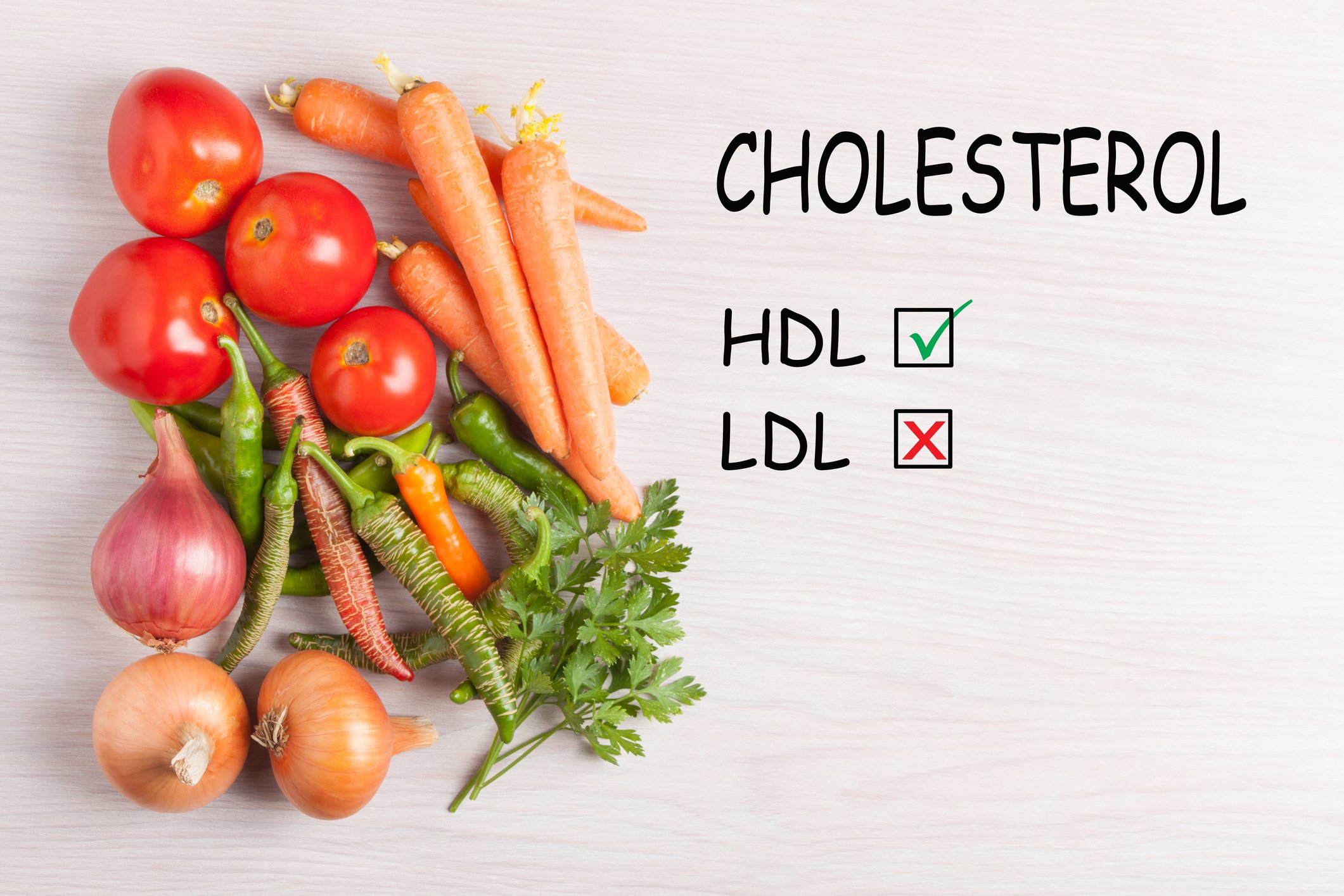
Cholesterol is a waxy, fat-like substance that is produced by the liver and used by the body to help make cells, hormones, and vitamin D.

High cholesterol occurs when there is too much of this fatty substance in the blood. Although high cholesterol can be inherited, it is often caused by unhealthy lifestyle choices.

A buildup of fatty deposits in our blood vessels can lead to serious health problems such as heart disease or stroke.  Therefore, it is important to make changes to our lifestyle to reduce the risk of complications.

Improving our diets is a good place to start, and that involves avoiding or limiting the following foods:

  • Fried foods
  • Processed meats
  • Baked goods made with butter or shortening
  • Dairy products made from whole milk
  • Red meat
  • Organ meat
  • Saturated vegetable oils such as coconut oil or palm oil
  • Food made with hydrogenated oil

Adding these foods to your diet can help reduce high cholesterol levels:

  • Fruits that are rich in pectin such as apples, grapes, and strawberries
  • Oats
  • Whole grains
  • Nuts
  • Legumes
  • Fish rich in omega-3 fatty acids such as salmon

Other lifestyle changes you can make to improve cholesterol levels are exercising at least 2 ½ hours each week and reducing stress.

If you are at risk of developing high cholesterol, speak with your physician about taking steps to reduce your levels.  Your doctor’s treatment plan may include adhering to a healthy diet, working out regularly, or taking medications.

All content of this newsletter is intended for general information purposes only and is not intended or implied to be a substitute for professional medical advice, diagnosis or treatment. Please consult a medical professional before adopting any of the suggestions on this page. You must never disregard professional medical advice or delay seeking medical treatment based upon any content of this newsletter. PROMPTLY CONSULT YOUR PHYSICIAN OR CALL 911 IF YOU BELIEVE YOU HAVE A MEDICAL EMERGENCY.

Supplements And Drug Interactions

It is common for people to take dietary supplements while using prescribed medications.  However, many do not disclose this information to their doctors.

Informing your doctor of prescription and supplement usage is important because some supplements when combined with certain medications can cause interactions that endanger your health.

The U.S. Food and Drug Administration (FDA), warns against combining the following medications and supplements as doing so can result in adverse reactions:

  • Drugs for HIV/AIDS, heart disease, depression, treatments for organ transplants, and birth control pills are less effective when taken with St. John’s wort, an herbal supplement.
  • Warfarin (a prescription blood thinner), ginkgo biloba (an herbal supplement), aspirin, and vitamin E (a supplement) can each thin the blood. Taking any of these products together may increase the potential for internal bleeding or stroke.

Other examples of dietary supplement and prescription medication interactions are:

  • Goldenseal – it is highly advised that goldenseal not be combined with most over-the-counter and prescription medicines. It may interact with blood thinners, chemotherapy and HIV drugs.
  • Calcium- may interact with certain antibiotics, thyroid or osteoporosis drugs.
  • Co-Q10- may interact with blood thinners and cancer drugs.
  • Valerian- may interact with anti-anxiety drugs.

It is important to keep in mind that while many supplements are labeled as natural, they may not always be safe, especially when taken with certain medicines. The FDA advises patients to always consult with their physicians before taking any dietary supplement and medication combinations.


All content of this newsletter is intended for general information purposes only and is not intended or implied to be a substitute for professional medical advice, diagnosis or treatment. Please consult a medical professional before adopting any of the suggestions on this page. You must never disregard professional medical advice or delay seeking medical treatment based upon any content of this newsletter. PROMPTLY CONSULT YOUR PHYSICIAN OR CALL 911 IF YOU BELIEVE YOU HAVE A MEDICAL EMERGENCY.

Tips To Cope With Loneliness

The Centers for Disease Control and Prevention (CDC) defines loneliness as, “an emotion that comes from a lack of social connection.”

Almost everyone will experience feeling lonely at some point in their lives.  In fact, data from a 2020 survey concluded that approximately 60% of adults living in the United States experienced loneliness that year.

Loneliness can affect our health in different ways:

  1. It can lead to mental health issues such as depression
  2. It can affect concentration
  3. It can affect sleep health

What can you do to combat loneliness? The CDC has the following suggestions to help you cope:

  • Start a conversation.

Call, video chat, or text message friends, family, neighbors and co-workers. Write a letter or postcard.

  • Use social media and virtual technology.

Use your time online to connect and interact with others instead of scrolling through posts. Set limited timeframes for reading the news.

  • Try virtual volunteering to provide support in your community.

Many organizations, including faith-based organizations, offer online/virtual volunteer opportunities which can give you the chance to contribute to something that you find important.

  • Practice self-compassion and self-care.

Be gentle with yourself. Take time for yourself. Read, listen to music, exercise, or learn a new skill. Acknowledge your successes and give yourself a break. You are doing the best you can.

  • Seek help from a professional if your loneliness becomes overwhelming or feels unmanageable.

Talk to your doctor about how you are feeling.

To speak with a mental health provider at Flushing Hospital Medical Center, please call  (718) 670-5316.


All content of this newsletter is intended for general information purposes only and is not intended or implied to be a substitute for professional medical advice, diagnosis or treatment. Please consult a medical professional before adopting any of the suggestions on this page. You must never disregard professional medical advice or delay seeking medical treatment based upon any content of this newsletter. PROMPTLY CONSULT YOUR PHYSICIAN OR CALL 911 IF YOU BELIEVE YOU HAVE A MEDICAL EMERGENCY.

Exercise and Aging

It is never too late to begin a regular fitness routine.  In fact; the United States Department of Health and Human Services’ National Institute on Aging promotes exercise and physical activity as an important factor in healthy aging.

Older adults are encouraged to incorporate the following four main types of exercise into their routine:

  1. Strength Exercise
  2. Endurance Exercise
  3. Balance Exercise
  4. Flexibility Exercise

Each type of exercise offers several benefits when performed on an ongoing basis. These benefits can be achieved by doing a variety of physical activities.

  • Strength Exercise- Helps to build muscle and makes them stronger.  Building stronger muscles can be achieved by participating in activities such as lifting weights or resistance training.
  • Endurance Exercise-Helps to promote a healthy heart rate and improve breathing. This type of exercise focuses on overall fitness as well as keeping the cardiovascular and respiratory systems healthy. Activities such as aerobics, swimming, walking, dancing, or jogging are considered endurance exercises.
  • Balance Exercise-Helps to reduce falls, a problem that is common in older adults. This type of exercise focuses on building lower body strength. Activities such as Tai Chi, walking heel to toe, and standing on one foot are considered balance exercises.
  • Flexibility Exercise- Helps to stretch muscles, promotes freedom of movement, and in some instances improves balance. Examples of flexibility exercises include yoga, Pilates, bending to touch your toes, or stretching your arms across your chest.

Before beginning a fitness routine, it is recommended that you speak with your doctor first.  You can work with your physician to create a routine that is compatible with your lifestyle and health. To receive more information about exercise and aging, please visit the National Institute on Aging website https://www.nia.nih.gov/

All content of this newsletter is intended for general information purposes only and is not intended or implied to be a substitute for professional medical advice, diagnosis or treatment. Please consult a medical professional before adopting any of the suggestions on this page. You must never disregard professional medical advice or delay seeking medical treatment based upon any content of this newsletter. PROMPTLY CONSULT YOUR PHYSICIAN OR CALL 911 IF YOU BELIEVE YOU HAVE A MEDICAL EMERGENCY.
Signs of Liver Disease

The liver plays an essential role in helping our bodies to digest food, maintain healthy blood sugar levels, manage the clotting of blood, and remove harmful chemicals from the blood.

When our liver is damaged or not functioning properly it can lead to complications such as liver disease, which can potentially become life-threatening.

People with early-stage liver damage or disease may not experience symptoms. However, as time progresses, the body may send warning signs to let us know that the liver is not working the way it should.

Paying attention to these signs and receiving timely treatment can reduce the risk of serious illnesses. Here are five signs you should not ignore:

  1. Itchy skin
  2. Jaundice (Yellowing of the skin and eyes)
  3. Edema (Swelling in the arms and legs)
  4. Bruising easily
  5. Nausea and vomiting

Treatment for liver disease may include medications, lifestyle changes, or in some cases, liver transplantation.

There are steps you can take to prevent certain types of liver disease. This includes eating less red meat, maintaining a healthy weight, limiting or avoiding the consumption of alcohol, exercising, and getting the hepatitis  A and B vaccine if you are at risk.

All content of this newsletter is intended for general information purposes only and is not intended or implied to be a substitute for professional medical advice, diagnosis or treatment. Please consult a medical professional before adopting any of the suggestions on this page. You must never disregard professional medical advice or delay seeking medical treatment based upon any content of this newsletter. PROMPTLY CONSULT YOUR PHYSICIAN OR CALL 911 IF YOU BELIEVE YOU HAVE A MEDICAL EMERGENCY.

Exercises To Improve Balance in Seniors

According to the National Institute on Aging, more than one in three people, aged 65 and older fall each year.

Serious falls can lead to hip fractures, broken bones, and life-threatening injuries. Therefore, it is important to identify risk factors and take the right steps to prevent an accident.

As we age, our risk of falling increases. This is due to several reasons; one of which is that our sense of balance deteriorates with time. While this may be concerning, we can lower the risk of falling and improve balance by engaging in certain exercises.  Here are a few recommended by the National Institute on Aging:

  • Tai Chi
  • Standing on one foot.
  • The heel-to-toe walk.
  • The balance walk

Balance exercises can help improve stability, coordination, and posture. They are also helpful for building strength.

Be sure to modify these exercises to match your level of comfort. You can also use the aid of a chair or wall for support. Most importantly, always consult your doctor before adding any exercises to your routine.

To learn more about balance exercise recommendations from the National Insititute on Aging, please visit https://www.nia.nih.gov/health/four-types-exercise-can-improve-your-health-and-physical-ability.  To schedule an appointment with a doctor at Flushing Hospital Medical Center, contact 718-670-5486.

All content of this newsletter is intended for general information purposes only and is not intended or implied to be a substitute for professional medical advice, diagnosis or treatment. Please consult a medical professional before adopting any of the suggestions on this page. You must never disregard professional medical advice or delay seeking medical treatment based upon any content of this newsletter. PROMPTLY CONSULT YOUR PHYSICIAN OR CALL 911 IF YOU BELIEVE YOU HAVE A MEDICAL EMERGENCY.

Ectopic Pregnancy

There are a few steps that normally occur for a woman to become pregnant.  The first is a single sperm fertilizing an egg.  The next steps involve the fertilized egg traveling down the fallopian tube and descending to the uterus where it attaches itself to the lining and begins to grow.

The uterus is the only place in the body where the egg can survive and successfully develop into an embryo. Unfortunately, there are instances where the egg does not make it to the uterine lining but instead attaches to the fallopian tube, abdominal cavity, or cervix.  This is called an ectopic or extrauterine pregnancy.

According to the American Academy of Family Physicians (AAFP), ectopic pregnancies occur in an estimated 1 out of every 50 pregnancies.   Any woman can be at risk for this problem; however, the risks are higher if you:

  • Are older than 35 years of age
  • Had a previous ectopic pregnancy
  • Have a history of endometriosis
  • Have pelvic inflammatory disease (PID)
  • Have a history of sexually transmitted infections (STIs) such as chlamydia or gonorrhea (STIs can also lead to PID)
  • Are a smoker
  • Conceived with the aid of fertility drugs
  • Have scarring as a result of pelvic, abdominal, or fallopian surgeries
  • Have had tubal ligation or tubal ligation reversal surgeries
  • Birth defects that change the shape of the fallopian tubes

An ectopic pregnancy typically occurs within the first weeks of pregnancy. Signs and symptoms may include:

  • Vaginal bleeding
  • Pelvic pain
  • Lower back pain
  • Pain in the neck or shoulder
  • Pain on one side of the body
  • Pain or pressure in the rectum
  • The urge to have a bowel movement
  • Dizziness or weakness

Pelvic pain and vaginal bleeding are among the first warning signs of ectopic pregnancy; therefore, if you are experiencing this along with lightheadedness, shoulder pain or any other symptoms seek immediate medical care.  An ectopic pregnancy can potentially lead to the rupturing of the fallopian tube and heavy bleeding, which can be life-threatening.

Early diagnosis and treatment of ectopic pregnancy can reduce the risk of complications.  Treatment includes medication to stop the embryo from growing or surgery to remove the ectopic pregnancy.

If you believe you are at risk for ectopic pregnancy and would like to schedule an appointment with an OB/Gyn at Flushing Hospital Medical Center, please call 718-670-8992.

All content of this newsletter is intended for general information purposes only and is not intended or implied to be a substitute for professional medical advice, diagnosis or treatment. Please consult a medical professional before adopting any of the suggestions on this page. You must never disregard professional medical advice or delay seeking medical treatment based upon any content of this newsletter. PROMPTLY CONSULT YOUR PHYSICIAN OR CALL 911 IF YOU BELIEVE YOU HAVE A MEDICAL EMERGENCY.

Signs of a Vitamin A Deficiency

Vitamin A is a fat-soluble vitamin, meaning it is present in foods containing fats and is stored in the body’s fat tissue and liver.

Vitamin A is essential in helping the body fight infection and maintaining healthy eyes and skin. Vitamin A also helps organs such as the lung, kidney, and heart to work properly.

A lack or deficiency of vitamin A in the body can lead to several health problems including decreased immunity, dry eyes, night blindness, dry skin, infertility, and growth problems in children. Some people are more at risk than others for vitamin A deficiency; this includes pregnant women, breastfeeding women, children, and those who are living with celiac disease or cystic fibrosis.

The human body doesn’t produce vitamin A on its own; therefore, it must be acquired by eating certain foods or taking supplements.

Here is a list of foods that are rich in vitamin A:

  • Dairy products such as milk and cheese
  • Organ meats such as beef liver
  • Green leafy vegetables such as broccoli
  • Oily fish such as salmon
  • Fruits such as mango, cantaloupe melon, apricots, and papaya

If you are experiencing symptoms of vitamin A deficiency or are concerned about your intake of nutrients, please contact your doctor for an evaluation.

To schedule an appointment with a doctor at Flushing Hospital Medical Center, please call 718-670-5486.

All content of this newsletter is intended for general information purposes only and is not intended or implied to be a substitute for professional medical advice, diagnosis or treatment. Please consult a medical professional before adopting any of the suggestions on this page. You must never disregard professional medical advice or delay seeking medical treatment based upon any content of this newsletter. PROMPTLY CONSULT YOUR PHYSICIAN OR CALL 911 IF YOU BELIEVE YOU HAVE A MEDICAL EMERGENCY.

Menstrual Cramp Remedies

Dysmenorrhea (menstrual cramps) occurs when elevated levels of the hormone prostaglandin cause the muscles and blood vessels of the uterus to contract.  This results in the mild or severe pain experienced by many women before and during their periods.

Relief from pain may be achieved by trying the following remedies:

  • Applying heating pads to the lower abdomen ( Be sure to follow the instructions on the heating pad to avoid injuries)
  • Taking an over-the-counter pain reliever
  • Exercising ( Studies show that low to medium intensity exercises may help in reducing pain)
  • Taking magnesium supplements (This mineral is believed to be effective in relieving cramps)
  • Drinking water ( Dehydration can worsen to muscle cramps)
  • Trying acupressure
  • Trying acupuncture
  • Massaging the lower abdomen

If menstrual cramps and pain persist, you should schedule a doctor’s appointment. Your healthcare provider may order or conduct tests to see if these symptoms are caused by an underlying health problem.  Treatments will be recommended based on your diagnosis and may include medications or surgery.

To schedule an appointment with an OB/GYN at Flushing Hospital Medical Center, please call  718-670-8992.

All content of this newsletter is intended for general information purposes only and is not intended or implied to be a substitute for professional medical advice, diagnosis or treatment. Please consult a medical professional before adopting any of the suggestions on this page. You must never disregard professional medical advice or delay seeking medical treatment based upon any content of this newsletter. PROMPTLY CONSULT YOUR PHYSICIAN OR CALL 911 IF YOU BELIEVE YOU HAVE A MEDICAL EMERGENCY.