
Adult ADHD

Attention Deficit Hyperactivity Disorder (ADHD) is a common neurodevelopmental disorder.

Most people associate ADHD with children who have trouble focusing, are overly active or have difficulty controlling impulsive behaviors.  While ADHD does commonly affect children, it can also occur in adults. In fact, it is estimated that 4% to 5% of adults living in the United States have the disorder.

ADHD begins in childhood and can continue into adulthood. However, many adults are unaware that they have ADHD. This is because the disorder was never recognized or diagnosed during childhood.

In adults, the symptoms of ADHD may present differently than they do in children and are unique to each person. They can include:

  • Anxiety
  • Trouble coping with stress
  • Poor listening skills
  • Getting easily distracted
  • Difficulty paying close attention to details
  • Struggling to complete tasks or multitask
  • Poor organizational skills
  • An inability to control impulses i.e., Interrupting others during conversations
  • Acting without consideration for others
  • Frequent mood swings
  • Forgetfulness
  • Often losing things i.e., keys, phones, wallets

These symptoms can interfere significantly with an individual’s relationships, career, finances and other aspects of daily life.

With an accurate diagnosis, symptoms of adult ADHD can be treated or managed appropriately to reduce the risk of developing social, emotional, or occupational problems.

To accurately diagnose ADHD in adults, the American Psychiatric Association recommends a comprehensive evaluation which typically includes a review of past and current symptoms, a medical exam and history, and use of adult rating scales or checklists.

Treatment for adult ADHD typically involves education ( learning more about ADHD), medication,  therapy and other behavioral treatments, or a combination of methods.

If you are experiencing symptoms associated with adult ADHD, you should speak with a doctor. To schedule an appointment with a doctor at Flushing Hospital Medical Center, please call 718-670-5486.

All content of this newsletter is intended for general information purposes only and is not intended or implied to be a substitute for professional medical advice, diagnosis or treatment. Please consult a medical professional before adopting any of the suggestions on this page. You must never disregard professional medical advice or delay seeking medical treatment based upon any content of this newsletter. PROMPTLY CONSULT YOUR PHYSICIAN OR CALL 911 IF YOU BELIEVE YOU HAVE A MEDICAL EMERGENCY.

Baby Poop: What’s Normal Or Not

There are many shades and textures of normal when it comes to the color and consistency of baby poop. Color and texture can result from several factors including the age of the baby as well as the type of milk or food that is being consumed.

After newborn babies are born, their poop is likely to be greenish-black or black and have a sticky consistency.  This is called meconium which consists of amniotic fluid, skin cells, mucus, and other particles the baby may have ingested in utero.

Once an infant begins to exclusively breastfeed, the color of the poop may be yellow or slightly green.  The texture is often described as being seedy.  What resembles little seeds are undigested milk fat. This is normal.

Formula-fed babies’ poop can be tan, brown, yellowish-brown, or greenish-brown in color. The consistency is a little firmer than that of a breastfed infant and is likened to pasty peanut butter.

The poop of babies who are eating solid foods such as pureed fruits or infant cereal may contain a wide variety of colors.  The poop is firmer and may contain bits of undigested food.

Keeping an eye on your baby’s poop is important as it can be indicative of changes in their health.  If your little one’s poop remains black several days after birth or is red, gray or white in color, notify your doctor immediately.  Also, contact a pediatrician if your baby’s bowel movements occur more or less frequently than usual or are unusually watery or dry.

To schedule an appointment with a pediatrician at Flushing Hospital Medical Center, please call 718-670-5486.

All content of this newsletter is intended for general information purposes only and is not intended or implied to be a substitute for professional medical advice, diagnosis or treatment. Please consult a medical professional before adopting any of the suggestions on this page. You must never disregard professional medical advice or delay seeking medical treatment based upon any content of this newsletter. PROMPTLY CONSULT YOUR PHYSICIAN OR CALL 911 IF YOU BELIEVE YOU HAVE A MEDICAL EMERGENCY.
Exercising In Hot Weather

Exercising in extremely hot and humid weather can increase our body’s core temperature, and lead to overheating.

When our body is overheated and unable to cool itself or retain adequate amounts of water, this may cause heat-related medical conditions such as dehydration or heat stroke to develop. Therefore, it is important that we protect our health and follow safety precautions while exercising in hot weather.

Here are a few tips for exercising safely in scorching temperatures:

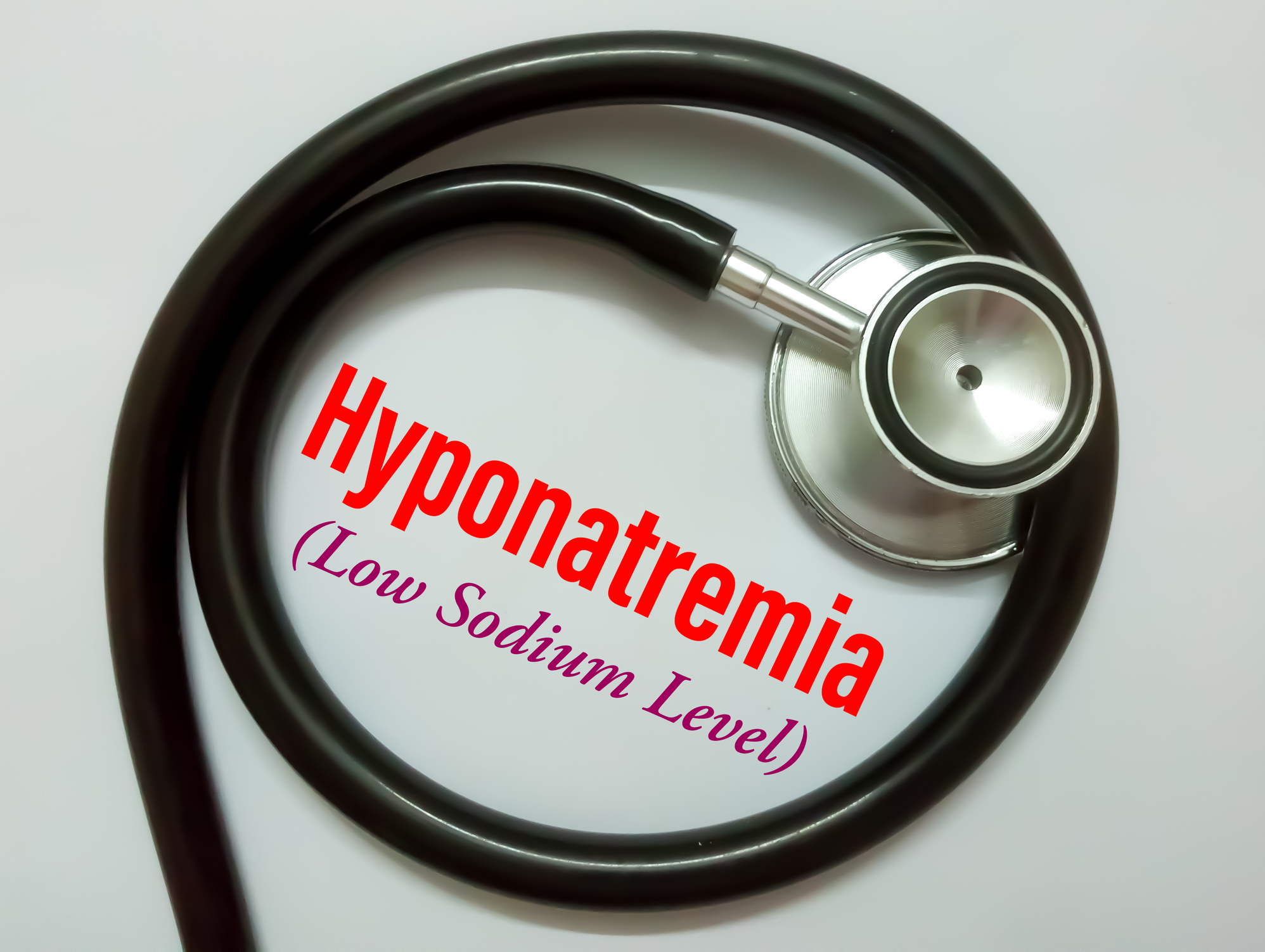
  • Stay hydrated- Drinking plenty of water is one of the best ways to keep our bodies cool on a hot day. Although drinking water is highly benefical, be careful not to drink too much as this can lead to overhydration or a health condition known as hyponatremia (low blood sodium).
  • Wear light and loose-fitting clothing– Lighter-colored clothing can help to reflect the sun’s rays. Loose-fitting garments allow air to circulate and cool your skin.
  • Wear clothing made with moisture-wicking fabric- These types of clothing aid with the evaporation of sweat.
  • Exercise during cooler times of the day– The coolest times of the day are typically around sunrise. If you are not an early riser, pay attention to the weather forecast for heat alerts throughout the day or wait to exercise in the late evening. You can also avoid the heat by exercising in shaded areas or indoors.
  • Know the warning signs of heat-related illnesses- Ignoring the warning signs of heat-related illnesses can lead to medical complications or emergencies. It is important that you pay attention to signs and symptoms such as nausea, weakness, muscle cramps, headache, dizziness or lightheadedness.

If you are experiencing symptoms associated with a heat-related illness, stop exercising right away and get out of the heat. Try to lower your body temperature by removing excess clothing and getting hydrated.  You can also place ice packs or cool towels on your forehead, neck, or underarms.

If symptoms persist for more than 20 minutes, seek medical attention immediately.  You should also seek emergency care if you are experiencing symptoms of a heat stroke, this includes a body temperature of 103˚F or higher; hot, red, dry or damp skin; a fast, strong pulse; dizziness; nausea or losing consciousness.

All content of this newsletter is intended for general information purposes only and is not intended or implied to be a substitute for professional medical advice, diagnosis or treatment. Please consult a medical professional before adopting any of the suggestions on this page. You must never disregard professional medical advice or delay seeking medical treatment based upon any content of this newsletter. PROMPTLY CONSULT YOUR PHYSICIAN OR CALL 911 IF YOU BELIEVE YOU HAVE A MEDICAL EMERGENCY.

The 3 Different Types of Stress and How Each Can Affect Our Health

Stress is a feeling of emotional or physical tension. It is our body’s normal response to pressure, change or other stressors.

While it is normal for us to experience stress, there are times when it occurs too frequently and poses a threat to our health.

According to the American Psychological Association (APA), there are three different types of stress, and each can take a toll on our bodies. They include:

  1. Acute stress – We experience acute stress multiple times each day. It can occur when there is a challenge, a perceived threat or when something unexpected happens- examples include: giving a speech, arguing with a spouse, getting stuck in traffic or getting a speeding ticket. The symptoms of acute stress develop quickly and do not last long. Some people may experience irritability, anxiety, sweating, headaches, stomach pains or a rapid heartbeat.
  2. Episodic acute stress – This occurs when we frequently experience acute stress and can develop as a result of taking on too much responsibility or being overburdened. Type “A” personalities or people who worry constantly are more prone to experience this type of stress. The symptoms of episodic acute stress are similar to those of acute stress; however, they occur more often and accumulate.  If not managed properly, symptoms can lead to serious health problems such as clinical depression or heart disease.
  3. Chronic stress- The APA defines chronic stress as stress that is constant and persists over an extended period of time. It is the most harmful type of stress to our overall health. Chronic stress can be caused by poverty, abuse of any kind, a poor work environment, having a dysfunctional marriage or family, or substance abuse.  Symptoms of chronic stress can become overwhelming or debilitating. Some people may experience fatigue, changes in appetite, difficulty sleeping, headaches or difficulty concentrating.  Chronic stress left untreated for a long period of time can have serious consequences and lead to health problems such as insomnia, obesity, heart disease, hypertension or diabetes.

Our bodies can handle stress for a short period of time. It is not equipped to cope with long-term or chronic stress. Seeking healthy ways to manage stress can help us to avoid the risk of developing health complications. If you are experiencing long-term symptoms of stress, you should speak with a doctor or mental health provider immediately.

All content of this newsletter is intended for general information purposes only and is not intended or implied to be a substitute for professional medical advice, diagnosis or treatment. Please consult a medical professional before adopting any of the suggestions on this page. You must never disregard professional medical advice or delay seeking medical treatment based upon any content of this newsletter. PROMPTLY CONSULT YOUR PHYSICIAN OR CALL 911 IF YOU BELIEVE YOU HAVE A MEDICAL EMERGENCY.

Rheumatoid Arthritis: Foods To Avoid

An estimated 1.3 million people living in the United States have been diagnosed with Rheumatoid Arthritis (RA), an autoimmune inflammatory disease that attacks the tissues around the joints.

There are many treatments available to help those diagnosed lead a healthy life. Additionally, eating a balanced diet void of certain inflammatory foods prove beneficial in helping to control RA.

Here is a list of foods that individuals living with RA are advised to avoid or limit:

  • Grilled, broiled, or fried meats
  • Organ meat, such as liver
  • Fried food
  • Foods that include preservatives or flavor enhancers
  • Sugars and refined carbohydrates
  • Fatty foods that are full of omega-6 fatty acids
  • Alcohol
  • Dairy

If you or a loved one either has or is at risk of developing rheumatoid arthritis, please speak to your doctor immediately about treatment options. To make an appointment at Flushing Hospital Medical Center’s Ambulatory Care Center, please call 718-670-5486.

All content of this newsletter is intended for general information purposes only and is not intended or implied to be a substitute for professional medical advice, diagnosis or treatment. Please consult a medical professional before adopting any of the suggestions on this page. You must never disregard professional medical advice or delay seeking medical treatment based upon any content of this newsletter. PROMPTLY CONSULT YOUR PHYSICIAN OR CALL 911 IF YOU BELIEVE YOU HAVE A MEDICAL EMERGENCY.

Zoom Fatigue

Statistics show that hundreds of millions of people are utilizing video conferencing applications such as Zoom to interact each day.

While this has become a new normal, it is important to note that spending a significant amount of time on these platforms can potentially lead to “Zoom Fatigue.”

The term Zoom fatigue is used to describe tiredness or burnout resulting from the excessive use of any video-conferencing application.  According to experts, people are likely to feel exhausted or tense after prolonged use of these platforms, and here are the reasons why:

  • Video chats greatly reduce mobility (Being confined in the same space for an extended amount of time can be tiring).
  • Our brains need to work harder to process social cues which otherwise would be easier to interpret in person.
  • We are unable to break eye contact. There is an excessive amount of direct eye gaze as we focus more intently to absorb information.
  • Constantly seeing our own faces in real-time can be stressful-this is likened to always having a mirror in front of us. Some individuals may become increasingly aware of the way they look and worry more about presenting themselves well.

There are a few ways to alleviate Zoom fatigue, experts recommend:

  • Limiting video calls to those that are necessary
  • Turning your video off if it is not mandatory
  • Minimizing or having your screen off to the side instead of straight ahead
  • Hiding self-view
  • Taking breaks when you can
  • Building in breaks or transition periods in meetings so that participants can take a moment to refresh
  • Taking a digital detox from your computer, cellphones and other devices

Lastly, it is important to establish a daily routine that helps you to find a healthy balance in life. Too much stress or fatigue can prove disadvantageous to our physical, mental and social health.

All content of this newsletter is intended for general information purposes only and is not intended or implied to be a substitute for professional medical advice, diagnosis or treatment. Please consult a medical professional before adopting any of the suggestions on this page. You must never disregard professional medical advice or delay seeking medical treatment based upon any content of this newsletter. PROMPTLY CONSULT YOUR PHYSICIAN OR CALL 911 IF YOU BELIEVE YOU HAVE A MEDICAL EMERGENCY.

Diastasis Recti

Diastasis recti is the separation of the left and right side of the rectus abdominis muscle, also known as the “six-pack muscle.”

Diastasis recti occurs in approximately 60% of pregnant women. The condition develops as a result of the uterus expanding during pregnancy and stretching the muscles of the abdomen.  Pushing during delivery can also cause the abdominal muscles to separate.

The separation of the rectus abdominis muscles causes the stomach to form a bulge or ridge in the abdomen during pregnancy.  Additional symptoms include:

  • Lower back pain
  • Poor posture
  • Bloating
  • Constipation
  • Urine leaking

Diastasis recti often resolves on its own a few months after giving birth. However, in some instances, the gap between the muscles can remain the same and leave some women looking pregnant months or years after having their baby.

Some women are more at risk than others for developing diastasis recti: They include:

  • Those who are pregnant with multiples
  • Those who are over 35 years old
  • Those who are carrying large babies to term
  • Those who are small in stature
  • Those with underlying abdominal muscle problems  such as weak core muscles

Prevention of diastasis recti includes strengthening your core before and during pregnancy. It is important to practice safe and modified exercises while pregnant. Treatment after delivery may include physical therapy or surgery.

All content of this newsletter is intended for general information purposes only and is not intended or implied to be a substitute for professional medical advice, diagnosis or treatment. Please consult a medical professional before adopting any of the suggestions on this page. You must never disregard professional medical advice or delay seeking medical treatment based upon any content of this newsletter. PROMPTLY CONSULT YOUR PHYSICIAN OR CALL 911 IF YOU BELIEVE YOU HAVE A MEDICAL EMERGENCY.
Acute Stress Disorder

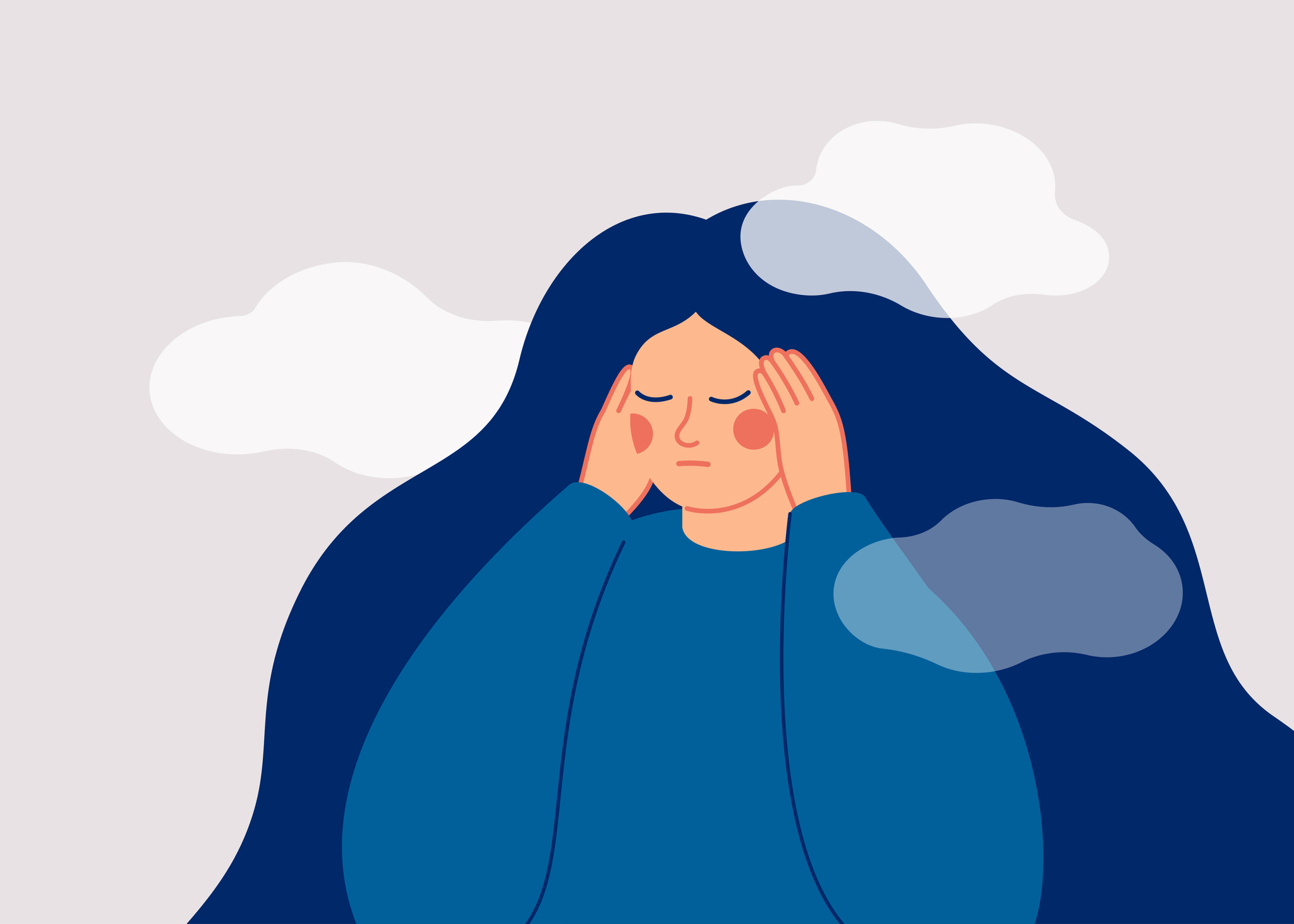
Acute stress disorder (ASD) is a trauma and stress-related disorder that typically develops within three days to one month after a traumatic event. Examples of such events are physical or sexual assault, the sudden death of a loved one, a car accident, a natural disaster or receiving a life-threatening medical diagnosis.  According to the American Psychiatric Association, “An estimated 13 to 21 percent of survivors of car accidents develop acute stress disorder and between 20 and 50 percent of survivors of assault, rape or mass shootings develop it.”

Symptoms of ASD generally last up to one month after the traumatic event, and may include:

  • Anxiety
  • Intrusive thoughts and memories
  • Nightmares
  • Avoidance of people, places or things that trigger memories
  • Dissociation
  • Changes in mood
  • Reckless or destructive behavior
  • Heart palpitations, difficulty breathing, abdominal pains or any other physical symptoms that can be caused by elevated stress

If symptoms persist beyond one month, they are often indicative of post-traumatic stress disorder (PTSD).

Anyone can develop ASD after experiencing a traumatic event.  People with ASD are at an increased risk for developing PTSD, this is why it’s important to receive treatment as soon as possible to prevent this progression.

ASD can be diagnosed after a person has experienced symptoms for at least three days.  A mental health provider will perform a series of examinations or evaluations to rule out causes such as health problems, substance abuse, medication side effects or other psychiatric disorders.

Treatment for ASD can involve cognitive behavioral therapy, medication or exposure-based therapies.

To schedule an appointment with a mental health professional at Flushing Hospital Medical Center, please call (718) 670-5562.

All content of this newsletter is intended for general information purposes only and is not intended or implied to be a substitute for professional medical advice, diagnosis or treatment. Please consult a medical professional before adopting any of the suggestions on this page. You must never disregard professional medical advice or delay seeking medical treatment based upon any content of this newsletter. PROMPTLY CONSULT YOUR PHYSICIAN OR CALL 911 IF YOU BELIEVE YOU HAVE A MEDICAL EMERGENCY.

What Is Antisocial Personality Disorder?

Antisocial personality disorder (ASPD) is a personality disorder characterized by a long-term pattern of irresponsible, impulsive or often criminal behaviors.

A person with ASPD is typically deceitful, manipulative or reckless.  They consistently show no regard for the law, what is right or wrong, or the rights or feelings of others.  Someone with ASPD generally has no guilt or remorse for the harm they have caused others.

Individuals with this disorder can also be very charming or charismatic, traits they often use to manipulate people.

Additional signs and symptoms of ASPD can include having a history of:

  • Lying persistently
  • Having poor or abusive relationships
  • Having difficulty sustaining long-term relationships
  • Not caring for the safety of others or oneself
  • Never accepting responsibility and blaming others for one’s problems
  • Failing to fulfill money, work or social duties
  • Repeatedly breaking the law
  • Abusing drugs or alcohol
  • Being irritable or aggressive

It is not known why some people develop antisocial personality disorder and others do not. Genetic factors and traumatic childhood experiences such as child abuse are believed to play a role.  Men are more likely to develop the disorder than women.

Antisocial personality disorder is diagnosed by a mental health provider who conducts a psychological evaluation that explores behavior patterns, family history, relationship patterns, medical history as well as symptoms listed in the American Psychiatric Association’s Diagnostic and Statistical Manual of Mental Disorders (DSM-5)

If you or someone you know is exhibiting symptoms of ASPD, do not hesitate to get help.  You can schedule an appointment with a mental health professional at Flushing Hospital Medical Center, by calling (718) 670-5562.

All content of this newsletter is intended for general information purposes only and is not intended or implied to be a substitute for professional medical advice, diagnosis or treatment. Please consult a medical professional before adopting any of the suggestions on this page. You must never disregard professional medical advice or delay seeking medical treatment based upon any content of this newsletter. PROMPTLY CONSULT YOUR PHYSICIAN OR CALL 911 IF YOU BELIEVE YOU HAVE A MEDICAL EMERGENCY.

How To Handle A Relapse

Overcoming addiction can be a difficult journey, as one may be faced with several challenges. One of those challenges is figuring out what to do after a relapse.

It is not uncommon for a person to relapse after getting clean. In fact, relapsing is often considered by many experts to be a part of lifelong recovery. According to the National Institute on Drug Abuse, 40 to 60 percent of people who participate in addiction treatment programs relapse at least once. And approximately 90% of alcoholics will relapse within four years.

A person’s addiction can be triggered by various emotional, social or environmental factors, all of which can lead to feeling the need to begin using drugs or drinking alcohol again.

There are often signs that point to a potential relapse. Recognizing the following signs can help someone avoid making the wrong decision, and jeopardizing their sobriety:

  • Feeling emotions that led to an addiction such as sadness, anger or even extreme happiness
  • Showing symptoms of depression or anxiety
  • Exhibiting changes in behavior
  • No longer attending or losing interest in therapy sessions or addiction recovery meetings
  • Reconnecting with people who encouraged substance abuse
  • Romanticizing past substance abuse
  • Believing that it is possible to abuse substances again without becoming addicted

In the event a person has relapsed there are several things they can do to get back on the road to recovery. They are:

  • Acknowledging relapse and learning from their mistakes
  • Avoiding triggers and setting healthy boundaries
  • Seeking support from those who can help them cope with their relapse
  • Going back to treatment
  • Attending self-help groups
  • Practicing self-care
  • Creating a relapse prevention plan

If you have a loved one who is battling substance abuse, you may understandably feel confused and helpless. Fortunately, you don’t have to walk the path to recovery and healing alone.

At Flushing Hospital Medical Center, our Psychiatry Department features a Division of Addiction Services where those battling addiction can receive comprehensive assessments and treatment for alcohol and chemical dependency.

To schedule an appointment or speak with a mental health professional, please call 718- 670-5078.

All content of this newsletter is intended for general information purposes only and is not intended or implied to be a substitute for professional medical advice, diagnosis or treatment. Please consult a medical professional before adopting any of the suggestions on this page. You must never disregard professional medical advice or delay seeking medical treatment based upon any content of this newsletter. PROMPTLY CONSULT YOUR PHYSICIAN OR CALL 911 IF YOU BELIEVE YOU HAVE A MEDICAL EMERGENCY.