
Complications of Ulcerative Colitis

Ulcerative colitis is a form of chronic inflammatory bowel disease.  It causes inflammation and sores to develop on the inner lining of the colon and rectum.

The symptoms of ulcerative colitis may vary from person to person, they include:

  • Diarrhea (which may or may not be bloody)
  • Pus in the stools
  • Nausea
  • Abdominal cramping
  • Abdominal pain
  • Feeling the need to poop (even though your bowels are already empty)
  • An urgent need to have a bowel movement
  • Fever
  • Weight loss

People living with ulcerative colitis are at risk of developing complications or further health problems, such as:

  • Osteoporosis
  • Growth and development delay in young children
  • Bowel cancer
  • Colon cancer
  • Perforated colon
  • Toxic megacolon
  • Anemia
  • Primary sclerosing cholangitis
  • Blood clots
  • Dehydration
  • Severe bleeding from the rectum
  • Sexual dysfunction

Perforated colon, toxic megacolon, severe dehydration, and severe bleeding from the rectum are complications that require immediate medical attention.

There is no known way to prevent ulcerative colitis; however, symptoms or flare-ups can be managed to reduce the risk of complications.  You can manage symptoms by taking medications as prescribed, watching what you eat and drink, managing stress, and exercising.

All content of this newsletter is intended for general information purposes only and is not intended or implied to be a substitute for professional medical advice, diagnosis or treatment. Please consult a medical professional before adopting any of the suggestions on this page. You must never disregard professional medical advice or delay seeking medical treatment based upon any content of this newsletter. PROMPTLY CONSULT YOUR PHYSICIAN OR CALL 911 IF YOU BELIEVE YOU HAVE A MEDICAL EMERGENCY.

Low-Sodium Foods for Hypertension

Page of a note with title Low sodium diet.Hypertension or high blood pressure can be caused by several factors including a diet that is rich in high-sodium foods.

Consuming too much sodium may increase blood pressure; therefore, a low-sodium diet is often recommended for people with hypertension.

A low-sodium diet aims to limit sodium intake to less than 2,300 milligrams(mg) per day. This can be achieved by eating salt-free foods or those that contain less than 140 mg per serving.

Foods you can include in a low-sodium diet include:

  • Eggs
  • Fresh legumes
  • Unsalted nuts and seeds
  • Dried beans
  • Canned vegetables with no added salt or low sodium
  • Fresh poultry, fish, or beef
  • Whole grains
  • Herbs and spices
  • Avocado and olive oils

Some high-sodium foods to avoid are:

  • Smoked or cured foods
  • Pizza
  • Processed foods
  • Pickled vegetables
  • Salted nuts
  • Canned meat
  • Canned beans with salt added
  • High sodium canned soups
  • Soy sauce
  • Tomato sauce
  • Instant pudding

Another popular diet to follow when managing hypertension is the DASH (Dietary Approaches to Stop Hypertension) diet. The DASH diet promotes foods that are rich in potassium, fiber, magnesium and protein, and are low in saturated fat and sodium.

Working with a registered dietitian can help you manage hypertension. Your dietitian can create personalized meals that focus on lowering sodium consumption, maintaining healthy blood pressure and improving overall health.

All content of this newsletter is intended for general information purposes only and is not intended or implied to be a substitute for professional medical advice, diagnosis or treatment. Please consult a medical professional before adopting any of the suggestions on this page. You must never disregard professional medical advice or delay seeking medical treatment based upon any content of this newsletter. PROMPTLY CONSULT YOUR PHYSICIAN OR CALL 911 IF YOU BELIEVE YOU HAVE A MEDICAL EMERGENCY.

Antisocial Personality Disorder

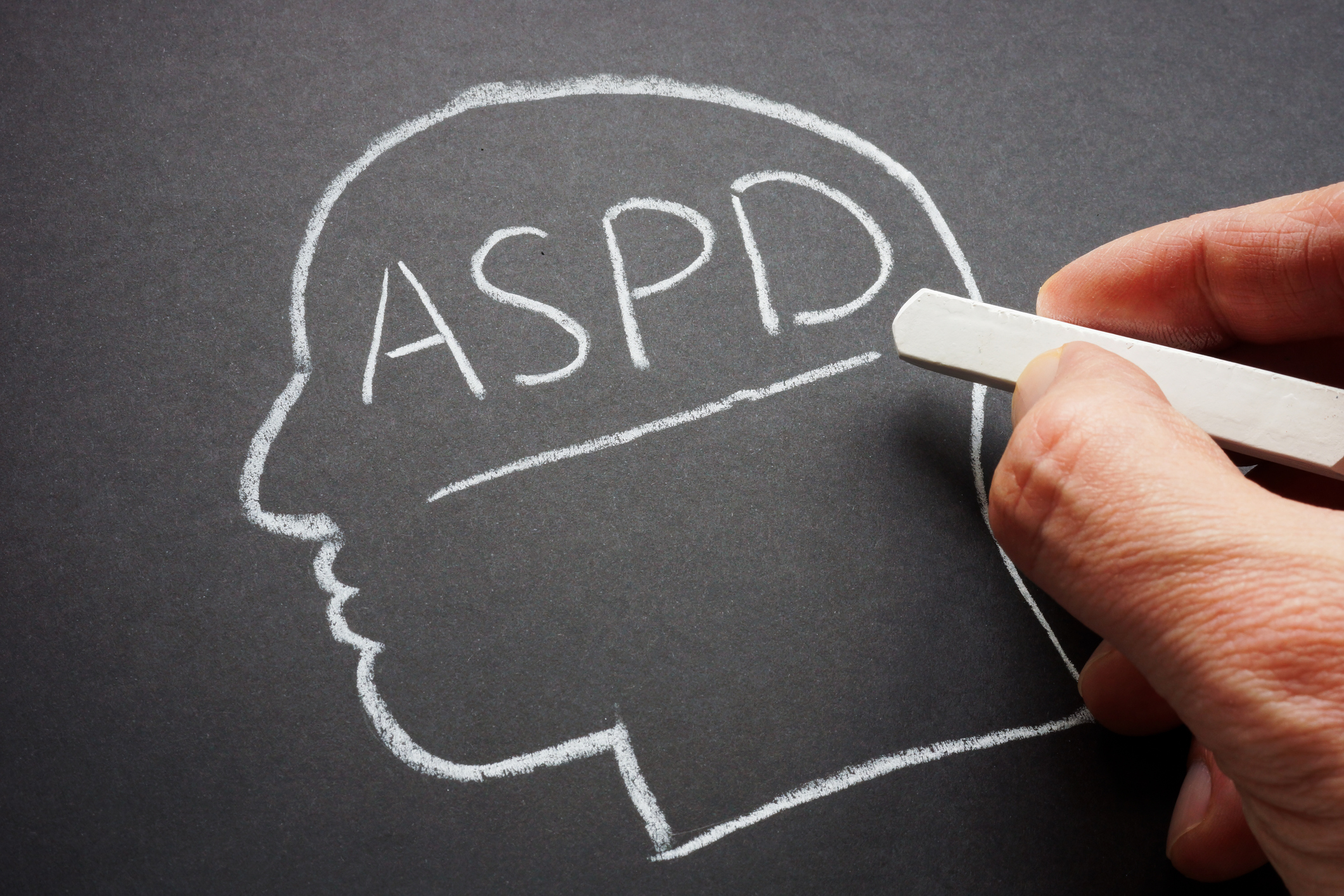
Hand written abbreviation ASPD antisocial personality disorder in chalk.Antisocial personality disorder (ASPD) is a personality disorder characterized by a long-term or chronic pattern of irresponsible, impulsive, or criminal behaviors.

Antisocial personality disorder (ASPD) is estimated to affect 1 to 4% of adults in the United States, and it is more commonly diagnosed in men than in women. The exact cause of ASPD is not fully understood; however, it is believed that factors such as traumatic experiences, genetics, and childhood abuse or neglect may contribute to its development.

People with ASPD often display the following behaviors or signs:

  • A lack of guilt or remorse
  • Inability to control anger
  • Repeatedly breaking the law
  • Manipulative behavior
  • Aggressive behavior
  • Reckless behavior
  • Feeling superior to others or more powerful than others
  • Not taking responsibility for harmful actions
  • Lying
  • Stealing
  • Fighting or assaulting people
  • Difficulty sustaining long-term relationships
  • Having problems with substance misuse
  • Blaming others for the problems in their lives

ASPD may look different for each person and is on a spectrum, meaning that these behaviors range in severity.

The consequences or complications associated with ASPD can include financial problems, imprisonment, domestic violence, attempting to kill others or suicide, and alcohol and drug misuse.

Diagnosing ASPD is based on medical history, symptoms, and a mental health evaluation. A diagnosis is usually made after the age of 18 by a mental health provider.  Treatment may involve medications or cognitive behavioral therapy.

To schedule an appointment with a mental health provider at Flushing Hospital Medical Center, please call  (718) 670-5316. 

All content of this newsletter is intended for general information purposes only and is not intended or implied to be a substitute for professional medical advice, diagnosis or treatment. Please consult a medical professional before adopting any of the suggestions on this page. You must never disregard professional medical advice or delay seeking medical treatment based upon any content of this newsletter. PROMPTLY CONSULT YOUR PHYSICIAN OR CALL 911 IF YOU BELIEVE YOU HAVE A MEDICAL EMERGENCY.

Gallstones

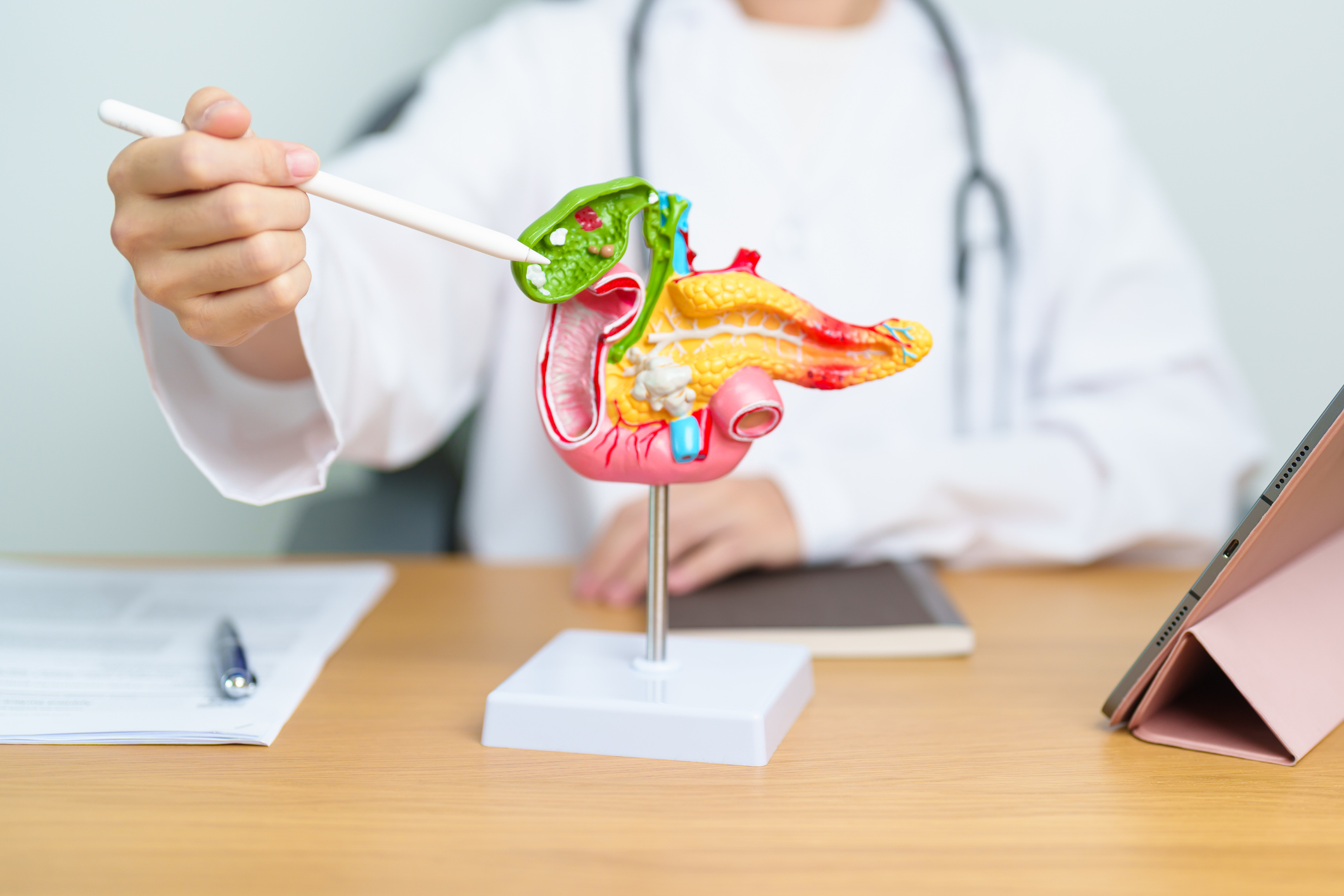
Doctor with human Pancreatitis anatomy model with Pancreas, Gallbladder, Bile Duct, Duodenum, Small intestine and tablet. Pancreatic cancer, acute pancreatitis and Digestive systemGallstones are hardened deposits of digestive fluids that form in the gallbladder. They are very common, affecting 10 to 15% of people living in the United States, according to the National Institute of Diabetes and Digestive and Kidney Diseases.

The exact cause of gallstones is unknown; however, it is believed that they develop in the gallbladder when:

  • The gallbladder is not emptying correctly
  • There is an excess of bilirubin
  • There is too much cholesterol
  • There aren’t enough bile acids or salts

Gallstones range in size, ranging from the size of a grain of sand to that of a golf ball. Smaller gallstones typically pass through the bile duct, without causing symptoms. Larger stones, however, may cause blockages, inflammation, or infections. They can become dangerous if they travel through the bile ducts to other parts of the body.

It is not uncommon for people with gallstones to not experience any symptoms. If they do, symptoms can include:

  • Abdominal pain or tenderness
  • Abdominal swelling
  • Nausea
  • Vomiting
  • Back pain, between the shoulder blades
  • Fever
  • Indigestion
  • Gas
  • Pain in the right shoulder

Certain individuals are at a higher risk of developing gallstones, particularly those with the following risk factors.

  • Obesity
  • Being born female
  • Pregnant people
  • Using birth control or hormone replacement medications
  • Adults aged 60 and older
  • Living with diabetes
  • Having a family history of gallstones
  • Rapid weight loss

Diagnosing gallstones involves completing a medical examination and taking your medical history.  Further diagnostic testing may include blood tests, or requesting imaging tests such as an X-ray, endoscopic ultrasound, or CT scan.

Treatment for gallstones depends on the severity of the condition and medical history. Options may include medications to dissolve the stones or gallbladder removal surgery.

Flushing Hospital Medical Center offers multiple options for gallbladder removal surgery, this includes robotic surgery. To schedule an appointment with a specialist, please call (718) 670-5000.


All content of this newsletter is intended for general information purposes only and is not intended or implied to be a substitute for professional medical advice, diagnosis or treatment. Please consult a medical professional before adopting any of the suggestions on this page. You must never disregard professional medical advice or delay seeking medical treatment based upon any content of this newsletter. PROMPTLY CONSULT YOUR PHYSICIAN OR CALL 911 IF YOU BELIEVE YOU HAVE A MEDICAL EMERGENCY.

Tips for Helping Children with Autism During the Holidays

The holiday season can be overwhelming for children with autism spectrum disorder (ASD).  Bright lights, loud noises, various scents, large crowds, busy schedules, festive dishes, and social gatherings are all common this time of year. These experiences can result in hypersensitivity to stimuli or sensory overload, making what is exciting for most children a stressful environment for those with ASD.

Preparation is essential for avoiding triggers that may cause stress and anxiety in children. Here are a few tips to make the holidays less stressful and more enjoyable for children with ASD:

  • Maintain routines or minimize disruptions to an established routine
  • Prepare your child for the holiday by communicating what they should expect. You can do this with the help of visual aids.
  • Decorate your home gradually
  • Consider avoiding holiday decorations with bright or blinking lights
  • Plan meals ahead of time
  • Prepare your child for conversations they may have with relatives or guests ahead of time
  • Practice unwrapping gifts or inform your child about the gifts they are unwrapping to avoid surprises or minimize anxiety
  • Practice giving gifts
  • Bring comfort or safety items such as earphones, ear plugs, or fidgets to gatherings or events
  • Create a quiet area where they can go and relax if needed

Understanding your child’s limits can help you select appropriate activities and anticipate challenges they may encounter. By using effective strategies, you can minimize stress and anxiety for children with ASD, allowing the holiday season to be a joyful time for everyone.

All content of this newsletter is intended for general information purposes only and is not intended or implied to be a substitute for professional medical advice, diagnosis or treatment. Please consult a medical professional before adopting any of the suggestions on this page. You must never disregard professional medical advice or delay seeking medical treatment based upon any content of this newsletter. PROMPTLY CONSULT YOUR PHYSICIAN OR CALL 911 IF YOU BELIEVE YOU HAVE A MEDICAL EMERGENCY.

Dangers of Combining OTC and Prescription Drugs

Taking over- the-counter (OTC) drugs and prescription medications together can be dangerous, because combining certain medications can increase the risk of serious or life-threatening side effects.

Taking two or more medications can lead to drug interactions. For instance, anticoagulants, which are prescriptions used to prevent blood clotting should not be taken with other blood thinners such as ibuprofen, a nonsteroidal anti-inflammatory drug (NSAID) and common OTC pain killer. Taking both may increase the risk of bleeding.

Other potentially harmful OTC and prescription combinations include:
• Antidepressants and OTC NSAIDs – may increase the risk of gastrointestinal bleeding
• Certain antihypertensive prescriptions and NSAIDs – may increase blood pressure or increase the risk for renal failure
• Certain antidepressants and OTC drugs that contain ephedrine (used to treat congestion) –  may increase blood pressure and cause heart rhythm problems

Although OTC medications are generally considered safe, they can be hazardous to our health when combined with certain prescriptions. Therefore, it is important to consult a physician or pharmacist before taking a combination of any medications.

All content of this newsletter is intended for general information purposes only and is not intended or implied to be a substitute for professional medical advice, diagnosis or treatment. Please consult a medical professional before adopting any of the suggestions on this page. You must never disregard professional medical advice or delay seeking medical treatment based upon any content of this newsletter. PROMPTLY CONSULT YOUR PHYSICIAN OR CALL 911 IF YOU BELIEVE YOU HAVE A MEDICAL EMERGENCY.
What Is An Endoscopy?

Your doctor may recommend getting an endoscopy to help investigate a potential health problem or treat certain medical conditions.

An endoscopy is a non-surgical procedure that uses an endoscope – a tube with a light and camera attached to the end – to examine or view internal parts of the body.  Some endoscopes have spaces where doctors can insert surgical instruments that can remove tissue samples (biopsies) for lab testing or help them perform surgery during endoscopy.

There are different types of endoscopy, each used for specific parts of the body, including:

  • Colonoscopy -the scope is inserted through the anus to examine the colon
  • Anoscopy – the scope is inserted through the anus to examine the anus and the rectum
  • Upper endoscopy-the scope is passed through the mouth and into the esophagus, allowing your healthcare provider to examine your upper digestive system, including the stomach and the beginning of the small intestine
  • Bronchoscopy- the scope is put through the nose or mouth and into the airways to look inside the lungs
  • Laparoscopy- the scope is inserted through small incisions of the abdominal wall to look inside the abdomen and pelvis
  • Laryngoscopy- the scope is inserted through the nose or mouth to examine the larynx, or structures such as the back of the throat.

Doctors may perform an endoscopy to screen for and diagnose the following health conditions:

  • Colon cancer
  • Urinary tract infections
  • Endometriosis
  • Lung disease
  • Ulcers
  • Laryngitis
  • Kidney stones
  • GERD

An endoscopy is generally safe, but depending on the procedure, you may experience side effects.  These side effects typically go away after two days and may include:

  • Hoarseness if a scope was inserted down the throat
  • Bloating, cramping, or nausea if the intestines were examined
  • Minor bleeding after a colonoscopy

You are advised to seek medical attention if you experience severe abdominal pain, fever, chills, black, bloody, or tarry stools, throat or chest pain after an endoscopy.

All content of this newsletter is intended for general information purposes only and is not intended or implied to be a substitute for professional medical advice, diagnosis or treatment. Please consult a medical professional before adopting any of the suggestions on this page. You must never disregard professional medical advice or delay seeking medical treatment based upon any content of this newsletter. PROMPTLY CONSULT YOUR PHYSICIAN OR CALL 911 IF YOU BELIEVE YOU HAVE A MEDICAL EMERGENCY.
The Importance of Staying Up To Date With COVID Vaccines

The Centers for Disease Control and Prevention (CDC) recommends that individuals aged six months and older should receive the 2024-2025 COVID-19 vaccine.

COVID-19 vaccines effectively protect you from severe illness; however, their efficiency decreases over time. This is why it is important to stay up to date with vaccinations.

Currently, three vaccines are available for use in the United States. They include the:

  • 2024–2025 Moderna COVID-19 Vaccine; recommended for those six months and older
  • 2024–2025 Pfizer-BioNTech COVID-19 Vaccine; recommended for those six months and older
  • 2024–2025 Novavax COVID-19 Vaccine; recommended for those 12 years and older

Everyone eligible for a vaccine should receive one, but it is especially important for the following people to get vaccinated:

  • Those who never received the COVID vaccine
  • Those at risk for severe COVID-19
  • Those 65 years and older
  • Those living in long-term care facilities
  • Those who are trying to get pregnant or might want to become pregnant in the future, are pregnant or are breastfeeding
  • Those who want to lower their risk of developing Long COVID

The CDC states that COVID vaccines are generally safe. They are effective in helping our bodies build immunity against the virus. Sometimes, in the process of building immunity, we may experience side effects or symptoms such as fever or body aches, which are normal signs the body is building immunity.

Although the COVID vaccines are safe, it is highly advised that people who have a severe allergic reaction after vaccination or are allergic to ingredients in the vaccine should not get vaccinated.

For more information on the 2024-2025 COVID vaccine, please visit the CDC website https://www.cdc.gov/covid/vaccines/stay-up-to-date.html.  To schedule an appointment to speak with a doctor or receive vaccination, please call Flushing Hospital Medical Center at 718-670-5486.


All content of this newsletter is intended for general information purposes only and is not intended or implied to be a substitute for professional medical advice, diagnosis or treatment. Please consult a medical professional before adopting any of the suggestions on this page. You must never disregard professional medical advice or delay seeking medical treatment based upon any content of this newsletter. PROMPTLY CONSULT YOUR PHYSICIAN OR CALL 911 IF YOU BELIEVE YOU HAVE A MEDICAL EMERGENCY.

When Should You Take Antibiotics?

Antibiotics are medicines that are used to fight bacterial infections.  They work by killing bacteria or preventing them from growing and multiplying.

There are several classes or groups of antibiotics, they include:

  1. Tetracyclines- used to treat rosacea and acne
  2. Penicillins- can be used to treat a wide range of bacterial infections including throat and ear infections
  3. Cephalosporins- May be used to treat illnesses such as meningitis and pneumonia, and can be used to treat people who are allergic to penicillin
  4. Aminoglycosides- which are often used in hospitals to treat serious infections

Healthcare providers may prescribe antibiotics to treat various medical problems and conditions such as strep throat, pink eye, E. coli, bacterial pneumonia or urinary tract infections. They can be taken orally, topically, or intravenously through injection.

Antibiotics can only treat bacterial infections; therefore, they should not be used to treat viral infections or illnesses that are caused by viruses such as:

  • Most coughs
  • Influenza (the flu)
  • Stomach flu
  • Sinus infections caused by a virus

Antibiotics should only be taken when needed because overusing them to treat mild infections or illnesses that can go away on their own can lead to antibiotic resistance. Antibiotic resistance occurs when bacteria no longer respond to antibiotics. You can become susceptible to serious infections if resistance develops and antibiotics are ineffective.

All content of this newsletter is intended for general information purposes only and is not intended or implied to be a substitute for professional medical advice, diagnosis or treatment. Please consult a medical professional before adopting any of the suggestions on this page. You must never disregard professional medical advice or delay seeking medical treatment based upon any content of this newsletter. PROMPTLY CONSULT YOUR PHYSICIAN OR CALL 911 IF YOU BELIEVE YOU HAVE A MEDICAL EMERGENCY.

Who Should Get A Bone Density Test?

Bone density is a measurement of the amount of mineral content (primarily consisting of calcium and phosphorus) in your bones.

Bones containing more minerals are considered dense. They are stronger and are less likely to fracture. Bones that have less minerals, and are more porous, are classified as bones with low density and are prone to develop conditions such as osteoporosis and osteopenia. Both conditions cause bones to become weak and susceptible to fractures.

Our bone density usually increases until we reach our peak bone mass, which occurs around the ages of 25 to 30, and remains stable until we reach the age of 50. After the age of 50, adults typically experience a decline in their bone mineral density. People who are also more likely to experience bone loss include those who:

  • Have certain health conditions such as chronic kidney disease and diabetes
  • Are taking certain medications such as prednisone
  • Have a decrease in estrogen due to menopause
  • Have low testosterone levels
  • Have a family history of osteoporosis
  • Smoke
  • Consume alcohol excessively
  • Have poor nutrition: especially a diet lacking calcium and vitamin D

A bone density test can help doctors determine how much mineral you have in your bones, and if you are at risk for complications. The most common test is a dual-energy X-ray absorptiometry (DXA) scan. Test results will be reported as two scores: T-score and Z-score. A T-score shows how dense your bones are in comparison to those of a healthy young adult of the same sex, and a Z-score compares your bone density to those of someone your age, weight, sex, and ethnicity.

The Bone Health and Osteoporosis Foundation strongly recommends bone density testing for:

  • Women aged 65 years and older
  • Men aged 70 years and older
  • Anyone who has broken a bone after the age of 50 years
  • Women aged 50-64 years with risk factors
  • Men aged 50-69 years with risk factors

If you are at risk for osteoporosis or health conditions that may develop due to bone loss, you must make an appointment with your doctor. Your doctor can order the appropriate tests and recommend lifestyle changes that can help protect the bone density you have left.

To schedule an appointment with an orthopedist at Flushing Hospital Medical Center, please call 718-670-5486.

All content of this newsletter is intended for general information purposes only and is not intended or implied to be a substitute for professional medical advice, diagnosis or treatment. Please consult a medical professional before adopting any of the suggestions on this page. You must never disregard professional medical advice or delay seeking medical treatment based upon any content of this newsletter. PROMPTLY CONSULT YOUR PHYSICIAN OR CALL 911 IF YOU BELIEVE YOU HAVE A MEDICAL EMERGENCY.