Hydrotherapy Rehabilitation

Hydrotherapy When we receive significant physical injury or have medical conditions that cause pain, physical therapy is often recommended to help with recovery.  A very soothing and relaxing form of treatment is water or hydrotherapy.

Hydrotherapy has been used for hundreds of years. It utilizes the healing properties of water and the body’s reaction to it at different temperatures. For instance, cold water may be used to reduce inflammation while warm water may be used to increase circulation.

Water therapy has proven effective in treating certain conditions such as arthritis, multiple sclerosis, muscular dystrophy, muscle strains or tears, back pain or head injuries

There are many benefits a patient can achieve from hydrotherapy, they include:

  • Pain relief
  • Increased circulation
  • Re-education of paralyzed muscles
  • Increased range of motion in joints
  • Strengthening weak muscles
  • Rehabilitating injured limbs

Hydrotherapy may not be recommended for patients with heart disease, hypertension or vascular conditions.  Each case is unique to the individual and speaking with a doctor is highly recommended.

The Department of Physical Medicine and Rehabilitation at Flushing Hospital Medical Center offers a multi-disciplinary team approach to the treatment of conditions and injuries. Following an assessment by a physician and therapist, a program is developed to achieve maximum results. A patient’s program may involve the use of therapeutic exercise, heat, ultrasound, electrical stimulation, hydrotherapy, and patient education. To schedule an appointment, please call (718) 670-5515.

All content of this newsletter is intended for general information purposes only and is not intended or implied to be a substitute for professional medical advice, diagnosis or treatment. Please consult a medical professional before adopting any of the suggestions on this page. You must never disregard professional medical advice or delay seeking medical treatment based upon any content of this newsletter. PROMPTLY CONSULT YOUR PHYSICIAN OR CALL 911 IF YOU BELIEVE YOU HAVE A MEDICAL EMERGENCY.

Is Gastric Bypass Surgery Right For You?

Is being overweight affecting your health and overall quality of life? For several people,the answer is yes. Obesity is a disease that affects more than one-third of people in the United States. It is the second leading cause of preventable death.

The contributing factors that can lead to obesity include metabolic, pre-existing health conditions, eating disorders, environment and genetics.

Overcoming obesity can be difficult. You may have tried several weight loss treatments or methods that include diet and exercise to lose weight, but were unsuccessful. Bariatric (weight loss) surgery is an option that has proven to be effective in producing significant weight loss.

One of the most commonly performed types of bariatric surgery is gastric bypass surgery. The procedure requires a surgeon to divide the stomach into two parts (one small and one large). The surgeon may use staples or vertical banding to create a small pouch from the upper part of the stomach.

The small pouch is then directly attached to the small intestine bypassing the rest of the stomach and the upper part of the small intestine. This limits the amount of food that can be eaten and reduces the fat and calories that can be absorbed. The larger part of the stomach will remain intact to produce digestive juices. This surgery is usually performed laparoscopically.

The benefits of having this procedure may include:
•Accelerated weight loss
•Improvement in quality of life
•Improvement in obesity- related medical conditions such as diabetes, hypertension or high cholesterol

There are several accepted medical criteria that will determine if you are a candidate for surgery. You may be eligible if:
•You have a body mass index (BMI) over 40
•Are 100 lbs. or more over your ideal body weight
•Are experiencing disabling pain in weight-bearing joints
•You have a BMI of 35 along with obesity-related disorders such as high blood pressure, diabetes, sleep apnea or degenerative joint disease.
•Your efforts to lose weight through diet and exercise have been unsuccessful

If you meet these requirements and are considering moving forward with bypass surgery, there a few things you can expect after the procedure:
•You may experience pain at the incision site; however, your medical team will be available to help you in keeping your pain under control.
•There is a possibility that you may experience discomfort from the gas used during laparoscopic surgery.
•You will be asked to walk on the day of your surgery as frequently as possible. This will promote circulation and prevent blood from clotting.
•To prevent possible complications such as pneumonia, you may be asked to take deep breaths and breathe into an instrument called an incentive spirometer and cough frequently.
•You will be given ice chips and water to sip, if these are not rejected by the body, you will be placed on a clear liquid diet. Gradually you will be able to ingest solid foods.
•Prior to discharge, the surgeon, nurse or discharge coordinator will instruct you to follow a specific diet.

When combined with eating a healthy diet and exercise, gastric bypass surgery can offer long-term weight loss success. It is important to keep in mind that each case is unique to the individual and it is suggested that you consult a bariatric surgeon for an assessment.

Flushing Hospital Medical Center offers a unique and multidisciplinary program that involves a complete mind, body and wellness approach to weight loss surgery. For more information about the Bariatric Surgery Services at Flushing Hospital or procedures performed by our doctors, please call 718-670-8908

All content of this newsletter is intended for general information purposes only and is not intended or implied to be a substitute for professional medical advice, diagnosis or treatment. Please consult a medical professional before adopting any of the suggestions on this page. You must never disregard professional medical advice or delay seeking medical treatment based upon any content of this newsletter. PROMPTLY CONSULT YOUR PHYSICIAN OR CALL 911 IF YOU BELIEVE YOU HAVE A MEDICAL EMERGENCY.

Your Child and the Battle Against Junk Food

C187539116-kid-and-junk-foodhildhood obesity has become a common health concern for parents. It is estimated that one in every five children is overweight.  A child is defined as obese when they are well above the normal weight for their age.

One of the contributing factors in obesity is unhealthy eating habits. It is recommended that parents introduce healthy eating to children as early as possible.  For some, this may be easier said than done, because children are so easily attracted to the appeal of junk food.

What makes junk food enticing to children is sugar, high sodium, the taste of fat; commonly hydrogenated oils, in addition to bright, colorful packaging, fun shapes and unnatural food coloring. Parents can win the fight against junk food by making healthy food more appealing to children’s senses.

Here are a few tips on converting kid favorites into healthier choices:

  • Hot dogs- Instead of regular beef and pork hot dogs, purchase turkey franks with low sodium and without added nitrates. Decorate the hot dog with colorful vegetables such as cucumbers, carrots, red and yellow peppers.
  • Salty cheese snacks- Make plain cheese fun by cutting it into quirky shapes or adding bright and sweet fruit. You can make cheese and fruit shish kebabs.
  • French fries- Opt for baked sweet potato fries and sprinkle lightly with sea salt. Sweet potatoes are high in vitamin C, B6, and D. They are a source of Iron, magnesium and potassium.
  • Ice cream- Frozen yogurt is just as tasty and contains less sugar and fat. Adding toppings such as fruit and granola is a plus.
  • Popsicles- Freeze real fruit juices with bits of fruit into bars.
  • Potato chips- Kale chips are rich in vitamin A and easy to make at home. Make them delicious by adding herbs and spices.
  • Candy- Healthy alternatives to candy include raisins or strawberries and bananas lightly drizzled with chocolate.
  • Milkshakes- Smoothies made with fresh fruit and low-fat yogurt are a healthier option.
  • Meat lasagna- Load lasagna with vegetables instead of meat, choose low-fat cheese and whole-grain pasta.
  • Macaroni and cheese-Use low-fat cheese, add Greek yogurt to make it creamy and spinach to make it nutritious.

The battle against junk food is not lost. Keep food exciting and nutritious for your family by sourcing healthy recipe websites or visiting FlushingHospital’s Facebook and Twitter pages for suggestions. In addition to healthy eating, keep your family physically active and also make an appointment with your family doctor to ensure that everyone is at their recommended weight. Feel free to share these tips with friend and family.

All content of this newsletter is intended for general information purposes only and is not intended or implied to be a substitute for professional medical advice, diagnosis or treatment. Please consult a medical professional before adopting any of the suggestions on this page. You must never disregard professional medical advice or delay seeking medical treatment based upon any content of this newsletter. PROMPTLY CONSULT YOUR PHYSICIAN OR CALL 911 IF YOU BELIEVE YOU HAVE A MEDICAL EMERGENCY.

What to Expect After Your Celiac Disease Diagnosis

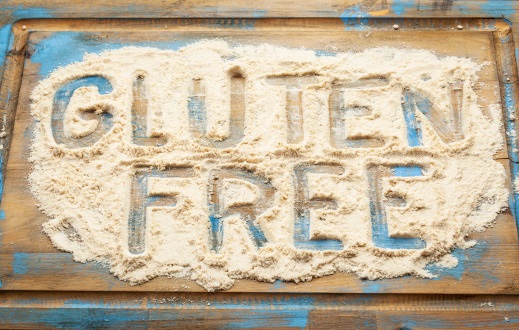
gluten-free-476393521If you have received a diagnosis from your doctor that confirms you have celiac disease; it is natural to wonder what comes next.  Many doctors will offer guidelines which may include tips to live gluten-free. While these guidelines are essential, it is also very important that you truly understand your medical condition.

According to the Celiac Disease Foundation, celiac disease is defined as, “a genetic autoimmune disorder where the ingestion of gluten leads to damage in the small intestine.” It is estimated that the disease affects one in every one hundred people worldwide.  If left untreated, celiac disease can cause long-term health conditions such as gall bladder malfunction, infertility or miscarriage, pancreatic insufficiency, early onset osteoporosis or osteopenia as well as vitamin and mineral deficiencies.

In addition to having a better understanding of celiac disease, educating yourself about the changes to expect in your lifestyle, will prove helpful. Some of the changes include:

  • Discarding of any food that contains gluten. This means sticking to a strict diet that excludes wheat, barley, farina, oats, rye and other items that are known to have gluten.
  • Excluding certain items from your diet may deprive you of some nutrients; it is recommended that you speak to your doctor about which vitamins and dietary supplements you should take.
  • Evaluating the ingredients in medications; some may have small amounts of gluten.
  • Taking care of your body by exercising and implementing more fruits and fresh vegetables into your diet.
  • Following up with your physician or dietitian as recommended. This is important as it will help them to monitor your nutritional intake and check for deficiencies.

Finding resources that can help you transition or stick to new your lifestyle, such as your doctor, support groups, organizations such as the Celiac Disease Foundation or a local hospital can help make life after your celiac diagnosis a little easier.

Flushing Hospital Medical Center supports National Celiac Awareness Day. This observance falls on September 13 of each year and was created to help people learn more about celiac disease and how it impacts lives.

All content of this newsletter is intended for general information purposes only and is not intended or implied to be a substitute for professional medical advice, diagnosis or treatment. Please consult a medical professional before adopting any of the suggestions on this page. You must never disregard professional medical advice or delay seeking medical treatment based upon any content of this newsletter. PROMPTLY CONSULT YOUR PHYSICIAN OR CALL 911 IF YOU BELIEVE YOU HAVE A MEDICAL EMERGENCY.

Kidney Stones Causes and Treatment

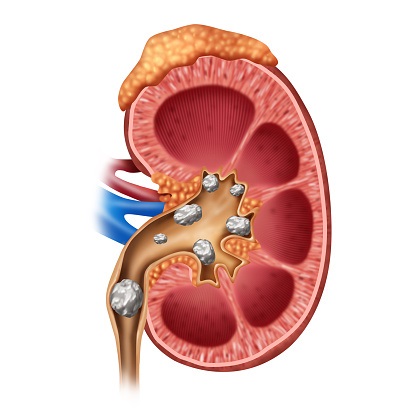
kidney stones 524903454Kidney stones (nephrolithiasis) are lumps of crystal made from substances found in urine. They typically build up along the inner surfaces of the kidney.  The size of a kidney stone can range from as small as a grain of sand to as large as a golf ball.  It is estimated, one in every twenty people will develop them at some point in their life.

Stones form when there is a decrease in the amount of urine produced, causing it to become highly concentrated and therefore allowing minerals to crystallize and stick together.  There are four major types of stones, they include:

  • Calcium stones
  • Uric acid stones
  • Struvite stones
  • Cystine stones

While dehydration is a major contributor to the formation of kidney stones, some people are more prone to developing them than others. People with certain medical conditions such as gout or digestive diseases, those with a family history of kidney stones, as well as people who are obese or consume a diet rich in protein, sodium and sugar are more susceptible.

Kidney stones often go undetected until they become loose and travel along the urinary tract.  When they move around the kidney or pass through the ureter, the following symptoms may occur:

  • Pain during urination
  • Pain along your side or back, below the ribs
  • Urine that is pink, red or brown in color
  • Pain in the lower abdomen or groin
  • Difficulty urinating
  • Frequent urination or urge to urinate
  • Nausea or vomiting
  • Cloudy or abnormal smelling urine
  • Fever and chills

If these symptoms present themselves and persist it is advised that you see a doctor immediately.  Your doctor may perform a series of tests that may include blood or urine tests, analysis of passed stones or abdominal x-rays to assess your condition. Depending on severity, treatment may include increasing your intake of water, pain medication or surgery.

Flushing Hospital Medical Center is equipped with the latest technology to fully evaluate and treat patients suffering from kidney stones. Our Emergency Department physicians have extensive experience diagnosing kidney stones and can provide rapid relief of the symptoms often associated with this disease. To schedule an appointment, please call 718 670 5486.

All content of this newsletter is intended for general information purposes only and is not intended or implied to be a substitute for professional medical advice, diagnosis or treatment. Please consult a medical professional before adopting any of the suggestions on this page. You must never disregard professional medical advice or delay seeking medical treatment based upon any content of this newsletter. PROMPTLY CONSULT YOUR PHYSICIAN OR CALL 911 IF YOU BELIEVE YOU HAVE A MEDICAL EMERGENCY.

What to Expect During Your First Trimester Screening

pregancy testing -86502330In addition to your routine prenatal tests, it is recommended that you schedule an appointment for a first-trimester screening. These tests are highly important as they can help your doctor to gather information about the baby’s risk of developing certain chromosomal conditions such as Down syndrome, trisomy 13 or trisomy 18.

First trimester screenings are typically conducted between the eleventh and fourteenth week of pregnancy. The process is non-invasive and safe; there are no known physical risks associated with having these tests.

During your appointment, your doctor will draw blood to measure levels of plasma protein-A and human chorionic gonadotropin, or hCG. An ultrasound will also be performed to measure the nuchal translucency, which is the fluid beneath the skin of the baby’s neck.  Increased thickness can be an early indicator of Down syndrome.

It is important to keep in mind that these tests are not diagnostic. The results, along with factors such as your age, family history and ethnicity are used to help determine the risks of your baby developing chromosomal abnormalities. The results may also indicate a need for further testing that may include CVS (chorionic villus sampling) or amniocentesis.

The Division of Maternal-Fetal Medicine at Flushing Hospital Medical Center has the most up-to-date equipment for the evaluation of mother and fetus. The division is staffed by full-time Board Certified Perinatologists and highly trained nurses. Genetic counseling, amniocentesis, diabetic counseling, as well as maternal-fetal evaluation are offered during the course of pregnancy.

For more information about the many services offered by the Department of Obstetrics and Gynecology at Flushing Hospital, please call 718-670-8994.

All content of this newsletter is intended for general information purposes only and is not intended or implied to be a substitute for professional medical advice, diagnosis or treatment. Please consult a medical professional before adopting any of the suggestions on this page. You must never disregard professional medical advice or delay seeking medical treatment based upon any content of this newsletter. PROMPTLY CONSULT YOUR PHYSICIAN OR CALL 911 IF YOU BELIEVE YOU HAVE A MEDICAL EMERGENCY.

The Importance Of Early Detection

breast cancer screeningDid you know breast cancer is one of the most common cancers found in women in the United States? Every year there are an estimated 230,000 new cases of breast cancer. About 40,000 women are expected to die annually from this disease.  However, more women are surviving breast cancer due to improvements in treatment and early detection.

Cancer deaths can be decreased by as much as one-third with early detection and treatment.

Early detection can start from home.  Doctors suggest that women perform monthly breast self-exams.  In addition to yearly screenings and mammograms, self-exams can help women to monitor changes or abnormalities that may occur in her breasts.  It is important to remember that breast self-exams are never a substitute for clinical breast exams or mammograms.

The American Cancer Society recommends that women should begin receiving clinical breast exams in their twenties. Women below the age of forty are advised to receive them every three years. Those over 40 should schedule yearly mammograms and clinical breast exams.

Mammograms are one of the most effective breast screening and diagnostic tools; however, other tools such as MRI’s or ultrasounds may also be used to further evaluate abnormalities or help diagnose breast cancer.

Early and immediate treatment is one of the benefits women will gain from early detection of cancer. If you are age forty and older schedule an appointment for a mammogram as soon as possible.  The American College of Radiology is a great resource to find accredited facilities and breast imaging centers.

All content of this newsletter is intended for general information purposes only and is not intended or implied to be a substitute for professional medical advice, diagnosis or treatment. Please consult a medical professional before adopting any of the suggestions on this page. You must never disregard professional medical advice or delay seeking medical treatment based upon any content of this newsletter. PROMPTLY CONSULT YOUR PHYSICIAN OR CALL 911 IF YOU BELIEVE YOU HAVE A MEDICAL EMERGENCY.

Tips for Breastfeeding Babies Who are Teething

breastfeeding -455257461Most babies do not bite while breastfeeding but some might while teething. This can be painful or uncomfortable and may cause some mothers to consider weaning. Although teething raises some challenges, mothers are encouraged to continue breastfeeding as best they can. Organizations such as the World Health Organization and the American Academy of Pediatrics highly recommend breastfeeding until babies are ages one to two.

If you decide to continue breastfeeding throughout teething, following these tips can help you alleviate some pain and discomfort:
• Make certain that your baby is latched on properly. When babies are latched properly it is difficult for them to bite as their tongues are covering the lower gums or teeth.
• Massage the baby’s gums before feeding. This can decrease the level of discomfort or pain your baby may be experiencing.
• Discourage the baby each time he bites by either removing him from the nipple bite or by pulling him closer to you. Then calmly say “no biting”.
• Give baby something cold to chew before feeding. A chilled, age-appropriate teething toy or cloth can ease soreness. Rubbing an ice cube on gums works just as well.
• Stick a finger in the corner of the baby’s mouth as he or she clamps down. This will serve as a barrier between your nipples and baby’s teeth.

The good news is biting caused by teething is only a phase; it is temporary. Continuing to breastfeed can provide countless benefits for your baby. If your baby still bites after trying these tips, do not hesitate to contact a lactation consultant or your pediatrician for direction and support

All content of this newsletter is intended for general information purposes only and is not intended or implied to be a substitute for professional medical advice, diagnosis or treatment. Please consult a medical professional before adopting any of the suggestions on this page. You must never disregard professional medical advice or delay seeking medical treatment based upon any content of this newsletter. PROMPTLY CONSULT YOUR PHYSICIAN OR CALL 911 IF YOU BELIEVE YOU HAVE A MEDICAL EMERGENCY.

Why You Need To Take All Your Antibiotics

capsule

Antibiotics are often prescribed to treat bacterial infections and several diseases. These medications can be efficient if used correctly. However, improper use can lead to reinfection or the development of a more serious issue.

By not taking the entire course of treatment recommended by your physician you run the risk of allowing bacteria to survive and developing a resistance to antibiotics. Depending on the severity of your condition, your physician may have to resort to more invasive or extensive measures of treatment such as surgery, stronger medications or hospitalization.

The United States Food and Drug Administration (www.fda.gov) recommend that consumers follow these recommendations for proper antibiotics use:

  • Complete the full course of the drug. It’s important to take all of the medication, even if you are feeling better. If treatment stops too soon, the drug may not kill all the bacteria. You may become sick again, and the remaining bacteria may become resistant to the antibiotic that you’ve taken.
  • Do not skip doses. Antibiotics are most effective when they are taken regularly.
  • Do not save antibiotics. You might think that you can save an antibiotic for the next time you get sick, but an antibiotic is meant for your particular infection at the time. Never take leftover medicine. Taking the wrong medicine can delay getting the appropriate treatment and may allow your condition to worsen.
  • Do not take antibiotics prescribed for someone else. These may not be appropriate for your illness, may delay correct treatment, and may allow your condition to worsen.
  • Talk with your health care professional. Ask questions, especially if you are uncertain about when an antibiotic is appropriate or how to take it.

If you have questions about taking your prescribed medications, do not hesitate in contacting your physician or pharmacy for instructions.

For your convenience, a full-service pharmacy is located in Flushing Hospital’s Medical Science Building providing prescription services to discharged, emergency department and clinic patients. The hours of operation are Monday through Friday 9:00 AM to 7:00 PM. 718-353-316


All content of this newsletter is intended for general information purposes only and is not intended or implied to be a substitute for professional medical advice, diagnosis or treatment. Please consult a medical professional before adopting any of the suggestions on this page. You must never disregard professional medical advice or delay seeking medical treatment based upon any content of this newsletter. PROMPTLY CONSULT YOUR PHYSICIAN OR CALL 911 IF YOU BELIEVE YOU HAVE A MEDICAL EMERGENCY.

Emergency Preparedness Plans and What You Should Have in Your Kit

emergency checklist-155667998Disasters can occur unexpectedly but being prepared can lessen the effect of damages and the chances of accidents. Developing an emergency plan and creating a kit for your household is the best way to prepare for disasters.

When forming an emergency plan get the entire family or those who live in your home involved. Here is a checklist for things to consider:

  • Ensure that contact information for family and loved ones is up to date
  • Designate safe spaces where everyone can meet
  • Locate emergency shelters in your community
  • Assign responsibilities to each member of your household
  • Choose an emergency contact person outside of your immediate area
  • Create an evacuation plan and practice evacuating your home at least twice a year
  • If you have pets, keep a list of pet-friendly hotels and shelters in your neighborhood
  • Remind everyone to register with the American Red Cross’ Safe and Well website or call 800-RED-CROSS after a disaster. Enrolling will allow concerned loved ones to know that you are safe, by searching the list.

In addition to having an emergency plan, it is vital that you put together an emergency preparedness kit. A few suggested items to include are:

  • Water- at least one gallon per person for each day , lasting two weeks
  • Non- perishable food
  • Flashlights
  • Batteries
  • Sanitary and personal hygiene Items
  • Copies of important documents, such as ID’s, birth certificates, medical information, proof of address and insurance
  • Cell phones and chargers
  • Extra cash in small bills
  • Medications
  • Multipurpose tools
  • Battery-powered and two-way radios
  • Blankets
  • Maps
  • Emergency contact information cards
  • Spare set of house and car keys

If you need assistance in making an emergency plan, City programs such as Ready New York provide ready-made templates, where you can fill in important information. Templates also include resources from utility companies, city and federal emergency departments. Please visithttps://www1.nyc.gov/assets/em/downloads/pdf/myemergencyplan_english.pdf to create a plan.

All content of this newsletter is intended for general information purposes only and is not intended or implied to be a substitute for professional medical advice, diagnosis or treatment. Please consult a medical professional before adopting any of the suggestions on this page. You must never disregard professional medical advice or delay seeking medical treatment based upon any content of this newsletter. PROMPTLY CONSULT YOUR PHYSICIAN OR CALL 911 IF YOU BELIEVE YOU HAVE A MEDICAL EMERGENCY.