
Colorectal Screening When to Go and What To Expect

colon-477645508Colorectal or colon cancer is the third leading cause of cancer-related deaths. However, the disease is highly treatable when discovered early. According to the United States Preventive Services Task Force, the recommended age for colorectal screening for men and women is between the ages of 50 and 75.

There are several factors that increase the chances of a person developing colorectal cancer, they include:

  • Family history
  • A low-fiber and high-fat diet
  • Heavy use of alcohol
  • Age- 50 and older
  • Obesity
  • Diabetes
  • A history of inflammatory intestinal conditions
  • Race-African American ancestry

Your doctor may recommend a few screening options or perform the following procedures to detect abnormal growths or polyps:

  • High-sensitivity fecal occult blood tests (FOBT) – These tests are used by physicians to detect tiny amounts of blood that may be present in feces.
  • Sigmoidoscopy- A sigmoidoscope is used to examine the rectum and sigmoid colon. During the procedure abnormal growths can be removed for further examination or biopsies.
  • Standard colonoscopy- During this procedure the rectum and intestine are examined using a colonoscope. Samples of abnormal growths are also removed for analysis. This tool is able to remove samples from the upper part of the colon-which doctors cannot reach using a sigmoidoscope.

Other screening techniques such as Colorguard, double-contrast barium enema or virtual colonoscopy may also be utilized by your physician.

Scheduling routine screenings is the best method for preventative care but if you are displaying the following symptoms, it is advised that you see a physician right away:

  • A change in bowel movements (diarrhea or constipation) that persists for more than four weeks
  • Unexplained weight loss
  • Rectal bleeding or bleeding in stool
  • Persistent abdominal discomfort such as cramps, gas or pain
  • Fatigue
  • A feeling that your bowel has not emptied completely

To schedule a colorectal screening appointment with a physician at Flushing Hospital Medical Center, please call 718-670-5486

All content of this newsletter is intended for general information purposes only and is not intended or implied to be a substitute for professional medical advice, diagnosis or treatment. Please consult a medical professional before adopting any of the suggestions on this page. You must never disregard professional medical advice or delay seeking medical treatment based upon any content of this newsletter. PROMPTLY CONSULT YOUR PHYSICIAN OR CALL 911 IF YOU BELIEVE YOU HAVE A MEDICAL EMERGENCY.

Fibroids- Causes, Symptoms and Treatments

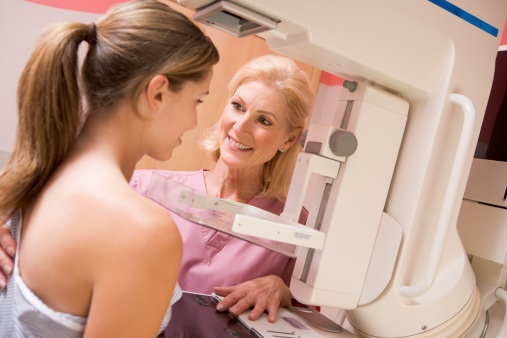
Patient with doctorUterine fibroids are abnormal growths that develop in or just outside the uterus.   They form when the smooth muscle cells of the uterus (myometrium) begin to grow rapidly and advance into tumors, which are typically non-cancerous. These tumors vary in size and can be as small as a pumpkin seed or as large as a grapefruit and in unusual cases, much larger.

Fibroids are very common. It is estimated that 70 to 80 % of women will develop tumors by the age of 50. Although the causes are unknown, there are factors that put some at a greater risk than others-they are:

  • Family history
  • Pregnancy
  • Being overweight
  • Having African American ancestry
  • Being over the age of 30

The symptoms of fibroids depend on the size, location and the number of tumors present.  Symptoms include:

  • Pelvic pain
  • Heavy bleeding and blood clots between and during periods
  • Increased urination
  • Pain during intercourse
  • Enlargement of the lower abdomen
  • Increased time of menstruation
  • Pressure or a feeling of fullness in the lower abdomen

Women who have very small tumors or are going through menopause may experience very little or no symptoms at all.

Fibroids are diagnosed by gynecologists by way of pelvic exams and ultrasound or MRI.   Your doctor will create a treatment plan based on symptoms and the advancement of the growth.  Treatment may consist of medication to regulate hormone levels, assist in shrinking the tumor or alleviate pain. Surgery may be performed laparoscopically to remove tumors, however, if your condition is extreme, your physician may recommend a hysterectomy.

Robotic surgeons at Flushing Hospital are board certified or board approved and have performed countless gynecologic procedures resulting in high rates of success.Procedures performed robotically by Flushing Hospital’s team of surgeons include hysterectomies, tubal re-anastomosis, dermoid cystectomy and more.

For more information about robotic surgery or procedures performed by our surgeons, please contact Flushing Hospital’s, Department of Obstetric and Gynecology at 718-670-8994.

All content of this newsletter is intended for general information purposes only and is not intended or implied to be a substitute for professional medical advice, diagnosis or treatment. Please consult a medical professional before adopting any of the suggestions on this page. You must never disregard professional medical advice or delay seeking medical treatment based upon any content of this newsletter. PROMPTLY CONSULT YOUR PHYSICIAN OR CALL 911 IF YOU BELIEVE YOU HAVE A MEDICAL EMERGENCY.

Trypanophobia- A Fear of Needles

Asian nurse giving vaccination injection to patientStudies show that a remarkable 20 percent of the population has some degree of fear of needles or injections and 10 percent within that number suffer from what is known as Trypanophobia.  This is an excessive or irrational fear of injections or needles which can be learned or inherited. Many with Trypanophobia avoid getting medical treatment that involves the use of needles, which can prove dangerous for those with chronic medical conditions such as diabetes.

The fear of needles can manifest in one of three ways:

1: A vasovagal reflex reaction-where a person may faint or go into convulsions during or after a needle procedure.

2:  Classic phobia- which results from traumatic events with symptoms involving feeling anxious, experiencing nausea or difficulty breathing when needles are present.

3: Hypersensitivity to the pain caused by a needle- the skin’s surface becomes extremely sensitive making procedures that involve needles uncomfortable.

There are a few things that can be done to minimize the symptoms of Trypanophobia. They are, using topical anesthetics to numb the skin or avoiding the sight of needles by using covered caps. Diabetics can ask their doctor for products such as inhalable insulin or jet injectors.

All content of this newsletter is intended for general information purposes only and is not intended or implied to be a substitute for professional medical advice, diagnosis or treatment. Please consult a medical professional before adopting any of the suggestions on this page. You must never disregard professional medical advice or delay seeking medical treatment based upon any content of this newsletter. PROMPTLY CONSULT YOUR PHYSICIAN OR CALL 911 IF YOU BELIEVE YOU HAVE A MEDICAL EMERGENCY.

Tips for Keeping the Weight You Lost-Off

before and after weight loss - CONTESTLosing weight is a great achievement but is only half the battle. The new challenge that lies ahead is keeping the pounds you have lost from returning.

The key to keeping the weight off is to make long-term lifestyle changes that will not only keep you looking good but improve your overall health.  Following these tips can help you along your journey of maintaining a healthy weight:

  • Stick to a low-calorie diet- It has been shown that eating a diet that is low-fat and low-calorie can help maintain weight loss.
  • Remain physically active- Do not abandon your exercise routine once you have shed pounds. Find a regimen that you can incorporate into your schedule.
  • Get enough sleep- Studies show that people who are sleep-deprived are more likely to crave unhealthy food.
  • Do not skip meals- Skipping meals may make you hungrier than normal and cause you to overeat.
  • Self-monitoring- Routinely weigh yourself and track your food intake to ensure you are maintaining a healthy weight.
  • Plan meals ahead and stock your kitchen- Planning healthy meals ahead and stocking your kitchen with healthy food can lessen the chances of you diverting back to unhealthy eating habits.

For information about the Bariatric(Weight Loss) Surgery Services at Flushing Hospital or procedures performed by our doctors, please call 718-670-8908

All content of this newsletter is intended for general information purposes only and is not intended or implied to be a substitute for professional medical advice, diagnosis or treatment. Please consult a medical professional before adopting any of the suggestions on this page. You must never disregard professional medical advice or delay seeking medical treatment based upon any content of this newsletter. PROMPTLY CONSULT YOUR PHYSICIAN OR CALL 911 IF YOU BELIEVE YOU HAVE A MEDICAL EMERGENCY.
Are You at Risk for Developing Cataracts?

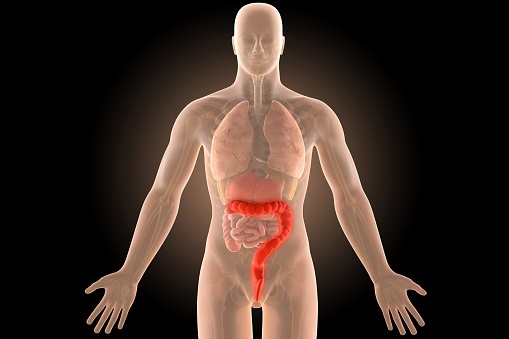
High quality raster illustration of cataract (eye disease)Cataracts are the leading cause of blindness globally.  They are very common in older adults- in fact; it is estimated that more than 75% of people over the age of 65 will develop cataracts.  Although less common, people can develop this medical condition in their forties and fifties as well.

As you age, proteins in the eye begin to break down, causing clouding in the lens and the formation of cataracts. Many who are affected are unaware that this process is occurring because cataracts grow very slowly and does not impede vision during its early stages.   There are symptoms that can indicate the development of cataracts. Here are some that you can look out for:

  • Colors appear faded
  • Clarity in vision decreases and cannot be corrected with eyeglasses
  • An increase in sensitivity to light and glare
  • Halos appearing around lights
  • Poor night vision
  • Frequent changes in prescription eyewear
  • Double vision

Some people are more at risk of developing cataracts than others. These factors increase your risks:

  • Diabetes
  • Exposure to prolonged durations of sunlight
  • Heavy drinking
  • Smoking
  • Obesity
  • Family history
  • Advanced age
  • High blood pressure
  • Previous eye injury or surgery

June is Cataract Awareness Month. During this time, Flushing Hospital Medical Center wants you to know, there are several things you can do to be proactive and slow the progression of cataracts.  Eating healthy is a good start. A balanced diet rich in vitamin C has shown to be effective.  Wear sunglasses to shield your eyes from the Sun’s UV rays.  If you are a smoker- stop smoking and drink in moderation.  Early detection can save your eyesight therefore, scheduling routine eye exams is very important.


All content of this newsletter is intended for general information purposes only and is not intended or implied to be a substitute for professional medical advice, diagnosis or treatment. Please consult a medical professional before adopting any of the suggestions on this page. You must never disregard professional medical advice or delay seeking medical treatment based upon any content of this newsletter. PROMPTLY CONSULT YOUR PHYSICIAN OR CALL 911 IF YOU BELIEVE YOU HAVE A MEDICAL EMERGENCY.

Viral Hepatitis “The Silent Epidemic”- How Dangerous is This Disease?

Test tube with blood for Hepatitis test

The medical community has labeled viral hepatitis, “The Silent Epidemic,” because there are millions of people living in the United States with some form of the disease. What is most alarming is 65% of these people are unaware that they are infected and are unknowingly contributing to the rapid spread of the virus.

Viral hepatitis is characterized by the inflammation of the liver and is most commonly caused by the hepatitis A, B or C virus.  Each type of hepatitis has its severities and can develop into chronic or life-threatening conditions, such as liver cancer, liver failure or cirrhosis (scarring and dysfunction of the liver).  While the degree of severity may differ with each strain, the advanced symptoms that present themselves are similar.

Symptoms may include:

  • Dark urine
  • Diarrhea
  • Jaundice (yellowing of the skin, eyes and tongue)
  • Weight loss
  • Itchy skin
  • Light colored feces
  • Muscle or joint pain

Transmission of viral hepatitis differs with each form of the virus.

Hepatitis A Virus (HAV) – Is caused by consuming infected food and water or anal to oral contact during sex. Prevention includes washing your hands with soap and water after using the toilet, drinking bottled or treated water and eating food that has been thoroughly cleaned.

Hepatitis B Virus (HBV) – Is a sexually transmitted disease.  HBV is 50-100 times more infectious than HIV. It is spread by contact with bodily fluids such as blood or semen.  Prevention includes practicing safe sex, using clean syringes, tattoo or acupuncture needles and not sharing personal items such as razor or toothbrushes.

Hepatitis C Virus (HCV) –   Is transmitted by direct contact with the blood of a person who has the disease.  Prevention includes covering wounds, not sharing personal effects such as razors, manicure equipment or toothbrushes and using sterilized needles.

It is important for people to know their status and help combat the rapid acceleration of viral hepatitis.  Public health organizations such as the CDC (Centers for Disease Control and Prevention) encourage people to get screened for the disease whether or not they are displaying symptoms. Individuals who are infected should seek treatment and exercise methods to prevent transmission.Health organizations are also increasing their efforts in educating the public about Hepatitis by promoting campaigns during Hepatitis  Awareness Month, which is designated as May in the United States.

All content of this newsletter is intended for general information purposes only and is not intended or implied to be a substitute for professional medical advice, diagnosis or treatment. Please consult a medical professional before adopting any of the suggestions on this page. You must never disregard professional medical advice or delay seeking medical treatment based upon any content of this newsletter. PROMPTLY CONSULT YOUR PHYSICIAN OR CALL 911 IF YOU BELIEVE YOU HAVE A MEDICAL EMERGENCY.

Health Effects Caused By Worrying

Woman looking at bills and receipts on floor

Worrying yourself sick is not just a saying; studies prove that being in a constant state of worry can have a harmful effect on your physical health.   Excessive worrying can lead to anxiety and an increase in your levels of stress. This can trigger a number of problems that can make you ill.


High levels of stress produce hormones such as adrenaline and cortisol, both can negatively impact the nervous system, digestive system, the heart and glands; leading to health conditions such as:

  • Stomach ulcers
  • Heart disease
  • Diarrhea
  • Sleep disorders
  • Frequent headaches
  • Fatigue
  • Short term memory loss

There are several lifestyle changes you can make to help decrease how frequently you worry and potentially reduce the risk of developing serious health problems- they include:

  • Exercising
  • Practicing relaxation  techniques such as meditation, yoga or tai chi
  • Drinking caffeine in moderation
  • Maintaining a healthy diet
  • Socializing with people who are supportive

If these tips do not help and you continue to experience stress-related symptoms, please see your doctor immediately.

All content of this newsletter is intended for general information purposes only and is not intended or implied to be a substitute for professional medical advice, diagnosis or treatment. Please consult a medical professional before adopting any of the suggestions on this page. You must never disregard professional medical advice or delay seeking medical treatment based upon any content of this newsletter. PROMPTLY CONSULT YOUR PHYSICIAN OR CALL 911 IF YOU BELIEVE YOU HAVE A MEDICAL EMERGENCY.

Signs of a Stroke

stroke and symptoms V2 -493247760The easiest way to recognize the warning signs of a stroke is to think F.A.S.T.  If someone you know is suddenly exhibiting the following signs, call 9-1-1 for help immediately:

F- Face Drooping: If one side of the person’s face is drooping, ask them if their face feels numb and ask them to smile.   You should be concerned if they are unable to smile or their smile is uneven.

A- Arm weakness:  Does the individual’s arm feel numb or weak? Ask them to raise both arms and watch to see if one arm drifts downward.

S- Speech difficulty: If the person is trying to speak and they are difficult to understand or their speech is slurred, ask them to say a simple sentence, such as “my name is Jane,” repeatedly.

T- Time to call 9-1-1:  You should never wait more than five minutes to call 9-1-1 if someone is displaying these warning signs.

Additional symptoms of a stroke are:

  • Sudden confusion
  • Severe headaches
  • Blurred vision
  • Dizziness
  • Sudden loss of coordination

Stroke is one of the leading causes of death and long-term disability in the United States.  Eighty percent of strokes are preventable and by spotting these warning signs and acting quickly, the severity of a stroke can be reduced drastically.   during the month of May we are showing our support for stroke awareness and American Stroke Month through education.   To speak with a medical professional about stroke prevention and care please call our ambulatory care unit at

During the month of May, Flushing Hospital  is  showing its support for stroke awareness and American Stroke Month by providing education to the communities it serves.   To speak with a medical professional about stroke prevention and care please call our ambulatory care unit at 718-670-5486 or visit the National Stroke Association’s website at www.stroke.org.

All content of this newsletter is intended for general information purposes only and is not intended or implied to be a substitute for professional medical advice, diagnosis or treatment. Please consult a medical professional before adopting any of the suggestions on this page. You must never disregard professional medical advice or delay seeking medical treatment based upon any content of this newsletter. PROMPTLY CONSULT YOUR PHYSICIAN OR CALL 911 IF YOU BELIEVE YOU HAVE A MEDICAL EMERGENCY.
Infertility – Causes and Treatments

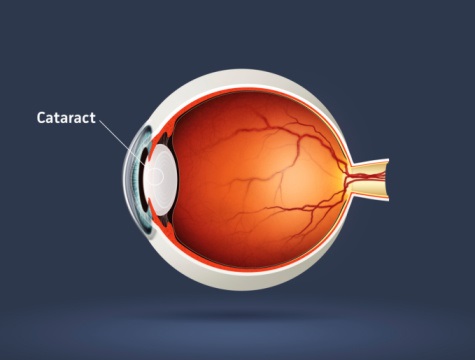
Tablet with the diagnosis Infertility on the displayInfertility is more common than many realize. It is estimated that 1 in 8 couples have trouble getting pregnant or sustaining a pregnancy. Infertility affects both men and women equally.

There are several factors that can contribute to infertility. In men some of these are:

  • Problems with the delivery of sperm
  • Exposure to toxic chemicals
  • Damage resulting from chemotherapy or radiation
  • Abnormalities in the production of sperm
  • Use of tobacco or alcohol

Some causes of infertility in women may be the result of:

  • Hormonal abnormalities
  • Ovulation disorders
  • Damage to reproductive organs
  • Uterine or cervical abnormalities
  • Use of tobacco or alcohol

Although these conditions can impair a person’s ability to conceive, seeking medical assistance as soon as possible can greatly increase their chances of conception.  A physician who specializes in infertility will conduct several tests to determine probable causes and explore several treatment options. Treatment can be surgical or medicinal and may include:

  • Intrauterine insemination
  • In vitro fertilization
  • Clomiphene citrate (Clomid)
  • Gonadotropin-releasing hormone (Gn-RH)
  • Human menopausal gonadotropin or hMG
  • Follicle-stimulating hormone or FSH
  • Metformin
  • Bromocriptine
  • Sperm extraction

While coping with infertility can be challenging, it is important for individuals to remember not to blame themselves, lean on their partner or loved ones for support, acknowledge stress and practice stress-reducing techniques, gain knowledge by utilizing resources such as the National Infertility Association’s website-www.resolve.org.

The National Infertility Association also founded National Infertility Week, which is observed each year to increase public understanding and awareness of the reproductive disease. People who are trying to conceive are encouraged to learn the guidelines for seeing an infertility specialist. For more information about this observance, please visit http://www.resolve.org/national-infertility-awareness-week/home-page.html

All content of this newsletter is intended for general information purposes only and is not intended or implied to be a substitute for professional medical advice, diagnosis or treatment. Please consult a medical professional before adopting any of the suggestions on this page. You must never disregard professional medical advice or delay seeking medical treatment based upon any content of this newsletter. PROMPTLY CONSULT YOUR PHYSICIAN OR CALL 911 IF YOU BELIEVE YOU HAVE A MEDICAL EMERGENCY.

Pressure Ulcers

Pressure sores areaPressure ulcers or bed sores are damaged areas of skin that result from staying in one position for too long or prolonged pressure on the skin.   They tend to develop in areas where the skin is closest to the bones such as the heels, back, elbows and tailbone.

People who are limited in movement due to an illness or disability and are confined to a bed or wheelchair for an extended period of time are more at risk of developing pressure ulcers than others.  Others who are also at risk of developing pressure ulcers. Those who wear prosthesis, diabetics, smokers and sufferers of peripheral arterial disease are also at risk of developing pressure ulcers.

Pressure ulcers develop quickly; here are the warning signs and symptoms to look out for:

  • Tenderness, pain, softness or firmness, warmness or coldness of an area of skin.
  • The skin is not broken but red.
  • Redness or discoloration- If pressure is removed from an area that is discolored for more than 30 minutes and the skin has not returned to its natural hue, it is likely that an ulcer is developing.
  • The outer layer of the skin is damaged. The area may blister or appear as an open wound.
  • Loss of skin.

The following symptoms are likely to occur in the advanced stages of a pressure ulcer:

  • The ulcer appears as a deep wound or crater-like.
  • Loss of skin exposes a layer of fat, muscle, tendons or bones.
  • There is tissue at the bottom of the wound that is dead, brown, black or yellow in color.

Pressure ulcers can be easier to prevent than treat. They can be prevented by:

  • Changing positions
  • Frequently shifting weight
  • Using a specialty wheelchair
  • Using a specialized mattress
  • Using cushions to relieve pressure
  • Monitoring skin
  • Protecting skin

If you are at risk for developing pressure ulcers it is recommended that you and your healthcare team develop a strategy to help in prevention or treatment.

The Wound Care Center at Flushing Hospital Medical Center is a state-of-the-art unit that provides specialized, interdisciplinary wound care to patients who suffer from non-healing or chronic wounds.
For more information on the Wound Care Center or to schedule an appointment, call 718-670-4542.

All content of this newsletter is intended for general information purposes only and is not intended or implied to be a substitute for professional medical advice, diagnosis or treatment. Please consult a medical professional before adopting any of the suggestions on this page. You must never disregard professional medical advice or delay seeking medical treatment based upon any content of this newsletter. PROMPTLY CONSULT YOUR PHYSICIAN OR CALL 911 IF YOU BELIEVE YOU HAVE A MEDICAL EMERGENCY.