
Tips On How To Prepare for a Telemedicine Appointment

The COVID-19 pandemic has changed the way we conduct our day-to-day routines.  To prevent the spread of the disease, most of our activities are now done from home. In some instances, this includes seeing our doctors for medical appointments.

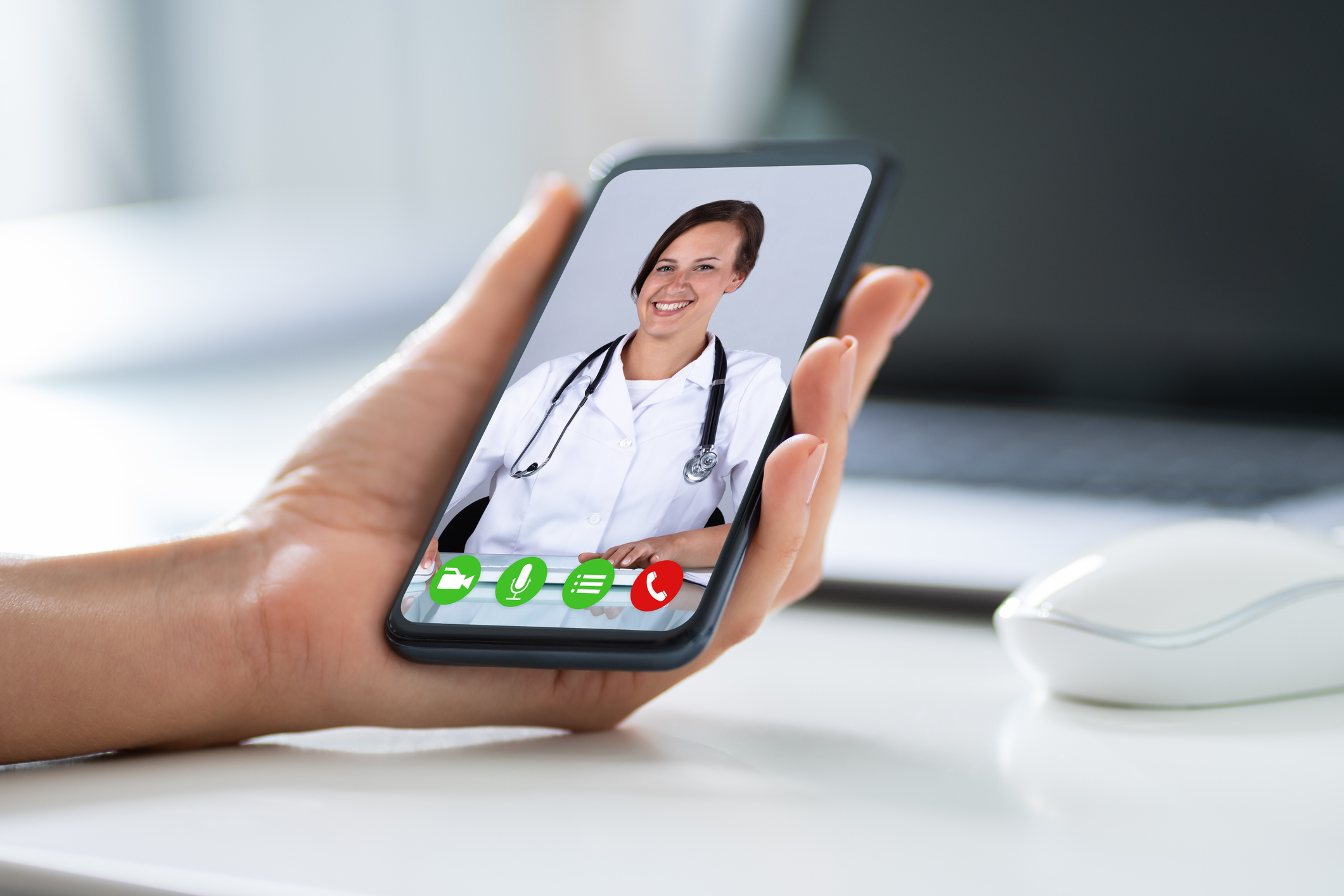
Telehealth or telemedicine appointments have become the norm for many who require consultations from their physicians during the pandemic.  These appointments connect patients and doctors by utilizing video conferencing technology.  Although these virtual visits may not take place physically in a doctor’s office, they are private.  Information and conversations shared between participants remain confidential.

To  help you prepare for your telemedicine appointment, please follow these tips:

  • Have access to a smartphone, tablet, or computer with a camera enabled with visual and audio.
  • Download the required video communications application.
  • Test your equipment before your scheduled virtual visit.
  • Close other running programs or unnecessary tabs to avoid delays or pauses in your connection.
  • Find a quiet space.
  • Adjust the lighting in your space. Utilize overhead lights if they are available and block sunlight from windows. ( This will prevent you from having too much background light)
  • Prepare to answer questions pertaining to your medical history, symptoms, lifestyle changes, or any aspect of your health.
  • Have a pen and paper ready to write down your doctor’s recommendations or information about your treatment plan.

It is important to note that while most virtual visits are like normal appointments, there may be limitations based on your condition.  Please contact your doctor’s office if you have questions about scheduling a virtual visit.

All content of this newsletter is intended for general information purposes only and is not intended or implied to be a substitute for professional medical advice, diagnosis or treatment. Please consult a medical professional before adopting any of the suggestions on this page. You must never disregard professional medical advice or delay seeking medical treatment based upon any content of this newsletter. PROMPTLY CONSULT YOUR PHYSICIAN OR CALL 911 IF YOU BELIEVE YOU HAVE A MEDICAL EMERGENCY.


How Harmful is Occasional or Social Smoking?

social smoking-79071856 “I am not really a smoker because I only smoke on occasion or socially.” These words are frequently spoken by those who consider themselves light or social smokers.  It is quite common to find that people within this group are usually in denial of the frequency of their use of cigarettes and believe that they are not at risk of developing tobacco-related illnesses.

The truth is contrary as research has found that one-third of people who classify themselves as social smokers actually smoke more than six times per day.  Additionally, whether someone smokes a lot or a little, they are at risk for developing diseases caused by tobacco.  The damage that one puff of nicotine causes is instant.  It takes 10 seconds for nicotine to be transported throughout the body and to the brain. Nicotine also slows down circulation and increases blood pressure and heart rate.

Furthermore, in a study conducted by the Center for Tobacco Control Research and Education, it was found that light smoking may result in several health complications such as:

  • Stroke
  • COPD
  • Peripheral artery disease
  • Lower respiratory tract infections
  • Weakened immune systems

Smoking occasionally or socially does not exclude you from developing the health complications associated with tobacco use. Over time smoking will take its toll on your body. The best thing you can do for your health is to quit smoking.

If you or someone you know needs help in quitting smoking please contact Flushing Hospital’s Freedom From Smoking program at 718 206 8494 for more information.

All content of this newsletter is intended for general information purposes only and is not intended or implied to be a substitute for professional medical advice, diagnosis or treatment. Please consult a medical professional before adopting any of the suggestions on this page. You must never disregard professional medical advice or delay seeking medical treatment based upon any content of this newsletter. PROMPTLY CONSULT YOUR PHYSICIAN OR CALL 911 IF YOU BELIEVE YOU HAVE A MEDICAL EMERGENCY.

Tips For Managing Children With Type 1 Diabetes

Managing Type 1 Diabetes Type 1 diabetes is one of the most common chronic illnesses to occur in children.  Having a child that has been diagnosed with this disease can present several challenges. Younger children may not fully understand how diabetes affects their health; they may become frustrated with dietary restrictions or have anxieties about receiving treatment.  Older children can often feel different or isolated from their peers and may neglect their self-care routines in order to fit in.

Creating a management plan can help families cope with some of these challenges.  Here are some of the components that should be included in a plan:

  • Education- Education is one of the most important components of a diabetes management plan. Teaching children about the disease should start as early as possible and continue into their teenage years. Encourage them to ask questions and provide an environment in which they can speak openly.   It is important to remember to provide answers that are appropriate and understandable for their age.
  • Meal plans- Meals should be planned based on a child’s age and level of physical activity. Diets should be well-balanced and exclude foods that can cause blood sugar levels to spike.  Teens are more independent in choosing the foods they eat each day.  Therefore, they should be reminded to stick to a schedule (To avoid missing meals) and be mindful of the foods they consume.
  • Medication adherence tools or approaches- Glucose testing and insulin injections can be scary for smaller children. However, parents can make receiving treatments easier by allowing children to choose the location for injections or their preferred finger for blood checks. These options provide children with a sense of control and can help to reduce their anxieties. Parents are also encouraged to perform diabetes care gently and quickly to ease discomfort.   Medication adherence in older children can be achieved through the use of technology.   Parents and children can utilize tools that help them to track diabetes care such as shareable digital calendars, reminder apps or auto-subscribing delivery services.  As older children take on more responsibility for managing their medications, they should be reminded of the consequences of not sticking to their routine.
  • Support- It is important for parents to establish a network of support because having diabetes can take a toll on children’s emotional health. Children need to feel safe in sharing their challenges in managing the disease. This network can include parents, family, friends or a mental health counselor.

Flushing Hospital Medical Center offers numerous services that can help you to manage your child’s diabetes. Our physicians are highly trained in all aspects of pediatric health. To schedule an appointment, please call 718-670-5486.


All content of this newsletter is intended for general information purposes only and is not intended or implied to be a substitute for professional medical advice, diagnosis or treatment. Please consult a medical professional before adopting any of the suggestions on this page. You must never disregard professional medical advice or delay seeking medical treatment based upon any content of this newsletter. PROMPTLY CONSULT YOUR PHYSICIAN OR CALL 911 IF YOU BELIEVE YOU HAVE A MEDICAL EMERGENCY.

Body-Focused Repetitive Behaviors

Body-focused repetitive behaviors (BFRBs) is a general term used to describe a set of disorders that are categorized by chronic self-grooming behaviors that result in damage to the body.   The most common BFRBs include continuous nail-biting, compulsive hair pulling and skin picking. Other body-focused repetitive behaviors are compulsive nose-picking, teeth grinding, lip biting, knuckle cracking and scab picking.

The exact cause of BFRBs is unknown; however, it is believed that these behaviors are related to impulse control disorders, anxiety disorders, and obsessive-compulsive disorder.

Unlike individuals with self- injury disorders, those with BFRBs typically do not intend to harm themselves and often make repeated attempts to reduce or stop the behaviors.

Body-focused repetitive behaviors are very difficult to control and in addition to causing physical harm to the body, can lead to severe emotional distress and the functional impairment of one’s life. Therefore, it is very important to manage BFRBs.

Management for BFRBs can include cognitive behavioral therapy, medication or doctor-recommended supplements such as N-acetylcysteine.

If you’re struggling with body-focused repetitive behaviors Flushing Hospital Medical Center can provide you with high-quality mental health services and support. To schedule an appointment at our outpatient psychiatry clinic, please call (718) 670-5562.

All content of this newsletter is intended for general information purposes only and is not intended or implied to be a substitute for professional medical advice, diagnosis or treatment. Please consult a medical professional before adopting any of the suggestions on this page. You must never disregard professional medical advice or delay seeking medical treatment based upon any content of this newsletter. PROMPTLY CONSULT YOUR PHYSICIAN OR CALL 911 IF YOU BELIEVE YOU HAVE A MEDICAL EMERGENCY.
What is Person-Centered Care?

Person-centered care is an approach to medical care that focuses on the individual patient, rather than just the medical condition. The healthcare providers work as partners with the patient and their relatives to determine the best courses of action. Rather than taking a one-size-fits-all approach to healthcare, the staff caters to the individual’s unique needs.

So, what is person-centered care? In short, it simply means recognizing that each and every patient is different. It means that staff members readjust their methods as needed to provide optimal care to each individual. Just because two patients have the same health condition doesn’t mean they should receive the exact same treatments.

Common Signs of Person-Centered Care

These are some of the most common elements of this approach:

  • Decisions are influenced and made by the patients and their family members
  • The patient’s unique preferences and values are considered when making decisions
  • The patient’s care plan is regularly evaluated and readjusted as needed
  • In some cases, one nurse is responsible for the majority of care, giving the patient and family members a central point of contact
  • The central contact manages scheduling and appointments
  • Family members are kept apprised of any changes
  • The patient feels comfortable and confident discussing aspects of the care that need to be changed

Benefits Associated with Person-Centered Care

Determining how to offer the best person-centered care

It’s abundantly clear that personalized care yields better results, including lower readmission rates, shorter lengths of stay, and higher patient experience scores. Patients flourish when their program of care is customized to their individual needs and when they are given greater agency in their own treatment. At Flushing Hospital Medical Center, we firmly believe that each patient deserves a personalized treatment plan that keeps their preferences and dignity fully intact.

Our Partnership with Planetree

In order to provide the best possible care for our patients, in 2019, Jamaica Hospital Medical Center and Flushing Hospital Medical Center became 2 out of 12 hospitals selected to participate in a 24-month program to continue improving our person-centered care approach. The program gives us the opportunity to work with Planetree, an international non-profit that’s known as experts in personalized care.

Contact Us to Learn More

What is person-centered care? We believe it’s the best way to ensure that patients receive the highest level of care, specific to their unique needs. If you have any questions, please call 718-670-5000. See the difference with our personalized approach to medical care.

All content of this newsletter is intended for general information purposes only and is not intended or implied to be a substitute for professional medical advice, diagnosis or treatment. Please consult a medical professional before adopting any of the suggestions on this page. You must never disregard professional medical advice or delay seeking medical treatment based upon any content of this newsletter. PROMPTLY CONSULT YOUR PHYSICIAN OR CALL 911 IF YOU BELIEVE YOU HAVE A MEDICAL EMERGENCY.

 National Drug and Alcohol Facts Week – Prescription Opioid Facts

taking pills -464517261Prescription opioid abuse among teens living in the United States has become a major public health concern. In fact, many national health organizations have declared that the U.S. is in the midst of an opioid epidemic.

The Centers for Disease Control and Prevention (CDC) has reported that the use of these drugs among young adults has more than doubled and the number of opioid- related deaths has quadrupled in recent years. The CDC, along with other health organizations such as the National Institute on Drug Abuse (NIDA), hope to reduce these statistics by increasing education among teens and their families.

It is crucial for parents and young adults to know the facts about opioids so that they can understand how these drugs can negatively affect a person’s health and quality of life.  Here are six important facts families should know:

  1. Opioids are narcotic medications that are prescribed to treat mild to severe pain.
  2. Some of the most common types of opioids are fentanyl, hydrocodone, oxycodone, morphine tramadol and codeine.
  3. Opioids work by reducing the intensity of pain signals being transmitted to the brain. They interact with opioid receptors in the brain to produce pain relief and feelings of euphoria.
  4. Misusing opioids can result in the development of a chemical dependency to these drugs. Misuse may occur when a person is taking opioids long term, is taking more than what was prescribed or is taking them for non-medical reasons.
  5. It is common for teens to mix prescription opioids with other substances such as alcohol. A recent study revealed that seven out of ten teens combined opioids with additional substances and 52% within this group co-ingested prescription pills with alcohol. This behavior puts teens at a higher risk for overdose.
  6. Some of the warning signs of opioid abuse include; anxiety attacks, a sudden improvement in self-esteem, depression, improved alertness, increased energy, a decrease in appetite, fatigue, nausea, constipation and breathlessness.

There are several steps one can take to prevent or reduce the chances of prescription opioids misuse, they include; keeping medication locked up or keeping track of medication to ensure pills are not missing, correctly disposing unused medication, monitoring your loved one’s behavior while they are taking medication and communicating with your doctor about not exceeding the recommended time period for pain treatment.

If your loved one is addicted to prescription opioids it is highly recommended that you have an honest conversation with them about harmful effects that could potentially lead to death.  Reassure them that you are here to help and not to judge them. Seek help from a trained medical professional immediately.  There are several treatment options available which include medication and counseling. Your physician or mental health counselor will determine which treatments are best for a healthy recovery.

For further information and resources about opioid addiction and treatment, please visit the NIDA’s website www.drugabuse.gov.


All content of this newsletter is intended for general information purposes only and is not intended or implied to be a substitute for professional medical advice, diagnosis or treatment. Please consult a medical professional before adopting any of the suggestions on this page. You must never disregard professional medical advice or delay seeking medical treatment based upon any content of this newsletter. PROMPTLY CONSULT YOUR PHYSICIAN OR CALL 911 IF YOU BELIEVE YOU HAVE A MEDICAL EMERGENCY.

Mental Health Issues Affecting Young Adults

Mental health services Flushing New York

Mental health issues are on the rise in adolescents and young adults (12-25 years of age) living in the United States. In research published by the American Psychological Association, it was reported that, “More U.S. adolescents and young adults in the late 2010s, versus the mid-2000s, experienced serious psychological distress, major depression or suicidal thoughts, and more attempted suicide.”

Experts believe the reason for the increase in mental health problems in young adults is due in part to an increase of digital media and electronic communication.  Studies show that young adults are having less face-to face interactions and are spending less time with friends, neither of which are advantageous for mental health. Additionally, many young adults are feeling pressured to present a flawless physical appearance or a perfect life online. They often measure themselves against unrealistic and often fabricated ideals which can affect self-esteem. 

It was also found that young adults are getting less sleep because too much time of their time is spent on electronic devices such as smartphones.  Young adults tend to be late night screen addicts, as there is always a need to feel connected to electronic devices due to a fear of missing out. A study published in the Journal of Youth Studies showed that “1 in 5 young people regularly wake up in the night to send or check messages on social media.” 

Sleep deprivation in young adults can take a toll on their mental health. A lack of sleep over time can affect mood and lead to mental health disorders such as depression.

There are steps that can be taken to minimize the negative effects digital media and electronic communication can have on mental health.  They include:

  • Minimizing  or setting time limits on screen time
  • Encouraging face-to-face social interactions
  • Taking breaks from social media
  • Putting devices on a “ Do Not Disturb” mode before going to bed
  • Monitoring and customizing social media feeds to minimize exposure to negative or harmful content
  • Building self-esteem

If someone you know is experiencing mental health problems, please encourage them to seek the assistance of mental health professional.

To schedule an appointment with a Mental Health Professional at Flushing Hospital Medical Center, call 718-670-5562.

All content of this newsletter is intended for general information purposes only and is not intended or implied to be a substitute for professional medical advice, diagnosis or treatment. Please consult a medical professional before adopting any of the suggestions on this page. You must never disregard professional medical advice or delay seeking medical treatment based upon any content of this newsletter. PROMPTLY CONSULT YOUR PHYSICIAN OR CALL 911 IF YOU BELIEVE YOU HAVE A MEDICAL EMERGENCY.

New Year’s Weight Loss Goals

One of the most common New Year’s resolutions is losing weight.  For some, this goal can be accomplished through diet and exercise; however, for others losing weight may require more intensive approaches.

Losing a significant amount of weight can be very challenging, especially for people who are overweight or obese. Weight loss (bariatric surgery) has been proven to be a safe and effective way to overcome this challenge.

Bariatric surgery is performed on the stomach or intestines to reduce food intake or absorption, and induce weight loss. Weight loss surgery can also help those who are at risk of diabetes and hypertension to reduce their chances of developing these or other obesity-related diseases.

If you are interested in surgery, one of the first steps you should take is finding out if you are a good candidate.  Surgery may be appropriate for people who:

  • Have a body mass index  (BMI) over 40
  • Are 100 lbs. over their ideal body weight
  • Are experiencing disabling pain in weight-bearing joints
  • Have a BMI of 35 along with obesity-related disorders such as high blood pressure, diabetes, sleep apnea or degenerative joint disease.
  • Have tried to lose weight through diet and exercise but  have been unsuccessful

Choosing a weight loss surgery provider that is accredited by programs such as the Metabolic and Bariatric Surgery Accreditation and Quality Improvement Program (MBSAQIP®) is highly recommended. This accreditation ensures that your provider follows a high standard of care.

Flushing Hospital’s Bariatric Surgical Center is the first Bariatric Center of Excellence accredited by the MBSAQIP. The center provides care from a multi-disciplinary group of health care practitioners who are compassionate and fully invested in helping you in every step of your weight loss journey.

To learn more about Flushing Hospital’s Bariatric Surgical Center, please call 718-408-6977or 718-670-8908.

All content of this newsletter is intended for general information purposes only and is not intended or implied to be a substitute for professional medical advice, diagnosis or treatment. Please consult a medical professional before adopting any of the suggestions on this page. You must never disregard professional medical advice or delay seeking medical treatment based upon any content of this newsletter. PROMPTLY CONSULT YOUR PHYSICIAN OR CALL 911 IF YOU BELIEVE YOU HAVE A MEDICAL EMERGENCY.

What to Expect After Robotic-Assisted Hysterectomy

Robotic-assisted hysterectomy in Flushing New York

A hysterectomy is the surgical removal of the uterus and in some instances the cervix.  

Hysterectomies are performed by surgeons to treat several gynecological conditions such as endometriosis, fibroids, uterine collapse or cervical cancer. The operation can be done vaginally or through the abdomen.

Depending on the reason for surgery, you may be a candidate for robotic-assisted laparoscopic hysterectomy.  During this minimally invasive procedure, surgeons operate by making small incisions into the abdomen; utilizing the aid and precision of a robot to control tiny surgical instruments.  Surgery may last between three to four hours.  Times can vary as each patient’s case is unique. After surgery, your doctor may recommend that you stay at least one night in the hospital for observation.

A complete recovery post-surgery can take anywhere between six to eight weeks. During this time you may experience:

  • Vaginal bleeding  or a dark-brown discharge for a few days  or weeks 
  • Little or no pain  
  • Tiredness
  • A poor appetite
  • A swollen or puffy belly
  • Discomfort at the incision site
  • Burning or itching around the incision
  • A sense of loss ( It is not unusual for some women  to temporarily feel a sense of loss or depression)

It is highly recommended that you seek medical attention if you are experiencing a fever over 100 degrees Fahrenheit, swelling or drainage of the incision,  bright red vaginal bleeding, severe pain, vomiting or nausea, frequent urination, difficulty urinating or a burning sensation during urination.

As your body heals it is important to follow self-care guidelines your doctor provides. This may include refraining from lifting objects greater than 20lbs for up to six weeks after surgery, keeping the incision site clean and dry, waiting at least four weeks before submerging in the tub, refraining from vaginal intercourse or inserting objects into the vagina for eight weeks.

Flushing Hospital Medical Center’s expert team of surgeons is highly trained in performing hysterectomies with the assistance of the da Vinci robotic surgery system. This highly advanced, minimally invasive technology can offer patients several benefits including minimal bleeding, shorter hospital stays and recovery periods.

To schedule an appointment with a surgeon at Flushing Hospital who specializes in minimally invasive robotic surgery, please call 718-670-3135.

All content of this newsletter is intended for general information purposes only and is not intended or implied to be a substitute for professional medical advice, diagnosis or treatment. Please consult a medical professional before adopting any of the suggestions on this page. You must never disregard professional medical advice or delay seeking medical treatment based upon any content of this newsletter. PROMPTLY CONSULT YOUR PHYSICIAN OR CALL 911 IF YOU BELIEVE YOU HAVE A MEDICAL EMERGENCY.

Early Signs of The Flu

Early signs of the flu

Flu season peaks between December and February.   As flu activity increases, so will your chances of getting sick.

If you do get the flu, knowing the early signs and symptoms can help you to treat the illness before it becomes severe. This can also help you to prevent spreading the virus to others.

Here are a few early signs and symptoms of the flu you should pay attention to:

  • Body aches and chills
  • Sudden fever
  • Weakness
  • Loss of appetite
  • Sore, scratchy throat
  • Excessive fatigue
  • Dry cough

Symptoms of the flu will get worse over time if treatment is not received in a timely manner.  Therefore, it is recommended that you see your doctor as soon as possible. Your doctor may recommend that you get plenty of rest and stay hydrated.  Antiviral medications may also be prescribed in severe cases to fight the virus.

It is important to keep in mind that the best defense against the flu is vaccination.  The flu vaccine can reduce your risk of getting the flu virus.  The Centers for Disease Control and Prevention recommends that everyone six months of age and older should get vaccinated. 

To schedule an appointment with a doctor at Flushing Hospital Medical Center, please call 718-670-5486.

All content of this newsletter is intended for general information purposes only and is not intended or implied to be a substitute for professional medical advice, diagnosis or treatment. Please consult a medical professional before adopting any of the suggestions on this page. You must never disregard professional medical advice or delay seeking medical treatment based upon any content of this newsletter. PROMPTLY CONSULT YOUR PHYSICIAN OR CALL 911 IF YOU BELIEVE YOU HAVE A MEDICAL EMERGENCY.